
6063 marine aluminum plate
6063 Marine Aluminum Plate: The "Quiet Performer" for Sea-Air Environments
When people search for marine aluminum plate, they often land on familiar alloy names used in hulls and high-stress structural zones. Yet a different, highly practical story unfolds around 6063 marine aluminum plate-an alloy that doesn't chase maximum strength, but instead excels where surface quality, corrosion stability, fabrication elegance, and long-life performance in coastal exposure matter most. From yacht superstructure panels and interior marine partitions to anodized architectural elements on offshore platforms, 6063 earns its place by behaving predictably in the real world: it forms cleanly, welds responsibly, finishes beautifully, and resists the relentless salt-air cycle better than many expect when the design is done correctly.
What "Marine" Means for 6063 Plate
"Marine aluminum" is not a single alloy; it's a requirement profile. Marine service typically implies:
- Persistent chloride exposure from seawater spray and salt fog
- Wet-dry cycling that concentrates salts and accelerates pitting initiation
- Galvanic coupling risks with stainless fasteners and dissimilar metals
- Demands for coatings and finishes that remain stable under UV and abrasion
6063 fits this environment best when it is used in non-hull, non-primary high-stress areas, and when designers leverage its signature advantage: excellent extrudability and surface finish transferred into plate applications that need clean forming, tidy weld seams, and superior anodized appearance.
6063 Alloy Identity: Why It Behaves So Smoothly
6063 is an Al-Mg-Si alloy. Its corrosion behavior is anchored by aluminum's natural oxide film, while its strength and temper response come primarily from Mg₂Si precipitation during heat treatment. Compared with some higher-strength 6xxx alloys, 6063 typically prioritizes:
- Better surface uniformity after machining and finishing
- More forgiving forming and bending behavior
- A stable response to anodizing and decorative finishes
In marine builds, that translates into an often-overlooked advantage: less rework. Plates that cut clean, weld consistently, and finish evenly can reduce fabrication variability-one of the hidden costs in salt-environment projects.
Typical Applications of 6063 Marine Aluminum Plate
6063 plate is commonly chosen for:
- Marine superstructure and enclosure panels where weight matters but peak structural loads are modest
- Yacht interiors, partitions, and non-critical bulkhead cladding
- Walkway covers, equipment housings, and protective plates near coastal air exposure
- Anodized marine decorative panels and trim components requiring consistent appearance
- Offshore platform architectural elements, signage backplates, and corrosion-resistant covers
If the design calls for maximum resistance to seawater immersion or high structural loading, many engineers move to 5xxx-series alloys. But when the job demands a "clean finish + stable corrosion performance + fabrication friendliness" profile, 6063 plate becomes a practical, cost-efficient choice.
Technical Parameters for 6063 Marine Aluminum Plate
Common supply ranges vary by producer, but market-typical plate parameters include:
- Thickness: widely available from a few millimeters up through medium plate ranges; heavier gauges may be mill-dependent
- Width and length: commonly cut-to-size or standard mill formats depending on inventory
- Density: approximately 2.70 g/cm³
- Thermal conductivity: high relative to steels, useful for covers and enclosures that dissipate heat
- Electrical conductivity: moderate-to-good for aluminum alloys, improving with certain tempers
- Corrosion behavior: good atmospheric corrosion resistance; performance improves with anodizing or properly specified coating systems
Mechanical properties depend strongly on temper, plate thickness, and processing route. For marine procurement, the most important discipline is not chasing a single strength value, but specifying the right temper and standard that matches fabrication steps.
Implementation Standards and What They Really Control
In marine procurement, "standard compliance" is less about paperwork and more about controlling consistency-chemistry limits, mechanical properties, dimensional tolerances, and inspection expectations.
Commonly referenced standards for 6063 plate include:
- ASTM B209: Aluminum and Aluminum-Alloy Sheet and Plate
- EN 485 series: Aluminum and aluminum alloys - sheet/strip/plate; mechanical properties and tolerances
- GB/T 3880: Aluminum and aluminum alloy plates and sheets
- ISO 6361 (in some supply chains): Wrought aluminum and aluminum alloy sheets, strips and plates
If the plate is intended for anodizing (a frequent reason to choose 6063), it's wise to align purchase specs with finish expectations, including surface class, allowable defects, and potentially anodizing-related guidelines used in your region.
Alloy Tempering: Choosing the Right Condition for Marine Fabrication
6063 is commonly supplied in heat-treated tempers. Each temper "locks in" a different balance between formability, strength, and post-weld behavior.
Typical tempers for 6063 plate include:
- O temper: fully annealed; best for bending and deep forming, lowest strength
- T4: solution heat-treated and naturally aged; good formability with moderate strength
- T5: cooled from an elevated temperature shaping process and artificially aged; stable and commonly used where consistent properties are needed
- T6: solution heat-treated and artificially aged; higher strength and hardness than T5, with reduced formability
A marine-centric way to choose temper is to ask two practical questions:
Will the plate be heavily formed or bent on-site? If yes, O or T4 can reduce cracking risk.
Will the plate be welded and expected to retain strength near the weld? If yes, remember that welding locally softens precipitation-hardened 6xxx alloys in the heat-affected zone. Designs should accommodate this, or use joint design and thickness strategies that tolerate local strength reduction.
A distinctive but important point: many "marine" parts live in salt-laden air, not continuously underwater. In atmospheric marine exposure, 6063 performs well, especially when:
- The design avoids crevices where salt concentrates
- Dissimilar-metal contact is isolated to reduce galvanic corrosion
- Fasteners are selected with insulating washers/sleeves when needed
- Anodizing or marine coating systems are applied correctly
Anodizing is where 6063 often shines. The alloy's chemistry tends to produce an anodic film with good clarity and uniformity, which is a major reason designers use it in visible marine components.
Chemical Composition of 6063 Aluminum (Typical Standard Limits)
The exact limits depend on the governing standard, but the composition below reflects widely used ranges for 6063.
| Element | Typical Content (wt.%) |
|---|---|
| Si | 0.20–0.60 |
| Fe | 0.00–0.35 |
| Cu | 0.00–0.10 |
| Mn | 0.00–0.10 |
| Mg | 0.45–0.90 |
| Cr | 0.00–0.10 |
| Zn | 0.00–0.10 |
| Ti | 0.00–0.10 |
| Al | Balance |
From a marine service viewpoint, two chemistry notes matter:
- The Mg and Si ranges drive precipitation hardening and temper response, affecting hardness, machinability, and surface behavior.
- Tight control of Fe helps surface quality and finishing consistency, which directly influences anodized appearance in marine architectural parts.
Practical Fabrication Notes for Marine Builds
6063 plate is often selected because it makes fabrication smoother:
Cutting and machining tend to be clean, especially when tools and feeds are tuned for aluminum.
Welding is feasible with standard aluminum welding practices; however, precipitation-hardened tempers will soften in the heat-affected zone. Marine designs often mitigate this through joint geometry, localized thickness, or by placing welds away from peak stress paths.
Finishing is a signature advantage. If the plate is destined for anodizing, consistent surface preparation and controlled cleaning matter as much as alloy selection. For painted systems, proper pretreatment and marine-grade coating stacks can significantly extend service life in coastal exposure.
Why 6063 Marine Aluminum Plate Is a Smart Choice When the Finish Is Part of the Function
Many marine components are not just structural; they are visible, touchable, and expected to stay presentable. 6063's "quiet performance" is that it supports an ecosystem: reliable fabrication, predictable temper behavior, and excellent finishing outcomes. In salty air, that combination often beats a higher-strength alloy that is harder to finish, harder to form, or more variable batch to batch.
If you're specifying 6063 marine aluminum plate, the best results come from matching temper to fabrication steps, aligning with the right implementation standard, and planning corrosion prevention as a system-drainage, isolation, coatings, and maintenance access-rather than relying on alloy name alone.

Related Products
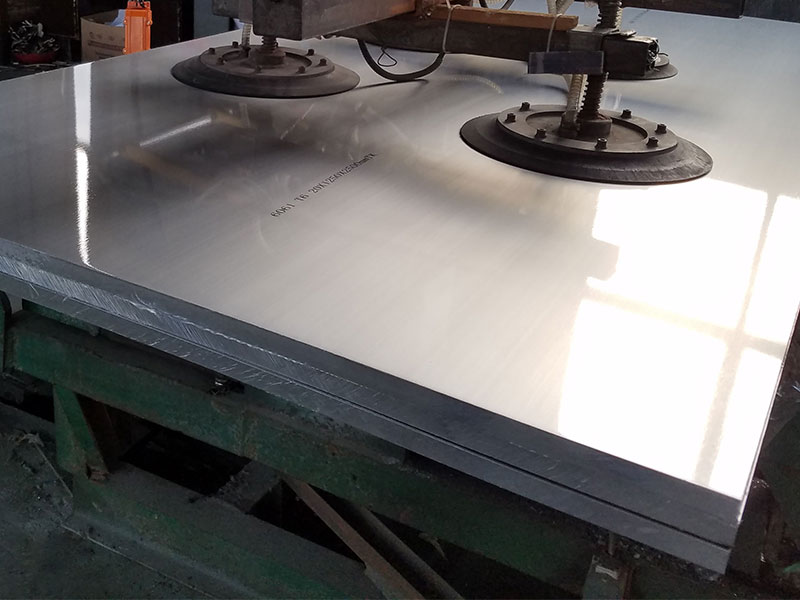
Marine heavy duty aluminum plate
Marine Heavy Duty Aluminum Plates Sheets generally refer to thick aluminum alloy plates and heavy gauge sheets produced from marine-grade alloys such as 5083, 5086, 5059, and 5383.
View Details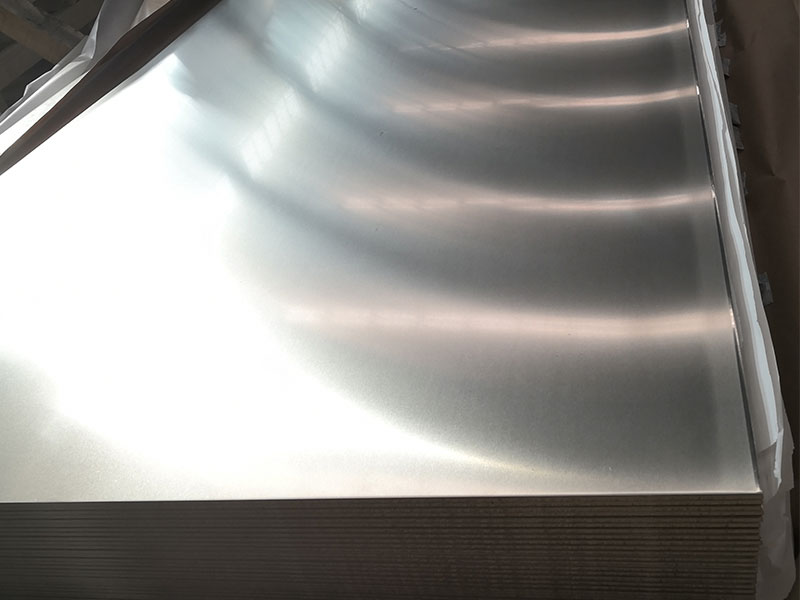
Marine 5052 aluminum plate
Marine 5052 Aluminum Plate is noted for its exceptional resistance to corrosion caused by seawater, salt spray, and marine atmospheres.
View Details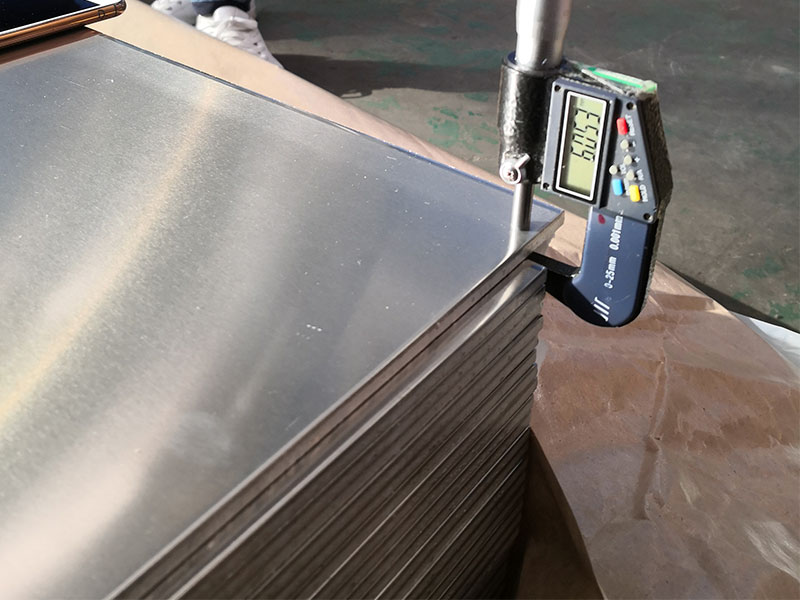
Marine 5383 aluminum plate
The 5383 aluminum alloy belongs to the 5xxx series of aluminum-magnesium alloys known for remarkable resistance to marine corrosion and high strength.
View Details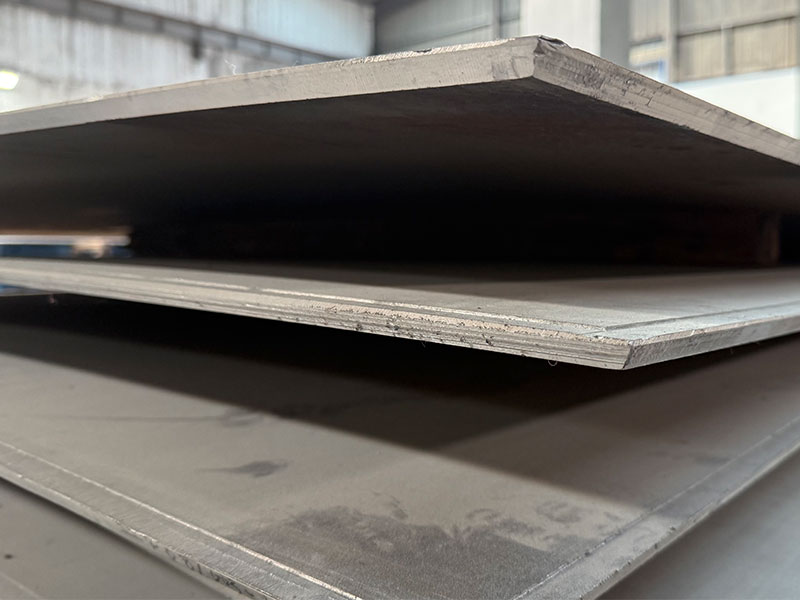
Marine aluminum steel clad plate
Aluminum / Steel Clad Plates consist of a sandwich construction in which a layer of marine-grade aluminum alloy is metallurgically bonded to a steel substrate.
View Details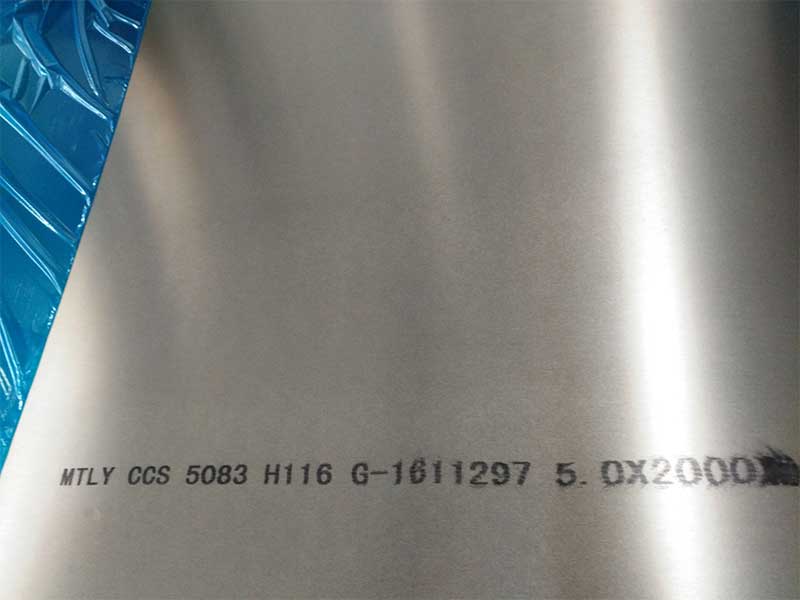
Marine 5083 aluminum plate
Marine 5083 Aluminum Plate belongs to the 5xxx series of aluminum-magnesium alloys and is classified as a non-heat-treatable alloy. Its high magnesium content (typically 4.0–4.9%) enhances its corrosion resistance, especially against seawater-related degradation such as pitting and stress corrosion cracking.
View Details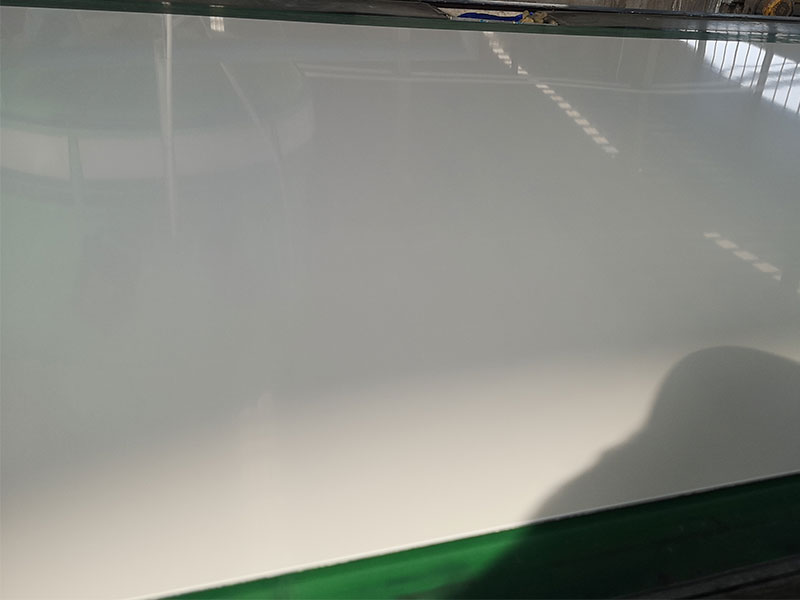
Marine 5086 aluminum plate
5086 Aluminum Plate belongs to the 5xxx series of aluminum-magnesium alloys. Its hallmark is a high magnesium content—generally between 4.0% and 4.9%—which delivers enhanced corrosion resistance, particularly against saltwater and marine atmospheric conditions.
View DetailsRelated Blog
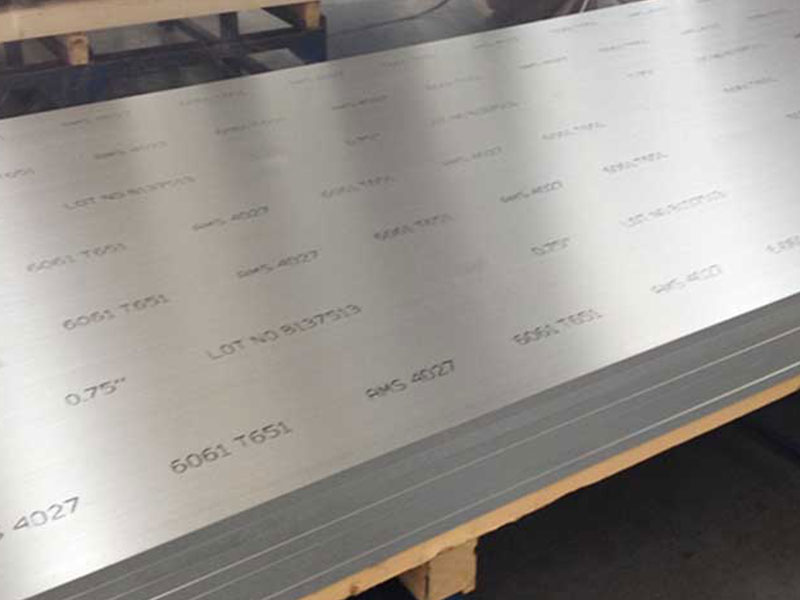
6063 aluminum sheet plate for ship building
When it comes to modern shipbuilding, selecting the right materials is a balancing act between durability, weight, corrosion resistance, and cost-efficiency.
View Details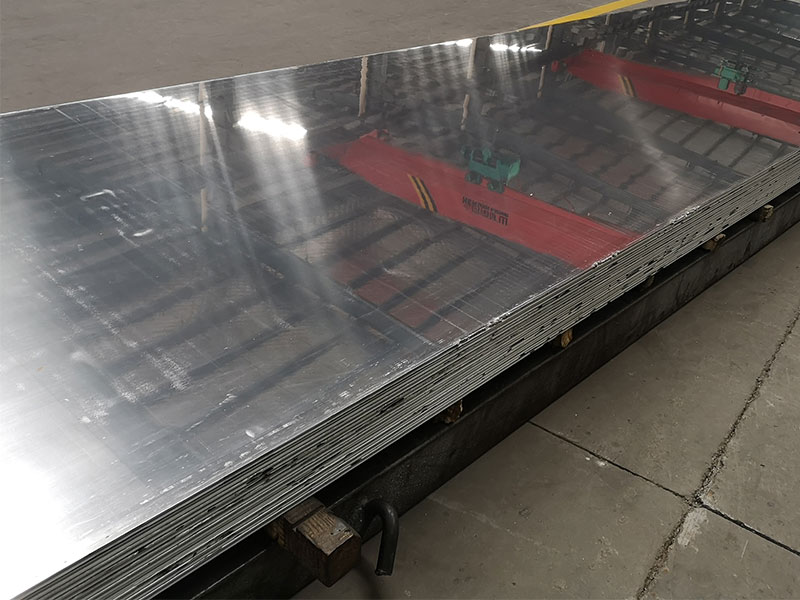
6063 marine aluminum plate
6063 Marine Aluminum Plate: The "Quiet Performer" for Sea-Air EnvironmentsWhen people search for marine aluminum plate, they often land on familiar alloy names used in hulls and high-stress structural zones.
View Details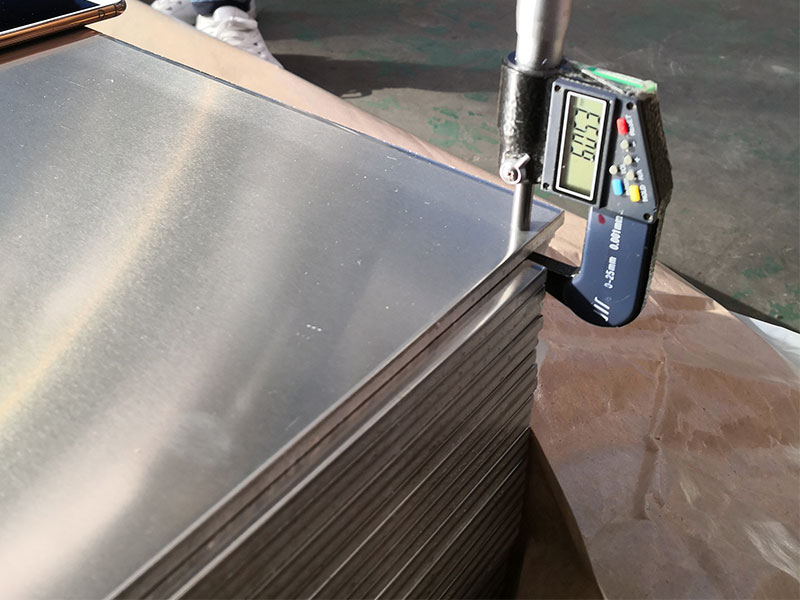
6082 t6 aluminum sheet for shipbuilding marine plate 6063 alloy
The marine and shipbuilding industry demands materials that withstand the harsh conditions of the sea while maintaining excellent performance and durability. Among the various materials available.
View Details
5052 5083 6063 h111 h22 h32 marine grade aluminum sheet plate
Marine projects demand materials that are lightweight, corrosion‑resistant, and reliable under harsh, salt‑water conditions. Among the most trusted options are the marine grade aluminum alloys 5052, 5083, and 6063 in tempers such as H111, H22, an.
View Details
Leave a Message