
Marine Aluminum Customized Shapes for Custom Boat Frame Construction and Design
When it comes to constructing custom boats, marine aluminum rises to the occasion—offering versatility, rigidity, and corrosion resistance needed for aquatic environments.
The Surge in Demand for Custom Boat Frames
The maritime industry continues to evolve with bespoke designs taking precedence for recreational enthusiasts and commercial entities alike. Custom boat frames not only enhance aesthetic appeal but also amplify performance and durability—a trend where marine aluminum plays an essential role.
Why Artificially Create Boat Frames?
- Lightweight Design: Enabling greater speed with less energy expenditure.
- Corrosion Resistance: An essential property when faced with saltwater exposure.
- Workability: Ease of fabrication for unique shapes and attenuates weldability requirements.
Marine Aluminum Profiles: Custom Shapes Defined
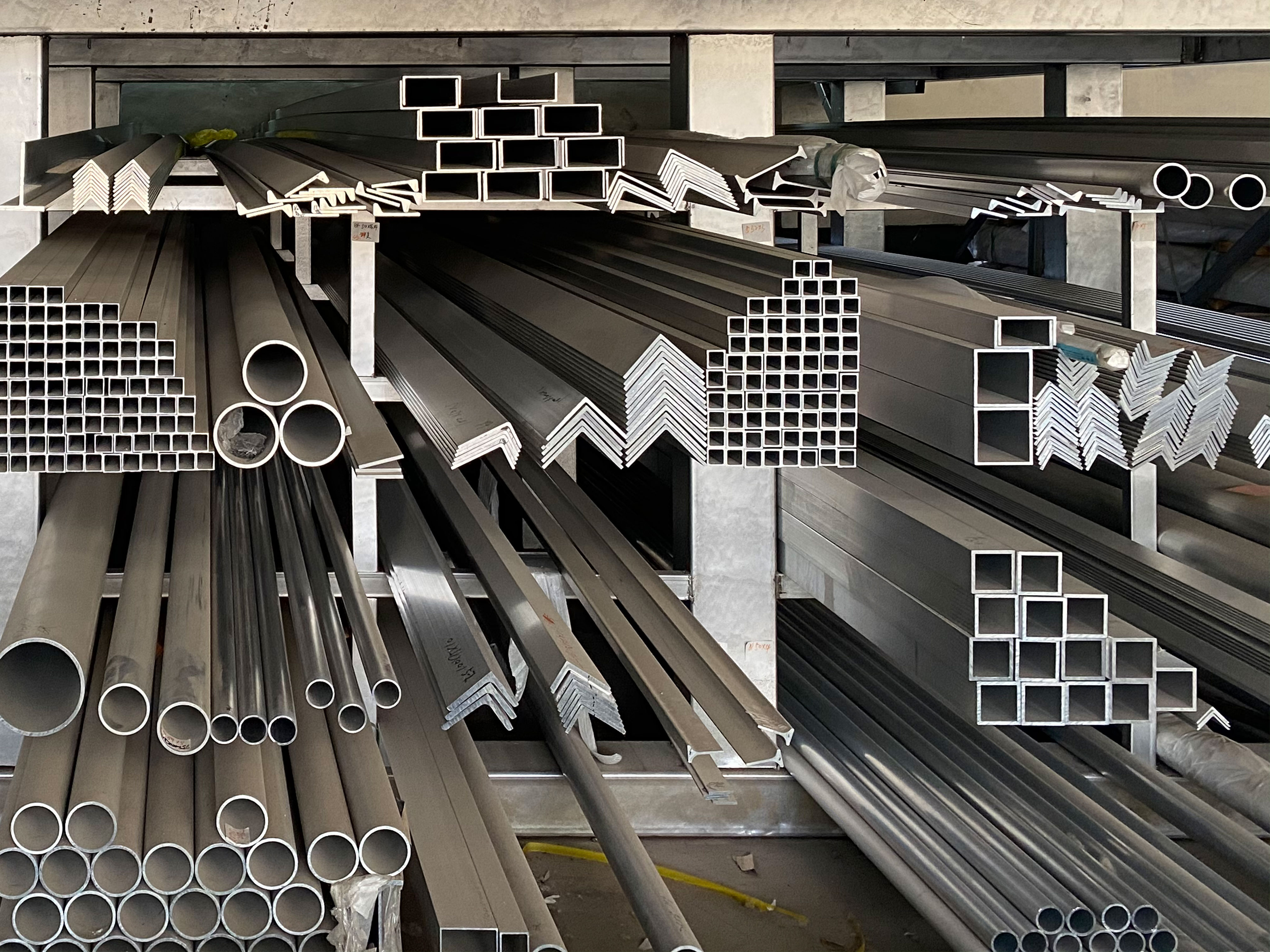
Custom shapes of marine aluminum are derived from versatile alloys specifically tailored for maritime applications. Manufacturers excel by producing varied profiles—channels, angles, squares, and DTOs (double-tapered outriggers), all customized to individual specifications.
Parameters of Custom Shapes
- Thickness & Gauge: A customizable area can deal with different gauge thicknesses which are pivotal for structural integrity.
- Length/Width/Height: Specification hinges significantly on design needs. Custom dimensions accommodate modifications that adhere to engineering requirements.
- Bend Radius: Sharper bending leads improve design flexibility to angles cleaner and yield optimum stress distribution.
Standards and Implementation: What You Need to Know
To promote the buyer's confidence in their engineering approximations, custom marine aluminum should comply with standardized norms like the American Society for Testing and Materials (ASTM) and the American Welding Society (AWS). Shipbuilders usually refer to these standards in the specification documents when drafting immediate plans.
Differentiating Alloy Tempers
alloy temper structuring is equally when delving into its frame capabilities. Standard NM-grade industrial and marine grade 5000 series (such as the widely known 5083 and 5052) are distinct in their temper classifications varied from H, F, O, or T characteristics, marking their stiffness and elasticity conformation.
Chemical Properties & Alloy Table
Marine aluminum’s resistance properties often hinge on its chemical composition. Here’s a quick comparison of notable grades commonly used in the marine environment:
| Alloy Grade | Major Alloying Elements | Main Properties | Registered Temper | Diameter Limits (mm) |
|---|---|---|---|---|
| 5083 | 4.5% Mg, 0.5% Cr | Exceptional performance in severe conditions; Influences weldability; Ultimate strength. | H116 | |
| 5052 | 2.5% Mg | Better workability combined with corrosion resistance. Maintain weld endurance. | H32 |
The temper condition spotlight matters, as each structural manipulation defaults to certain uses—where the elimination or change in production processes resolves to properties aligning favorably for boating apps.
Spectacular Joinery Procedures
Custom boat frame creation leverages successful procedures combining marine aluminum’s customized geometry merging together plate or section specs efficiently, profitable behavior evident post-application stress. Approaches linked compose strong joints; often laser-cutting is determined for sharp yields—a refinement marrying freedom with craftsmanship.
Advantages of Customized Shapes for Boat Frames
Harnessing marine aluminum’s characteristics translates fluid dynamics and weight matching into artful progress:
- Enhanced fuel efficiency demands cohesion refinement through kinetics.
- Improved Responsive Frameworks assures adaptability for soft straits or tricky torrents.
- Potential reduction in non-calcified leaks by its lighter presence opposed to heavier compromises, deslopping operational surveys ahead.

Related Products
Marine aluminum fencing and railings
Marine Grade Aluminum Fencing and Railings are fabricated using marine-grade aluminum alloys such as 5083, 5052, and 6061, which are engineered specifically for protection against saltwater corrosion and marine atmospheric conditions.
View Details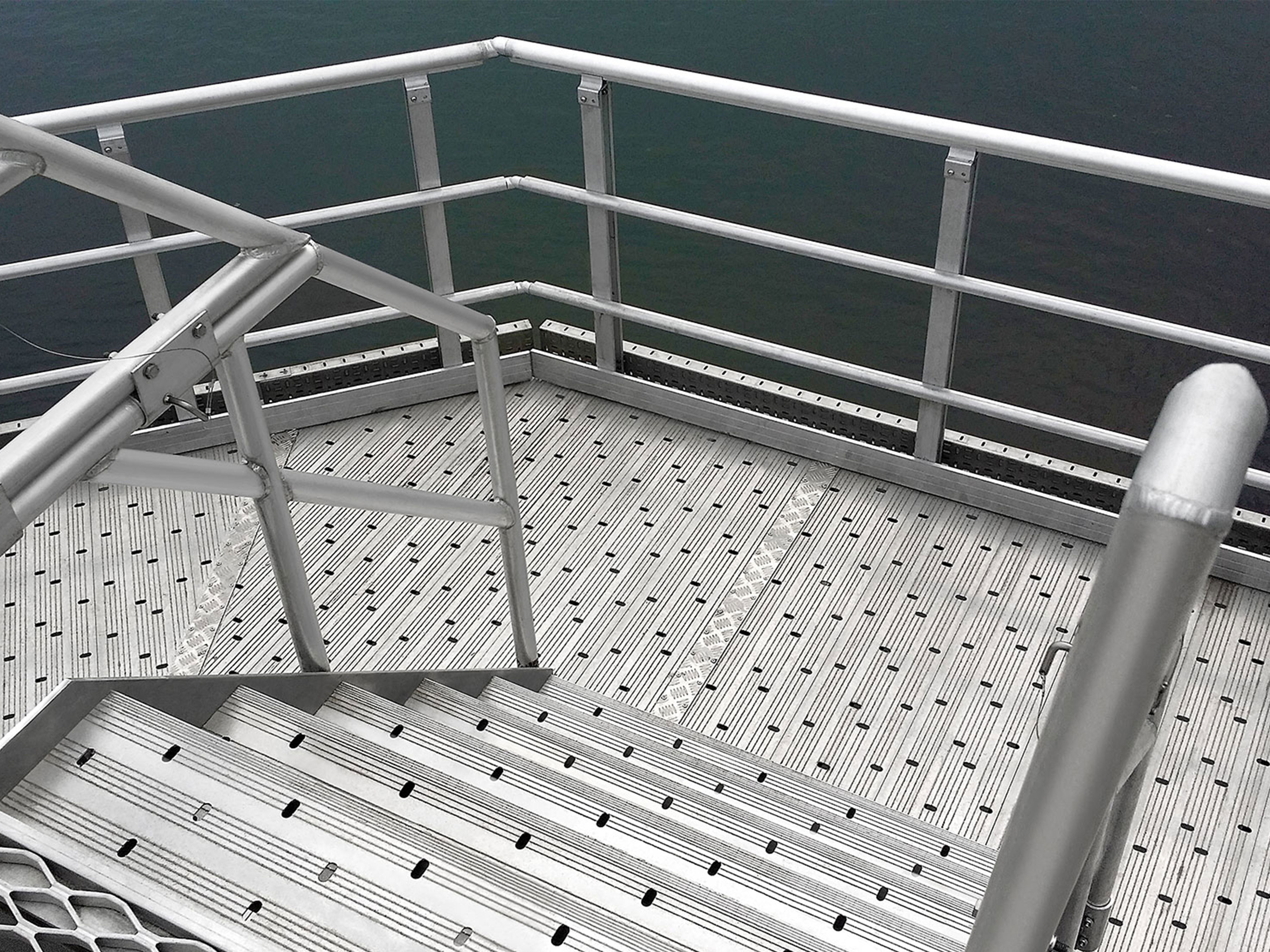
Marine aluminum customized shapes
Marine Grade Aluminum Customized Shapes encompass a broad range of aluminum extrusions and fabrications engineered beyond standard profiles—such as channels, angles, tubes, and beams—into complex, project-specific geometries.
View Details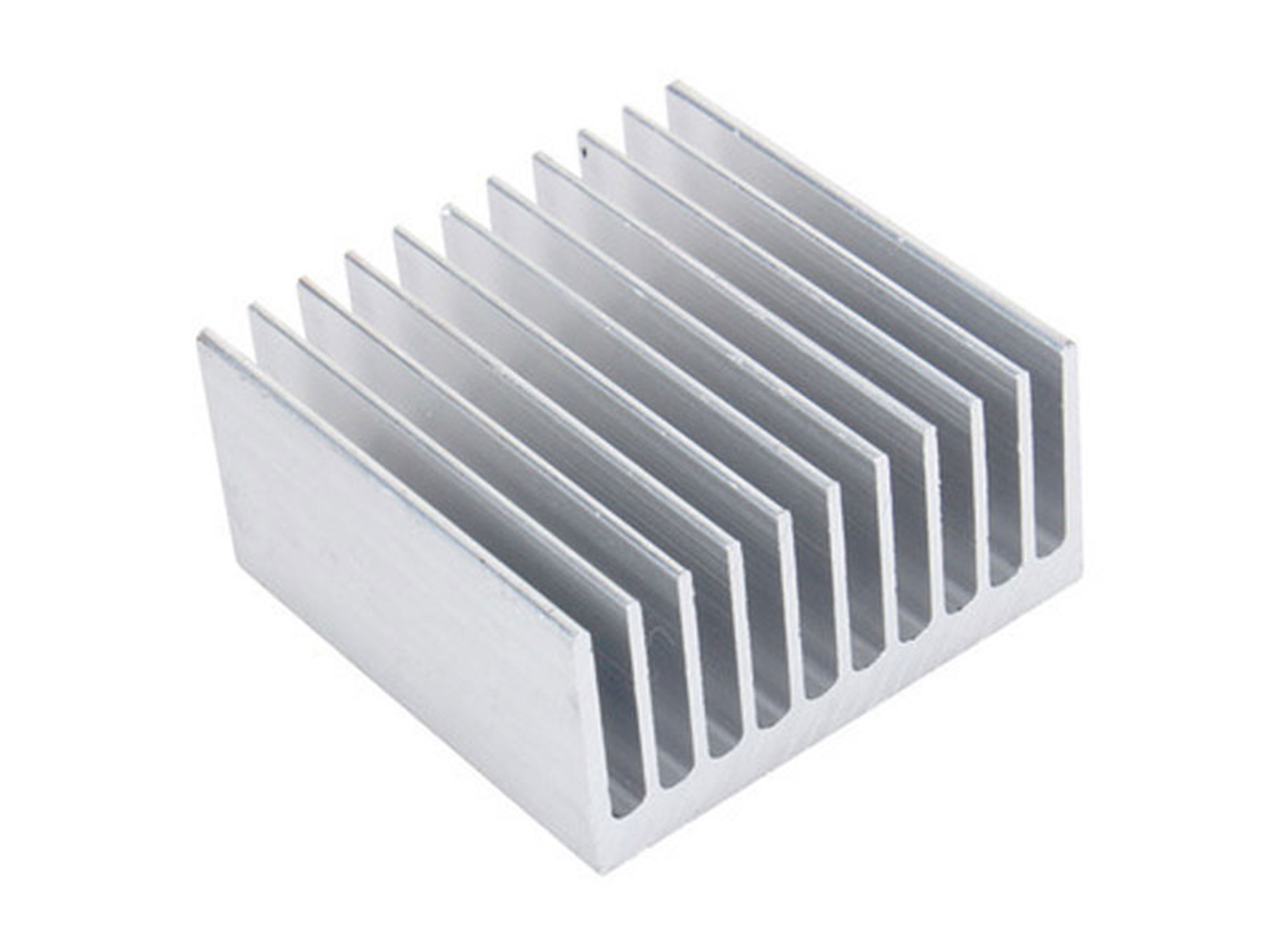
Marine aluminum heat sink profile
Marine Grade Aluminum Heat Sink Profiles utilize alloys such as 6061 and 6063 that not only exhibit high thermal conductivity but also possess excellent corrosion resistance required for saltwater exposure.
View DetailsRelated Blog
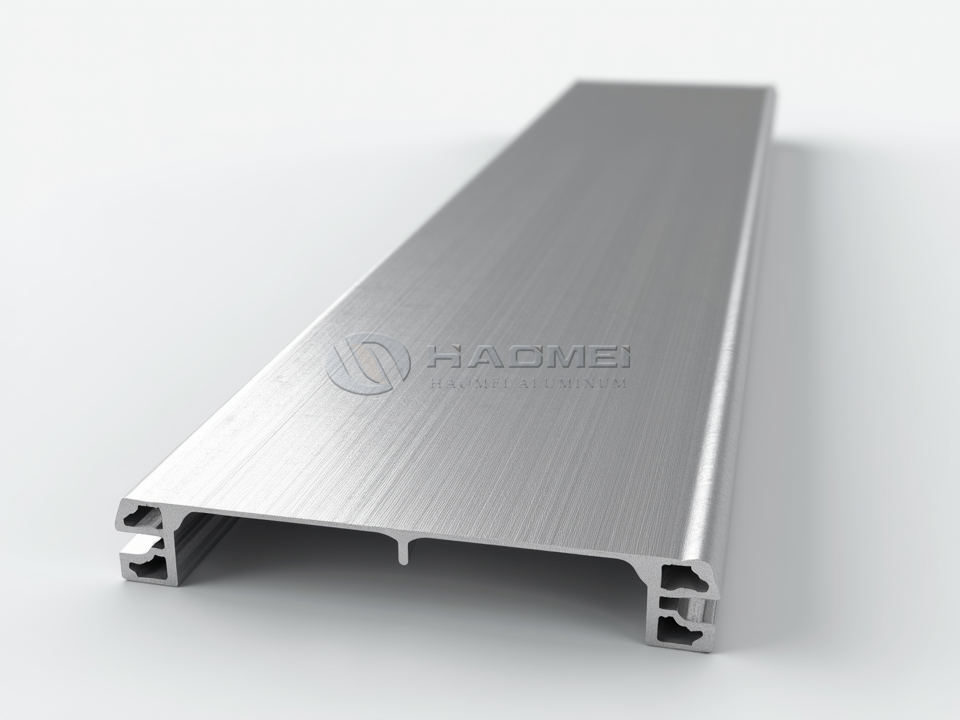
6061 Marine Aluminum Heat Sink Profile for Lightweight Cooling Systems for Boat Engines
6061 marine aluminum heat sink profiles reduce engine-bay weight while managing heat through fin design, corrosion control, mounting, and airflow.
View Details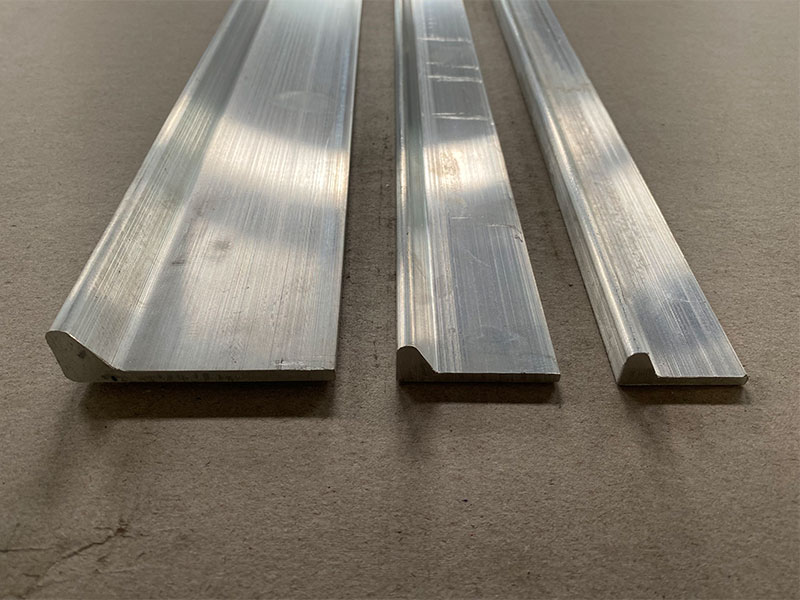
5083 Marine Aluminum Fencing and Railings for Seawater Resistant Marine Property Fencing
Marine properties demand fencing and railing systems that can survive salt spray, humidity cycles, UV exposure, and frequent washdowns without turning into a maintenance burden.
View Details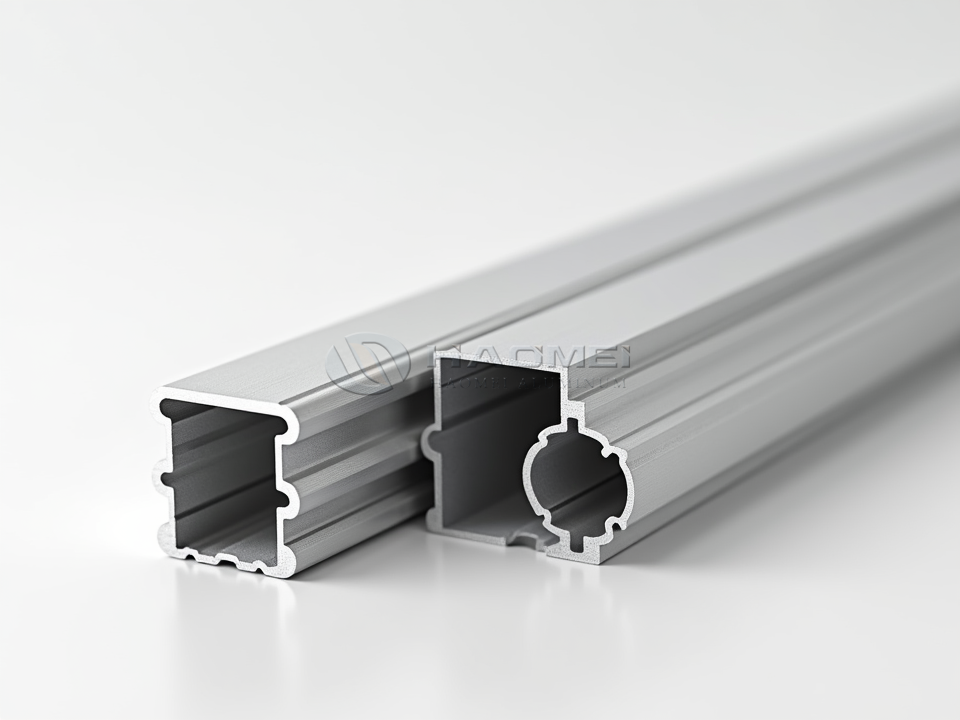
Marine Aluminum Heat Sink Profile for Cooling Coastal Offshore Engineering Equipment
Marine aluminum heat sink profiles combine conductive fin geometry, corrosion control, and low mass to cool exposed coastal and offshore electrical equipment.
View Details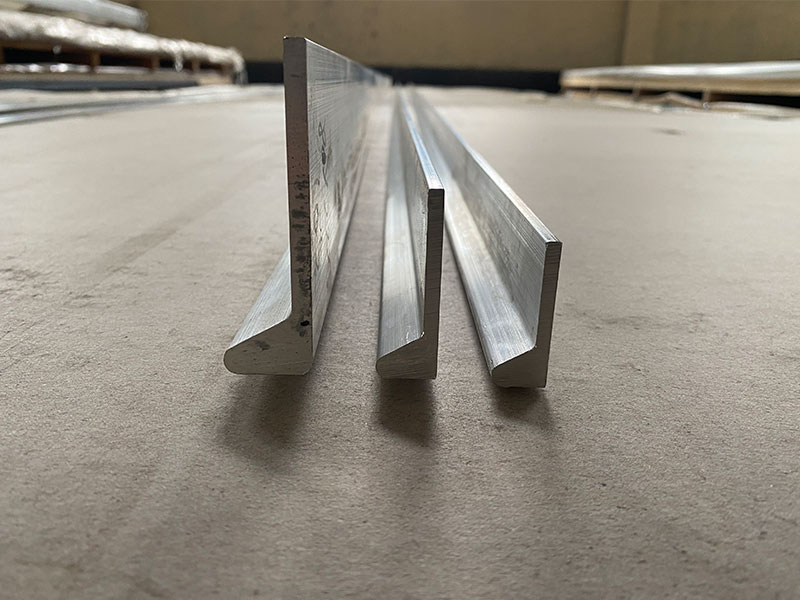
Marine Aluminum Heat Sink Profile for Efficient Marine Equipment Cooling
Marine environments require robust, corrosion-resistant, and thermally efficient materials for equipment enclosures and components.
View Details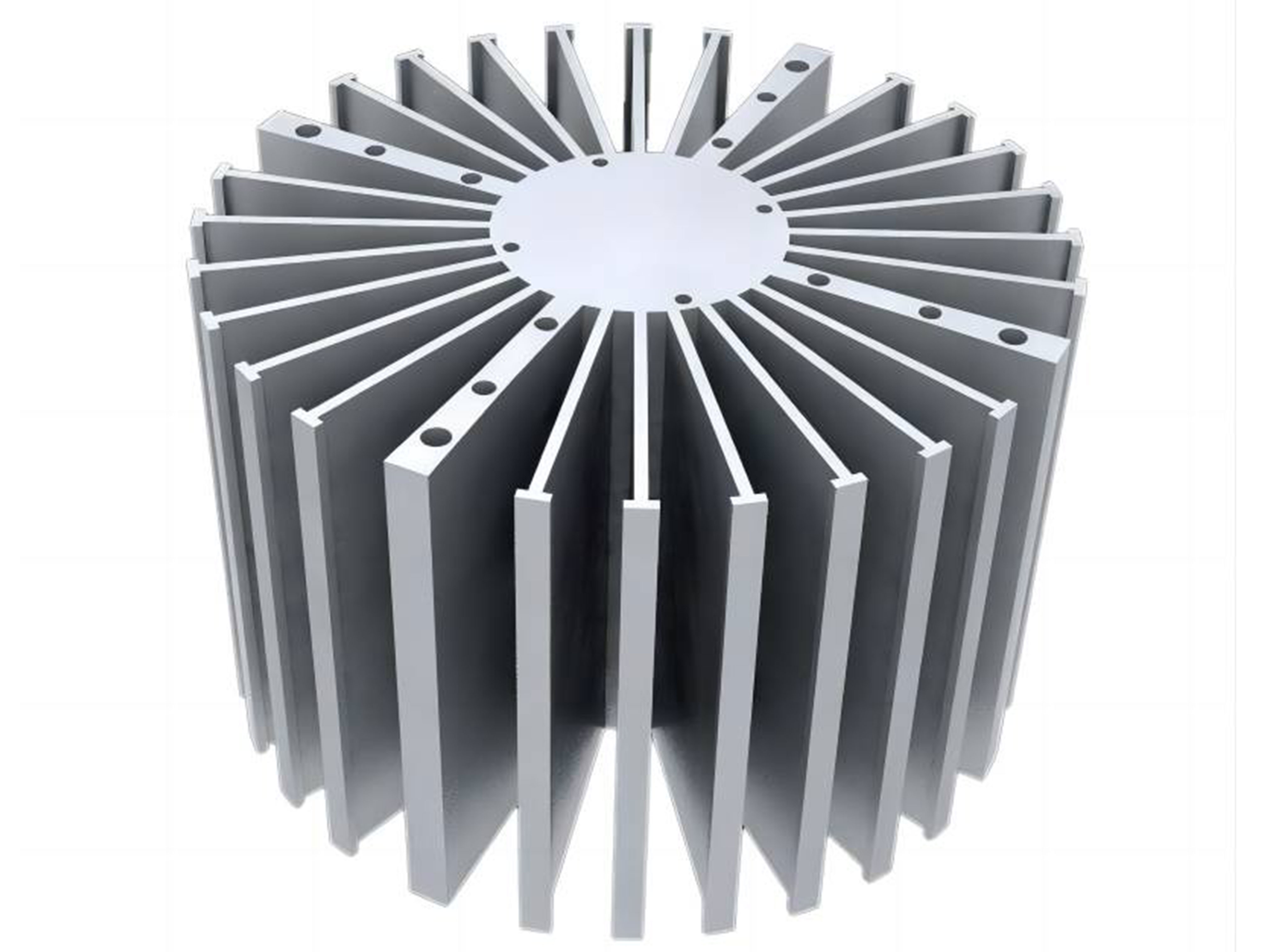
6063 Marine Aluminum Heat Sink Profile for Efficient Cooling of Offshore Equipment
In the marine and offshore industry, equipment reliability and performance hinge on effective thermal management solutions. Heat dissipation is a critical factor influencing the longevity and efficiency of sensitive offshore electronics and machinery.
View Details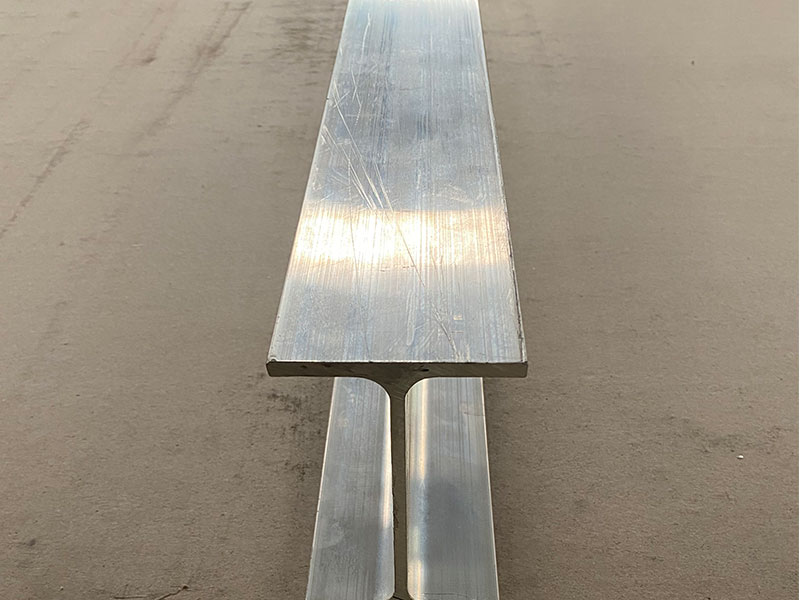
5083 Marine Aluminum Fencing and Railings for Custom Coastal Guardrails
5083 marine aluminum is a widely used alloy for coastal guardrails, fencing, and railings because it combines excellent corrosion resistance in seawater environments, strong mechanical properties, and good weldability.
View Details
Leave a Message