
3003 Aluminum sheet for Marine boat construction
Marine boat builders need materials that balance corrosion resistance, formability, weight, and cost-especially for interior structures, cabins, consoles, storage lockers, bulkhead liners, and trim parts. 3003 aluminum sheet (Al–Mn alloy) is a widely used, workhorse-grade material that fits this requirement set well. While it is not the first choice for fully immersed hull plating (where 5xxx series alloys dominate), 3003 excels in many marine-adjacent components where excellent forming performance and reliable corrosion behavior are essential.
Why 3003 Aluminum Sheet Works in Marine Build Environments
3003 is an aluminum-manganese alloy designed to provide higher strength than 1xxx series aluminum while retaining excellent ductility. In a boat construction context, this translates to:
- Easy fabrication for curved panels, housings, and enclosures
- Good general corrosion resistance in humid and salt-laden atmospheres
- Clean surface finish options for painted, anodized, or laminated interiors
- Attractive cost-performance ratio for high-volume sheet work
value proposition: 3003 is a fabricator-friendly marine sheet for non-critical or non-immersed components where you need shapes, bends, and repeatability more than maximum seawater strength.
Typical Marine Applications
3003 aluminum sheet is commonly specified for parts exposed to marine atmosphere, splash zones, and cabin moisture, especially where complex forming is required.
| Boat Component / Use Case | Why 3003 Fits | Notes |
|---|---|---|
| Cabin and interior panels | Excellent formability, good finish | Often painted/powder-coated |
| Console housings & instrument panels | Easy bending and cutting | Use proper sealing at fasteners |
| Locker doors, hatches (non-structural) | Good dent resistance vs 1xxx | Consider stiffening ribs |
| Bulkhead liners / partitions | Lightweight, corrosion resistant | Great for decorative laminates |
| Ventilation ducting & HVAC covers | Forms into tight radii | Common with 3003-H14 |
| Tank shrouds & covers (not direct fuel contact unless verified) | General corrosion resistance | Confirm compatibility and codes |
| Galley components and cabinetry frames | Hygienic, easy to clean | Surface treatment recommended |
| Trim, brackets, guards (moderate load) | Easy to fabricate | For higher strength choose 5052/5083 |
Practical guidance: If the part is continuously submerged, highly stressed, or welded into primary hull structure, consider 5052/5083/5086 instead. For formed sheet-metal assemblies in the marine atmosphere, 3003 is often an efficient choice.
3003 is strengthened mainly by manganese (Mn), which improves strength and helps maintain good corrosion resistance without sacrificing workability. It is a non-heat-treatable alloy: strength is achieved through cold working (temper designations like H12/H14/H16/H18) rather than solution treatment and aging.
This makes property control straightforward in sheet supply-particularly useful in production environments requiring consistent bending behavior and stable dimensional response.
Chemical Composition (Typical Limits)
| Element | Content (wt.%) |
|---|---|
| Aluminum (Al) | Balance |
| Manganese (Mn) | 1.0 – 1.5 |
| Copper (Cu) | 0.05 – 0.20 |
| Iron (Fe) | ≤ 0.70 |
| Silicon (Si) | ≤ 0.60 |
| Zinc (Zn) | ≤ 0.10 |
| Others (each) | ≤ 0.05 |
| Others (total) | ≤ 0.15 |
Marine note: Copper content is low, which helps maintain good general corrosion performance. For the harshest seawater exposure, 5xxx alloys still typically outperform 3xxx, but 3003 remains reliable for many above-water applications.
Mechanical Properties (Typical)
Properties vary by thickness and temper. The most common sheet temper for marine fabrication is 3003-H14 due to its balance of strength and bendability.
| Temper | Tensile Strength (MPa) | Yield Strength (MPa) | Elongation (%) | Forming Notes |
|---|---|---|---|---|
| O (Annealed) | ~110 | ~35 | ~30 | Best for deep drawing, very soft |
| H12 | ~130 | ~115 | ~12–18 | Light work-hardening |
| H14 | ~145 | ~125 | ~8–12 | Great general-purpose sheet |
| H16 | ~165 | ~145 | ~6–10 | Higher strength, tighter bend limits |
| H18 | ~185 | ~165 | ~4–8 | Hard, more crack risk in tight bends |
Bending behavior: For tight radii and complex forming (e.g., rolled edges, louvers), H14 or O temper is usually preferred.
Performance Characteristics for Boat Construction
Corrosion Resistance in Marine Atmospheres
3003 performs well in humid, salty air environments, especially when supported by good design practices:
- Avoid water traps and crevices
- Use compatible fasteners (prefer 316 stainless with isolation measures)
- Apply protective coatings when aesthetics or extra durability is required
Formability and Fabrication Efficiency
3003 is known for:
- Easy shear and brake forming
- Predictable springback characteristics
- Suitability for roll forming and drawn shapes
This can reduce scrap rate and shorten production cycles-important for boat shops producing repeatable sheet-metal subassemblies.
Weldability (with Practical Caveats)
3003 is weldable using common processes (TIG/MIG), but:
- It is not the preferred alloy for highly loaded welded structures
- Proper filler selection and weld procedure matter
- Post-weld appearance and corrosion protection should be managed (cleaning, sealing, coating)
For weld-heavy marine structures, builders often shift to 5xxx series.
Technical Specifications (Common Supply Range)
Below is a typical supply profile. Actual availability depends on mill and service center inventories.
| Parameter | Typical Range / Option |
|---|---|
| Product form | Sheet / coil |
| Thickness | 0.5 – 6.0 mm (common); thicker plate may be available |
| Width | 1000 / 1220 / 1250 / 1500 mm (custom slitting possible) |
| Length | 2000 / 2440 / 3000 mm (cut-to-length) |
| Temper options | O, H12, H14, H16, H18 |
| Surface finish | Mill finish, brushed, coated (PVDF/PE), stucco embossed (if needed) |
| Standards (typical) | ASTM B209 / EN AW-3003 (subject to regional supply) |
| Protective options | PVC film masking, paper interleaving, seaworthy packing |
Design & Use-Case Recommendations (Marine-Specific)
| Situation | Recommended Approach with 3003 |
|---|---|
| Exterior panels above waterline | Use coating system (primer + topcoat or powder coat), seal edges |
| Fastener joints | Isolate dissimilar metals (nylon washers, barrier tape), avoid galvanic couples |
| Areas with standing water | Add drainage, avoid lap joints, use sealant where appropriate |
| Decorative interior components | Consider brushed finish + clear coat for easy cleaning |
| High impact zones | Increase thickness, add ribs, or move to higher-strength alloy |
| Benefit | What It Means in Boat Building |
|---|---|
| Excellent formability | Faster bending/rolling, fewer cracks, easier custom shapes |
| Good corrosion resistance | Reliable performance in marine air and damp compartments |
| Lightweight | Helps maintain payload efficiency and handling |
| Cost-effective | Strong value for non-hull and non-critical structural parts |
| Versatile finishing | Paint, powder coat, and decorative finishes apply well |
When to Choose 3003 (and When Not To)
Choose 3003 aluminum sheet when you need:
- Highly formable sheet parts
- Stable, repeatable fabrication for panels and enclosures
- Good corrosion resistance in marine atmosphere
- Cost-efficient production material
Consider alternatives when:
- The component is primary hull plating or continuously seawater-immersed (commonly 5083/5086)
- You require higher strength with better marine fatigue performance (often 5052/5086)
- You need high hardness and wear resistance (specialized alloys/coatings)
Closing: A Practical Marine Sheet That Builds Fast
For many boat construction tasks-especially interior and above-water fabricated sheet parts-3003 aluminum sheet offers a highly practical combination of workability, corrosion resistance, and value. It bends cleanly, forms reliably, and supports a wide range of surface finishes. When paired with smart marine detailing (drainage, isolation, sealing, and coatings), 3003 becomes a dependable material choice that helps builders move from design to production with fewer headaches and consistent results.

Related Products
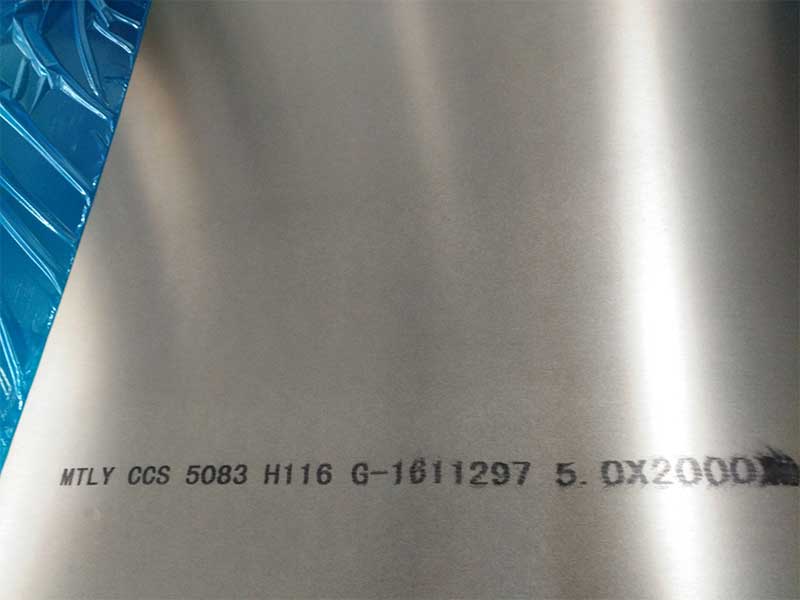
Marine 5083 aluminum sheet
Aluminum alloy 5083 is a non-heat-treatable alloy primarily composed of magnesium and trace elements that deliver outstanding protection against corrosion, particularly in seawater and saline atmospheres.
View Details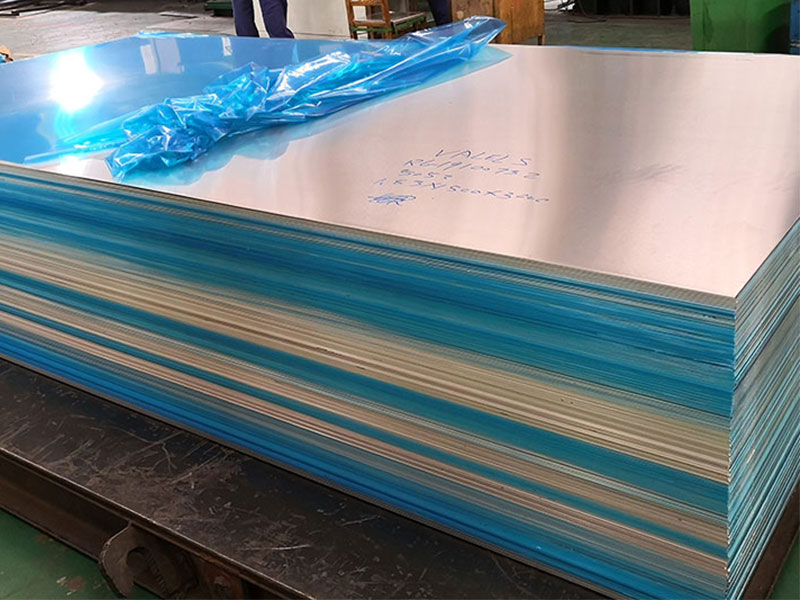
Marine 5059 aluminum sheet
5059 aluminum alloy is a strain-hardened material with a unique addition of magnesium and chromium, which provides outstanding resistance to localized corrosion like pitting and stress corrosion cracking.
View Details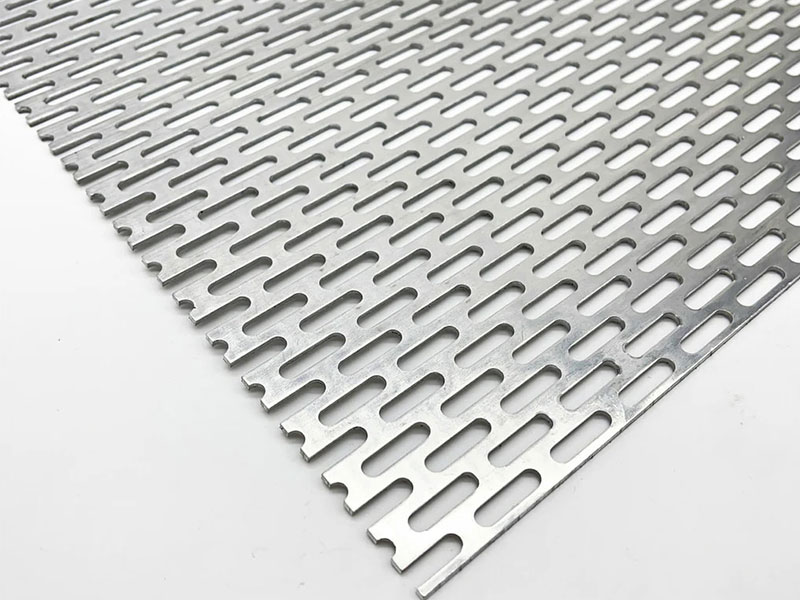
Marine perforated aluminum sheets
Marine Perforated Aluminum Sheets feature a series of uniform holes or shapes punched through the aluminum surface. These perforations can vary in size, pattern, and open area to tailor the sheets for specific applications.
View Details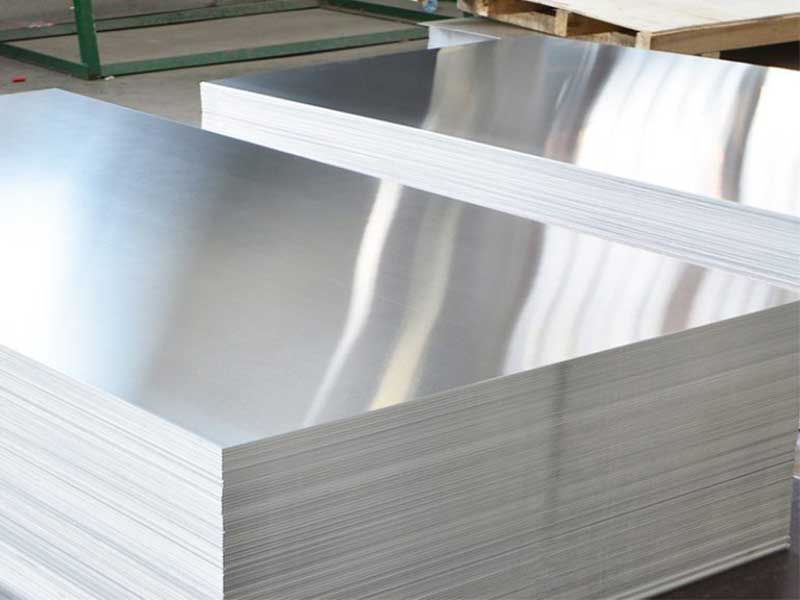
Marine anodized aluminum sheets
Marine Anodized Aluminum Sheets start with premium marine-grade aluminum alloys such as 5000 and 6000 series (typically 5083, 5052, and 6061).
View Details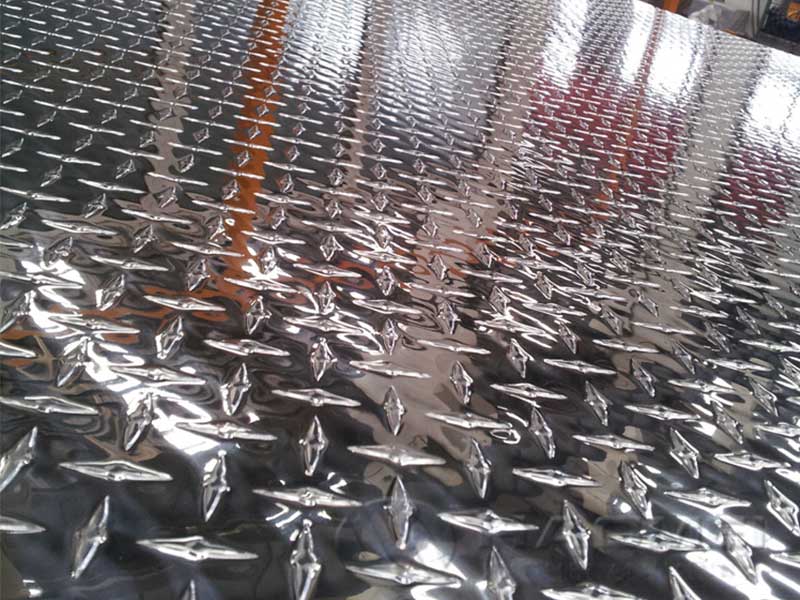
Marine Aluminum Tread Sheets
Marine Aluminum Tread Sheets are aluminum alloy plates featuring a raised surface pattern, commonly referred to as a tread design or diamond plate.
View Details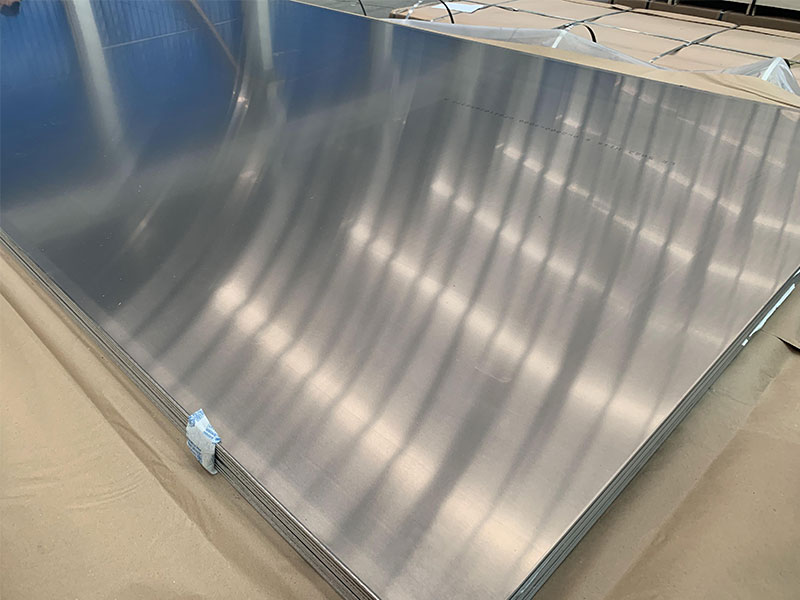
Marine 5052 aluminum sheet
Aluminum alloy 5052 is a non-heat-treatable, strain-hardened alloy with magnesium as the primary alloying element. It is designed to offer superior corrosion resistance in marine and saline environments, making it a dependable choice for components exposed directly to seawater or coastal atmospheric conditions.
View DetailsRelated Blog
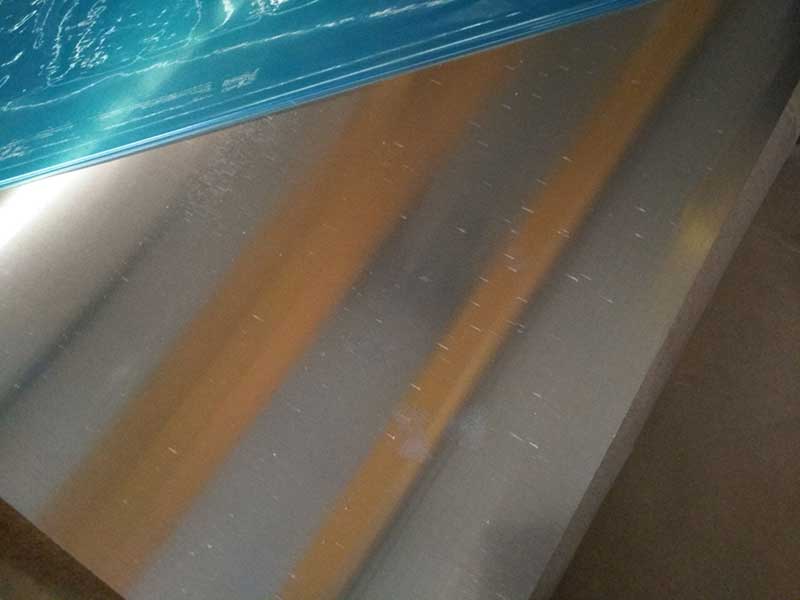
1060 2024 3003 6061 7075 aluminum sheet for boat
When selecting aluminum sheets for marine applications, one must consider not only the alloy's strength and weight but also its resistance to corrosion, formability, and other properties that can influence a vessel's performance and longevity.
View Details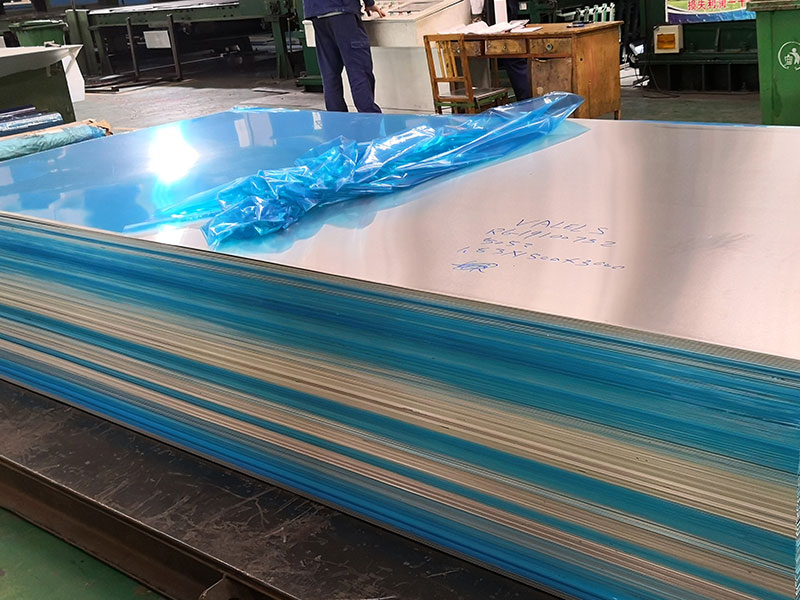
3003 Aluminum sheet for Marine boat construction
Marine boat builders need materials that balance corrosion resistance, formability, weight, and cost-especially for interior structures, cabins, consoles, storage lockers, bulkhead liners, and trim parts.
View Details
Leave a Message