
Marine Aluminum Customized Shapes for Custom Marine Construction Projects
Marine environments are unforgiving: high salinity, constant moisture, mechanical shock, and long exposure times demand materials that are both robust and lightweight. Marine aluminum customized shapes are engineered to meet these exact challenges, giving shipbuilders, offshore fabricators, and marine engineers the flexibility to design without compromise.
What Are Marine aluminum customized shapes?
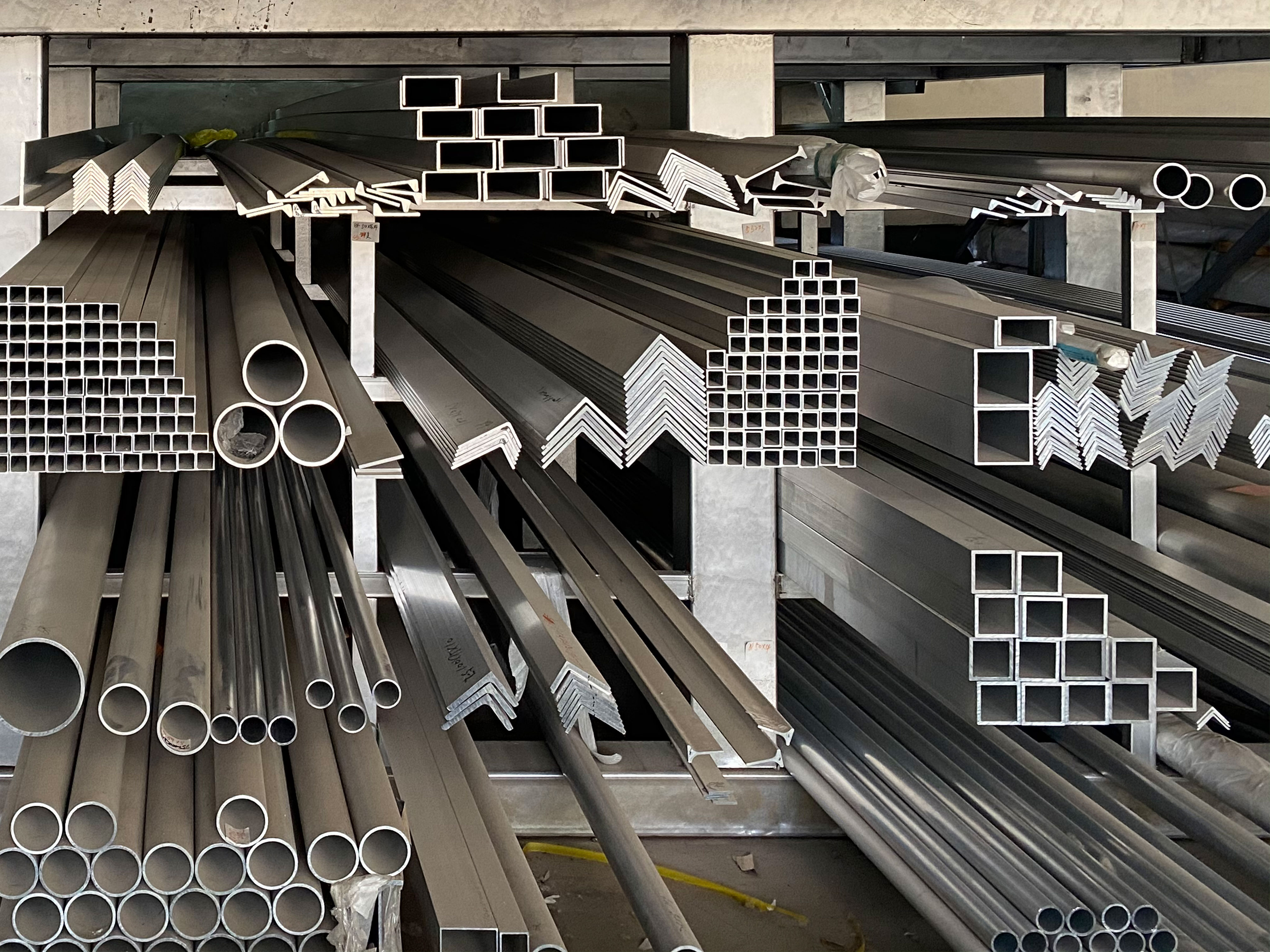
Marine aluminum customized shapes are extruded or fabricated aluminum profiles designed to meet specific dimensional, structural, or integration requirements in marine environments.
Typical customized shapes include:
- Complex hull reinforcement profiles
- Deck edge and cap rail extrusions
- Rib and frame sections
- Custom channels, angles, and T‑profiles
- Cable tray and conduit shapes
- Integrated mounting rails for equipment or interior fit‑out
These shapes are normally based on proven marine alloys (such as 5xxx and 6xxx series) but tailored in geometry, temper, and finish to match project‑specific requirements.
Common Marine Aluminum Alloys Used for Custom Shapes
While many aluminum alloys exist, a handful dominate marine construction due to their corrosion resistance, weldability, and strength‑to‑weight balance.
| Alloy Series | Common Grades | Characteristics | Typical Marine Use Cases |
|---|---|---|---|
| 5xxx | 5083, 5086, 5454 | Excellent corrosion resistance in seawater, non‑heat‑treatable, good weldability | Hull plating, frames, bulkheads, superstructures |
| 6xxx | 6005A, 6061, 6082 | Good strength, heat‑treatable, excellent extrudability | Custom extrusions, deck fittings, rails, structural shapes |
Representative Chemical Composition
Exact chemistry depends on the selected alloy, but the following tables show typical ranges for two commonly used grades in customized marine shapes: 5083 (plate/structural) and 6082 (structural/extruded).
Alloy 5083 (Typical Composition, wt%)
| Element | Min (%) | Max (%) |
|---|---|---|
| Mg | 4.0 | 4.9 |
| Mn | 0.40 | 1.0 |
| Cr | 0.05 | 0.25 |
| Si | — | 0.40 |
| Fe | — | 0.40 |
| Cu | — | 0.10 |
| Zn | — | 0.25 |
| Ti | — | 0.15 |
| Al | Balance | Balance |
Alloy 6082 (Typical Composition, wt%)
| Element | Min (%) | Max (%) |
|---|---|---|
| Mg | 0.60 | 1.20 |
| Si | 0.70 | 1.30 |
| Mn | 0.40 | 1.0 |
| Fe | — | 0.50 |
| Cu | — | 0.10 |
| Cr | — | 0.25 |
| Zn | — | 0.20 |
| Ti | — | 0.10 |
| Al | Balance | Balance |
Features of Marine aluminum customized shapes
Corrosion Resistance in Seawater
The high magnesium content in 5xxx series and balanced composition in 6xxx series form a stable, adherent oxide layer that protects against pitting and crevice corrosion.
| Property | 5xxx Series (e.g., 5083) | 6xxx Series (e.g., 6082) |
|---|---|---|
| Galvanic potential vs. steel | More noble | More noble |
| Pitting corrosion resistance | Excellent | Very good |
| Stress corrosion susceptibility | Low (properly designed) | Low to moderate |
For additional protection, custom shapes can be supplied with anodizing or specialized marine coatings when design conditions warrant an extra layer of defense.
High Strength‑to‑Weight Ratio
Aluminum’s density, about one‑third that of steel, means you can achieve significant weight savings without sacrificing strength.
| Material | Approx. Density (g/cm³) | Typical Yield Strength (MPa) | Notes |
|---|---|---|---|
| Marine Aluminum (5083‑H116) | ~2.66 | 215–240 | Non‑heat‑treatable, strain‑hardened |
| Marine Aluminum (6082‑T6) | ~2.70 | 250–310 | Heat‑treated, structural extrusions |
| Carbon Steel (mild) | ~7.85 | 235–275 | Higher density, similar yield strength |
This weight reduction directly impacts vessel speed, fuel efficiency, payload capacity, and stability.
Excellent Weldability and Fabrication
Marine aluminum alloys are designed for compatibility with MIG and TIG welding processes commonly used in shipyards and fabrication shops.
| Fabrication Property | 5xxx Series | 6xxx Series |
|---|---|---|
| Weldability (MIG/TIG) | Excellent | Very good |
| Formability | Very good | Good |
| Machinability | Good | Very good |
Customized shapes can incorporate weld‑friendly geometries, such as thicker weld lands, beveled edges, and integration points for automated welding.
Dimensional Precision and Design Flexibility
Extrusion technology allows highly complex profiles to be repeated with tight tolerances.
| Parameter | Typical Capability (Extrusions) |
|---|---|
| Wall thickness | ~1.5–20 mm (depending on profile) |
| Profile width | Up to ~400 mm or more |
| Straightness tolerance | As low as 1–2 mm per meter (by spec) |
| Length availability | Typically 3–12 m, custom on request |
This precision helps reduce fitting time, minimize on‑site rework, and improve alignment in modular construction.
Values below are indicative; actual specifications are tailored to alloy, temper, and profile geometry.
Mechanical Properties (Typical)
| Alloy / Temper | Tensile Strength (MPa) | Yield Strength (MPa) | Elongation (%) |
|---|---|---|---|
| 5083‑H116 | 305–340 | 215–240 | 10–16 |
| 6082‑T6 | 295–340 | 250–310 | 8–12 |
Physical Properties
| Property | Typical Value |
|---|---|
| Density | 2.65–2.75 g/cm³ |
| Modulus of Elasticity | ~70 GPa |
| Coefficient of Thermal Expansion | ~23 × 10⁻⁶ /K |
| Thermal Conductivity | 120–180 W/m·K |
| Electrical Conductivity | 27–40 % IACS |
Available Tempers for Custom Shapes
| Alloy | Common Tempers for Marine Use | Notes |
|---|---|---|
| 5083 | O, H111, H116, H321 | Optimized for corrosion and toughness |
| 6082 | T5, T6, T6511 | Optimized for strength in extrusions |
Typical Customized Shape Categories
Structural and Framing Profiles
| Shape Type | Examples | Primary Function |
|---|---|---|
| Hull stiffeners | Hat sections, bulb flats, T‑stiffeners | Increase hull panel stiffness, reduce weight |
| Frames & ribs | Custom I‑beams, channels, Z‑profiles | Main structural skeleton of hull and decks |
| Bulkhead members | Angles, box sections | Transfer loads and separate compartments |
Deck, Superstructure, and Outfitting Shapes
| Shape Type | Examples | Primary Function |
|---|---|---|
| Deck edging | Rounded caps, anti‑trip profiles | Safety, aesthetics, impact protection |
| Rail and handrail | Elliptical tubes, ergonomic grip sections | Safe access and passenger comfort |
| Cable & pipe trays | Slotted channels, reinforced C‑profiles | Routing and protecting utilities |
| Window & door frames | Custom hollow extrusions | Lightweight, corrosion‑resistant framing |
Integration‑Ready Technical Profiles
| Feature Type | Description | Use Case |
|---|---|---|
| Integrated mounting rails | T‑slots, dovetail channels | Fixing panels, seats, cabinets, equipment |
| Sensor & wiring channels | Hollow or partially closed conduits | Protecting cables, sensors, optic fibers |
| Hybrid joining features | Grooves for sealants, gaskets, inserts | Composite panels, glass, or insulation joints |
Advantages in Custom Marine Construction
Reduced Fabrication Time and Cost
By building functionality into the profile, customized marine aluminum shapes can replace multi‑piece welded assemblies.
| Comparison Factor | Conventional Fabrication | Custom Aluminum Shape |
|---|---|---|
| Parts per assembly | Multiple plates and stiffeners | Single integrated extrusion |
| Welding length | Long, multi‑pass welds | Shorter, simpler welds |
| Assembly time | Higher, more manual fitting | Lower, with plug‑and‑play components |
| Dimensional accuracy | Heavily dependent on operator | Built‑in tolerance from extrusion tooling |
Fewer parts, less welding, and standardized modules translate into lower labor costs and shorter build schedules.
Weight Savings and Performance Benefits
Lower structural weight improves:
- Fuel efficiency and operating range
- Payload capacity (cargo, passengers, equipment)
- Stability and seakeeping
- Acceleration and maneuverability for fast craft
This is especially critical in high‑speed ferries, patrol boats, workboats, and advanced recreational vessels.
Design Freedom for Innovative Marine Projects
Customized shapes enable marine architects and engineers to:
- Integrate hidden wiring and plumbing within structural members
- Create smoother, safer transitions between deck levels
- Optimize hull stiffness distribution without over‑thick plating
- Incorporate modern aesthetics with clean, continuous lines
The result is not only technical performance but also a cleaner, more refined visual design, important for passenger vessels, yachts, and public ferries.
Typical Applications in the Marine Sector
| Application Area | Examples of Use | Benefits of Customized Shapes |
|---|---|---|
| Commercial shipbuilding | Workboats, fishing vessels, small cargo craft | Durable, low‑maintenance structure |
| High‑speed craft | Patrol boats, fast ferries | High strength‑to‑weight, improved fuel economy |
| Offshore structures | Access platforms, gangways, floating modules | Corrosion resistance, light handling and installation |
| Recreational vessels | Yachts, catamarans, houseboats | Premium aesthetics, integrated functionality |
| Port infrastructure | Fender systems, floating pontoons, ramps | Low corrosion, long service life, easy refurbishing |
Customization Options
Marine aluminum customized shapes can be tailored across multiple dimensions:
| Category | Options |
|---|---|
| Alloy & temper | 5083, 5086, 5454, 6005A, 6061, 6082 in marine tempers |
| Geometry | Open and hollow profiles, multi‑cavity sections, thick‑flange shapes |
| Surface finish | Mill finish, brushed, anodized, pre‑treated for painting |
| Length & cut | Stock lengths, cut‑to‑size, machined ends and notches |
| Integration | Holes, slots, weld preps, gasket grooves, T‑slots |
The design process typically starts from a concept sketch or CAD model, which is then optimized for extrusion feasibility, load paths, and manufacturability.
Marine aluminum customized shapes combine corrosion‑resistant alloys, precise extrusion technology, and application‑specific design to deliver high‑performance solutions for custom marine construction projects. By integrating functions into a single profile, they reduce weight, simplify fabrication, and open up new possibilities for vessel and offshore structure design.
For shipyards, naval architects, and marine engineers looking to accelerate builds while improving performance, customized marine aluminum shapes offer a powerful, flexible platform to turn innovative concepts into durable, seaworthy reality.

Related Products
Marine aluminum fencing and railings
Marine Grade Aluminum Fencing and Railings are fabricated using marine-grade aluminum alloys such as 5083, 5052, and 6061, which are engineered specifically for protection against saltwater corrosion and marine atmospheric conditions.
View Details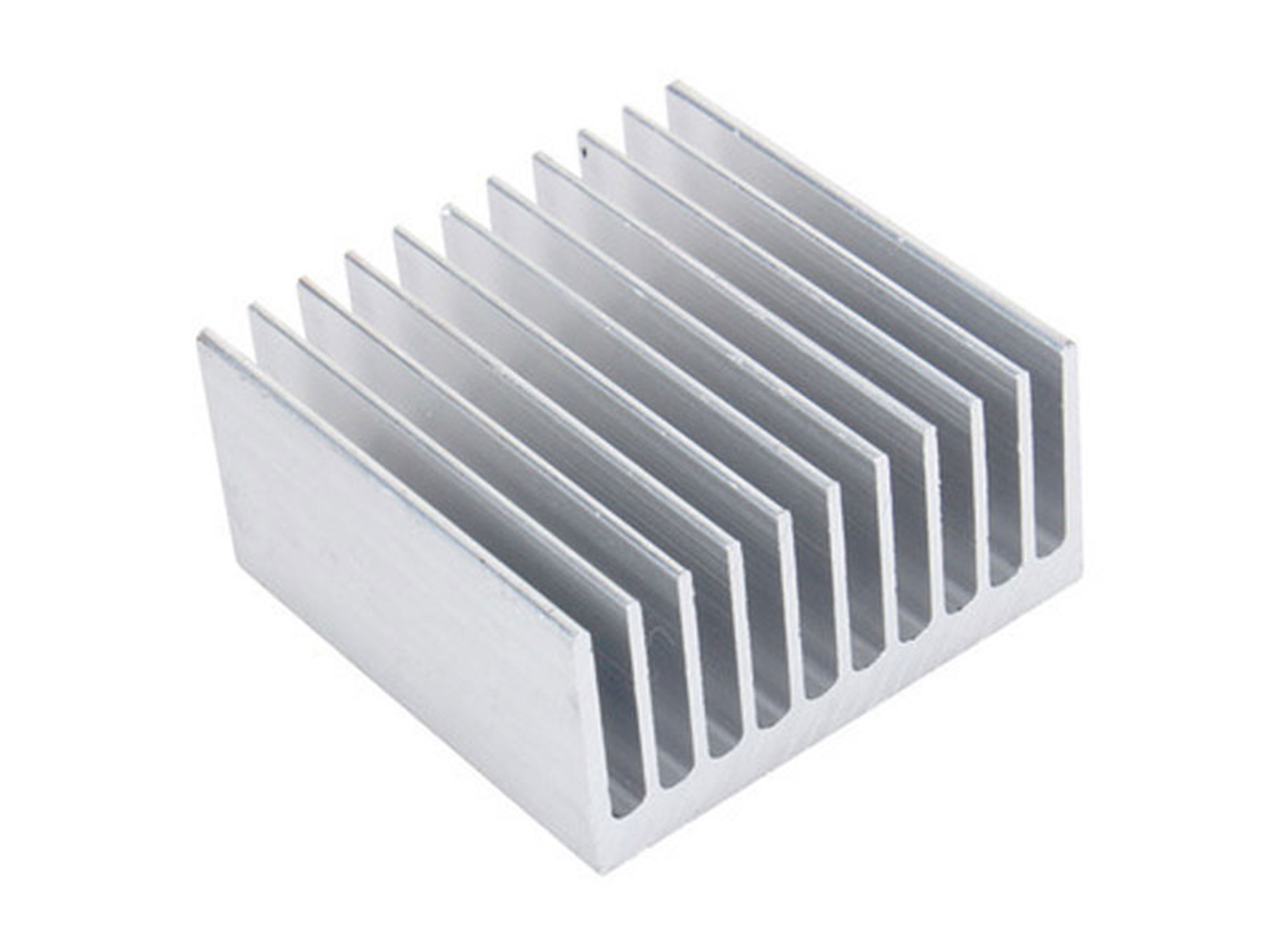
Marine aluminum heat sink profile
Marine Grade Aluminum Heat Sink Profiles utilize alloys such as 6061 and 6063 that not only exhibit high thermal conductivity but also possess excellent corrosion resistance required for saltwater exposure.
View Details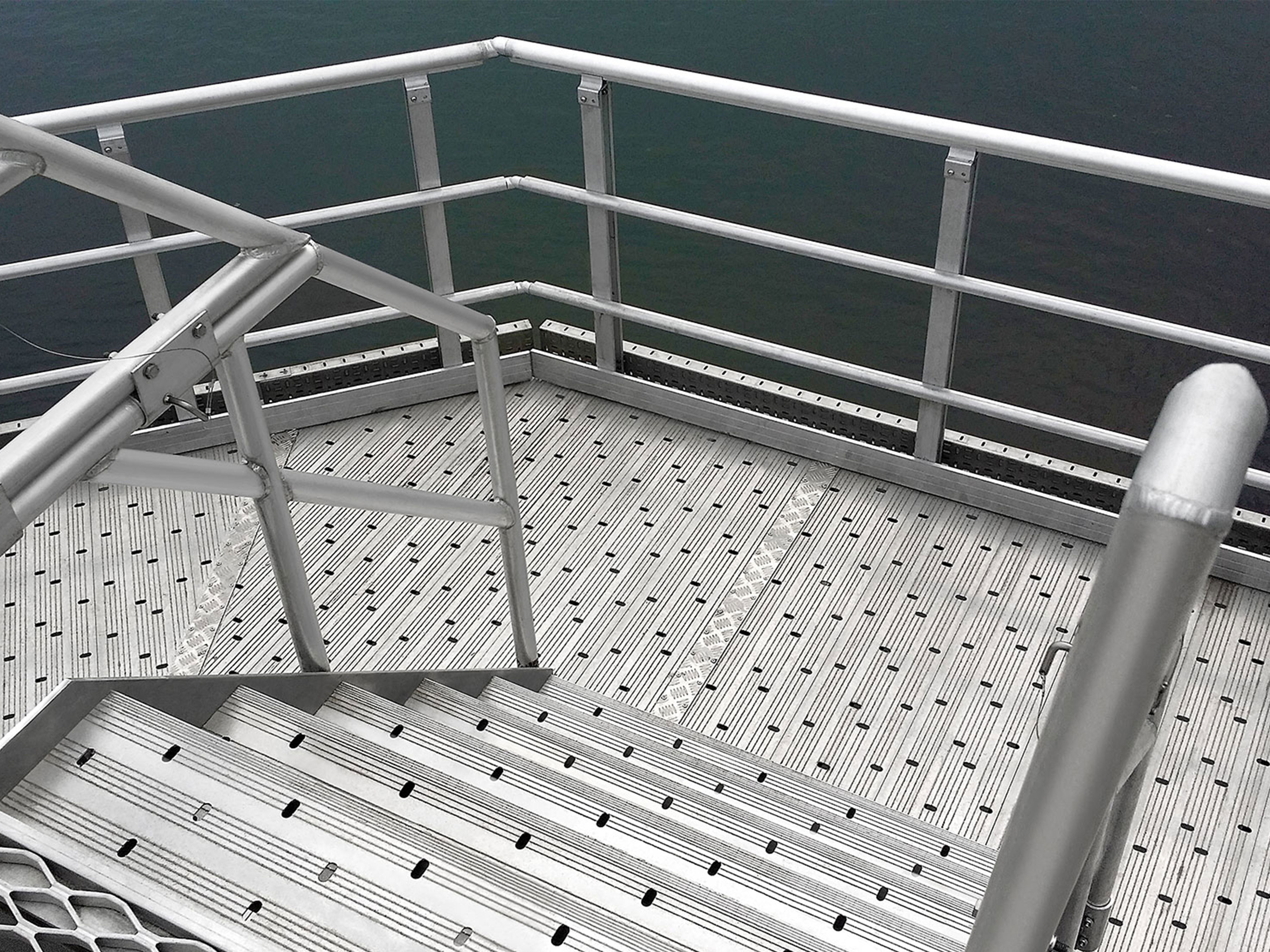
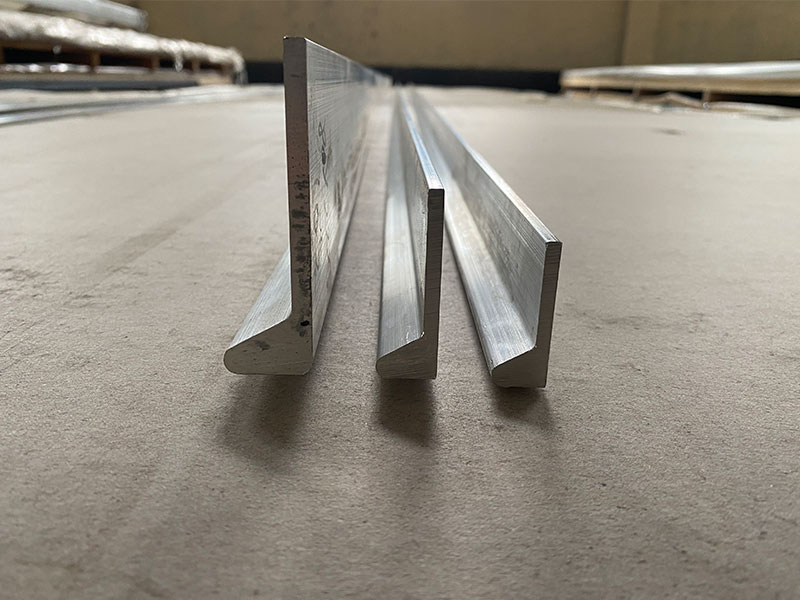
Marine aluminum customized shapes
Marine Grade Aluminum Customized Shapes encompass a broad range of aluminum extrusions and fabrications engineered beyond standard profiles—such as channels, angles, tubes, and beams—into complex, project-specific geometries.
View DetailsRelated Blog
Marine Aluminum Fencing and Railings for High Strength Boat Deck Safety Barriers
When it comes to ensuring safety on boat decks, the choice of fencing and railing materials plays a critical role. Marine aluminum fencing and railings have emerged as the premier solution for high strength, corrosion-resistant.
View Details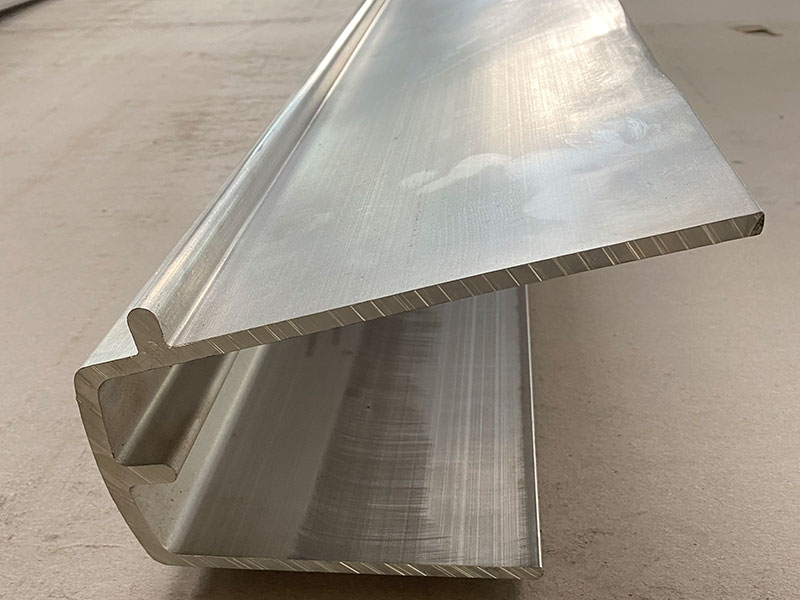
Marine Aluminum Customized Shapes for Offshore Platform Structural Reinforcements
Offshore platforms live in an unforgiving environment: chloride-rich seawater, cyclic wave loading, deck equipment vibration, and strict weight constraints that influence everything from pile design to crane capacity.
View Details
Marine Aluminum Heat Sink Profile for Efficient Marine Equipment Cooling
Marine environments require robust, corrosion-resistant, and thermally efficient materials for equipment enclosures and components.
View Details
5083 Marine Aluminum Customized Shapes for Saltwater Resistant Boat Deck Frames
When it comes to boat deck frames that endure the relentless challenge of saltwater environments, the choice of materials is paramount. Among all options.
View Details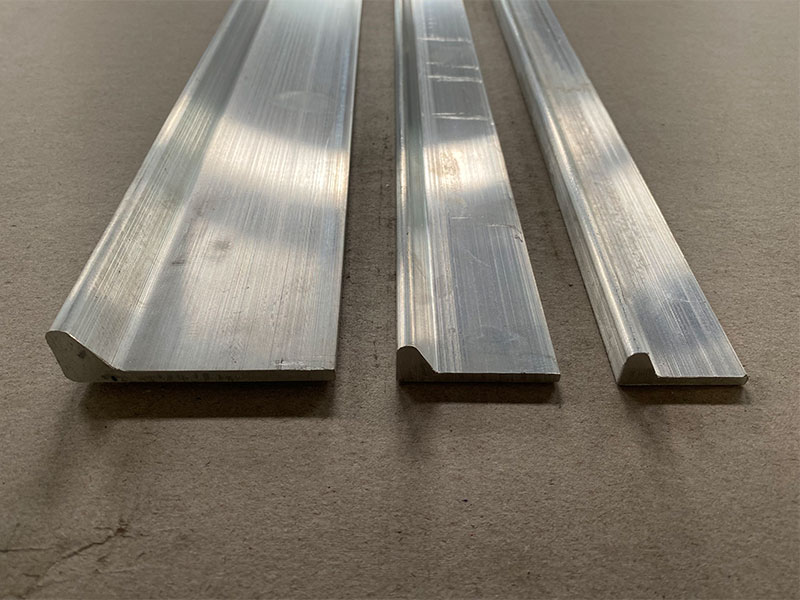
5083 Marine Aluminum Fencing and Railings for Coastal Marine Safety Solutions
When it comes to enhancing safety and durability along coastal infrastructure, selecting the right materials for fencing and railings is paramount. Among the most trusted choices is 5083 marine aluminum.
View Details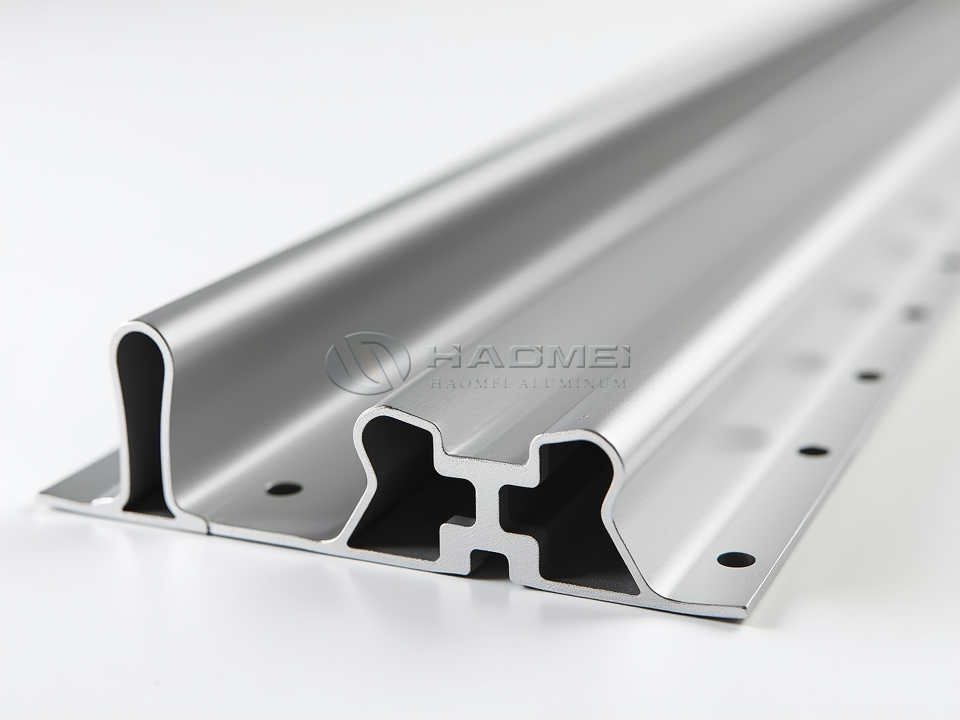
6061 Marine Aluminum Heat Sink Profile for Coastal Electronics Thermal Management
Explore 6061 marine aluminum heat sink profiles for coastal electronics, with thermal data, corrosion guidance, finishes, design choices, and marine uses.
View Details
Leave a Message