
Marine Aluminum Heat Sink Profile for Offshore Marine Equipment Heat Dissipation
Offshore platforms, coastal substations, deck machinery, and marine electronics all share the same thermal challenge: high heat load in an aggressive saltwater atmosphere. A Marine aluminum heat sink profile is purpose-built to move heat away from sensitive components while resisting corrosion, galvanic attack, and long-term surface degradation. Compared with general industrial heat sink extrusions, marine-grade alloys and controlled surface treatments are selected to withstand chloride exposure, cyclic humidity, and mechanical vibration typical of offshore operations.
A Marine aluminum heat sink profile is an extruded aluminum profile with engineered fins, base thickness, and mounting geometry optimized for conduction + convection heat transfer. The profile is manufactured from marine aluminum alloys (commonly 5xxx or corrosion-optimized 6xxx series) and can be supplied as raw extrusion, anodized, or conversion-coated depending on the installation environment.
Features (What Makes It "Marine")
Enhanced corrosion resistance in chloride environments
Alloy selection and surface treatment are designed to reduce pitting and under-film corrosion under salt spray and high humidity.High thermal conductivity with stable mechanical strength
Extruded aluminum provides an excellent balance of heat transfer and structural rigidity, maintaining fin geometry under vibration.Extrusion-friendly fin design for repeatable performance
Consistent fin spacing and thickness improve airflow behavior and make thermal performance more predictable lot-to-lot.Weight reduction for offshore equipment
Aluminum enables large heat dissipation area with low mass, helpful for topside weight control and easier installation.Surface finish options for harsh service
Anodizing, chromate-free conversion coating, or marine paint systems can be specified for the exact corrosion category.
Typical Offshore & Marine Applications
| Application Area | Typical Equipment | Why This Heat Sink Profile Fits |
|---|---|---|
| Offshore instrumentation | PLC modules, I/O racks, signal conditioners | Reliable thermal path with corrosion-tolerant finishes |
| Marine power electronics | DC/DC converters, inverters, rectifiers | Handles high heat flux and vibration |
| LED marine lighting | Floodlights, navigation aids | Keeps junction temperatures low for longer lifetime |
| Radar & comms enclosures | RF power modules, amplifiers | Stable thermal performance in sealed/vented housings |
| Battery energy storage | BMS and balancing electronics | Compact extrusions integrate mounting and cooling |
| Deck & machinery sensors | Motor drives, control boxes | Rugged, light, and corrosion-resistant |
Recommended Marine Aluminum Alloys & Tempers
Marine environments commonly favor 5xxx series for corrosion performance and 6xxx series for extrusion flexibility and machinability. For heat sink profiles, we typically propose the following practical options:
| Alloy | Typical Temper | Strength / Corrosion Notes | Heat Sink Suitability |
|---|---|---|---|
| 6063 | T5 / T6 | Excellent extrudability, good corrosion resistance | Best for complex fin profiles and thin fins |
| 6061 | T6 | Higher strength than 6063; good corrosion resistance | Good for heavier base / structural mounting |
| 5083 | H111 / H116 | Outstanding marine corrosion resistance; not typically extruded as complex fins | Often used for plates/bases rather than finned extrusions |
| 5052 | H32 | Very good corrosion resistance and formability | Suitable for sheet-based heat spreaders and covers |
In most finned extrusion cases, 6063-T5/T6 is the most cost-effective and widely available. Where mounting loads are higher, 6061-T6 is often selected.
Chemical Composition (Reference Ranges)
Below are common composition ranges for widely used extrusion alloys in marine-adjacent heat sink designs. Final composition shall conform to applicable standards (ASTM/EN/GB) agreed in the purchase order.
Alloy 6063 (Typical, wt.%)
| Element | Si | Fe | Cu | Mn | Mg | Cr | Zn | Ti | Al |
|---|---|---|---|---|---|---|---|---|---|
| Range | 0.20–0.60 | ≤0.35 | ≤0.10 | ≤0.10 | 0.45–0.90 | ≤0.10 | ≤0.10 | ≤0.10 | Balance |
Alloy 6061 (Typical, wt.%)
| Element | Si | Fe | Cu | Mn | Mg | Cr | Zn | Ti | Al |
|---|---|---|---|---|---|---|---|---|---|
| Range | 0.40–0.80 | ≤0.70 | 0.15–0.40 | ≤0.15 | 0.80–1.20 | 0.04–0.35 | ≤0.25 | ≤0.15 | Balance |
Technical Specifications (Standard Supply Capability)
Values below reflect typical manufacturing capability for heat sink profiles. Actual limits depend on profile geometry and tooling.
| Item | Typical Specification |
|---|---|
| Manufacturing method | Aluminum extrusion + optional CNC machining |
| Common alloys | 6063-T5/T6, 6061-T6 (others on request) |
| Profile length | 1,000–6,000 mm (cut-to-length available) |
| Base thickness | 3–20 mm (design-dependent) |
| Fin thickness | 0.8–3.0 mm (design-dependent) |
| Fin height | 10–80 mm (design-dependent) |
| Dimensional tolerance | As per agreed extrusion standard and drawing |
| Straightness / twist | Controlled per profile size and length |
| Surface finish options | Mill finish, anodized, conversion coated, marine paint system |
| Machining options | Drilling, tapping, slots, pockets, end milling |
| Marking & traceability | Heat number / batch traceability available |
Thermal Performance Parameters (Selection-Oriented)
Thermal performance depends strongly on airflow, mounting interface, and enclosure design. The table below gives typical engineering parameters used when designing offshore heat dissipation systems.
| Parameter | Typical Range / Note |
|---|---|
| Aluminum thermal conductivity (k) | ~170–210 W/m·K (alloy/temper dependent) |
| Surface emissivity (anodized) | ~0.75–0.90 (improves radiation component) |
| Surface emissivity (mill finish) | ~0.05–0.15 (low radiation component) |
| Recommended fin spacing | Typically 6–12 mm for natural convection; tighter spacing may restrict airflow |
| Thermal interface | Use marine-stable TIM (gap pad/grease) + corrosion-managed fasteners |
| Mounting advice | Flatness control + uniform bolt torque reduces interface resistance |
Practical note: In offshore cabinets where airflow is constrained, black anodizing or a qualified coating system can improve radiative heat transfer and surface durability, especially when paired with forced ventilation.
Corrosion Resistance & Surface Treatment Options
Offshore service introduces salt fog, splash zones, and dissimilar-metal contact. Selecting the correct finish is often as important as the alloy.
| Surface Option | Benefit | Typical Use Case |
|---|---|---|
| Mill finish | Lowest cost; highest raw conductivity | Controlled indoor cabinets, low salt exposure |
| Anodizing (clear/black) | Improved corrosion resistance; higher emissivity | General offshore electronics, LED housings |
| Chromate-free conversion coating | Conductive surface + paint adhesion | EMI/grounding needs, coated assemblies |
| Marine paint system over pretreatment | Highest barrier protection | Splash zone, external housings, harsh exposure |
To reduce galvanic corrosion, specify compatible fasteners (often insulated stainless steel hardware, or isolated joints) and avoid direct contact with copper-rich components without insulation.
Quality & Compliance (Common Expectations)
| Quality Item | Typical Customer Requirement |
|---|---|
| Surface inspection | No blistering, peeling, or severe die lines impacting function |
| Traceability | Alloy heat, temper, and batch tracking |
| Test options | Salt spray screening for finish systems (project-specific) |
| Packaging | Anti-scratch separation + moisture control for sea transport |
Customer Selection Guide (Fast Fit Check)
| Your Condition | Recommended Direction |
|---|---|
| Complex fin shape, high extrusion efficiency | 6063-T5/T6 + anodize as needed |
| Higher mounting load or structural integration | 6061-T6 + controlled machining |
| High chloride exposure and long-life cosmetics | Anodize or paint system with qualified pretreatment |
| Conductive exterior surface required | Conversion coating (chromate-free) + design grounding points |
| Tight enclosure, limited airflow | Taller fins may not help; optimize fin spacing + consider forced air + high-emissivity finish |
The Marine aluminum heat sink profile for Offshore Marine Equipment Heat Dissipation is an extruded aluminum cooling solution designed for saltwater, high-humidity, and vibration-heavy environments. Using marine-suitable alloys such as 6063-T5/T6 and 6061-T6, it delivers strong heat transfer performance, low weight, and reliable corrosion resistance with finish options including anodizing, conversion coating, and marine paint systems. Ideal for offshore power electronics, LED marine lighting, instrumentation cabinets, radar/comms modules, and control enclosures, this heat sink profile offers flexible machining, consistent fin geometry, and specification-driven quality for long service life in demanding marine conditions.

Related Products
Marine aluminum fencing and railings
Marine Grade Aluminum Fencing and Railings are fabricated using marine-grade aluminum alloys such as 5083, 5052, and 6061, which are engineered specifically for protection against saltwater corrosion and marine atmospheric conditions.
View Details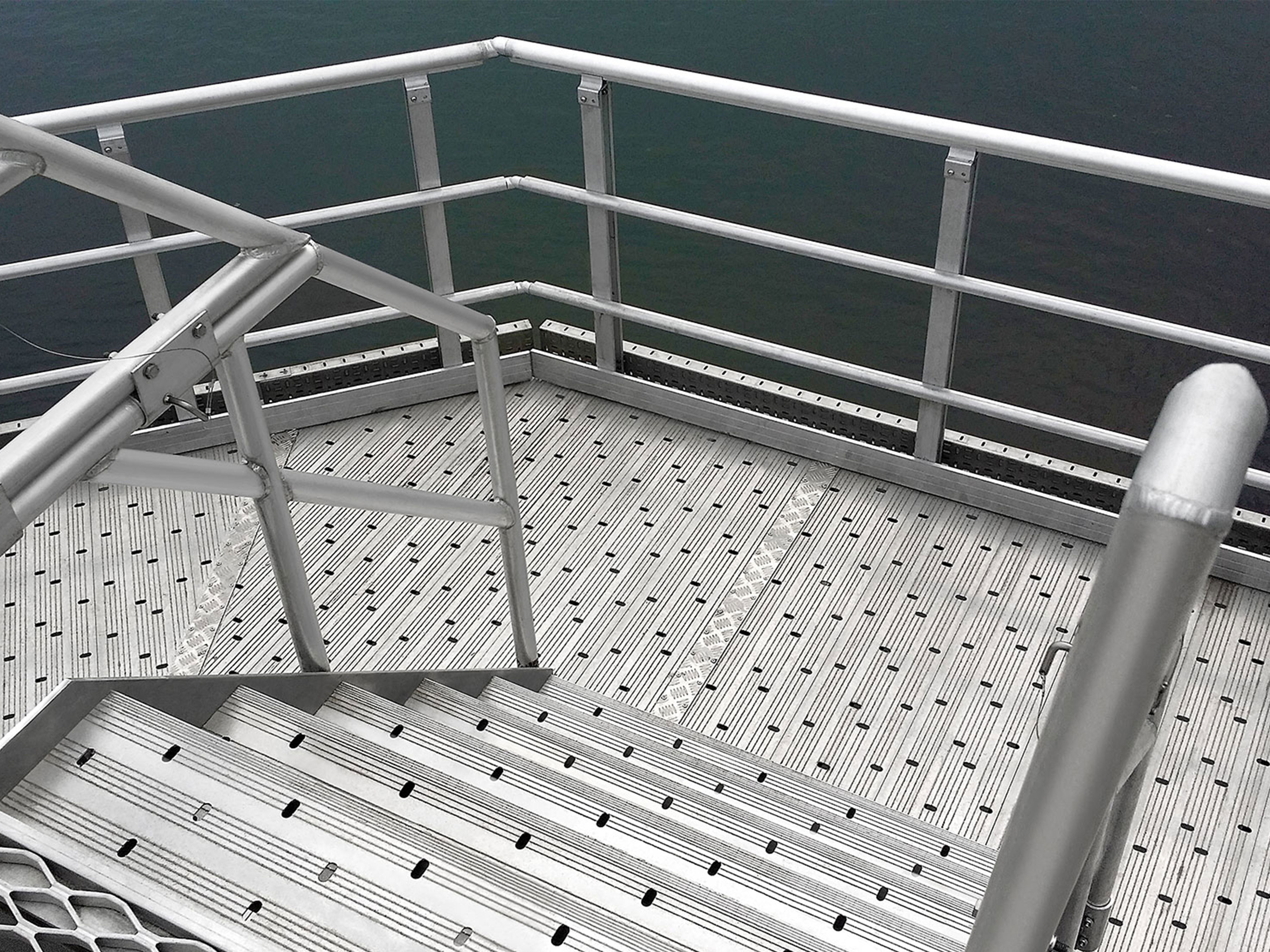
Marine aluminum customized shapes
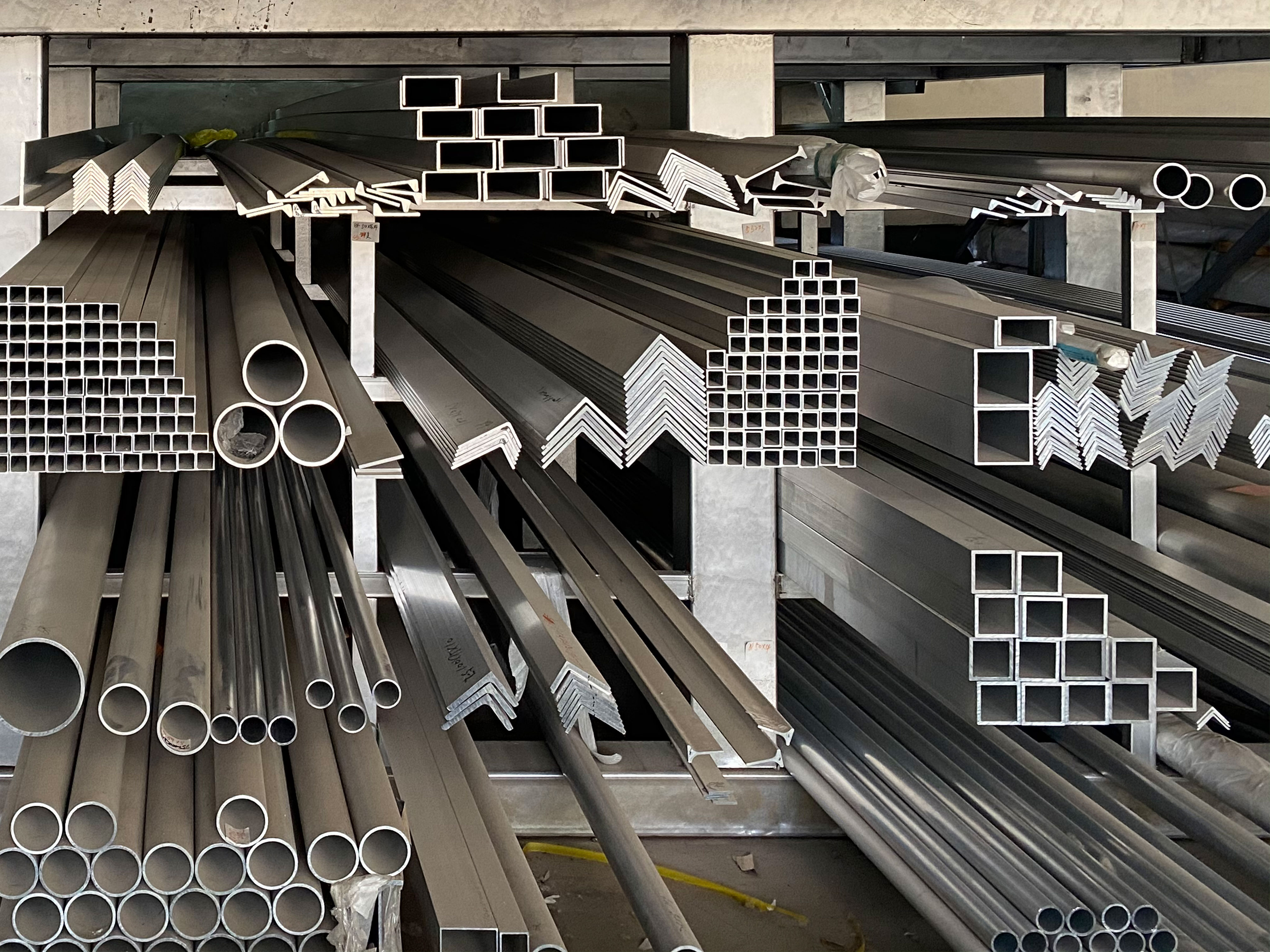
Marine Grade Aluminum Customized Shapes encompass a broad range of aluminum extrusions and fabrications engineered beyond standard profiles—such as channels, angles, tubes, and beams—into complex, project-specific geometries.
View Details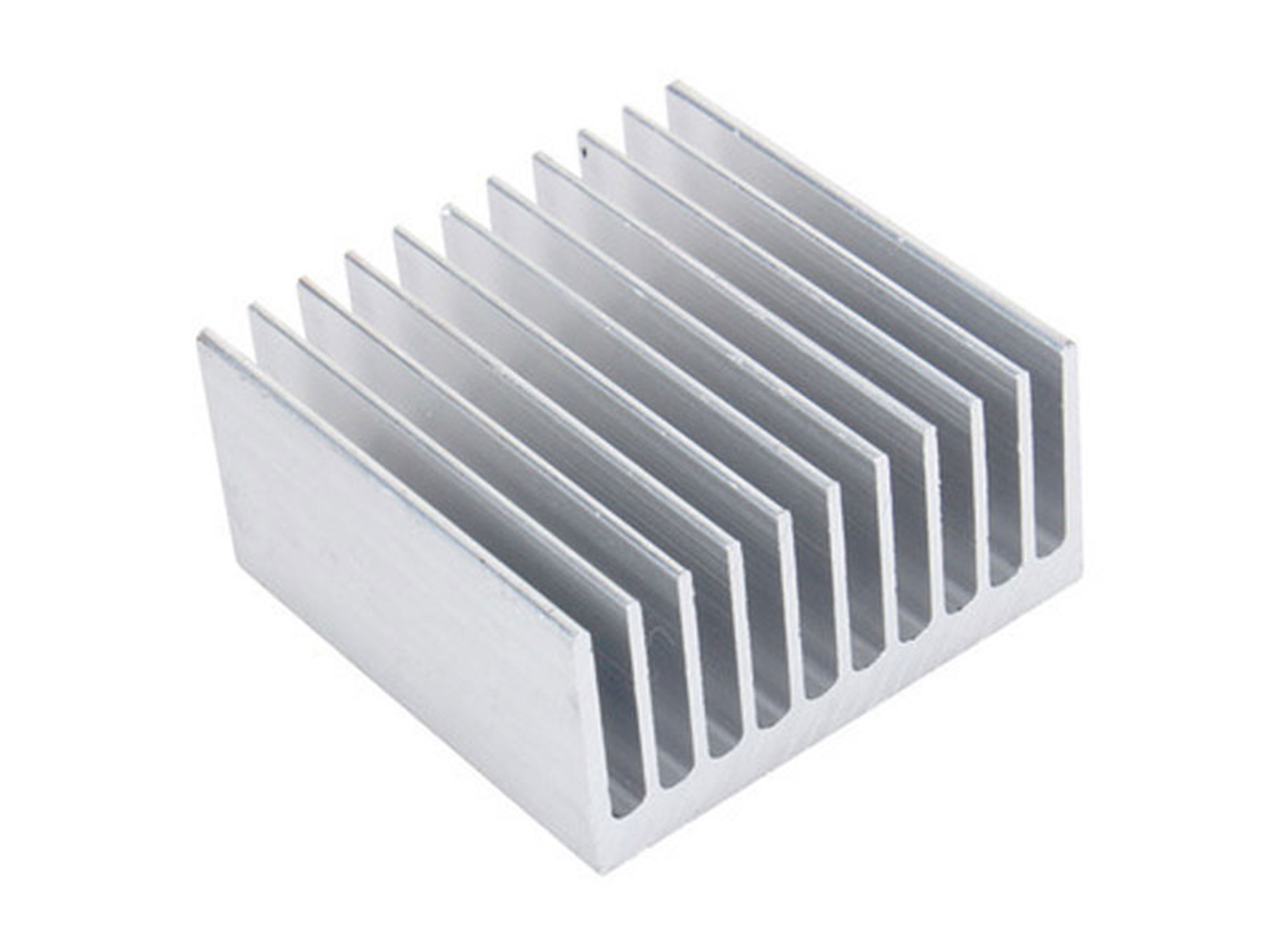
Marine aluminum heat sink profile
Marine Grade Aluminum Heat Sink Profiles utilize alloys such as 6061 and 6063 that not only exhibit high thermal conductivity but also possess excellent corrosion resistance required for saltwater exposure.
View DetailsRelated Blog
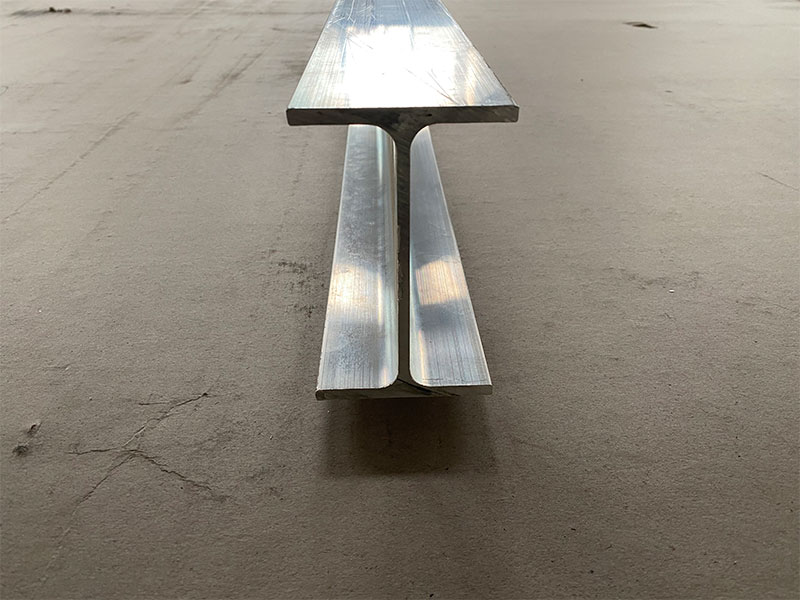
6063 Marine Aluminum Heat Sink Profile for Durable Coastal Electronics Cooling
The 6063 marine-grade aluminum heat sink profile has become an essential component in coastal and marine applications, particularly where electronic cooling is paramount for operational reliability and longevity.
View Details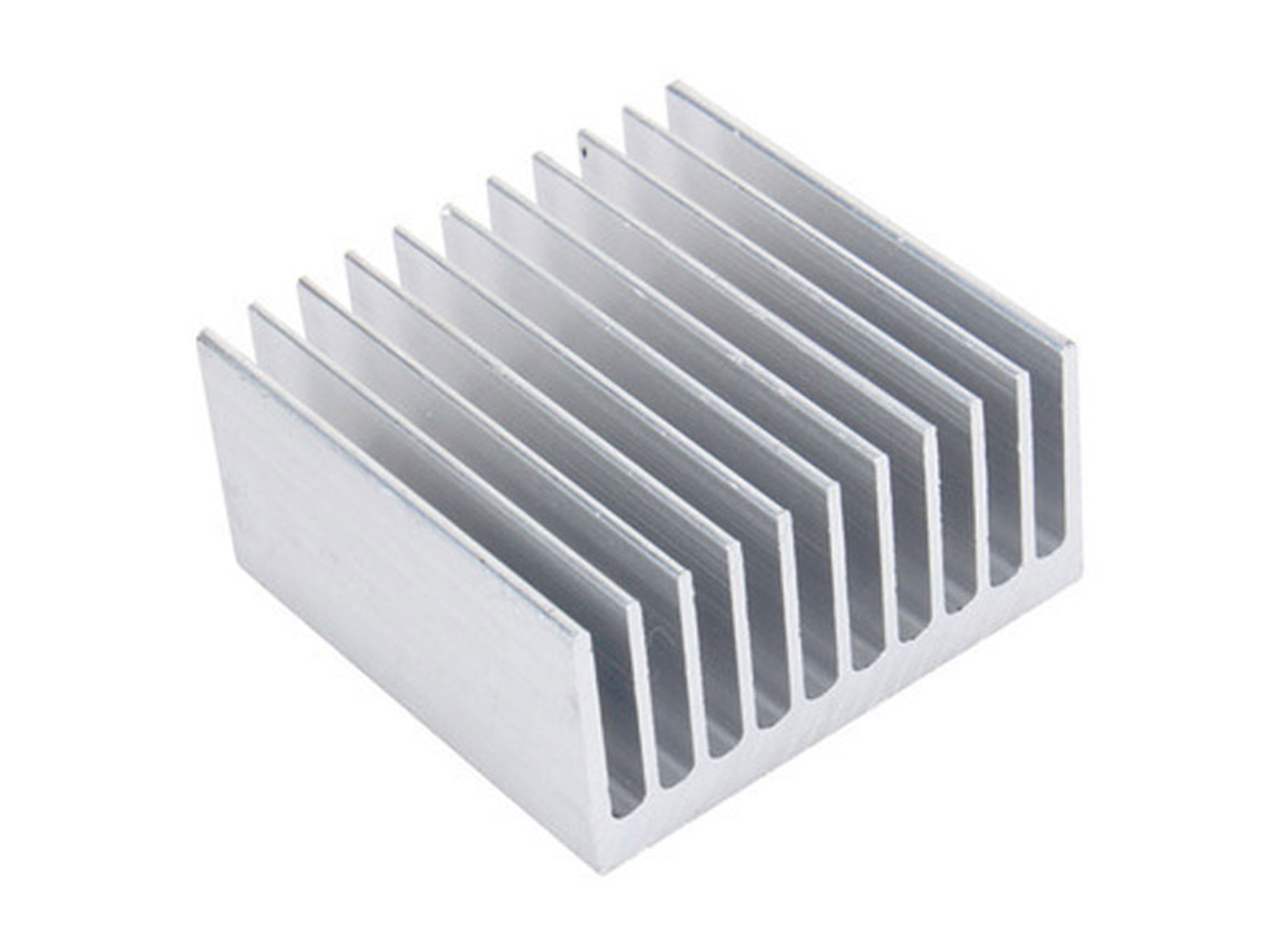
6063 Marine Aluminum Heat Sink Profile for Cooling High Performance Offshore Equipment
6063 Marine Aluminum Heat Sink Profile for Cooling High Performance Offshore EquipmentOffshore equipment rarely fails because it is "underpowered." It fails because heat, salt, vibration.
View Details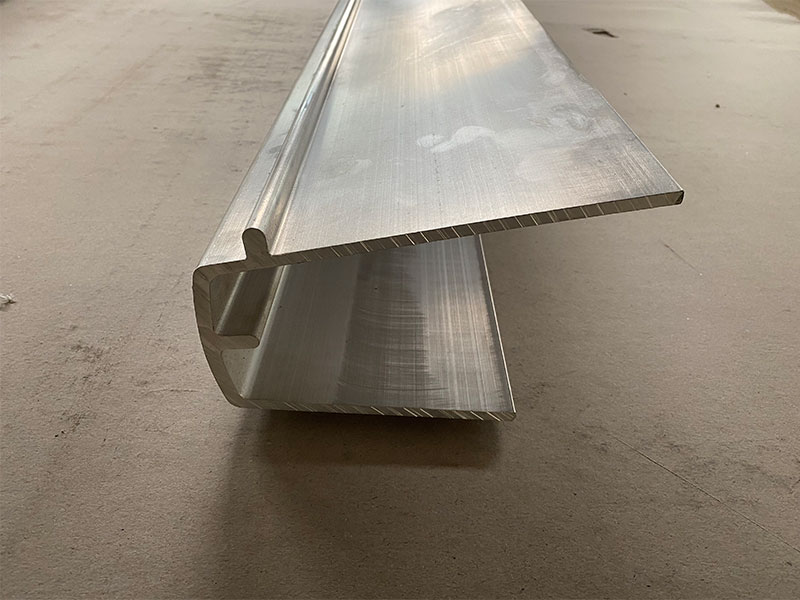
Marine Aluminum Customized Shapes for Custom Offshore Vessel Structural Parts
Manufacturing custom offshore vessel structural parts demands materials that combine exceptional strength, corrosion resistance, and ease of fabrication under challenging marine environments.
View Details
5052 Marine Aluminum Fencing and Railings for Heavy Duty Marine Platform Barriers
5052 marine aluminum fencing and railings are widely used for offshore platforms, docks, harbors, gangways, and coastal industrial barriers where corrosion resistance, low maintenance, and structural reliability are critical.
View Details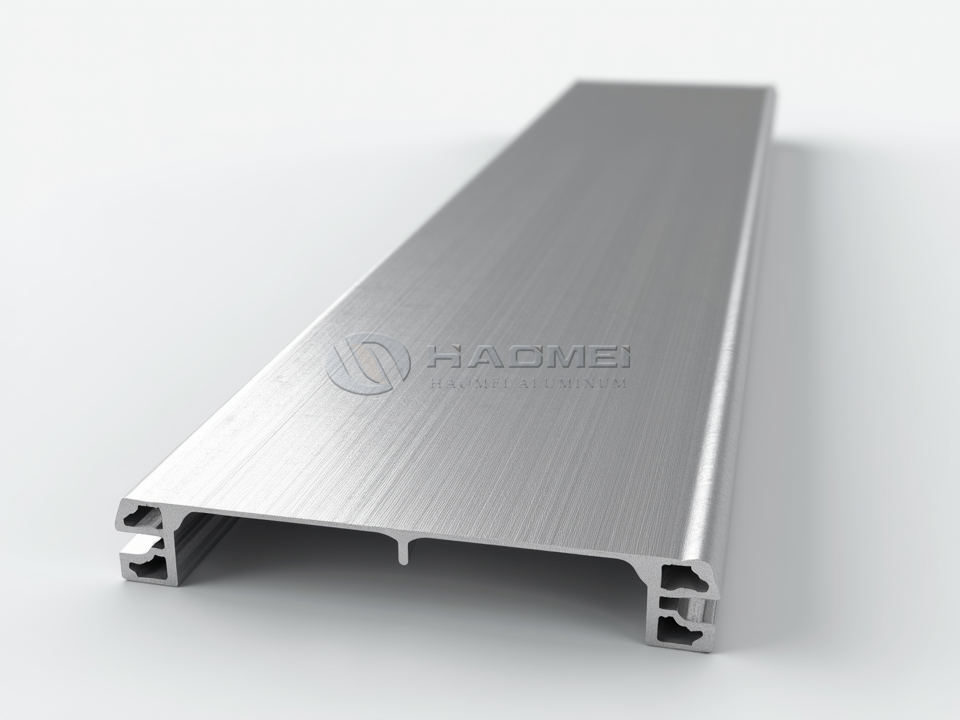
6061 Marine Aluminum Heat Sink Profile for Lightweight Cooling Systems for Boat Engines
6061 marine aluminum heat sink profiles reduce engine-bay weight while managing heat through fin design, corrosion control, mounting, and airflow.
View Details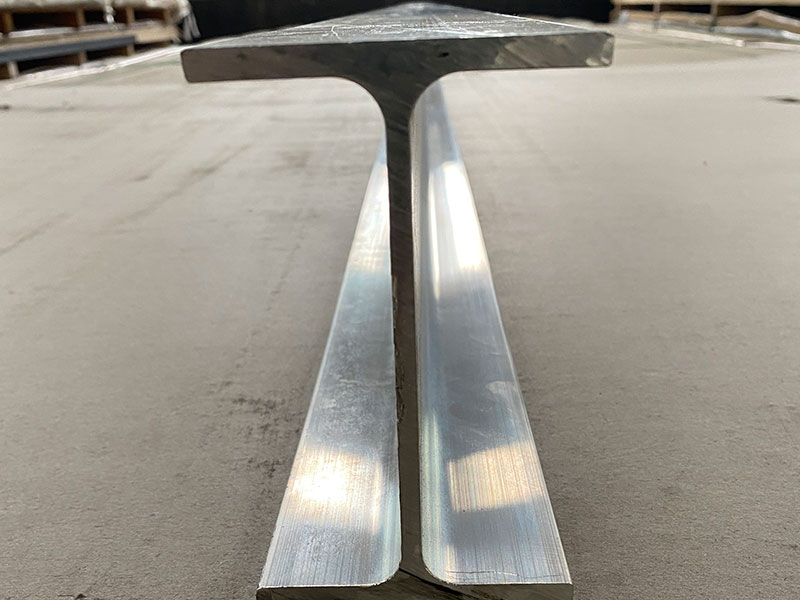
Marine Aluminum Heat Sink Profile for Cooling Solutions for Coastal Engineering
Coastal engineering sites demand cooling hardware that can survive salt spray, high humidity, rapid temperature swings, and limited maintenance access. A marine aluminum heat sink profile is purpose-built for these conditions.
View Details
Leave a Message