
5052 Marine Aluminum Hexagonal Bars for Marine Hull Strengthening Parts
5052 Marine aluminum hexagonal bars are a dedicated structural material for high‑strength, corrosion‑resistant hull reinforcement and outfitting in marine environments. Their hexagonal geometry allows reliable wrench engagement, anti‑rotation, and easy integration into welded or bolted structures, while the 5052 alloy provides an excellent balance of strength, ductility, and seawater resistance.
5052 is an Al‑Mg non‑heat‑treatable alloy, widely recognized as a workhorse alloy in ships and offshore equipment. Its magnesium content gives it:
- High resistance to seawater and salt‑spray corrosion
- Good weldability with common marine filler wires
- Medium‑high strength compared to 1xxx/3xxx series alloys
- Excellent formability and toughness at low temperatures
These properties make 5052 hex bars ideal for secondary structural members, brackets, stiffeners, and fastening components in hull reinforcement systems.
2. Chemical Composition (Typical Limits)
The chemical composition of 5052 marine aluminum is controlled to ensure consistent strength and corrosion performance.
| Element | Symbol | Typical Range (%) | Function in Alloy |
|---|---|---|---|
| Magnesium | Mg | 2.2 – 2.8 | Primary strengthener; improves corrosion resistance |
| Chromium | Cr | 0.15 – 0.35 | Grain refinement; improves toughness & corrosion |
| Iron | Fe | ≤ 0.40 | Unavoidable impurity; kept low for ductility |
| Silicon | Si | ≤ 0.25 | Affects castability; controlled for weld quality |
| Copper | Cu | ≤ 0.10 | Limited to maintain corrosion resistance |
| Manganese | Mn | ≤ 0.10 | Minor strength enhancement |
| Zinc | Zn | ≤ 0.10 | Controlled to avoid stress‑corrosion issues |
| Others (each) | — | ≤ 0.05 | Trace elements |
| Others (total) | — | ≤ 0.15 | Trace elements |
| Aluminum | Al | Balance | Matrix |
Note: Composition values follow common standards such as ASTM B211 and EN equivalents; actual mill certificates may show tighter ranges.
3. Features for Marine Hull Strengthening
3.1 Corrosion Resistance in Seawater
- Outstanding resistance to general seawater corrosion and salt‑spray.
- Stable performance in splash zones, bilge areas, and deck fittings.
- Lower copper content minimizes galvanic corrosion risk when paired with other aluminum alloys.
3.2 Structural Performance
- Sufficient yield and tensile strength for secondary hull reinforcement, brackets, and stiffeners.
- Good fatigue resistance for cyclic loads from waves, vibration, and hull flexing.
- Toughness retained at low service temperatures commonly seen in marine environments.
3.3 Weldability & Fabrication
- Excellent weldability with standard MIG/TIG processes and marine filler wires (e.g., ER5356).
- Good machinability for threading, drilling, and milling of hex profiles.
- High formability: bending and cold working without cracking, ideal for custom reinforcement layouts.
3.4 Hexagonal Bar Geometry Advantages
- Improved torque transfer: Hex profile allows easy wrench/grip engagement without slippage.
- Anti‑rotation in assemblies: Hex geometry prevents spinning when embedded or clamped.
- Efficient space usage: Hex sections can be closely packed for reinforcement grids or stiffening modules.
- Aesthetic & functional: Clean geometric appearance for visible marine fittings.
4. Mechanical Properties (Typical, Room Temperature)
Mechanical properties can vary by temper (e.g., O, H32, H34, H112) and dimension. For marine structural use, H32 and H34 tempers are common.
| Property | Unit | 5052‑O (Annealed) | 5052‑H32 (Half‑hard) | 5052‑H34 (3/4‑hard) |
|---|---|---|---|---|
| Tensile Strength, Rm | MPa | 170 – 215 | 215 – 260 | 230 – 280 |
| 0.2% Yield Strength, Rp0.2 | MPa | 65 – 90 | 130 – 180 | 160 – 210 |
| Elongation (A50 mm) | % | ≥ 18 – 22 | ≥ 10 – 12 | ≥ 8 – 10 |
| Brinell Hardness (HBW, typical) | — | ~47 – 55 | ~60 – 70 | ~65 – 75 |
| Modulus of Elasticity, E | GPa | ~70 | ~70 | ~70 |
| Shear Strength (approx.) | MPa | ~100 | ~150 | ~165 |
| Density | g/cm³ | 2.68 | 2.68 | 2.68 |
Values are reference ranges only; for design, use certified test data and relevant design codes.
5. Typical Technical Specifications for Hexagonal Bars
5.1 Dimensional Range
Standard production ranges (custom sizes available upon request):
| Parameter | Typical Range |
|---|---|
| Across Flats (AF) | 8 mm – 80 mm (5/16" – 3‑1/8") |
| Length (standard mill) | 3 m, 4 m, 6 m |
| Length tolerance | ± 3 mm to ± 10 mm (depending on length) |
| Straightness | ≤ 1.5 mm per 1000 mm |
| Corner radius | 0.2 – 1.0 mm (size‑dependent) |
| Surface condition | Mill finish; optional brushed/anodized |
5.2 Standard Forms & Tempers
| Standard / Spec | Description |
|---|---|
| ASTM B211 / B221 | Aluminum and Aluminum‑Alloy Bar & Profile |
| EN 573 / EN 755 | Aluminum and Aluminum Alloys – Extruded bars |
| Common tempers | O, H32, H34, H112 (as‑extruded) |
6. Performance in Marine Hull Strengthening
6.1 Strength‑to‑Weight Advantage
5052 hex bars deliver a high strength‑to‑weight ratio compared with steel components, significantly reducing overall hull weight and improving fuel efficiency.
| Material | Density (g/cm³) | Tensile Strength (MPa, typical) | Relative Specific Strength* |
|---|---|---|---|
| 5052‑H32 Aluminum | 2.68 | ~230 | ~0.086 |
| Mild Carbon Steel | 7.85 | ~400 | ~0.051 |
*Specific strength = tensile strength / density (MPa per g/cm³). Higher is better.
6.2 Corrosion and Maintenance
- Minimal pitting in seawater and brackish conditions when properly isolated from dissimilar metals.
- Reduced need for heavy coatings compared to steel; typically used with standard marine paint or anodizing in exposed areas.
- Lower life‑cycle cost due to extended service life and reduced corrosion‑related repairs.
6.3 Welded Hull Reinforcement Systems
5052 hex bars can be easily integrated into:
- Longitudinal and transverse stiffeners
- Frame connections and gusseted joints
- Local reinforcement around openings, hatches, and deck penetrations
They can be welded to 5052, 5083, 5086, and other common marine aluminum alloys following standard procedures and filler recommendations.
7. Typical Marine Applications
7.1 Hull Strengthening Parts
- Longitudinal stiffeners in small craft and patrol vessels
- Local reinforcement around bow and stern impact zones
- Keel and chine reinforcement inserts
- Secondary frame members for aluminum workboats and service vessels
7.2 Deck and Superstructure Components
- Reinforcing bars under deck plates and walkways
- Support bars for bulwarks, railings, and guard structures
- Connection elements between deck structures and hull sides
7.3 Fittings, Hardware & Outfitting
- Hex‑profile tie‑rods, struts, and brackets
- Non‑rotating inserts and mounting posts
- Hinges, lugs, and support arms requiring controlled torque tightening
- Mast, radar, and antenna support sub‑frames
7.4 Offshore and Port Infrastructure
- Light structural members in floating pontoons and docks
- Reinforcement components in gangways and boarding ramps
- Corrosion‑resistant bracing in small offshore platforms and buoys
8. Processing and Fabrication Guidelines
8.1 Machining
Good machinability with standard carbide tools; use sharp tools and appropriate cutting fluids (water‑miscible for aluminum).
Hex geometry is ideal for:
- Tapped holes and threaded ends
- Custom nuts, spacers, and couplings
- Precision fit into hex recesses or receivers
8.2 Forming & Bending
- Cold bending is feasible, especially in O and H32 tempers.
- For tight radii, pre‑annealing or stress‑relief can be considered.
- Avoid excessive work‑hardening without intermediate annealing when heavy forming is required.
8.3 Welding
- Suitable welding processes: MIG (GMAW), TIG (GTAW).
- Typical filler wires: ER5356 or ER5183 for marine applications.
- Pre‑cleaning (mechanical + solvent) recommended to remove oxide and contaminants.
- Post‑weld inspection (visual, dye penetrant, or NDT) advised for critical hull areas.
9. Quality, Inspection, and Certification
5052 marine aluminum hex bars for hull reinforcement are typically supplied with:
| Item | Description |
|---|---|
| Mill test certificate (MTC) | Confirms chemistry, mechanical properties |
| Dimensional inspection report | Across flats, straightness, length |
| Surface inspection | Free from cracks, folds, heavy scratches |
| Optional NDT | Ultrasonic or eddy current testing on request |
| Certification | Compliance with ASTM / EN / marine class rules |
For classification society projects (e.g., ABS, DNV, LR), material certificates can be aligned with class requirements as needed.
- High seawater corrosion resistance – optimized for marine hull and deck environments.
- Reliable structural performance – adequate strength and toughness for reinforcement duties.
- Excellent weldability and formability – simplifies fabrication and modification on shipyards and repair docks.
- Lightweight design – reduces vessel weight, improves payload and fuel efficiency.
- Functional hex geometry – superior torque transfer, anti‑rotation, and integration into mechanical joints.
- Cost‑effective lifecycle – lower maintenance, reduced corrosion repairs, and long in‑service life.
5052 Marine aluminum hexagonal bars deliver a practical combination of corrosion resistance, structural reliability, and fabrication ease. For designers and shipbuilders seeking robust yet lightweight hull strengthening solutions, this product offers a proven and versatile material platform that adapts well to a wide range of marine structures and environments.

Related Products
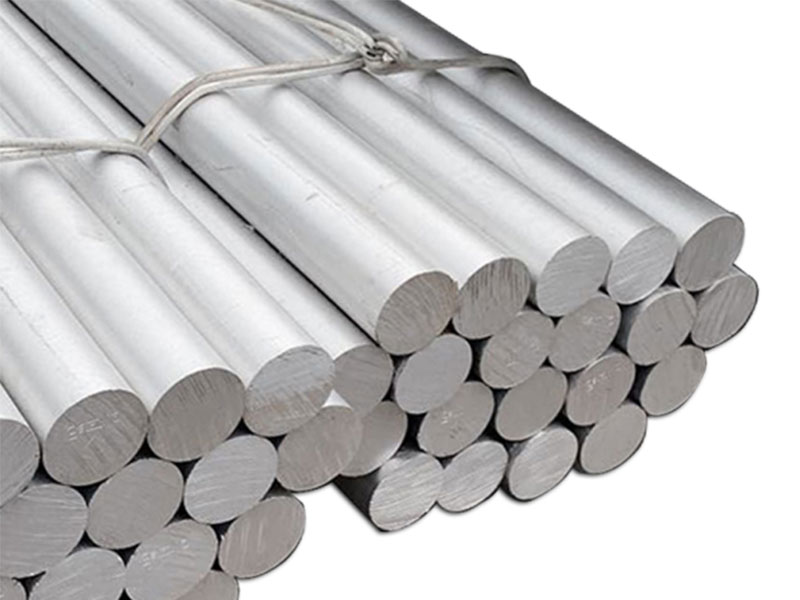
Marine grade aluminum solid bar
Marine Grade Aluminum Solid Bars are produced from premium aluminum alloys optimized for saltwater exposure, such as 5083, 5052, 6061, and 6082. These alloys offer unparalleled resistance to corrosion caused by seawater, salt spray, and marine atmospheres, while maintaining excellent mechanical strength and toughness.
View Details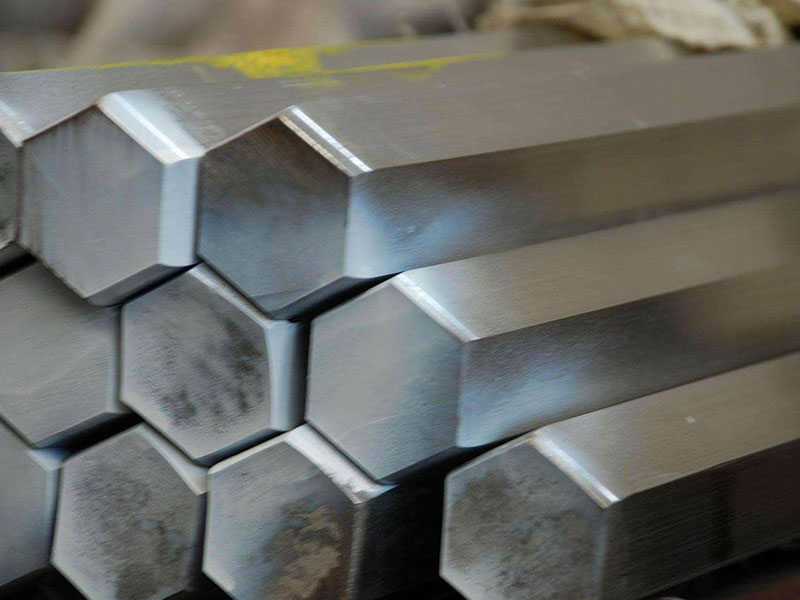
Marine aluminum hexagonal bars
Marine Grade Aluminum Hexagonal Bars are produced from premium corrosion-resistant aluminum alloys such as 5083, 5052, 6061, and 6082.
View Details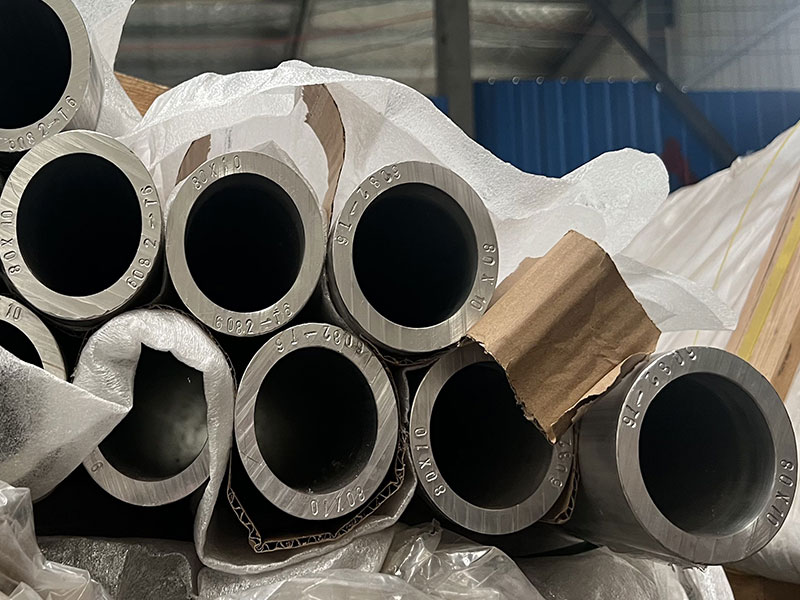
Marine aluminum hollow bars
Marine Grade Aluminum Hollow Bars are fabricated from high-quality alloys such as 5083, 5052, 6061, and 6082, all known for their exceptional resistance to seawater corrosion, salt spray, and marine atmospheres.
View Details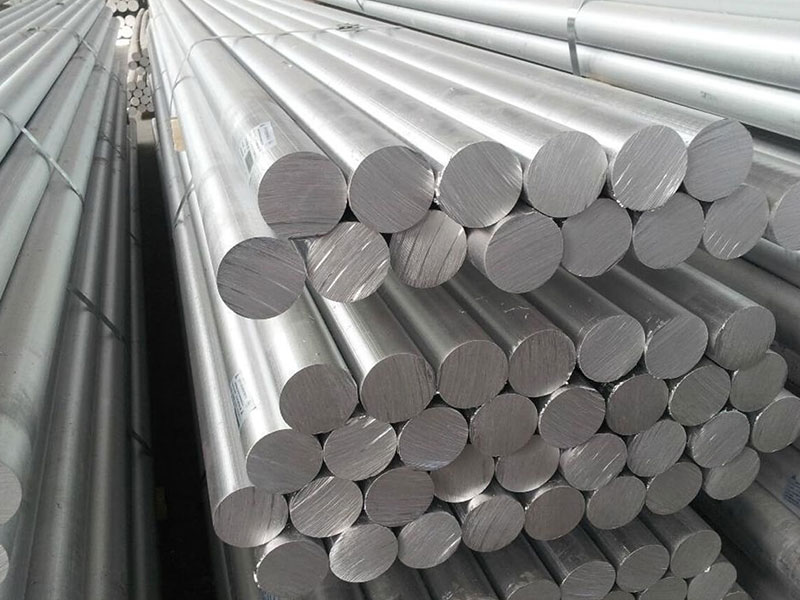
6082 marine aluminum rod & bar
6082 Aluminum Rods & Bars are extruded or rolled products manufactured from 6082 aluminum alloy — a thermally treated (typically T6 temper) aluminum-magnesium-silicon alloy that balances high tensile strength, good weldability, and excellent corrosion resistance.
View DetailsRelated Blog
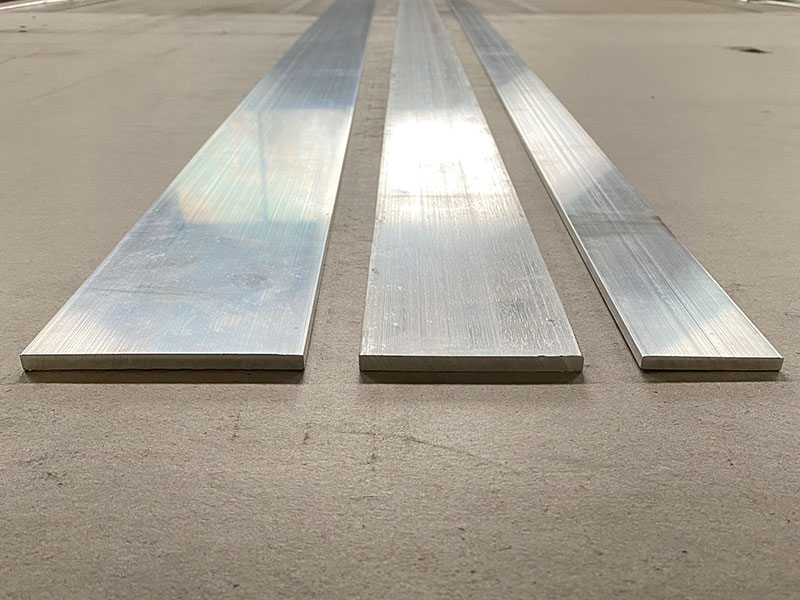
5052 Marine Aluminum Bar for High Performance Marine Structural Parts
When marine structures demand long service life, low maintenance, and consistent mechanical performance, 5052 marine aluminum bar is a proven solution. Built around a magnesium-strengthened alloy system.
View Details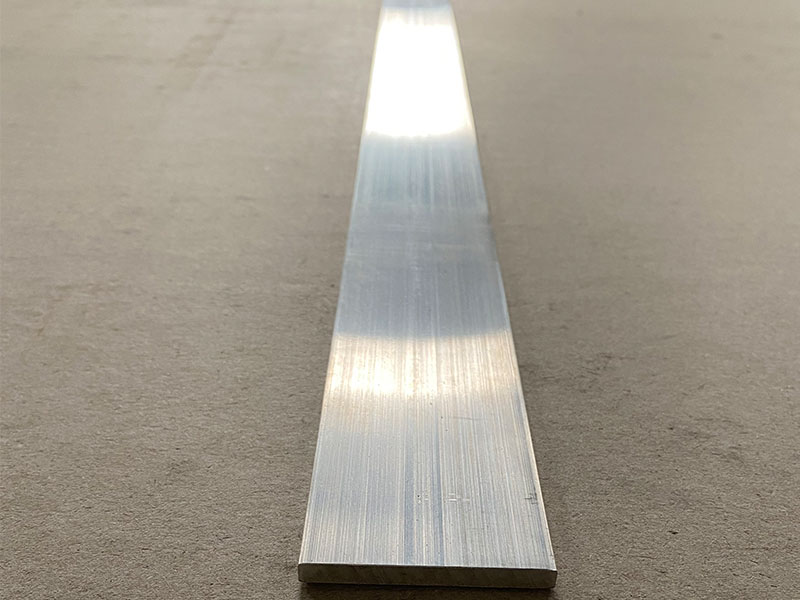
5052 Marine Grade Aluminum Solid Bar for Marine Component Durability
5052 Marine Grade Aluminum Solid Bar: A Durability Mindset, Not Just a Material ChoiceShipbuilders rarely talk about aluminum as “just metal.” In modern marine engineering, 5052 marine grade aluminum solid bar is more like a design philosophy: a .
View Details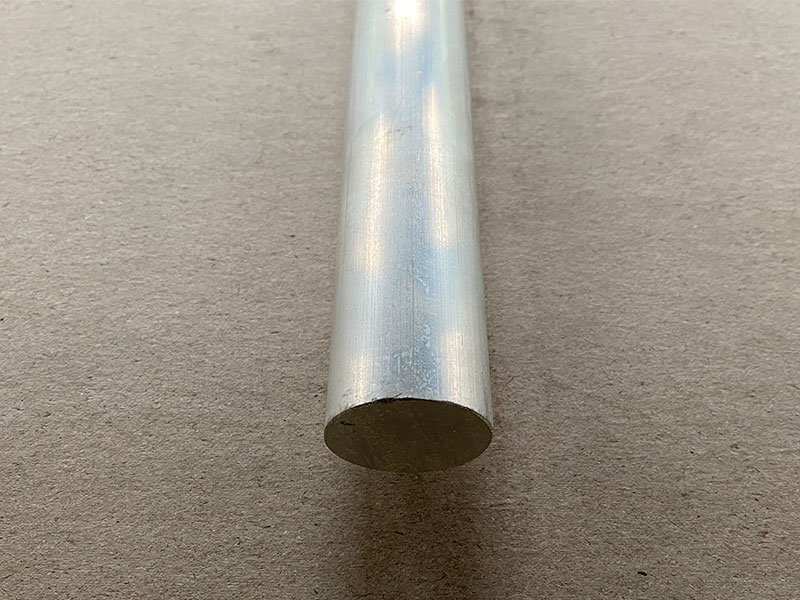
5083 5052 H32 60mm aluminum bar for boat
High-performance 5083 and 5052 H32 60mm aluminum bars tailored for marine applications. Ideal for boat building with excellent corrosion resistance, superior strength, and formability.
View Details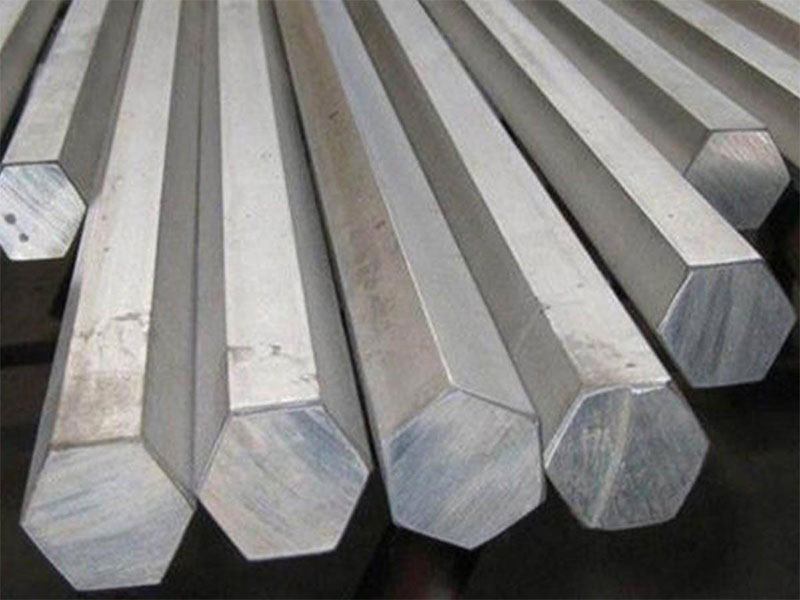
5052 Marine Aluminum Hollow Bars for Saltwater Proof Marine Frames
When it comes to the maritime industry, choosing the right materials for constructing robust marine frames is imperative. Among various alloys, 5052 marine aluminum hollow bars have made a significant mark due to their superior properties.
View Details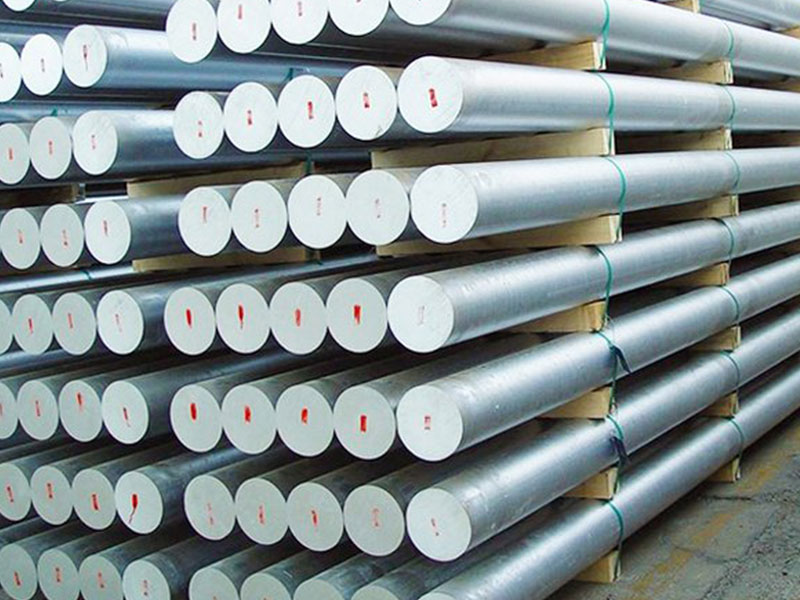
5052 Marine Grade Aluminum Solid Bar for Saltwater Proof Marine Structures
Superior corrosion resistance and mechanical properties of 5052 Marine Grade Aluminum Solid Bar, engineered for durable and reliable saltwater-proof marine structures. Learn about its chemical composition, alloy tempering, implementation standards, and ke
View Details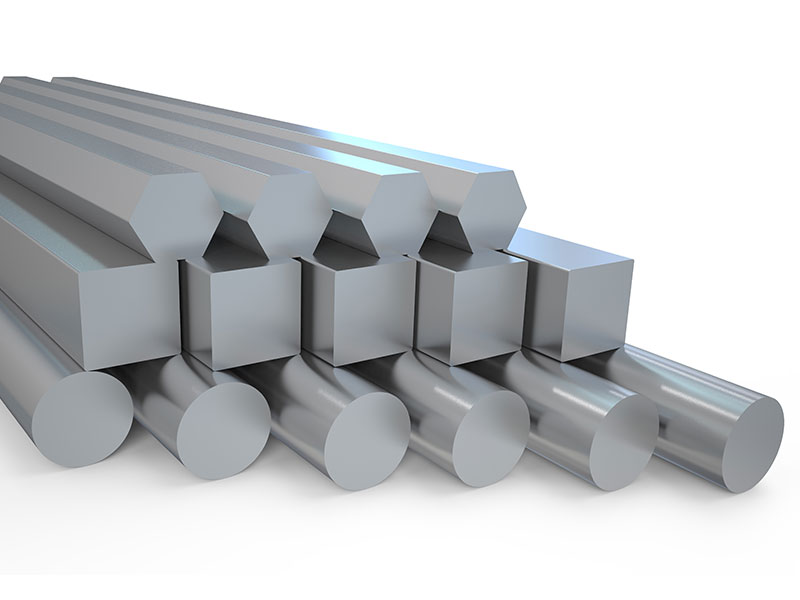
5052 Marine Aluminum Hollow Bars for High Strength Marine Frame Parts
Marine structures demand a material that holds up to saltwater corrosion, cyclic loading, and fabrication realities (forming, welding, machining) without turning maintenance into a constant expense.
View Details
Leave a Message