
Marine Aluminum Fencing and Railings for Custom Boat Deck Safety Barriers
On a boat deck, a fence or railing is more than a boundary-it's a working safety system that has to perform while the platform beneath it is constantly moving, wet, salty, and sun-baked.
Marine aluminum fencing and railings have become the preferred choice for custom boat deck safety barriers because they balance structural strength, low weight, long service life, and design flexibility. When specified correctly-by alloy, temper, profile size, fasteners, and installation practices-marine aluminum can deliver a clean aesthetic with serious safety performance.
What These Barriers Actually Do on a Boat
A good deck railing is a multi-function component that contributes to both safety and operations.
Passenger protection and stability support
In real conditions, people don't just "lean gently." A wake or sudden maneuver creates lateral loads that push bodies toward the rail. A well-built aluminum railing distributes these loads through stanchions into the deck structure without permanent deformation.
Edge control for equipment and cargo
Deck life involves coolers, lines, fenders, rods, and tools migrating with vibration and wave action. Rails act as containment, especially when paired with toe rails or low kick plates.
Traffic guidance and separation
On commercial vessels and workboats, aluminum fencing can form safe lanes, keep passengers out of working zones, and prevent accidental interference with winches, cleats, or doors.
Corrosion resistance without constant repainting
Unlike carbon steel, marine aluminum forms a stable oxide layer that slows further attack. Combined with proper temper selection and surface finishing, this means less time sanding and coating, more time on the water.
Why Marine Aluminum Performs So Well in Saltwater
Saltwater corrosion is both chemical and electrochemical. Aluminum's advantage is not "it never corrodes," but that its corrosion behavior can be controlled and slowed dramatically.
The oxide shield
Aluminum naturally develops an oxide film that protects the base metal. In marine service, this layer can be reinforced with anodizing or protected with marine coatings.
Galvanic compatibility is the real battleground
Most railing failures blamed on "bad aluminum" are actually galvanic corrosion caused by stainless fasteners, carbon steel contact, or copper-bearing alloys nearby. The fix is material isolation: nylon washers, insulating tapes, proper bedding compounds, and using compatible fastener grades.
Common Applications for Custom Boat Deck Safety Barriers
Marine aluminum fencing and railings adapt well to different hull types and deck layouts:
Pontoon boats and leisure craft
Lightweight rail systems reduce overall mass and help maintain performance and fuel efficiency. Aluminum is also easy to form into smooth, user-friendly shapes with minimal snag points.
Cabin cruisers and sport fishing boats
Rails around bow decks, swim platforms, flybridges, and side passages improve safety without obstructing visibility.
Commercial vessels and ferries
Aluminum railings are frequently chosen where repeated passenger loads, exposure, and maintenance constraints demand long-term reliability.
Workboats and patrol craft
Functional barriers, ladder guards, and equipment enclosures benefit from aluminum's strength-to-weight ratio and weldability.
Parameters Customers Should Evaluate
Even a beautiful rail can underperform if the geometry and material choices don't match real loads and marine exposure.
Tube and profile sizes
Many builders use round tube in the 25–50 mm range for handrails, with wall thickness commonly around 2–4 mm depending on span and duty. Heavier duty designs may use rectangular tube for stiffness and easier panel integration.
Stanchion spacing and deflection control
Closer post spacing reduces flex under side load. Rail "feel" matters: excessive deflection can be perceived as unsafe even if it doesn't fail structurally.
Weldability and fabrication method
Marine aluminum supports TIG/MIG welding, CNC bending, and modular bolted assemblies. For weld-heavy designs, alloy choice and temper have a major impact on heat-affected zone strength.
Surface finish
Options include mill finish, brushed, powder coating, and anodizing. Powder coating can look premium but must be applied over proper pretreatment; otherwise, salt creep under the coating becomes the failure mode.
Recommended Alloys and Tempers for Marine Railings
Marine environments reward alloys known for corrosion resistance and fatigue performance.
6061-T6 / 6061-T651
A classic structural alloy with strong mechanical properties and good corrosion resistance. Excellent for machined fittings, brackets, and structural stanchions. Note that welding locally reduces strength in the heat-affected zone; designers often account for this by increasing section size or using post-weld heat treatment where feasible.
6063-T5 / 6063-T6
Often preferred for aesthetic rail extrusions because it extrudes cleanly, finishes beautifully, and supports complex profiles. Suitable for handrails and decorative fence sections with moderate structural demands.
5083-H116 / 5083-H321
A high-magnesium marine alloy known for strong corrosion performance in seawater and good welded strength. Frequently used for hull plating and can be excellent for heavy-duty rail structures, especially where welding is extensive and strength retention matters.
5052-H32
Good corrosion resistance, easy forming, often used for sheet components, kick plates, and panels integrated into rail systems.
Implementation Standards and Practical Compliance
Boat railings typically need to satisfy a mix of marine practice, safety expectations, and regulatory requirements depending on region and vessel type. Designers often reference widely recognized approaches such as:
ABYC guidance for recreational boats
Commonly used in North America to inform rail height, openings, edge safety, and secure attachment practices.
ISO standards for small craft (where applicable)
Often used to guide safety barrier design, including guardrail performance expectations and installation quality.
Good marine fabrication practice
This includes drainage paths to avoid trapped water, sealed end caps to reduce crevice corrosion, smooth weld transitions, and avoiding dissimilar-metal contact points.
Because requirements can vary by vessel class, the most reliable path is to confirm the target standard early, then design rail height, opening spacing, and load performance accordingly.
Chemical Properties Table (Typical Composition Ranges, wt.%)
Values below are typical ranges and may vary by specification. Always confirm with the supplier's mill test certificate and the relevant ASTM/EN standard.
| Alloy | Si | Fe | Cu | Mn | Mg | Cr | Zn | Ti | Al |
|---|---|---|---|---|---|---|---|---|---|
| 6061 | 0.40–0.80 | ≤0.70 | 0.15–0.40 | ≤0.15 | 0.80–1.20 | 0.04–0.35 | ≤0.25 | ≤0.15 | Balance |
| 6063 | 0.20–0.60 | ≤0.35 | ≤0.10 | ≤0.10 | 0.45–0.90 | ≤0.10 | ≤0.10 | ≤0.10 | Balance |
| 5083 | ≤0.40 | ≤0.40 | ≤0.10 | 0.40–1.00 | 4.00–4.90 | 0.05–0.25 | ≤0.25 | ≤0.15 | Balance |
| 5052 | ≤0.25 | ≤0.40 | ≤0.10 | ≤0.10 | 2.20–2.80 | 0.15–0.35 | ≤0.10 | ≤0.15 | Balance |
Installation Conditions That Protect the Rail for Years
The distinctive truth about marine railings is that installation details often matter more than the metal choice.
Fastener strategy
316 stainless is common for marine fastening, but it must be isolated from aluminum using non-absorbing insulating washers and bedding compounds to slow galvanic action. Avoid carbon steel hardware entirely.
Drainage and ventilation
Closed cavities that trap saltwater accelerate crevice corrosion. Smart rail profiles include weep paths, and end caps are sealed thoughtfully rather than creating water traps.
Surface protection at cut edges and welds
Powder-coated systems should be properly pretreated and repaired at any field cuts. Unprotected cut edges are frequent corrosion start points.
The Takeaway: A Safety Barrier That Also Enhances the Vessel
Marine aluminum fencing and railings succeed because they combine safety engineering with practical marine durability. With the right alloy and temper, well-chosen tube parameters, corrosion-aware installation, and standards-informed layout, a custom boat deck barrier becomes a quiet piece of equipment you don't notice-because it simply works, season after season, in sun and salt.

Related Products
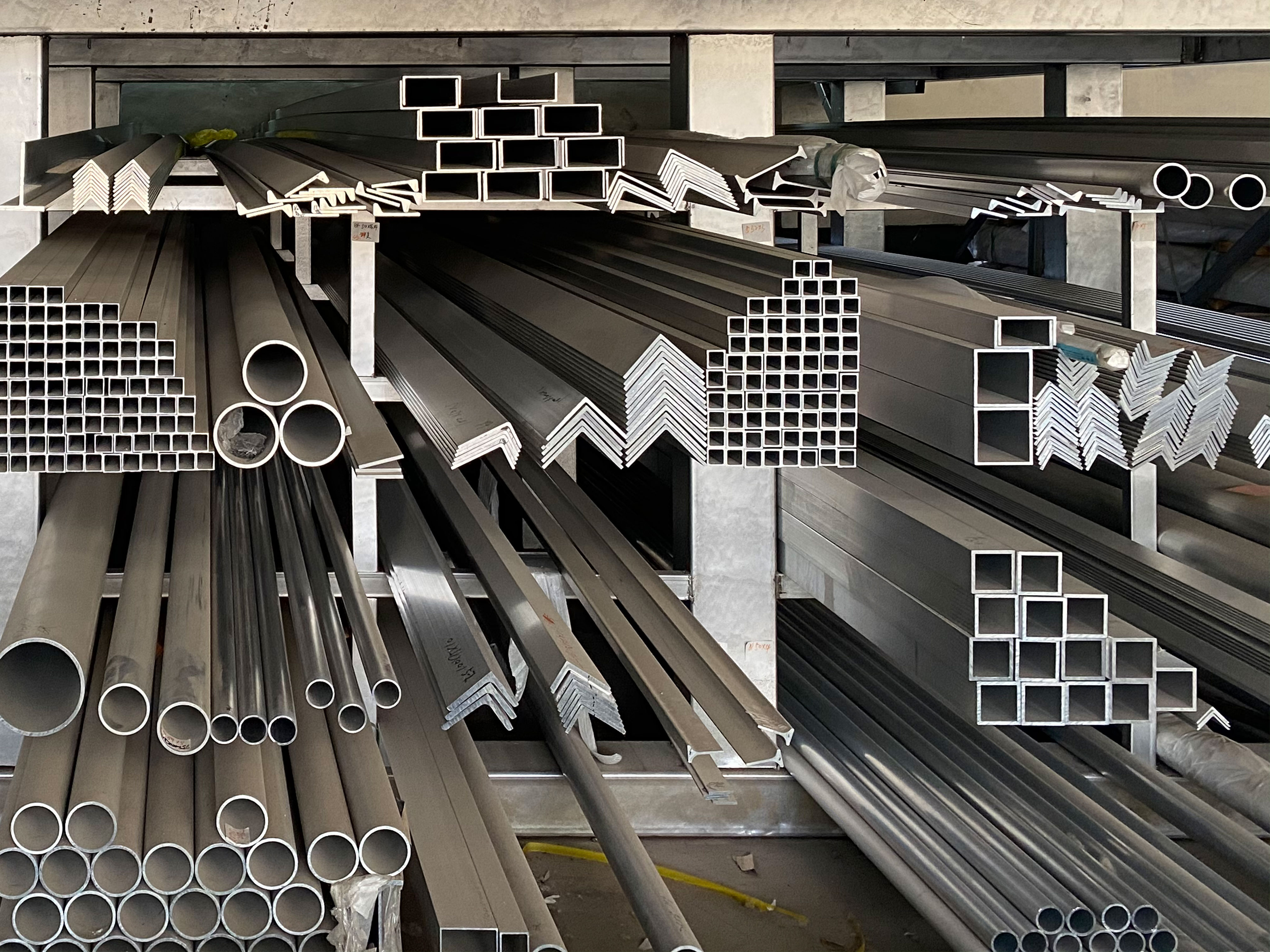
Marine aluminum fencing and railings
Marine Grade Aluminum Fencing and Railings are fabricated using marine-grade aluminum alloys such as 5083, 5052, and 6061, which are engineered specifically for protection against saltwater corrosion and marine atmospheric conditions.
View Details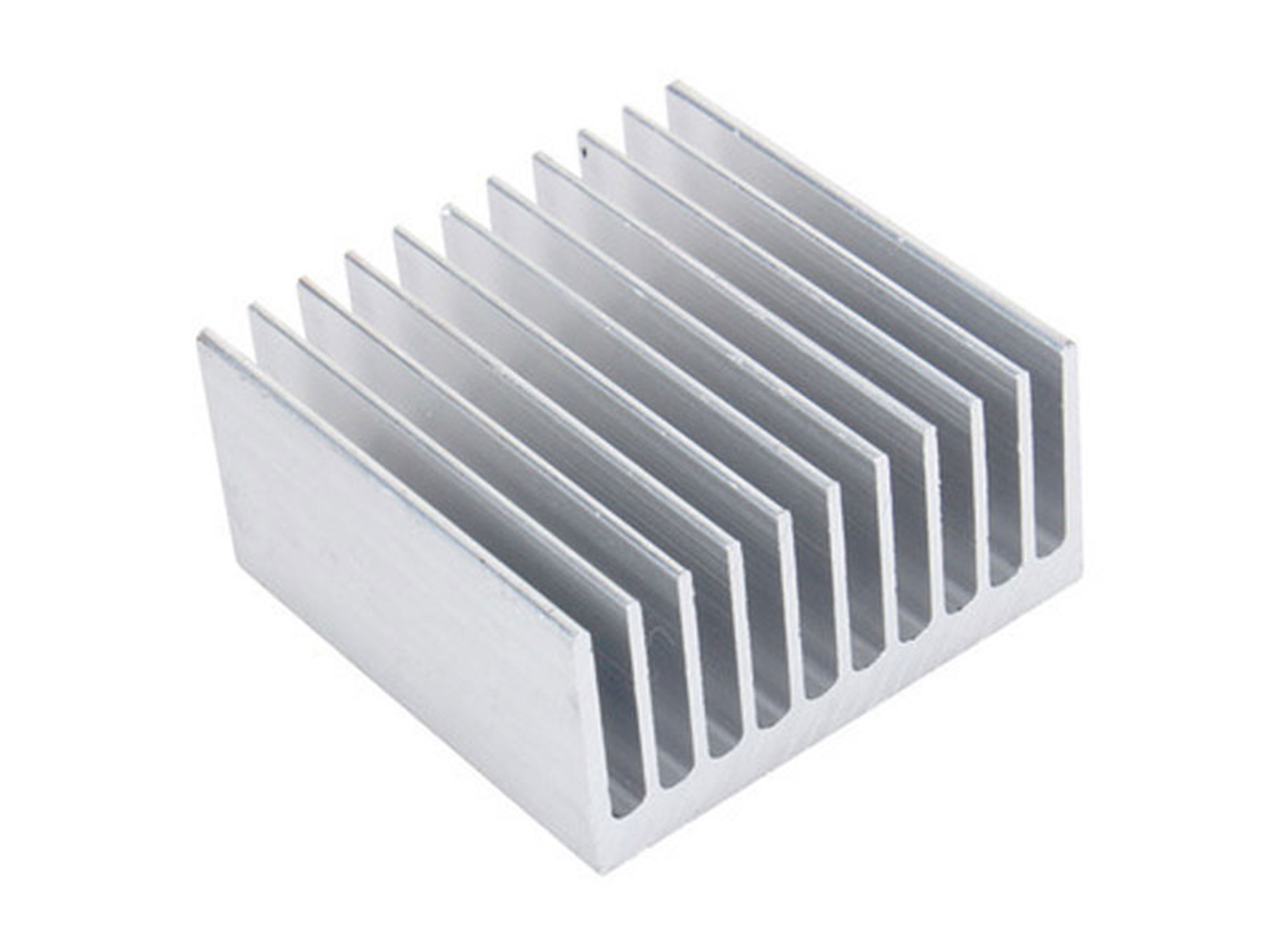
Marine aluminum heat sink profile
Marine Grade Aluminum Heat Sink Profiles utilize alloys such as 6061 and 6063 that not only exhibit high thermal conductivity but also possess excellent corrosion resistance required for saltwater exposure.
View Details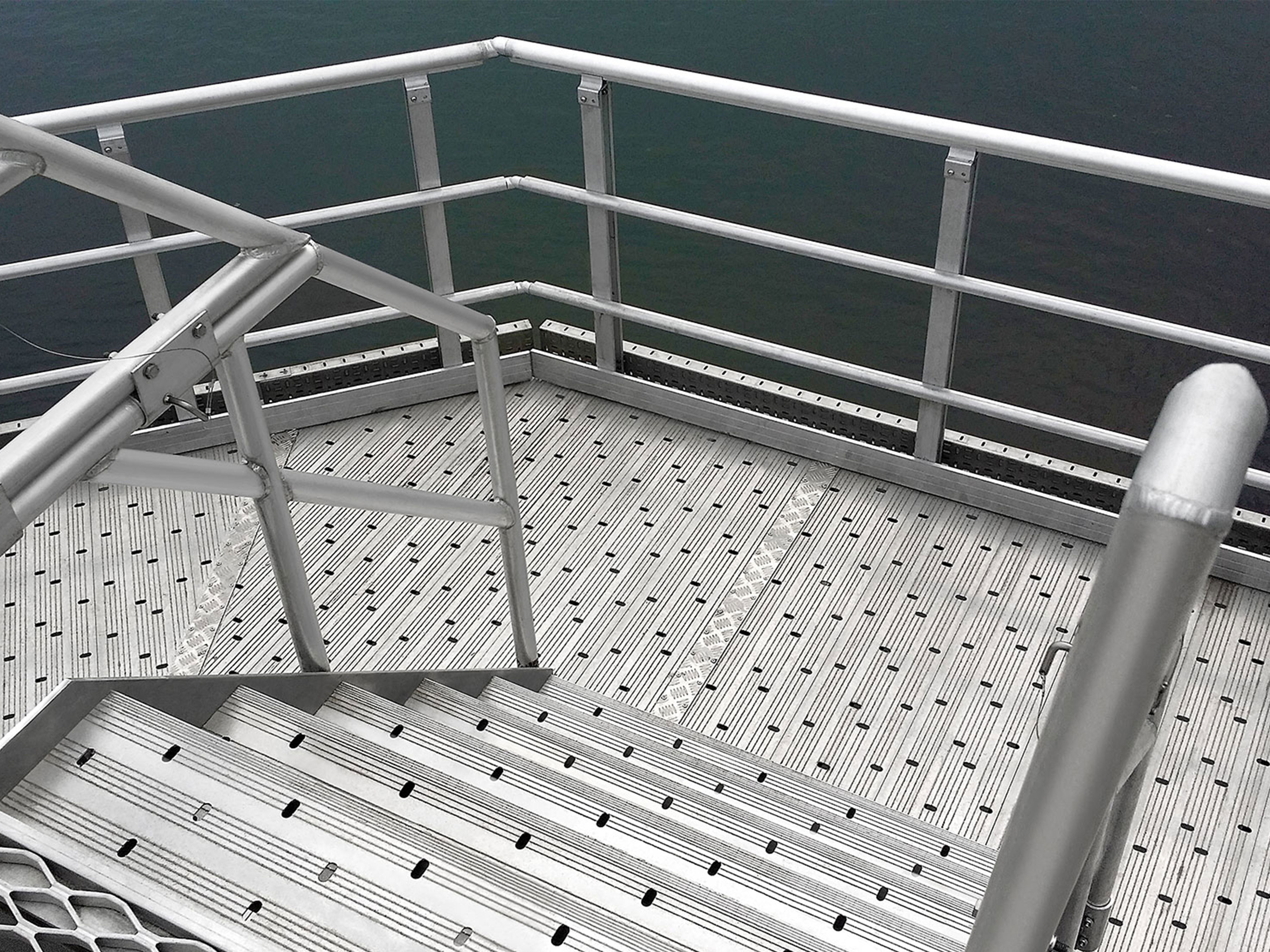
Marine aluminum customized shapes
Marine Grade Aluminum Customized Shapes encompass a broad range of aluminum extrusions and fabrications engineered beyond standard profiles—such as channels, angles, tubes, and beams—into complex, project-specific geometries.
View DetailsRelated Blog
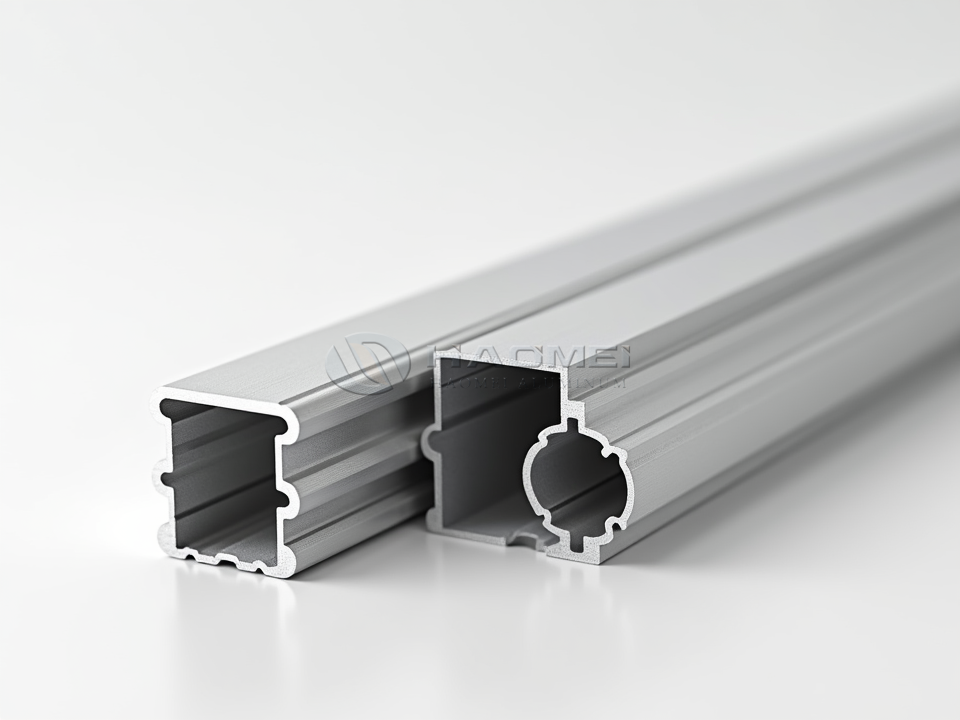
Marine Aluminum Heat Sink Profile for Cooling Coastal Offshore Engineering Equipment
Marine aluminum heat sink profiles combine conductive fin geometry, corrosion control, and low mass to cool exposed coastal and offshore electrical equipment.
View Details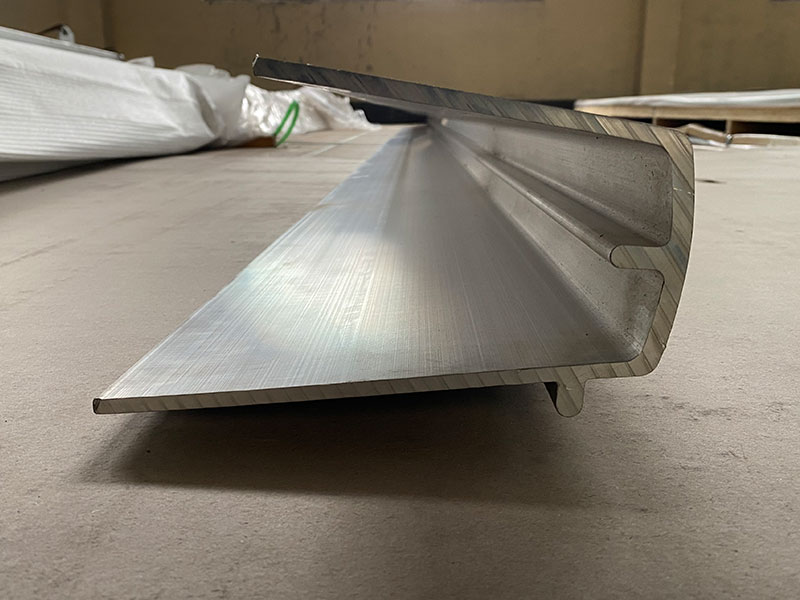
5052 Marine Aluminum Fencing and Railings for Custom Marine Deck Safety
When it comes to designing secure and durable marine environments, choosing the right material for fencing and railings is key. Among the most popular choices today is 5052 marine aluminum, which is well-regarded in the shipbuilding.
View Details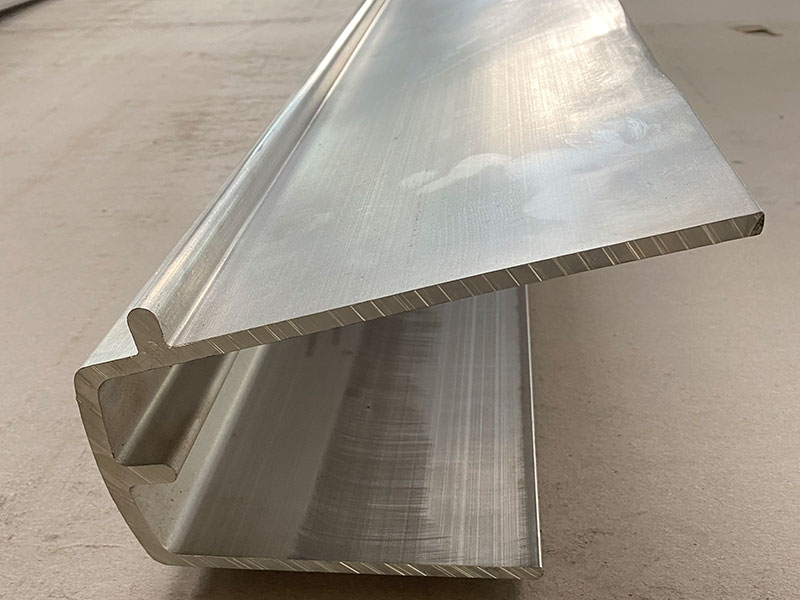
5052 Marine Aluminum Fencing and Railings for High Performance Coastal Guardrails
As we push the boundaries of engineering and architecture in coastal environments, 5052 marine aluminum fencing and railings is know as a notable solution. Functioning not only as an elegant aesthetic feature but also ensuring safety and durability.
View Details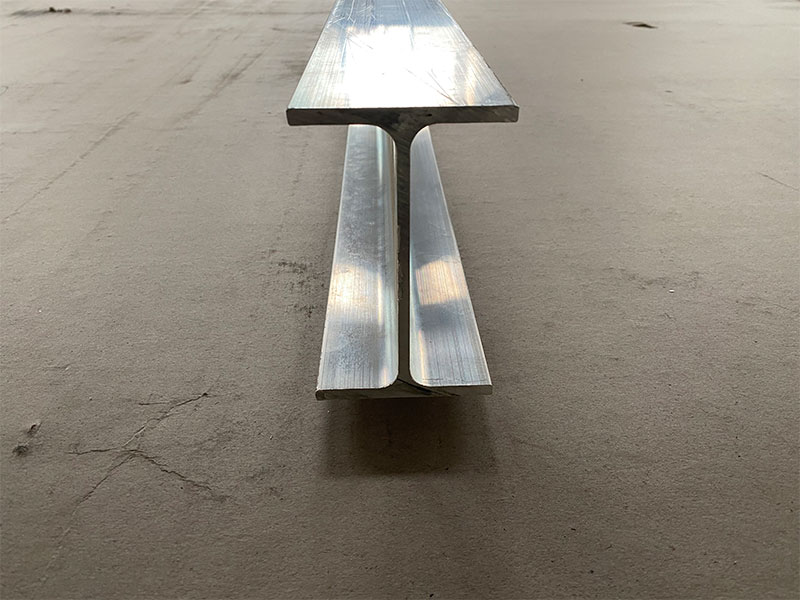
6061 Marine Aluminum Customized Shapes for High Performance Offshore Vessel Design
Explore the advantages of 6061 Marine Aluminum customized shapes engineered for high performance offshore vessel design. detailed specifications, temper conditions, mechanical properties, and corrosion resistance features tailored for marine environments.
View Details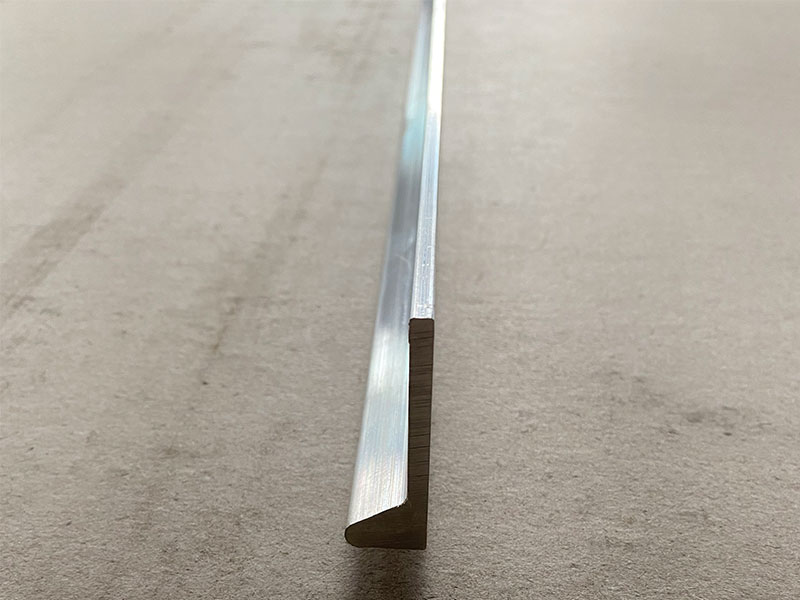
Marine Aluminum Heat Sink Profile for Saltwater Resistant Electronics Cooling Systems
In the demanding environments faced by saltwater applications, effective thermal management is critical to ensuring the longevity and reliability of electronics.
View Details
5083 Marine Aluminum Customized Shapes for Offshore Vessel Deck Frame Reinforcements
When it comes to offshore vessel deck frame reinforcements, the choice of materials is critical for durability, strength, and corrosion resistance. Among the myriad of options.
View Details
Leave a Message