
Marine Aluminum Heat Sink Profile for Custom Cooling Systems for Marine Electronics
Marine electronics do not fail only because of water intrusion. Heat is often the quieter threat. Radar processors, LED lighting drivers, battery chargers, sonar modules, inverters, navigation displays, and communication equipment generate concentrated heat inside compact enclosures. When that heat cannot move away efficiently, component life, signal stability, and operating reliability can decline.
A marine aluminum heat sink profile acts as a thermal pathway rather than simply a metal fitting. It draws heat from an electronic component, spreads it through an extruded aluminum body, and releases it to the surrounding air or enclosure wall. In a vessel environment, the profile must do this while facing salt mist, humidity, vibration, restricted airflow, and contact with dissimilar metals.
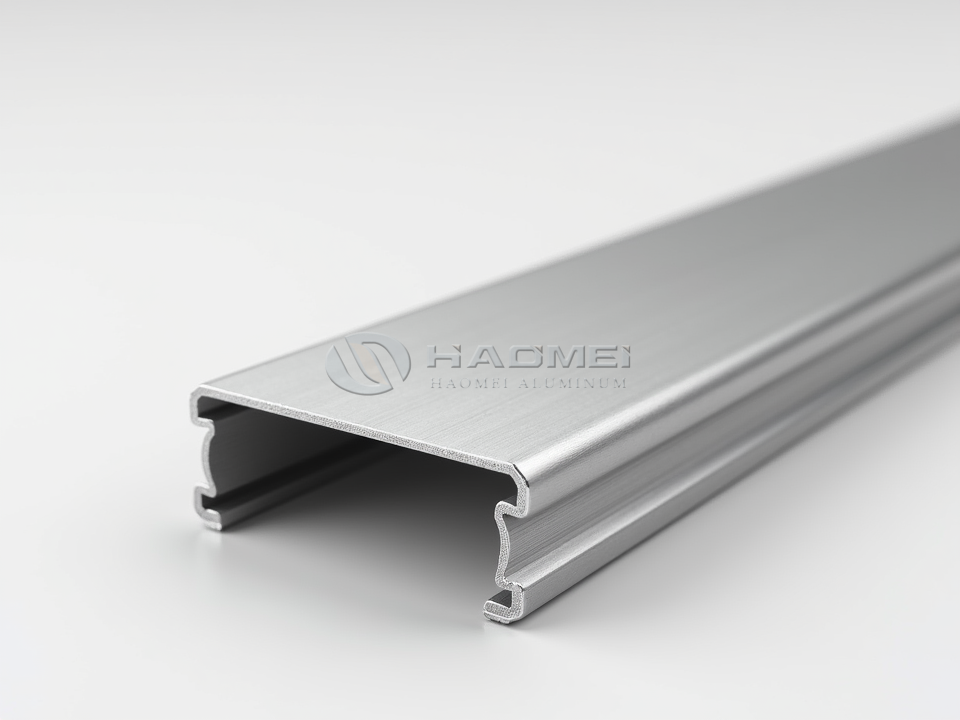
Heat Management Designed for Saltwater Conditions
The strongest cooling design is not always the largest finned extrusion. Marine installations frequently have limited space behind panels, inside control cabinets, under consoles, and within sealed housings. A custom profile therefore needs to balance thermal surface area, airflow direction, structural stiffness, corrosion protection, and mounting access.
Aluminum is well suited to this task because it is lightweight, corrosion resistant, readily extruded, and thermally conductive. A correctly designed heat sink can become part of the equipment enclosure, mounting rail, protective frame, or chassis wall. This multi-function approach reduces extra parts and helps engineers manage weight high above the vessel's center of gravity.
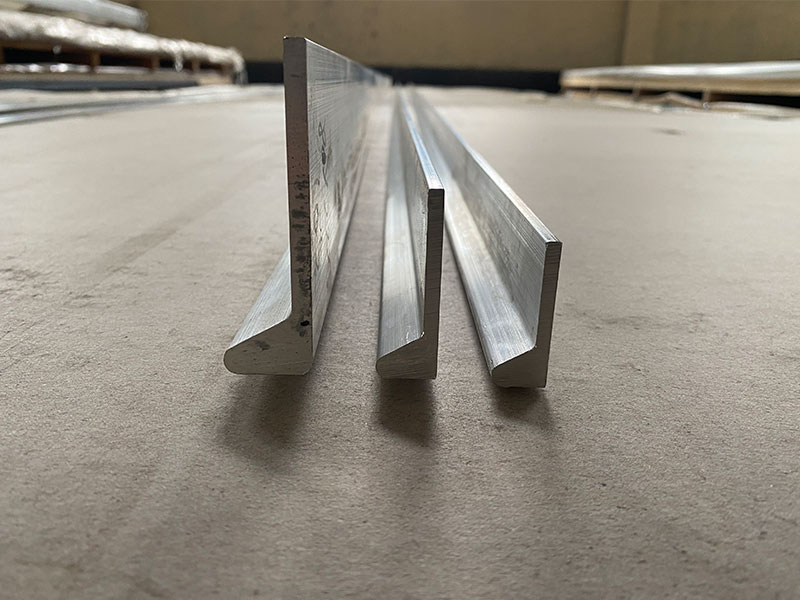
For exposed and enclosed marine systems, Marine aluminum heat sink profile designs can include deep fins, pin fins, mounting channels, screw bosses, cable-routing cavities, gasket lands, and flat machined contact surfaces. These details convert a standard extrusion concept into a cooling component matched to the actual equipment layout.
How the Profile Transfers Heat
A heat sink works through three connected actions: conduction, convection, and radiation.
Conduction begins at the electronic device. Heat passes through a thermal interface material, such as silicone pad, thermal grease, graphite sheet, or phase-change pad, into the aluminum base. A flat contact face is important because air gaps create thermal resistance. For high-power modules, a machined mounting plane with controlled flatness is often preferable to an as-extruded surface.
Convection occurs when fins expose more aluminum area to moving air. Natural-convection designs rely on vertical fin orientation and sufficient spacing for warm air to rise. Forced-air systems can use tighter fin spacing, provided that fans, filters, and service access are considered. On a boat, fans may introduce salt-laden moisture into an enclosure, so passive cooling through an external heat sink is often the more durable approach.
Radiation contributes more when the profile has a dark anodized coating. Bare aluminum has low thermal emissivity, while black anodizing can improve radiant heat release. However, coating selection must also account for sealing quality and resistance to marine exposure.
Common Alloys and Tempers
The selection of alloy is guided by the thermal load, profile complexity, required strength, finish, and corrosion environment. Alloy 6063 is widely used for finned heat sink extrusions because it produces clean surface quality and intricate shapes. Alloy 6061 provides higher strength and is practical where the heat sink also supports equipment. Alloy 6082 is often selected for more demanding structural marine duties, especially where strength and corrosion resistance are important.
| Alloy | Typical Temper | Thermal Conductivity | Typical Use in Marine Cooling Systems |
|---|---|---|---|
| 6063 | T5, T6 | Approx. 200 W/m·K | Detailed fins, enclosure frames, anodized heat sinks |
| 6061 | T6 | Approx. 167 W/m·K | Strong mounting bases, inverter housings, electronics brackets |
| 6082 | T6 | Approx. 160 W/m·K | Heavy-duty equipment supports and structural cooling parts |
Temper affects both strength and fabrication behavior. T5 material is cooled from the extrusion process and artificially aged, offering a useful combination of formability and strength. T6 material is solution heat treated and artificially aged, producing higher mechanical strength. If the profile requires substantial bending after extrusion, the temper and bend radius should be evaluated before finalizing the design.
Typical Chemical Composition of 6063 Aluminum Alloy
6063 is commonly favored for heat sink geometry because its magnesium-silicon composition supports reliable extrusion and attractive anodized surfaces.
| Element | Typical Composition Range, % |
|---|---|
| Silicon, Si | 0.20-0.60 |
| Iron, Fe | 0.00-0.35 |
| Copper, Cu | 0.00-0.10 |
| Manganese, Mn | 0.00-0.10 |
| Magnesium, Mg | 0.45-0.90 |
| Chromium, Cr | 0.00-0.10 |
| Zinc, Zn | 0.00-0.10 |
| Titanium, Ti | 0.00-0.10 |
| Aluminum, Al | Balance |
Chemical composition should be confirmed through mill certification rather than assumed from appearance. This matters when the profile will be welded, anodized, powder coated, installed near copper wiring, or used in a galvanically active marine structure.
Practical Parameters for Custom Profiles
A custom cooling profile is generally defined by the thermal source, installation space, and exposure conditions. Typical parameters include:
- Base thickness from 3 mm to 15 mm, depending on mounting loads and heat concentration.
- Fin height commonly from 10 mm to 80 mm for passive electronic cooling.
- Fin thickness often from 1.0 mm to 3.0 mm, subject to extrusion feasibility and required thermal area.
- Profile widths from compact 30 mm modules to 300 mm or wider enclosure panels.
- Standard cut lengths from 100 mm to 6,000 mm, with custom lengths available for equipment cabinets.
- Straightness, twist, flatness, and cut tolerance defined according to the function of each surface.
Extrusion dies should be designed with realistic wall-thickness transitions. Extremely thin fins connected to a heavy base can create uneven metal flow, distortion, or dimensional variation. Good thermal performance depends on usable fin geometry, not merely maximum fin count.
For broader vessel integration, Marine Grade Aluminum Profiles can also provide compatible framing, panels, and protective extrusion components around the cooled equipment.
Standards, Finishes, and Verification
Marine heat sink profiles are commonly produced in alignment with EN 755 for extruded aluminum products, EN 573 for alloy composition, and ASTM B221 for aluminum alloy extruded bars, rods, wire, profiles, and tubes. Material traceability can be provided through EN 10204 3.1 inspection documentation where project requirements call for it.
For electrical equipment integration, enclosure and installation practices may also need to follow applicable IEC 60092 marine electrical requirements, IEC 60533 electromagnetic compatibility requirements, or ABYC electrical guidance. These standards do not replace thermal testing, but they help ensure that the cooling assembly fits the wider onboard system safely.
Recommended finish options include clear anodizing, black anodizing, hard anodizing, and marine-grade powder coating. Black anodizing is frequently selected for exposed passive heat sinks because it supports radiation while maintaining a professional equipment finish. Any coating on the mounting face should be removed or masked where low thermal resistance is required.
Salt spray testing may be specified using ISO 9227, particularly when comparing coating systems. Test duration should be selected according to the actual service environment and coating specification, since a laboratory salt fog result is not a direct prediction of vessel life.
Applications Across Marine Electronics
Marine aluminum heat sink profiles are used in radar and GPS enclosures, LED deck-light drivers, engine monitoring systems, vessel communication units, propulsion-control cabinets, shore-power converters, battery management systems, and high-output DC-DC converters. They are also effective as external cooling walls on sealed IP-rated housings, where internal fans would create a pathway for moisture and contaminants.
The most dependable design treats the heat sink as part of the vessel's thermal architecture. It considers device wattage, ambient temperature, solar gain, airflow, mounting orientation, thermal interface material, corrosion isolation, and access for maintenance. With the right alloy, temper, finish, and fin geometry, a marine aluminum heat sink profile becomes a long-life cooling structure that protects electronics where failure is least acceptable: offshore and underway.

Related Products
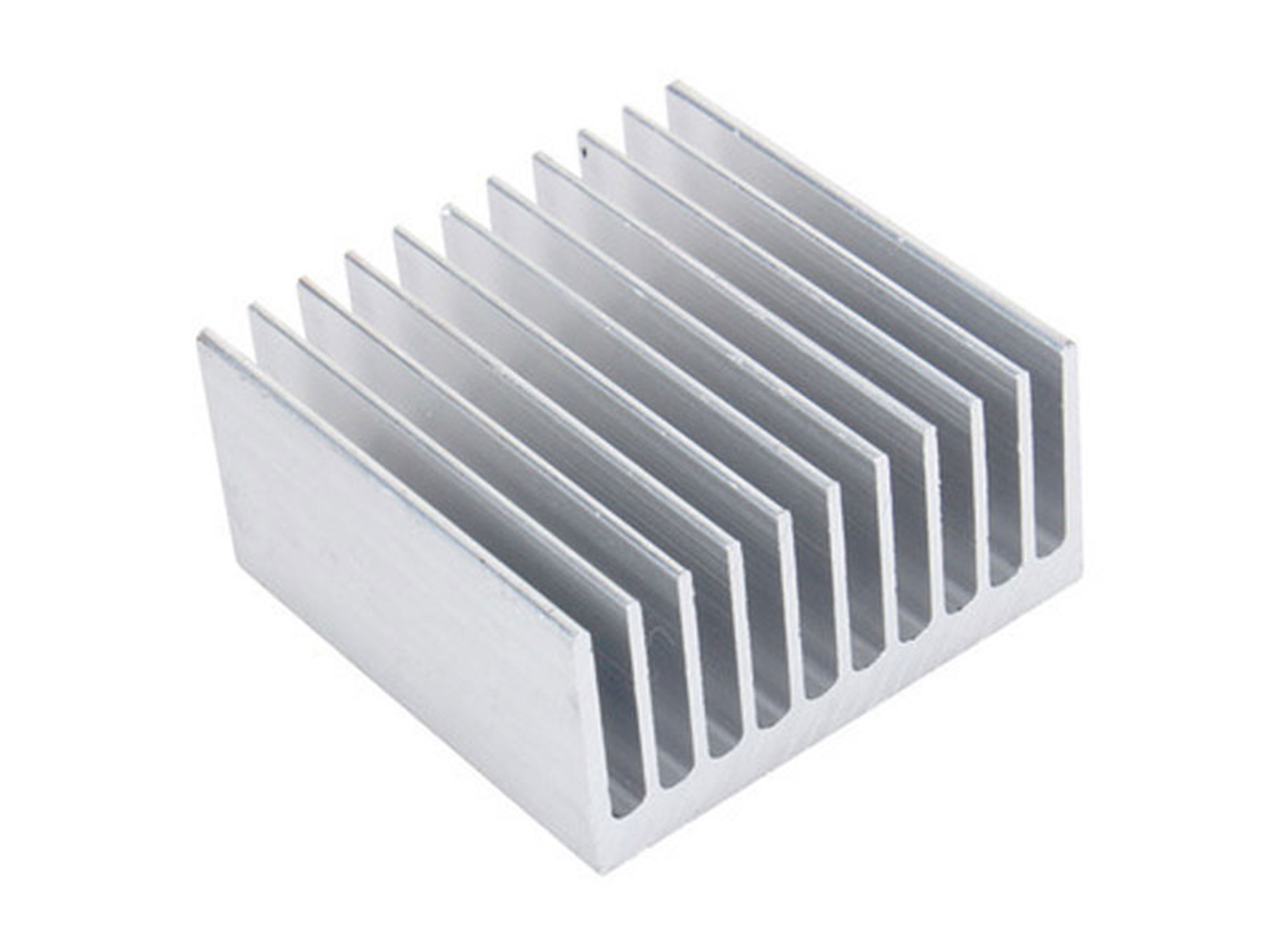
Marine aluminum heat sink profile
Marine Grade Aluminum Heat Sink Profiles utilize alloys such as 6061 and 6063 that not only exhibit high thermal conductivity but also possess excellent corrosion resistance required for saltwater exposure.
View Details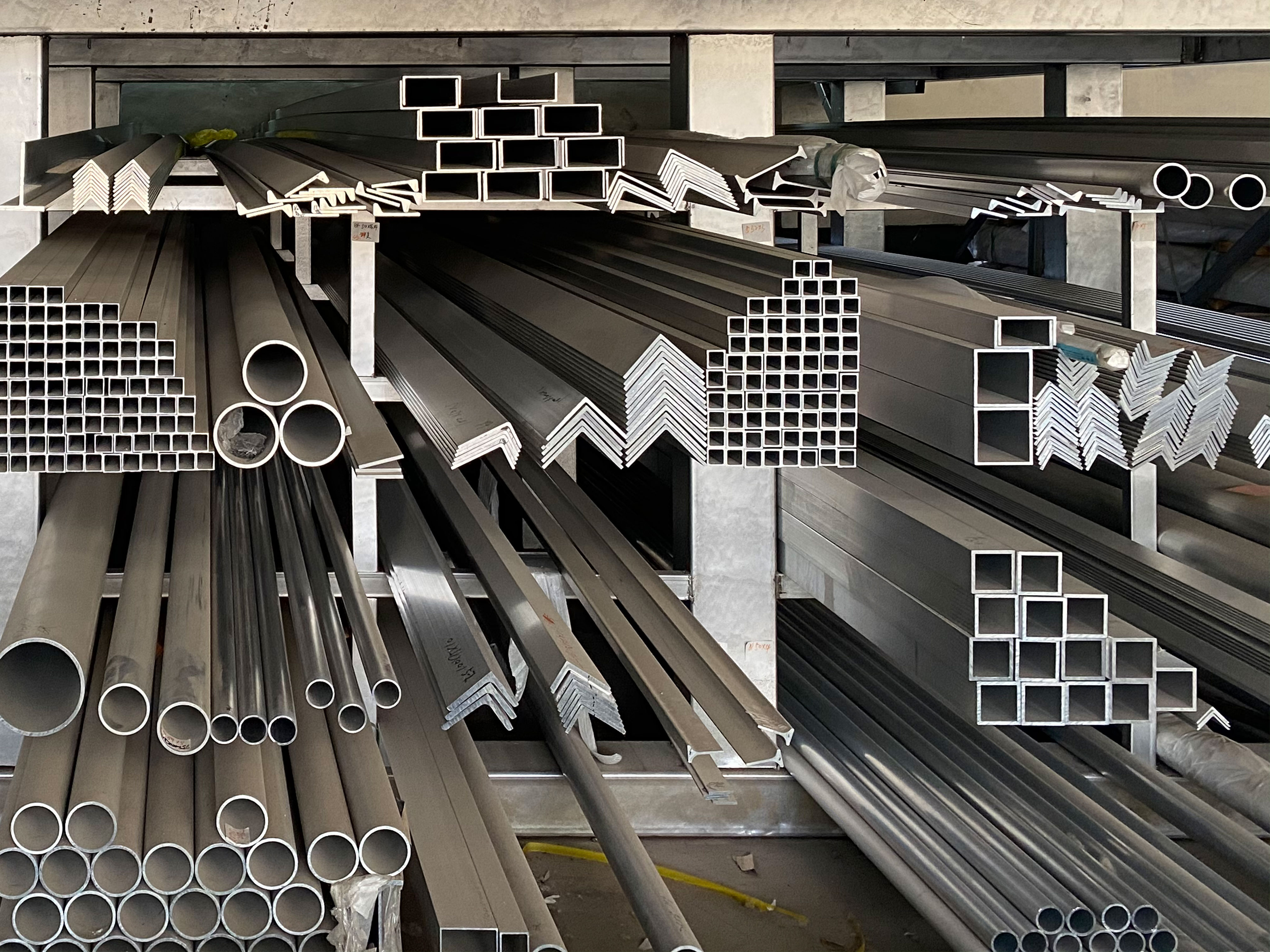
Marine aluminum fencing and railings
Marine Grade Aluminum Fencing and Railings are fabricated using marine-grade aluminum alloys such as 5083, 5052, and 6061, which are engineered specifically for protection against saltwater corrosion and marine atmospheric conditions.
View Details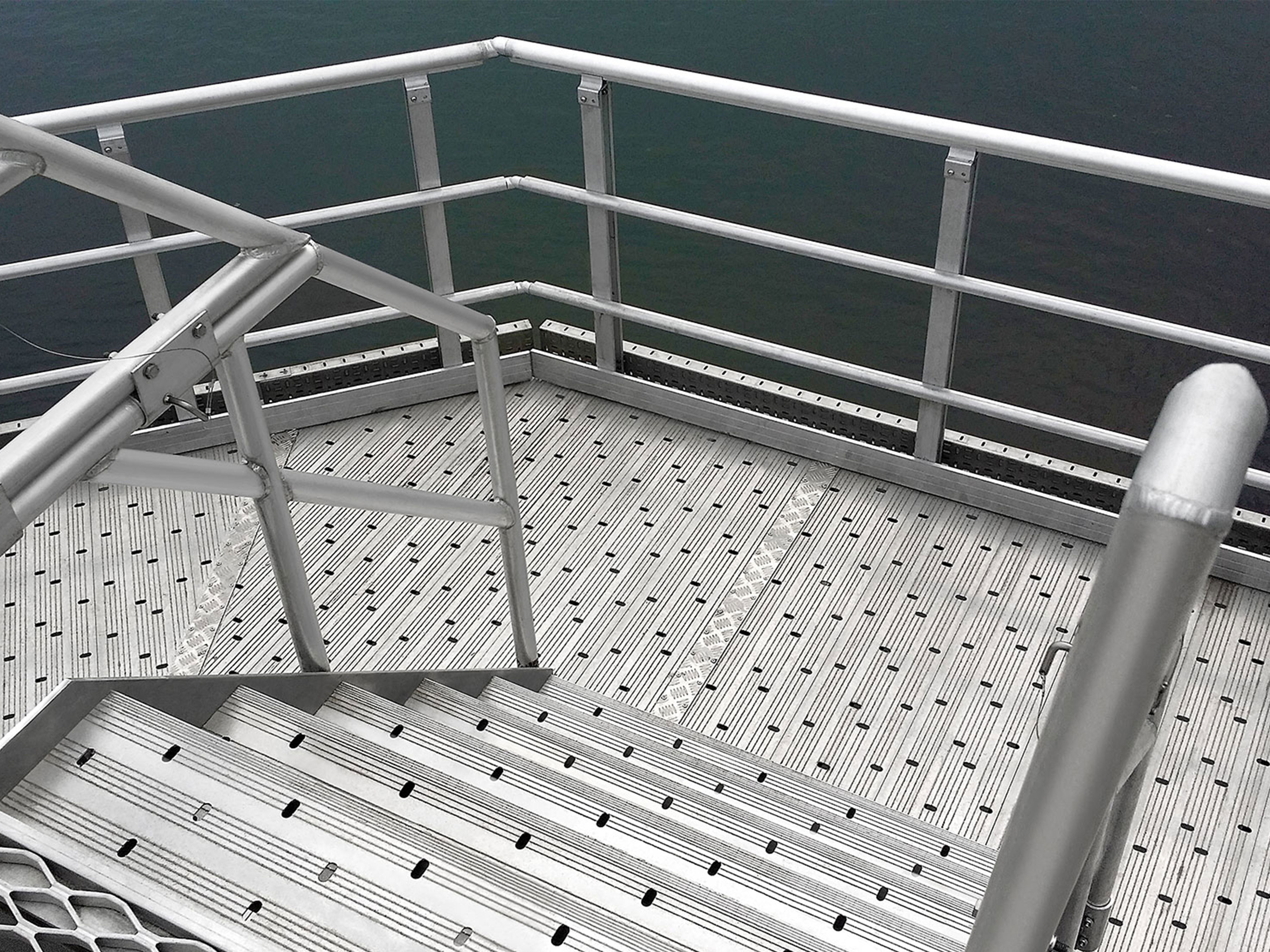
Marine aluminum customized shapes
Marine Grade Aluminum Customized Shapes encompass a broad range of aluminum extrusions and fabrications engineered beyond standard profiles—such as channels, angles, tubes, and beams—into complex, project-specific geometries.
View DetailsRelated Blog
5083 Marine Aluminum Customized Shapes for Saltwater Resistant Boat Deck Frames
When it comes to boat deck frames that endure the relentless challenge of saltwater environments, the choice of materials is paramount. Among all options.
View Details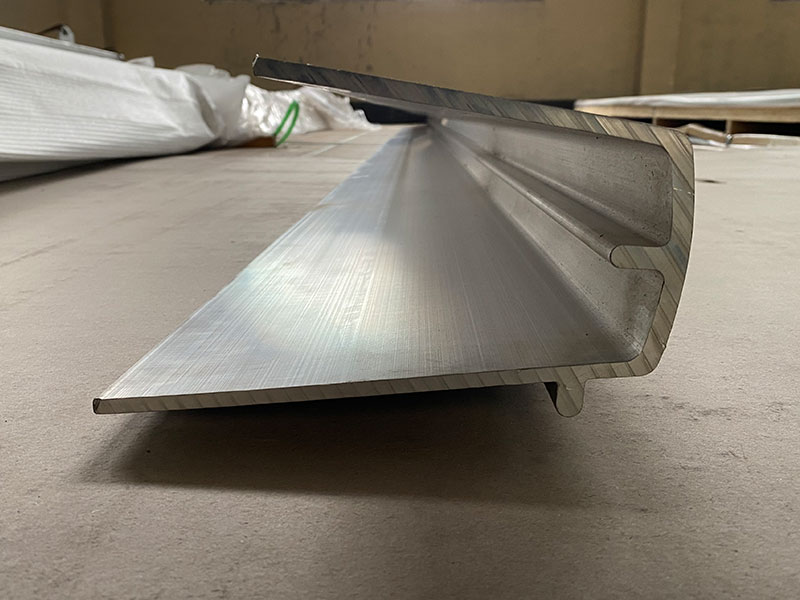
5052 Marine Aluminum Fencing and Railings for Saltwater Proof Marine Railings
When it comes to marine-grade fencing and railings, durability, corrosion resistance, and strength are paramount. The challenging marine environment, especially exposure to saltwater, demands materials that can withstand constant wear and corrosion.
View Details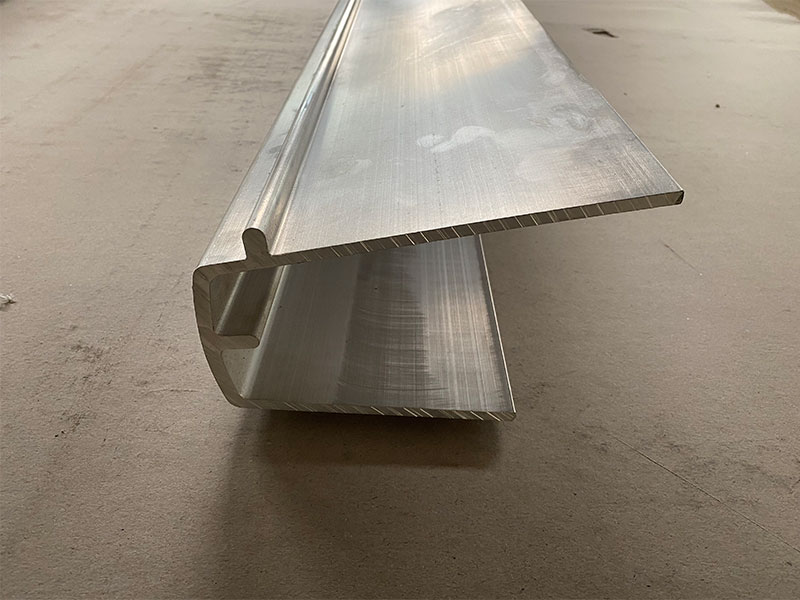
Marine Aluminum Customized Shapes for Custom Offshore Vessel Structural Parts
Manufacturing custom offshore vessel structural parts demands materials that combine exceptional strength, corrosion resistance, and ease of fabrication under challenging marine environments.
View Details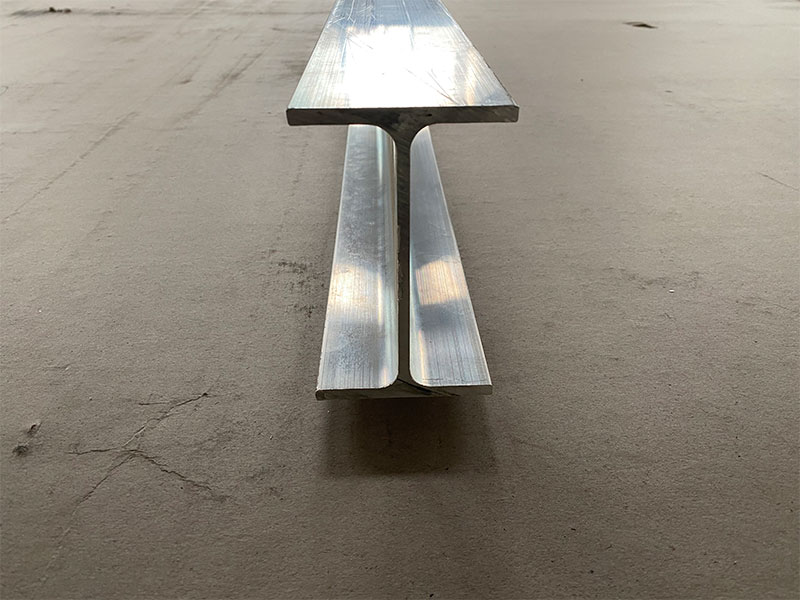
6063 Marine Aluminum Heat Sink Profile for Durable Coastal Electronics Cooling
The 6063 marine-grade aluminum heat sink profile has become an essential component in coastal and marine applications, particularly where electronic cooling is paramount for operational reliability and longevity.
View Details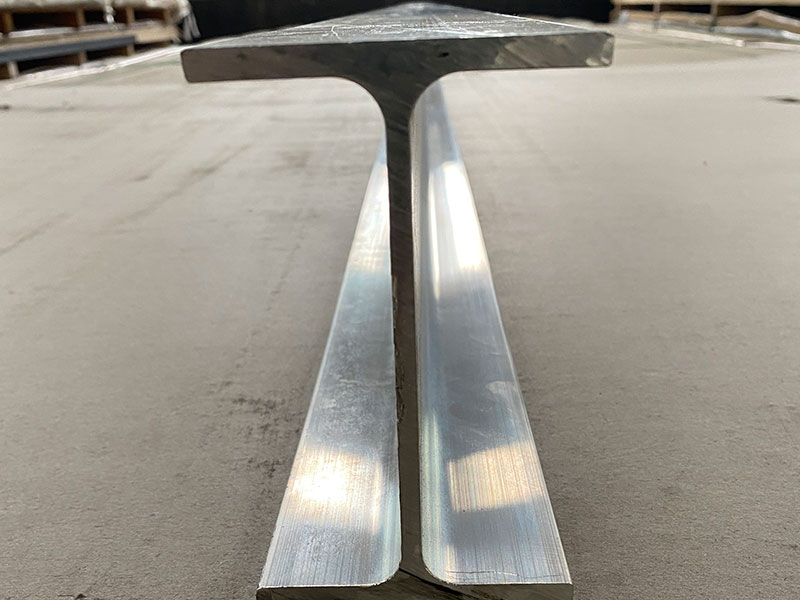
Marine Aluminum Heat Sink Profile for Heavy Duty Offshore Cooling Systems
In the marine industry, cooling systems are critical components of any operation, especially in offshore applications where durability and reliability are imperative.
View Details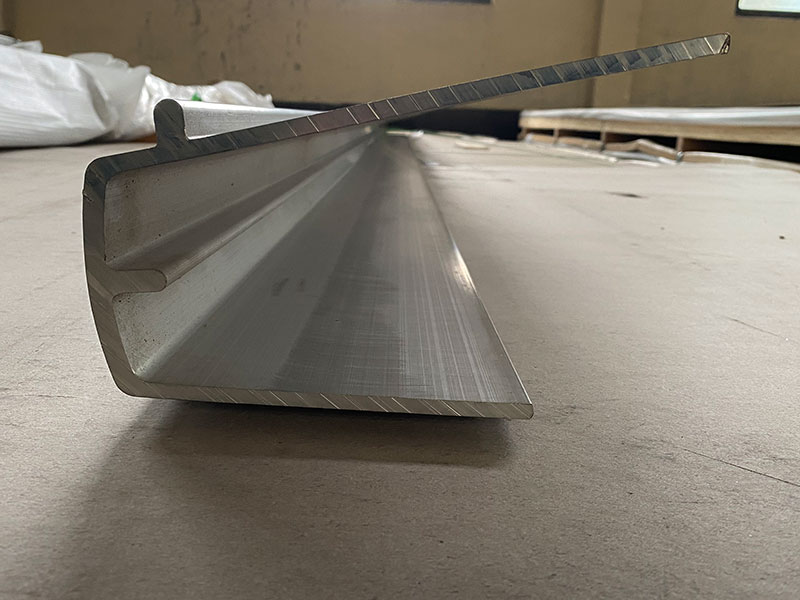
6061 Marine Aluminum Customized Shapes for Efficient Coastal Engineering Projects
6061 Marine Aluminum is a premium-grade aluminum alloy recognized for its exceptional corrosion resistance, mechanical strength, and versatility in coastal engineering.
View Details
Leave a Message