
Aluminum Sheet for Fishing Boat
Fishing boats operate in a harsh cycle of salt spray, vibration, impact, wet equipment, and long hours under direct sunlight. Aluminum sheet for fishing boat construction provides a practical answer to these conditions: a lightweight, corrosion-resistant metal that can be cut, formed, and welded into durable working vessels.
Marine-grade aluminum helps builders reduce hull weight without sacrificing structural reliability. A lighter boat can plane earlier, use less fuel, carry more gear, and remain easier to trailer or launch. For recreational angling boats, commercial fishing craft, workboats, and nearshore patrol vessels, properly selected aluminum sheet offers a long service life with straightforward maintenance.
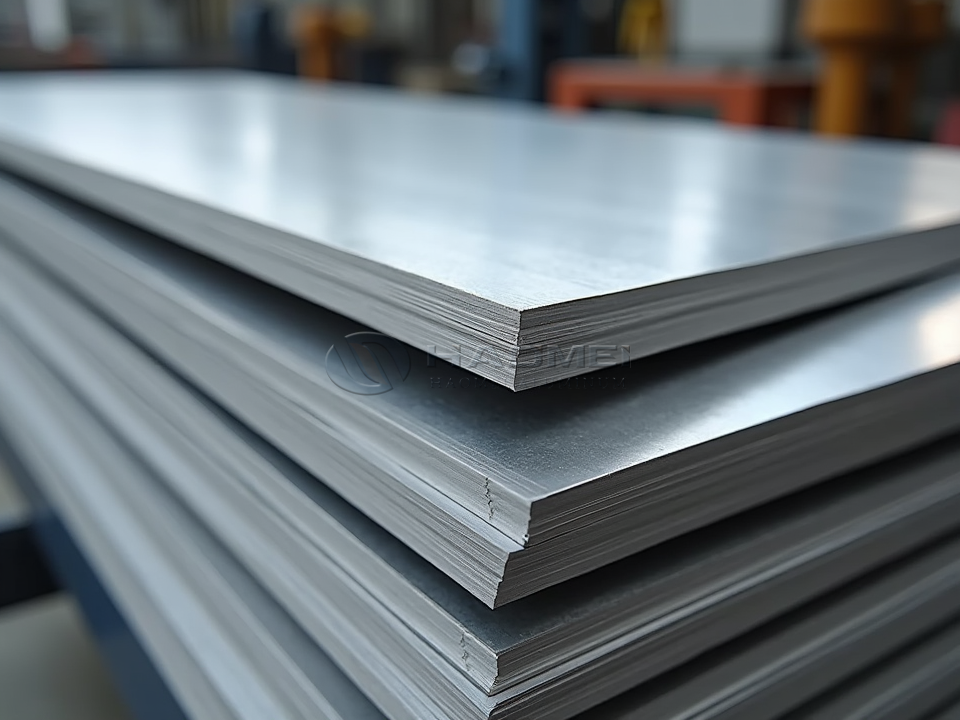
Why Aluminum Performs Well on Fishing Boats
Unlike ordinary carbon steel, aluminum naturally develops a thin oxide film that protects the surface from further oxidation. Marine 5xxx-series aluminum alloys strengthen this benefit through magnesium alloying, giving excellent resistance to seawater exposure and strong welded-joint performance.
The material is especially valuable where frequent washdown, fish handling, ice storage, tackle impact, and shoreline contact are expected. It does not absorb water, will not rot like timber, and does not require the extensive anti-corrosion coating systems commonly used on steel hulls.
| Benefit | Value for Fishing Boat Construction |
|---|---|
| Low density | Reduces vessel weight and supports improved fuel economy and payload capacity |
| Seawater corrosion resistance | Suitable for saltwater hulls, decks, splash zones, and livewell structures |
| High weldability | Supports MIG and TIG fabrication with sound, durable welded assemblies |
| Formability | Allows bending and shaping of side panels, consoles, compartments, and deck parts |
| Toughness | Resists cracking during service vibration and normal impact loading |
| Recyclability | Retains material value at the end of vessel service life |
Recommended Alloys for Different Boat Areas
The most common choices are 5052, 5083, and 5086. Each alloy has a different balance of strength, formability, and corrosion resistance. Selection should consider vessel length, hull configuration, plate thickness, intended waters, fabrication method, and structural design requirements.
| Alloy | Common Temper | Best-Suited Boat Components | Practical Characteristics |
|---|---|---|---|
| 5052 | H32, H34 | Interior panels, side sheets, hatches, consoles, fuel tanks, light decks | Excellent forming ability and corrosion resistance; economical for non-critical structure |
| 5083 | H116, H321, O | Hull bottom, side shell, transom, bulkheads, larger offshore vessels | High strength and excellent seawater resistance; widely selected for welded hulls |
| 5086 | H32, H116 | Hull plating, decks, superstructures, workboat components | Strong marine corrosion resistance with dependable welded performance |
For light-duty components and formed panels, Marine 5052 aluminum sheet offers an effective combination of workability and durability. For hull plating exposed to demanding offshore service, Marine 5083 aluminum sheet is commonly preferred because of its higher strength level and strong resistance to exfoliation corrosion in marine environments.
Chemical Composition
The following values represent typical specification ranges in weight percent for commonly used marine alloys. Actual chemistry should be confirmed against the applicable mill test certificate and material standard.
| Alloy | Magnesium Mg | Manganese Mn | Chromium Cr | Iron Fe | Silicon Si | Copper Cu | Aluminum Al |
|---|---|---|---|---|---|---|---|
| 5052 | 2.2-2.8% | 0.10% max | 0.15-0.35% | 0.40% max | 0.25% max | 0.10% max | Balance |
| 5083 | 4.0-4.9% | 0.40-1.0% | 0.05-0.25% | 0.40% max | 0.40% max | 0.10% max | Balance |
| 5086 | 3.5-4.5% | 0.20-0.7% | 0.05-0.25% | 0.50% max | 0.40% max | 0.10% max | Balance |
Magnesium is the principal strengthening element in these alloys. It contributes to solid-solution strengthening while preserving excellent corrosion behavior in saltwater. Manganese and chromium assist grain structure control and help improve resistance to corrosion-related degradation.
Mechanical and Physical Performance
Mechanical values vary with alloy, thickness, temper, direction, and product standard. The figures shown are representative values for purchasing and preliminary design discussions.
| Property | 5052-H32 | 5083-H116 | 5086-H116 |
|---|---|---|---|
| Tensile strength | 210-260 MPa | 275-350 MPa | 275-345 MPa |
| Yield strength | 160 MPa minimum | 215 MPa minimum | 205 MPa minimum |
| Elongation | 10-16% | 10-16% | 10-16% |
| Density | 2.68 g/cm³ | 2.66 g/cm³ | 2.66 g/cm³ |
| Elastic modulus | 70 GPa | 70 GPa | 70 GPa |
| Melting range | 605-650°C | 570-640°C | 575-640°C |
| Thermal conductivity | Approx. 138 W/m·K | Approx. 117 W/m·K | Approx. 117 W/m·K |
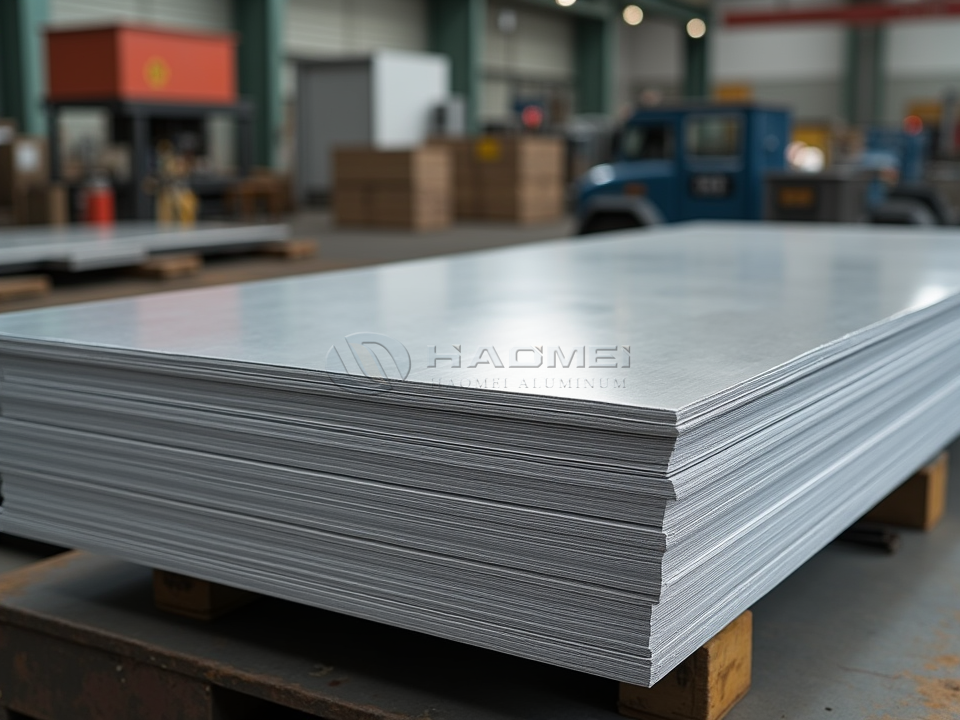
Available Technical Specifications
Aluminum sheet can be supplied in standard mill sizes or cut-to-length formats to improve material yield during fabrication. Wider plates reduce the number of longitudinal welds on hull sides and bottoms, helping fabricators create cleaner structures with less joining work.
| Specification Item | Available Range |
|---|---|
| Alloy | 5052, 5083, 5086 |
| Temper | O, H32, H34, H116, H321 |
| Thickness | 1.0-100 mm, subject to alloy and width |
| Width | 1,000-2,600 mm |
| Length | 2,000-12,000 mm or customized cut length |
| Surface | Mill finish, PVC protective film, brushed finish, anodized option |
| Edge condition | Mill edge, slit edge, trimmed edge |
| Inspection documents | Mill test certificate, chemistry report, dimensional inspection report |
| Typical standards | ASTM B928, ASTM B209, EN 485, EN 573, relevant marine classification requirements |
Fishing Boat Applications
Marine aluminum sheet supports far more than the external shell of a vessel. Its fabrication flexibility allows a consistent material system across structural and outfitting areas.
| Boat Area | Typical Material Choice | Functional Benefit |
|---|---|---|
| Hull bottom and chines | 5083-H116 or 5086-H116 | Strength, impact tolerance, seawater durability |
| Side plating and transom | 5083-H116, H321 | Rigid welded construction and corrosion protection |
| Decks and walkways | 5052-H32 or 5083-H116 | Durable surface for anglers, crew, and equipment movement |
| Cabin sides and roofs | 5052-H32 or 5083 | Low weight and easy forming |
| Fish holds and livewells | 5052 or 5083 | Hygienic, washable, moisture-resistant construction |
| Storage lockers and hatches | 5052-H32 | Efficient bending and clean finished appearance |
| Fuel tank assemblies | 5052-H32 | Good corrosion resistance and weldability when built to applicable regulations |
Fabrication and Service Considerations
Marine aluminum sheet is normally joined by MIG or TIG welding using compatible filler metal, commonly 5183, 5356, or 5556 depending on the base alloy and service conditions. Surfaces should be cleaned before welding to remove oxide, moisture, oil, and contaminants. Proper joint design and controlled heat input help limit distortion in thin panels.
Avoid direct contact between bare aluminum and dissimilar metals such as carbon steel or copper-bearing materials in wet service. Insulating washers, sealants, compatible fasteners, and coating systems reduce galvanic corrosion risk. Drainage paths should also be designed into lockers, decks, and structural pockets so standing saltwater cannot remain trapped.
For a fishing boat, aluminum sheet is not simply a lighter substitute for another metal. It is a marine construction material that combines practical strength, efficient fabrication, corrosion defense, and long-term operating value. Selecting the right alloy and temper for each vessel zone creates a boat that is ready for hard use, repeated washdowns, and seasons spent on the water.

Related Products
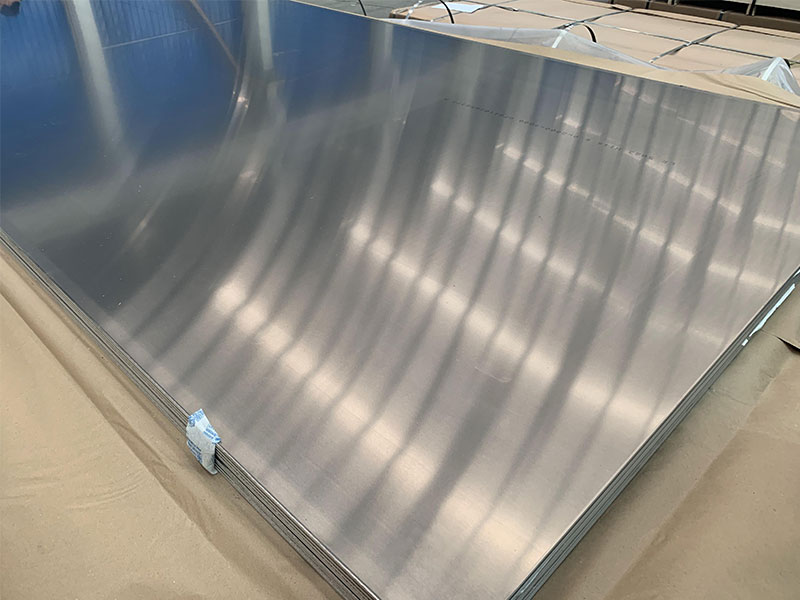
Marine 5052 aluminum sheet
Aluminum alloy 5052 is a non-heat-treatable, strain-hardened alloy with magnesium as the primary alloying element. It is designed to offer superior corrosion resistance in marine and saline environments, making it a dependable choice for components exposed directly to seawater or coastal atmospheric conditions.
View Details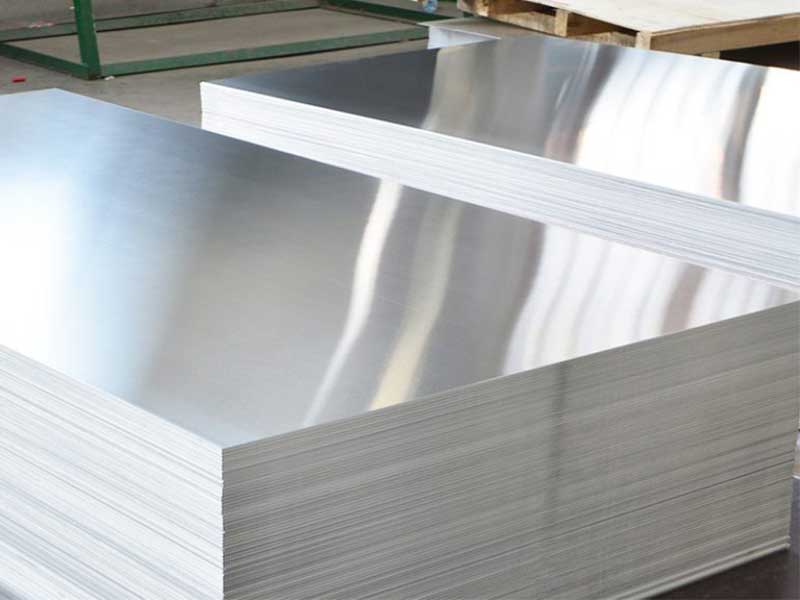
Marine anodized aluminum sheets
Marine Anodized Aluminum Sheets start with premium marine-grade aluminum alloys such as 5000 and 6000 series (typically 5083, 5052, and 6061).
View Details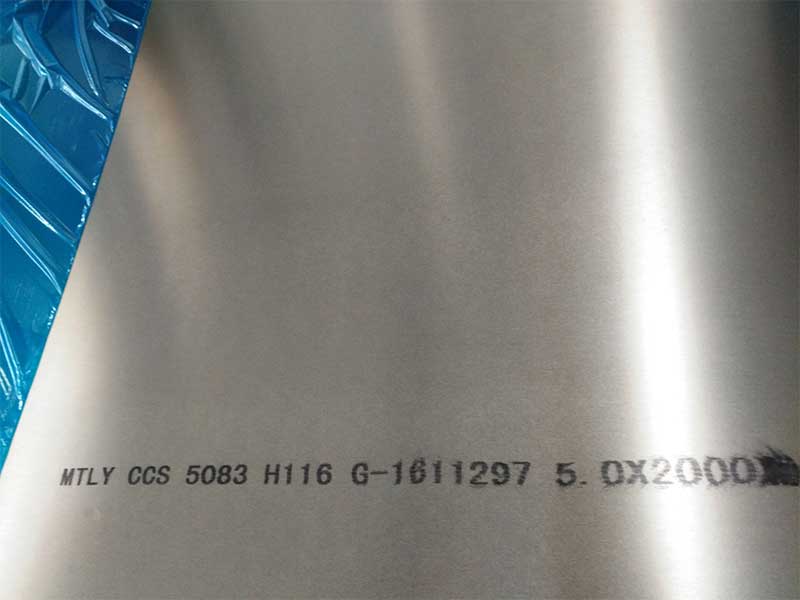
Marine 5083 aluminum sheet
Aluminum alloy 5083 is a non-heat-treatable alloy primarily composed of magnesium and trace elements that deliver outstanding protection against corrosion, particularly in seawater and saline atmospheres.
View Details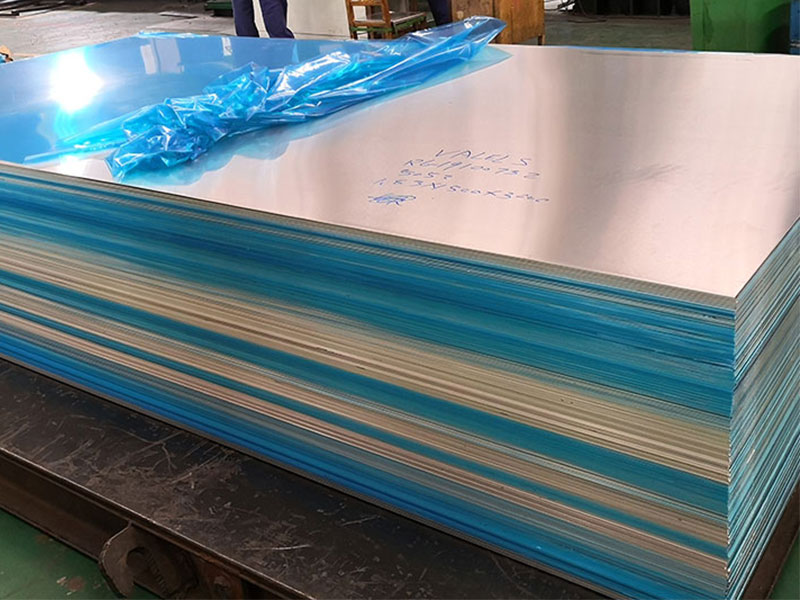
Marine 5059 aluminum sheet
5059 aluminum alloy is a strain-hardened material with a unique addition of magnesium and chromium, which provides outstanding resistance to localized corrosion like pitting and stress corrosion cracking.
View Details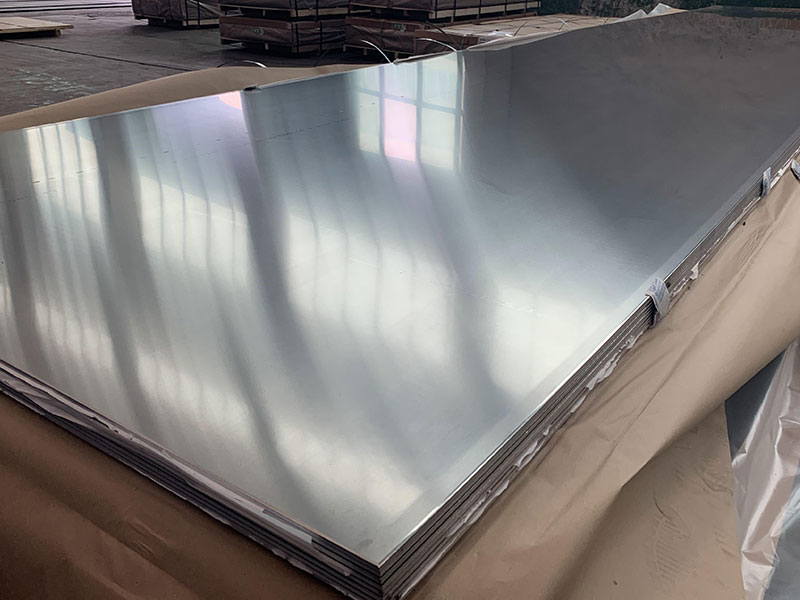
Marine 5086 aluminum sheet
This product article provides an in-depth and comprehensive understanding of Marine 5086 Aluminum Sheets, including their chemical composition, mechanical properties, corrosion resistance, fabrication capabilities, and typical marine applications.
View Details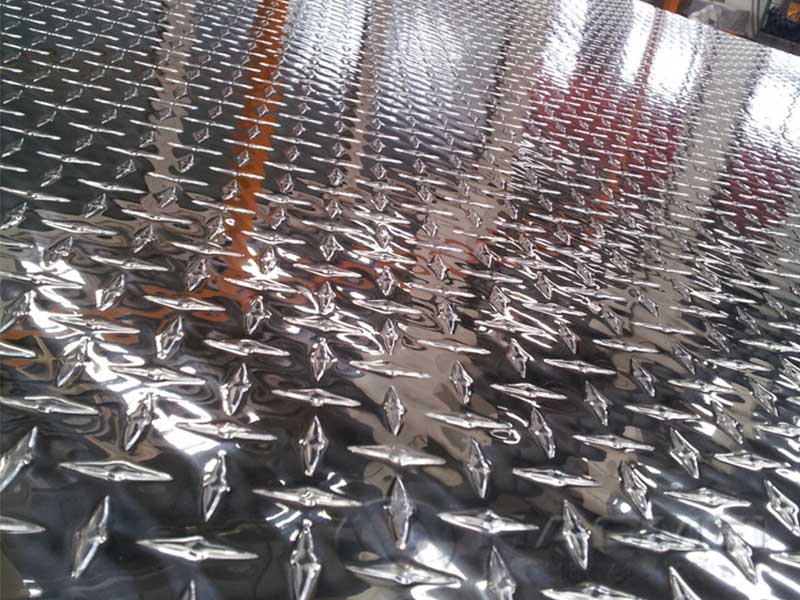
Marine Aluminum Tread Sheets
Marine Aluminum Tread Sheets are aluminum alloy plates featuring a raised surface pattern, commonly referred to as a tread design or diamond plate.
View DetailsRelated Blog
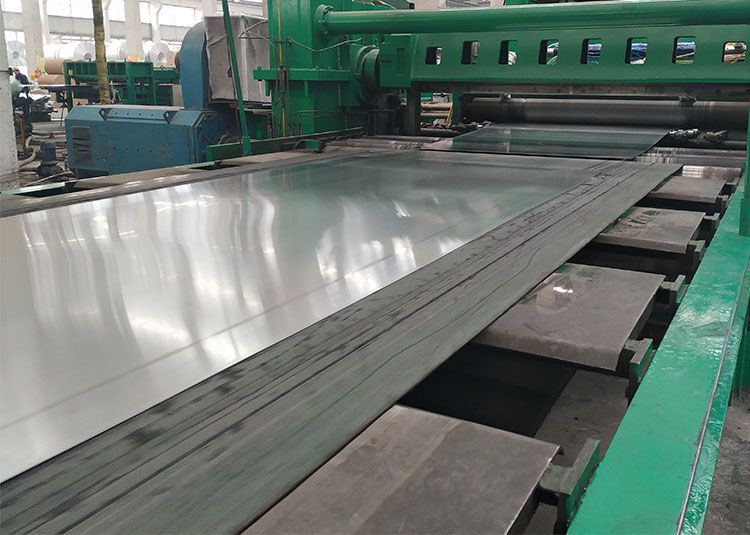
Aluminum sheet for boat 5083 5052 5754
When selecting aluminum sheets for marine applications, particularly boats, alloy choice plays a vital role in ensuring durability, corrosion resistance, and mechanical strength.
View Details
5754 Aluminum Sheet for Shipping Construction
5754 Aluminum Sheet for Shipping Construction: The "Quiet Workhorse" Behind Durable, Efficient VesselsIn modern shipping construction, the most valuable materials are not always the most famous-they're the ones that perform reliably under salt spray.
View Details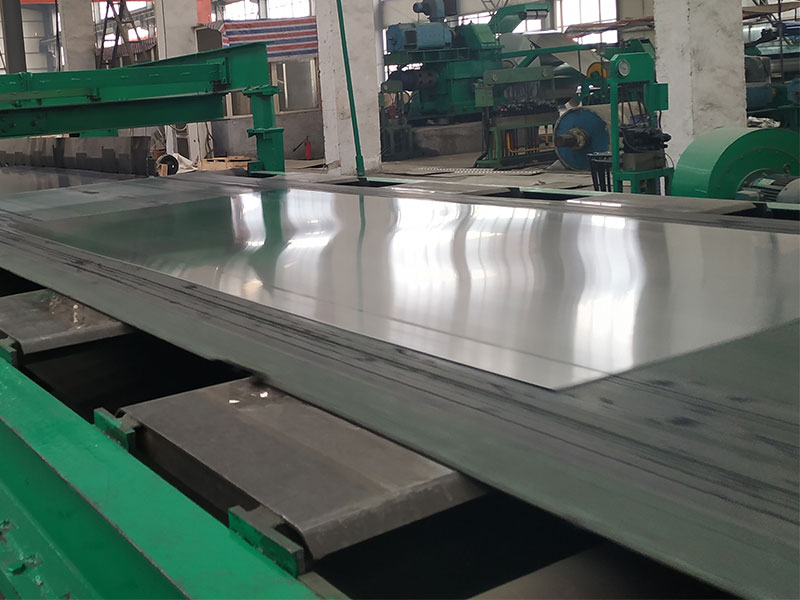
6061 5mm thick 4x8 aluminum sheet for boat
When it comes to maritime applications, selecting the right materials is crucial. Among the varied options available in the world of marine engineering, the 6061 aluminum alloy stands out especially for its versatility, durability, and performance.
View Details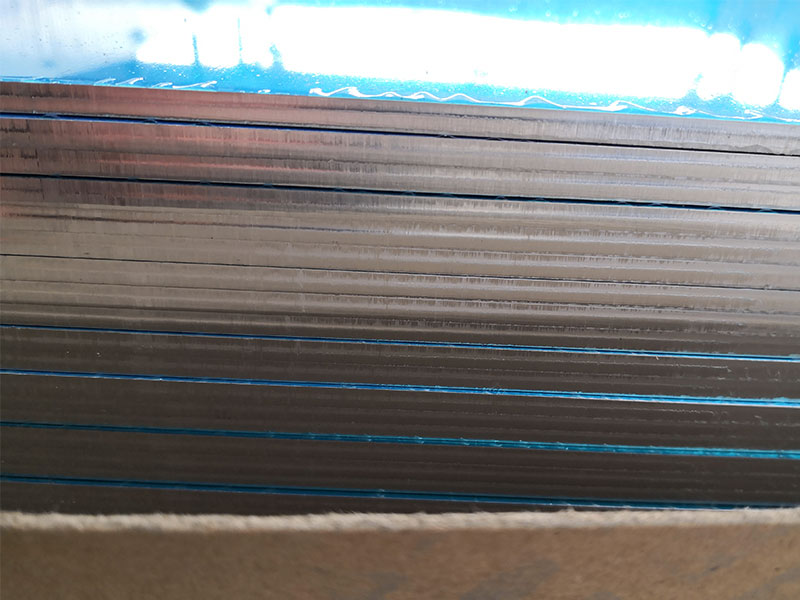
Aluminum Sheet for Boat 5083 H111 H112 H116 H32
The Aluminum Sheet 5083 series is notably recognized in marine and industrial applications, particularly aluminum sheets used for boat construction. Among the temper designations, H111, H112, H116.
View Details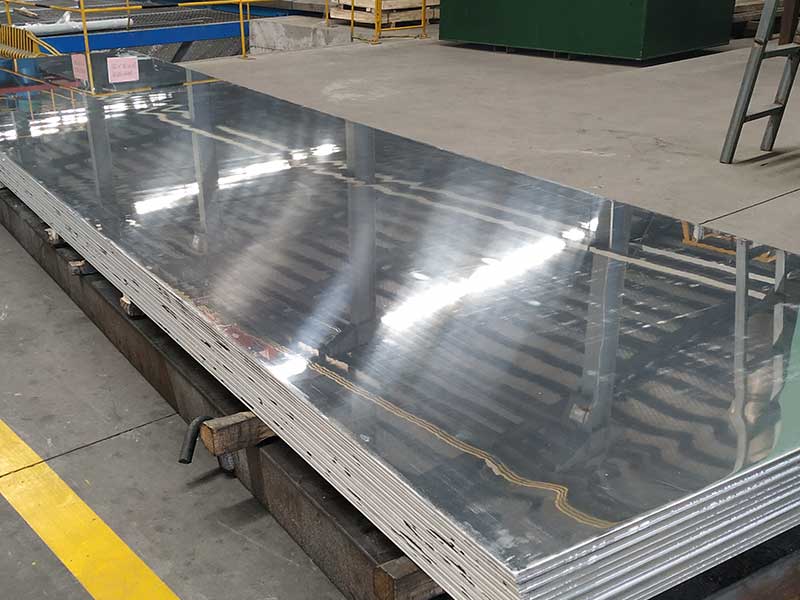
Aluminum Sheet 5083 5086 5754 for Fishing Boat
Aluminum sheets 5083, 5086, and 5754 are widely recognized alloys in the marine industry, known for their excellent corrosion resistance, mechanical strength, and durability.
View Details
Marine 3 gauge 4 x 8 x 1 4 aluminum sheet
Marine 3 Gauge 4 x 8 x 1/4 Aluminum Sheet: A Seaworthy "Thickness Story" Told in MetalA marine 3 gauge 4 x 8 x 1/4 aluminum sheet is more than a size callout-it's a practical promise.
View Details
Leave a Message