
6061 Marine Aluminum Heat Sink Profile for Coastal Electronics Thermal Management
Coastal electronic equipment must dissipate heat while facing salt spray, humidity, vibration, ultraviolet exposure, and wide temperature swings. A 6061 marine aluminum heat sink profile provides a practical thermal path from power-generating components to the surrounding air, combining good conductivity, low weight, structural strength, and dependable extrusion capability.
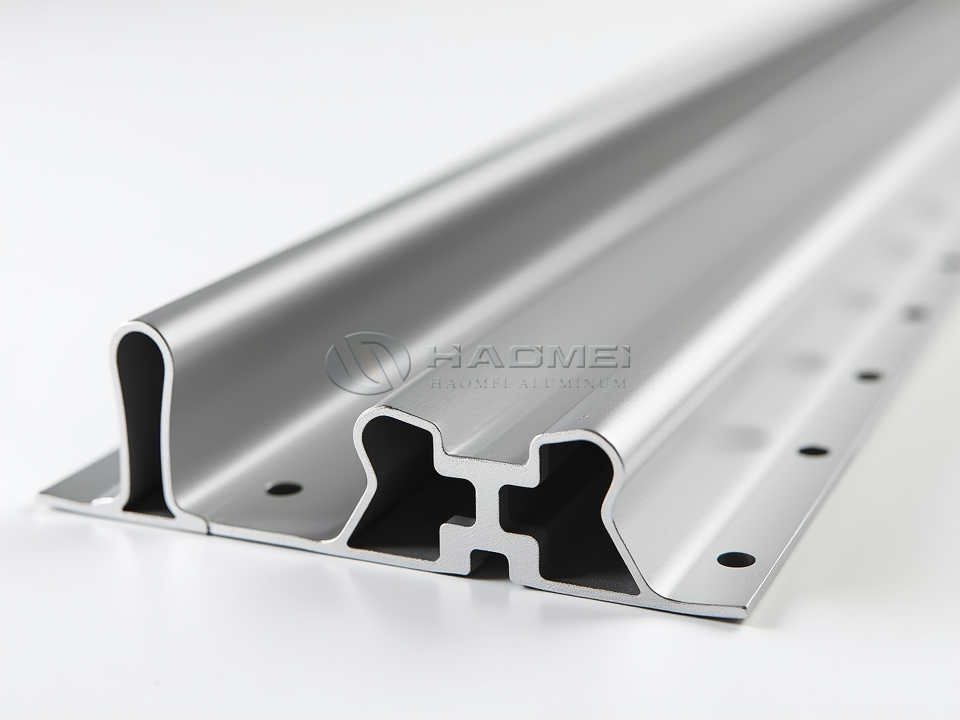
This profile is engineered for electronics installed near shorelines, aboard vessels, at marina facilities, on offshore monitoring platforms, and within protected outdoor enclosures. Its finned geometry increases surface area, while the 6061 alloy body can also serve as a mounting rail, enclosure wall, or equipment frame. The result is a compact thermal-management component that reduces part count and supports rugged marine construction.
Why 6061 Works for Coastal Thermal Systems
6061 is a precipitation-hardenable aluminum alloy containing magnesium and silicon. In T6 temper, it offers substantially higher mechanical strength than many general-purpose aluminum grades while retaining useful thermal conductivity. This balance is valuable when a heat sink must carry the weight of converters, LED modules, battery controllers, communication devices, or sensor assemblies.
Compared with heavy copper thermal hardware, 6061 aluminum reduces system mass and is easier to form into long, complex fin profiles through extrusion. It can incorporate screw bosses, mounting flanges, wire-routing channels, snap-fit covers, gasket lands, and drainage features in one section. For projects requiring non-standard geometries, Marine aluminum customized shapes can integrate thermal and mechanical functions into a single engineered extrusion.
The alloy forms a natural oxide film in air. For coastal duty, this protection is strengthened through anodizing, conversion coating, or a marine-grade powder coating system. Proper finishing and sound assembly design are essential because salt deposits and trapped moisture can accelerate localized corrosion.
Typical Material Properties
The figures in this table are representative values for 6061-T6 material. Final properties can vary with profile geometry, wall thickness, temper, and applicable production standard.
| Property | Typical Value | Relevance to Heat Sink Design |
|---|---|---|
| Alloy designation | AA 6061 | Magnesium-silicon structural aluminum alloy |
| Common temper | T5 or T6 | T6 supports higher strength; T5 is often selected for extruded profiles |
| Density | 2.70 g/cm³ | Supports lightweight installations on vessels and masts |
| Thermal conductivity | Approx. 167 W/m·K | Transfers heat efficiently from the base to cooling fins |
| Specific heat capacity | Approx. 896 J/kg·K | Provides short-term thermal buffering during load peaks |
| Coefficient of thermal expansion | Approx. 23.6 × 10⁻⁶ /°C | Must be considered with PCB, ceramic, and steel interfaces |
| Electrical conductivity | Approx. 43% IACS | Useful for grounding structures when designed correctly |
| Tensile strength, T6 | Approx. 290 MPa | Resists handling loads, vibration, and bracket deflection |
| Yield strength, T6 | Approx. 240 MPa | Supports durable mounting sections and fastener zones |
| Melting range | Approx. 582-652°C | Well above normal electronic operating temperatures |
Chemical Composition of 6061 Aluminum
Controlled chemistry gives 6061 its response to heat treatment, extrudability, and mechanical reliability. Magnesium and silicon form Mg2Si precipitates during aging, producing the strength associated with T6 material.
| Element | Typical Specification Range, wt.% | Function in the Alloy |
|---|---|---|
| Magnesium | 0.80-1.20 | Supports age-hardening and strength |
| Silicon | 0.40-0.80 | Combines with magnesium for precipitation hardening |
| Iron | 0.00-0.70 | Common residual element; controlled for consistency |
| Copper | 0.15-0.40 | Adds strength but requires careful corrosion protection |
| Chromium | 0.04-0.35 | Helps control grain structure and stress-corrosion behavior |
| Manganese | 0.00-0.15 | Contributes to microstructural control |
| Zinc | 0.00-0.25 | Restricted to maintain alloy performance |
| Titanium | 0.00-0.15 | Grain-refining addition |
| Aluminum | Balance | Base metal |
Profile Geometry That Promotes Effective Cooling
Heat sink performance depends on profile geometry as much as alloy selection. The heat must first enter the aluminum base through a low-resistance interface, spread across the base, travel into the fins, and finally leave through convection and radiation. Fin spacing that is too narrow may trap stagnant air, especially inside sealed or low-airflow enclosures. Excessively thick fins add weight without always improving heat rejection.
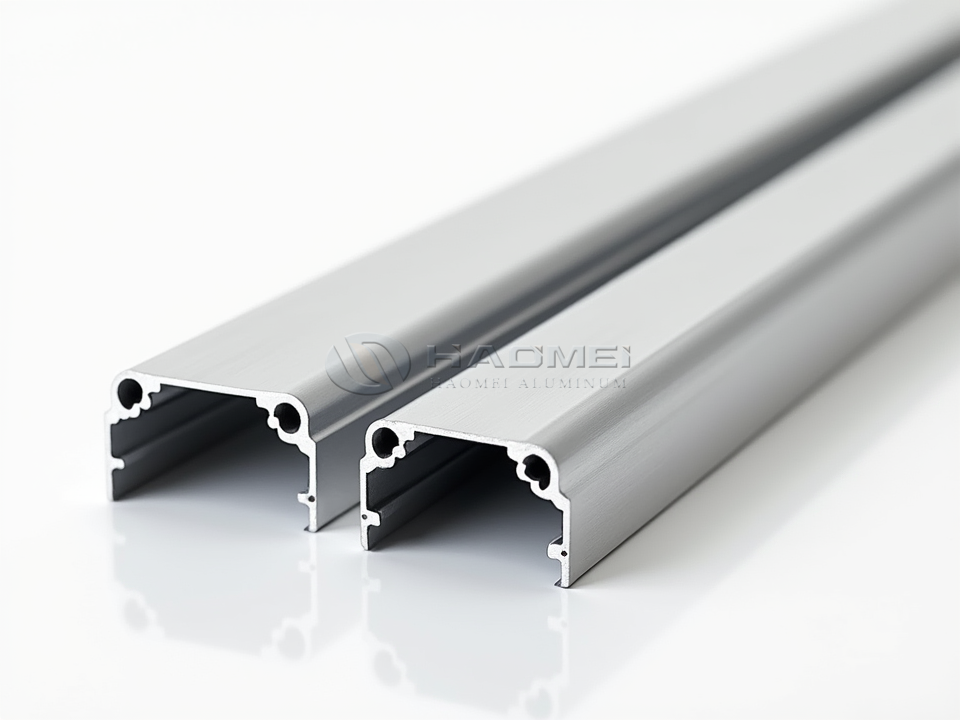
Well-designed 6061 heat sink profiles often include a solid mounting base, parallel or pin-style fin regions, generous root radii, and accessible surfaces for coating and cleaning. A black anodized finish is frequently selected because it provides a durable oxide layer and can improve radiative heat emission compared with bright bare aluminum. Clear anodizing is suitable where a metallic appearance or conductivity at selected contact areas is needed.
For forced-air systems, taller fins and controlled fin spacing can create efficient channels for fan-driven airflow. For natural convection, vertical fin orientation and unobstructed air paths matter greatly. In a marine enclosure, designers should also avoid dead pockets that collect condensation, salt crystals, or washdown residue.
Coastal Corrosion Protection and Assembly Practice
A heat sink installed in coastal conditions should be treated as part of the complete corrosion-control system. Even a durable alloy can suffer when dissimilar metals, wet debris, or coating damage create local attack sites.
Recommended protection measures include:
- Specify clear, black, or hard anodizing with sealed pores when appearance and exposure conditions require it.
- Use marine-rated powder coating when stronger barrier protection or a specified color is needed.
- Isolate stainless steel, copper, brass, and carbon steel hardware from bare aluminum with compatible washers, coatings, or non-conductive barriers.
- Apply suitable thermal interface pads, phase-change materials, or thermal grease between electronic modules and the heat sink base.
- Provide drain paths and ventilation so condensation cannot remain trapped against the profile.
- Use sealed fasteners and avoid sharply damaged edges after cutting, drilling, or machining.
When electrical bonding is required, preserve designated bare contact zones and protect surrounding exposed aluminum. The grounding arrangement should be validated as part of the equipment's electrical and corrosion design, rather than relying on incidental metal-to-metal contact.
Applications Across Coastal Electronics
6061 marine aluminum heat sink profiles are suited to compact electronics that operate continuously in demanding waterfront environments. Typical installations include LED floodlight housings for docks and decks, navigation-light controllers, shore-power monitoring devices, solar charge controllers, marine battery management units, radar and antenna electronics, vessel communication enclosures, CCTV modules, and environmental sensor stations.
They are also effective in inverter cabinets, DC-DC converters, compact motor drives, and data acquisition equipment installed in harbors, fish-farming facilities, coastal weather stations, and port infrastructure. The profile can be cut to length, machined for connectors and mounting holes, then paired with end plates and gaskets to form a protected thermal enclosure.
For broader system construction, Marine Grade Aluminum Profiles can be combined with heat sink sections to create coordinated frames, covers, rails, and mounting structures using compatible aluminum components.
Design Information for a Better-Fitting Profile
A successful thermal profile begins with the actual heat load and environmental conditions. Designers should define total watts to be dissipated, maximum component junction temperature, ambient air temperature, available airflow, enclosure volume, mounting orientation, and permitted profile dimensions. Thermal simulation or prototype testing is particularly valuable for sealed boxes, high-power modules, and installations exposed to direct sun.
Useful drawing details include overall width and height, base thickness, fin height, fin pitch, required flatness of the mounting face, cut length, alloy temper, finish, machining requirements, and packaging protection. Long profiles can be supplied for customer cutting, while precision-cut lengths simplify assembly operations. Protective film, separators, and dry packing help preserve cosmetic surfaces during handling and marine equipment integration.
A properly specified 6061 marine aluminum heat sink profile turns the enclosure itself into an active cooling surface. It delivers a strong, lightweight, corrosion-conscious foundation for electronics that must continue operating where salt air and thermal load meet.

Related Products
Marine aluminum customized shapes
Marine Grade Aluminum Customized Shapes encompass a broad range of aluminum extrusions and fabrications engineered beyond standard profiles—such as channels, angles, tubes, and beams—into complex, project-specific geometries.
View Details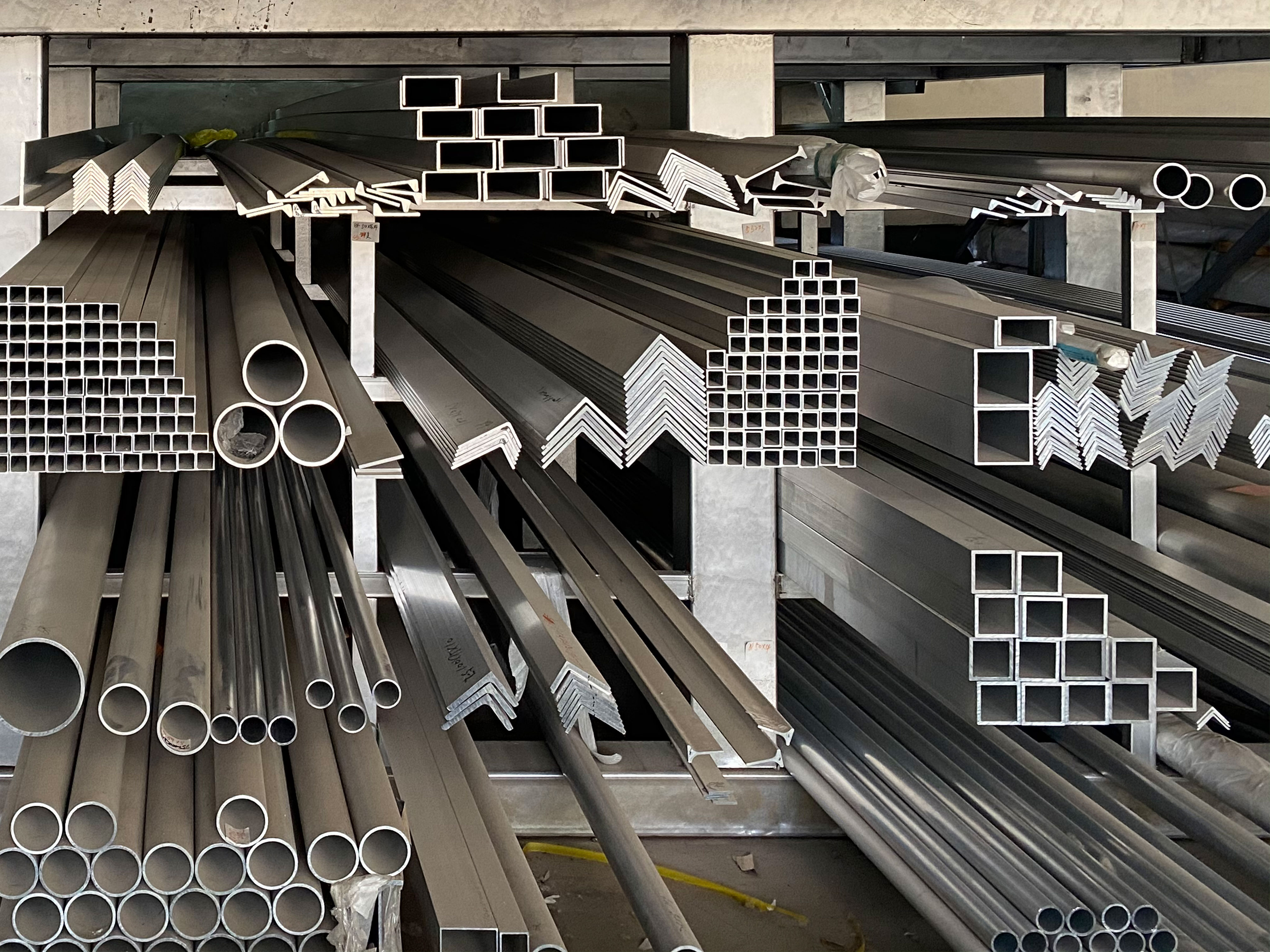
Marine aluminum fencing and railings
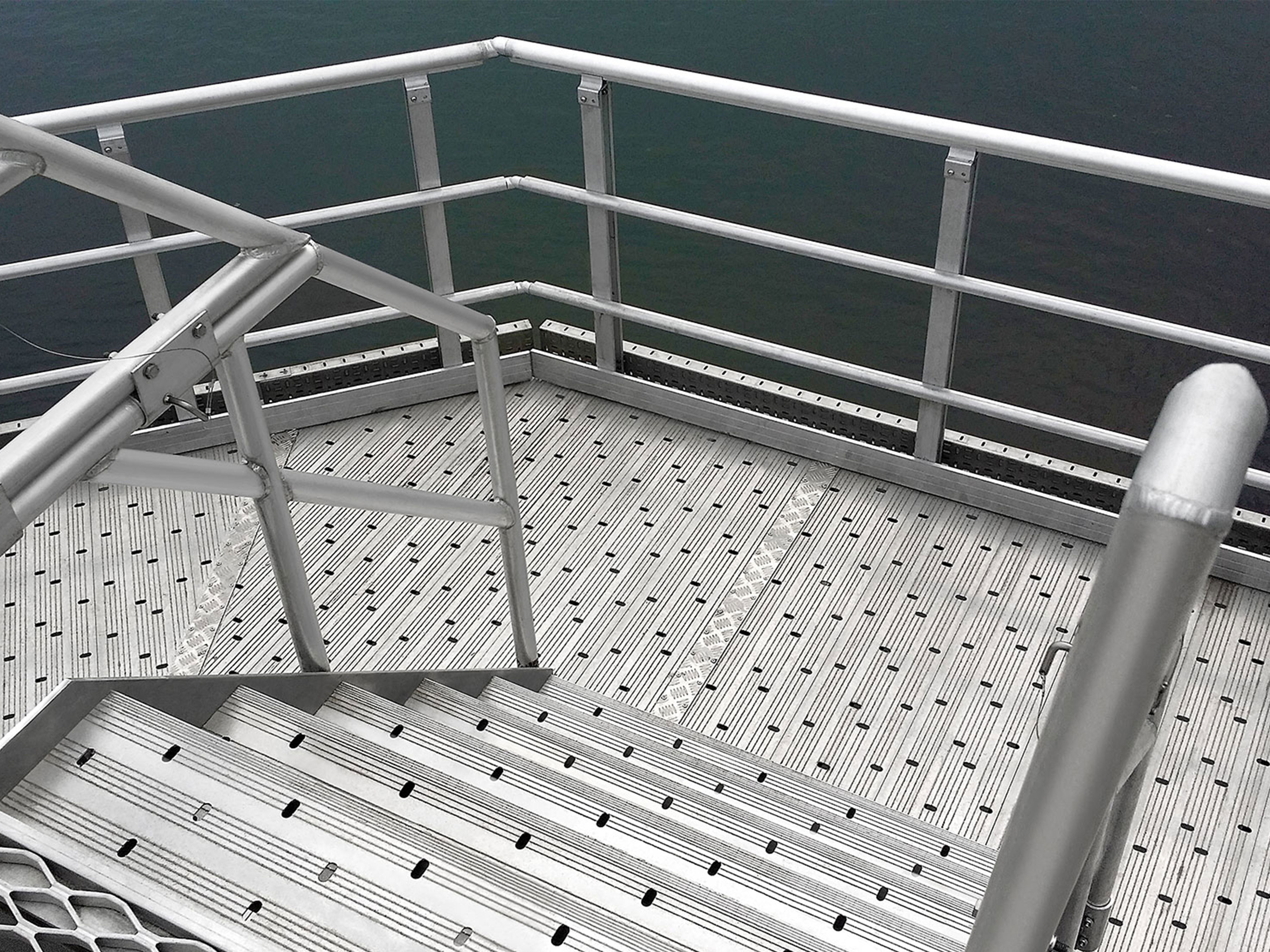
Marine Grade Aluminum Fencing and Railings are fabricated using marine-grade aluminum alloys such as 5083, 5052, and 6061, which are engineered specifically for protection against saltwater corrosion and marine atmospheric conditions.
View Details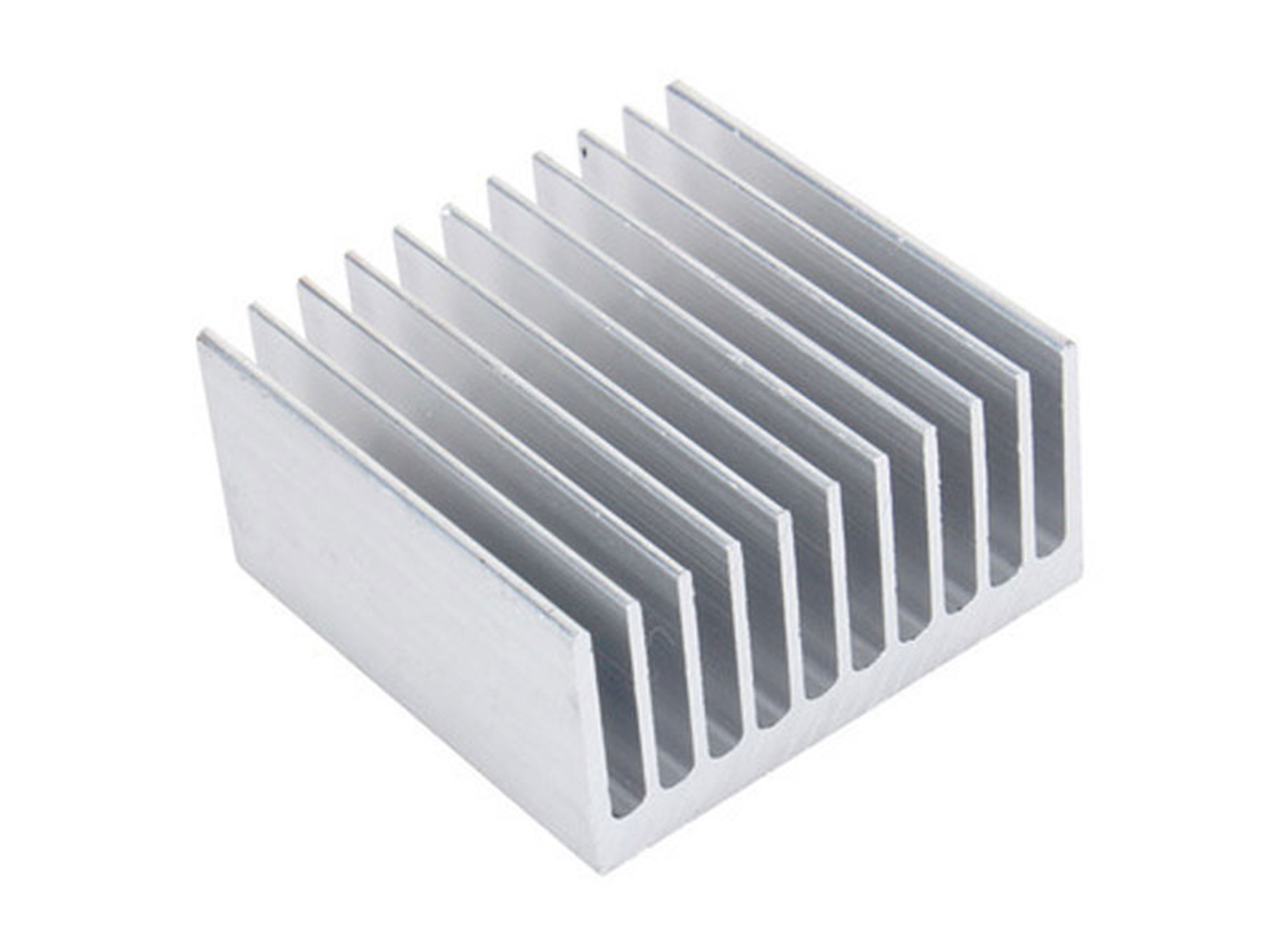
Marine aluminum heat sink profile
Marine Grade Aluminum Heat Sink Profiles utilize alloys such as 6061 and 6063 that not only exhibit high thermal conductivity but also possess excellent corrosion resistance required for saltwater exposure.
View DetailsRelated Blog
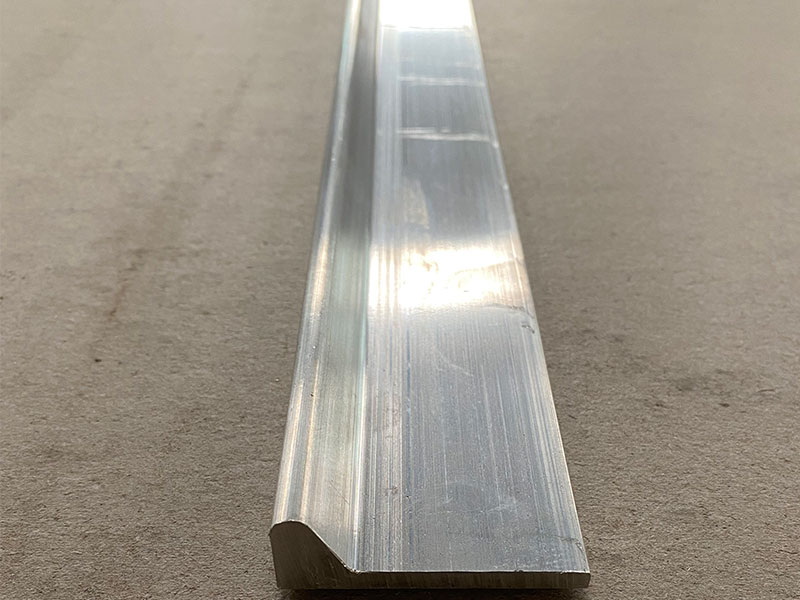
Marine Aluminum Customized Shapes for Marine Engineering Custom Fabrications
High-quality marine aluminum customized shapes tailored for marine engineering custom fabrications. Enhance durability, corrosion resistance, and structural integrity with precision-engineered aluminum solutions designed specifically for maritime applicat
View Details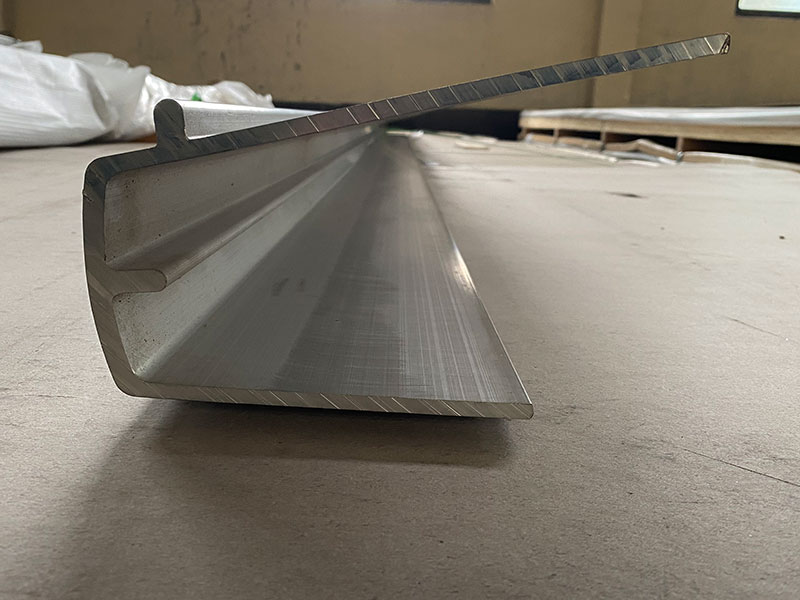
Marine Aluminum Heat Sink Profile for Lightweight Boat Engine Cooling Systems
Marine Aluminum Heat Sink Profile for Lightweight Boat Engine Cooling Systems: Excellence in Functionality and Technical PrecisionIn the evolving sphere of marine engineering, optimizing boat engine cooling systems for lightness, durability.
View Details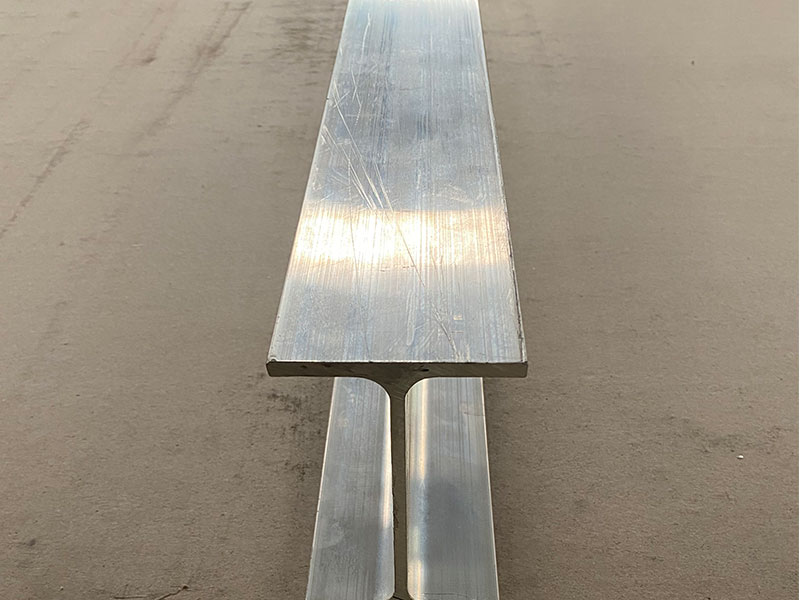
Marine Aluminum Heat Sink Profile for Cooling Offshore Marine Electrical Systems
In the ever-demanding offshore marine environment, electrical systems are subjected to extreme conditions—saltwater corrosion, temperature fluctuations, mechanical stresses, and continuous operation.
View Details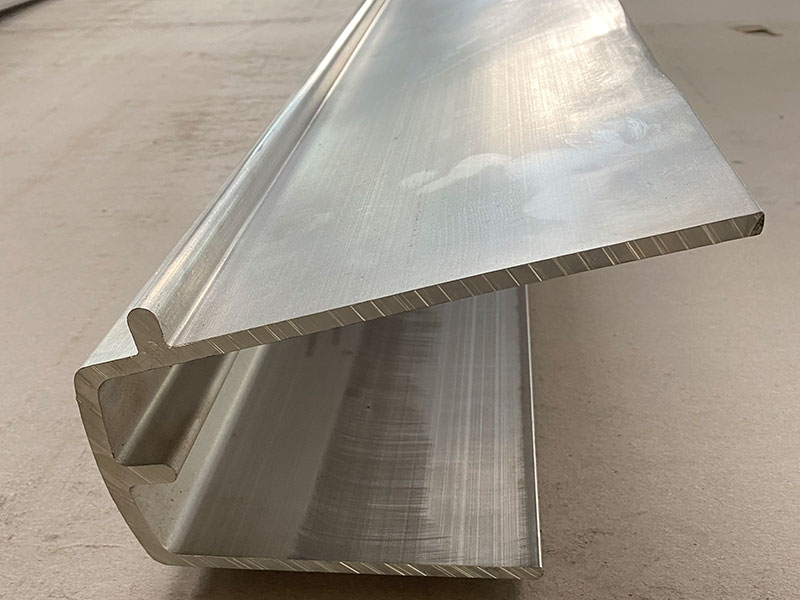
6063 Marine Aluminum Heat Sink Profile for Offshore Platform Cooling Solutions
6063 Marine Aluminum Heat Sink Profile for Offshore Platform Cooling SolutionsOffshore platforms don't "run hot" in the same way a factory does. Heat offshore is rarely a single obvious source; it's a constant accumulation-inside electrical enclosures.
View Details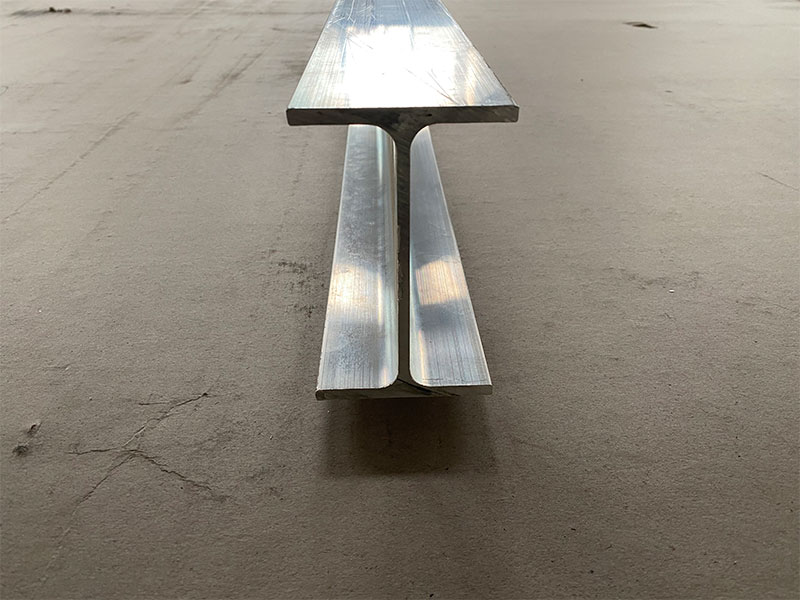
6063 Marine Aluminum Heat Sink Profile for Durable Coastal Electronics Cooling
The 6063 marine-grade aluminum heat sink profile has become an essential component in coastal and marine applications, particularly where electronic cooling is paramount for operational reliability and longevity.
View Details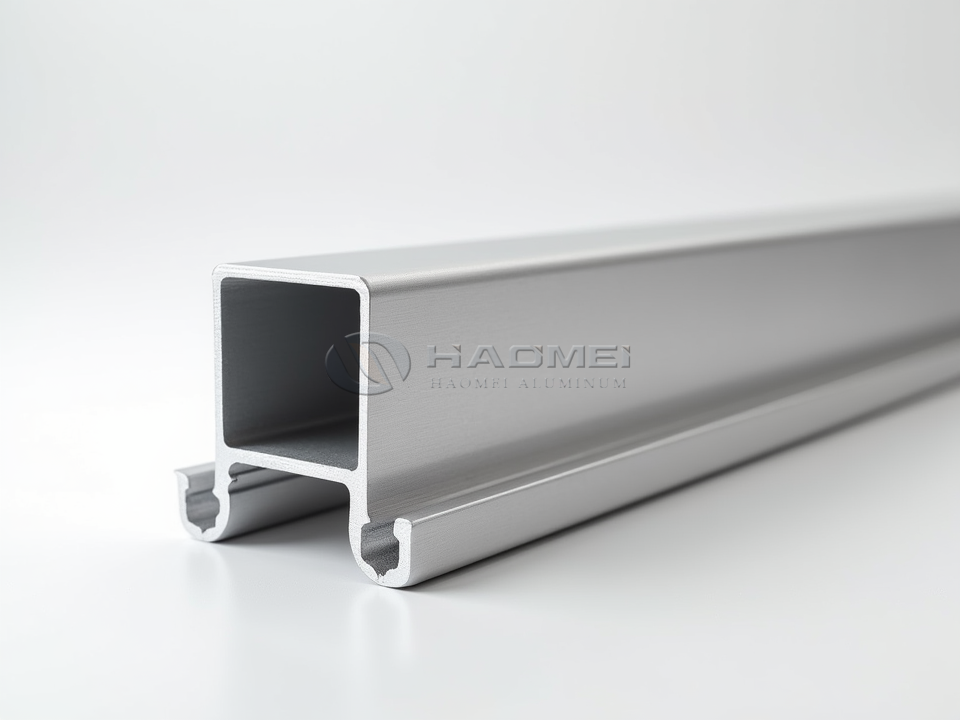
5083 Marine Aluminum Fencing and Railings for Offshore Vessel Deck Safety Barriers
5083 marine aluminum fencing and railings for offshore vessel deck barriers, with data on corrosion resistance, weldability, design options, and vessel uses.
View Details
Leave a Message