
Marine Grade Aluminum Sheet
Marine grade aluminum sheet is engineered for vessels and structures that must operate reliably in wet, salty, and demanding environments. Unlike general-purpose aluminum, marine alloys are selected for their strong resistance to seawater corrosion, excellent weldability, favorable strength-to-weight ratio, and stable long-term performance. They are widely used in fishing boats, workboats, ferries, yachts, landing craft, offshore platforms, dock systems, and coastal equipment.
For marine builders, material choice affects more than hull strength. It influences fuel consumption, payload, fabrication efficiency, maintenance requirements, and the service life of the finished vessel. Properly specified marine aluminum provides a light yet robust foundation for both commercial and recreational projects.
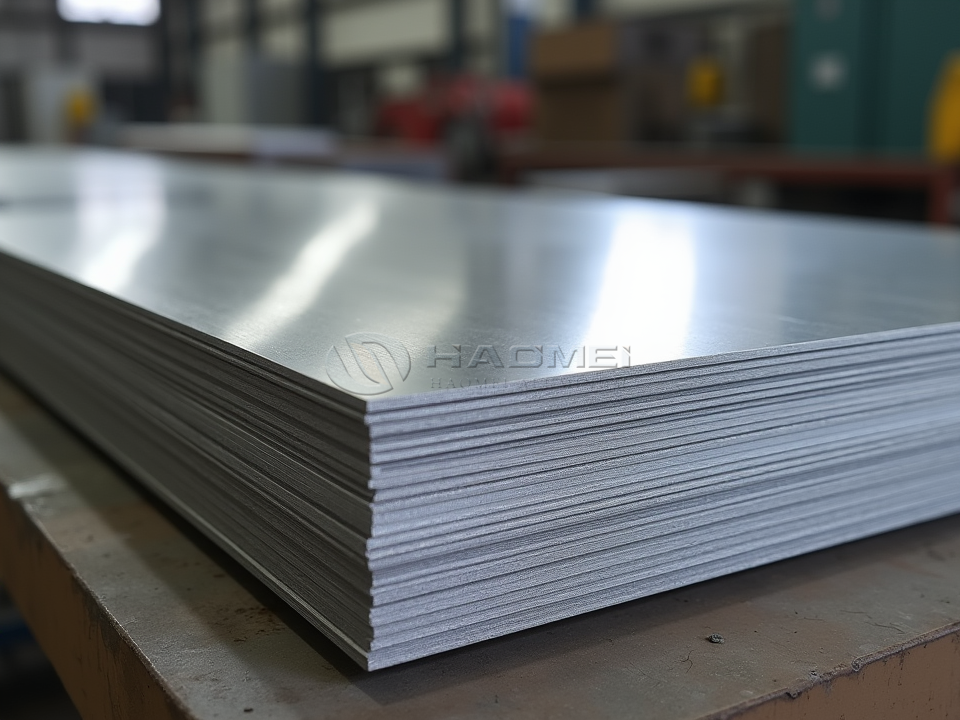
Why Marine Aluminum Performs in Saltwater
The most commonly used marine aluminum sheets belong to the 5xxx aluminum-magnesium family. Alloys such as 5052, 5083, and 5086 contain magnesium, which improves strength and provides very good resistance to atmospheric and seawater corrosion. When exposed to air, aluminum naturally develops a compact oxide film. This protective layer helps reduce corrosion activity and can reform when minor surface damage occurs.
Marine-grade alloys are particularly valued because they retain dependable corrosion resistance after welding. This matters in welded hulls, decks, bulkheads, fuel tanks, superstructures, and watertight compartments, where weld seams must withstand vibration, spray, and constant thermal movement.
Compared with steel, aluminum has a density of approximately 2.66 to 2.68 g/cm³, around one-third that of carbon steel. This lower weight allows designers to reduce displacement, improve acceleration, increase cargo capacity, or use less engine power for a given operating profile. Aluminum also remains tough at low temperatures, making it suitable for cold-water vessels and refrigerated marine installations.
Common Alloys and Their Marine Roles
| Alloy | Typical Tempers | Main Characteristics | Common Marine Uses |
|---|---|---|---|
| 5052 | H32, H34, O | Good formability, very good corrosion resistance, moderate strength | Interior panels, tanks, trim, cabin components, small craft |
| 5083 | O, H111, H116, H321 | High strength, excellent seawater resistance, strong welded performance | Hull plating, decks, bulkheads, high-speed vessels, offshore structures |
| 5086 | H32, H116, H321 | Excellent corrosion resistance and weldability, high structural strength | Hulls, patrol boats, workboats, pressure vessels, superstructures |
| 6061 | T6, T651 | Higher mechanical strength, good machinability, lower seawater resistance than 5xxx alloys | Frames, extrusions, brackets, rails, machined fittings |
For primary hull plating, 5083 and 5086 are frequent choices because they combine high strength with proven resistance to seawater. Marine 5083 aluminum sheet is especially suitable where low weight, weld integrity, and demanding structural performance are required.
5052 is often selected for formed and non-primary structural components. Its ease of bending and shaping makes it practical for cabinetry, interior liners, tank covers, splash guards, and decorative panels. For applications that need a balance of corrosion resistance, appearance, and fabrication flexibility, Marine 5052 aluminum sheet is a dependable option.
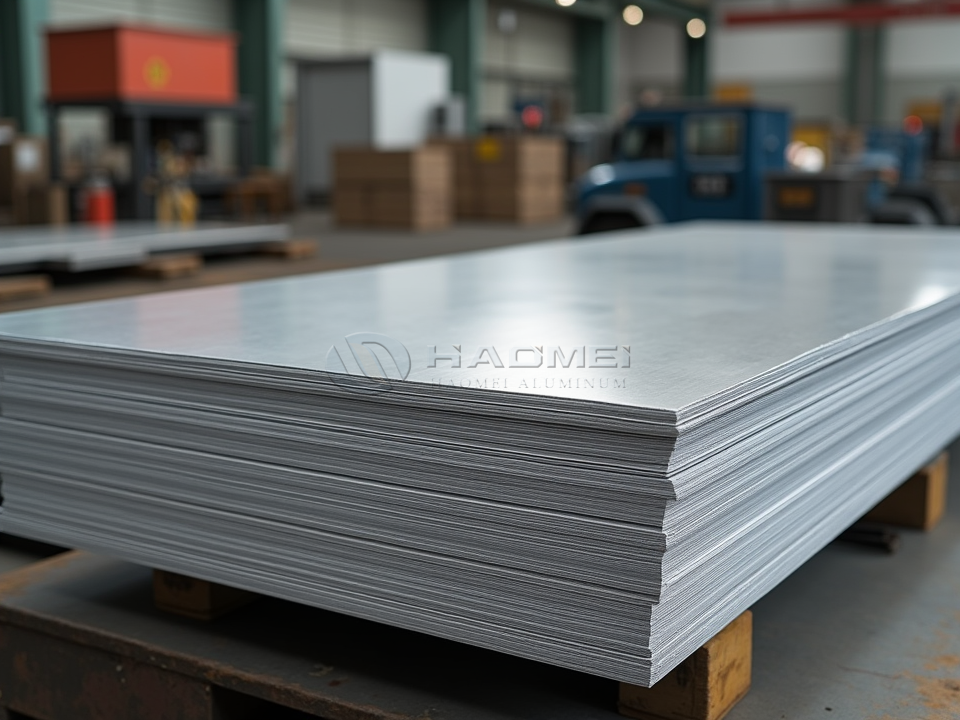
Temper Selection and Mechanical Performance
Temper describes the condition of the aluminum after rolling, strain hardening, or annealing. It has a direct effect on strength, bendability, and suitability for forming or structural welding.
The O temper is fully annealed, offering maximum ductility for deep forming, curved hull sections, and complex fabrication. H32 and H34 tempers are strain-hardened conditions that provide higher strength while retaining useful forming capability. H116 and H321 are widely specified for 5083 and 5086 plate used in marine service because they are processed to improve resistance to exfoliation corrosion in saltwater conditions.
| Property | 5052-H32 | 5083-H116 | 5086-H116 |
|---|---|---|---|
| Density, g/cm³ | 2.68 | 2.66 | 2.66 |
| Typical tensile strength, MPa | 210-260 | 305-385 | 295-365 |
| Typical yield strength, MPa | 160-195 | 215-305 | 205-275 |
| Corrosion resistance in seawater | Very good | Excellent | Excellent |
| Weldability | Excellent | Excellent | Excellent |
| Formability | Very good | Good | Good |
Values vary with thickness, applicable standard, temper, and production route. Material certificates should be reviewed for the required mechanical properties, dimensional tolerances, and inspection requirements.
Chemical Composition of Major Marine Alloys
The magnesium content is a major contributor to the strength and corrosion behavior of 5xxx marine alloys. Manganese and chromium support grain structure and improve resistance to corrosion-related damage, while controlled levels of iron, silicon, copper, and zinc help maintain consistent processing and performance.
| Alloy | Magnesium, % | Manganese, % | Chromium, % | Aluminum, % |
|---|---|---|---|---|
| 5052 | 2.2-2.8 | 0.0-0.10 | 0.15-0.35 | Balance |
| 5083 | 4.0-4.9 | 0.40-1.0 | 0.05-0.25 | Balance |
| 5086 | 3.5-4.5 | 0.20-0.7 | 0.05-0.25 | Balance |
Chemical ranges should comply with the relevant material standard, such as ASTM B209, EN 485, EN 573, or classification-society requirements. For critical vessels, buyers may request documentation from DNV, ABS, Lloyd's Register, CCS, or another recognized marine classification body.
Sheet Dimensions and Supply Options
Marine grade aluminum sheet is available in standard stock sizes and project-specific dimensions. Thin sheet is generally used for interior work, paneling, enclosures, and formed components, while thicker plate supports hull, deck, and structural construction.
| Supply Item | Typical Range |
|---|---|
| Thickness | 0.5 mm to 200 mm or more |
| Width | 1,000 mm to 2,500 mm |
| Length | 2,000 mm to 12,000 mm, with custom cutting available |
| Surface | Mill finish, brushed, protective-film covered, coated, anodized options |
| Form | Sheet, plate, cut-to-size blank, coil, tread plate |
Long, wide plates can reduce the number of welded joints in a hull. Fewer seams may improve fabrication speed and reduce distortion management during welding. Surface protection film is useful for visible cabin panels or prefinished components, helping limit scratches during storage, cutting, bending, and installation.
Marine Applications
Marine aluminum sheet serves both structural and architectural roles. In hull construction, 5083-H116 and 5086-H116 are commonly used for bottom plating, side shells, transoms, decks, stringers, floors, collision bulkheads, and watertight divisions. Their strength makes them appropriate for fast boats and commercial vessels exposed to repeated wave impact.
In yacht and passenger-vessel construction, lighter-gauge 5052 sheet is often used for interior walls, ceilings, galley panels, lockers, ventilation covers, and equipment housings. Aluminum's clean metallic appearance also suits modern marine interiors when finished with paint, powder coating, anodizing, or protective laminates.
Offshore and coastal applications include gangways, pontoons, dock components, access platforms, equipment guards, walkways, service enclosures, and desalination or water-treatment equipment. Non-slip aluminum tread sheet is frequently used on wet decks and access routes where traction is important.
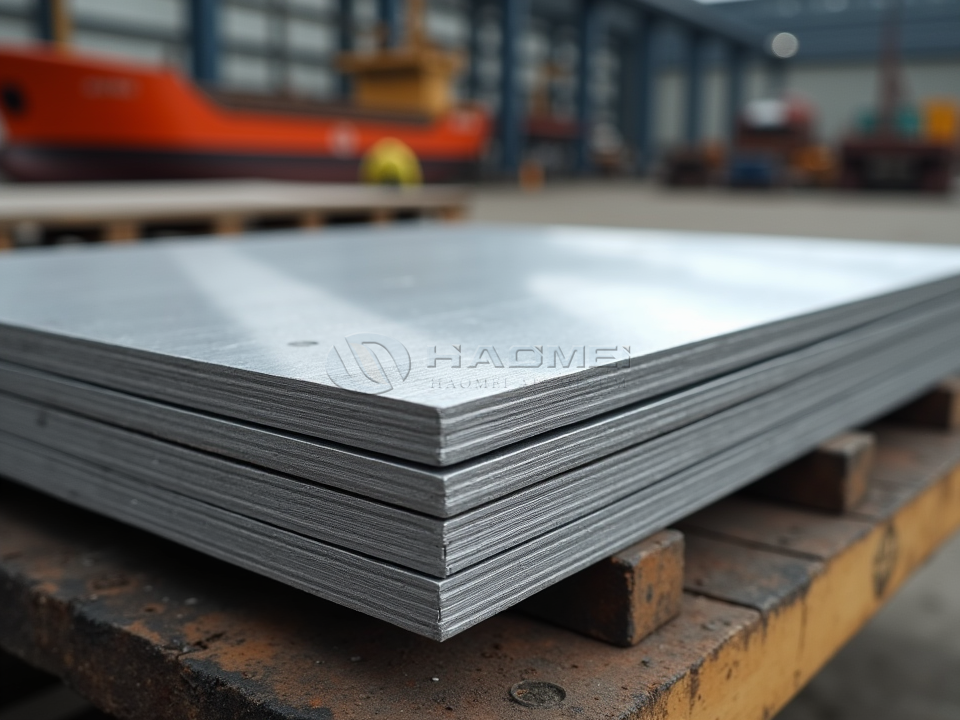
Fabrication and Maintenance Considerations
Marine aluminum is easy to cut, bend, drill, machine, and weld when appropriate procedures are followed. MIG and TIG welding are widely used, often with 5183, 5356, or 5556 filler wire for 5xxx structural alloys. Clean joint preparation and controlled heat input help limit porosity and distortion.
Galvanic corrosion deserves careful attention. Aluminum should be electrically isolated from dissimilar metals, especially copper-containing alloys and carbon steel, when moisture or seawater can bridge the connection. Insulating washers, sealants, compatible fasteners, protective coatings, and sound drainage design all help preserve the aluminum structure.
Routine washing with fresh water removes salt deposits. Crevices should be kept clean and dry where possible, while damaged paint systems should be repaired promptly. With thoughtful design and regular care, marine grade aluminum sheet can deliver a long service life with low maintenance demands.
Selecting the Right Material
The right marine aluminum sheet depends on vessel type, plating location, structural load, forming radius, welding method, classification requirements, and operating environment. Choose 5083 or 5086 for heavy-duty hull and structural zones exposed to seawater. Choose 5052 when formability, moderate strength, and corrosion resistance are the primary priorities. Confirm temper, thickness tolerance, surface quality, certificate requirements, and cut dimensions before fabrication begins.
Marine grade aluminum sheet gives builders a practical route to lighter vessels, durable structures, efficient fabrication, and reliable performance on the water.

Related Products
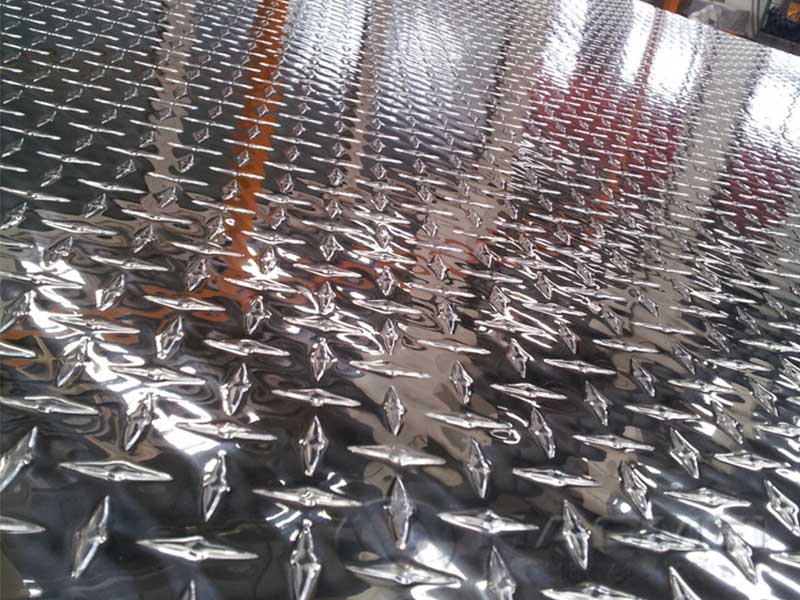
Marine Aluminum Tread Sheets
Marine Aluminum Tread Sheets are aluminum alloy plates featuring a raised surface pattern, commonly referred to as a tread design or diamond plate.
View Details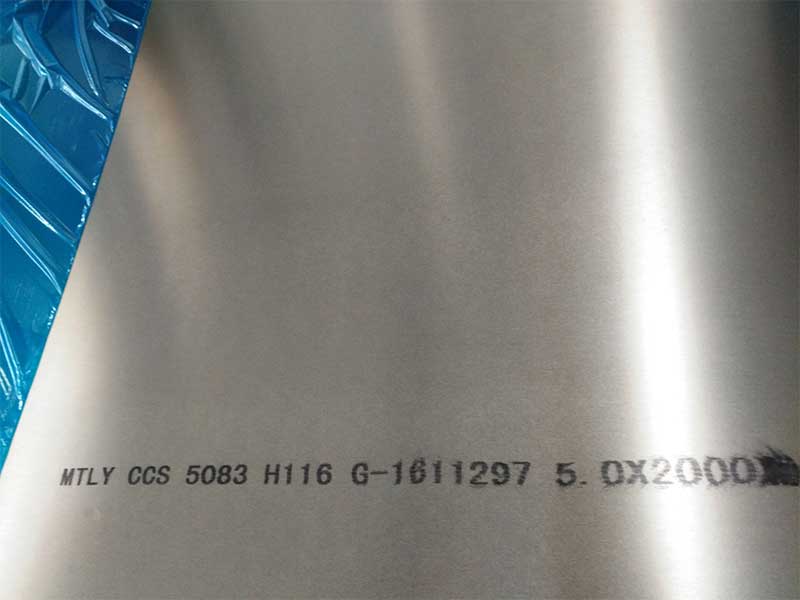
Marine 5083 aluminum sheet
Aluminum alloy 5083 is a non-heat-treatable alloy primarily composed of magnesium and trace elements that deliver outstanding protection against corrosion, particularly in seawater and saline atmospheres.
View Details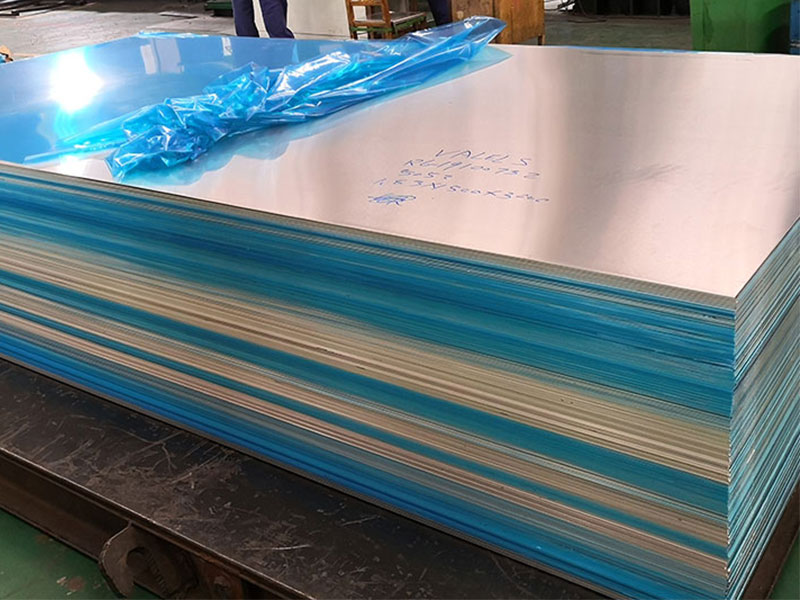
Marine 5059 aluminum sheet
5059 aluminum alloy is a strain-hardened material with a unique addition of magnesium and chromium, which provides outstanding resistance to localized corrosion like pitting and stress corrosion cracking.
View Details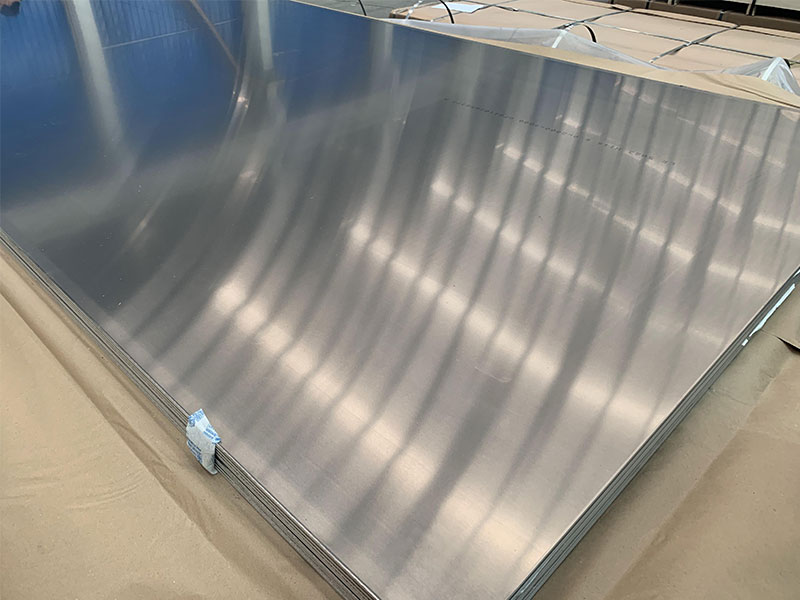
Marine 5052 aluminum sheet
Aluminum alloy 5052 is a non-heat-treatable, strain-hardened alloy with magnesium as the primary alloying element. It is designed to offer superior corrosion resistance in marine and saline environments, making it a dependable choice for components exposed directly to seawater or coastal atmospheric conditions.
View Details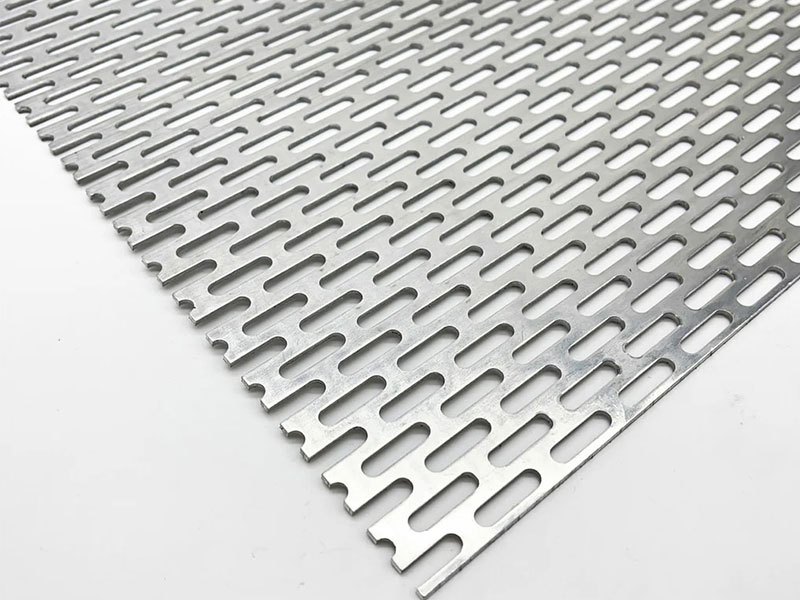
Marine perforated aluminum sheets
Marine Perforated Aluminum Sheets feature a series of uniform holes or shapes punched through the aluminum surface. These perforations can vary in size, pattern, and open area to tailor the sheets for specific applications.
View Details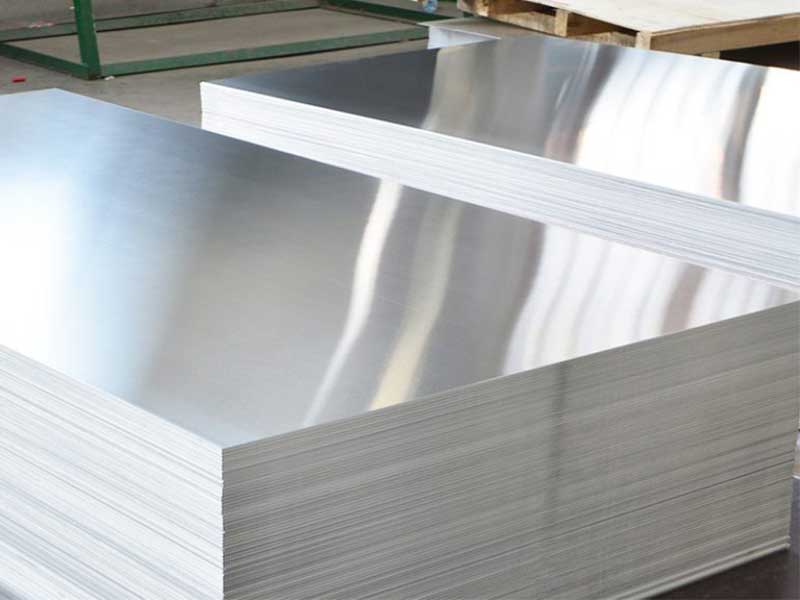
Marine anodized aluminum sheets
Marine Anodized Aluminum Sheets start with premium marine-grade aluminum alloys such as 5000 and 6000 series (typically 5083, 5052, and 6061).
View DetailsRelated Blog
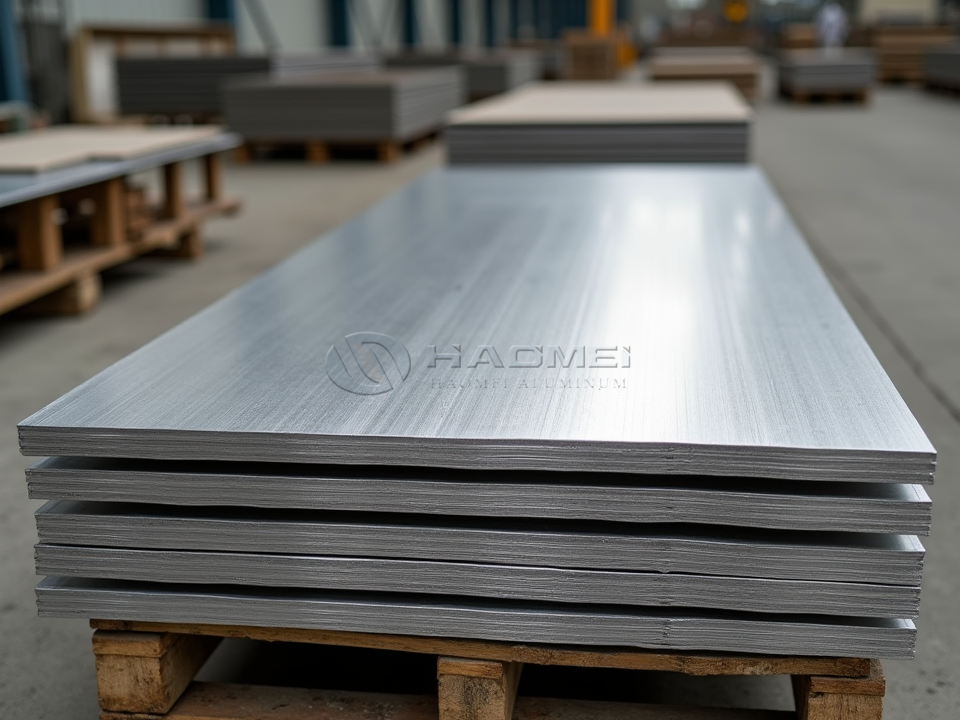
5083 Marine Aluminum Tread Sheets
5083 marine aluminum tread sheets deliver grip, corrosion resistance, weldability, and reliable deck performance for boats and offshore platforms.
View Details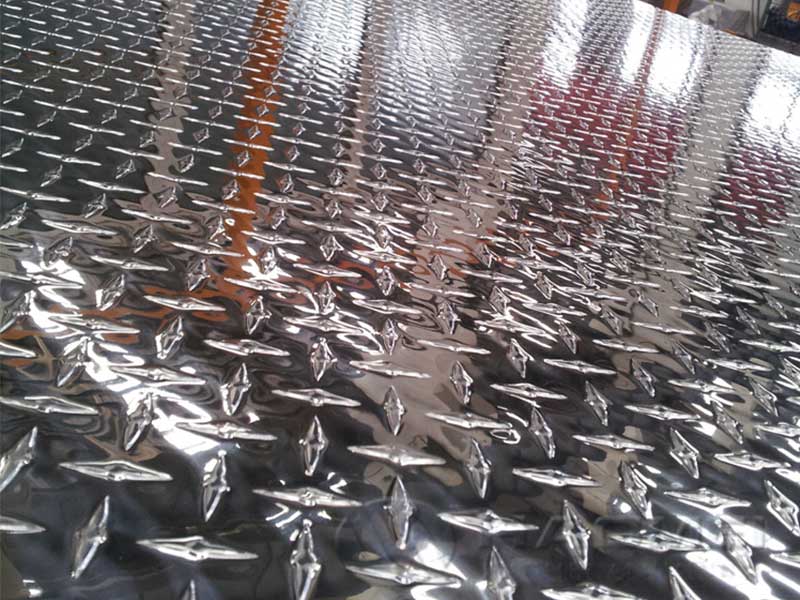
6061 6063 6082 o t5 t6 t651 h112 marine aluminum sheet
High-strength, corrosion-resistant 6061, 6063, and 6082 marine aluminum sheet in tempers O, T5, T6, T651, and H112, ideal for boat hulls, decks, structures, and offshore applications.
View Details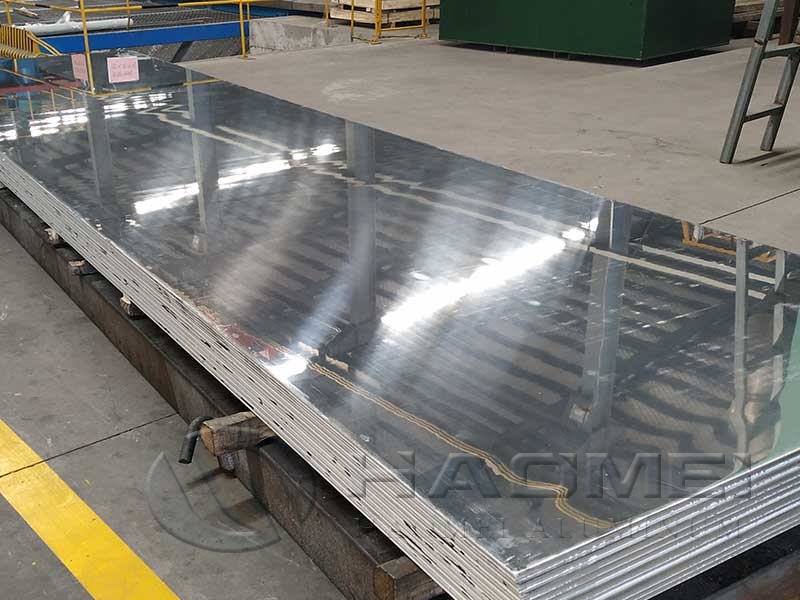
Marine 5052 Aluminum Plate
Marine 5052 aluminum plate offers excellent seawater corrosion resistance, high formability, and weldability for hulls, tanks, decking, and coastal fabrications.
View Details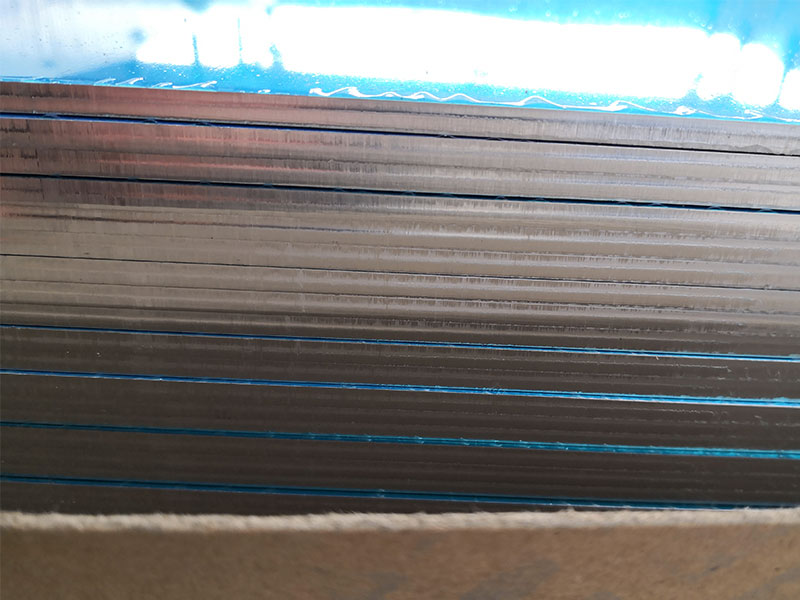
Aluminum sheets for Sailboat
Choosing aluminum sheets for a sailboat isn't just a materials decision-it's an interpretation of the sea's "forecast" over the life of the vessel. Salt spray, galvanic couples, cyclic wave loading, UV-heated decks that cool rapidly at night.
View Details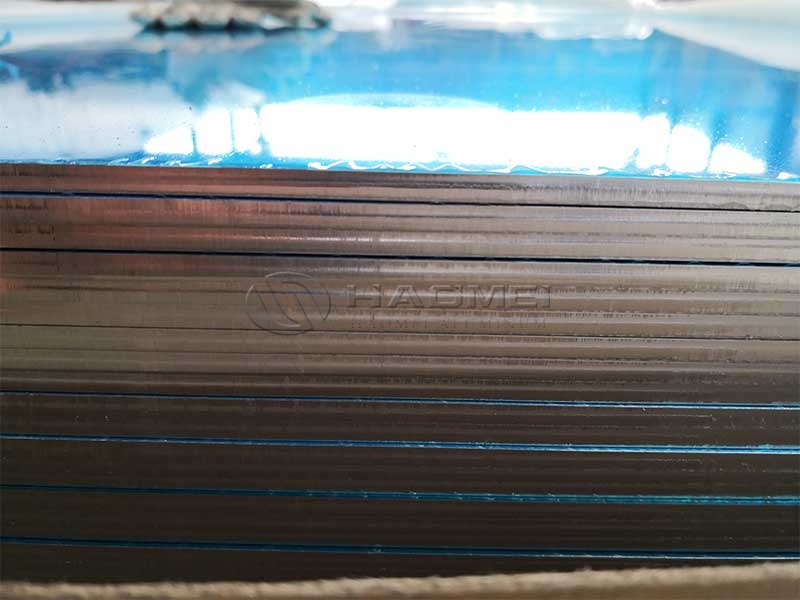
5000 Series Marine Grade Aluminum Sheet
Explore 5000 Series marine grade aluminum sheet, including alloy options, corrosion resistance, welding performance, specifications, and boatbuilding uses.
View Details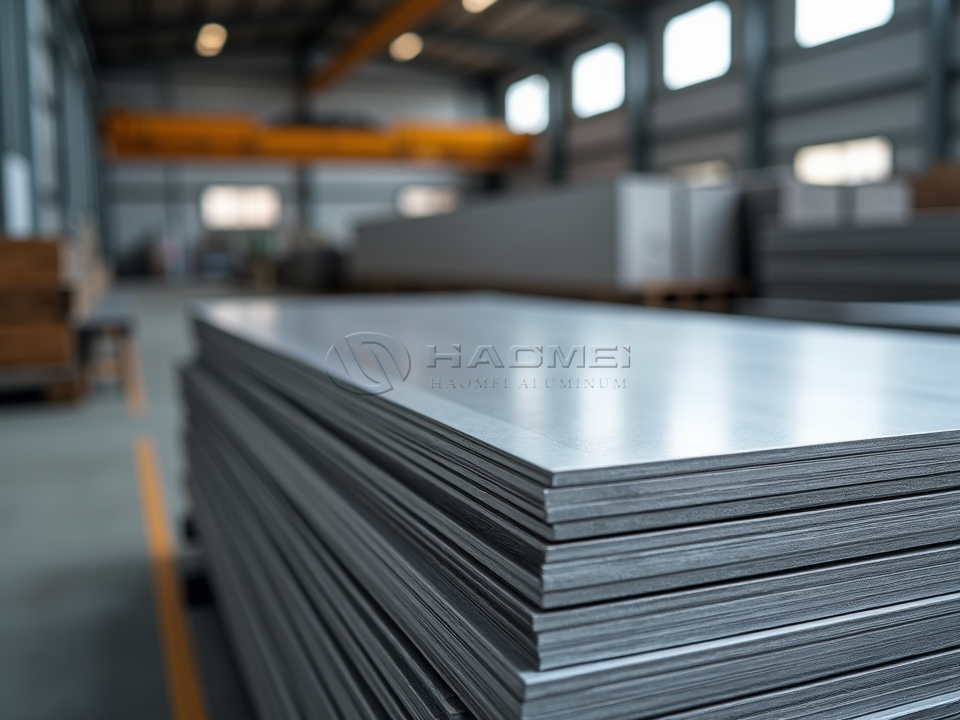
Marine Perforated Aluminum Sheets
Marine perforated aluminum sheets offer corrosion resistance, ventilation, drainage, grip, and weight savings for boats, docks, and offshore use.
View Details
Leave a Message