
Marine Grade Aluminum Plate
Marine grade aluminum plate is not simply aluminum used near water. It is engineered material selected for a difficult working environment where salt spray, humidity, vibration, impact, weld heat, and long service cycles act at the same time. Its most valuable function is to keep a vessel or offshore structure light enough for efficient operation while maintaining dependable corrosion resistance and structural strength.
For shipbuilders, yacht fabricators, dock constructors, and marine equipment designers, the material choice is often a balance between weight, weldability, corrosion behavior, and forming requirements. Marine aluminum plate, particularly the 5xxx aluminum-magnesium family, meets that balance well because magnesium improves strength without sacrificing the alloy's resistance to seawater.
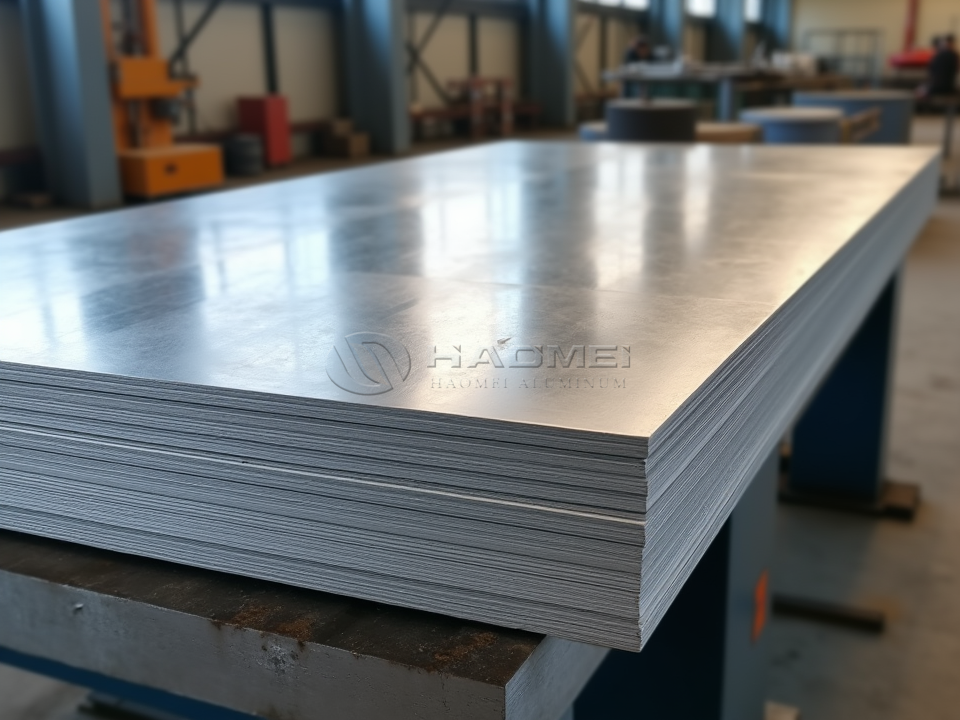
A Working Skin for Saltwater Environments
The marine environment attacks materials from every direction. Chlorides in seawater can penetrate coatings and corrode many metals rapidly. Aluminum responds differently: when exposed to air, it forms a thin, tightly bonded oxide film. This natural film helps shield the base metal from further oxidation. In appropriate marine alloys, this protection remains effective in humid and salt-laden atmospheres.
Marine grade aluminum plate functions as more than a corrosion-resistant panel. It can serve as a hull shell that reduces displacement, a deck plate that supports foot traffic and equipment, a bulkhead that divides compartments, or a structural member that transfers load through a vessel. A lighter hull can lower fuel consumption, improve payload capacity, and allow quicker acceleration. For high-speed craft, workboats, patrol boats, ferries, and fishing vessels, these operational gains are especially meaningful.
The material is also non-magnetic, making it suitable for specialized vessels and equipment where magnetic interference must be controlled. Its low-temperature toughness makes it practical for cold-region transport, refrigerated marine spaces, and offshore service in severe climates.
Alloy Selection Depends on the Job, Not Just Thickness
The term marine grade aluminum plate commonly refers to 5xxx-series alloys, especially 5052, 5083, and 5086. These alloys are non-heat-treatable. Their strength is developed mainly through alloy composition and strain hardening rather than precipitation hardening.
5052 is frequently chosen for interior panels, fuel tanks, cabinets, trim, small boat structures, and moderately loaded marine components. It has excellent formability and corrosion resistance. When fabrication requires bending, rolling, or complex shaping, Marine 5052 aluminum sheet provides a practical balance of workability and durability.
5083 is a higher-strength alloy designed for demanding welded marine structures. It is widely used for hull plating, superstructures, pressure vessels, landing craft, and offshore modules. Its strong performance in seawater makes Marine 5083 aluminum sheet a common choice when structural loading and corrosion exposure are both severe.
5086 offers properties close to 5083 and is regularly used for ship hulls, patrol craft, and welded marine panels. It is valued for its weld strength retention and corrosion resistance after fabrication.
| Alloy | Main Characteristics | Typical Marine Uses |
|---|---|---|
| 5052 | Good formability, corrosion resistance, moderate strength | Tanks, cabin panels, trim, small craft parts |
| 5083 | High strength, excellent seawater resistance, strong weldability | Hulls, decks, bulkheads, offshore structures |
| 5086 | High strength, reliable welded performance, seawater resistance | Workboats, ship plating, patrol vessels |
| 5454 | Good resistance to warm service conditions | Tanks, marine transport equipment |
| 5059 | Higher strength for demanding structures | Fast vessels, defense and offshore projects |
Chemical Composition: Why Magnesium Matters
Magnesium is the principal strengthening element in 5xxx marine alloys. It raises strength while helping the alloy retain its resistance to marine corrosion. Manganese is also used to improve strength and grain structure. Chromium may be added in controlled quantities to support corrosion performance and microstructural stability.
Typical chemical composition ranges are shown in the table. Actual mill certificates should always be checked for project-specific compliance.
| Alloy | Mg % | Mn % | Cr % | Si % Max | Fe % Max | Cu % Max | Al % |
|---|---|---|---|---|---|---|---|
| 5052 | 2.2-2.8 | 0.10 max | 0.15-0.35 | 0.25 | 0.40 | 0.10 | Balance |
| 5083 | 4.0-4.9 | 0.40-1.0 | 0.05-0.25 | 0.40 | 0.40 | 0.10 | Balance |
| 5086 | 3.5-4.5 | 0.20-0.7 | 0.05-0.25 | 0.40 | 0.50 | 0.10 | Balance |
| 5454 | 2.4-3.0 | 0.5-1.0 | 0.05-0.20 | 0.25 | 0.40 | 0.10 | Balance |
Higher magnesium content does not automatically mean a better selection. Very high-magnesium 5xxx alloys require correct temper selection and suitable service-temperature control to reduce the possibility of sensitization during long exposure to elevated temperatures. This is why marine projects often specify both alloy and temper rather than alloy alone.
Temper Is a Performance Setting
Temper describes the condition of the plate after processing. It affects hardness, forming behavior, strength, and resistance to certain corrosion mechanisms. The same 5083 alloy can perform quite differently in O, H116, or H321 condition.
O temper is fully annealed material. It has high ductility and is suited to deep forming, curved components, and fabrication requiring generous bending. Its strength is lower than strain-hardened tempers.
H32 and H34 tempers are strain-hardened and stabilized conditions commonly used for 5052 sheet and lighter fabricated parts. H32 offers moderate hardening, while H34 is harder and stronger but less formable.
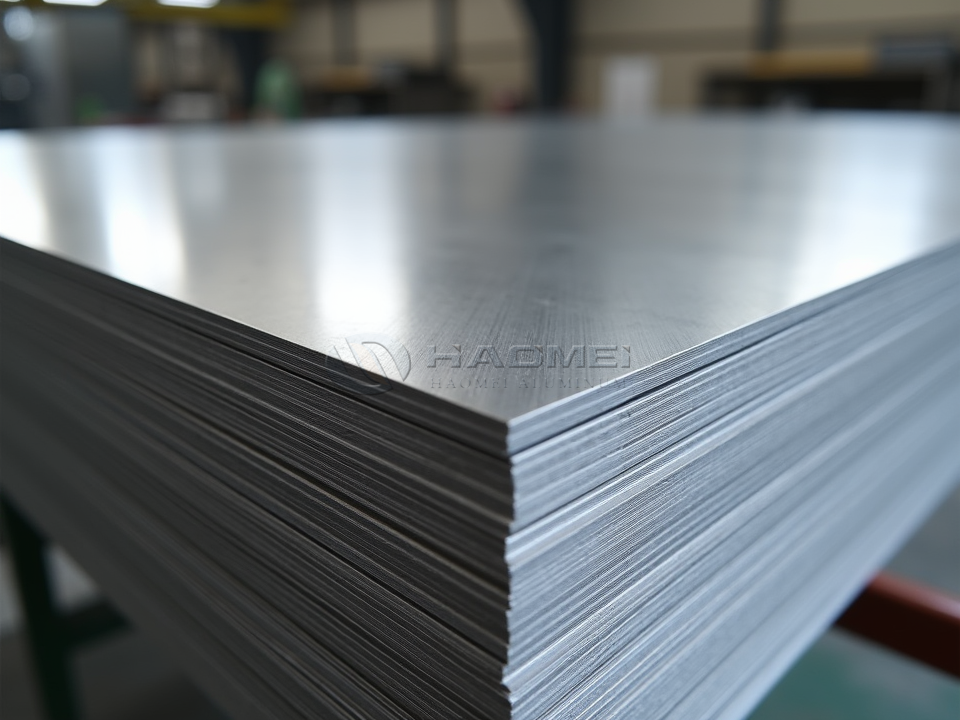
H116 and H321 are especially important for marine hull plate. These tempers are produced and controlled for improved resistance to exfoliation corrosion in harsh marine exposure. H116 is commonly selected for plate used in hull shells, decks, and welded structural panels. H321 is strain-hardened and stabilized, delivering dependable strength and corrosion performance for demanding vessel structures.
| Alloy and Temper | Typical Thickness Range | Typical Tensile Strength | Typical Yield Strength | Suitable Function |
|---|---|---|---|---|
| 5052-H32 | 0.5-6.0 mm | 210-260 MPa | 130-195 MPa | Formed panels, tanks, interiors |
| 5052-H34 | 0.8-6.0 mm | 230-280 MPa | 160-215 MPa | Stronger sheet components |
| 5083-O | 3.0-200 mm | 275-350 MPa | 125-200 MPa | Curved and heavily formed structures |
| 5083-H116 | 3.0-200 mm | 305-385 MPa | 215-305 MPa | Hulls, decks, offshore plate |
| 5083-H321 | 3.0-150 mm | 305-385 MPa | 215-305 MPa | High-duty hull and structural plating |
| 5086-H116 | 3.0-100 mm | 290-360 MPa | 205-280 MPa | Welded workboat structures |
Values are typical references and can vary with thickness, production route, and applicable standard.
Dimensions, Surface, and Purchasing Parameters
Marine grade aluminum plate is commonly available in thicknesses from 2 mm to 200 mm or more. Standard widths often include 1,000 mm, 1,220 mm, 1,500 mm, 2,000 mm, and 2,500 mm. Length can be supplied in standard mill sizes or cut to project drawings. Large-format plate reduces weld seams, which can simplify fabrication and reduce potential inspection points on wide hull sections.
Surface requirements should be stated clearly. Mill finish is common for structural plate, while protective film, PVC coating, brushed surfaces, or anodized finishes may be requested for visible decorative components. For marine fabrication, flatness, edge condition, plate squareness, and surface cleanliness matter because they affect cutting accuracy and welding preparation.
Common implementation standards include ASTM B928/B928M for high-magnesium aluminum-alloy plate in marine service, ASTM B209 for aluminum sheet and plate, EN 485 for tolerances and mechanical properties, EN 573 for chemical composition, and ABS, DNV, Lloyd's Register, or CCS rules when classification approval is required. A material test certificate, often EN 10204 3.1, provides traceability for chemical composition, mechanical properties, heat number, and production batch.
Fabrication Practices That Preserve Marine Performance
Marine aluminum plate responds well to MIG and TIG welding when correct filler wire and welding procedures are used. For 5083 and 5086, 5183, 5356, or compatible filler metals are often selected according to the joint design and required corrosion performance. Welding heat changes the local temper around the joint, so engineers should calculate strength using the properties of the heat-affected zone rather than only the parent plate.
Avoid direct contact between aluminum and dissimilar metals such as uninsulated carbon steel or copper-bearing alloys. In wet conditions, galvanic corrosion can occur. Isolation washers, sealants, coatings, and compatible fasteners help protect the assembly. Drainage design is equally important: stagnant seawater trapped in crevices can create corrosion risks even for highly resistant alloys.
Marine grade aluminum plate earns its value through long-term reliability rather than appearance alone. When alloy, temper, thickness, certification, welding practice, and drainage design are selected as one system, the result is a lighter structure prepared for years of saltwater service.

Related Products
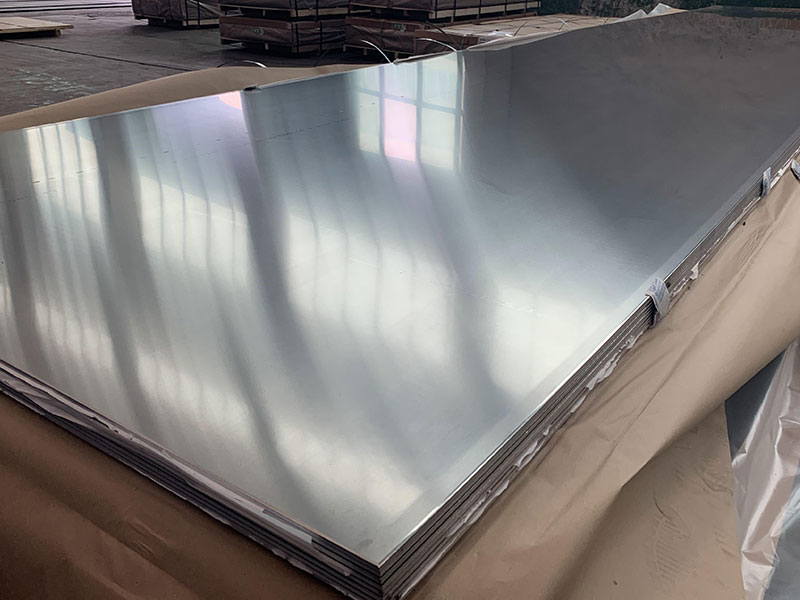
Marine 5086 aluminum sheet
This product article provides an in-depth and comprehensive understanding of Marine 5086 Aluminum Sheets, including their chemical composition, mechanical properties, corrosion resistance, fabrication capabilities, and typical marine applications.
View Details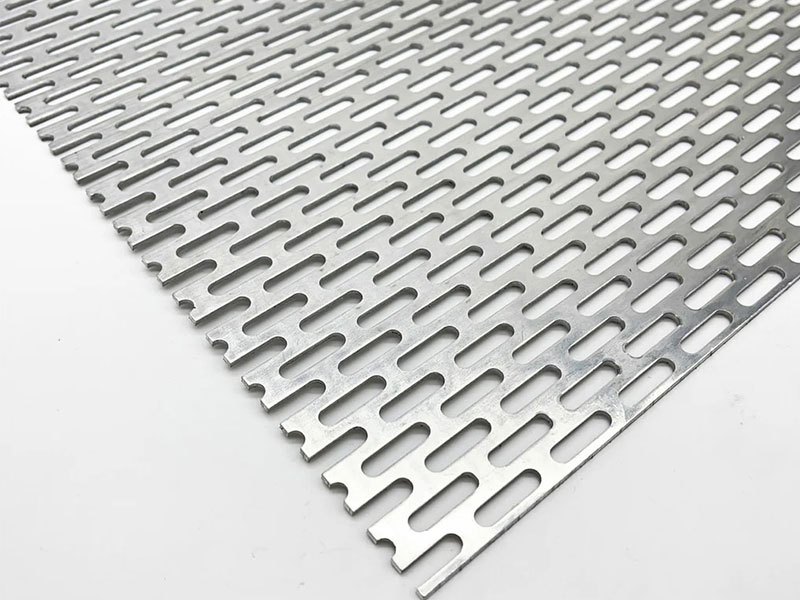
Marine perforated aluminum sheets
Marine Perforated Aluminum Sheets feature a series of uniform holes or shapes punched through the aluminum surface. These perforations can vary in size, pattern, and open area to tailor the sheets for specific applications.
View Details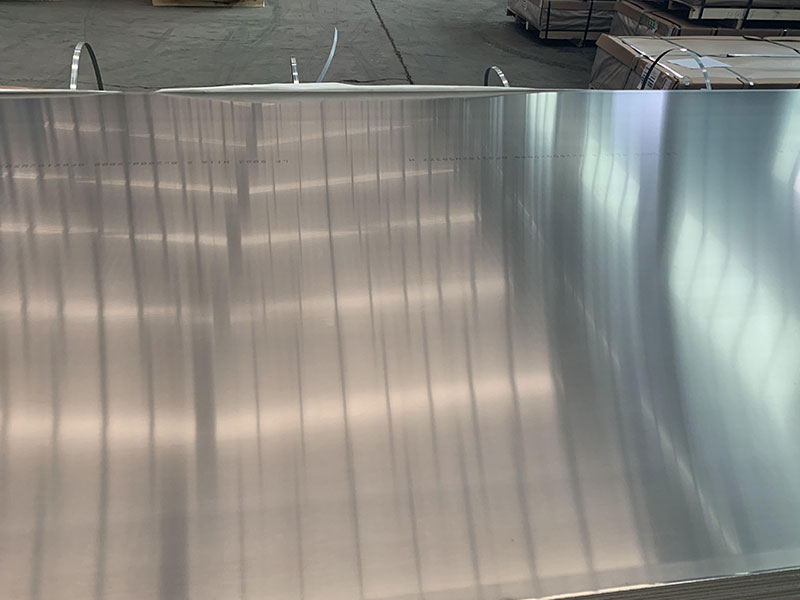
Marine 5383 aluminum sheet
5383 aluminum is a strain-hardened, non-heat-treatable alloy from the 5xxx series primarily alloyed with magnesium. It exhibits a unique balance of corrosion resistance and mechanical properties particularly suited for marine applications.
View Details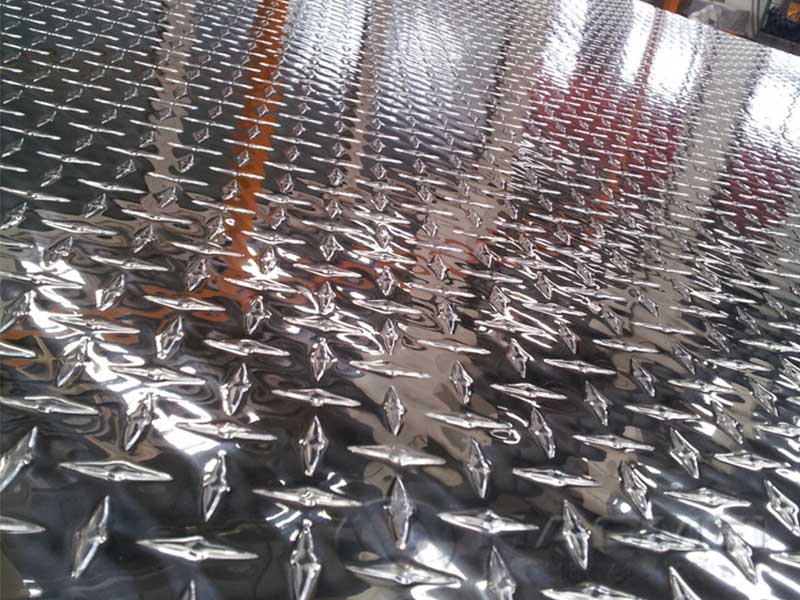
Marine Aluminum Tread Sheets
Marine Aluminum Tread Sheets are aluminum alloy plates featuring a raised surface pattern, commonly referred to as a tread design or diamond plate.
View Details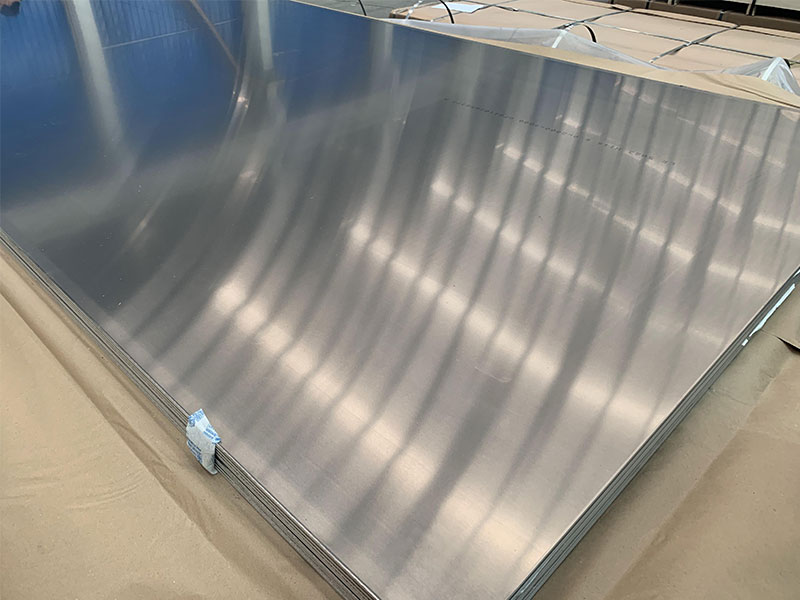
Marine 5052 aluminum sheet
Aluminum alloy 5052 is a non-heat-treatable, strain-hardened alloy with magnesium as the primary alloying element. It is designed to offer superior corrosion resistance in marine and saline environments, making it a dependable choice for components exposed directly to seawater or coastal atmospheric conditions.
View Details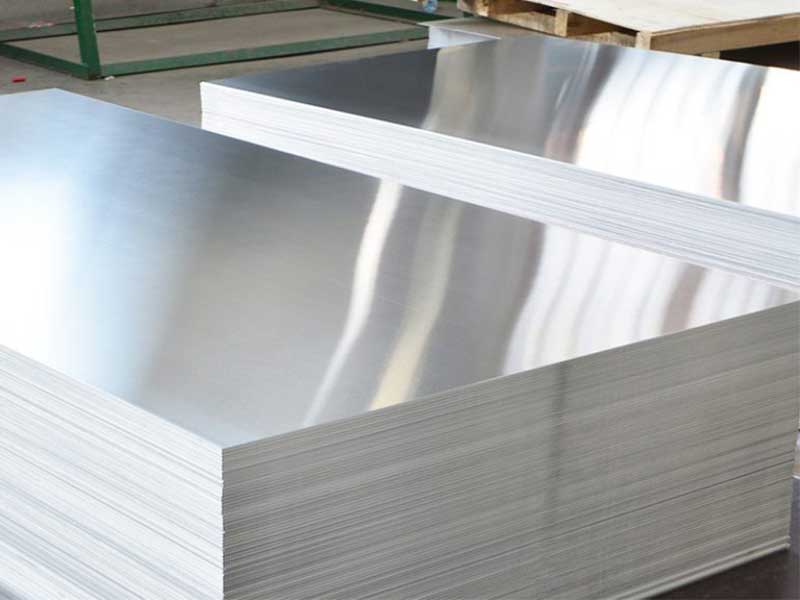
Marine anodized aluminum sheets
Marine Anodized Aluminum Sheets start with premium marine-grade aluminum alloys such as 5000 and 6000 series (typically 5083, 5052, and 6061).
View DetailsRelated Blog
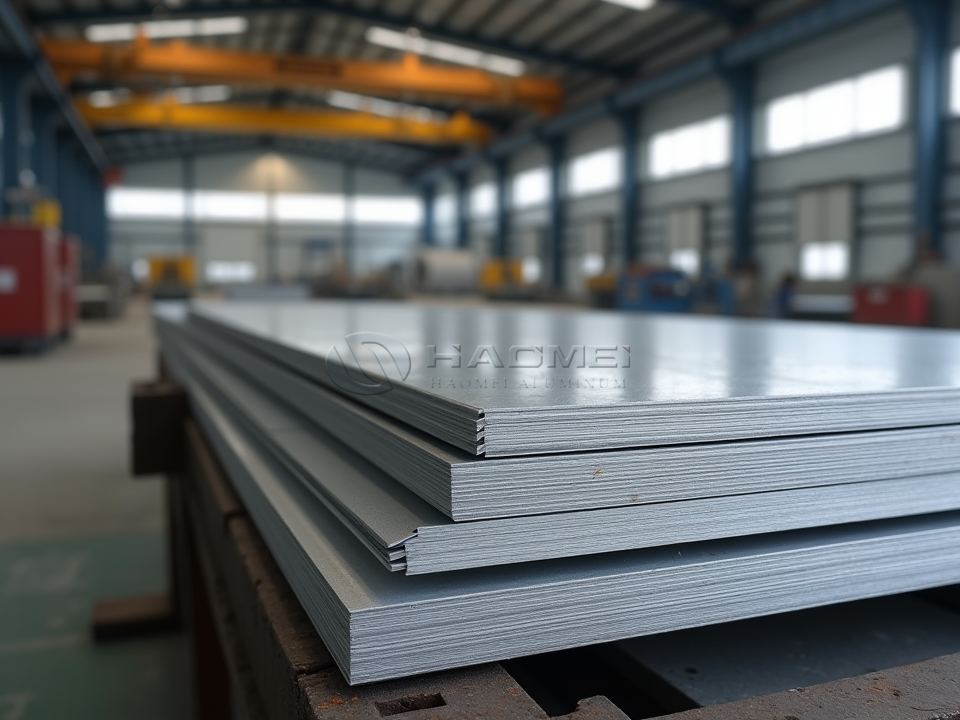
5059 Marine Aluminum Plate
5059 marine aluminum plate delivers high strength, weldability, and seawater corrosion resistance for hulls, decks, patrol craft, and offshore structures.
View Details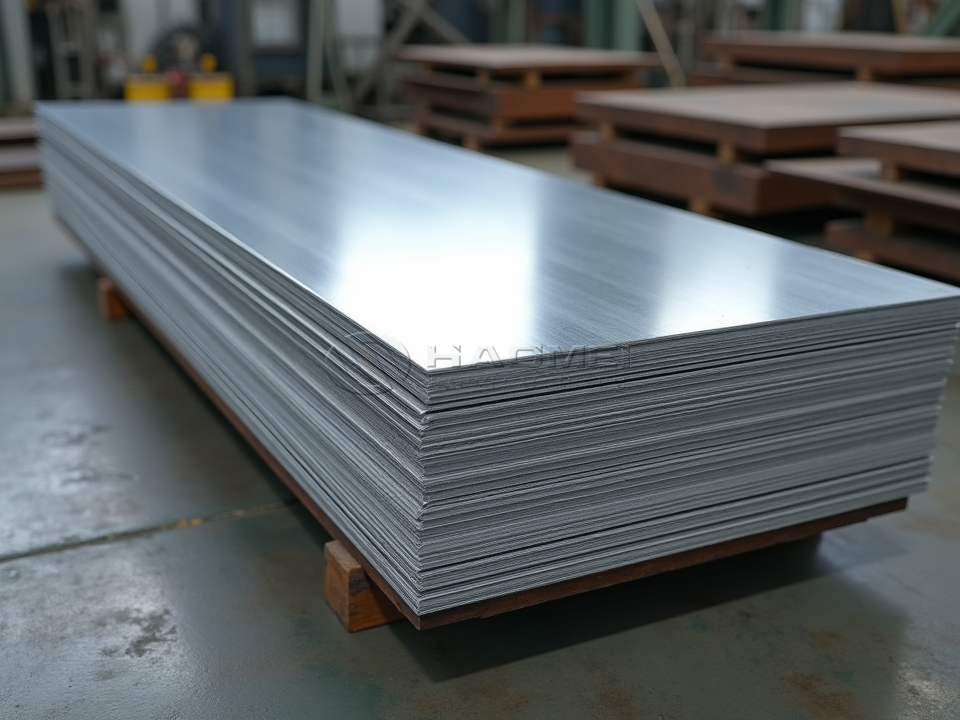
5454 Aluminum Plate Sheet Aluminum Sheets for Tanker Marine Use
5454 aluminum plate sheet for tankers and marine fabrications, featuring corrosion resistance, weldability, temper options, dimensions, and handling guidance.
View Details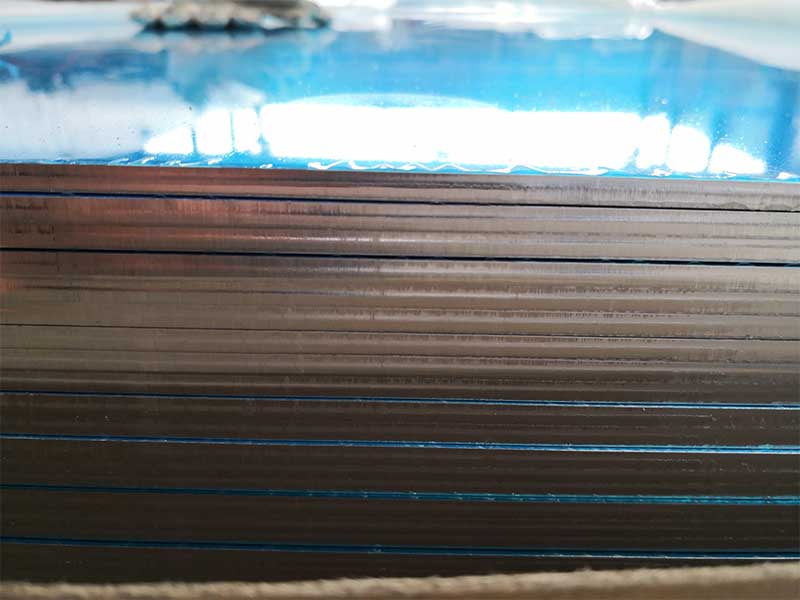
Marine Grade Alloy 5754 Aluminum Sheet
The Marine Grade Alloy 5754 Aluminum Sheet is a premium quality lightweight material specifically engineered to meet the requirements of the marine environment. Our 5754 aluminum sheet boasts exceptional corrosion resistance, high strength.
View Details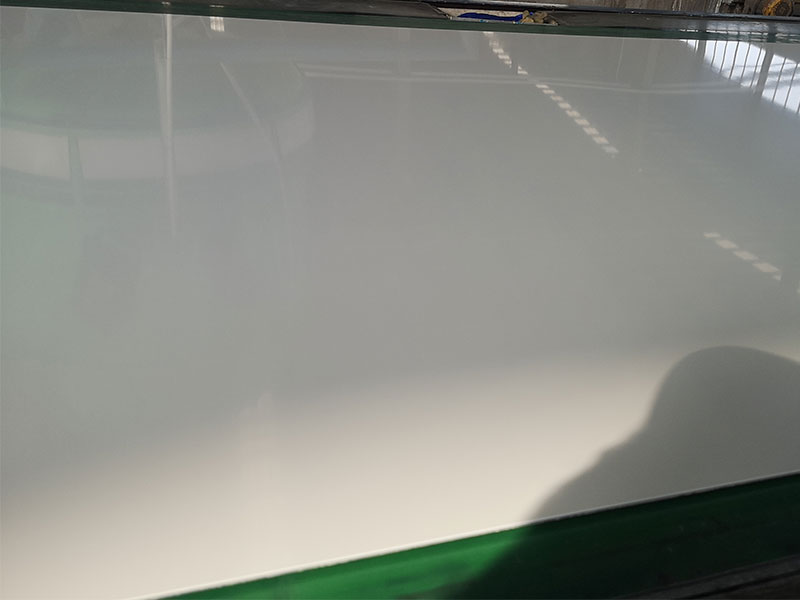
Aluminium sheet for boat
Aluminium sheet for boat construction is one of the most widely used materials in modern marine manufacturing. It combines light weight, high strength, excellent corrosion resistance, and good weldability, making it ideal for hulls, decks, cabins.
View Details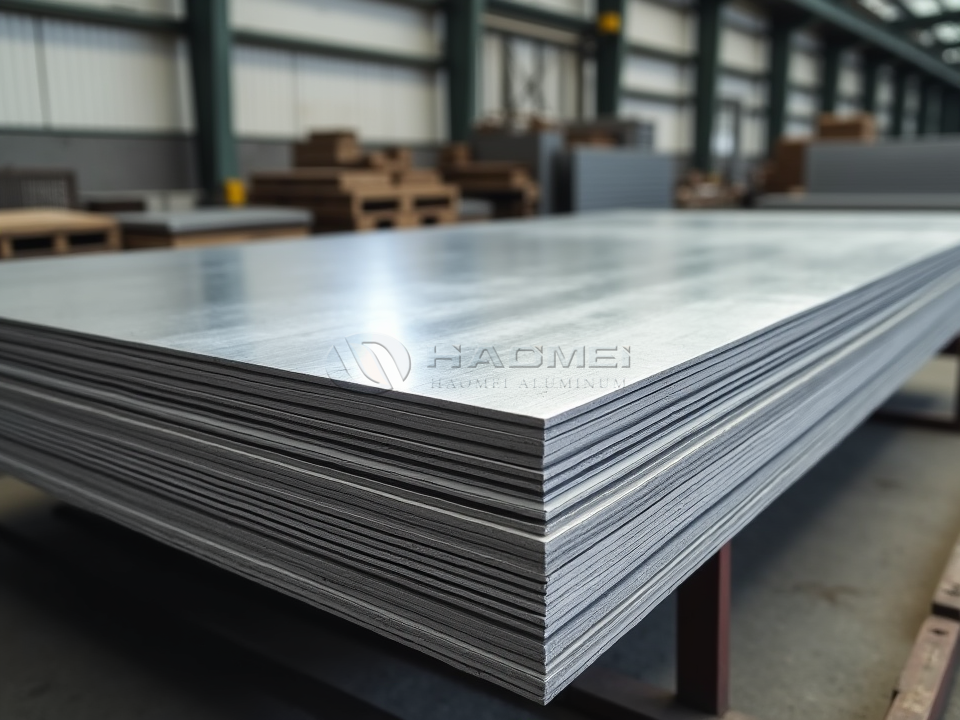
Marine Grade 5083 Aluminum Alloy Sheet Plate With Certificate
Learn how certified marine grade 5083 aluminum sheet plate delivers corrosion resistance, weldability, and dependable hull strength for vessels.
View Details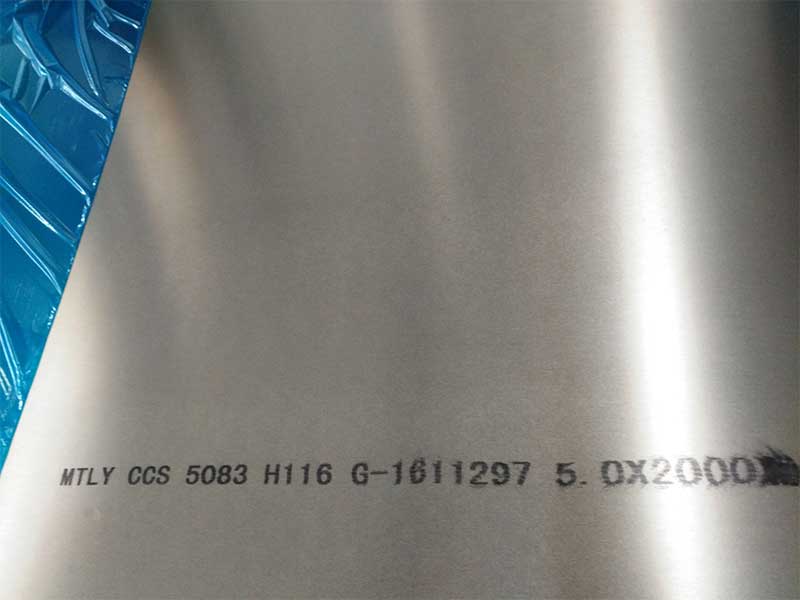
Custom shape boat aluminum sheet 5083 h22 h111 h112 h116 h321
In the maritime industry, the need for robust, lightweight, and corrosion-resistant materials is paramount. One material that consistently meets these requirements is Marine Aluminum.
View Details
Leave a Message