
Marine Aluminum Sheet
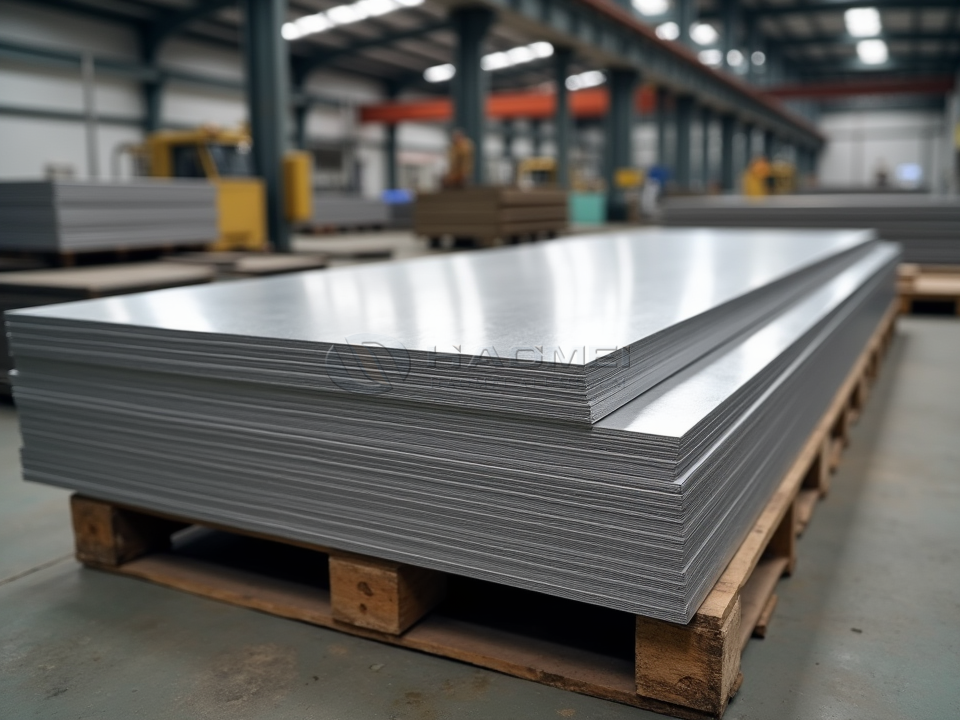
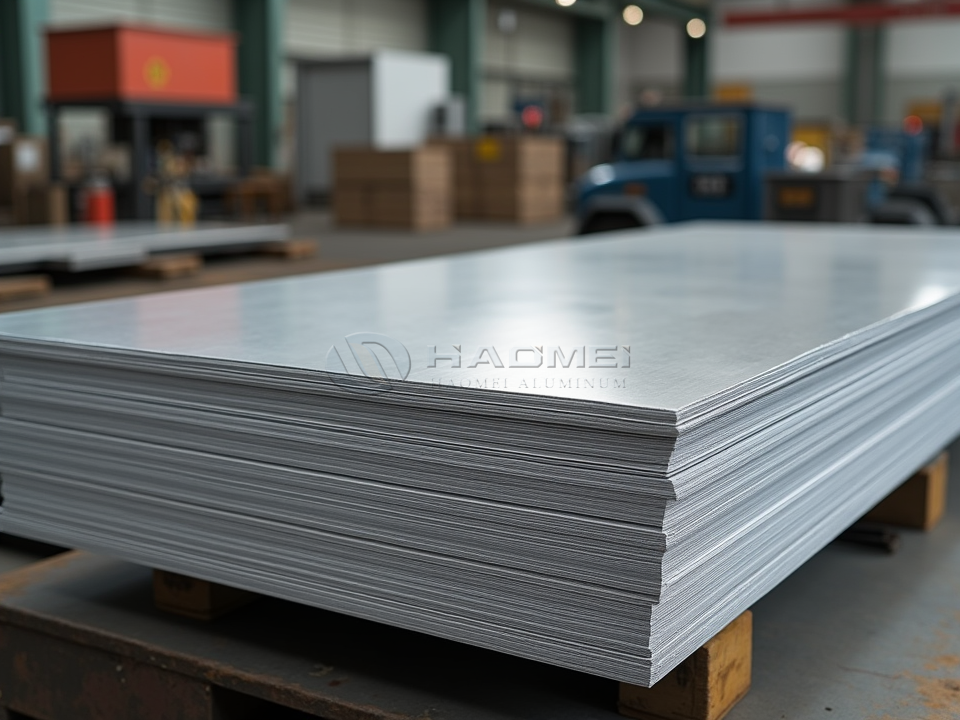
Marine aluminum sheet is an aluminum alloy product engineered for long-term use in saltwater, humid coastal climates, and demanding vessel environments. Compared with ordinary aluminum sheet, marine grades are selected for stronger resistance to seawater corrosion, dependable weld performance, favorable strength-to-weight ratio, and stable formability during fabrication.
From small fishing boats and passenger ferries to patrol vessels, yacht decks, offshore platforms, and ship interiors, marine aluminum sheet helps reduce structural weight without sacrificing practical durability. Lower hull weight can improve payload capacity, fuel economy, speed response, and ease of handling.
Functions and Performance Benefits
Marine aluminum sheet performs several important roles in vessel construction. It can form watertight hull plating, stiff deck panels, bulkheads, cabins, tanks, walkways, and protective enclosures. Aluminum naturally develops a compact oxide film that protects the underlying metal. In marine alloys, magnesium and other controlled elements further improve resistance to corrosion in chloride-rich environments.
| Function | Value in Marine Service |
|---|---|
| Weight reduction | Aluminum density is about one-third of steel, helping reduce vessel displacement. |
| Seawater corrosion resistance | 5xxx-series aluminum resists atmospheric and seawater exposure effectively when properly designed and maintained. |
| Weldability | Suitable alloys can be joined by MIG and TIG welding for continuous hull and structural fabrication. |
| Formability | O, H32, H34, H116, and H321 tempers support bending, rolling, pressing, and profile fabrication. |
| Impact performance | Aluminum remains tough at low temperatures, supporting workboats and cold-region applications. |
| Low maintenance | No protective paint is required for every application, although coatings may improve appearance and service life. |
Marine aluminum sheet is especially valued where corrosion and weight act together as design pressures. It is non-magnetic, recyclable, and easy to machine with suitable cutting tools. For anti-slip flooring, patterned products such as Marine Aluminum Tread Sheets provide added traction on decks, gangways, and service platforms.
Common Alloys and Temper Conditions
The 5xxx aluminum-magnesium family is the primary choice for marine sheet and plate. Alloy selection depends on strength requirements, forming complexity, thickness, weld layout, and expected exposure conditions.
| Alloy | Main Characteristics | Common Tempers | Typical Marine Uses |
|---|---|---|---|
| 5052 | Excellent corrosion resistance, good forming ability, moderate strength | O, H32, H34, H36 | Cabin panels, fuel tanks, interior structures, small boat components |
| 5083 | High strength, excellent seawater resistance, strong welded performance | O, H111, H116, H321 | Hull plating, decks, bulkheads, high-speed vessels, offshore structures |
| 5086 | Strong corrosion resistance and good weldability | O, H32, H111, H116, H321 | Hulls, workboats, patrol boats, structural panels |
| 5754 | Good formability and corrosion resistance | O, H22, H32 | Interior panels, truckable vessels, lightweight fabricated parts |
| 6061 | Heat-treatable alloy with higher mechanical strength | T6, T651 | Frames, fittings, structural members, machined components |
Temper designations describe the material condition after rolling, strain hardening, stabilization, or heat treatment. O temper is annealed and highly formable, making it suitable for curved panels and complex bends. H32 and H34 tempers are strain-hardened and stabilized, providing higher strength with useful fabrication capability. H116 and H321 are frequently specified for 5083 and 5086 hull plates because they are developed for improved resistance to exfoliation corrosion in marine environments.
Chemical Composition of Popular Marine Alloys
Chemical composition is controlled by product standards and mill practice. The values shown are typical maximum or specified ranges in percent by weight.
| Alloy | Mg | Mn | Cr | Si | Fe | Cu | Zn | Al |
|---|---|---|---|---|---|---|---|---|
| 5052 | 2.2-2.8 | 0.10 max | 0.15-0.35 | 0.25 max | 0.40 max | 0.10 max | 0.10 max | Balance |
| 5083 | 4.0-4.9 | 0.40-1.0 | 0.05-0.25 | 0.40 max | 0.40 max | 0.10 max | 0.25 max | Balance |
| 5086 | 3.5-4.5 | 0.20-0.7 | 0.05-0.25 | 0.40 max | 0.50 max | 0.10 max | 0.25 max | Balance |
| 5754 | 2.6-3.6 | 0.50 max | 0.30 max | 0.40 max | 0.40 max | 0.10 max | 0.20 max | Balance |
| 6061 | 0.8-1.2 | 0.15 max | 0.04-0.35 | 0.4-0.8 | 0.70 max | 0.15-0.40 | 0.25 max | Balance |
Magnesium is particularly important in marine aluminum sheet because it contributes to solid-solution strengthening and corrosion performance. Manganese and chromium help control grain structure and improve resistance to corrosion-related damage. Copper is tightly limited in 5xxx marine alloys because excessive copper can reduce corrosion resistance in saltwater conditions.
Mechanical and Physical Data
Actual mechanical properties vary with alloy, thickness, temper, and applicable standard. The following values are representative for commonly ordered material.
| Alloy and Temper | Tensile Strength, MPa | Yield Strength, MPa | Elongation, % | Density, g/cm³ | Typical Forming Level |
|---|---|---|---|---|---|
| 5052-H32 | 210-260 | 160 min | 7-12 | 2.68 | Good |
| 5052-H34 | 230-280 | 180 min | 5-10 | 2.68 | Moderate |
| 5083-O | 275-350 | 125 min | 12-20 | 2.66 | Excellent |
| 5083-H116 | 305-385 | 215 min | 10-14 | 2.66 | Moderate |
| 5083-H321 | 305-385 | 215 min | 10-14 | 2.66 | Moderate |
| 5086-H116 | 290-360 | 205 min | 10-14 | 2.66 | Moderate |
| 6061-T6 | 290-310 | 240 min | 8-12 | 2.70 | Limited for tight bending |
Marine aluminum sheet has a melting range generally near 555-655°C, depending on alloy chemistry. Its thermal conductivity is substantially higher than steel, so welding procedures must control heat input, joint preparation, shielding gas, and distortion. For most 5xxx hull structures, compatible 5xxx filler wire such as 5183, 5356, or 5556 is selected according to alloy and service condition.
Dimensions, Surface Options, and Standards
Marine sheet is supplied as mill-finish sheet, plate, tread plate, brushed material, coated sheet, or anodized sheet. Protective film can be added for appearance-sensitive panels. Typical dimensions are shown here, while custom cutting can reduce fabrication waste.
| Parameter | Common Supply Range |
|---|---|
| Thickness | 0.5-6.0 mm for sheet; 6.0-200 mm or more for plate |
| Width | 1,000-2,600 mm |
| Length | 2,000-12,000 mm, or cut to drawing length |
| Surface | Mill finish, PVC-coated, brushed, painted, anodized, tread pattern |
| Edge condition | Mill edge, slit edge, trimmed edge |
| Flatness and tolerance | Supplied according to selected product standard and thickness range |
| Standard | Typical Scope |
|---|---|
| ASTM B209 / B209M | Aluminum and aluminum-alloy sheet and plate requirements |
| EN 485-2 | Mechanical property requirements for wrought aluminum sheet, strip, and plate |
| EN 485-4 | Tolerance requirements for cold-rolled sheet and plate |
| EN 573-3 | Chemical composition and alloy designation system |
| EN 10204 3.1 | Inspection certificate format for traceability and test results |
| DNV, ABS, Lloyd's Register, BV, CCS | Classification approvals when required for shipbuilding projects |
Marine Applications and Fabrication Guidance
Marine aluminum sheet is used for hull sides, bottom plating, superstructures, wheelhouses, decks, hatches, transoms, partitions, tank covers, equipment guards, and decorative interior panels. Alloy 5083 and 5086 are common choices for welded hull structures, while 5052 is widely used where bending and corrosion resistance are more important than maximum strength.
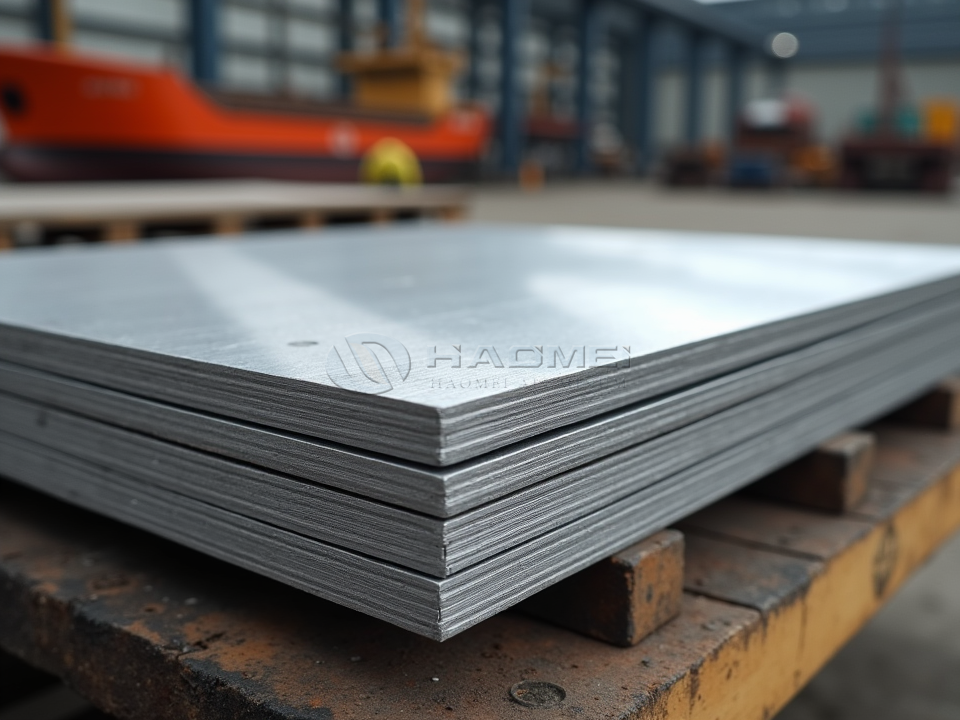
For dependable service, material selection should match the design environment. Avoid direct contact between aluminum and dissimilar metals such as carbon steel or copper without insulating barriers. Seal crevices where stagnant saltwater may collect, use compatible fasteners, and remove welding residues. Where a vessel operates continuously in severe seawater exposure, H116 or H321 material with classification documentation can provide added confidence.
A properly specified marine aluminum sheet combines low mass, weld-ready fabrication, corrosion resistance, and lasting structural value. Selecting the correct alloy, temper, thickness, and certification level gives boat builders a practical foundation for safe and efficient marine construction.

Related Products
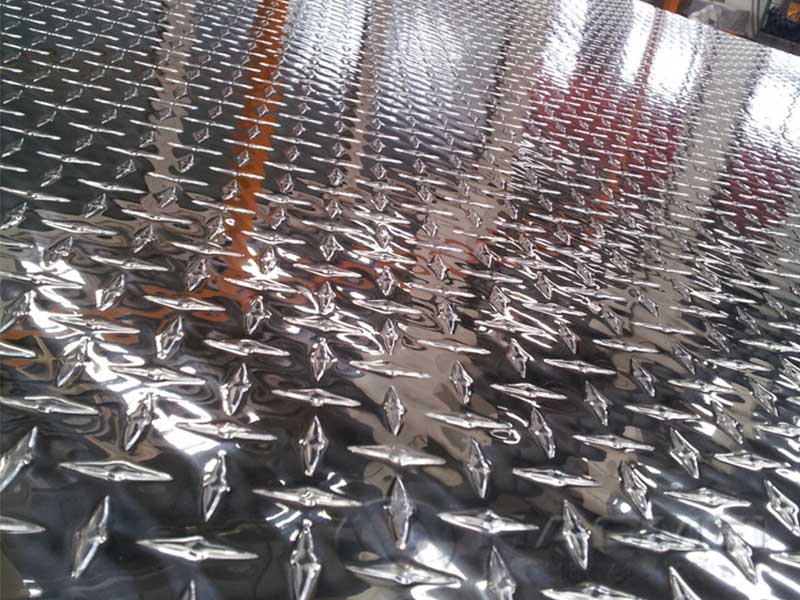
Marine Aluminum Tread Sheets
Marine Aluminum Tread Sheets are aluminum alloy plates featuring a raised surface pattern, commonly referred to as a tread design or diamond plate.
View Details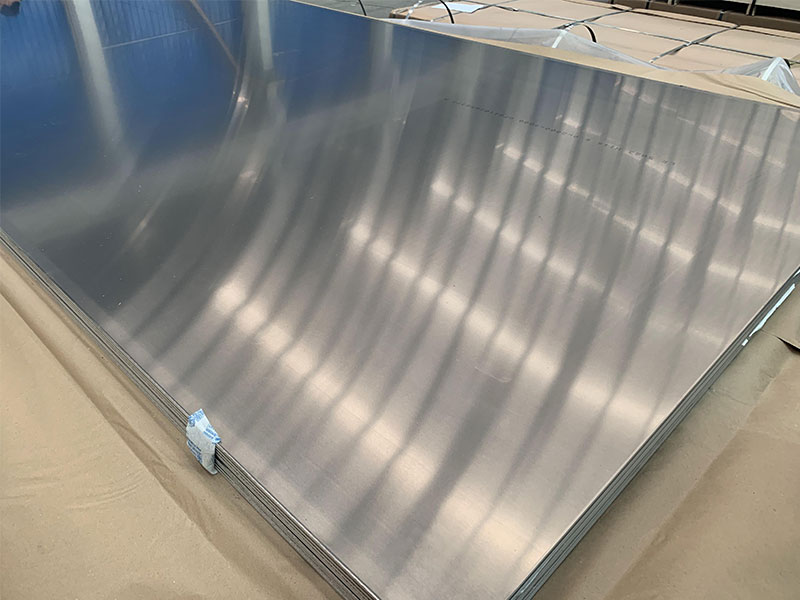
Marine 5052 aluminum sheet
Aluminum alloy 5052 is a non-heat-treatable, strain-hardened alloy with magnesium as the primary alloying element. It is designed to offer superior corrosion resistance in marine and saline environments, making it a dependable choice for components exposed directly to seawater or coastal atmospheric conditions.
View Details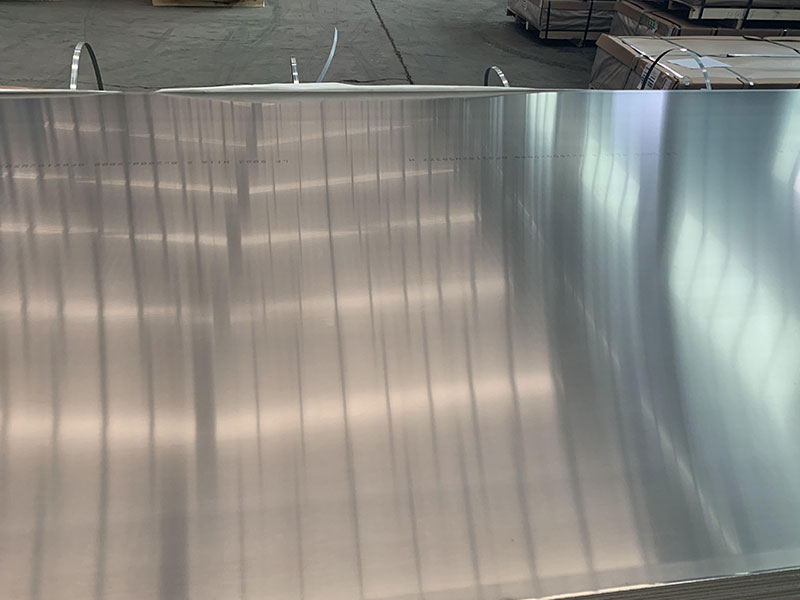
Marine 5383 aluminum sheet
5383 aluminum is a strain-hardened, non-heat-treatable alloy from the 5xxx series primarily alloyed with magnesium. It exhibits a unique balance of corrosion resistance and mechanical properties particularly suited for marine applications.
View Details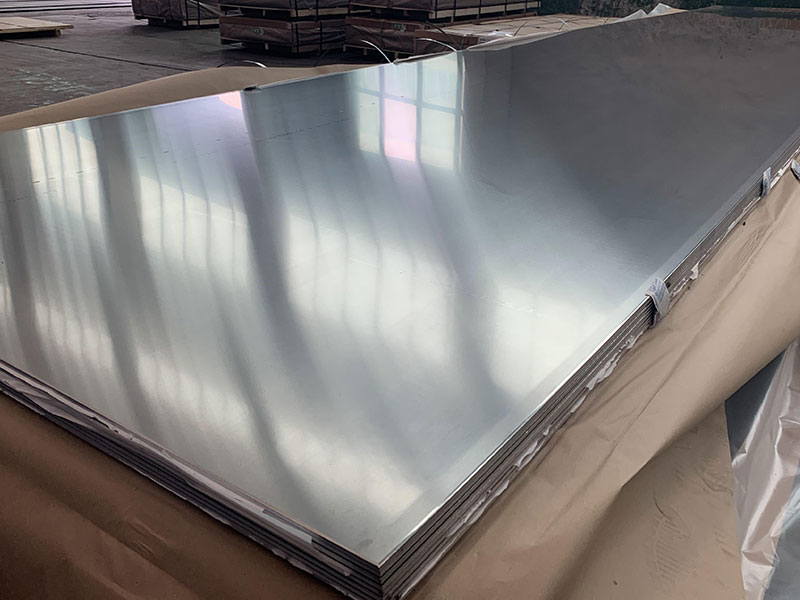
Marine 5086 aluminum sheet
This product article provides an in-depth and comprehensive understanding of Marine 5086 Aluminum Sheets, including their chemical composition, mechanical properties, corrosion resistance, fabrication capabilities, and typical marine applications.
View Details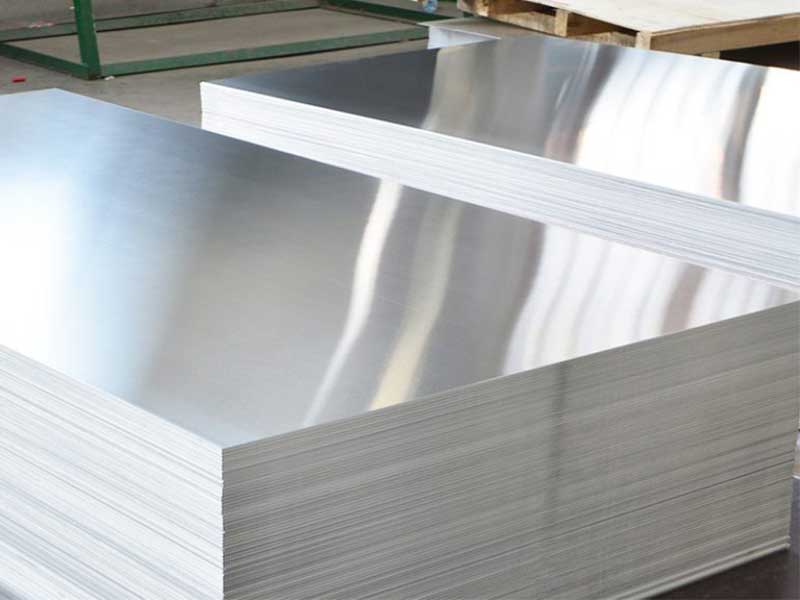
Marine anodized aluminum sheets
Marine Anodized Aluminum Sheets start with premium marine-grade aluminum alloys such as 5000 and 6000 series (typically 5083, 5052, and 6061).
View Details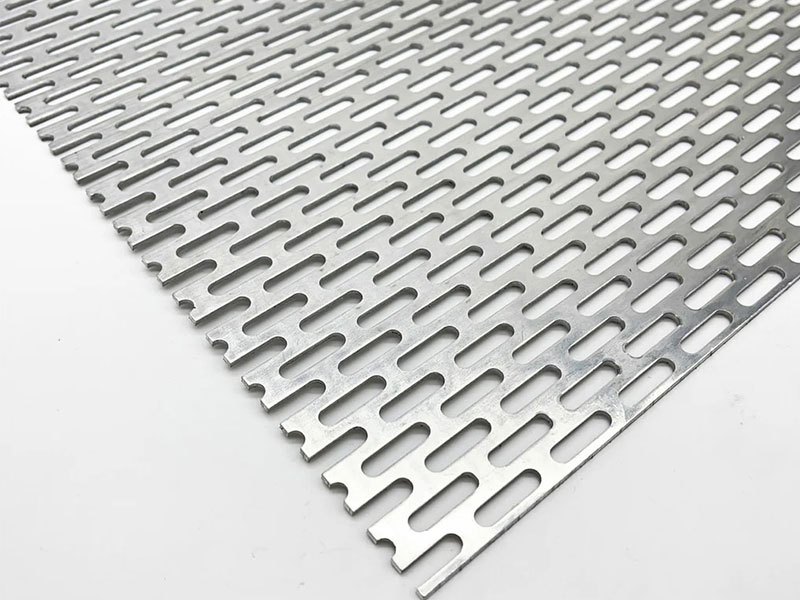
Marine perforated aluminum sheets
Marine Perforated Aluminum Sheets feature a series of uniform holes or shapes punched through the aluminum surface. These perforations can vary in size, pattern, and open area to tailor the sheets for specific applications.
View DetailsRelated Blog
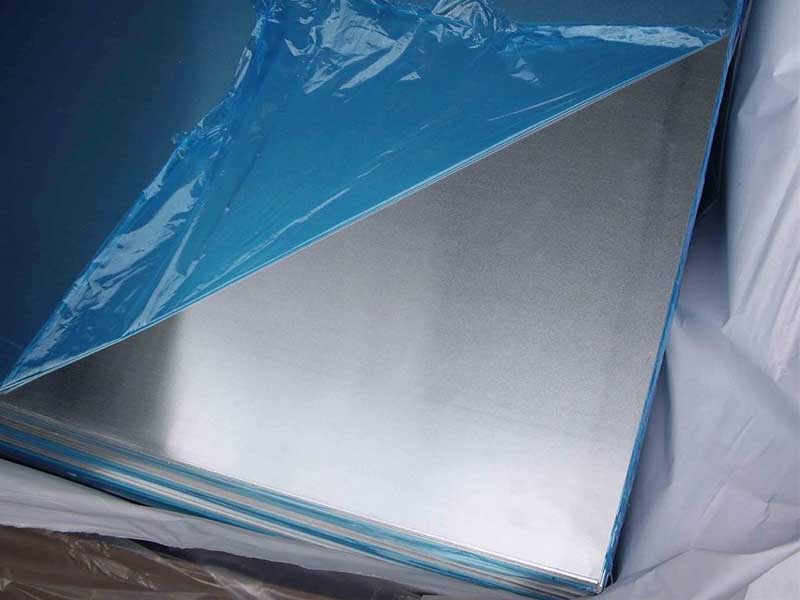
5754 Marine Grade Aluminum Alloy Aluminium Sheet
5754 marine grade aluminum alloy sheet is a workhorse material for corrosive, saltwater, and high-humidity environments where durability, formability, and long-term appearance matter.
View Details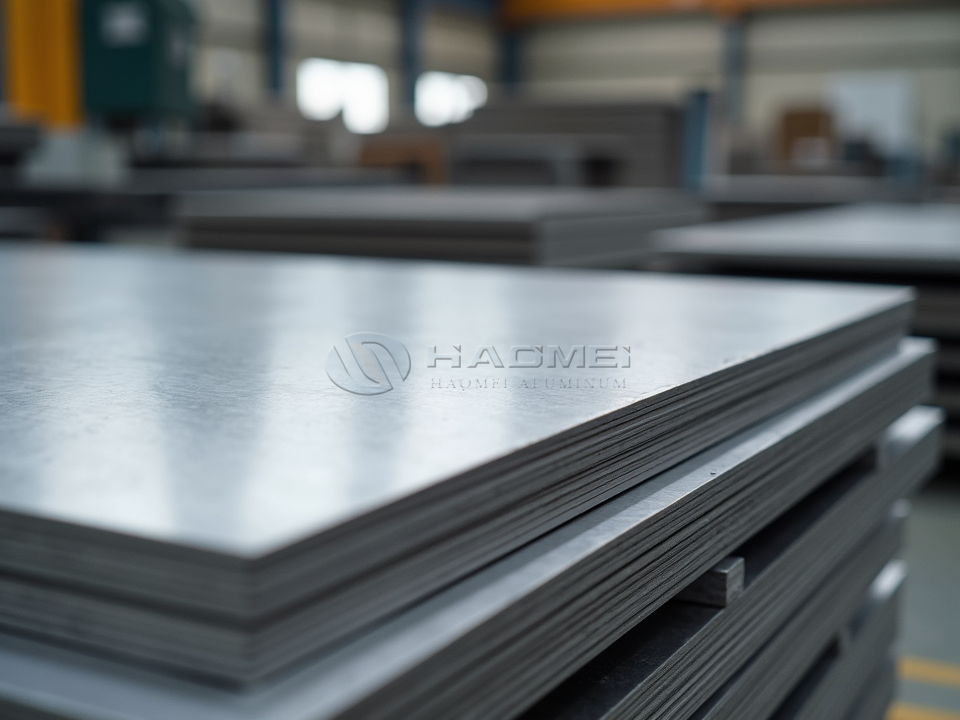
5052 Aluminium Checkered Plate for Boat
Learn how 5052 aluminium checkered plate improves boat deck grip, drainage, corrosion resistance, fabrication, and comfort in demanding daily marine service.
View Details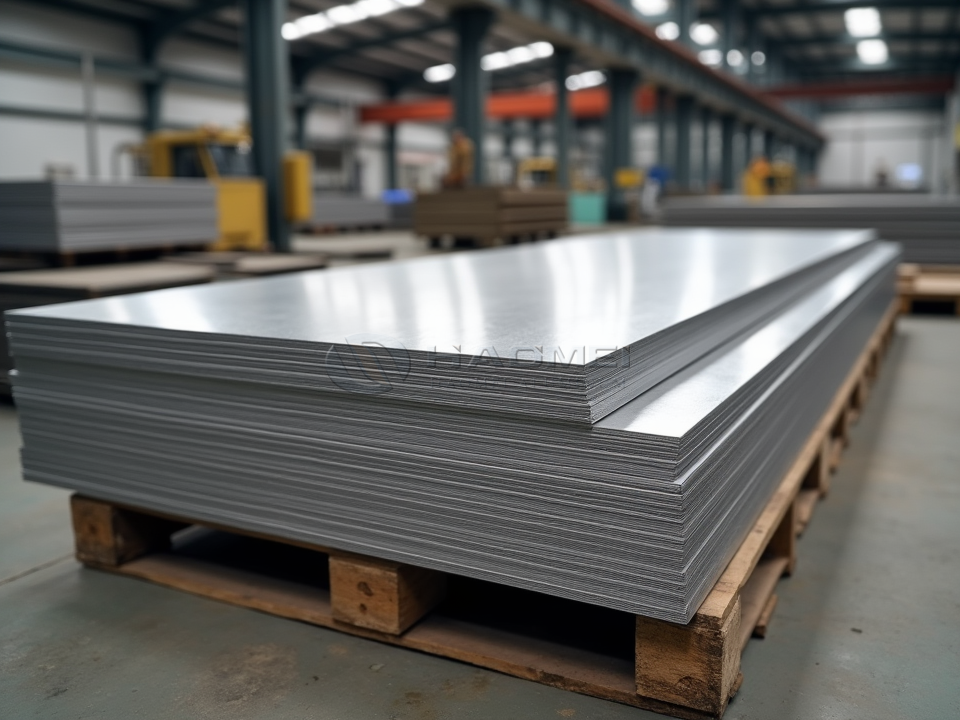
5083 Marine Grade Embossed Aluminum Sheet
Explore 5083 marine grade embossed aluminum sheet, including corrosion resistance, slip control, specifications, fabrication value, and marine uses.
View Details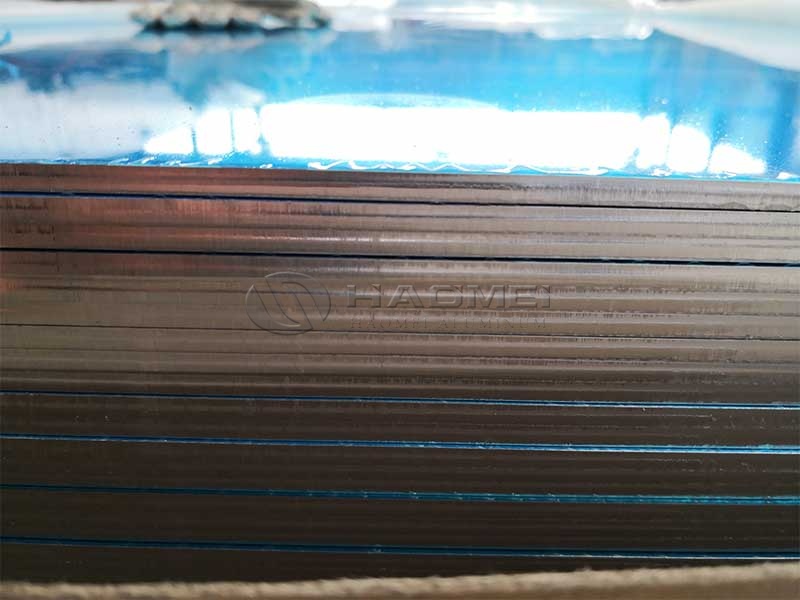
6082 T6 Aluminum Sheet For Ship Building
6082 T6 aluminum sheet delivers high strength, low weight, machinability, and reliable corrosion resistance for shipbuilding structures.
View Details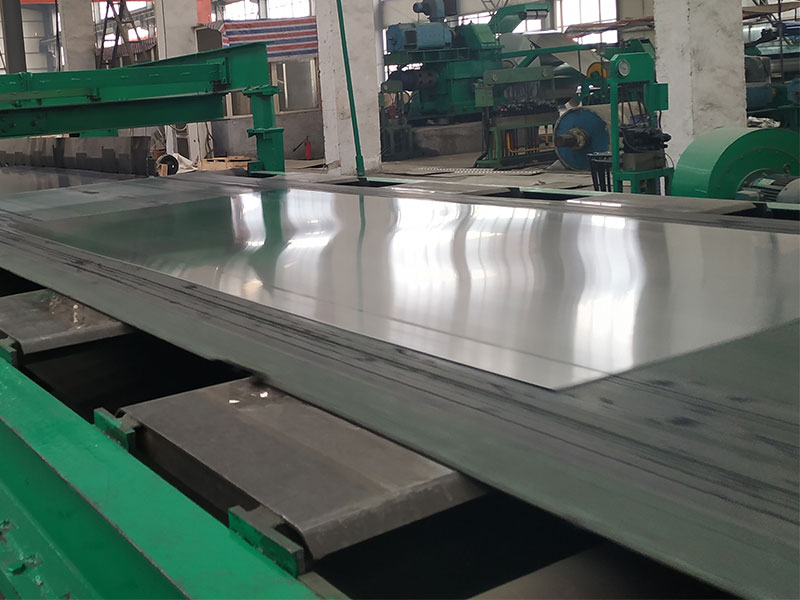
Aluminium sheet 8mm alloy 5052 h112 for boat
When selecting materials for marine applications, especially in boat building, the balance between strength, corrosion resistance, and workability is crucial. Aluminium sheet 8mm thick made from alloy 5052 in temper H112 epitomizes this balance.
View Details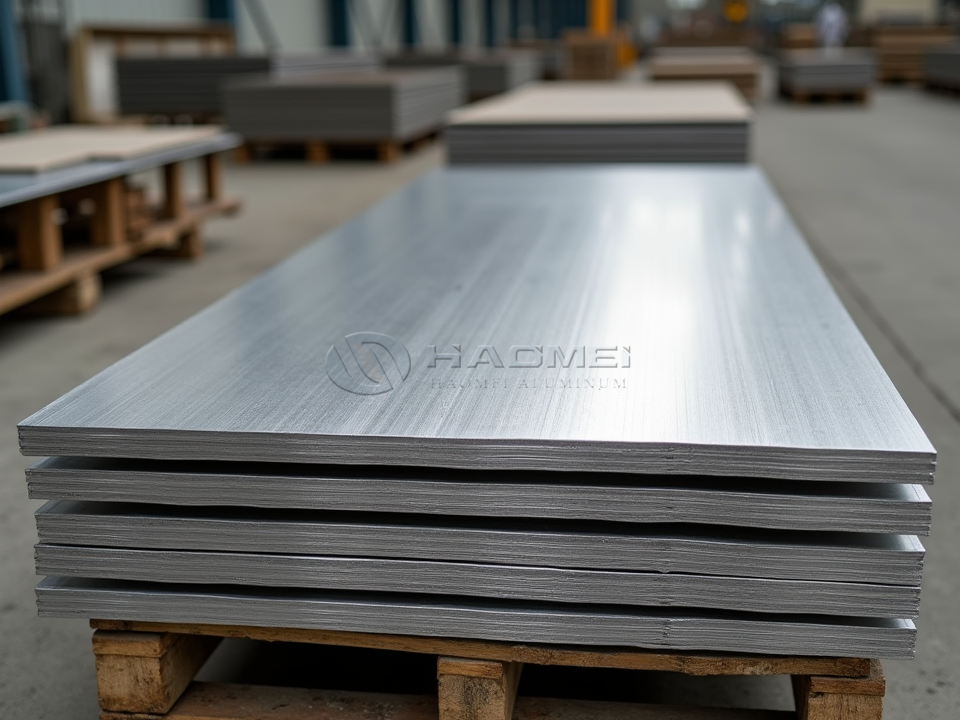
5083 Marine Aluminum Tread Sheets
5083 marine aluminum tread sheets deliver grip, corrosion resistance, weldability, and reliable deck performance for boats and offshore platforms.
View Details
Leave a Message