
Marine grade 6063 5083 5052 H32 Aluminium Coil Roll
When engineers discuss marine aluminum coil roll, the conversation often starts with strength, corrosion resistance, or weldability. But the ocean does not read datasheets the way people do. Saltwater tests every alloy differently. It attacks cut edges, challenges welded joints, amplifies stress points, and punishes poor material selection over time. From that perspective, choosing between marine grade 6063 aluminum coil, 5083 aluminum coil roll, and 5052 H32 aluminum coil becomes less about comparing simple numbers and more about how each alloy behaves in a living, corrosive, high-moisture environment.
This is exactly why these three grades attract so much attention in shipbuilding, coastal infrastructure, offshore platforms, ferry interiors, dock systems, and marine equipment manufacturing. Each alloy offers a distinct answer to a different maritime problem. 5083 is often selected when structural strength and seawater resistance must work together. 5052 H32 becomes valuable when fabricability, moderate strength, and long-term corrosion resistance are priorities. 6063, while not the classic heavy-duty hull alloy, has its own place in marine framing, trim, architectural sections, and lightweight extruded applications where surface finish and profile performance matter.
In coil form, these alloys provide important processing advantages. Marine aluminum coil roll supports efficient fabrication for panels, cladding, insulation jackets, deck covers, inner linings, and formed marine components. Coil material is easier to slit, cut, bend, stamp, and process continuously, which helps shipyards and fabricators maintain production efficiency while keeping weight under control.
Why Marine Aluminium Coil Performs Differently at Sea
Marine service is more complex than "corrosion exposure." The true challenge is the combination of chloride attack, cyclic humidity, temperature variation, vibration, mechanical load, and occasional chemical contamination from fuels, cargo, or cleaning agents. Aluminum naturally forms a protective oxide film, but not all alloys maintain this barrier equally under marine stress.
From a practical marine viewpoint, the most desirable coil alloy is not always the one with the highest tensile strength. Instead, it is often the one that balances these characteristics effectively:
- Resistance to seawater corrosion
- Stability after bending, rolling, and forming
- Weld compatibility
- Surface quality after fabrication
- Weight efficiency
- Availability in required temper and dimensions
- Compliance with marine and industrial standards
This is where 5083, 5052 H32, and 6063 separate into distinct application roles.
5083 Aluminium Coil Roll: Built for Structural Marine Duty
If the ocean had to choose a preferred aluminum coil for harsh structural use, 5083 marine grade aluminum would likely be high on its list. This alloy belongs to the Al-Mg family and is known for excellent resistance to seawater and industrial chemicals. It is widely used in hull structures, pressure vessels, storage tanks, deck panels, ship side plating, and offshore equipment.
Its strongest advantage is that it retains high strength while also offering excellent corrosion resistance in saline conditions. Compared with many other non-heat-treatable alloys, 5083 performs particularly well in demanding marine service. In coil roll form, it can be processed into sheets, formed panels, and fabricated marine assemblies with reliable performance.
Typical benefits of 5083 aluminium coil roll include:
- High strength among non-heat-treatable marine alloys
- Outstanding resistance to seawater corrosion
- Good weldability
- Reliable performance at low temperatures
- Suitable for structural and load-bearing marine parts
For shipbuilding and offshore sectors, 5083 is often the alloy of choice where structural integrity cannot be compromised.
5052 H32 Aluminium Coil: The Practical Marine Workhorse
If 5083 represents marine structural confidence, 5052 H32 aluminum coil represents practical versatility. This alloy is also based on magnesium as its principal alloying element, giving it strong corrosion resistance, especially in wet and salty environments. While it does not typically reach the same structural strength level as 5083, it offers a highly attractive combination of formability, moderate strength, fatigue resistance, and fabrication ease.
The H32 temper is particularly important. It means the material has been strain-hardened and then stabilized to a quarter-hard condition. From a manufacturing perspective, this temper gives 5052 a very useful middle ground: stronger than fully annealed material, but still workable enough for bending, rolling, and shaping into marine parts.
In real-world marine production, 5052 H32 aluminium coil roll is commonly used for:
- Interior and exterior panels
- Fuel tanks
- walkways
- boat cabins
- decorative marine covers
- ducting and enclosures
- non-heavy-load structural parts
Its value lies in the fact that it can tolerate marine exposure while also simplifying fabrication. For projects where forming quality and corrosion resistance matter more than maximum structural strength, 5052 H32 is often the smart commercial solution.
6063 Aluminium Coil: The Marine Finish Specialist
At first glance, some buyers are surprised to see 6063 aluminum coil mentioned alongside classic marine alloys. That is because 6063 is more often associated with extrusion than with hull plating. But from a unique marine design perspective, 6063 earns attention for a different reason: not every component on a vessel is a primary structural member. Many marine applications require attractive surface finish, dimensional precision, and lightweight profile performance.
6063 is an Al-Mg-Si alloy known for:
- Good corrosion resistance
- Excellent extrudability
- Smooth surface finish
- Good anodizing response
- Moderate mechanical strength
In marine environments, 6063 is often selected for superstructure trims, window frames, railing systems, doors, partition framing, lightweight supports, decorative elements, and architectural marine assemblies. In coil form, its use is more specialized than 5052 or 5083, but it can still serve marine fabrication needs where appearance, formability, and corrosion behavior are balanced against moderate strength requirements.
From the ocean's perspective, 6063 is not the alloy for the most punishing hull zones. It is the alloy that helps marine systems remain elegant, lightweight, and corrosion-conscious above or around the primary structural envelope.
Chemical Composition Table of Marine Grade 6063, 5083, and 5052 H32 Aluminium Coil
Below is a typical chemical composition reference table for these marine aluminum alloys. Exact values may vary slightly depending on the implementation standard and mill specification.
| Alloy | Si (%) | Fe (%) | Cu (%) | Mn (%) | Mg (%) | Cr (%) | Zn (%) | Ti (%) | Al (%) |
|---|---|---|---|---|---|---|---|---|---|
| 6063 | 0.20–0.60 | 0.35 max | 0.10 max | 0.10 max | 0.45–0.90 | 0.10 max | 0.10 max | 0.10 max | Remainder |
| 5083 | 0.40 max | 0.40 max | 0.10 max | 0.40–1.00 | 4.00–4.90 | 0.05–0.25 | 0.25 max | 0.15 max | Remainder |
| 5052 | 0.25 max | 0.40 max | 0.10 max | 0.10 max | 2.20–2.80 | 0.15–0.35 | 0.10 max | 0.10 max | Remainder |
These chemical differences explain much of their marine behavior. The relatively high magnesium content in 5083 is one reason for its strong seawater resistance and high strength. 5052 also benefits from magnesium, though at a lower level, giving it a balanced profile of corrosion resistance and workability. 6063, with magnesium and silicon as alloying elements, is optimized more for shaping and surface quality than for heavy marine structural loading.
Typical Mechanical Parameters of Marine Aluminium Coil Roll
When buyers compare marine grade 6063 5083 5052 H32 aluminium coil roll, they often want direct mechanical parameters. The values below are representative ranges for reference and may vary by temper, thickness, and applicable standard.
| Alloy / Temper | Tensile Strength (MPa) | Yield Strength (MPa) | Elongation (%) | Typical Characteristics |
|---|---|---|---|---|
| 6063-O | 90–130 | 40–80 | 18–25 | Excellent formability, lower strength |
| 6063-T5 / T6 | 140–245 | 110–200 | 8–16 | Better strength, good finish |
| 5052-H32 | 210–260 | 130–180 | 7–12 | Good formability, marine corrosion resistance |
| 5083-O | 270–350 | 125–165 | 12–20 | Excellent weldability, good forming |
| 5083-H111 / H112 | 290–360 | 145–200 | 10–18 | Marine structural applications |
| 5083-H32 | 305–385 | 215–290 | 8–14 | Higher strength for marine service |
For many marine buyers, 5052 H32 coil is the practical fabrication alloy, while 5083 coil roll is the preferred structural alloy. 6063 remains highly relevant where profiles, appearance, and moderate corrosion resistance are required.
Alloy Tempering and What It Means in Marine Use
Temper designation is not a minor suffix. In marine fabrication, it directly affects whether the coil can be bent, welded, formed, or loaded safely in service.
The most common temper conditions associated with these alloys include:
- O temper: annealed, soft, maximum ductility, excellent for deep forming
- H32 temper: strain-hardened and stabilized, quarter-hard, good balance of strength and formability
- H111 temper: slightly strain-hardened, often used where some forming is needed
- H112 temper: mechanically worked temper for products with controlled mechanical properties
- T5 temper: cooled from elevated temperature shaping process and artificially aged
- T6 temper: solution heat-treated and artificially aged for higher strength
From a distinctive marine viewpoint, temper is best understood as the alloy's "behavior setting." Two coils with the same alloy number can behave very differently during rolling, bending, welding, or long-term service if their temper differs.
For example, 5052 H32 is highly popular because it offers reliable stiffness and moderate strength while remaining workable enough for many marine fabricators. 5083 in O or H111 may be chosen for parts requiring better forming before welding. 6063 T5 or T6 is often selected where profile strength and finished appearance matter.
Implementation Standards for Marine Grade Aluminium Coil Roll
Quality marine aluminum is not defined by alloy designation alone. It must also meet recognized production and inspection standards. Common implementation standards for 6063, 5083, and 5052 marine aluminium coil roll may include:
- ASTM B209 for aluminum and aluminum-alloy sheet and plate
- ASTM B221 for extruded bars, rods, wire, profiles, and tubes, relevant especially to 6063 applications
- EN 485 for aluminum and aluminum alloy sheet, strip, and plate
- EN 573 for chemical composition and alloy designation
- GB/T 3880 for aluminum and aluminum alloy plates and sheets
- AMS standards for aerospace or high-spec industrial requirements where applicable
- Classification society requirements such as DNV, ABS, LR, BV, or CCS for marine projects
In marine procurement, compliance with these standards ensures traceability, chemistry control, dimensional tolerances, and mechanical performance. For shipbuilding and offshore engineering, third-party certification is often just as important as the alloy itself.
Typical Product Parameters for Marine Aluminium Coil Roll
Marine aluminum coil is usually supplied according to the processing route and end-use scenario. Typical parameters include:
- Thickness range: approximately 0.2 mm to 20 mm
- Width range: approximately 20 mm to 2650 mm
- Coil inner diameter: commonly 150 mm, 300 mm, 405 mm, 505 mm
- Coil outer diameter: customized according to weight and logistics requirements
- Coil weight: often from a few hundred kilograms to several tons
- Surface finish: mill finish, brushed, anodized-ready, coated, embossed, or customized
- Edge condition: slit edge or mill edge
For marine projects, buyers should also confirm:
- Flatness
- surface cleanliness
- residual oil level
- camber control
- mechanical property consistency
- corrosion-sensitive application suitability
- packaging for export and sea transport
How to Select Between 6063, 5083, and 5052 H32 for Marine Applications
A useful way to choose marine aluminum coil is to stop asking which alloy is "best" and start asking which alloy best survives the exact role it will perform.
If the component carries structural loads, faces direct seawater exposure, or will be welded into a critical assembly, 5083 aluminum coil roll is generally the stronger marine answer.
If the component requires frequent bending, rolling, shaping, or economical fabrication for tanks, covers, and general marine panels, 5052 H32 aluminum coil is often the most efficient and balanced solution.
If the application is focused on lightweight framing, decorative marine architecture, trim systems, or parts where smooth surface quality and profile performance matter, 6063 aluminum can be highly effective.
This perspective is important because many marine failures do not come from choosing a poor alloy in absolute terms. They come from choosing a good alloy for the wrong job.
Corrosion Resistance from the Edge, Not Just the Surface
A distinctive way to evaluate marine grade aluminum coil roll is to think about edges, bends, and weld zones instead of perfect flat surfaces. In marine fabrication, the most vulnerable points are usually not the untouched center of the sheet. They are the trimmed edges, punched holes, bent corners, fastener areas, and heat-affected zones.
This is why 5083 has such a strong reputation in shipbuilding. It does not simply resist corrosion on paper; it maintains reliable service performance in the kinds of real fabrication details that marine structures actually contain. 5052 H32 also performs very well in these practical conditions, especially where the fabrication process involves significant forming. 6063 remains suitable where the exposure and loading are less severe and where design, finish, and precision are central.
Processing Considerations for Marine Coil Buyers
Before purchasing marine grade 6063 5083 5052 H32 aluminium coil roll, fabricators should evaluate more than basic alloy designation. Important processing considerations include:
- Minimum bending radius
- weldability after forming
- anodizing or coating requirements
- anti-slip or embossed surface needs
- stress corrosion considerations
- compatibility with marine fasteners and sealants
- post-fabrication corrosion protection strategy
Buyers also benefit from confirming whether the material will be used for direct hull contact, enclosed cabin structures, tank systems, or decorative assemblies. The alloy choice can then be aligned more precisely with service conditions.
Why Marine Aluminum Coil Remains a Strategic Material
The marine sector continues to move toward lighter, stronger, and more corrosion-resistant materials. Aluminum coil supports this transition by combining weight savings with production efficiency. Compared with heavier traditional materials, it helps improve fuel efficiency, payload capacity, fabrication speed, and life-cycle maintenance performance.
Within this wider shift, 5083, 5052 H32, and 6063 are not competing randomly. They represent three distinct marine philosophies:
- 5083 for structural resilience
- 5052 H32 for fabrication balance
- 6063 for refined marine form and finish
That is the most useful way to understand them. Not as interchangeable aluminum grades, but as different responses to the same relentless environment.

Related Products
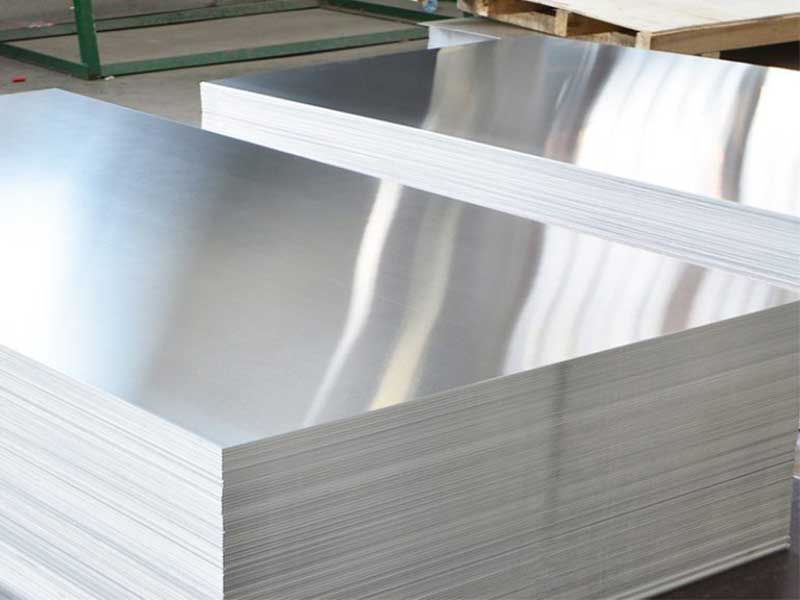
Marine anodized aluminum sheets
Marine Anodized Aluminum Sheets start with premium marine-grade aluminum alloys such as 5000 and 6000 series (typically 5083, 5052, and 6061).
View Details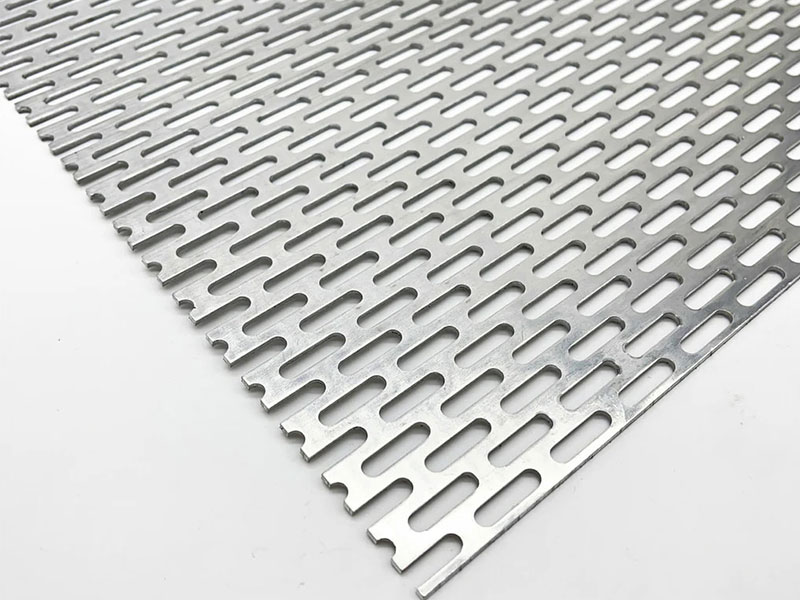
Marine perforated aluminum sheets
Marine Perforated Aluminum Sheets feature a series of uniform holes or shapes punched through the aluminum surface. These perforations can vary in size, pattern, and open area to tailor the sheets for specific applications.
View Details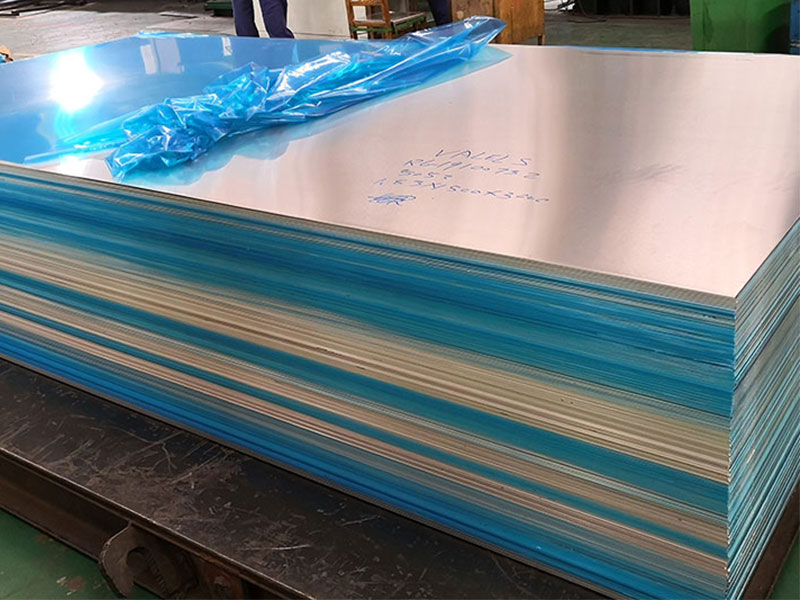
Marine 5059 aluminum sheet
5059 aluminum alloy is a strain-hardened material with a unique addition of magnesium and chromium, which provides outstanding resistance to localized corrosion like pitting and stress corrosion cracking.
View Details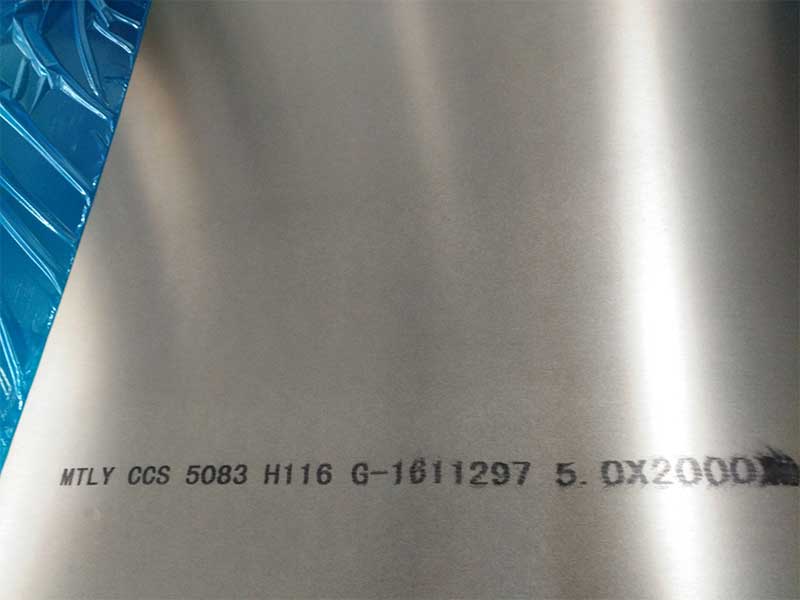
Marine 5083 aluminum sheet
Aluminum alloy 5083 is a non-heat-treatable alloy primarily composed of magnesium and trace elements that deliver outstanding protection against corrosion, particularly in seawater and saline atmospheres.
View Details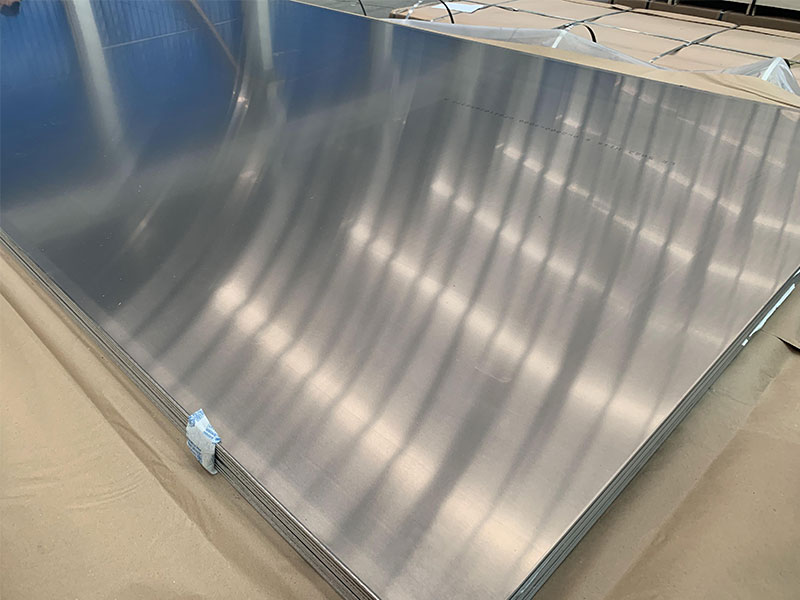
Marine 5052 aluminum sheet
Aluminum alloy 5052 is a non-heat-treatable, strain-hardened alloy with magnesium as the primary alloying element. It is designed to offer superior corrosion resistance in marine and saline environments, making it a dependable choice for components exposed directly to seawater or coastal atmospheric conditions.
View Details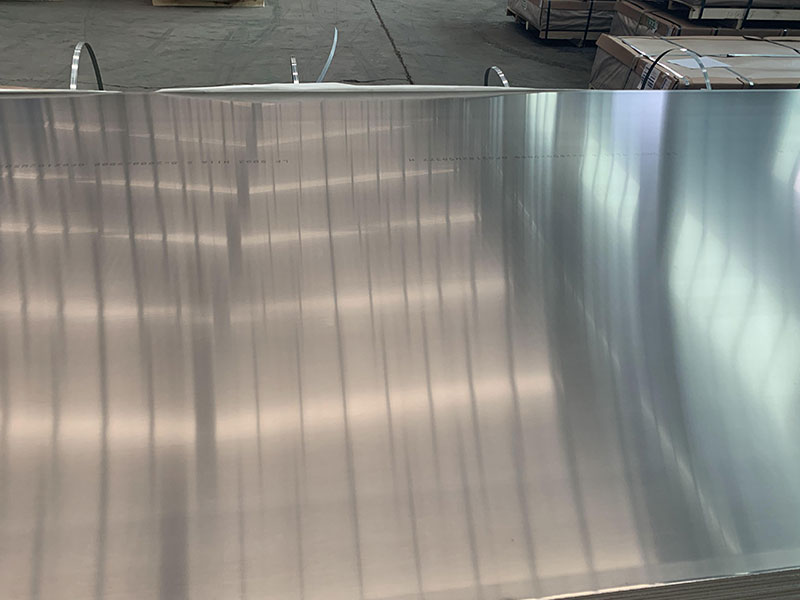
Marine 5383 aluminum sheet
5383 aluminum is a strain-hardened, non-heat-treatable alloy from the 5xxx series primarily alloyed with magnesium. It exhibits a unique balance of corrosion resistance and mechanical properties particularly suited for marine applications.
View DetailsRelated Blog
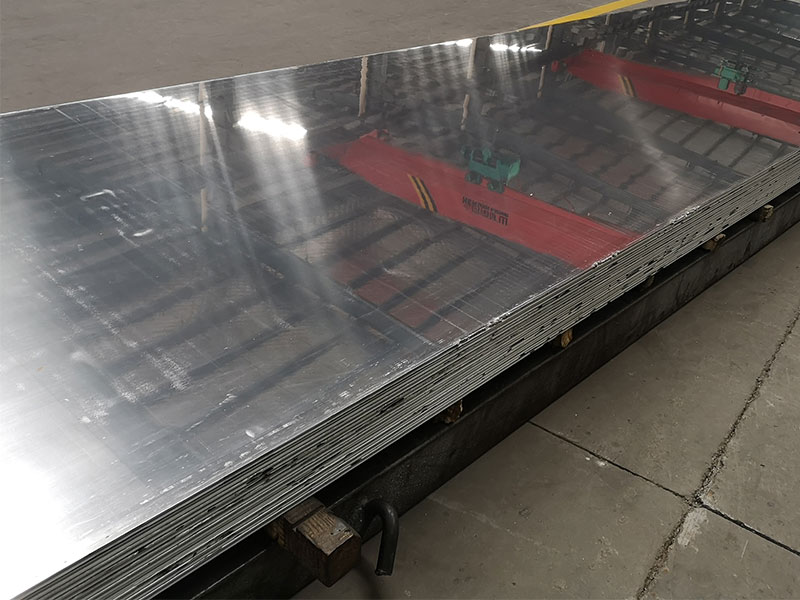
5052 5083 5086 Marine Grade Aluminium Sheet for Boat Building
Marine-grade aluminum is essential for constructing durable, lightweight vessels capable of withstanding harsh marine environments. In particular, 5052, 5083.
View Details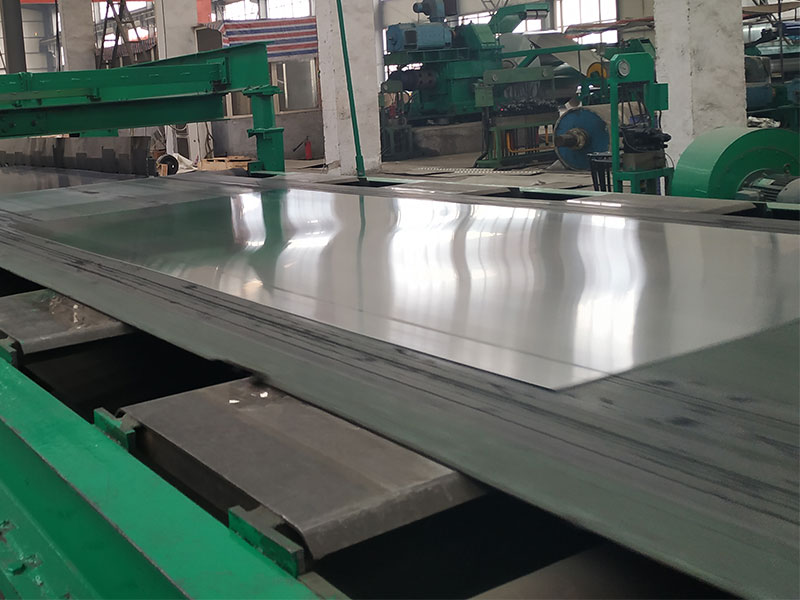
Astm standard 5083 5052 aluminium sheet for boat material
ASTM Standard 5083 & 5052 Aluminum Sheet for Boat Material: Reading Marine Alloy Like a Hull Designer, Not a CatalogIn marine construction, aluminum sheet is often discussed as if it were simply a grade name plus a thickness.
View Details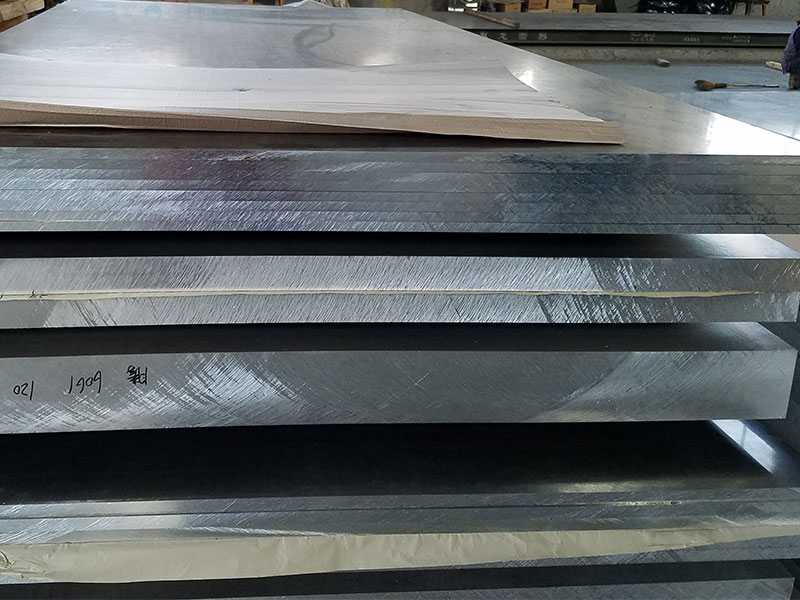
Alloy 5052 5757 5005 5083 h24 h32 aluminium coil for marine application
Marine environments demand materials that combine corrosion resistance, strength, weldability, and low weight. Among non-heat-treatable aluminum-magnesium alloys, 5052, 5754, 5005, and 5083 aluminium coil are widely selected for shipbuilding.
View Details
Marine Grade 5052 H112 Aluminum Coil
When it comes to marine construction and equipment, material choice plays a crucial role in determining durability, performance, and safety. Marine Grade 5052 H112 aluminum coil stands out as a superior option specially engineered for marine environments.
View Details
5052 marine grade aluminum
5052 marine grade aluminum is one of the most widely used aluminum alloys for saltwater-exposed structures where corrosion resistance, weldability, and long-term durability matter more than peak strength.
View Details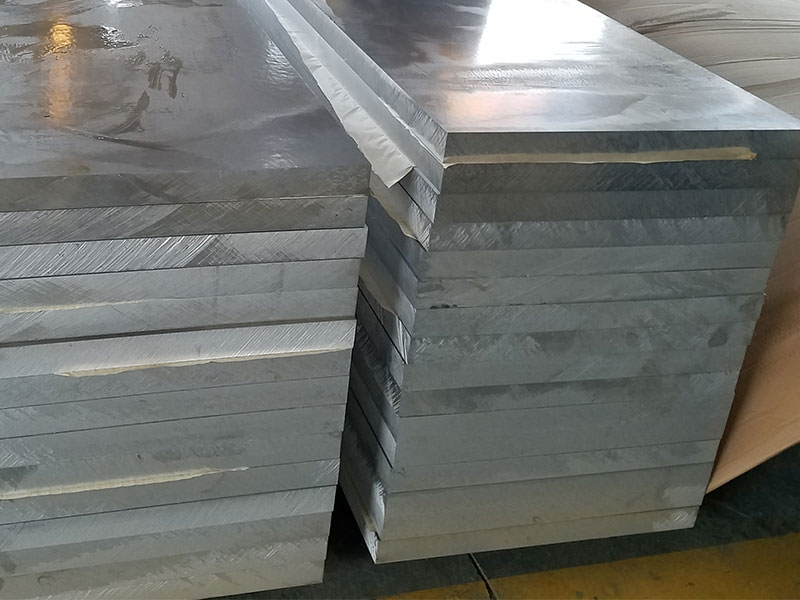
Marine grade 6063 5083 5052 H32 Aluminium Coil Roll
When engineers discuss marine aluminum coil roll, the conversation often starts with strength, corrosion resistance, or weldability. But the ocean does not read datasheets the way people do.
View Details
Leave a Message