
5052 5083 Aluminum coil for boat yacht
Marine structures live in a harsh world: salt spray, cyclic loading from waves, temperature swings, and constant exposure to moisture. Choosing the right aluminum alloy coil is the difference between a hull that stays clean and strong for decades-and one that pits, cracks, or demands expensive maintenance. 5052 and 5083 aluminum coils are two of the most widely proven marine-grade options, combining corrosion resistance, weldability, and practical forming performance for boat and yacht manufacturing.
Why 5052 & 5083 Are the "Workhorse" Marine Coils
Both 5052 and 5083 belong to the Al-Mg (5xxx series) family. Their performance in marine service comes mainly from magnesium solid-solution strengthening and their natural resistance to seawater corrosion-without relying on heat treatment.
Features at a Glance
| Feature | 5052 Aluminum Coil | 5083 Aluminum Coil |
|---|---|---|
| Primary advantage | Excellent formability + corrosion resistance | High strength + best-in-class marine corrosion resistance |
| Typical boat/yacht uses | Superstructures, interior panels, fuel tanks, trims | Hull plating, decks, bulkheads, structural parts |
| Weldability | Excellent | Excellent |
| Forming | Easier for tight bends and complex shapes | Good, but higher force needed vs 5052 |
| Strength level | Medium | High (among non-heat-treatable marine alloys) |
| Best selection logic | Choose when forming & finish quality dominate | Choose when structural strength & fatigue performance dominate |
Marine Performance: What Customers Actually Gain
1) Seawater Corrosion Resistance
5xxx alloys form a stable oxide film and resist general corrosion in marine atmospheres and seawater exposure. 5083 is often selected for hulls because it performs extremely well under continuous wetting and salt exposure, especially when combined with good design (drainage, crevice avoidance) and proper surface prep/coating where needed.
Customer benefit: reduced pitting/underfilm corrosion risk and lower long-term maintenance cost.
2) Strength-to-Weight Advantage
Compared to steel, aluminum provides major weight savings. In boats and yachts, that means:
- improved fuel efficiency or extended range
- higher payload capacity
- better acceleration and maneuverability
- potential for shallower draft
Customer benefit: performance gains without sacrificing durability.
3) Excellent Weldability for Fabrication
Both alloys are highly weldable using common processes (MIG/TIG). With correct filler selection and procedures, welded structures maintain strong, reliable joints-critical for hull seams, stiffeners, and bulkheads.
Customer benefit: faster fabrication, robust joints, easier repair.
4) Practical Forming and Finishing
- 5052 shines in bending, rolling, and shaping-ideal for curved panels and formed components.
- Both alloys accept marine coatings well after appropriate cleaning and conversion pretreatment.
Customer benefit: cleaner builds, fewer forming defects, consistent surface quality.
Chemical Composition (Typical, wt.%)
Actual limits can vary by standard (ASTM/EN/JIS) and supplier. Use this as a reference for comparing alloys.
| Alloy | Mg | Mn | Cr | Si | Fe | Cu | Zn | Ti | Al |
|---|---|---|---|---|---|---|---|---|---|
| 5052 | 2.2–2.8 | ≤0.10 | 0.15–0.35 | ≤0.25 | ≤0.40 | ≤0.10 | ≤0.10 | ≤0.10 | Balance |
| 5083 | 4.0–4.9 | 0.4–1.0 | 0.05–0.25 | ≤0.40 | ≤0.40 | ≤0.10 | ≤0.25 | ≤0.15 | Balance |
Interpretation for buyers:
- Higher Mg + Mn in 5083 drives higher strength and strong marine performance.
- 5052's lower Mg improves formability and reduces forming loads.
Mechanical Properties (Typical)
Values depend on temper, thickness, and standard. Below are common "order-level" references to help selection.
| Alloy & Temper | Tensile Strength (MPa) | Yield Strength (MPa) | Elongation (%) | Typical marine role |
|---|---|---|---|---|
| 5052-H32 | ~230–260 | ~160–200 | ~8–15 | Formed panels, non-critical structure |
| 5052-O | ~170–200 | ~65–90 | ~18–25 | Deep forming / tight radius bends |
| 5083-H116 | ~305–350 | ~215–275 | ~10–16 | Hull plating, decks, structural |
| 5083-H321 | ~305–350 | ~215–275 | ~10–16 | Structural parts requiring stability |
Why these tempers matter in marine builds:
- H116/H321 tempers are widely used for marine plate/coil applications where corrosion and property stability are important.
- O temper is selected when forming complexity is high and post-forming strength can be recovered by work hardening in later steps or design allowance.
Coil Technical Specifications (Common Supply Range)
| Parameter | Typical Range / Options |
|---|---|
| Alloy | 5052 / 5083 |
| Temper | 5052: O, H32, H34; 5083: H116, H321 (and other H tempers by agreement) |
| Thickness | ~0.5–6.0 mm (marine fabrication commonly 1.5–5.0 mm for formed panels; heavier gauges may be plate) |
| Width | ~1000–2500 mm (custom slitting available) |
| Inner Diameter (ID) | 508 mm / 610 mm (common) |
| Surface | Mill finish; optional PVC film; brushing available by request |
| Edge | Mill edge / slit edge |
| Standards | ASTM B209 / EN 485 (or equivalent per project requirement) |
| Quality options | Ultrasonic/visual inspection by agreement, mechanical test certificates, corrosion-related temper control for marine |
Choosing Between 5052 and 5083 for Boats & Yachts
Select 5083 coil when:
- the part is structural (hull shell plating, main deck plating, bulkheads)
- higher yield strength reduces thickness or stiffener density
- you need excellent resistance in continuous marine exposure
- weld integrity and fatigue resistance are to service life
Select 5052 coil when:
- the part is highly formed (curved covers, consoles, interior panels, trim components)
- you want excellent bendability and low risk of cracking
- moderate strength is sufficient and appearance/finish quality matters
A common yacht approach is 5083 for primary structure and 5052 for secondary formed components, keeping fabrication efficient while maintaining reliability.
Real-World Use Cases in Boat/Yacht Manufacturing
| Component / Area | Recommended Alloy | Why it works |
|---|---|---|
| Hull plating (small to medium craft) | 5083 | High strength, marine durability, weldability |
| Decks & bulkheads | 5083 | Structural stiffness with good corrosion resistance |
| Superstructure skins | 5052 or 5083 | 5052 for formability; 5083 when stiffness/strength is prioritized |
| Cabin panels, interior partitions | 5052 | Easy forming, good surface quality |
| Fuel tanks (where permitted by design/code) | 5052 | Corrosion resistance and excellent fabrication behavior |
| Hatches, doors, lockers, trims | 5052 | Tight bends, clean finishing |
Benefits for Customers (What You're Buying Beyond "Just Aluminum")
Long service life in marine environments
Less corrosion-related downtime and fewer cosmetic issues.Efficient fabrication
Coil supply supports continuous production, CNC cutting, roll forming, and consistent part repeatability.Lower lifecycle cost
Better durability and weldability reduce repair frequency and labor.Design flexibility
5052 supports complex shapes; 5083 supports strength-driven lightweight structures.
Ordering Tips: How to Specify Correctly
To avoid mismatches, include these in your RFQ/purchase order:
| Item to Specify | Example |
|---|---|
| Alloy & temper | 5083-H116 / 5052-H32 |
| Thickness × width | 3.0 mm × 1500 mm |
| Coil ID / max OD | ID 610 mm, max OD 1600 mm |
| Surface/film | Mill finish + PVC film one side |
| Standard & certificate | ASTM B209 + mill test certificate (MTC) |
| Application note | "Marine hull plating," "formed cabin panels," etc. |
5052 and 5083 aluminum coils are proven, practical materials for boats and yachts because they deliver the core requirements of marine manufacturing: corrosion resistance, weldability, weight savings, and dependable mechanical performance. Use 5083 when structure and strength drive the design, and 5052 when forming quality and fabrication ease are the priority. Specified correctly, these coils translate into boats that are lighter, faster, and more durable-while remaining efficient to build and maintain.

Related Products
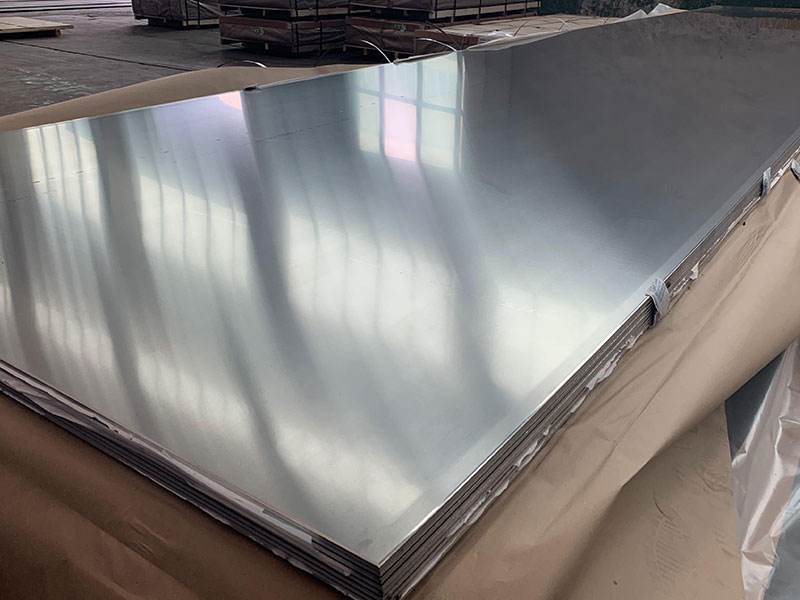
Marine 5086 aluminum sheet
This product article provides an in-depth and comprehensive understanding of Marine 5086 Aluminum Sheets, including their chemical composition, mechanical properties, corrosion resistance, fabrication capabilities, and typical marine applications.
View Details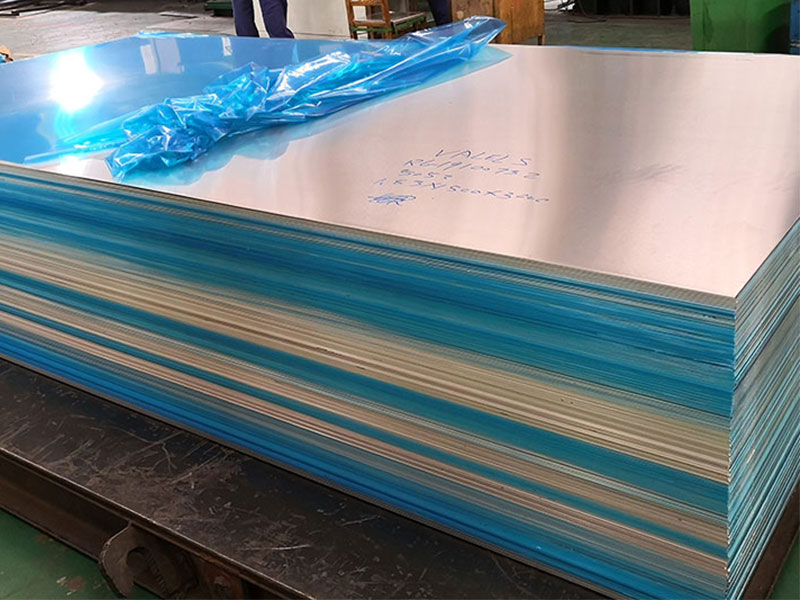
Marine 5059 aluminum sheet
5059 aluminum alloy is a strain-hardened material with a unique addition of magnesium and chromium, which provides outstanding resistance to localized corrosion like pitting and stress corrosion cracking.
View Details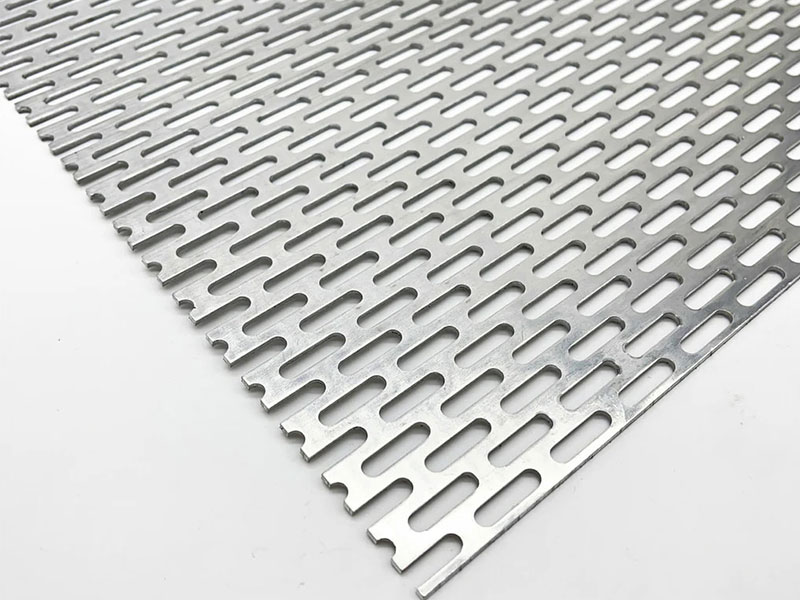
Marine perforated aluminum sheets
Marine Perforated Aluminum Sheets feature a series of uniform holes or shapes punched through the aluminum surface. These perforations can vary in size, pattern, and open area to tailor the sheets for specific applications.
View Details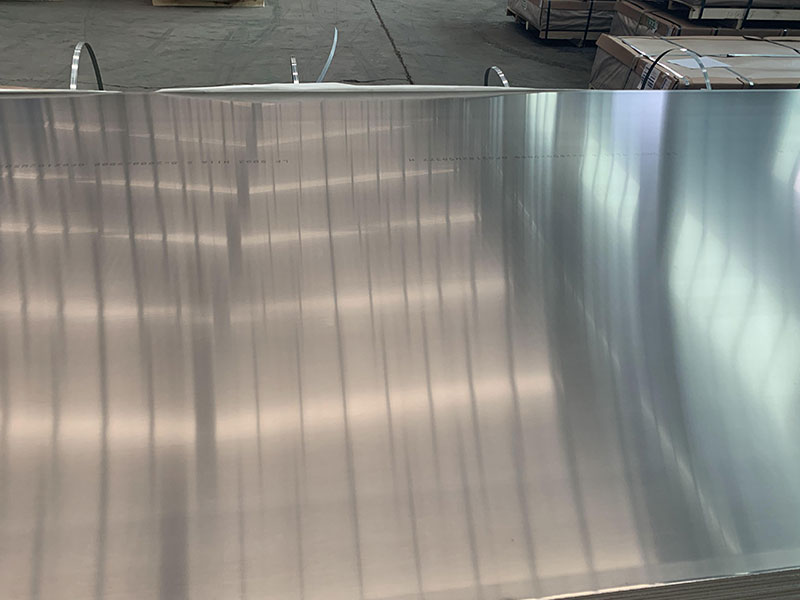
Marine 5383 aluminum sheet
5383 aluminum is a strain-hardened, non-heat-treatable alloy from the 5xxx series primarily alloyed with magnesium. It exhibits a unique balance of corrosion resistance and mechanical properties particularly suited for marine applications.
View Details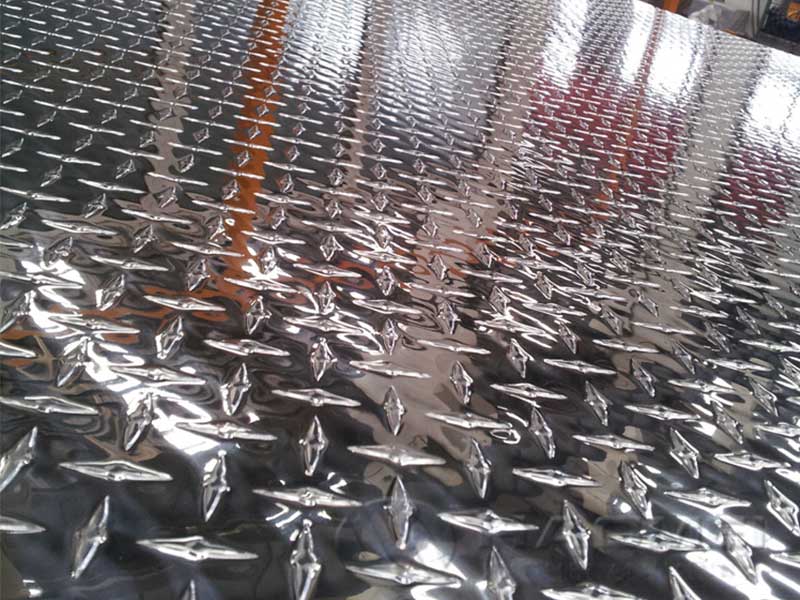
Marine Aluminum Tread Sheets
Marine Aluminum Tread Sheets are aluminum alloy plates featuring a raised surface pattern, commonly referred to as a tread design or diamond plate.
View Details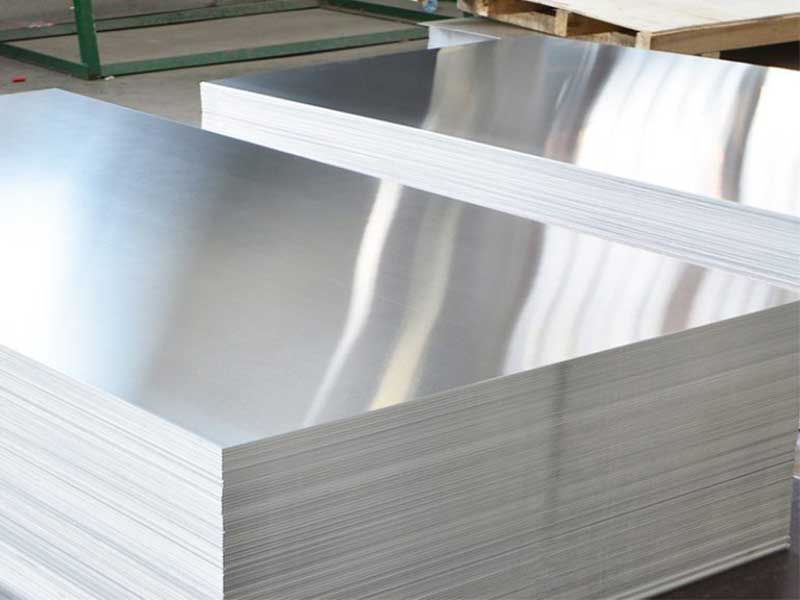
Marine anodized aluminum sheets
Marine Anodized Aluminum Sheets start with premium marine-grade aluminum alloys such as 5000 and 6000 series (typically 5083, 5052, and 6061).
View DetailsRelated Blog
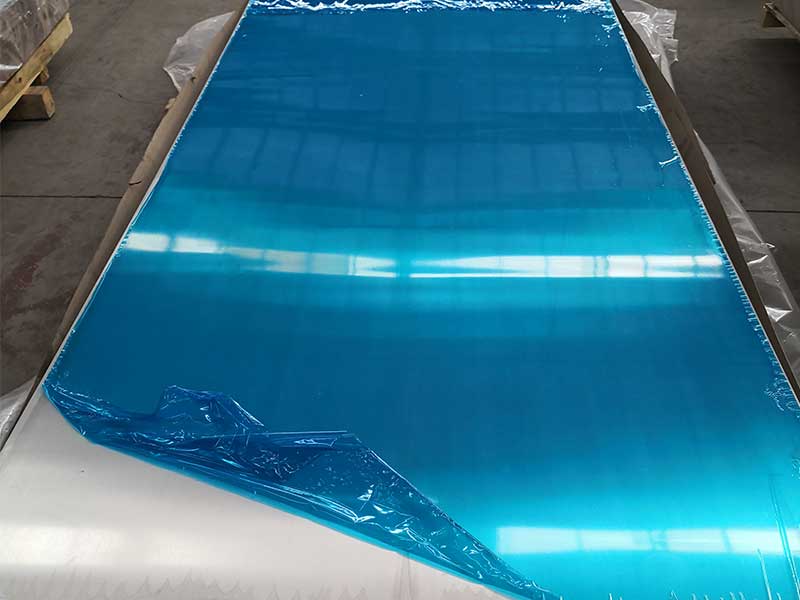
Aluminum Sheets 5052 H32 Ship Building
Aluminum Sheets 5052 H32 are widely used in shipbuilding because they combine excellent corrosion resistance, good strength, light weight, and reliable weldability.
View Details
5754 5052 h22 h111 h116 aluminum sheet for boat building
Boat builders need sheet material that stays tough in a salty, wet environment, forms cleanly into hull curves, and resists long-term pitting and crevice corrosion around welds and fasteners.
View Details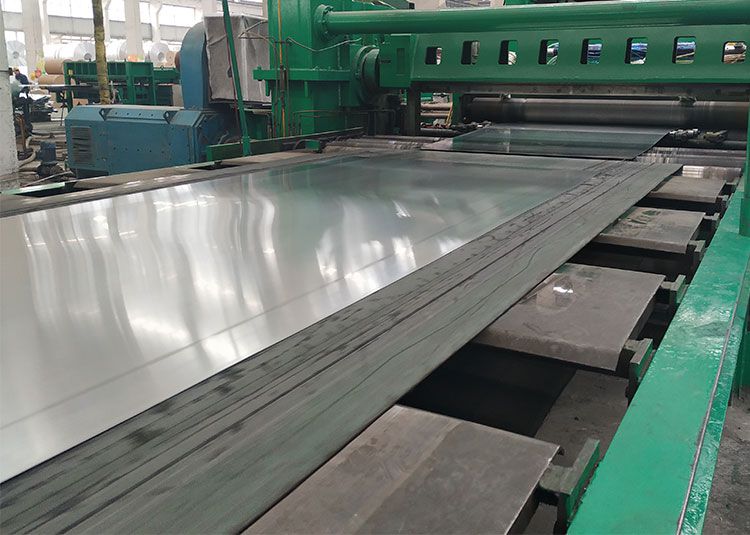
Aluminum sheet for boat 5083 5052 5754
When selecting aluminum sheets for marine applications, particularly boats, alloy choice plays a vital role in ensuring durability, corrosion resistance, and mechanical strength.
View Details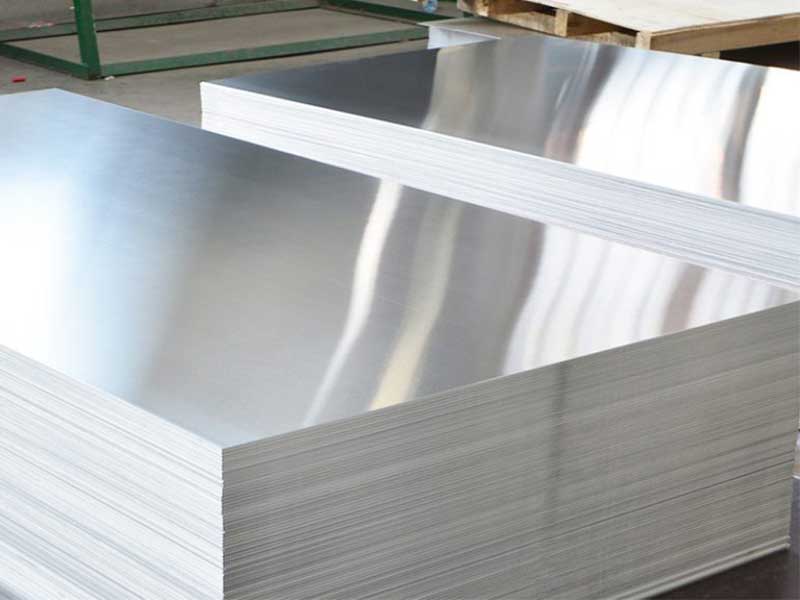
Naval Aluminium Sheet Marine 5052 H32
Naval Aluminium Sheet Marine 5052 H32 is a premium-grade aluminum alloy sheet specifically engineered for marine and naval applications. Known for its excellent corrosion resistance, high strength-to-weight ratio, and superior weldability.
View Details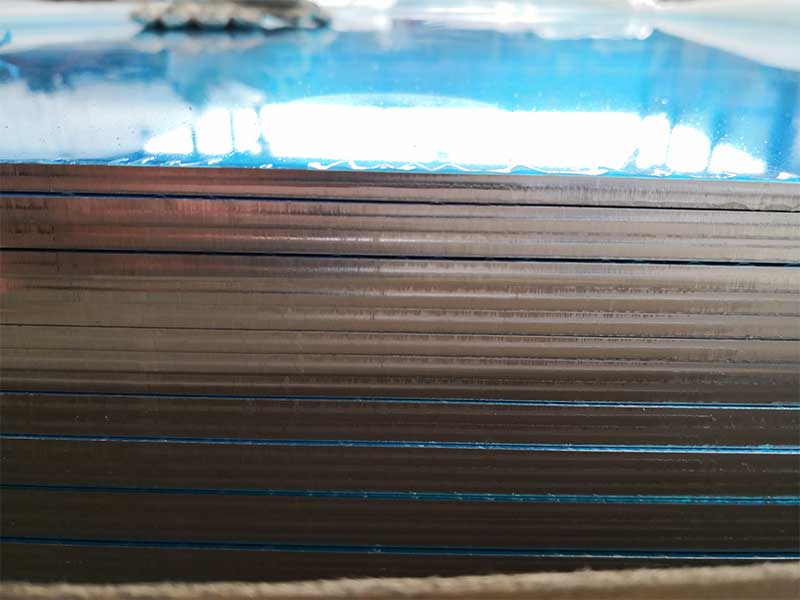
0.3mm 0.4mm 0.5mm 1.6mm Thickness Roll Aluminium Coil Sheet 5052 h32 For Boat
When it comes to marine applications, selecting the right material is crucial for performance, durability, and safety. Enter the 5052 H32 marine aluminum coil sheet, available in thicknesses ranging from 0.
View Details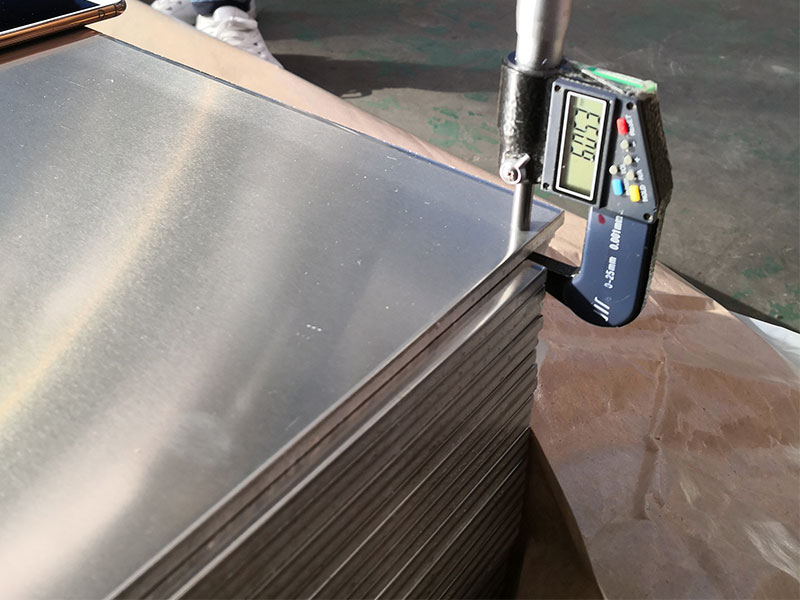
5052 5083 marine grade aluminium sheet for boat
Marine grade aluminium alloys 5052 and 5083 are among the most widely used non-heat-treatable alloys for shipbuilding, small vessels, and marine components. They combine good corrosion resistance in seawater, excellent weldability and formability.
View Details
Leave a Message