
Marine grade aluminum for ship building aluminium sheet 5052 h111
Marine aluminum 5052 H111 aluminum sheet is a premier material choice for shipbuilding professionals who demand exceptional corrosion resistance, strength, and formability in ocean and coastal environments. Its specially engineered composition and temper provide enhanced durability and fatigue resistance, making it a pivotal component in the construction of boats, ships, offshore structures, and other maritime assemblies.
Aluminum alloy 5052 is a non-heat-treatable aluminum-magnesium alloy which encompasses excellent corrosion resistance specifically tailored for marine environments. The H111 temper is essentially a product form where the sheet has undergone a mechanical cold working process while retaining a full hard temper often associated with H11 tempers, ensuring better formability and strength balance without heat treatment.
- Aluminum Alloy: 5052
- Temper: H111
- Form: Sheet/Plate
- Thickness Range: Typically 0.5mm – 6mm (custom sizes available)
- Standard: ASTM B209, ISO 209-1, EN 485, JIS H4000
Chemical Composition
| Element | Minimum (%) | Maximum (%) |
|---|---|---|
| Aluminum (Al) | Balance | - |
| Magnesium (Mg) | 2.2 | 2.8 |
| Chromium (Cr) | 0.15 | 0.35 |
| Iron (Fe) | - | 0.4 |
| Copper (Cu) | - | 0.1 |
| Manganese (Mn) | - | 0.1 |
| Silicon (Si) | - | 0.25 |
| Zinc (Zn) | - | 0.1 |
Mechanical Properties of 5052 H111 Aluminum Sheet
| Property | Typical Values | Test Standard |
|---|---|---|
| Tensile Strength (MPa) | 215 – 265 | ASTM E8 |
| Yield Strength (MPa) | 110 – 150 | ASTM E8 |
| Elongation (%) | >8 | ASTM E8 |
| Hardness (Brinell) | 60 – 75 | ASTM E10 |
| Density (g/cm³) | 2.68 | ASTM B211 |
| Fatigue Strength | Very Good | Empirical |
Features and Marine Benefits
1. Superior Corrosion ResistanceMarine-grade 5052 H111 stands out for its remarkable corrosion resistance, especially in saltwater exposure, making it highly suited to coastal and reef environments where constant salt spray and seawater contact cause rapid degradation in conventional metals.
2. Optimal Strength-to-Weight RatioWith tensile strength ranging from 215 – 265 MPa and combined with its low density, the 5052 H111 sheet reduces vessel weight ensuring higher speed and improved fuel efficiency without compromising structural integrity.
3. Excellent Weldability and Workability5052 H111 allows for diverse manufacturing techniques including TIG, MIG welding, and riveting commonly employed in hull production and onboard marine equipment shells with minimal weld cracking and deformation.
4. Good Fatigue ResistanceMarine vessels are subject to dynamic and wave-induced cyclic loading. 5052 H111 aluminum’s excellent fatigue properties provide lasting performance even under these demanding conditions.
Implementation Standards and Guidelines
- ASTM B209: Standard specification for aluminum and aluminum-alloy sheet and plate applicable to marine grade aluminum 5052.
- ISO 209-1: Aluminum and aluminum alloys—Sheet, strip and plate—Part 1: Technical conditions for inspection and delivery adhering to maritime environmental needs.
- JIS H4000: Recognizes the quality parameters and mechanical requirement settings aligned with shipbuilding applications.
Industry Applications
- Shipbuilding hulls and superstructures
- Deck components and panels
- Storage tanks and pressure vessels
- Floating docks and marine platforms
- Coast guard and naval vessel components
Handling and Maintenance Tips
- Avoid direct exposure to anodizing corrosive solutions that might spur localized pitting.
- Periodically inspect welded joints and critical structural stressing points for signs of plating wear and stretch.
- Use compatible rivets and fasteners with anti-galvanic coatings to prolong diffusion-corrosion prevention.
- Do thermal or anodizing post treatments as per manufacturers’ prescription to enhance longevity.
Choosing marine grade aluminum 5052 H111 aluminum sheet equips shipbuilders with a reliable, resilient solution. It balances strength, scrap-literally high corrosion and fatigue resistance crucial for prolonged sea conditions. By selecting this durable but lightweight alloy, industry consumers improve vessel life cycles, reduce maintenance costs, and sustain marine ecosystem harmony with environmentally sound practices.
If you require further information on stock sizes, custom cuts or etching services for your shipbuilding project, our technical support team is available for consultation and prompt quotes.
Author: Senior Engineer, Marine Aluminum DivisionCompany: Haomei Aluminum CO., LTD., Inc. — Industry Leaders in Marine-grade Aluminum Solutions

Related Products
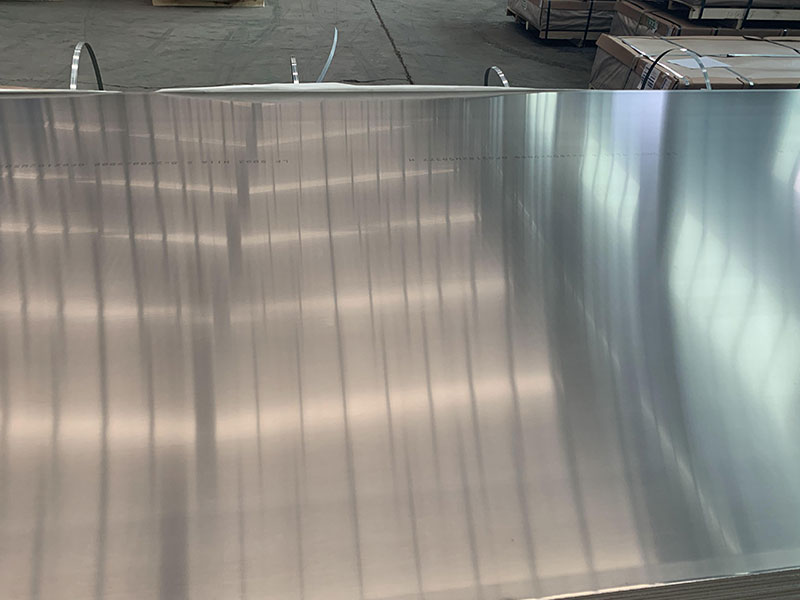
Marine 5383 aluminum sheet
5383 aluminum is a strain-hardened, non-heat-treatable alloy from the 5xxx series primarily alloyed with magnesium. It exhibits a unique balance of corrosion resistance and mechanical properties particularly suited for marine applications.
View Details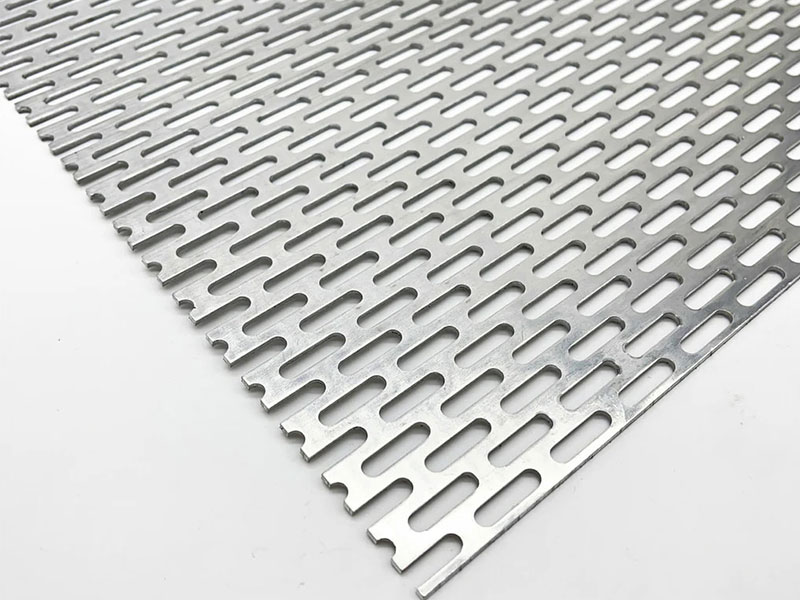
Marine perforated aluminum sheets
Marine Perforated Aluminum Sheets feature a series of uniform holes or shapes punched through the aluminum surface. These perforations can vary in size, pattern, and open area to tailor the sheets for specific applications.
View Details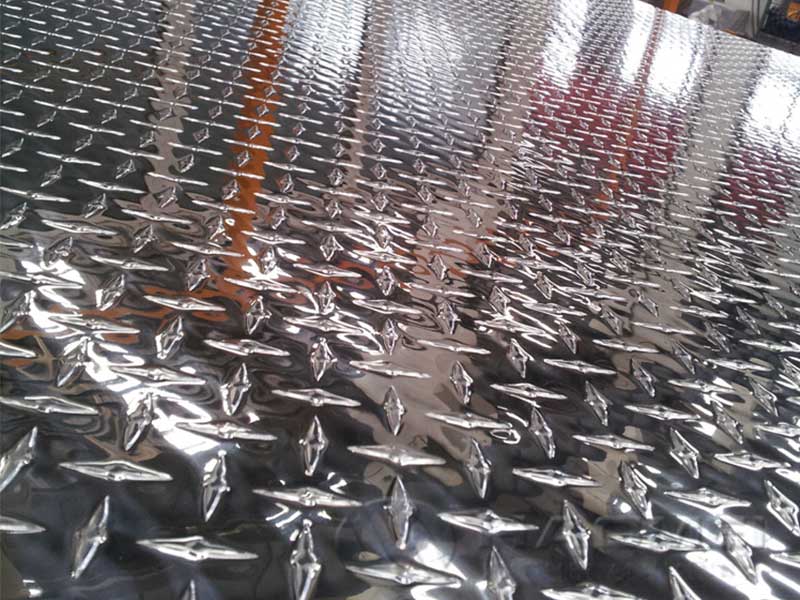
Marine Aluminum Tread Sheets
Marine Aluminum Tread Sheets are aluminum alloy plates featuring a raised surface pattern, commonly referred to as a tread design or diamond plate.
View Details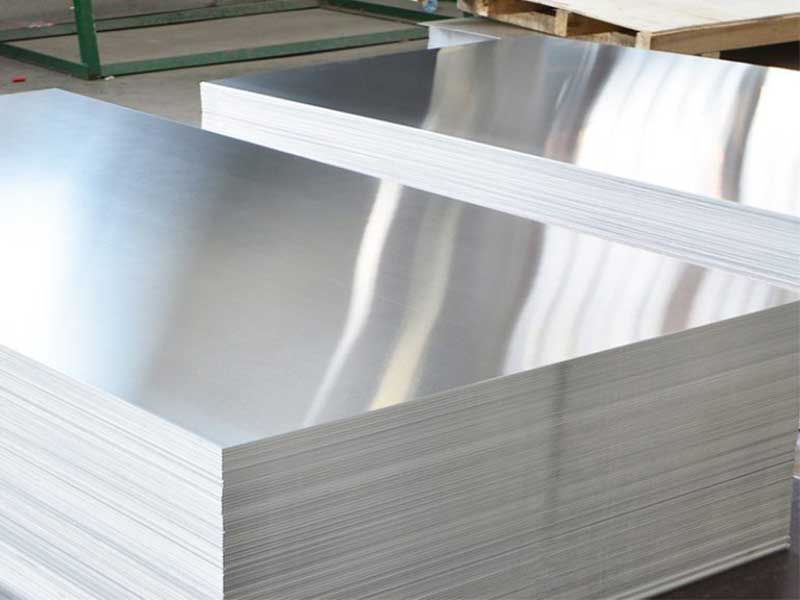
Marine anodized aluminum sheets
Marine Anodized Aluminum Sheets start with premium marine-grade aluminum alloys such as 5000 and 6000 series (typically 5083, 5052, and 6061).
View Details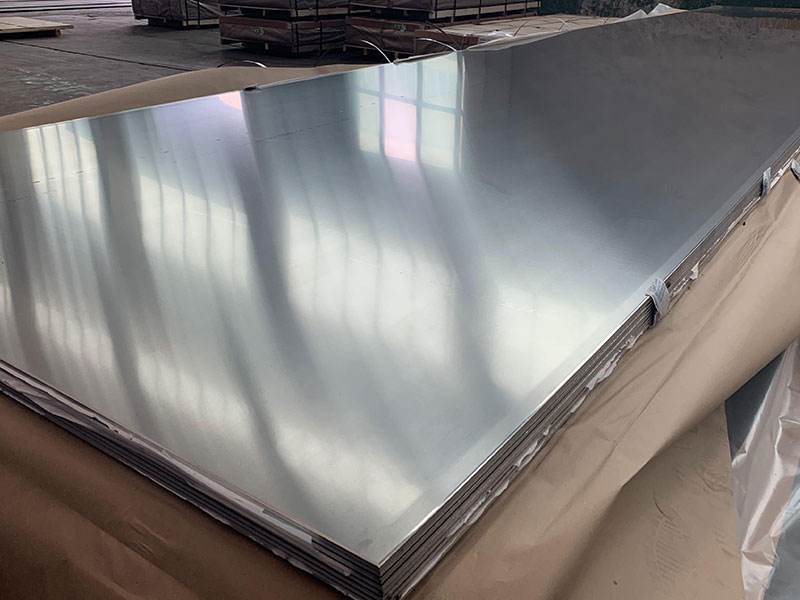
Marine 5086 aluminum sheet
This product article provides an in-depth and comprehensive understanding of Marine 5086 Aluminum Sheets, including their chemical composition, mechanical properties, corrosion resistance, fabrication capabilities, and typical marine applications.
View Details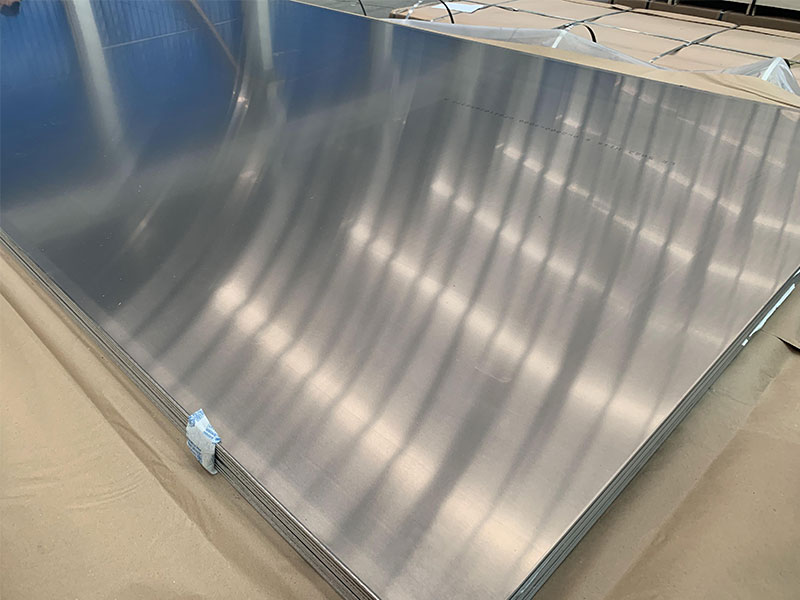
Marine 5052 aluminum sheet
Aluminum alloy 5052 is a non-heat-treatable, strain-hardened alloy with magnesium as the primary alloying element. It is designed to offer superior corrosion resistance in marine and saline environments, making it a dependable choice for components exposed directly to seawater or coastal atmospheric conditions.
View DetailsRelated Blog
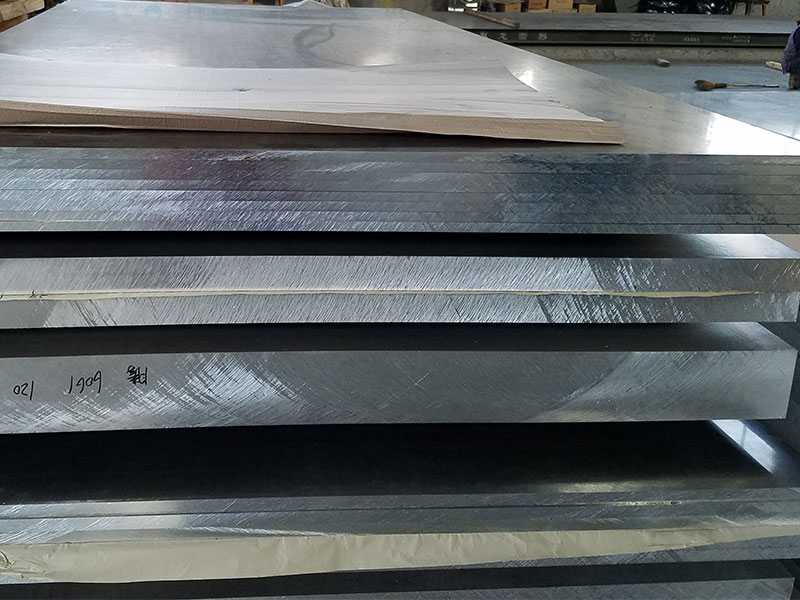
Aluminum coil 5052 H32 1.6mm thick for coated boat
Aluminum coil 5052 H32 1.6mm thick is a premium-material choice widely trusted in marine engineering, particularly for coated boat structures. It offers an excellent balance between strength, corrosion resistance, and workability.
View Details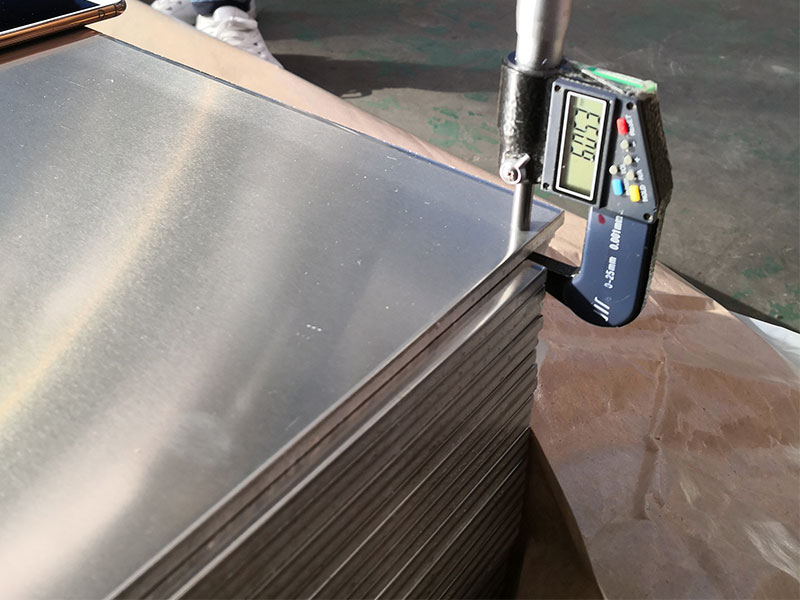
5052 5083 marine grade aluminium sheet for boat
Marine grade aluminium alloys 5052 and 5083 are among the most widely used non-heat-treatable alloys for shipbuilding, small vessels, and marine components. They combine good corrosion resistance in seawater, excellent weldability and formability.
View Details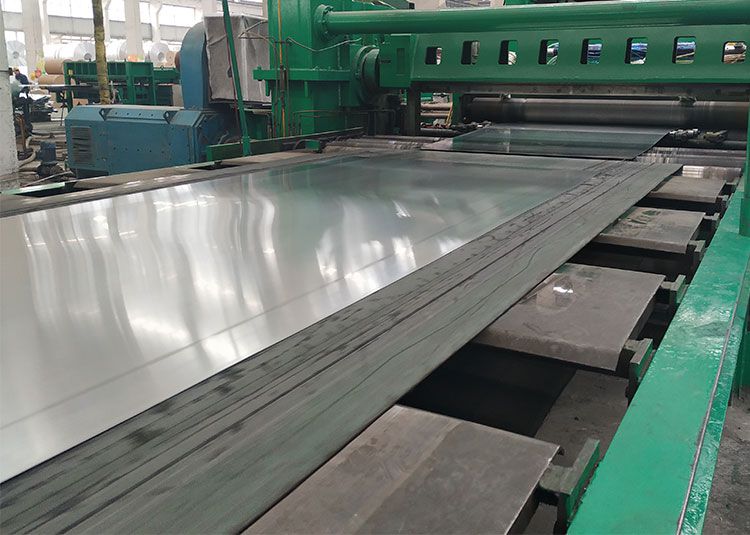
Marine grade aluminum for ship building aluminium sheet 5052 h111
Superior strength, corrosion resistance, and durability of marine grade aluminum 5052 H111 aluminum sheets, ideal for shipbuilding applications requiring high fatigue strength and excellent seawater performance.
View Details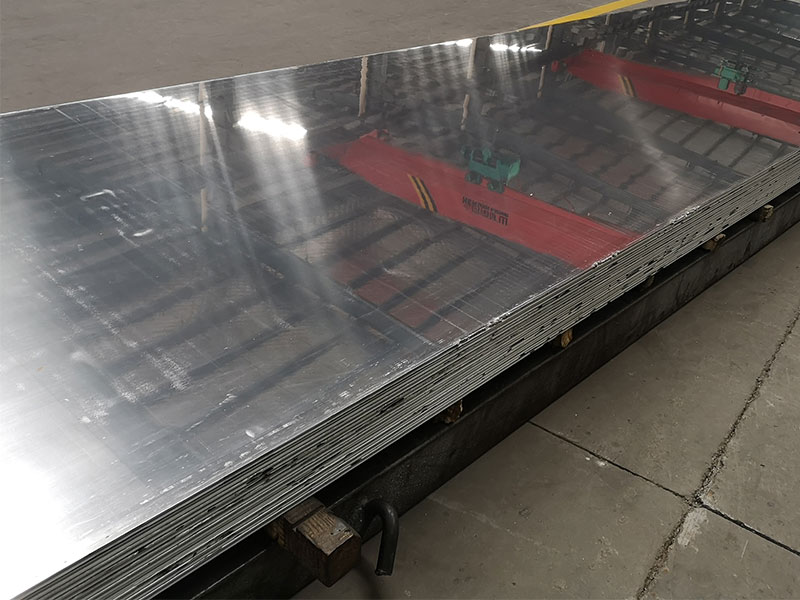
5052 5083 5086 Marine Grade Aluminium Sheet for Boat Building
Marine-grade aluminum is essential for constructing durable, lightweight vessels capable of withstanding harsh marine environments. In particular, 5052, 5083.
View Details
6063 t5 marine 5052 aluminum sheet
When it comes to marine-grade aluminum, the 6063 T5 marine 5052 aluminum sheet stands out as a prime material known for its remarkable corrosion resistance, strength, and versatility in various marine and industrial applications.
View Details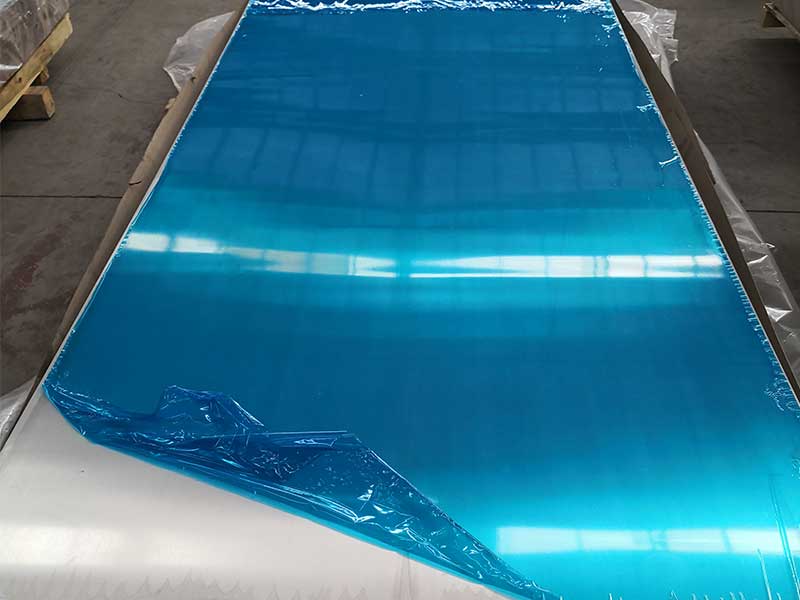
Aluminum Sheets 5052 H32 Ship Building
Aluminum Sheets 5052 H32 are widely used in shipbuilding because they combine excellent corrosion resistance, good strength, light weight, and reliable weldability.
View Details
Leave a Message