
AA 5083 505 5754 aluminum sheet plate for ship building
Marine aluminum alloys such as AA 5083, 5052, and 5754 have become the backbone of modern shipbuilding due to their exceptional strength, corrosion resistance, and lightweight nature. These aluminum sheet plates are widely used by shipyards and marine engineers for constructing hulls, superstructures, and other essential marine components that demand durability under extremely harsh environments.
Why Choose AA 5083, 5052, and 5754 Aluminum Sheets for Ships?
In marine applications, exposure to saltwater and moisture speeds up the corrosion and degradation rate of many metals. Aluminum alloys tailored for the marine industry combat this effortlessly while maintaining high mechanical strength and lower weight compared to steel, ultimately enhancing the fuel efficiency, load capacity, and lifespan of vessels.
- AA 5083 is one of the most popular aluminum alloys for shipbuilding, known for its excellent corrosion resistance and high strength.
- AA 5052 offers superb corrosion resistance with good formability and is also used for structural and non-structural components in ships.
- AA 5754 combines strength and workability, often suitable for ship interiors and exhaust line parts.
Together, these alloys serve multiple functions - from structural supports, decks, and ballast tanks to superstructure panels and interior claddings.
Alloy Temper Conditions and Implementation Standards
The performance of marine aluminum depends not only on the alloy itself but also on its temper or heat treatment status. Common temper conditions of these alloys for shipbuilding are:
| Alloy | Temper Condition | Description |
|---|---|---|
| 5083 | H116, H321 | Strain-hardened and stabilized for preservation of mechanical properties after welding; improved resistance to marine corrosion |
| 5052 | H34, H36, H38 | Strain hardening for strength with good formability |
| 5754 | H22, H111 | Partially annealed temper ideal for forming and strengthening |
Shipbuilding quality standards ensure consistent material performance on marine vessels. Commonly referenced implementation standards are:
| Standard | Regions | Application |
|---|---|---|
| ASTM B209 | USA and global | Standard specification for aluminum and aluminum-alloy sheet and plate |
| EN 485-2 (European Norm) | Europe | Aluminum sheet, strip, and plate – mechanical properties |
| JIS H4000 | Japan | Japanese Industrial Standard for aluminum plates |
| GB/T 3190/GB/T 3880 | China | Chemical composition and mechanical properties for aluminum alloys |
Complying with these certifications guarantees materials suitable for demanding seawater exposure and structural integrity.
Chemical Composition of AA 5083, 5052, and 5754
Chemical composition is at the core of corrosion resistance, weldability, and strength characteristics of marine aluminum sheets.
| Element (%) | AA 5083 | AA 5052 | AA 5754 |
|---|---|---|---|
| Aluminum (Al) | Balance | Balance | Balance |
| Magnesium (Mg) | 4.0 – 4.9 | 2.2 – 2.8 | 3.0 – 4.0 |
| Manganese (Mn) | 0.4 – 1.0 | 0.1 | 0.5 – 1.0 |
| Chromium (Cr) | 0.05 – 0.25 | Up to 0.1 | 0.15 – 0.35 |
| Iron (Fe) | Up to 0.4 | Up to 0.4 | Up to 0.4 |
| Zinc (Zn) | Up to 0.25 | Up to 0.1 | Up to 0.2 |
| Silicon (Si) | Up to 0.4 | Up to 0.25 | Up to 0.4 |
The higher magnesium content in 5083 lends it outstanding strength and seawater corrosion resistance, particularly on hull plates subjected to wave impacts and stresses.
Mechanical Properties and Technical Specifications
Mechanical properties are pertinent to enhance structural safety and welding quality on marine vessels.
| Property | AA 5083-H116 | AA 5052-H34 | AA 5754-H22 |
|---|---|---|---|
| Ultimate Tensile Strength (MPa) | 305 – 350 | 210 – 260 | 195 – 300 |
| Yield Strength (MPa) | 215 – 275 | 140 – 210 | 130 – 220 |
| Elongation (%) | 12 – 16 | 10 – 20 | 10 – 24 |
| Density (g/cm³) | 2.66 | 2.68 | 2.67 |
| Hardness (Brinell) | 80 – 95 | 60 – 85 | 60 – 90 |
The superior strength and ductility synergy make these aluminum sheets highly flexible during manufacturing operations such as bending and welding, ideal for ship structural crafting.
Applications of AA 5083, 5052, and 5754 Sea-safe Sheets in Shipbuilding
The versatility of these alloys allows multifaceted marine applications:
- Hull Plates: AA 5083 serves havens of structural longevity for the bottom and sides of ships, balancing low weight and robustness.
- Decks and Superstructures: Their corrosion resistance keeps decks free from excessive oxidation damage.
- Fuel Tanks and Ballast Tanks: These components demand corrosion-proof materials to avoid leakage and contamination; AA 5083 and 5052 meet these demands outstandingly.
- Superstructure Panels and Cladding: Light yet sturdy aluminum sheets reduce overall weight, ensuring higher vessel performance.
- Marine Piping and Exhaust Systems: Annual corrosion seepage decreases due to good resistance of AA 5754 and 5052.
- Interior Ship Fittings: Good formability of AA 5754 makes it widely used for decorative and protective cladding inside vessels.

Related Products
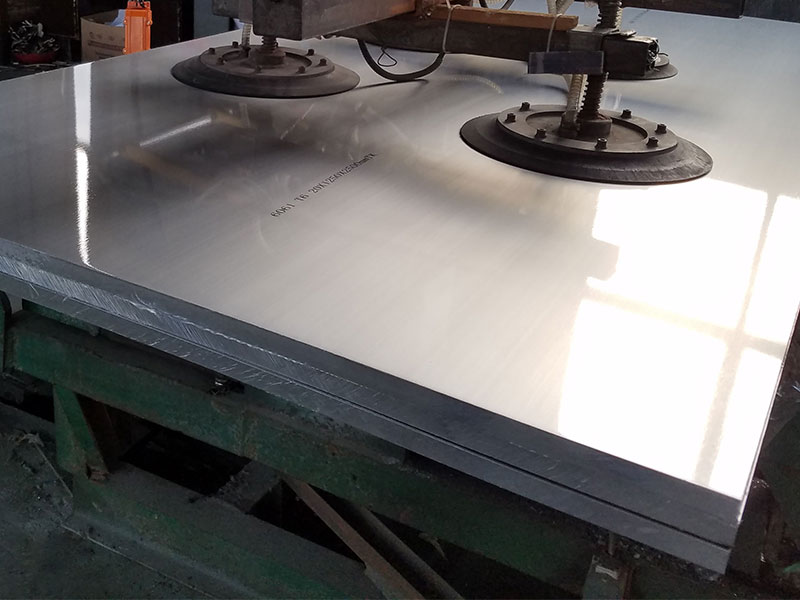
Marine heavy duty aluminum plate
Marine Heavy Duty Aluminum Plates Sheets generally refer to thick aluminum alloy plates and heavy gauge sheets produced from marine-grade alloys such as 5083, 5086, 5059, and 5383.
View Details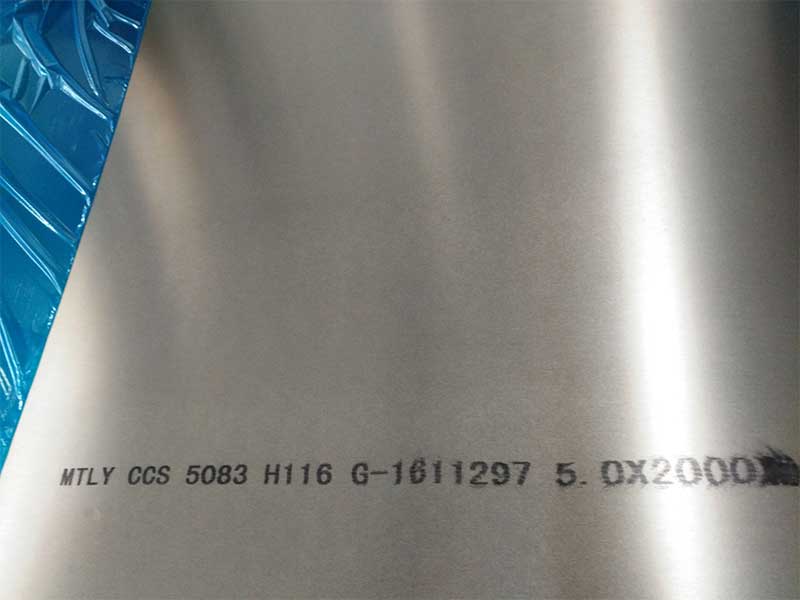
Marine 5083 aluminum plate
Marine 5083 Aluminum Plate belongs to the 5xxx series of aluminum-magnesium alloys and is classified as a non-heat-treatable alloy. Its high magnesium content (typically 4.0–4.9%) enhances its corrosion resistance, especially against seawater-related degradation such as pitting and stress corrosion cracking.
View Details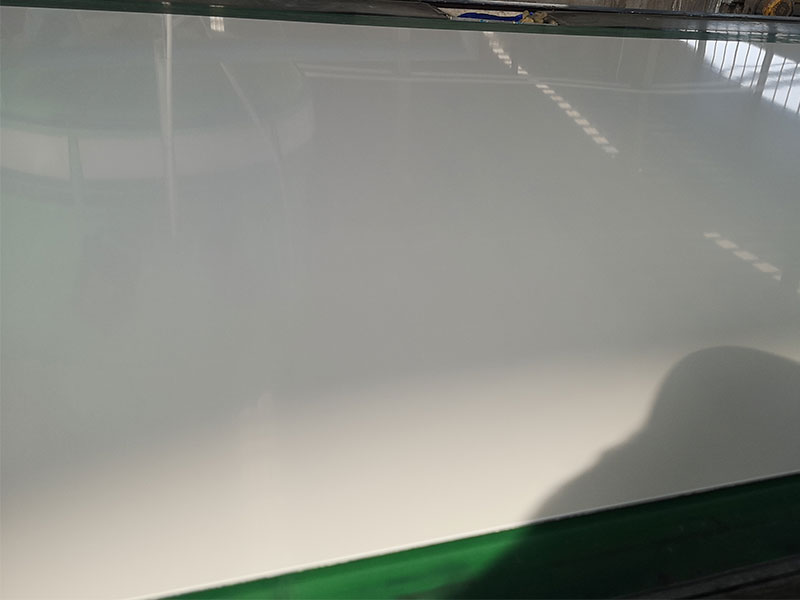
Marine 5086 aluminum plate
5086 Aluminum Plate belongs to the 5xxx series of aluminum-magnesium alloys. Its hallmark is a high magnesium content—generally between 4.0% and 4.9%—which delivers enhanced corrosion resistance, particularly against saltwater and marine atmospheric conditions.
View Details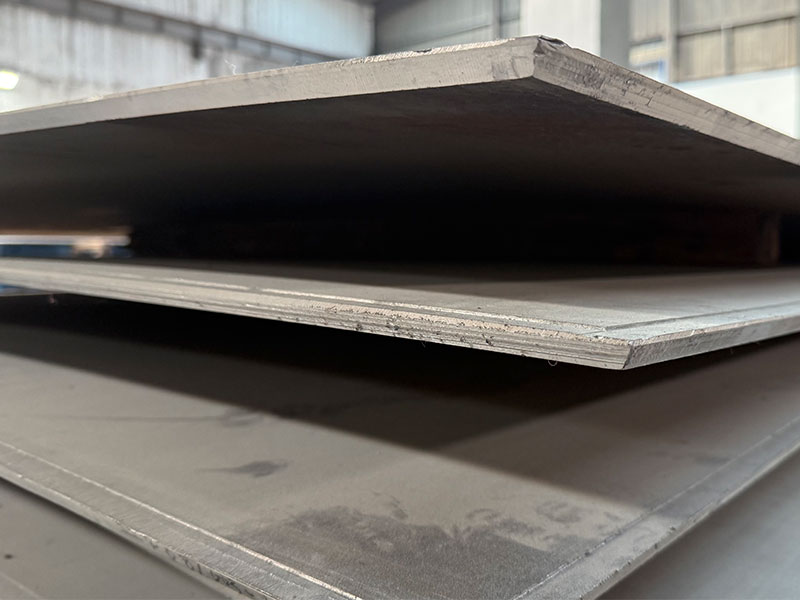
Marine aluminum steel clad plate
Aluminum / Steel Clad Plates consist of a sandwich construction in which a layer of marine-grade aluminum alloy is metallurgically bonded to a steel substrate.
View Details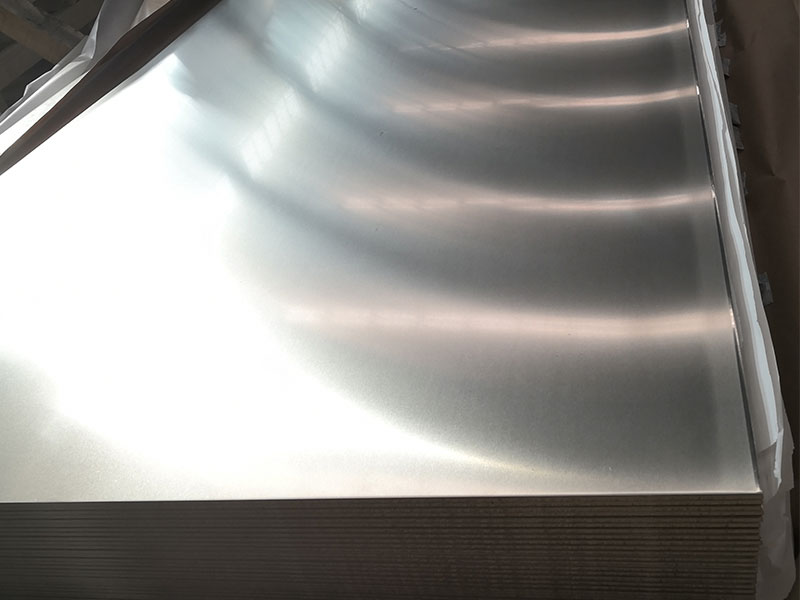
Marine 5052 aluminum plate
Marine 5052 Aluminum Plate is noted for its exceptional resistance to corrosion caused by seawater, salt spray, and marine atmospheres.
View Details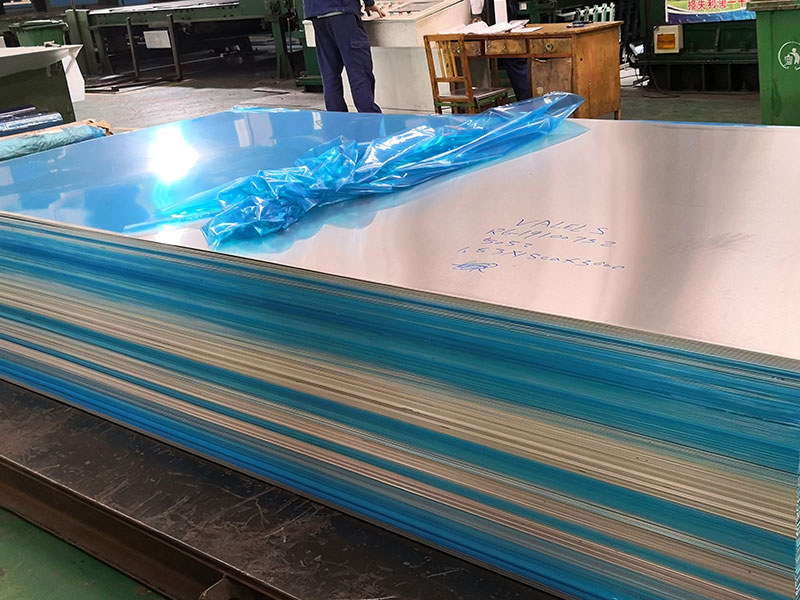
Marine 5059 aluminum plate
Marine 5059 Aluminum Plate is distinguished by its high magnesium content and carefully balanced alloying elements, designed to maximize strength without compromising corrosion resistance.
View DetailsRelated Blog

5052 5083 6063 h111 h22 h32 marine grade aluminum sheet plate
Marine projects demand materials that are lightweight, corrosion‑resistant, and reliable under harsh, salt‑water conditions. Among the most trusted options are the marine grade aluminum alloys 5052, 5083, and 6063 in tempers such as H111, H22, an.
View Details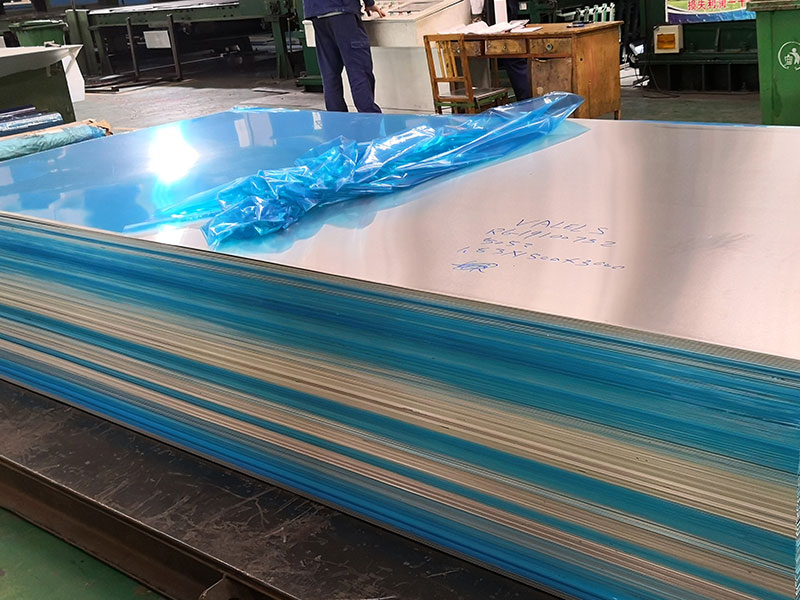
Aluminium plate boat fishing boat alloy 5083
Aluminium alloy 5083 is a high-strength, corrosion-resistant marine aluminium widely used for fishing boats, workboats, ferries, and other offshore structures. Its combination of mechanical performance, weldability.
View Details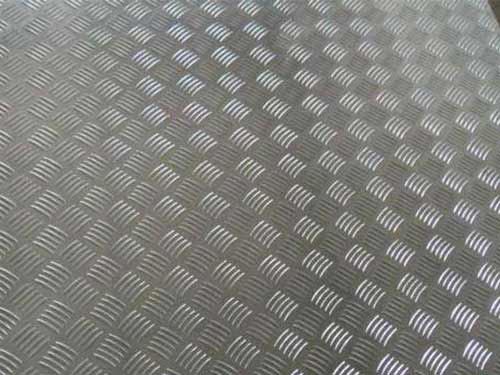
Marine 5083 5086 H116 Checkered Aluminum Plate for Deck Board
Premium Marine 5083/5086 H116 Checkered Aluminum Plate designed for deck boards. Boasting exceptional corrosion resistance, high strength, and durability, it meets marine industry standards for optimal performance in harsh sea environments.
View Details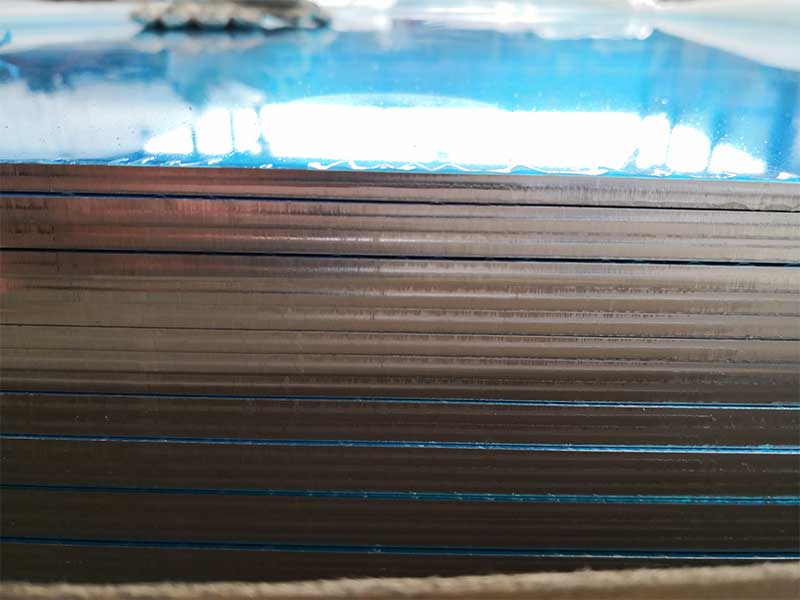
5083 Marine Grade Aluminum Plate for Shipbuilding
When people picture shipbuilding, they tend to imagine big welds, thick steel, and dramatic launches. Yet some of the most important decisions are almost invisible: alloy choice, temper condition, plate flatness.
View Details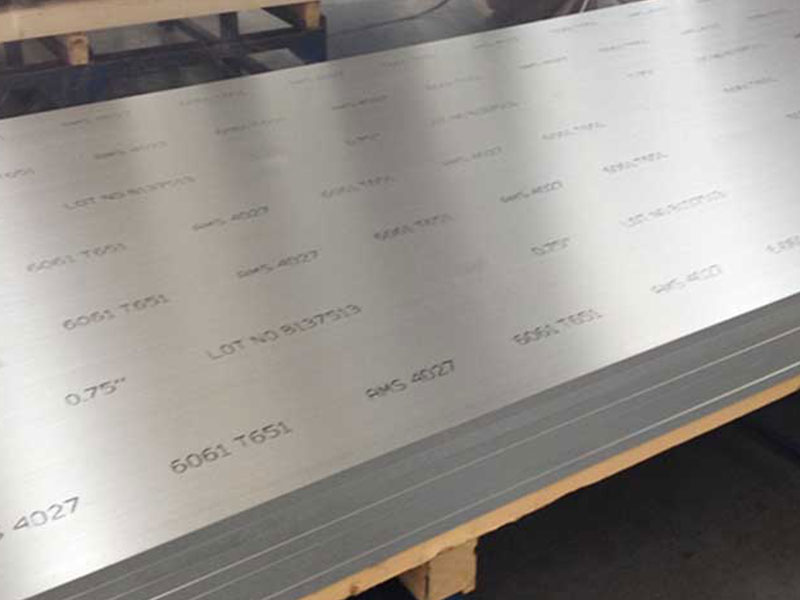
AA 5083 505 5754 aluminum sheet plate for ship building
Marine aluminum alloys such as AA 5083, 5052, and 5754 have become the backbone of modern shipbuilding due to their exceptional strength, corrosion resistance, and lightweight nature.
View Details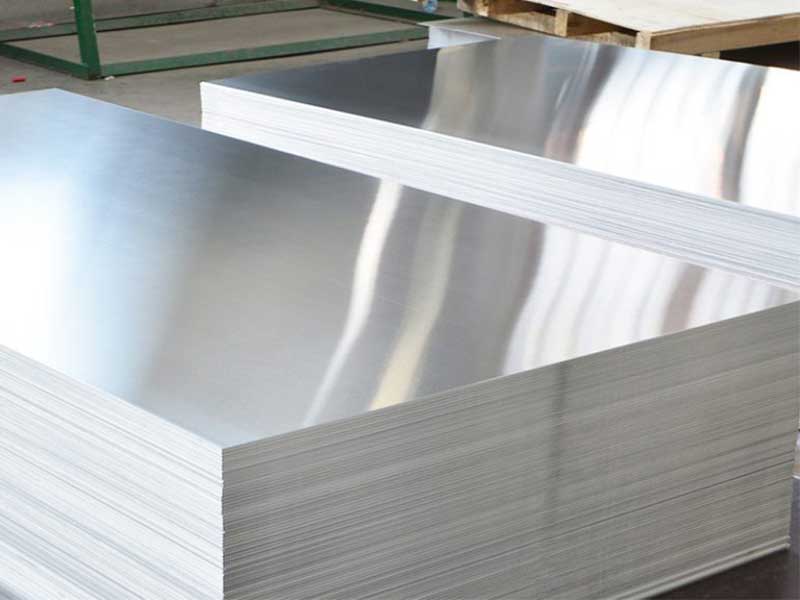
7.5 mm marine grade 5083 h16 h22 aluminium sheet plate
Marine environments are notoriously harsh, subjecting materials to saltwater corrosion, mechanical stress, and temperature fluctuations. Among the materials engineered to withstand these conditions, 7.
View Details
Leave a Message