
5083 Marine Aluminum Tubes for Saltwater Proof Boat Hulls
When builders talk about a saltwater-proof boat hull, the conversation often gets stuck on a single idea: corrosion resistance. That's necessary, but it's not the whole story. A hull is not a static object; it is a living structure that flexes, vibrates, absorbs impact, cycles through temperature swings, and constantly negotiates with chloride-rich seawater. From this perspective, 5083 marine aluminum tubes are not just "parts" that go into a hull. They behave like a structural circulatory system-carrying loads along frames, stringers, lattice members, and deck substructures while quietly resisting the slow chemical "weathering" that saltwater wants to impose.
This is why 5083 aluminum tube (Al-Mg alloy) has become a benchmark in marine fabrication: it combines excellent seawater corrosion resistance, strong as-welded performance, and reliable toughness for hull structures that must survive real ocean conditions rather than laboratory promises.
Why 5083 Aluminum Tubes Make Hulls Feel "Saltwater-Proof" in Real Service
The distinctive advantage of 5083 is not a magical coating effect. It's metallurgical behavior.
Saltwater corrosion is aggressive because chloride ions attack protective surface films on many metals. 5083 forms a stable aluminum oxide film, and its magnesium alloying supports a corrosion-resisting profile that performs exceptionally well in marine atmospheres and immersion environments. More importantly, 5083 is widely trusted for welded hull assemblies because it does not rely on heat-treatment strength that would be destroyed by welding in the first place.
A tube used in a boat hull is often a load path that sees bending and local buckling forces. The marine builder's reality is that structural elements must remain robust even after fabrication heat input, fit-up correction, and long-term cyclic motion. 5083 marine aluminum tubes are chosen because they hold their integrity in those messy, real manufacturing conditions.
What "Saltwater-Proof" Really Means for a Tube-Based Hull Structure
A hull built with tubes is essentially an engineered skeleton. Tubes are efficient because they provide high stiffness-to-weight, but they also introduce concentration points at weld toes, cut ends, drainage points, and bracket connections. So "saltwater-proof" must account for:
Resistance to pitting and crevice corrosion in splash zones and bilge areas
Compatibility with welded fabrication, including HAZ behavior and joint integrity
Fatigue resilience under wave slam, engine vibration, and repeated flexing
Galvanic management when other metals are nearby (fasteners, fittings, bonded systems)
5083 does not eliminate the need for good marine design, but it reduces the metal's tendency to become the weak link.
Typical Applications of 5083 Marine Aluminum Tubes in Boat Hulls
Boat hull performance often depends on what you don't see. 5083 tubes frequently show up as:
Hull frames and transverse members where stiffness and corrosion resistance must coexist
Stringers and longitudinals that carry bending loads along the hull
Deck beams, superstructure supports, T-top frames, and catamaran cross members
Pipe-like structural members used to reduce weight while keeping rigidity high
Where weight savings directly improves speed, fuel efficiency, and payload, 5083 aluminum tubing becomes a strategic structural choice rather than a commodity.
Parameters That Matter: Dimensions, Tolerances, and Surface Condition
A marine tube is not simply "round aluminum." The parameters that most influence success in a boat hull include:
Outer diameter and wall thickness chosen to prevent local buckling under compressive wave loads
Straightness and ovality control to keep weld gaps consistent and reduce distortion
Surface finish to reduce crevice traps and improve coating adhesion if coatings are used
End preparation and drainage detailing to avoid stagnant saltwater pockets inside sections
Manufacturers commonly supply tubes in a range of OD and wall thickness combinations based on project needs. In hull skeletons, designers often prefer thicker walls than non-marine applications, because marine structures live in a world of impacts, point loads, and weldments.
Alloy Tempering and Condition: Why H116 and H321 Dominate Marine Use
For 5083 marine aluminum, temper is more than a strength label-it's a durability decision.
5083-H116 is widely specified for marine plate and structural components because it is processed to improve corrosion performance in marine environments, particularly resistance to exfoliation and stress corrosion behavior in typical seawater service.
5083-H321 is also common in marine structures and is stabilized after rolling, helping maintain good mechanical properties and service reliability.
5083-O exists as fully annealed material, useful when extreme forming is required, but it is generally not the first choice for structural hull members where strength is central.
For boat hull tubes, H116 and H321 are frequently preferred because they represent a balanced "marine-ready" condition-good strength, good weldability, and excellent corrosion resistance.
Implementation Standards and Common Marine Specification Expectations
Marine aluminum is only as trustworthy as its documented compliance. Depending on region and project, 5083 aluminum tubes for hull structures are often produced or verified to standards such as:
ASTM B241/B241M for seamless aluminum and aluminum-alloy pipe and tube
EN 755 series for aluminum extrusions (often applicable when tubes are extruded)
ISO and marine classification expectations for structural documentation, traceability, and inspection practices
Welding standards frequently referenced in marine builds, including AWS D1.2 for structural welding of aluminum
In real boatbuilding, the "standard" isn't just paperwork. It affects chemical limits, mechanical properties, inspection requirements, and the repeatability of tube performance across multiple hulls.
Welding and Fabrication: The Tube's "Truth Test" in Hull Construction
A unique advantage of 5083 in a tube-based hull system is how it behaves after welding. Because 5083 is not strengthened by precipitation heat treatment like 6xxx or 7xxx alloys, it avoids the dramatic post-weld strength drop associated with heat-treatable alloys. That makes it highly practical for hull frameworks with many joints.
Common marine welding practices include:
GMAW (MIG) and GTAW (TIG) processes, chosen based on section thickness and access
Typical filler metals such as ER5356 or ER5183 depending on strength and corrosion requirements
Attention to heat input, joint design, and cleaning to avoid porosity and lack of fusion
A tube structure also demands smart detailing: smooth transitions, minimized notch effects, and proper drainage/venting if tubes are sealed or partially enclosed.
Chemical Properties Table: 5083 Marine Aluminum Alloy Composition
5083 is an Al-Mg alloy with manganese and chromium additions that contribute to strength and corrosion behavior. The table below lists typical composition limits used in common specifications (exact limits can vary slightly by standard and mill practice).
5083 Aluminum Alloy Chemical Composition (Typical Limits, wt%)
| Element | Composition (wt%) |
|---|---|
| Aluminum (Al) | Remainder |
| Magnesium (Mg) | 4.0 – 4.9 |
| Manganese (Mn) | 0.4 – 1.0 |
| Chromium (Cr) | 0.05 – 0.25 |
| Silicon (Si) | ≤ 0.40 |
| Iron (Fe) | ≤ 0.40 |
| Copper (Cu) | ≤ 0.10 |
| Zinc (Zn) | ≤ 0.25 |
| Titanium (Ti) | ≤ 0.15 |
| Others (each) | ≤ 0.05 |
| Others (total) | ≤ 0.15 |
This chemistry helps explain why 5083 "feels" marine-native: magnesium supports strength and corrosion performance, while Mn and Cr contribute to structural stability and resistance characteristics important for long-life seawater exposure.
Mechanical Property Expectations: What Builders Typically Target
Mechanical properties vary with temper, thickness, and product form. For marine hull tube applications, designers typically align their expectations with H116 or H321 property ranges. The is not only ultimate strength but also yield strength, elongation, and toughness-because boats don't fail only by overload; they fail by fatigue, denting, and long-term cyclic damage.
If you're specifying tubes for a saltwater boat hull, it's best to confirm:
Temper designation and certification
Minimum yield and tensile strength requirements tied to thickness
Inspection requirements for dimensional accuracy, surface quality, and traceability
Corrosion Reality Check: How 5083 Helps You Win the "Hidden Battles"
Saltwater corrosion often starts where nobody looks: under insulation, inside wet bilges, at lap joints, at poorly drained tube ends, beneath deposits, or in crevices around brackets. 5083's corrosion resistance gives you margin, but a truly saltwater-proof hull mindset includes:
Avoiding dissimilar metal contact without isolation strategies
Designing drainage paths so seawater doesn't become trapped
Using proper surface preparation before coating or painting
Preventing crevices where stagnant chloride solutions can concentrate
In other words, 5083 is a powerful baseline material, and good marine engineering turns that baseline into decades of service life.
The Bottom Line: 5083 Marine Aluminum Tubes as a Hull "Insurance Policy"
From the "living structure" viewpoint, 5083 marine aluminum tubes work because they balance what boat hulls actually demand: corrosion resistance under chloride attack, structural reliability after welding, and strength that supports lightweight design without sacrificing ruggedness. When produced to recognized standards and specified in marine-appropriate tempers such as H116 or H321, 5083 becomes one of the most dependable choices for builders who want a hull that stays strong, clean, and serviceable in the long relationship between metal and sea.

Related Products
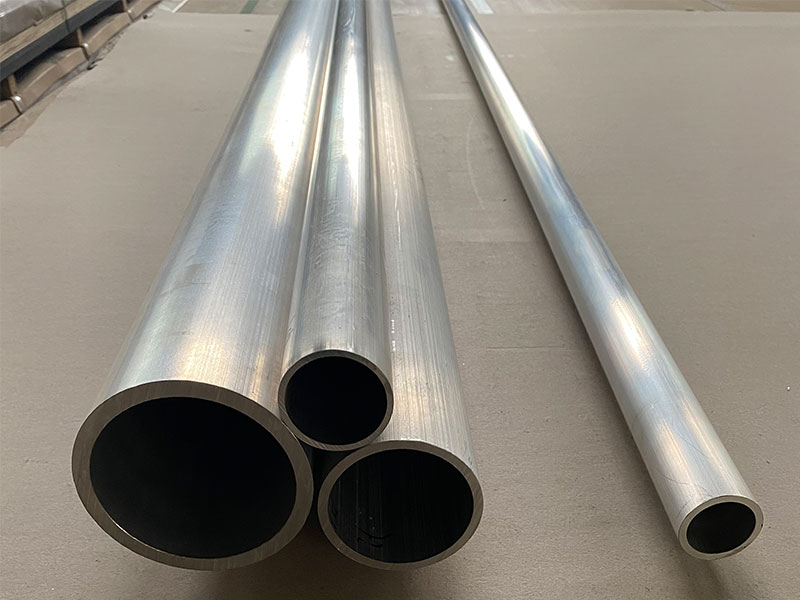
Marine aluminum round tubes
Marine Grade Aluminum Round Tubes are manufactured from premium marine alloys such as 5083, 5052, 6061, and 6082, all selected for their proven resistance to seawater corrosion and marine atmosphere degradation.
View Details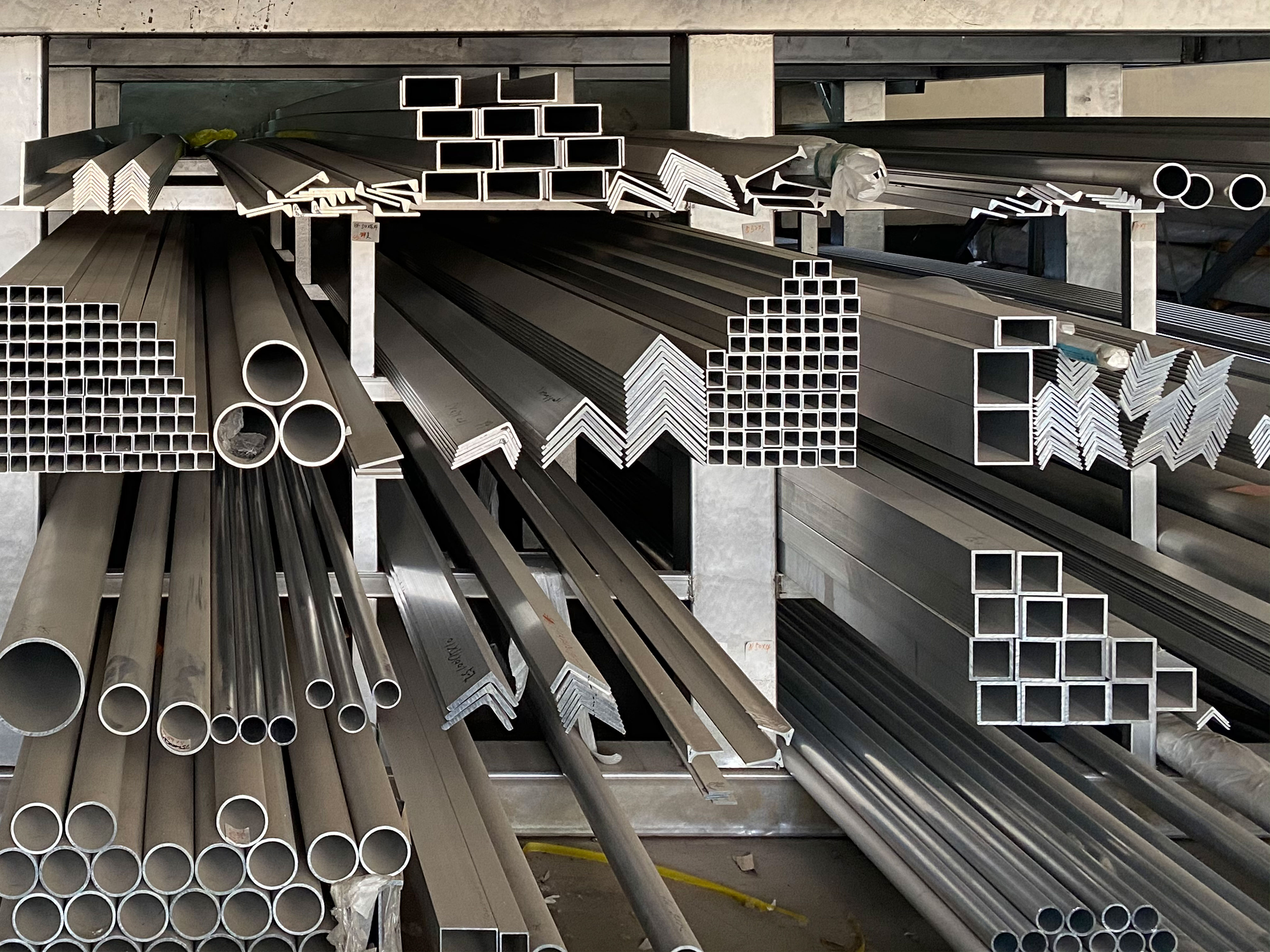
Custom marine aluminum profile tubes
Custom Marine Grade Aluminum Profile Tubes are manufactured from premium marine aluminum alloys such as 5083, 5052, 6061, and 6082.
View Details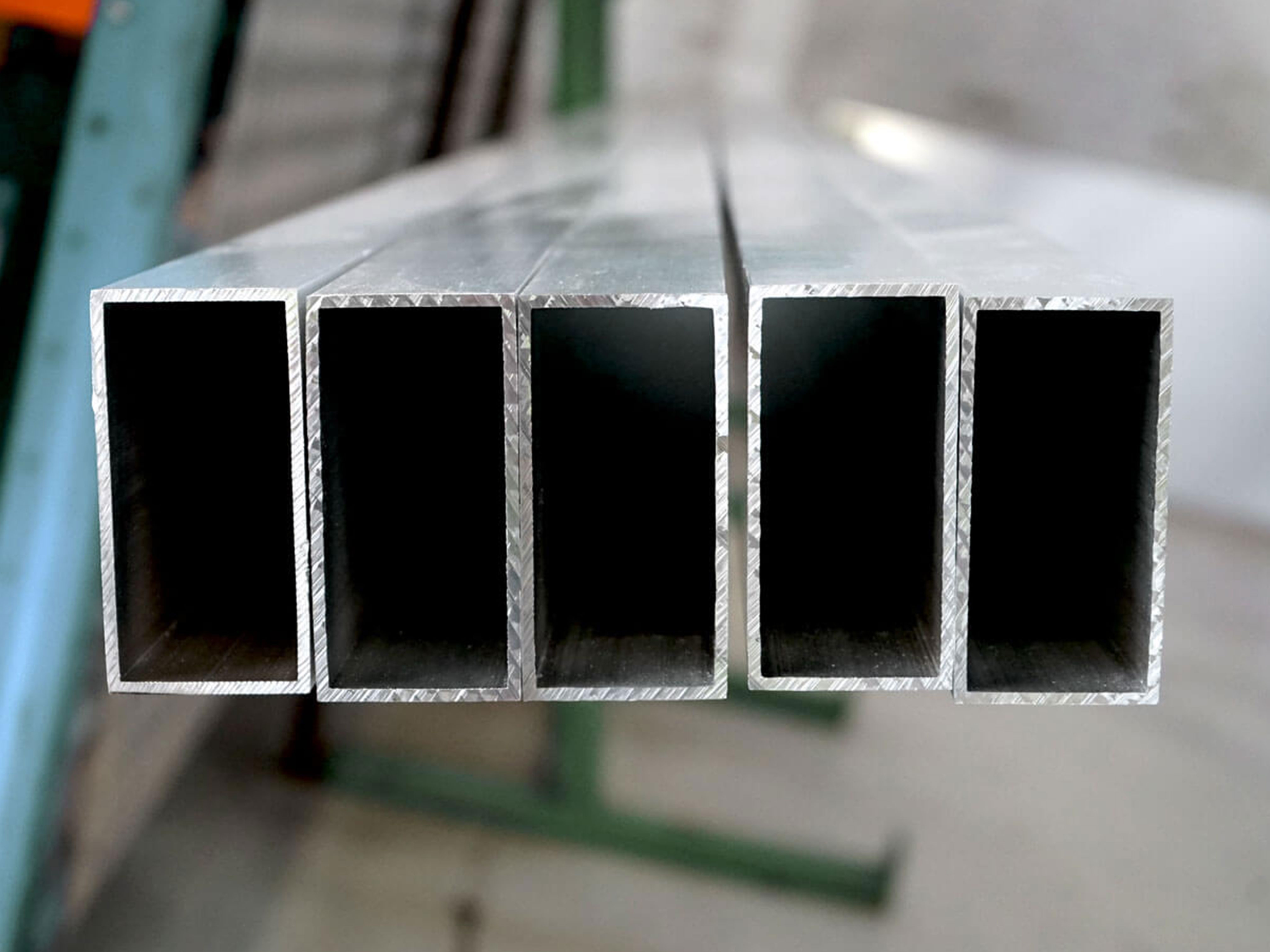
Marine aluminum rectangular tubes
Marine Grade Aluminum Rectangular Tubes are made from high-performance alloys such as 5083, 5052, 6061, and 6082. These alloys are renowned for their ability to resist corrosive seawater and marine atmospheres while providing excellent mechanical strength and toughness.
View Details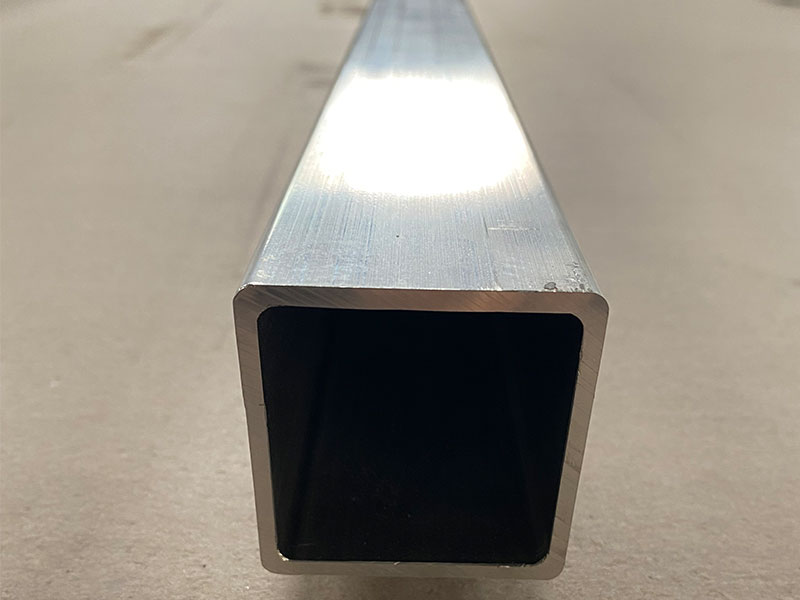
Marine aluminum square tubes
Marine Grade Aluminum Square Tubes are typically constructed from marine-grade alloys such as 5083, 5052, 6061, and 6082—well-known for their ability to withstand the aggressive effects of saltwater and marine atmospheres.
View Details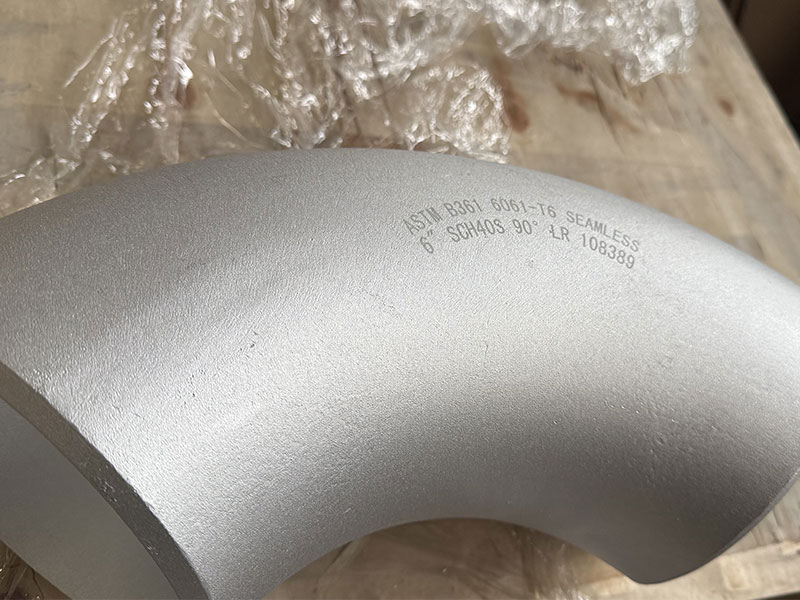
6061-T6 90-Degree Marine Aluminum Pipe Elbow
Manufactured from premium 6061-T6 marine-grade aluminum alloy, this elbow fitting is engineered to provide reliable and efficient pipe direction changes within shipbuilding, offshore platforms, and marine infrastructure systems.
View DetailsRelated Blog
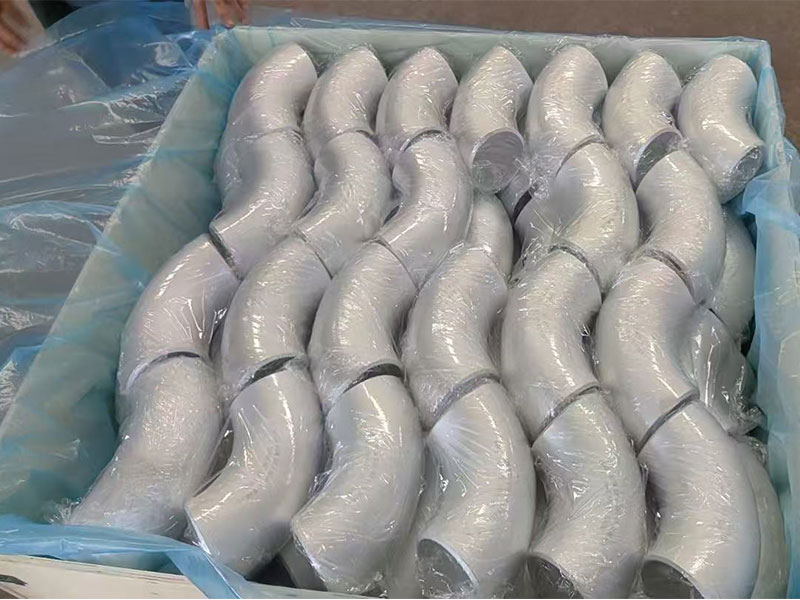
5083 Marine Aluminum Tubes for Saltwater Exposure Resistance
In the marine world, corrosion is never just a surface problem. It is a slow negotiation between metal, salt, oxygen, moisture, stress, and time. Among the aluminum alloys used in offshore structures, shipbuilding, dock systems, desalination equipment.
View Details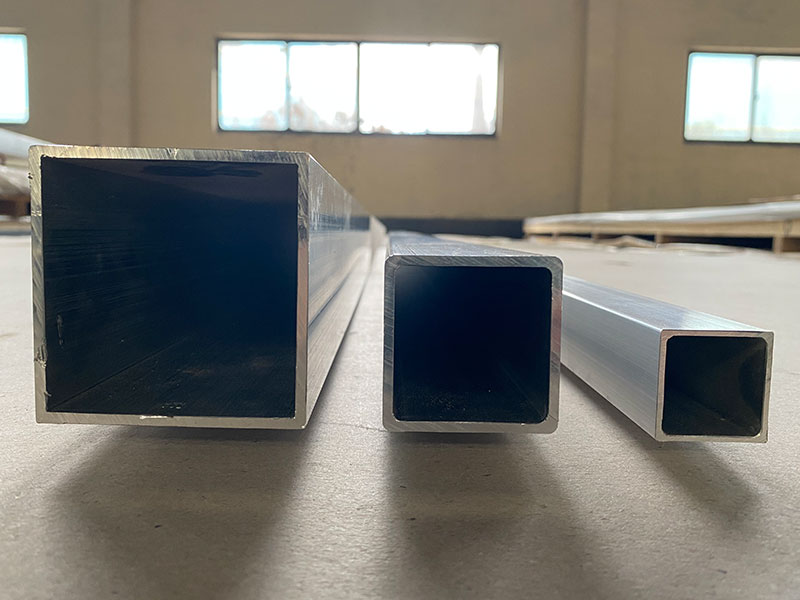
5083 Marine Aluminum Tubes for Commercial Marine Parts
When it comes to commercial marine parts, durability, corrosion resistance, and strength are non-negotiable. Among various materials used in the marine industry, 5083 marine aluminum tubes is know as a premium choice.
View Details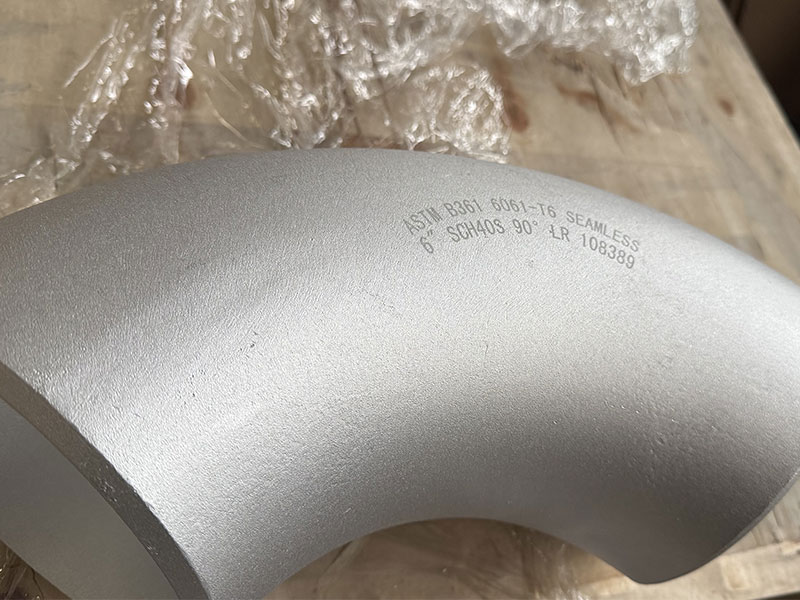
5083 Marine Aluminum Tubes for Saltwater Environment Durability
When it comes to marine applications, durability, corrosion resistance, and mechanical performance are paramount for structural materials. Among the various aluminum alloys available, 5083 aluminum alloy stands out as a premium choice.
View Details
5083 Marine Aluminum Tubes for Ship Hull Reinforcement Materials
When it comes to building and reinforcing ship hulls, selecting the right material is critical for durability, strength, and resistance to the harsh marine environment.
View Details
5083 Marine Aluminum Tubes for Saltwater Proof Boat Hulls
When builders talk about a saltwater-proof boat hull, the conversation often gets stuck on a single idea: corrosion resistance. That's necessary, but it's not the whole story.
View Details
5083 Marine Aluminum Tubes for Coastal Boat Engineering Solutions
In coastal boat engineering, selecting materials that offer superior performance, durability, and resistance to harsh marine environments is critical. 5083 marine aluminum tubes present an exceptional solution.
View Details
Leave a Message