
5052 Marine Aluminum Angles for Durable Marine Frame Solutions
5052 Marine aluminum angles for Durable Marine Frame Solutions
A technical, application‑driven perspective
5052 Marine aluminum angles are a backbone material in modern shipbuilding and offshore structures—quietly underpinning decks, bulkheads, railings, platforms, and countless auxiliary frames. What sets 5052 apart in marine framing is not just that it “resists corrosion,” but how its metallurgical design, temper options, and industry standards combine to provide a predictable, certifiable structural backbone that survives real marine abuse: salt fog, flexing, vibration, impact, and fatigue.
1. What Are 5052 Marine aluminum angles?
5052 is a non‑heat‑treatable Al–Mg alloy (magnesium ~2.2–2.8%) classified for excellent corrosion resistance in marine and industrial environments. In angle form—L‑shaped extrusions or formed profiles—it provides:
- Structural stiffness at low weight
- High resistance to seawater corrosion
- Good fatigue performance under cyclic loads
- Superior forming and weldability compared with many higher‑strength alloys
Angles (e.g., L50×50×5 mm) serve as “skeleton members” that maintain geometry and integrity of marine assemblies. Unlike thick plates or tubes, angles often interface with multiple surfaces and act as shape stabilizers rather than just raw strength providers.
2. The “Function Footprint” of 5052 Angles in Marine Systems
In marine design, 5052 angles are often specified not just for their mechanical strength, but for a combined function footprint: stiffness, weldability, ductility, and corrosion resistance working together where frames see multi‑directional demands.
functional roles:
Stiffening Components
- Longitudinal and transverse stiffeners on panels and decks
- Edge stiffeners for thin aluminum sheets or checker plate
- Corner stiffeners in cabins, superstructures, access hatches
Framing & Skeleton Elements
- Skid frames for equipment bases
- Framework for doors, windows, hoods, consoles
- Support grids for gratings and gangways
Connection & Load Transfer
- Frame transitions between flat decks and vertical bulkheads
- Trim reinforcement along fairings and claddings
- Backing members for bolted hardware (e.g., cleats, brackets, racks)
Protective and Support Edges
- Perimeter frames for panels subject to impact
- Protection on edges of flooring, lockers, container racks
In each of these functions, the “marine suitability” of 5052 is more than corrosion resistance; it’s the fact that it behaves predictably under forming, welding, and service vibration while immersed or cyclically wet.
3. Why 5052 for Marine Frames vs Other Aluminum Alloys?
A simplified comparison of marine alloys in framing applications:
| Alloy | System | Advantage | Main Trade‑off |
|---|---|---|---|
| 5052 | Al–Mg | Best balance of marine corrosion resistance + workability + cost | Medium strength vs 5083/6061 |
| 5083 | Al–Mg–Mn | Higher strength, strong structural plates | Harder forming, more crack‑sensitive in tight bends |
| 6061 | Al–Mg–Si | High T6 strength, machinability | Strongly affected by welding (HAZ weakening), lower seawater resistance |
| 6063 | Al–Mg–Si | Excellent extrudability and surface finish | Lower strength; suited to light, decorative profiles |
5052 is commonly chosen for angles when:
- Corrosion resistance in salt spray and immersion is a priority
- Angles must be cut, bent or adjusted on site without cracking
- Frames will be welded on a workboat, yacht, barge, fish farm, platform, or dock infrastructure
- Life‑cycle cost (repair and replacement) must be minimized
4. Chemical Composition of 5052 Marine Aluminum
5052 is regulated by standards such as ASTM B221 and EN 573‑3. A typical allowable composition range:
| Element | Content (wt%) |
|---|---|
| Aluminum (Al) | Balance (~95.7 – 97.2) |
| Magnesium (Mg) | 2.2 – 2.8 |
| Chromium (Cr) | 0.15 – 0.35 |
| Manganese (Mn) | ≤ 0.10 |
| Iron (Fe) | ≤ 0.40 |
| Silicon (Si) | ≤ 0.25 |
| Copper (Cu) | ≤ 0.10 |
| Zinc (Zn) | ≤ 0.10 |
| Others (each) | ≤ 0.05 |
| Others (total) | ≤ 0.15 |
Why this chemistry is “marine friendly”:
- Magnesium (2.2–2.8%) provides solid‑solution strengthening and excellent seawater corrosion resistance, particularly in chloride environments.
- Chromium improves recrystallization resistance and contributes slightly to corrosion and strength stability, especially after cold work.
- Tight limits on Cu and Fe are crucial: both can form intermetallics that act as cathodic sites and trigger localized pitting; keeping them low preserves uniform corrosion behavior.
5. Mechanical Properties and Typical Temper Options
5.1 Common Tempers in Marine Angles
5052 is a strain‑hardenable (cold‑work hardened) alloy, not hardenable by heat‑treating like 6xxx. Marine angles are most often supplied as:
- 5052‑H32: Half‑hard – most common structural temper
- 5052‑H111: Lightly strain‑hardened – good for tighter forming/bending
- 5052‑H34/H36/H38: Higher strength but progressively less formable (niche usage)
- 5052‑O: Fully annealed – for heavy forming, curved frames, or custom angle forming
5.2 Typical Mechanical Properties (H32 Temper)
(Values are indicative; exact numbers depend on dimension and standard.)
| Property | 5052‑H32 Typical |
|---|---|
| Tensile Strength Rm | 215 – 275 MPa |
| Yield Strength Rp0.2 | ≥ 130 MPa |
| Elongation (A50) | 7–14% (depending on thickness) |
| Brinell Hardness HBW | ~60–75 |
| Modulus of Elasticity | ~69 GPa |
| Poisson’s Ratio | ~0.33 |
| Density | 2.68 g/cm³ |
This properties balance is ideal for frame members that must support live loads but still accept on‑site fitting, trimming, and moderate bending without cracking.
6. Typical Product Parameters for Marine aluminum angles
6.1 Geometric Ranges
Marine 5052 L‑angles are manufactured as extruded or formed sections. Typical ranges:
- Leg (width): 20 – 200 mm (common sizes: 30×30, 40×40, 50×50, 75×75, 100×100 mm)
- Thickness: 3 – 12 mm (occasionally thicker for heavy duty frames)
- Leg Ratio: Equal angle (e.g., 50×50) and unequal (e.g., 50×30, 80×40)
- Length: Common ex‑stock lengths 6 m or 12 m; custom cutting often available
These parameters govern section modulus, moment of inertia, and therefore load capacity in marine frames.
6.2 Dimensional Tolerances
Typical commercial tolerances (refer to ASTM B221, EN 755‑9 as applicable):
- Leg width tolerance: ±0.5–1.0 mm depending on size
- Thickness tolerance: ±0.15–0.3 mm
- Squareness of legs: ±1–2°
- Straightness: often ≤1–2 mm per meter
For critical marine structural applications, designers combine shape check and straightness tolerance with CAD‑derived load models to ensure bearing surfaces align adequately.
7. Standard Implementation & Certification
Selecting 5052 marine angles is only part of reliability; ensuring they meet the right production and test standards completes the chain.
Common standards related to 5052 angles:
- ASTM B221 – Aluminum and Aluminum‑Alloy Extruded Bars, Rods, Wires, Profiles, and Tubes (5052 extruded angles)
- ASTM B209 – Flat Rolled Products (if angles are brake‑formed from sheet/plate)
- EN 573‑3 – Chemical composition of wrought aluminum alloys (designation system)
- EN 755 (1–9) – Extruded rod/bar/profiles and mechanical property requirements
For shipbuilding and offshore use:
- DNV, ABS, LR, BV, CCS rules may require:
- Material certificates (EN 10204 3.1)
- Traceability of heats/charges
- Mechanical test validation per batch
- Welding procedure qualifications when angles are welded in primary/secondary structures
Where 5052 is used in primary load‑bearing hull frameworks, classification rules sometimes recommend shift to higher strength 5xxx (like 5083) for main members, while 5052 angles serve secondary frames, added stiffeners, frame completions and outfitting structures.
8. Alloy Tempering: Engineering the Right 5052 for the Job
Since 5052 is non‑heat‑treatable, tempering is done through:
- Cold working (strain hardening) – rolling, drawing, forming; increases strength and hardness
- Possible subsequent low‑temperature stabilization – to balance stress and mechanical consistency
8.1 Choosing Temper by Application
5052‑H111
- Use for: Frames with many field‑bent corners, curved reinforcement, safety rail framing, custom radius supports.
- Behavior: Lower yield than H32, but better formability and reduced cracking risk in tight bends or roll‑forming.
5052‑H32
- Use for: General deck stiffeners, hatch frames, equipment bases, dock ramps, superstructure uprights and corners.
- Behavior: A workhorse temper. Right balance for most marine framing: strong enough for expected loads, yet weldable and workable.
5052‑O
- Use for: Deep‑drawn or sharply bent angles, very small radii, complex 3‑D frame fanning or torsional shapes that will later be stiffened.
- Behavior: Maximum ductility; usually strengthened by design geometry rather than by temper.
Post‑weld behavior:
5052, unlike 6061‑T6, does not lose strength dramatically at the weld zone, because no artificial age hardening is used. Weld zones generally conform to an “O‑like” condition but lack a severe penalty in service. This is valuable for frame design where full penetration fillet welds connect angles to plates and stiffeners.
9. Functional Applications in Marine Frame Solutions
9.1 Ship and Boat Structures
Deck Stiffeners & Borders:
Used under sheet decks stepwise at intervals; lighten and stiffen walkways, heli‑decks, cargo decks on aluminum vessels and workboats.Bulkhead Frameworks:
Angles create border frames for non‑watertight partitions or support for cladding in accommodation blocks, galleys, and wheelhouses.Superstructure & Cabins:
Profiling cabins needing both lightness and stiffness: window frames, roof border framings, instrument panels, canopy supports, and access hatches.Interior Fit‑Out:
Hold‑down members for floor panels, removable hatches, false ceilings, partition walls—particularly where structural loads are moderate but weight and corrosion resistance matter.
9.2 Offshore Platforms & Marine Equipment
Modular Skids & bases:
Pump skids, filter racks, and conveyor frames for offshore units often rely on 5052 angles due to their avalanche of qualities: easy on‑site change, no rust, easy welded patching.Walkways, Rails, Ladders:
Structural rails, toe‑boards, and side marches for marine access systems where frequent wetting/drying and salt fog exposure are typical.Floating Equipment & Platforms:
Fenders, wave barriers, floats, buoyancy devices’ internal skeleton where steel would demand heavy coating maintenance.
9.3 Port Infrastructure & Coastal Installations
Pontoons & Docks:
Perimeter reinforcement for floating docks, wave break pontoons, mooring walkways, and boarding ramps.Marina Fitments:
Boat lift framework details, boarding outfittings, mooring broke frames, signage supports.
When designed correctly, 5052 marine angles extend maintenance intervals: structures often need only routine inspection and occasional cleaning, with no regular heavy anti‑corrosion coating maintenance like steel.
10. Corrosion Performance in Marine Use
5052 exhibits selective but robust protection behavior:
General Seawater Resistance
The Al–Mg system creates a stable oxide/hydroxide surface, offering inherent passive protection.Stress Corrosion Cracking (SCC) Resistance
Compared to high‑strength 2xxx and 7xxx alloys, 5052 shows much better resistance to SCC, a consideration in frames that handle constant dynamic shifting loads (e.g., high‑speed craft).Galvanic Corrosion Control
In structures mixing aluminum and stainless steel fasteners:- 5052’s composition reduces severe localized pitting when strategic isolation (nylon washers, sealant beds, anodic coatings) is applied.
- Surface treatments home in on cooperating with seawater conditions rather than competing with them.
Surface Treatment Synergy
5052 accepts:- Anodizing (though less “brilliant” than 6xxx, but strongly protective)
- Marine paint, powder coating (for improved aesthetics and additional barrier protection)
A typical marine engineering strategy combines bare 5052 in nonvisible and less aggressive constants, resorting to coating/paint only for ultraviolet exposed, splash, or design/branding zones.
11. Design Considerations: Using 5052 Angles Effectively
11.1 Section Selection and Load Paths
Engineers should:
- Calculate section modulus (W) and moment of inertia (I) for selected angle size in major loading directions (about strong and weak axes).
- Check local buckling, especially with thin‑wall equal or unequal angles in compression.
- Align the leg orientation so tension/compression primarily addresses the thicker or longer leg when necessary.
11.2 Welding and Joining
- Use ER5356 or 5xxx welding wire for consistency in composition and corrosive environment compatibility.
- Maintain proper design length for fillet welds on angles (shear load distribution).
- Connectivity cross‑points (e.g., angles to deck plate) are designed for drainage and minimize crevice water accumulation.
11.3 Fatigue and Vibration Reliability
- Avoid stress risers at notch‑like geometry transitions; use small radii rather than sharp internal corners where possible.
- 5052’s moderated yield stress is advantageous: a slightly more ductile frame inadvertently can yield locally instead of cracking, minimizing sudden fracture.
5052 marine angle – indicative technical profile (H32)
| Category | Value / Range |
|---|---|
| Alloy series | 5xxx (Al–Mg) |
| Temper | H32 (half-hard) |
| Mg content | 2.2 – 2.8% |
| Typical yield strength | ≥130 MPa |
| Typical tensile strength | 215 – 275 MPa |
| Elongation | 7–14% |
| Marine corrosion resistance | Excellent in seawater |
| Workability/Formability | Good |
| Weldability | Excellent, minimal performance loss |
| Density | 2.68 g/cm³ |
| Common leg sizes | 20–200 mm |
| Thickness range | 3–12 mm |
| Standards | ASTM B221, EN 573, EN 755, classification society rules as applicable |
13. When 5052 Marine Angles Are the Optimal Solution
5052 Marine aluminum angles become the best fit when a marine engineer or designer faces these constraints:
- Constant/long‑term exposure to saltwater or aggressive marine atmosphere
- Need for modular or easily modified frame/layout
- Mix of welding, some local forming, and frequent handling loads
- Requirement for a long, low‑maintenance service life with reduced repainting or recoating cycles
They offer an engineered compromise: not the highest strength available, but a well‑rounded, corrosion‑resistant, weldable and formable frame material that is truly optimized for marine structures that must last.

Related Products
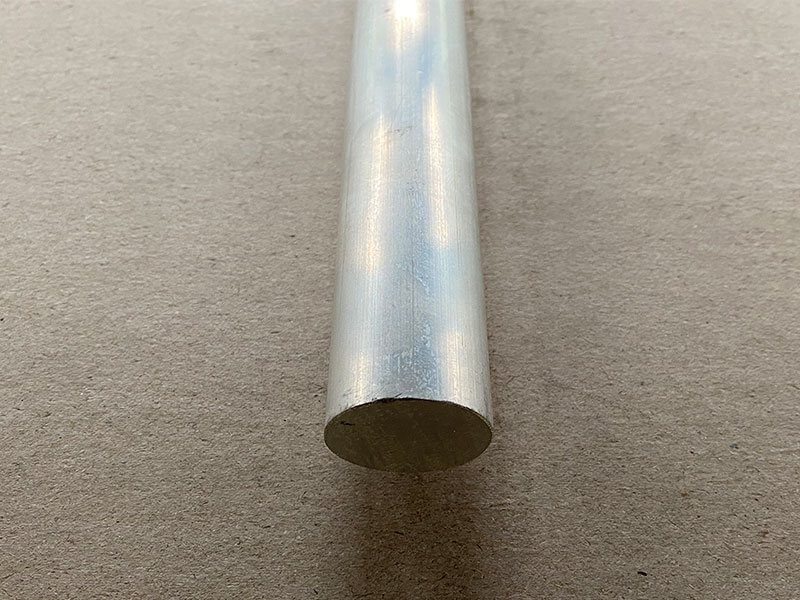
6061 marine aluminum round bar
6061 aluminum belongs to the 6xxx series alloys, alloyed primarily with magnesium and silicon. In the T6 temper, it undergoes solution heat treatment and artificial aging, resulting in enhanced mechanical properties while maintaining excellent corrosion resistance.
View Details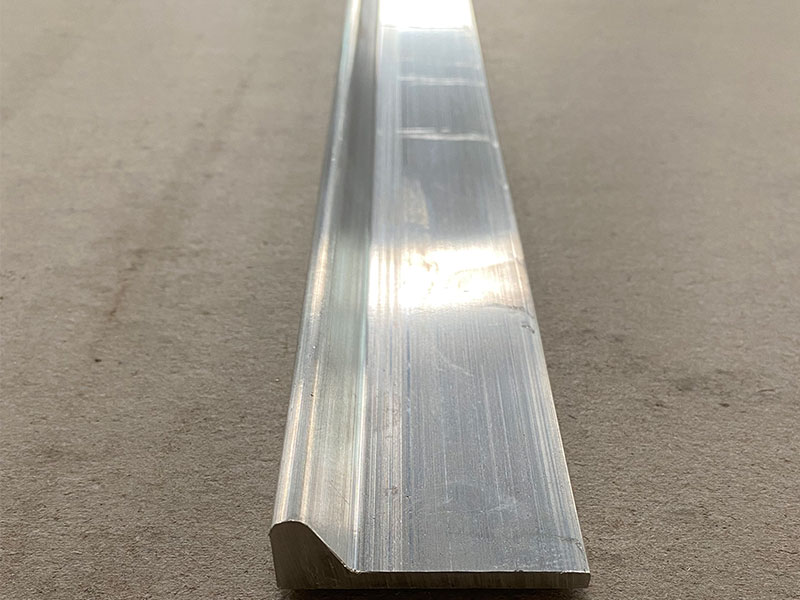
Marine aluminum I-beams
Marine Aluminum I-Beams feature the traditional “I” cross-sectional profile fabricated from marine-grade aluminum alloys like 5083, 5086, and 6061. These alloys are renowned for their outstanding corrosion resistance, especially in saltwater and marine atmospheres, making them ideal for offshore and naval construction.
View Details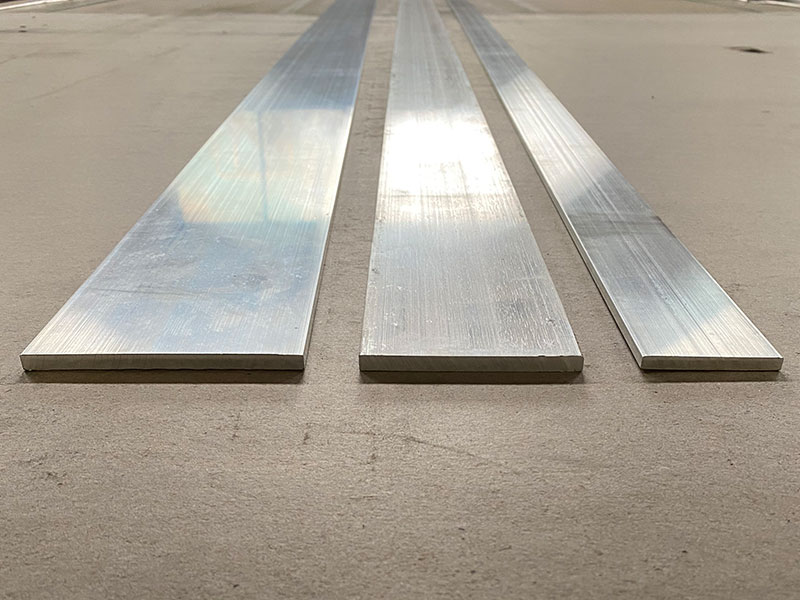
6061 T6 marine aluminum flat bar
6061 aluminum is classified as a heat-treatable 6xxx series alloy, alloyed primarily with magnesium and silicon. The T6 temper designation indicates that the flat bar has been solution heat-treated and artificially aged to achieve optimum strength and hardness.
View Details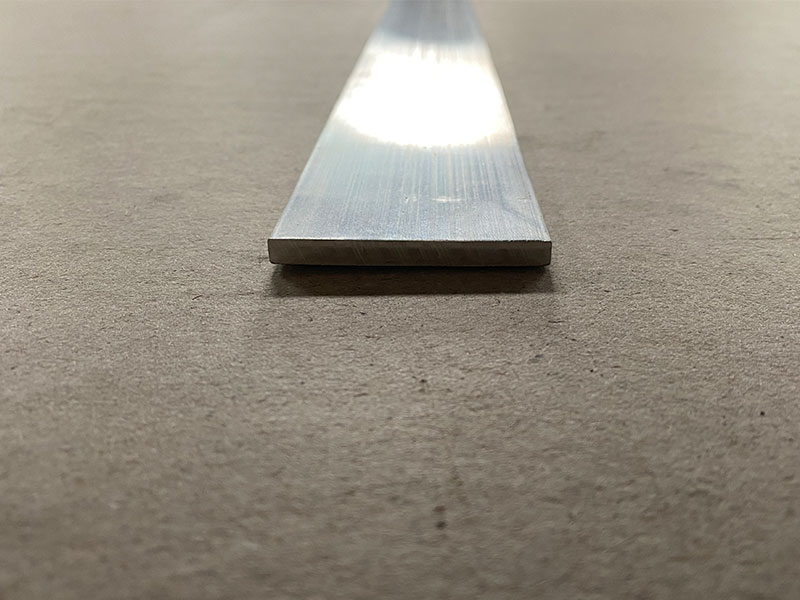
5083 marine aluminum flat bar
5083 aluminum flat bars belong to the 5xxx series of aluminum-magnesium alloys, known primarily for their superior resistance to seawater corrosion and salt spray.
View Details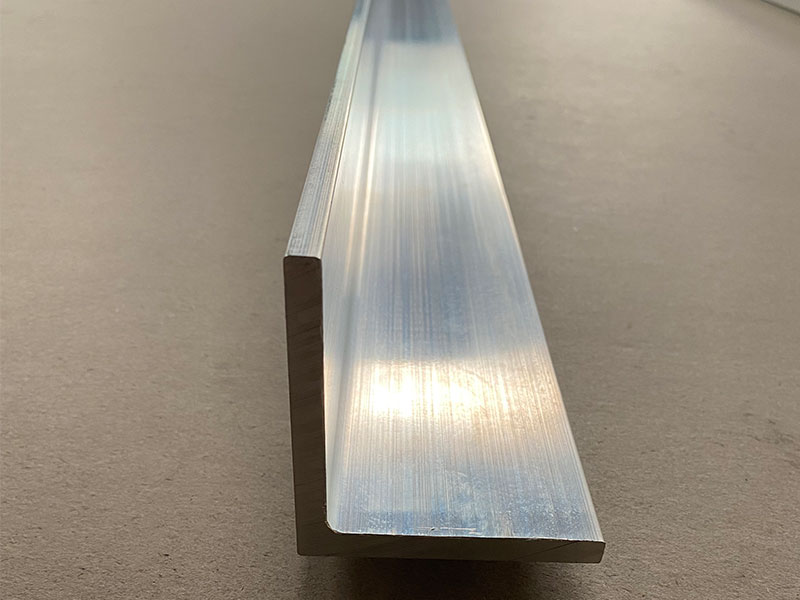
Marine aluminum angles
Marine Aluminum Angles are L-shaped cross-sectional aluminum profiles produced from marine-grade aluminum alloys such as 5083, 5052, and 6061.
View Details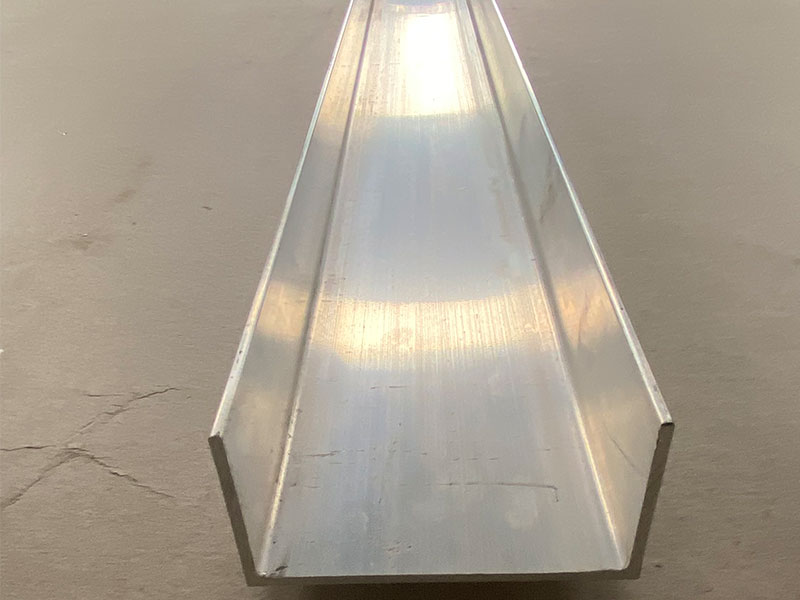
Marine aluminum channels
Marine Aluminum Channels are U-shaped aluminum profiles produced from alloys such as 5083, 5052, and 6061, known for their excellent marine corrosion resistance and superior mechanical strength.
View DetailsRelated Blog
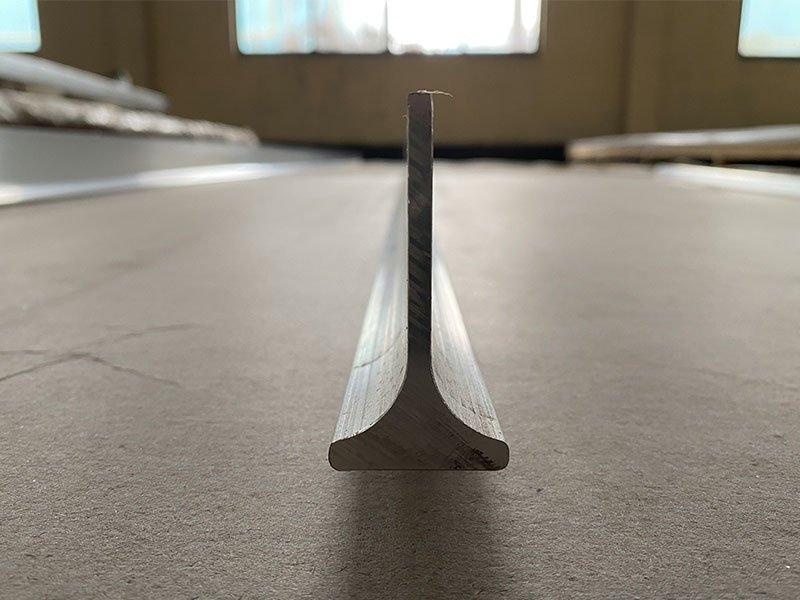
5052 Marine Aluminum Angles for Offshore Engineering and Shipbuilding
5052 marine aluminum angles are structural L-shaped extrusions (or brake-formed profiles) designed for saltwater exposure, cyclic loading, and weight-sensitive structures.
View Details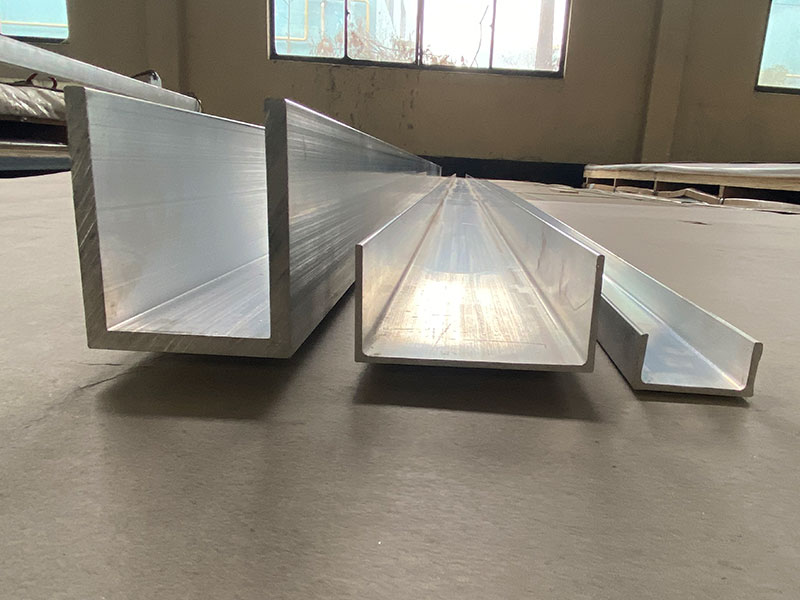
5052 Marine Aluminum Angles for Custom Boat Deck Engineering
5052 marine aluminum angles are a go-to structural shape for boat deck builds where corrosion resistance, weldability, and dependable strength matter more than flashy specs.
View Details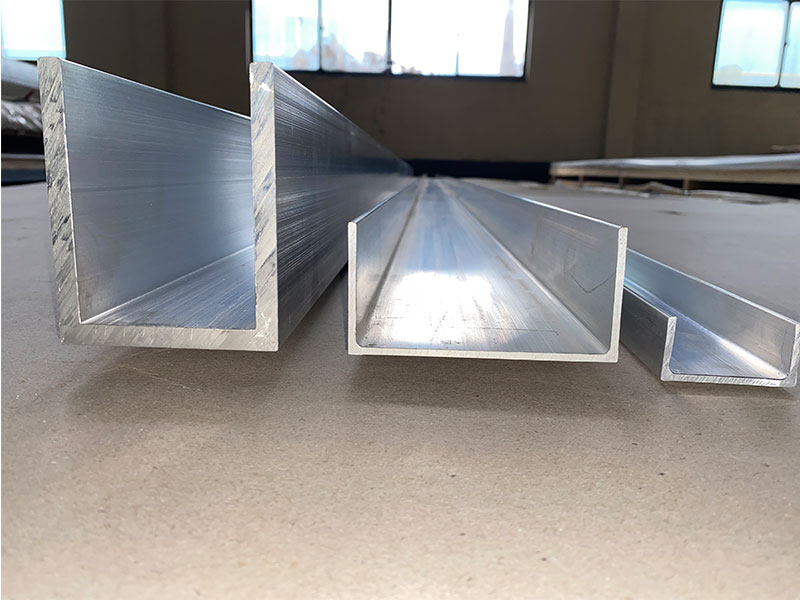
5052 Marine Aluminum Angles for Seawater Resistant Offshore Equipment
5052 marine aluminum angles are purpose-built structural shapes for offshore and nearshore environments where salt spray, seawater splash zones, and humid, corrosive atmospheres quickly degrade ordinary metals.
View Details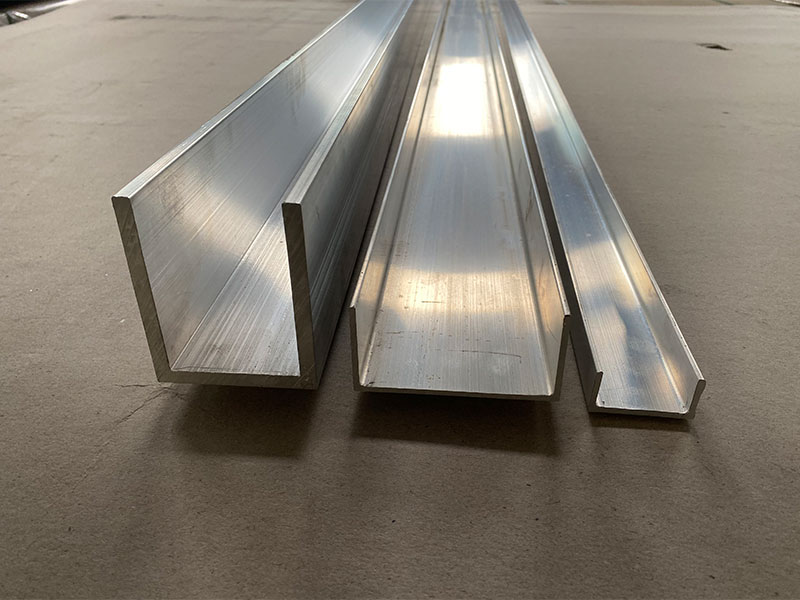
5052 Marine Aluminum Angles for Custom Coastal Engineering
In the dynamic field of coastal engineering, material selection plays an indispensable role in the longevity, reliability, and safety of offshore and shoreline structures.
View Details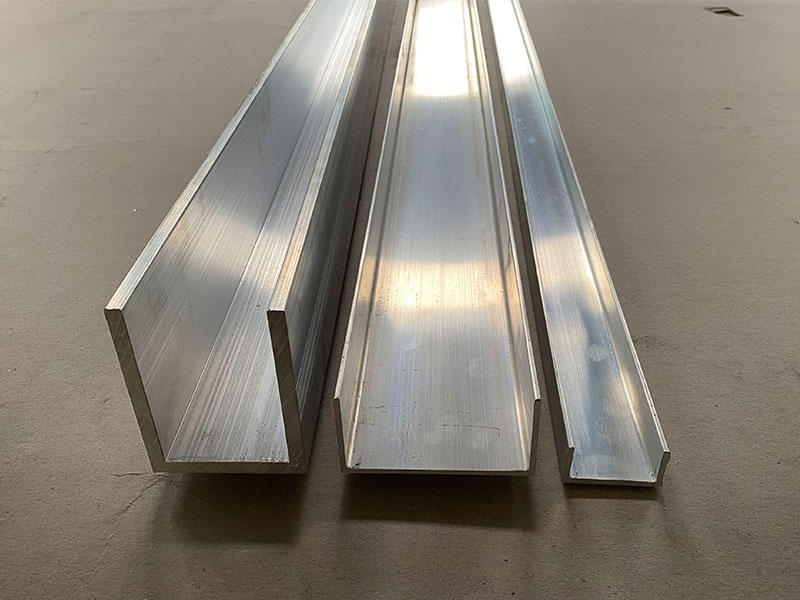
5052 Marine Aluminum Channels for Custom Boat Frame Design
Marine aluminum is renowned for its corrosion resistance, lightweight properties, and strength, making it an ideal material for boat construction. Among the various series of aluminum alloys, the 5052 alloy stands out.
View Details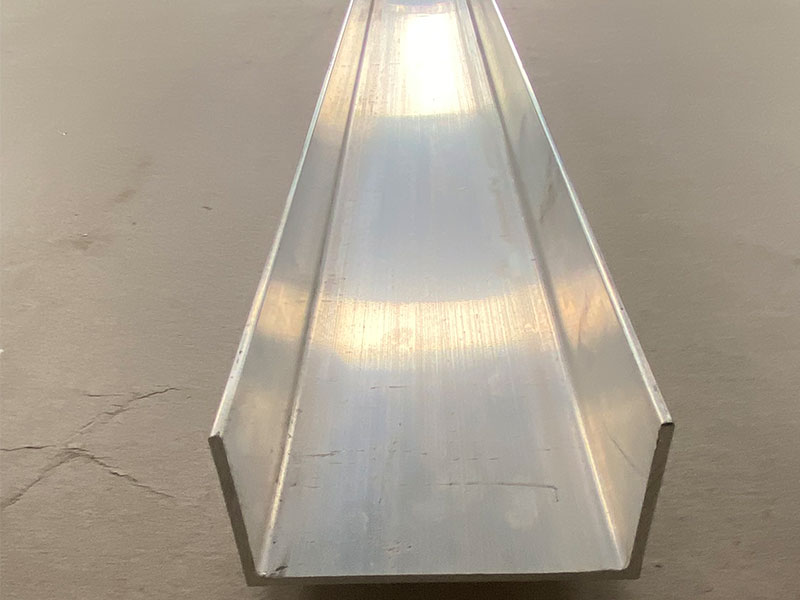
5052 Marine Aluminum Angles for Durable Marine Frame Solutions
5052 Marine Aluminum Angles for Durable Marine Frame SolutionsA technical, application‑driven perspective5052 marine aluminum angles are a backbone material in modern shipbuilding and offshore structures—quietly underpinning decks, bulkheads, ra.
View Details
Leave a Message