
5052 Marine Aluminum Z Shaped Sections for Lightweight Offshore Ship Design
5052 marine aluminum Z shaped sections deliver high strength-to-weight performance, excellent corrosion resistance, and easy weldability for lightweight offshore ship design. Ideal for decks, bulkheads, stiffeners, and superstructures, these Z profiles reduce vessel weight, improve fuel efficiency, and extend service life in harsh marine environments.
5052 marine aluminum Z shaped sections are engineered profiles designed for structural efficiency in offshore and coastal vessels. Manufactured from 5052 alloy sheet or plate and formed into Z geometry, these sections provide enhanced bending stiffness and load-carrying capacity at minimal weight.
Used widely in high-speed craft, workboats, patrol vessels, crew transfer vessels (CTV), and offshore support structures, 5052 Z profiles balance mechanical strength with superior seawater corrosion resistance, making them a preferred choice where life-cycle cost and reliability matter.
Features and Benefits
Lightweight Strength for Marine Structures
Z sections from 5052 alloy offer a high strength-to-weight ratio while remaining easy to fabricate and join.
| Property Focus | Benefit in Ship Design |
|---|---|
| Low density (~2.68 g/cm³) | Lower overall vessel weight, increased payload or range |
| High specific stiffness | Better structural efficiency vs. flat bar or plate stiffeners |
| Non-magnetic | Suitable near sensitive navigation and communication equipment |
Marine-Grade Corrosion Resistance
5052 is a non-heat-treatable, magnesium-bearing alloy with excellent resistance to seawater, brackish water, and marine atmospheres.
| Environment | 5052 Z Section Performance |
|---|---|
| Splash and tidal zones | Resistant to pitting and crevice corrosion |
| Ballast tanks and bilge areas | Good resistance with proper coating and drainage design |
| Offshore atmospheric exposure | Low maintenance requirements, long service life |
| Dissimilar metal contact (with steel) | Manageable with designed isolation and appropriate fasteners |
Fabrication and Joining Advantages
5052 is known for its formability and weldability, making Z profiles straightforward to integrate into complex hull structures.
| Fabrication Aspect | Characteristics of 5052 Z Sections |
|---|---|
| Forming | Good bendability for cold-formed Z geometry |
| Welding | Excellent weldability with MIG/TIG; low hot cracking tendency |
| Cutting | Compatible with sawing, plasma, and waterjet |
| Machining | Fair machinability, suitable for trimming and fitting |
Typical Applications in Offshore and Ship Design
5052 marine aluminum Z shaped sections are used wherever a light, stiff, and corrosion-resistant support is needed.
| Application Area | Typical Use of 5052 Z Sections |
|---|---|
| Deck structures | Longitudinal and transverse deck stiffeners |
| Hull and side shell | Frames, longitudinals, and local reinforcement |
| Superstructure and wheelhouse | Lightweight framing for panels and glazing |
| Bulkheads & partitions | Stiffeners for watertight and non-watertight bulkheads |
| Offshore work platforms | Skid frames, access walkways, and safety railing supports |
| Aluminum gangways & ramps | Longitudinal girders and edge stiffeners |
| Modular accommodation units | Internal framing and panel supports in offshore cabins |
The Z geometry allows for efficient attachment of plating on one or both flanges while providing torsional rigidity, especially useful in deck and side shell reinforcement.
Chemical Composition of 5052 Alloy
Values shown are typical ranges according to common marine alloy specifications.
| Element | Typical Content (%) |
|---|---|
| Magnesium (Mg) | 2.2 – 2.8 |
| Chromium (Cr) | 0.15 – 0.35 |
| Silicon (Si) | ≤ 0.25 |
| Iron (Fe) | ≤ 0.40 |
| Copper (Cu) | ≤ 0.10 |
| Manganese (Mn) | ≤ 0.10 |
| Zinc (Zn) | ≤ 0.10 |
| Titanium (Ti) | ≤ 0.03 |
| Others (each) | ≤ 0.05 |
| Others (total) | ≤ 0.15 |
| Aluminum (Al) | Balance |
The Mg and Cr additions give 5052 its characteristic combination of strength, corrosion resistance, and good formability.
Common Tempers for Z Sections
5052 Z shaped sections are commonly supplied in non-heat-treatable, strain-hardened tempers.
| Temper | Description | Typical Use in Marine Z Sections |
|---|---|---|
| O | Annealed, maximum ductility | Tight forming, post-forming heat treatment |
| H32 | Strain-hardened and stabilized | Balanced strength and formability, general use |
| H34 | Strain-hardened, higher strength | Higher load areas with moderate forming |
| H112 | As-fabricated, lightly worked | Extruded/formed sections with minimal control on strength |
For most offshore ship design stiffeners and framing, H32 is the standard compromise, offering adequate strength with good fabrication flexibility.
Mechanical Properties (Typical Values)
Typical properties for 5052-H32, representative of commonly used Z section material. Values may vary with thickness and exact processing; always confirm with mill certificates.
| Property | Typical Value (5052-H32) |
|---|---|
| Tensile strength, Rm | 215 – 275 MPa |
| Yield strength, Rp0.2 | ≥ 130 MPa |
| Elongation (A50) | 7 – 12 % (dependent on gauge) |
| Elastic modulus, E | ~70 GPa |
| Shear modulus, G | ~26 GPa |
| Brinell hardness (HBW) | ~60 – 65 |
| Density | ~2.68 g/cm³ |
These properties provide sufficient capacity for light to medium structural duties in marine environments when combined with efficient Z geometry and appropriate spacing.
Representative Z Section Dimensions
Actual dimensions are customized to project needs, but the table below shows typical ranges for marine applications.
| Parameter | Typical Range |
|---|---|
| Flange width (B) | 40 – 120 mm |
| Web height (H) | 60 – 200 mm |
| Thickness (t) | 3.0 – 10.0 mm |
| Section modulus (Zx)* | ~5 – 80 cm³ |
| Moment of inertia (Ix)* | ~10 – 500 cm⁴ |
| Length | Up to 12 m (longer by request) |
*Section modulus and inertia are strongly dependent on exact profile geometry. Structural engineering checks should be performed for each design.
Tolerances and Surface Finish
Typical manufacturing tolerances for marine-grade Z sections (subject to applicable standard or project specification):
| Feature | Typical Tolerance (Guideline) |
|---|---|
| Length | ± 3.0 mm / m, minimum ± 5 mm per piece |
| Web height & flange width | ± 0.8 – 1.5 mm |
| Thickness | Standard mill tolerance per EN/ASTM |
| Twist | Limited per meter length to marine norms |
| Straightness | ≤ 2 mm per meter |
Surface options:
| Finish Type | Description and Use |
|---|---|
| Mill finish | Standard for structural members later painted or coated |
| Light brushed | Improved appearance for visible internal structures |
| Pre-treated / primed | For faster installation and enhanced corrosion protection |
Design Advantages of Z Shaped Sections
The Z geometry offers several structural and practical benefits over flat bars or simple angles.
| Design Aspect | Z Section Advantage |
|---|---|
| Bending stiffness | Higher section modulus for a given mass |
| Plate attachment | Easy connection of panels to one or both flanges |
| Nesting and transport | Efficient stacking, reduced storage volume |
| Torsional behavior | Improved stability compared with single flat stiffeners |
| Weight optimization | Material concentrated where it contributes most to strength |
These characteristics make 5052 Z sections particularly attractive for weight-sensitive craft such as high-speed ferries, patrol boats, and aluminum catamarans.
Processing, Welding, and Assembly
Proper processing extends the life and performance of 5052 Z sections.
| Process Step | Recommendations for 5052 Z Sections |
|---|---|
| Cutting | Use carbide-tipped saws or plasma; minimize heat input |
| Forming/Adjusting | Perform bending with appropriate radii to avoid cracking |
| Welding | Use 5xxx or 4xxx filler (e.g., 5356) compatible with 5052 |
| Post-weld treatment | Usually no heat treatment; inspect welds and restore coatings |
| Surface protection | Use marine-grade paint systems or anodizing where required |
Quality Standards and Compliance
5052 marine aluminum Z sections are typically manufactured to recognized international standards for material and dimensional control.
| Standard Area | Common References (Example) |
|---|---|
| Material specification | ASTM B209, EN 485 / EN 573 (for sheet/plate base) |
| Marine application guidance | ISO and class society rules (DNV, ABS, LR, BV) |
| Welding procedures | ISO 15614, AWS D1.2, and class-approved WPS/PQR |
Mill test certificates (MTC) and certificates of conformity are available to support classification society approvals and project documentation.
5052 marine aluminum Z shaped sections provide a powerful combination of:
- Low weight with adequate strength for offshore and coastal vessels
- Excellent resistance to seawater corrosion and marine atmospheres
- Good fabrication, forming, and welding properties
- Flexible geometry tailored to hulls, decks, bulkheads, and superstructures
By integrating 5052 Z sections into lightweight offshore ship designs, builders can reduce fuel consumption, increase payload capacity, and extend vessel service life, all while simplifying fabrication and maintenance in demanding marine environments.

Related Products
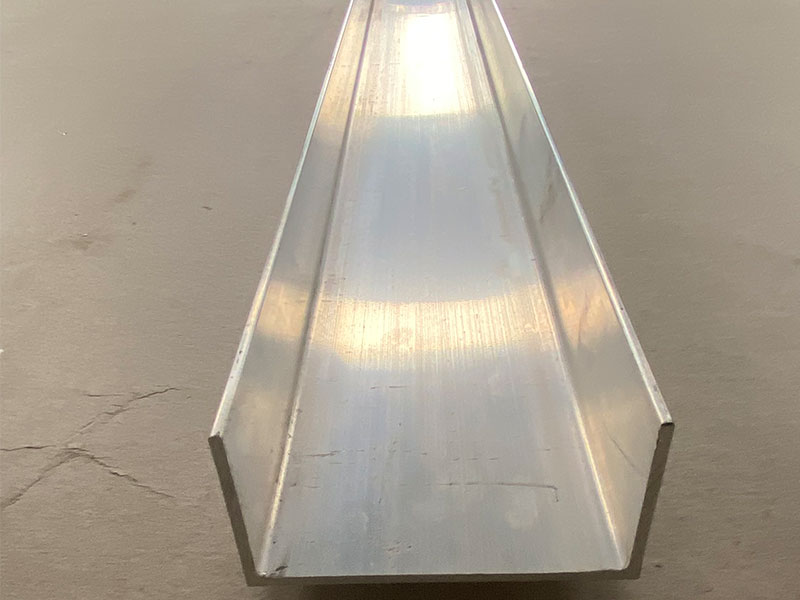
Marine aluminum channels
Marine Aluminum Channels are U-shaped aluminum profiles produced from alloys such as 5083, 5052, and 6061, known for their excellent marine corrosion resistance and superior mechanical strength.
View Details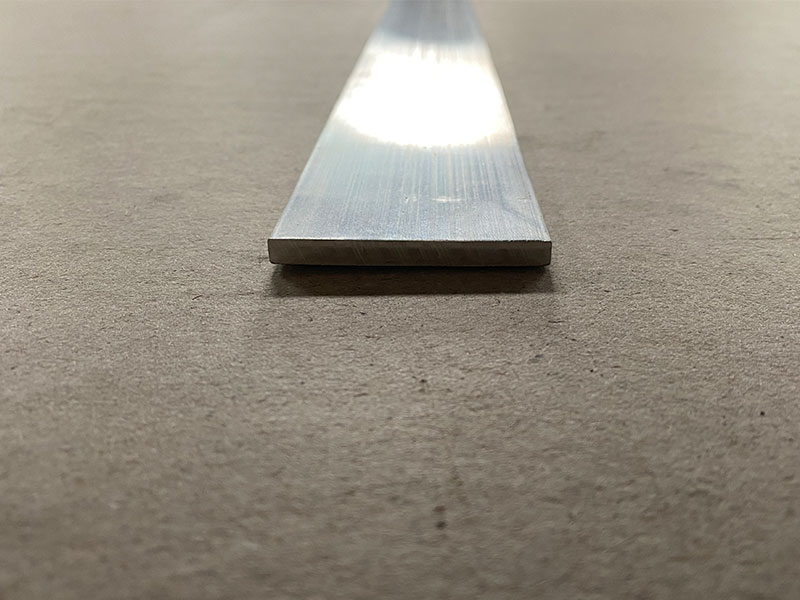
5083 marine aluminum flat bar
5083 aluminum flat bars belong to the 5xxx series of aluminum-magnesium alloys, known primarily for their superior resistance to seawater corrosion and salt spray.
View Details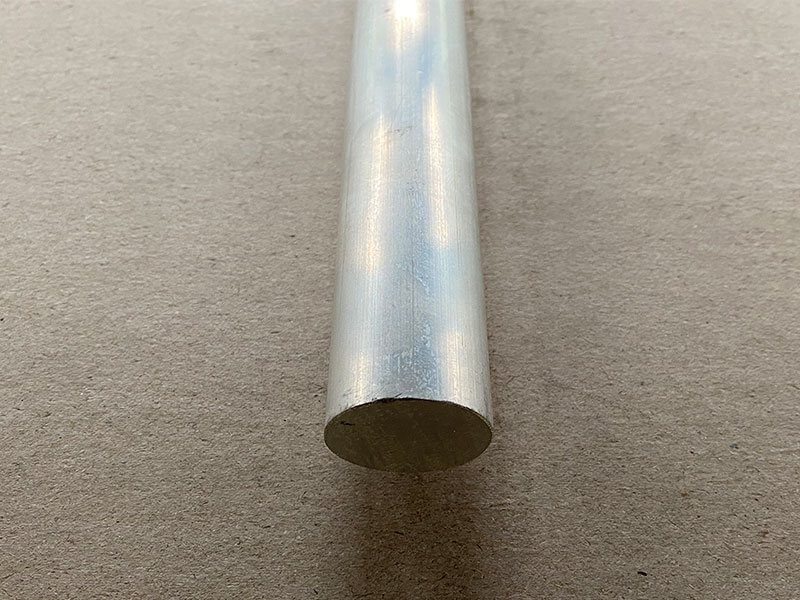
6061 marine aluminum round bar
6061 aluminum belongs to the 6xxx series alloys, alloyed primarily with magnesium and silicon. In the T6 temper, it undergoes solution heat treatment and artificial aging, resulting in enhanced mechanical properties while maintaining excellent corrosion resistance.
View Details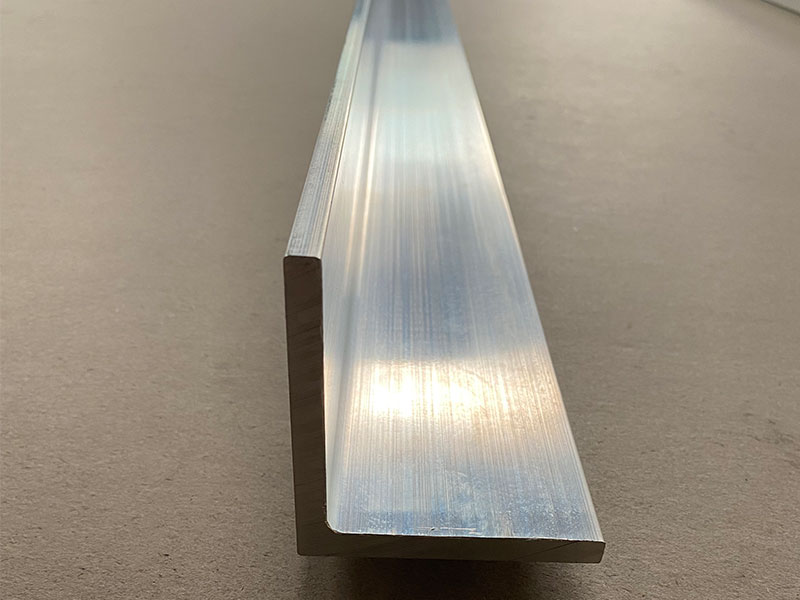
Marine aluminum angles
Marine Aluminum Angles are L-shaped cross-sectional aluminum profiles produced from marine-grade aluminum alloys such as 5083, 5052, and 6061.
View Details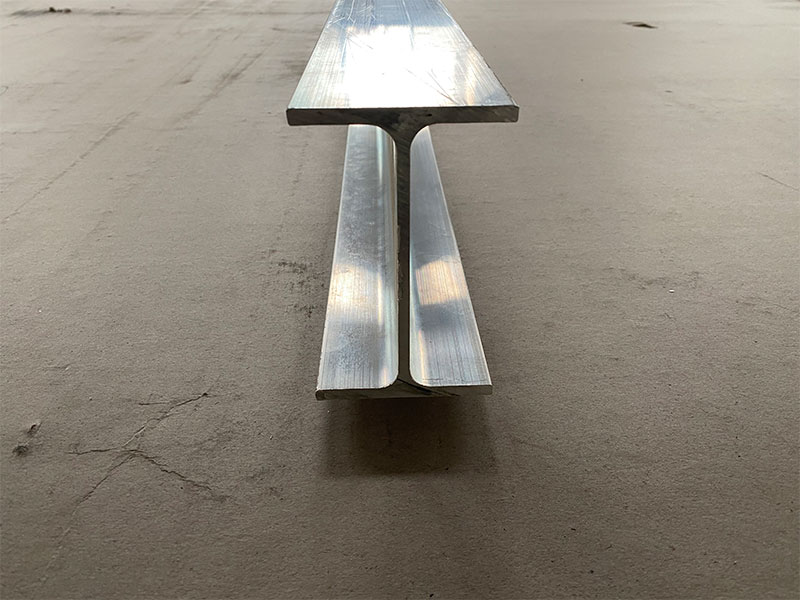
Marine aluminum Z-shaped sections
Marine Aluminum Z-shaped Sections are fabricated from premium marine-grade aluminum alloys such as 5083, 5052, and 6061. These alloys are well-regarded for their superior corrosion resistance in seawater and marine atmospheres, along with good mechanical strength and excellent weldability.
View Details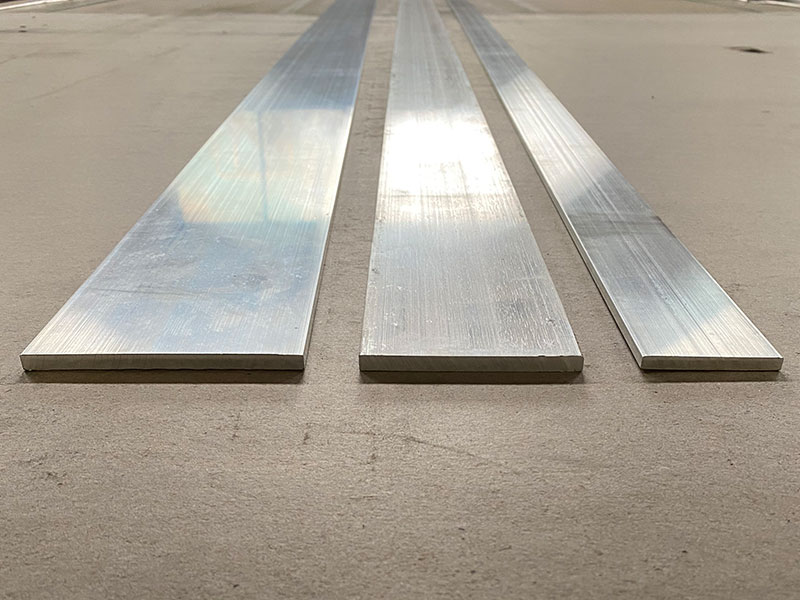
6061 T6 marine aluminum flat bar
6061 aluminum is classified as a heat-treatable 6xxx series alloy, alloyed primarily with magnesium and silicon. The T6 temper designation indicates that the flat bar has been solution heat-treated and artificially aged to achieve optimum strength and hardness.
View DetailsRelated Blog
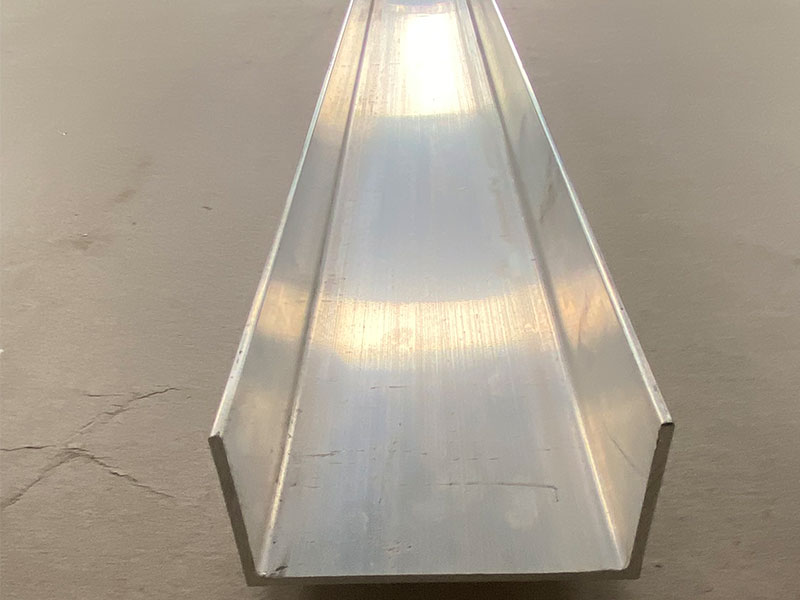
5052 Marine Aluminum Angles for Durable Marine Frame Solutions
5052 Marine Aluminum Angles for Durable Marine Frame SolutionsA technical, application‑driven perspective5052 marine aluminum angles are a backbone material in modern shipbuilding and offshore structures—quietly underpinning decks, bulkheads, ra.
View Details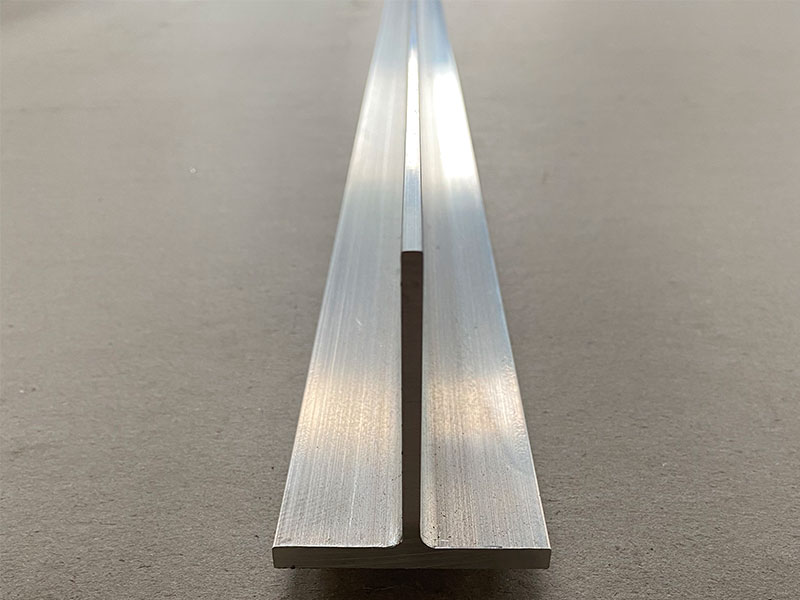
5052 Marine Aluminum Z Shaped Sections for Lightweight Offshore Ship Design
5052 marine aluminum Z shaped sections deliver high strength-to-weight performance, excellent corrosion resistance, and easy weldability for lightweight offshore ship design.
View Details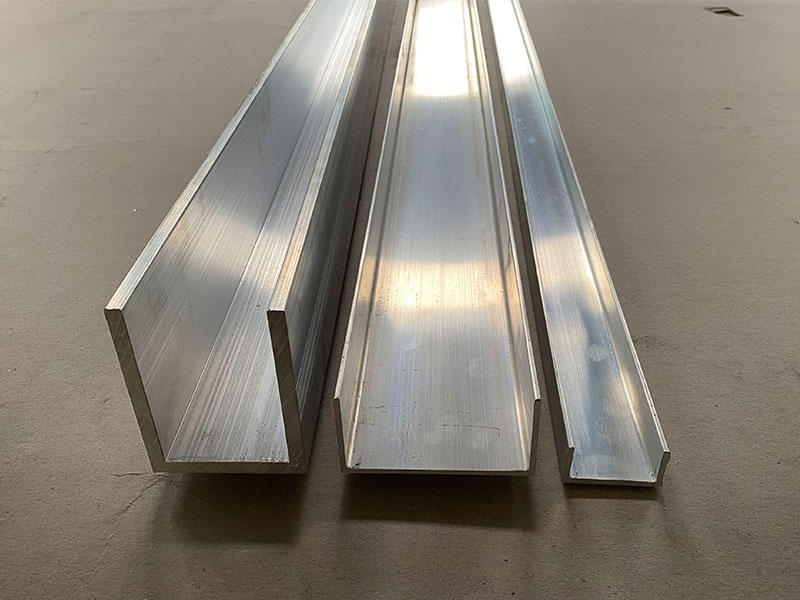
5052 Marine Aluminum Channels for Custom Boat Frame Design
Marine aluminum is renowned for its corrosion resistance, lightweight properties, and strength, making it an ideal material for boat construction. Among the various series of aluminum alloys, the 5052 alloy stands out.
View Details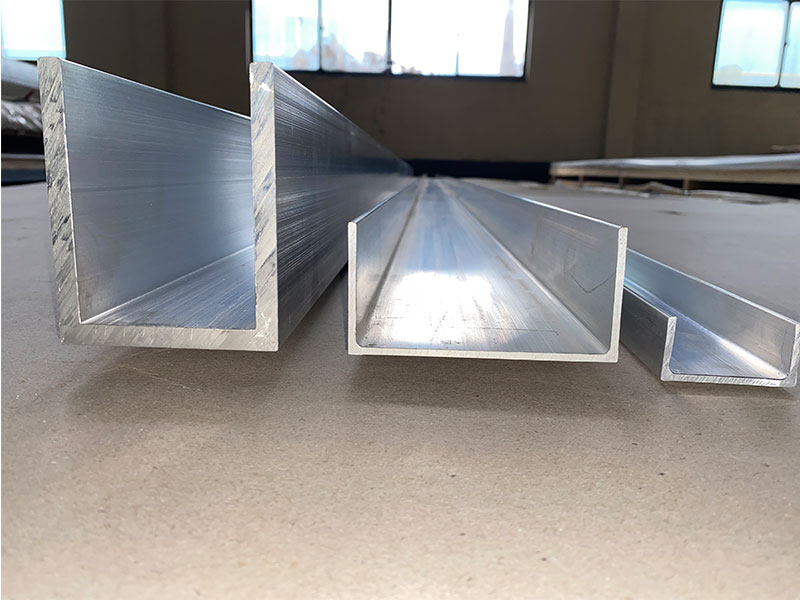
5052 Marine Aluminum Angles for Seawater Resistant Offshore Equipment
5052 marine aluminum angles are purpose-built structural shapes for offshore and nearshore environments where salt spray, seawater splash zones, and humid, corrosive atmospheres quickly degrade ordinary metals.
View Details
5052 Marine Aluminum Angles for Heavy Duty Marine Applications
In the world of marine applications, the choice of materials can significantly influence performance and longevity. For heavy-duty usage, marine aluminum angles, particularly 5052 Marine Aluminum angles, come out as premier contenders.
View Details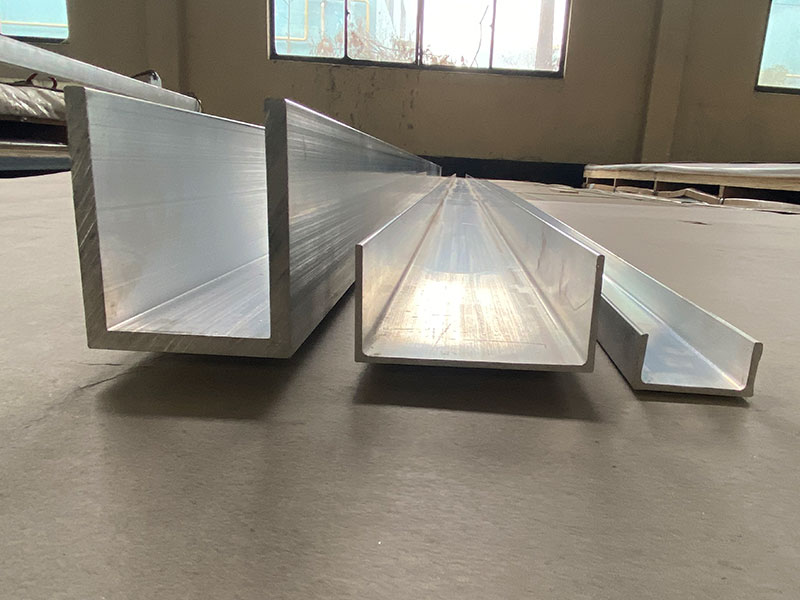
5052 Marine Aluminum Angles for Custom Boat Deck Engineering
5052 marine aluminum angles are a go-to structural shape for boat deck builds where corrosion resistance, weldability, and dependable strength matter more than flashy specs.
View Details
Leave a Message