
5052 Marine Aluminum Fencing and Railings for Heavy Duty Marine Platform Barriers
5052 Marine aluminum fencing and railings are widely used for offshore platforms, docks, harbors, gangways, and coastal industrial barriers where corrosion resistance, low maintenance, and structural reliability are critical. As a magnesium-alloyed, non-heat-treatable aluminum grade, 5052 aluminum offers an excellent balance of marine corrosion resistance, moderate-to-high strength, weldability, and fabrication performance. For heavy duty marine platform barriers, it is a practical choice for guardrails, handrails, perimeter fencing panels, ladder cages, and safety enclosures exposed to salt spray, humidity, and cyclic loading.
Marine barrier systems must perform in demanding environments. They are expected to resist saltwater corrosion, endure wind and impact loads, support safe personnel movement, and maintain appearance with limited maintenance. Compared with carbon steel, 5052 marine aluminum railings significantly reduce rust-related issues and coating maintenance. Compared with heavier marine metals, they also help lower dead load on platforms and floating structures.
The result is a fencing and railing solution that is durable, lightweight, easy to fabricate, and cost-effective over its service life.
Features of 5052 Marine aluminum fencing and railings
| Feature | Benefit for Marine Platform Barriers |
|---|---|
| Excellent corrosion resistance | Performs well in seawater atmosphere, salt spray, and humid coastal conditions |
| Good strength-to-weight ratio | Reduces structural weight while maintaining reliable barrier performance |
| Outstanding weldability | Suitable for fabricated railing frames, fence panels, posts, and brackets |
| Good formability | Allows bending, rolling, and shaping for custom barrier profiles |
| Non-heat-treatable stability | Predictable behavior in marine fabrication and service |
| Low maintenance surface | Less repainting and rust repair than many steel systems |
| Attractive finish options | Can be mill finish, anodized, brushed, or powder coated |
| Good toughness | Maintains integrity under marine vibration and service impacts |
Why 5052 Alloy Is Suitable for Heavy Duty Marine Barriers
5052 aluminum belongs to the Al-Mg alloy family, known for strong resistance to marine atmospheric corrosion. Its magnesium content helps improve strength while preserving formability and weldability. This makes it especially suitable for barrier systems that combine tubular rails, flat bars, perforated sheets, expanded mesh, and fabricated support members.
In marine platforms, barrier components often include:
| Common Component | Typical 5052 Product Form |
|---|---|
| Top rails and mid rails | Extruded or fabricated tube/pipe sections |
| Fence infill panels | Sheet, perforated sheet, mesh frame assemblies |
| Posts and stanchions | Plate-fabricated or profile sections |
| Kick plates | Sheet or plate |
| Mounting brackets | Plate, strip, or machined parts |
| Access gates | Welded tubular and sheet assemblies |
| Safety cages and enclosures | Formed sheet and tubular fabrications |
Because 5052 is easy to weld and shape, manufacturers can produce custom systems for fixed offshore platforms, floating docks, service walkways, shipboard decks, marina perimeters, desalination plants, and coastal terminals.
Typical Temper Conditions
For fencing and railing fabrication, temper selection affects strength, formability, and workability.
| Temper | Condition | Typical Use in Marine Barrier Fabrication |
|---|---|---|
| O | Annealed | Maximum formability for complex bending or shaping |
| H32 | Strain hardened and stabilized | Common balance of strength and fabrication ease |
| H34 | Higher strain hardening than H32 | Used where added strength is preferred |
| H36 | Higher strength temper | Suitable for more demanding structural panel parts |
| H38 | Highest common strain-hardened temper | Used selectively for higher strength requirements |
Among these, 5052-H32 is one of the most common choices for marine railing and fencing because it combines good corrosion resistance, practical strength, and manageable fabrication performance.
Chemical Composition of 5052 Marine Aluminum
| Element | Composition (%) |
|---|---|
| Aluminum (Al) | Balance |
| Magnesium (Mg) | 2.2–2.8 |
| Chromium (Cr) | 0.15–0.35 |
| Silicon (Si) | 0.25 max |
| Iron (Fe) | 0.40 max |
| Copper (Cu) | 0.10 max |
| Manganese (Mn) | 0.10 max |
| Zinc (Zn) | 0.10 max |
| Others, each | 0.05 max |
| Others, total | 0.15 max |
The alloy's magnesium and chromium combination is central to its marine performance, especially where resistance to general corrosion and good weld-zone behavior are important.
Mechanical Properties
Typical values vary with product form, thickness, and temper, but the following ranges are commonly referenced for engineering evaluation.
| Property | 5052-O | 5052-H32 |
|---|---|---|
| Tensile strength | 170–215 MPa | 210–260 MPa |
| Yield strength | 65–90 MPa | 130–180 MPa |
| Elongation | 12–25% | 6–12% |
| Brinell hardness | ~47 | ~60 |
For heavy duty platform barriers, designers often favor H32 or H34 temper when they need a stronger section without sacrificing too much forming capability.
Physical Properties
| Property | Typical Value |
|---|---|
| Density | 2.68 g/cm³ |
| Elastic modulus | 70 GPa |
| Electrical conductivity | ~35% IACS |
| Thermal conductivity | ~138 W/m·K |
| Melting range | 607–649°C |
| Coefficient of thermal expansion | 23.8 µm/m·K |
The low density of 5052 aluminum is especially valuable on marine structures where lower weight can improve installation efficiency and reduce support loads.
Technical Specifications for Marine Fencing and Railings
Actual product dimensions depend on project standards, platform design load, and fabrication method. Typical supply and fabrication ranges are shown below.
| Item | Typical Range / Option |
|---|---|
| Sheet thickness for infill panels | 2.0–6.0 mm |
| Plate thickness for brackets and posts | 5.0–20.0 mm |
| Tube/rail outside diameter | 25–75 mm |
| Rectangular rail sections | 40 × 20 mm to 100 × 50 mm |
| Fence panel height | 900–1800 mm |
| Railing height | 1000–1200 mm |
| Surface finish | Mill finish, anodized, powder coated, brushed |
| Fabrication method | Cutting, bending, welding, machining, assembly |
| Joining | TIG welding, MIG welding, bolted connections |
| Standards basis | ASTM, EN, GB, marine project specifications |
Corrosion Performance in Marine Service
For coastal and offshore use, corrosion resistance is often the deciding factor. 5052 performs very well in marine atmosphere, splash exposure, and humid chloride-rich conditions. It is commonly selected for areas where unprotected steel would rapidly corrode and require ongoing maintenance.
| Exposure Condition | 5052 Marine Aluminum Performance |
|---|---|
| Salt spray atmosphere | Excellent |
| Coastal humidity | Excellent |
| Seawater splash zone | Very good |
| Intermittent wet/dry cycling | Very good |
| Industrial marine atmosphere | Very good |
| Painted or powder-coated service | Enhanced durability and appearance retention |
While 5052 has strong natural corrosion resistance, surface finishing can further improve aesthetics and service life, particularly in premium marina, passenger terminal, or exposed offshore applications.
Fabrication Advantages
Heavy duty marine barriers rarely use raw material in simple form. They typically require cutting, coping, bending, welding, drilling, and assembly. 5052 is well suited to this type of fabrication.
| Fabrication Aspect | Performance |
|---|---|
| Cold forming | Good to excellent |
| Bending | Good |
| Welding | Excellent |
| Machining | Fair to good |
| Surface finishing | Good |
| Assembly into modular systems | Excellent |
This combination allows manufacturers to produce straight rail runs, curved handrails, framed safety panels, anti-climb fences, toe-board systems, and custom access barriers with relatively efficient workshop processing.
Typical Applications
| Marine Application | Role of 5052 Fencing / Railing |
|---|---|
| Offshore platforms | Personnel protection barriers and perimeter guardrails |
| Floating docks and pontoons | Lightweight corrosion-resistant safety rails |
| Port terminals | Walkway handrails and equipment protection fencing |
| Marina facilities | Durable and visually clean railing systems |
| Shipboard service areas | Deck rails, enclosed barriers, ladder cages |
| Coastal power and desalination plants | Corrosion-resistant access and safety systems |
| Fishery and aquaculture platforms | Barrier panels for wet, saline operating environments |
Surface Finish Options
Surface treatment depends on aesthetics, maintenance planning, and environmental severity.
| Finish | Characteristics |
|---|---|
| Mill finish | Economical, natural aluminum appearance |
| Anodized | Improved surface hardness and decorative consistency |
| Powder coated | Wide color choice and added environmental protection |
| Brushed/satin | Premium architectural appearance |
| Marine-grade painted system | Suitable for project-specific visual standards |
For many industrial projects, mill finish or powder-coated 5052 railings are the most common choices.
Benefits for Customers
| Customer Need | 5052 Marine Aluminum Advantage |
|---|---|
| Long service life | Strong resistance to corrosion in marine environments |
| Lower maintenance cost | Less rust treatment and repainting than steel |
| Faster installation | Lightweight components are easier to handle |
| Design flexibility | Easy fabrication into custom barrier systems |
| Safety compliance support | Suitable for robust industrial railing configurations |
| Better lifecycle value | Balanced cost, durability, and appearance |
5052 Marine aluminum fencing and railings for heavy duty marine platform barriers offer an efficient combination of corrosion resistance, moderate structural strength, weldability, and low weight. These qualities make 5052 a reliable material for offshore guardrails, dock fencing, marine handrails, platform perimeter barriers, and coastal industrial safety systems. With common tempers such as H32, flexible fabrication options, and strong resistance to salt-laden environments, 5052 remains one of the most practical aluminum alloys for marine barrier applications requiring long-term durability and low maintenance.

Related Products
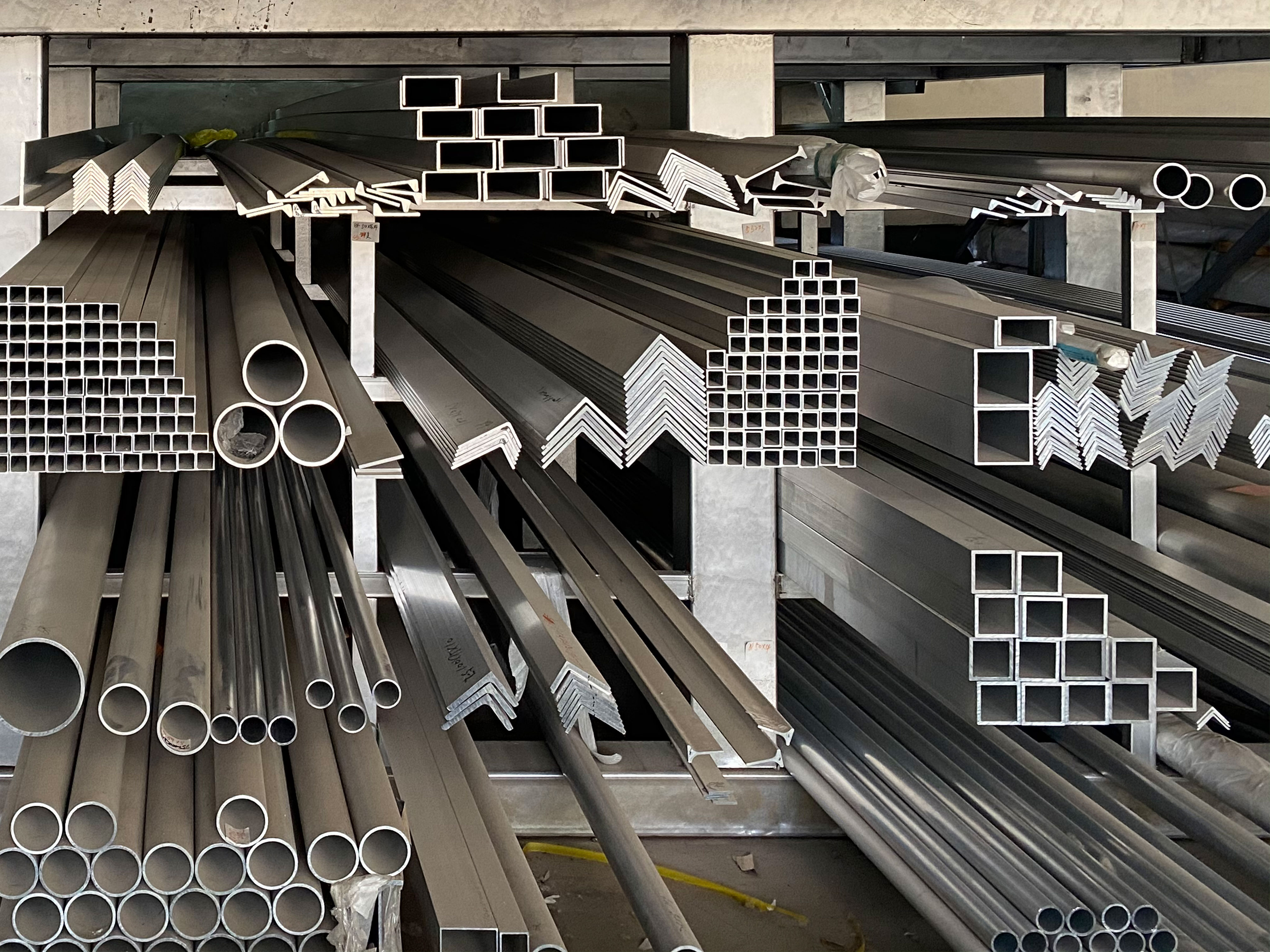
Marine aluminum fencing and railings
Marine Grade Aluminum Fencing and Railings are fabricated using marine-grade aluminum alloys such as 5083, 5052, and 6061, which are engineered specifically for protection against saltwater corrosion and marine atmospheric conditions.
View Details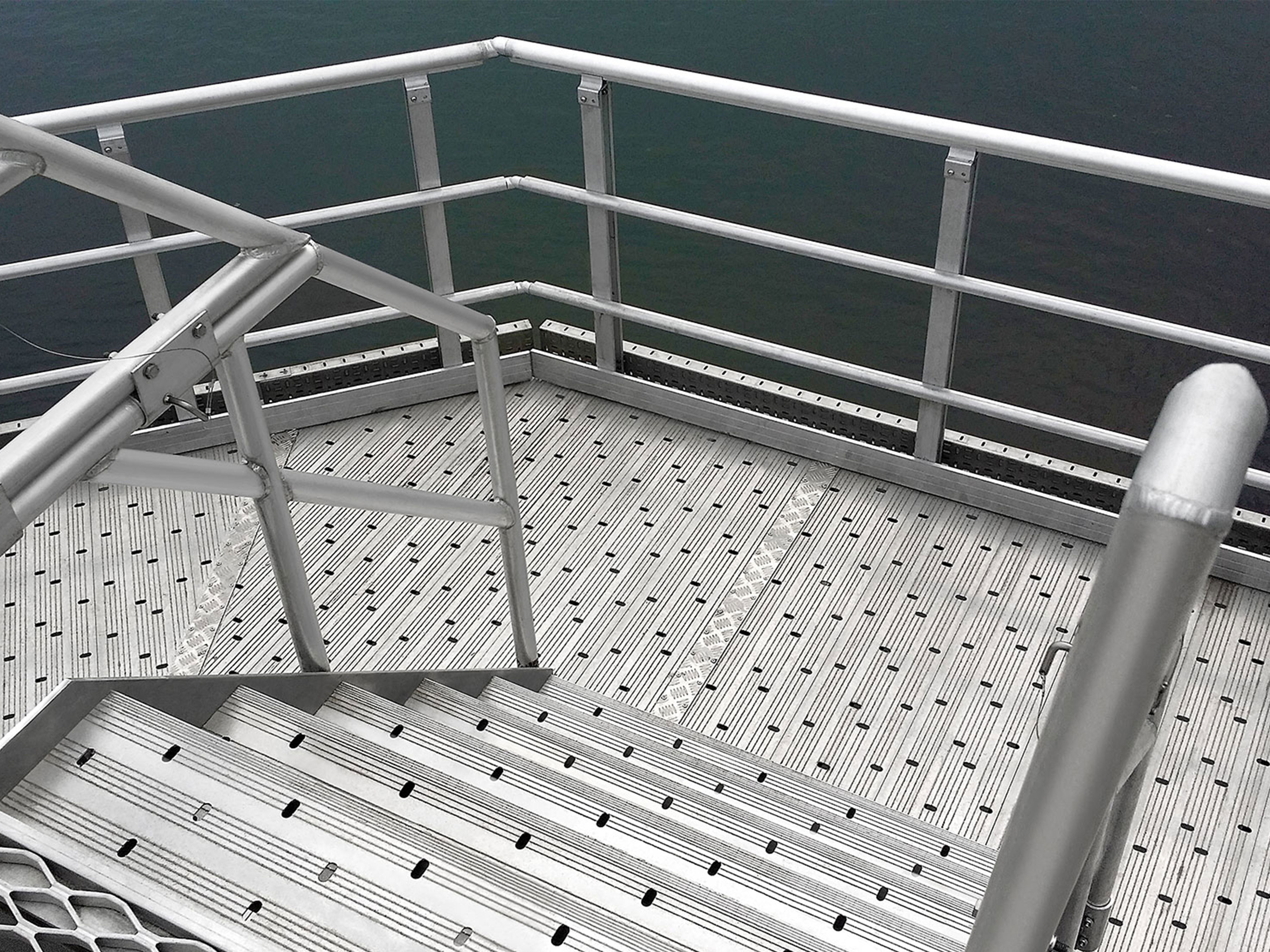
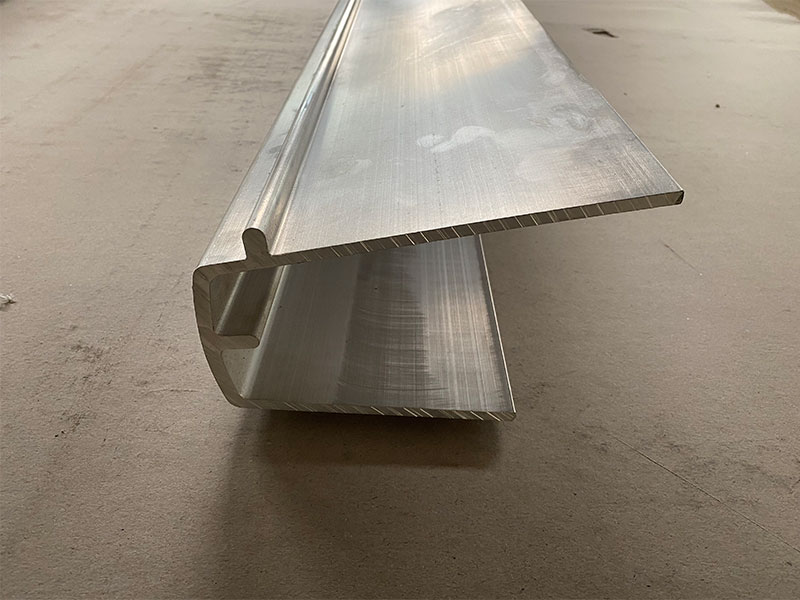
Marine aluminum customized shapes
Marine Grade Aluminum Customized Shapes encompass a broad range of aluminum extrusions and fabrications engineered beyond standard profiles—such as channels, angles, tubes, and beams—into complex, project-specific geometries.
View Details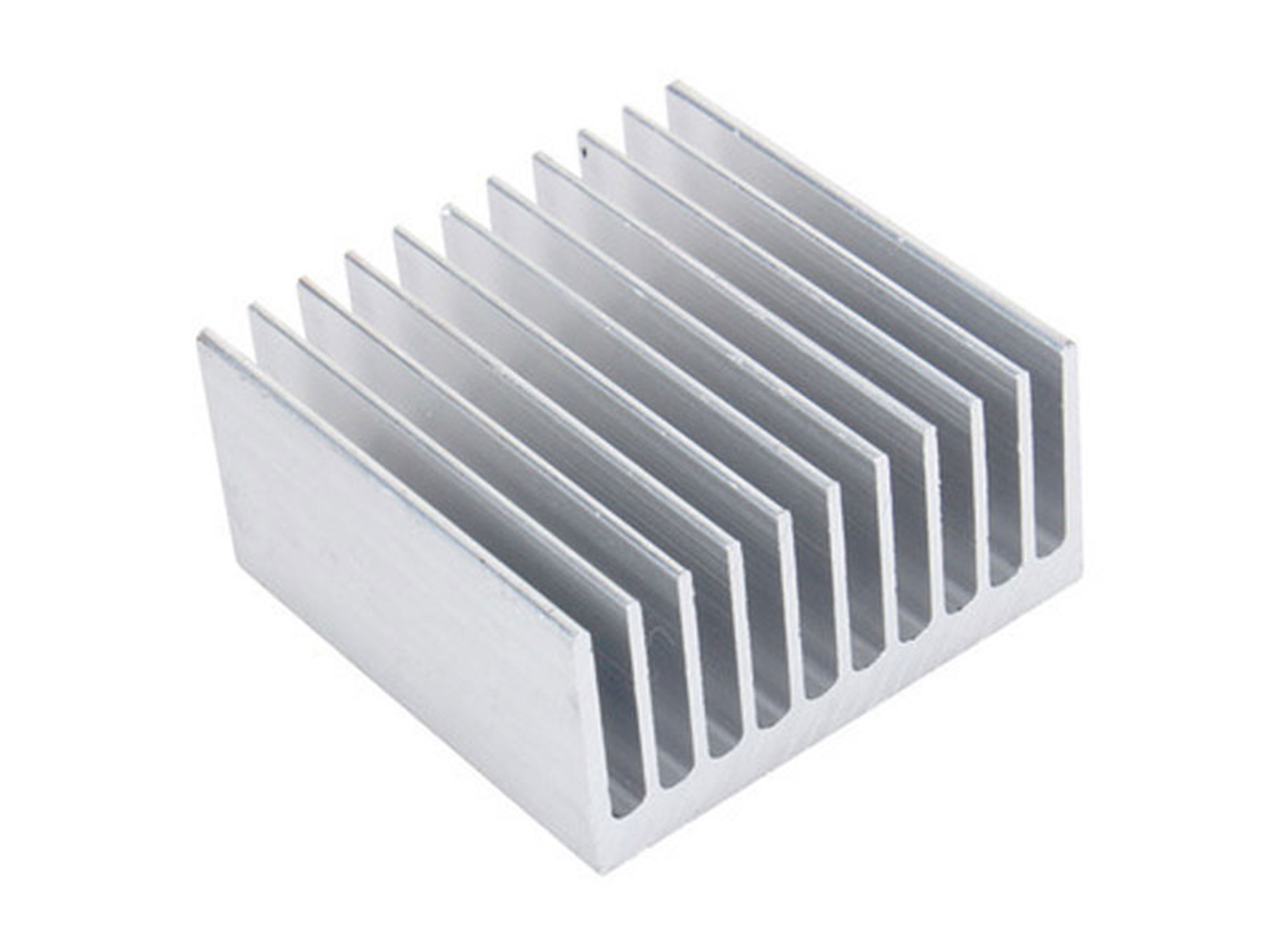
Marine aluminum heat sink profile
Marine Grade Aluminum Heat Sink Profiles utilize alloys such as 6061 and 6063 that not only exhibit high thermal conductivity but also possess excellent corrosion resistance required for saltwater exposure.
View DetailsRelated Blog
5052 Marine Aluminum Fencing and Railings for Heavy Duty Marine Platform Barriers
5052 marine aluminum fencing and railings are widely used for offshore platforms, docks, harbors, gangways, and coastal industrial barriers where corrosion resistance, low maintenance, and structural reliability are critical.
View Details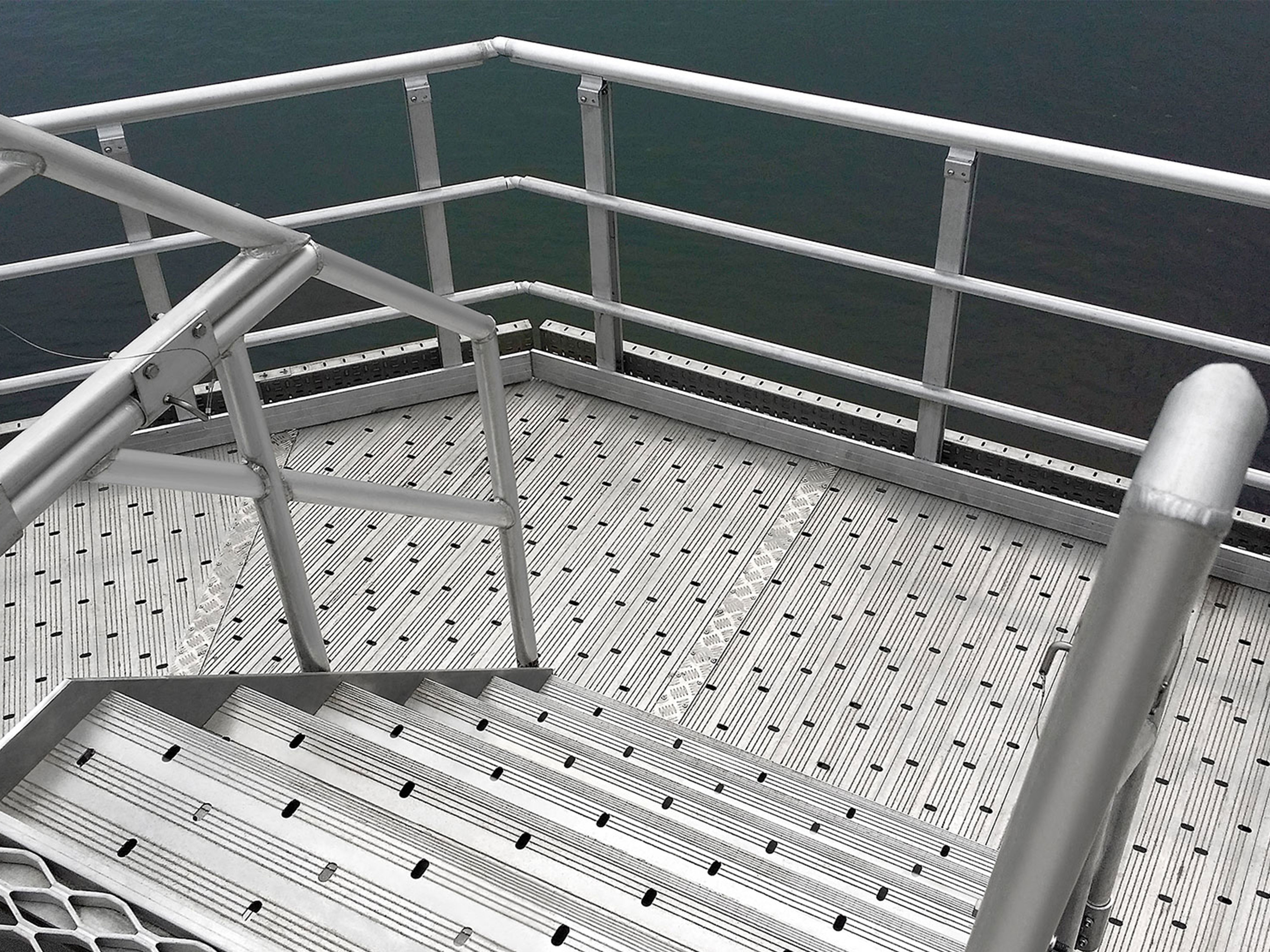
Marine Aluminum Fencing and Railings for Durable Boat Deck Guardrails
OverviewMarine aluminum fencing and railings are purpose-designed alloy systems used for guardrails, handrails, stanchions, and safety barriers on boats, docks, marinas, and waterfront properties.
View Details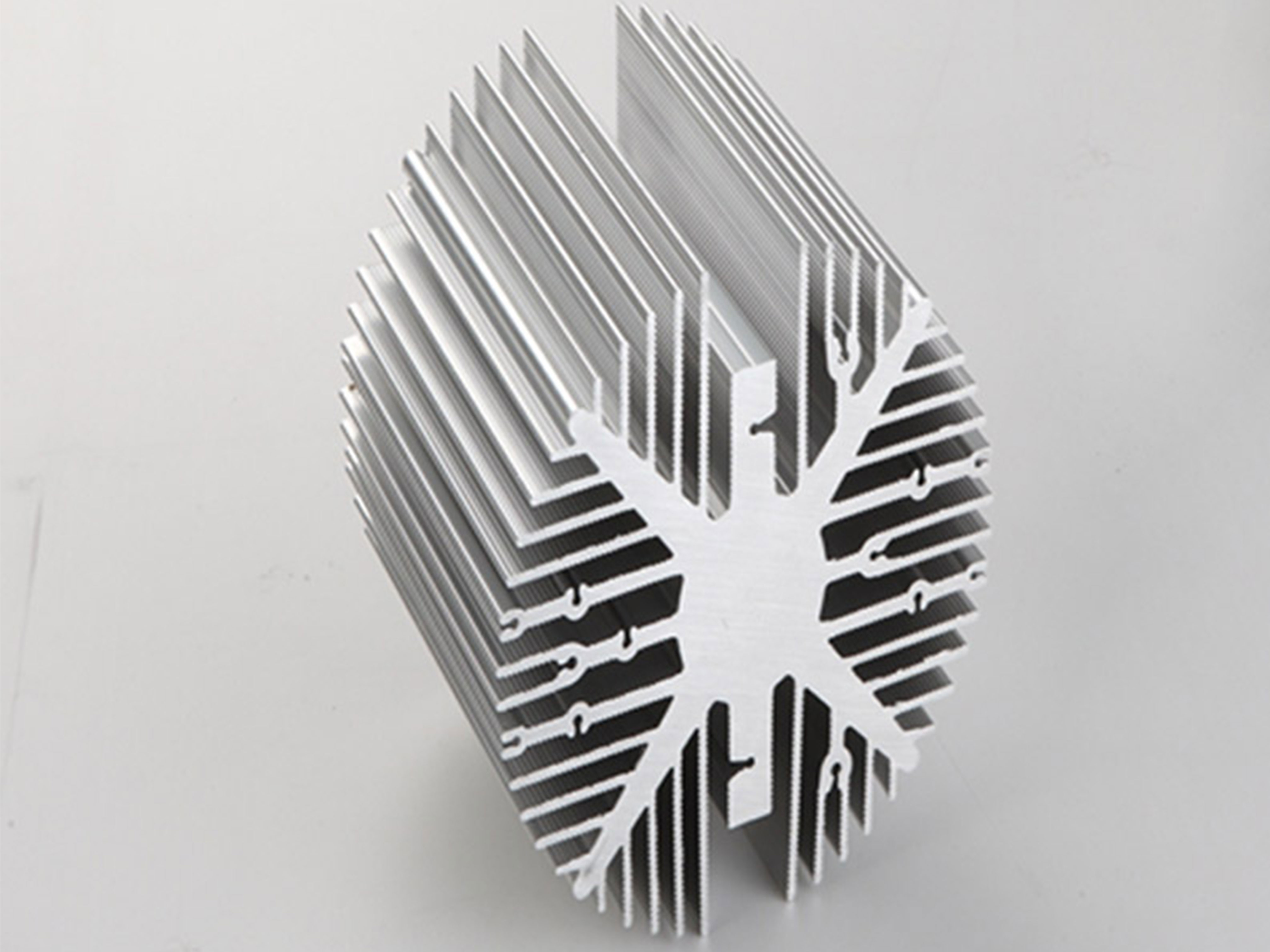
5052 Marine Aluminum Customized Shapes for High Strength Offshore Platforms
Superior qualities of 5052 Marine Aluminum, a high-strength material ideal for customized shapes used in offshore platforms. Learn about its key features, applications, and technical specifications.
View Details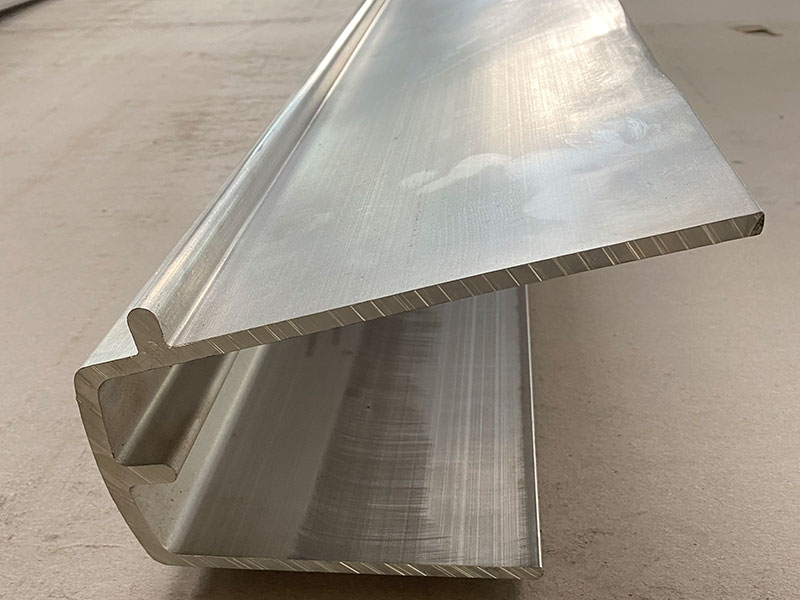
5052 Marine Aluminum Fencing and Railings for High Performance Coastal Guardrails
As we push the boundaries of engineering and architecture in coastal environments, 5052 marine aluminum fencing and railings is know as a notable solution. Functioning not only as an elegant aesthetic feature but also ensuring safety and durability.
View Details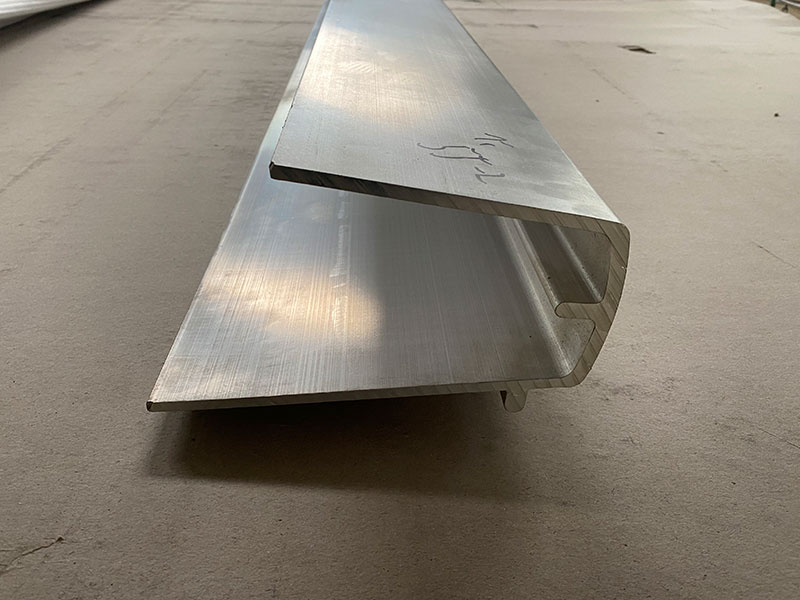
5052 Marine Aluminum Customized Shapes for High Performance Coastal Engineering Projects
When it comes to marine and coastal engineering projects, material performance directly impacts durability, safety, and longevity. 5052 Marine Aluminum Customized Shapes is know as an ideal choice due to their exceptional corrosion resistance.
View Details
5052 Marine Aluminum Fencing and Railings for Saltwater Proof Marine Railing Systems
When it comes to marine applications, durability, corrosion resistance, and strength are non-negotiable. One material that stands out as a superior choice for fencing and railing systems on ships, docks, and coastal structures is 5052 Marine Aluminum.
View Details
Leave a Message