
6061 Marine Grade Aluminum Solid Bar
A boat may be defined by its hull, but its daily reliability often depends on smaller, heavily loaded components: steering brackets, rail fittings, pump mounts, davit parts, ladder supports, trim tabs, cleats, and machined connectors. This is where 6061 marine grade aluminum solid bar earns its place. It is not merely bar stock; it is a practical engineering material that turns into precise parts capable of carrying load, resisting weather, and remaining manageable in a machine shop.
6061 is an aluminum-magnesium-silicon alloy strengthened by heat treatment. In marine projects, it is commonly selected where a component requires more mechanical strength and better machining behavior than many sheet-oriented marine alloys can provide. Round, square, flat, and hexagonal solid bars can be cut, drilled, milled, threaded, and finished for a broad range of fabricated and CNC-machined fittings.
Why 6061 Works in Marine Hardware
The word "marine" does not mean that every aluminum alloy performs identically in seawater. Marine suitability depends on the exposure condition, component design, surface protection, fastener selection, and maintenance plan. Compared with 5xxx-series alloys such as 5083 or 5086, 6061 generally has lower resistance to prolonged bare-surface saltwater exposure. Yet it offers a valuable balance of strength, stiffness, weldability, and machining precision.
For this reason, 6061 marine grade aluminum solid bar is especially appropriate for elevated, enclosed, coated, drained, or periodically maintained fittings. It is widely used for boat superstructure hardware, deck equipment, structural brackets, dock accessories, yacht fittings, marine machinery parts, and offshore auxiliary assemblies.
Anodizing, marine-grade paint systems, and thoughtful isolation from dissimilar metals can substantially improve service life. A well-designed 6061 part does not trap seawater in crevices, and it avoids direct contact with stainless steel, copper alloys, or carbon steel without suitable insulating washers, sealants, or coatings.
Common Forms and Supply Parameters
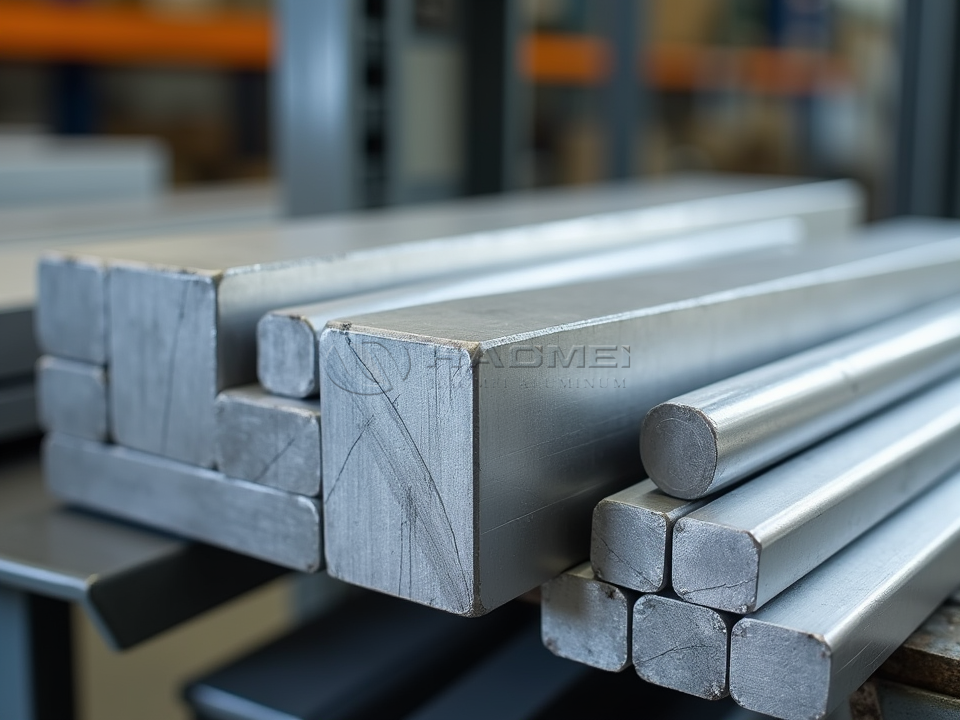
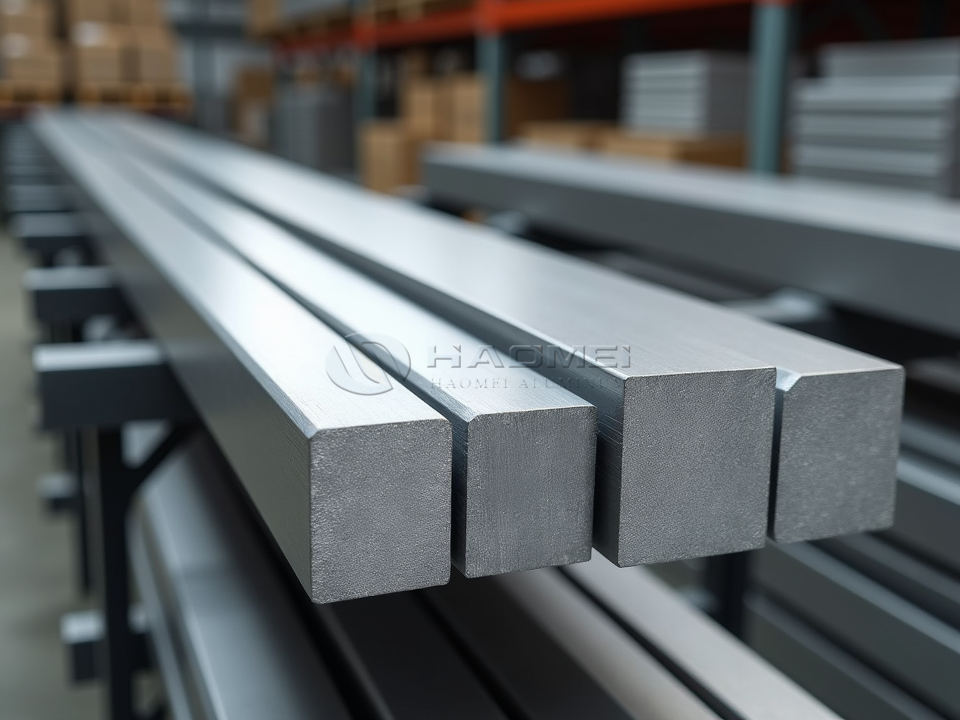
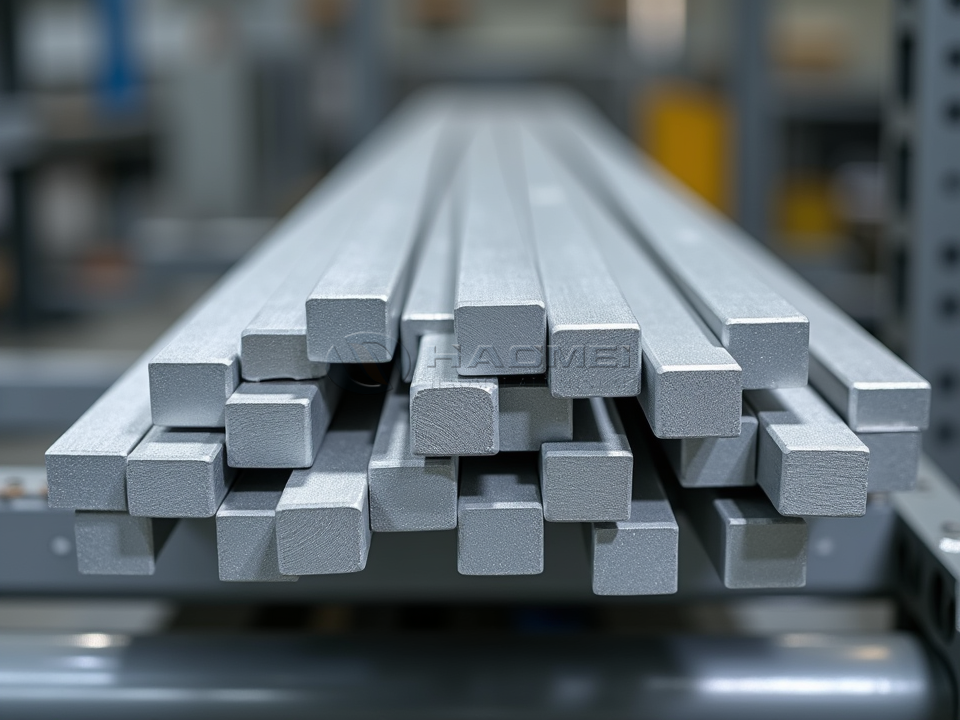
Solid 6061 bar is available in profiles that match different machining and fabrication tasks. Round bars are popular for shafts, pins, spacers, bushings, and turned fittings. Square bars suit blocks, mounts, and structural connectors. Flat bars are practical for brackets, straps, gussets, and supports. Hex bars provide an efficient starting profile for nuts, adapters, and threaded marine fittings.
| Parameter | Typical Condition |
|---|---|
| Alloy | AA 6061 / EN AW-6061 / AlMg1SiCu |
| Product forms | Round bar, square bar, flat bar, hexagonal bar |
| Diameter or width range | Commonly 6 mm to 400 mm, subject to form and production route |
| Flat-bar thickness | Commonly 3 mm to 200 mm |
| Standard stock length | Often 3 m, 4 m, 6 m, or custom cut length |
| Temper options | O, T4, T6, T651, T6511 |
| Density | Approx. 2.70 g/cm³ |
| Melting range | Approx. 582-652°C |
| Surface options | Mill finish, polished, brushed, anodized, coated |
| Processing | Sawing, CNC milling, turning, drilling, threading, welding |
For customers sourcing several profiles for one project, our Marine Grade Aluminum Bars range helps match bar geometry to the job rather than forcing a part design around a single stock shape.
Chemical Composition of 6061 Aluminum
The alloy chemistry of 6061 is carefully controlled because magnesium and silicon form magnesium silicide during heat treatment. This precipitation-strengthening response gives 6061 T6 its familiar combination of useful strength and production flexibility.
| Element | Composition, % by Weight |
|---|---|
| Silicon, Si | 0.40-0.80 |
| Iron, Fe | 0.00-0.70 |
| Copper, Cu | 0.15-0.40 |
| Manganese, Mn | 0.00-0.15 |
| Magnesium, Mg | 0.80-1.20 |
| Chromium, Cr | 0.04-0.35 |
| Zinc, Zn | 0.00-0.25 |
| Titanium, Ti | 0.00-0.15 |
| Other elements, each | 0.05 max |
| Other elements, total | 0.15 max |
| Aluminum, Al | Balance |
Values may be specified under ASTM, EN, or customer purchase requirements. Material test certificates should be reviewed when chemistry limits, traceability, or classification-related documentation is required.
Temper Matters as Much as Alloy
The temper tells the buyer how the bar was processed and what behavior to expect during fabrication. For marine hardware, choosing the correct temper can prevent machining distortion, forming cracks, or unexpected strength loss after welding.
6061-O is annealed and soft. It is suitable for severe forming but has relatively low strength. It is less common for finished load-bearing fittings.
6061-T4 is solution heat-treated and naturally aged. It has moderate strength and more formability than T6. It can be useful where bending or forming is required before final aging or assembly.
6061-T6 is solution heat-treated and artificially aged. It is the standard choice for machined marine components because it combines high strength, good dimensional stability, and clean cutting performance. Typical minimum mechanical values for many standard T6 bar sizes are approximately 240 MPa yield strength, 290 MPa tensile strength, and 8% elongation, though exact values vary with section size and governing standard.
6061-T651 or T6511 receives stress relief through controlled stretching after solution heat treatment. These tempers are valuable for precision-machined components, particularly larger bars and plates where internal residual stress could cause movement after heavy material removal.
Standards and Documentation
A 6061 marine grade aluminum solid bar can be supplied in accordance with several recognized standards, depending on destination market and product form. Common references include ASTM B221 for extruded bars, rods, wire, profiles, and tubes; ASTM B211 for aluminum bar, rod, and wire; EN 755 for extruded aluminum products; EN 573 for chemical composition; EN 515 for temper designations; and ISO 6361 where applicable.
For marine projects involving classification society requirements, customers should state this at the inquiry stage. Documentation may include a mill test certificate, chemical analysis, mechanical test results, dimensional inspection records, ultrasonic testing where agreed, and traceability markings. Classification approval is not automatic simply because a product is described as marine grade.
Fabrication Notes for Saltwater Service
6061 T6 machines exceptionally well with appropriate cutters, lubricant, and chip evacuation. It produces accurate threads and crisp milled features, making it attractive for parts that must fit closely with seals, bearings, or stainless fasteners. Sharp internal corners should be avoided where cyclic loading is expected, since generous radii improve fatigue performance.
Welding is possible, typically using suitable 4xxx or 5xxx filler alloys selected by the welding procedure and service requirement. However, welding significantly reduces strength in the heat-affected zone of T6 material. Designers should account for this reduction instead of relying on parent-metal T6 values around a weld.
Where corrosion protection is important, anodizing is a popular finish. Hard anodizing can enhance surface hardness and wear resistance, while conventional anodizing offers an attractive protective finish. Coatings should be continuous, edges should be well prepared, and crevices should be sealed or drained to prevent persistent chloride-rich moisture.
For applications needing a stronger alternative in certain fittings, compare the dimensions and characteristics of 6082 marine aluminum rod & bar before finalizing the design.
Selecting the Right 6061 Solid Bar
The most effective specification identifies profile, dimensions, temper, standard, required length, tolerance, finish, and certificate needs. It should also describe the actual marine environment: sheltered deck hardware, splash-zone equipment, submerged service, cabin interior, or offshore exposure. This context determines whether 6061 is the right selection and whether anodizing, painting, isolation, or a different alloy should be considered.
6061 T6 marine aluminum solid bar is at its best when engineering strength meets practical production. It turns efficiently into accurate, durable boat components, giving designers a dependable material for the many hard-working parts that connect marine systems together.

Related Products
6082 marine aluminum rod & bar
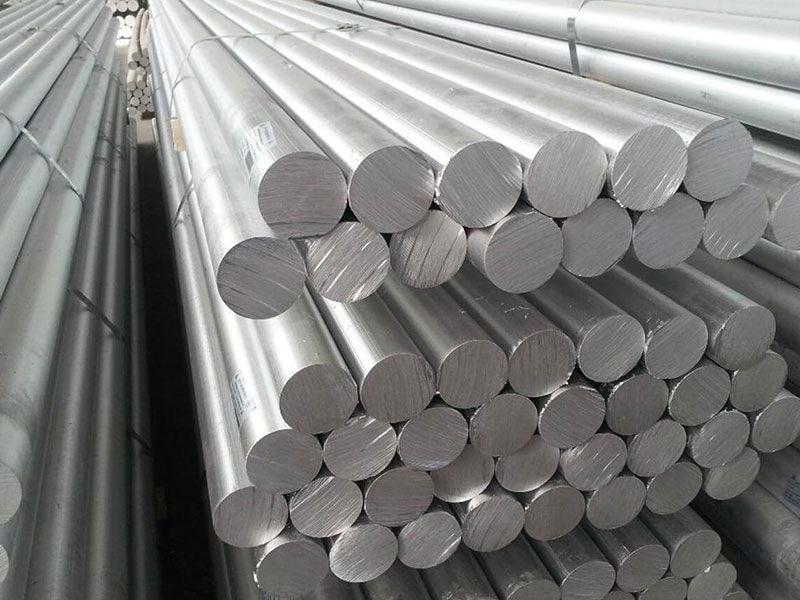
6082 Aluminum Rods & Bars are extruded or rolled products manufactured from 6082 aluminum alloy — a thermally treated (typically T6 temper) aluminum-magnesium-silicon alloy that balances high tensile strength, good weldability, and excellent corrosion resistance.
View Details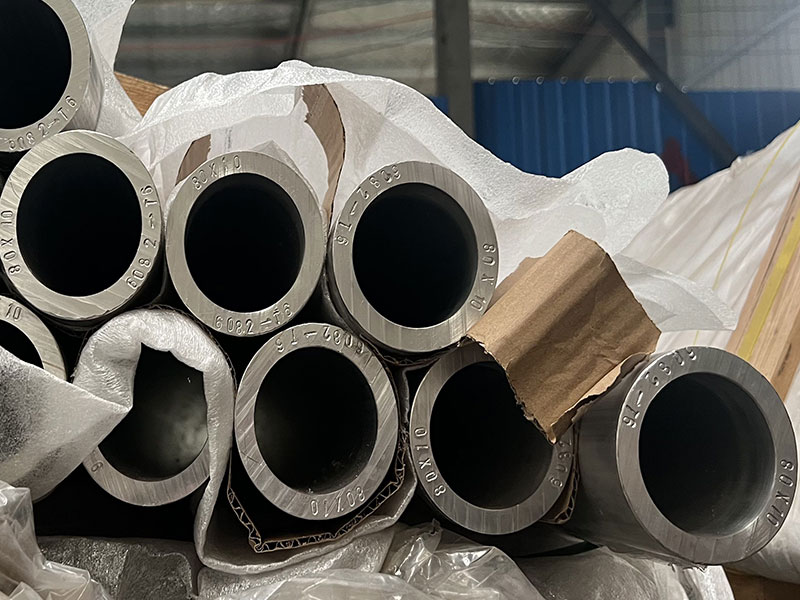
Marine aluminum hollow bars
Marine Grade Aluminum Hollow Bars are fabricated from high-quality alloys such as 5083, 5052, 6061, and 6082, all known for their exceptional resistance to seawater corrosion, salt spray, and marine atmospheres.
View Details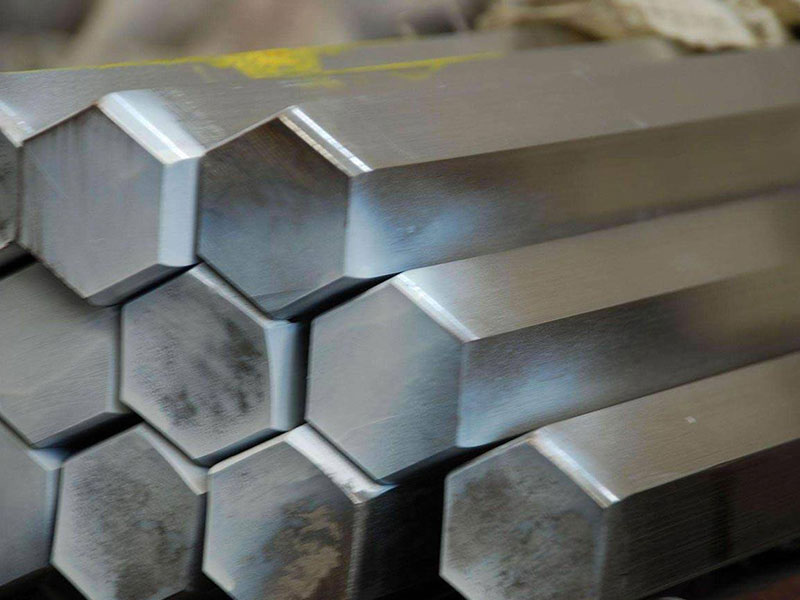
Marine aluminum hexagonal bars
Marine Grade Aluminum Hexagonal Bars are produced from premium corrosion-resistant aluminum alloys such as 5083, 5052, 6061, and 6082.
View Details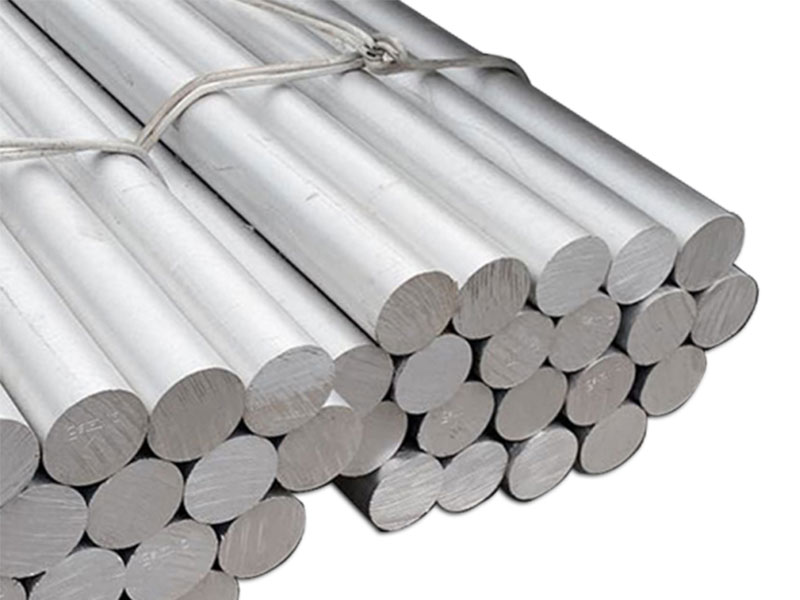
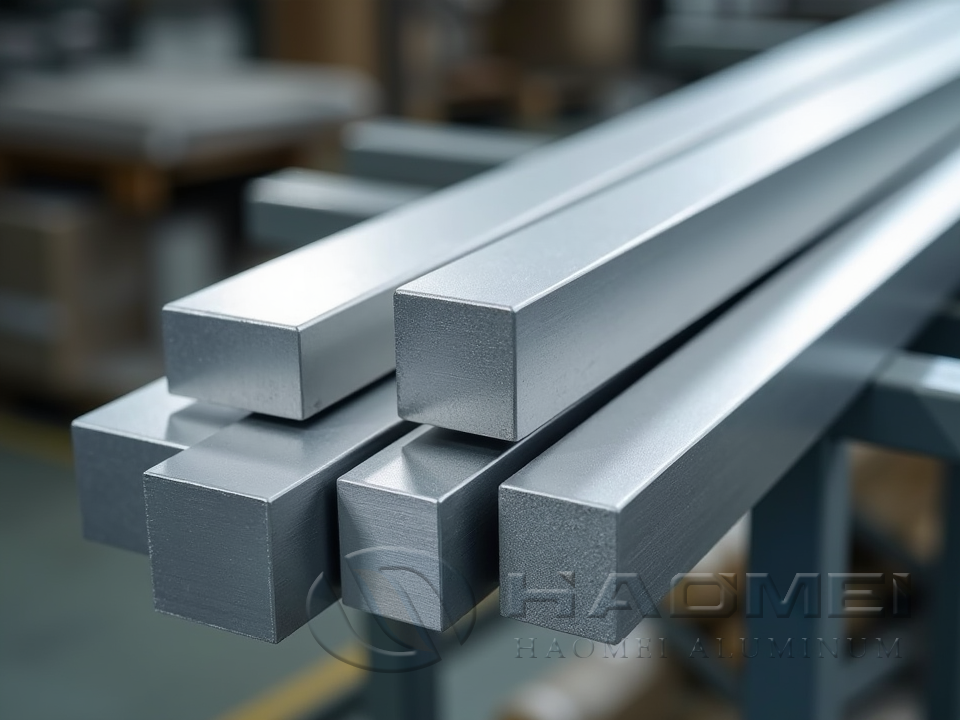
Marine grade aluminum solid bar
Marine Grade Aluminum Solid Bars are produced from premium aluminum alloys optimized for saltwater exposure, such as 5083, 5052, 6061, and 6082. These alloys offer unparalleled resistance to corrosion caused by seawater, salt spray, and marine atmospheres, while maintaining excellent mechanical strength and toughness.
View DetailsRelated Blog
5083 Marine Aluminum Hexagonal Bars for Saltwater Resistant Boat Hull Parts
Explore 5083 marine aluminum hex bars for seawater resistant boat hull parts, with specs, chemistry, tempers, machining notes, fabrication guidance, and uses.
View Details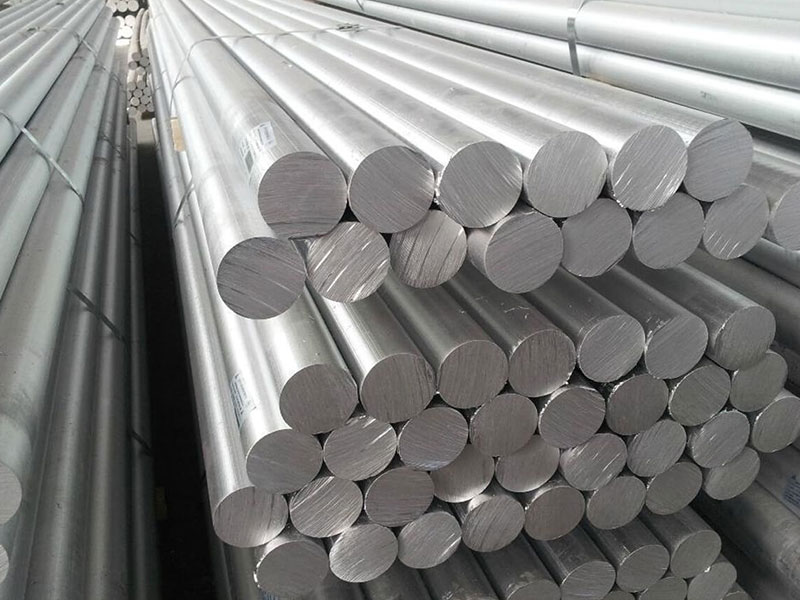
5083 Marine Aluminum Hexagonal Bars for Boat Design and Engineering
5083 marine aluminum hexagonal bars offer outstanding corrosion resistance, high strength-to-weight ratio, and excellent weldability for boat design and marine engineering.
View Details
6082 Marine Grade Aluminum Solid Bar for Boat Deck Reinforcements
When it comes to marine vessel construction and refurbishment, selecting the right materials is vital for ensuring durability, performance, and safety. Among various options.
View Details
5083 Marine Aluminum Hollow Bars for High Strength Marine Engineering
Explore how 5083 marine aluminum hollow bars deliver strength, corrosion resistance, weldability, and weight savings for demanding sea structures.
View Details
5052 Marine Aluminum Hexagonal Bars For Seawater Tolerant Marine Frames
Practical guidance on 5052 marine aluminum hexagonal bars for corrosion-resistant frames, fittings, bracing, and seawater exposed boat structures.
View Details
Marine Grade Aluminum Solid Bar for Offshore Vessel Reinforcements
Learn how marine grade aluminum solid bar supports offshore vessel reinforcements through smart alloy selection, fabrication, corrosion control, and inspection.
View Details
Leave a Message