
5052 Marine Aluminum Hexagonal Bars For Seawater Tolerant Marine Frames
A marine frame is rarely judged on the first day it is installed. It is judged after the first season of spray, the first winter layup, the first careless washdown, and the first time a fastener is removed without snapping. That is where 5052 marine aluminum hexagonal bars become interesting. They are not chosen only because they look clean on a drawing. They are chosen because their shape and alloy behavior solve small, stubborn problems that boat owners and fabricators deal with every week.
In a seawater environment, a frame is more than a structure. It is a collection of joints, brackets, clamps, welded corners, drainage paths, and contact points. A round bar may look simple, a square bar may seem easy to align, but a hexagonal bar gives the builder six working faces. Those faces make it easier to index parts, grip the bar during assembly, create anti-rotation details, and machine flats without extra setup. For light to medium marine frames, that practical geometry can save time long before the boat touches water.
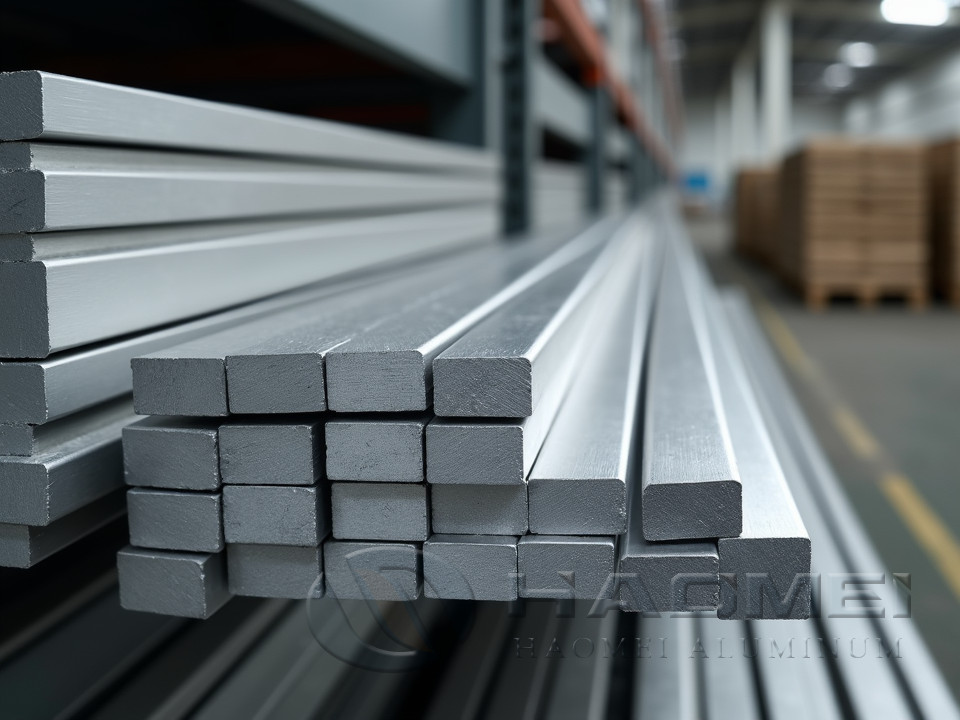
Why 5052 Fits the Saltwater Conversation
5052 aluminum belongs to the 5xxx aluminum-magnesium family. Its reputation in marine service comes from its natural resistance to seawater corrosion, especially when compared with many general-purpose aluminum alloys. It is not a heat-treatable alloy, so its performance is not dependent on a T6 temper that can be weakened near welds. Instead, it gains strength mainly through strain hardening, with common tempers such as H32 or H34 used when a balance of strength, formability, and corrosion resistance is required.
For customers, the important point is simple: 5052 is forgiving in wet marine use. It forms a protective oxide film quickly, and when the surface is properly cleaned and maintained, that film helps slow corrosion. This does not mean the metal is immune to neglect. Salt trapped under rubber pads, stainless fasteners installed without isolation, or stagnant water inside poorly drained assemblies can still create trouble. But compared with many non-marine aluminum choices, 5052 gives the frame a better starting position.
The alloy is also friendly to fabrication. It welds well with suitable marine filler, often 5356, and it machines cleanly when tools are sharp and cutting conditions are controlled. It is not normally selected for very high-load structural beams where alloys such as 5083 may be preferred, nor is it the same as 6061-T6 when high machining strength is the main target. Its strength lies in seawater tolerance, workability, and reliability in parts that must survive constant exposure.
The Hex Bar Advantage in Marine Frames
A hexagonal bar changes how a frame can be assembled. Each flat face becomes a natural reference surface. Brackets can seat more securely. Clamp blocks can be designed with better contact. Cross members can be aligned by face rather than by guesswork. When a frame must be disassembled for service, the hex profile gives tools and fixtures something to hold without crushing or slipping.
This is especially useful in canopy frames, inspection hatch supports, small platform structures, equipment guards, removable rail sections, tender racks, and lightweight interior marine framework. A hex bar can also work well as a spacer, standoff, tie member, or machined connector in a larger aluminum assembly. The shape helps resist rotation in pocketed joints, which can reduce dependence on over-tightened fasteners.
Customers comparing product families may also find it useful to look at broader Marine Grade Aluminum Bars when a frame uses several shapes together. In many boat projects, hexagonal bars are paired with flat bars, round bars, square bars, or custom plates to create a frame that is easier to fabricate and maintain.
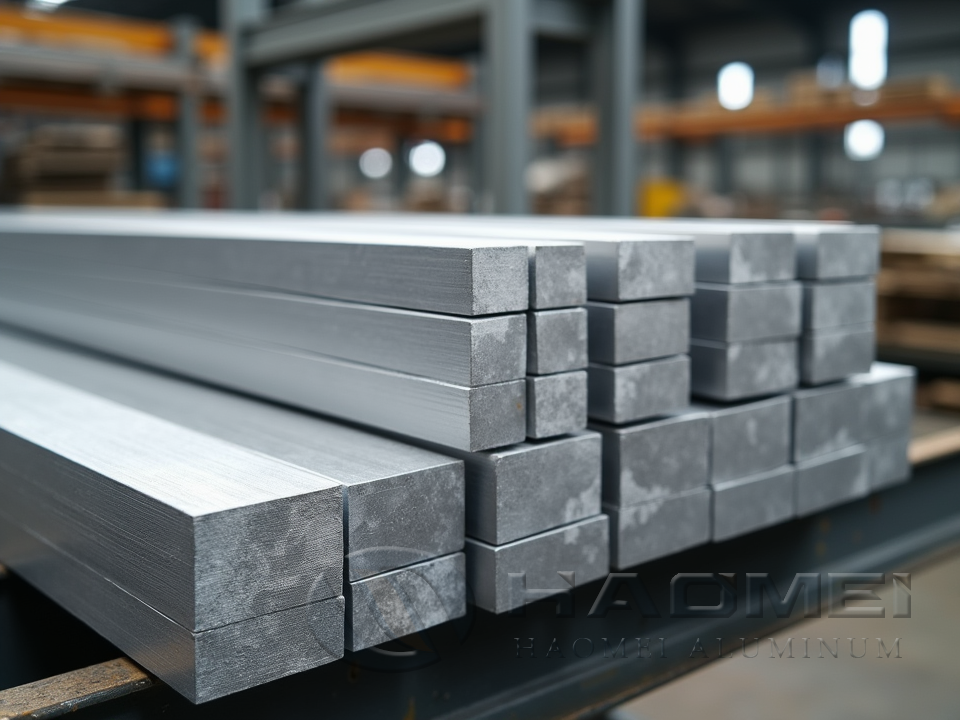
Seawater Tolerant Does Not Mean Carefree
The phrase seawater tolerant should be understood correctly. It means the material is suitable for marine exposure when designed, fabricated, and maintained properly. It does not mean it can be treated like plastic or stainless steel. Aluminum needs intelligent detailing.
The most common failure points are not the long, open surfaces of the bar. They are hidden contact zones. If a 5052 hex bar is bolted directly to stainless steel and left wet, galvanic corrosion may appear around the fastener area. The solution is simple: use isolation washers, sealants, compatible coatings, or well-designed bushings. If the frame traps seawater in a blind corner, add drainage. If the part is powder coated, make sure cut edges and drilled holes are sealed after fabrication.
Surface finish also matters. Mill finish can be acceptable for many working marine frames, especially where function matters more than appearance. Anodizing or coating may be selected for added appearance control and surface protection, but coating should not be used to hide poor design. A coated frame with trapped salt can fail earlier than an uncoated frame that drains and dries properly.
Fabrication Notes Customers Should Ask About
When purchasing 5052 marine aluminum hexagonal bars, the most important dimension is usually across flats. This determines how the bar fits into pockets, clamps, machined sockets, and wrench-style fixtures. Across-corner dimension is also relevant where clearance is tight. Straightness, twist, corner radius, surface quality, and length tolerance all affect frame assembly.
For welded marine frames, ask the supplier or fabricator about the temper and welding procedure. 5052 can be welded successfully, but the heat-affected zone will not behave exactly like the base material. Good weld design avoids placing all stress at one small welded point. Gussets, longer contact surfaces, and smooth transitions help distribute load.
For machined parts, hexagonal bar is efficient because one or more flats can act as datum surfaces. Holes, cross-drilled passages, threaded sections, slots, and relieved shoulders can be placed with repeatable orientation. This makes the material valuable not only as visible frame stock but also as connector stock for custom marine hardware. Customers looking specifically for this profile can compare sizes and supply options for Marine aluminum hexagonal bars during early design so the frame does not depend on hard-to-source dimensions later.
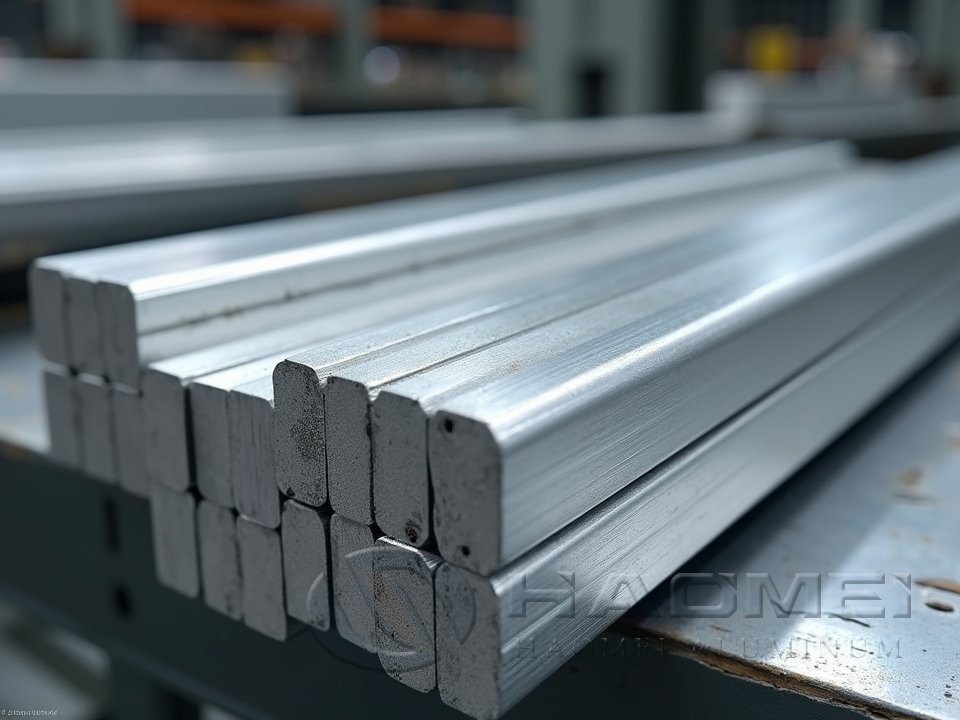
Where 5052 Hex Bars Make the Most Sense
5052 hexagonal bars are best used where corrosion resistance, moderate strength, weldability, and practical assembly matter together. They are a smart option for light marine frame members, detachable supports, equipment mounts, deck-access structures, cockpit accessories, and non-critical framework exposed to spray or humid salt air.
They may not be the best choice for every heavy structural member. If the part carries high dynamic loads, supports major hull structure, or must meet class approval, the design should be checked by a qualified marine engineer. In some cases, 5083, 5086, or another certified marine alloy may be more suitable. In other cases, 5052 is exactly the right answer because the real challenge is not maximum strength, but long service life in a wet, salty, maintenance-limited space.
A Frame Builder's Way of Thinking
A good marine frame is built with the future mechanic in mind. Can the fastener be reached? Can the bar be held while tightening? Can water escape? Can a damaged section be replaced without cutting apart half the boat? The hexagonal profile supports this thinking. It gives hands, tools, clamps, and fixtures something definite to work with.
This is the value of 5052 marine aluminum hexagonal bars for seawater tolerant marine frames. The alloy brings marine corrosion resistance and fabrication flexibility. The shape brings alignment, grip, and anti-rotation behavior. Together, they create a material choice that feels practical in the workshop and sensible after years near seawater.
For customers, the best purchase is not simply the lowest-price bar. It is the bar with the right alloy confirmation, correct dimensions, clean surface, suitable temper, and dependable supply. When those details are controlled, 5052 hexagonal bar becomes more than stock material. It becomes a quiet part of a boat that keeps doing its job after the shine has faded and the salt has had plenty of chances to test it.

Related Products
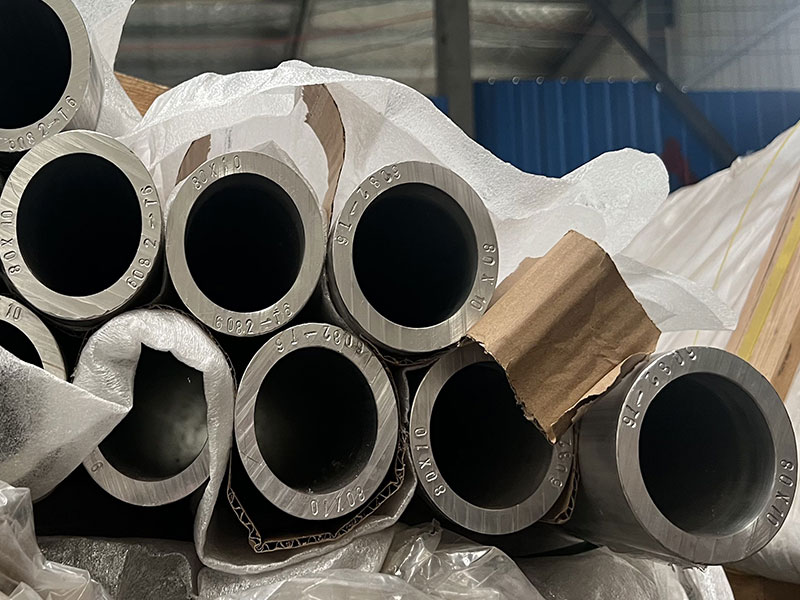
Marine aluminum hollow bars
Marine Grade Aluminum Hollow Bars are fabricated from high-quality alloys such as 5083, 5052, 6061, and 6082, all known for their exceptional resistance to seawater corrosion, salt spray, and marine atmospheres.
View Details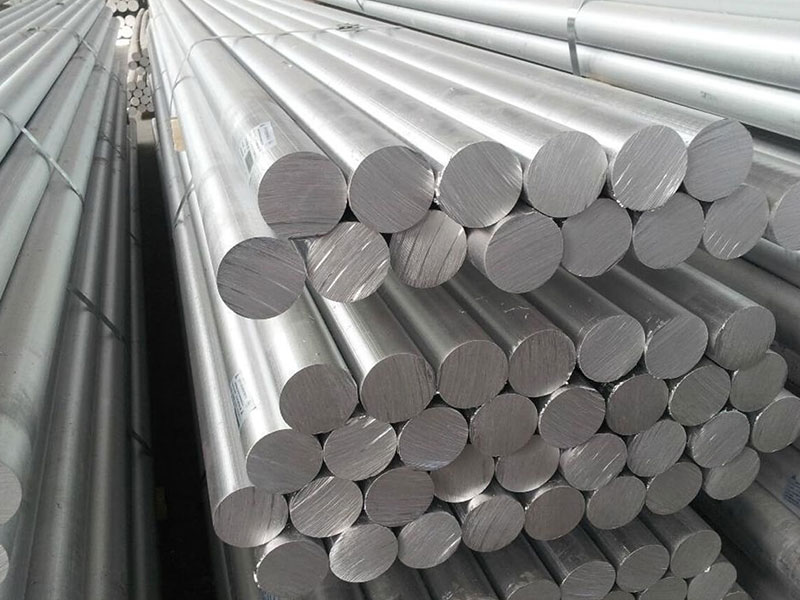
6082 marine aluminum rod & bar
6082 Aluminum Rods & Bars are extruded or rolled products manufactured from 6082 aluminum alloy — a thermally treated (typically T6 temper) aluminum-magnesium-silicon alloy that balances high tensile strength, good weldability, and excellent corrosion resistance.
View Details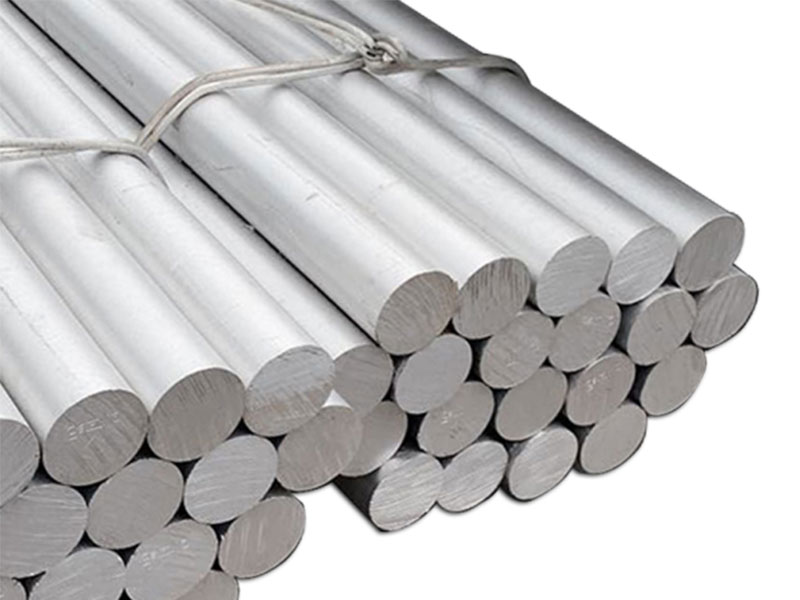
Marine grade aluminum solid bar
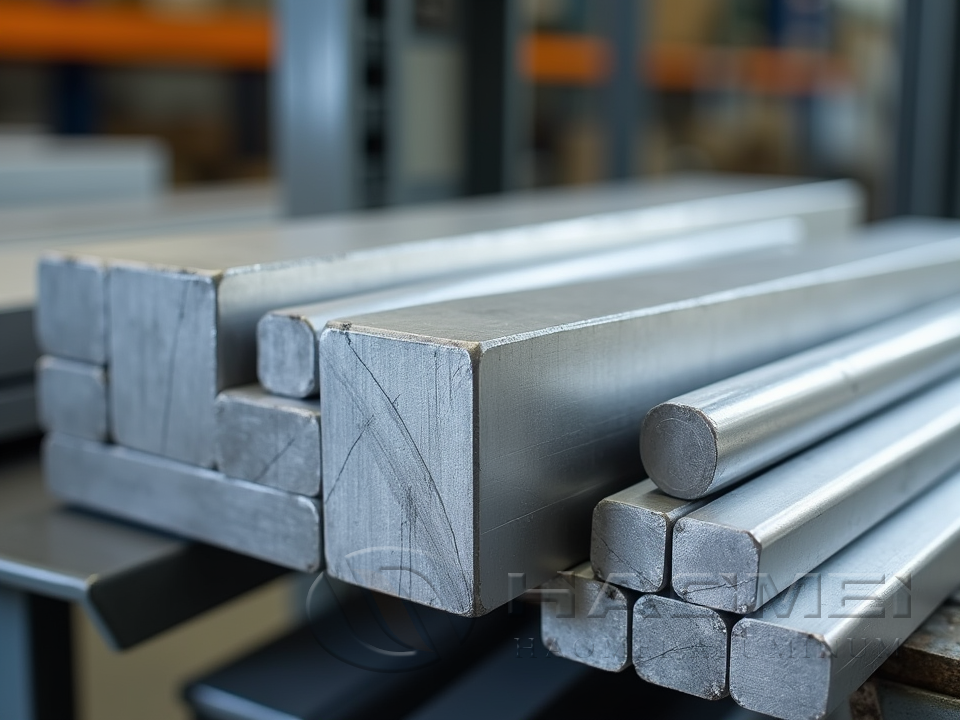
Marine Grade Aluminum Solid Bars are produced from premium aluminum alloys optimized for saltwater exposure, such as 5083, 5052, 6061, and 6082. These alloys offer unparalleled resistance to corrosion caused by seawater, salt spray, and marine atmospheres, while maintaining excellent mechanical strength and toughness.
View Details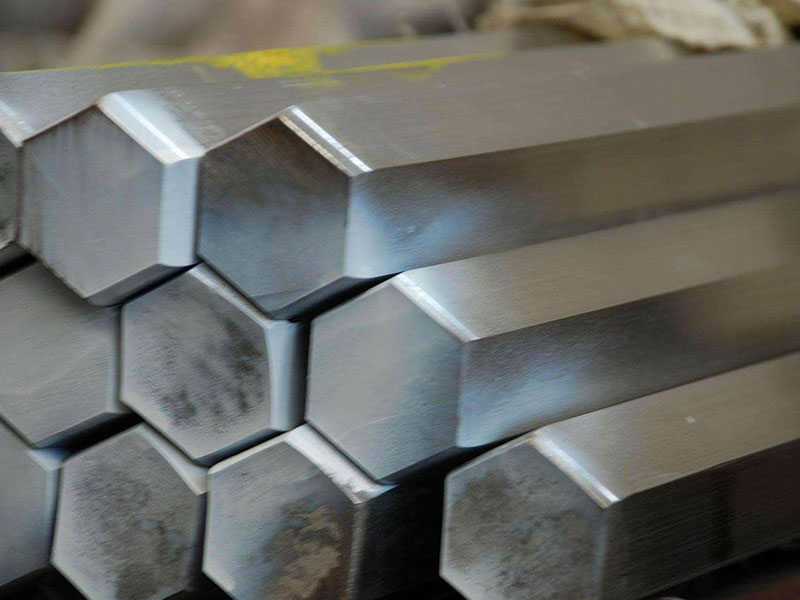
Marine aluminum hexagonal bars
Marine Grade Aluminum Hexagonal Bars are produced from premium corrosion-resistant aluminum alloys such as 5083, 5052, 6061, and 6082.
View DetailsRelated Blog
6061 Marine Aluminum Hexagonal Bars for Marine Equipment Reinforcements
6061 marine aluminum hexagonal bars deliver T6 strength, corrosion resistance, and precise six-flat geometry for durable marine reinforcements and fittings.
View Details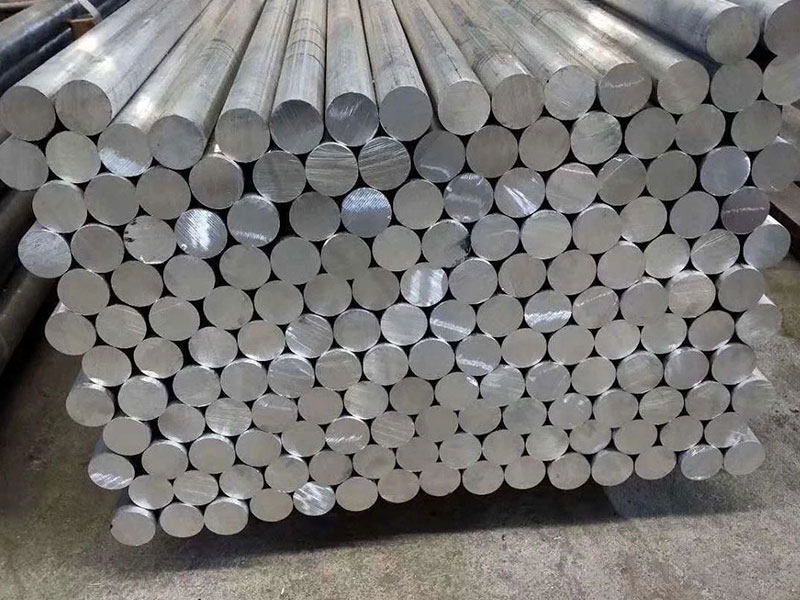
6082 Marine Aluminum Hollow Bars for Boat Hull and Deck Strengthening
6082 Marine Aluminum Hollow Bars for Boat Hull and Deck StrengtheningIn modern boatbuilding, strength is no longer measured only by how thick a plate looks or how heavy a frame feels.
View Details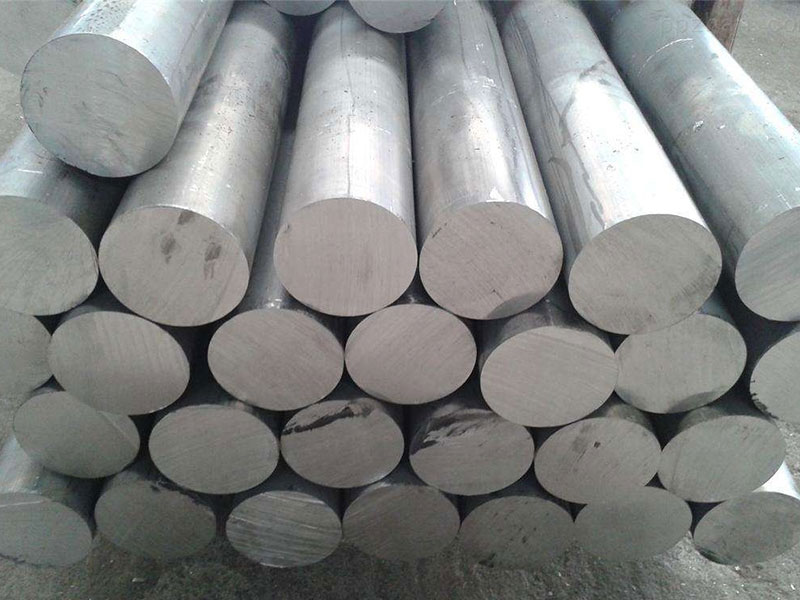
Marine Grade Aluminum Solid Bar for Shipbuilding Reinforcements
In modern shipbuilding, material selection is paramount to ensure strength, durability, corrosion resistance, and lightweight design. One of the most critical materials used in this domain is the Marine Grade Aluminum Solid Bar.
View Details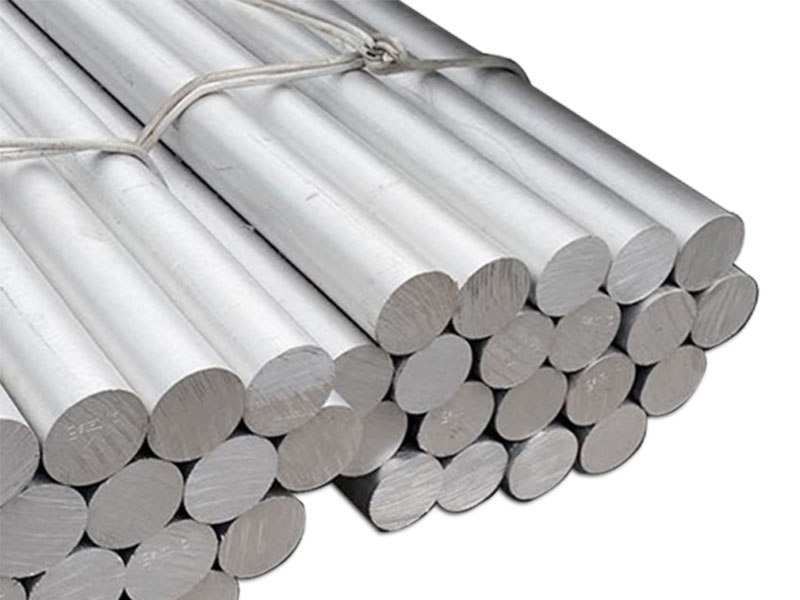
5052 Marine aluminum hexagonal bars
5052 marine aluminum hexagonal bars are a practical choice when you need corrosion resistance in saltwater, reliable strength, and good machinability-all in a shape that naturally suits fasteners, shafts, standoffs, couplings, valve parts.
View Details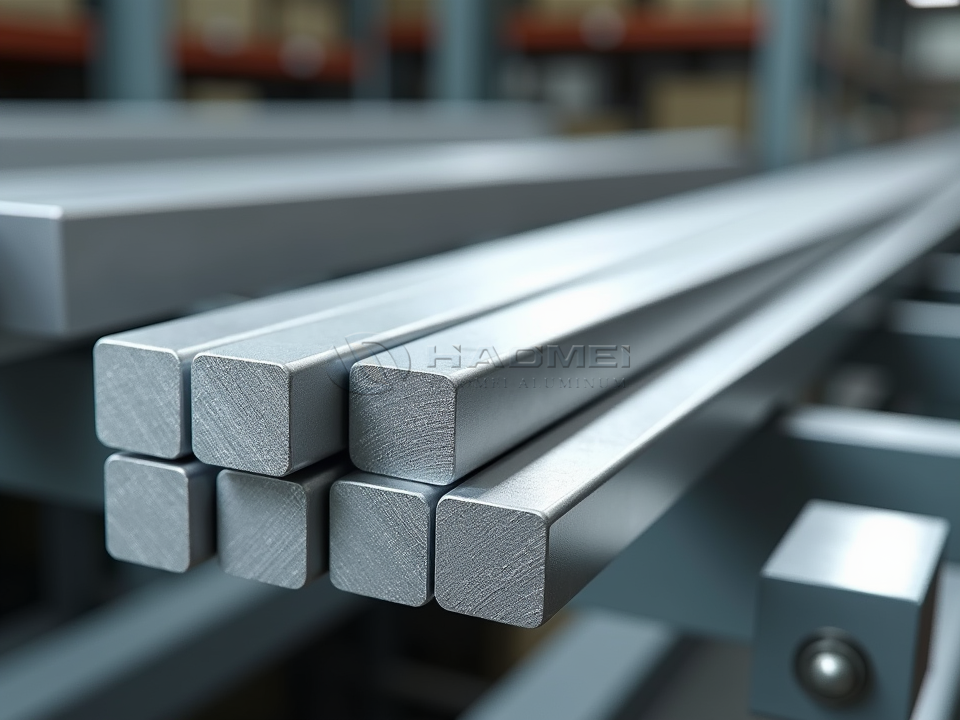
5052 Marine Aluminum Hollow Bars for Durable Offshore Marine Parts
Explore 5052 marine aluminum hollow bars for durable offshore parts, with composition, tempers, dimensions, standards, fabrication guidance, and corrosion control.
View Details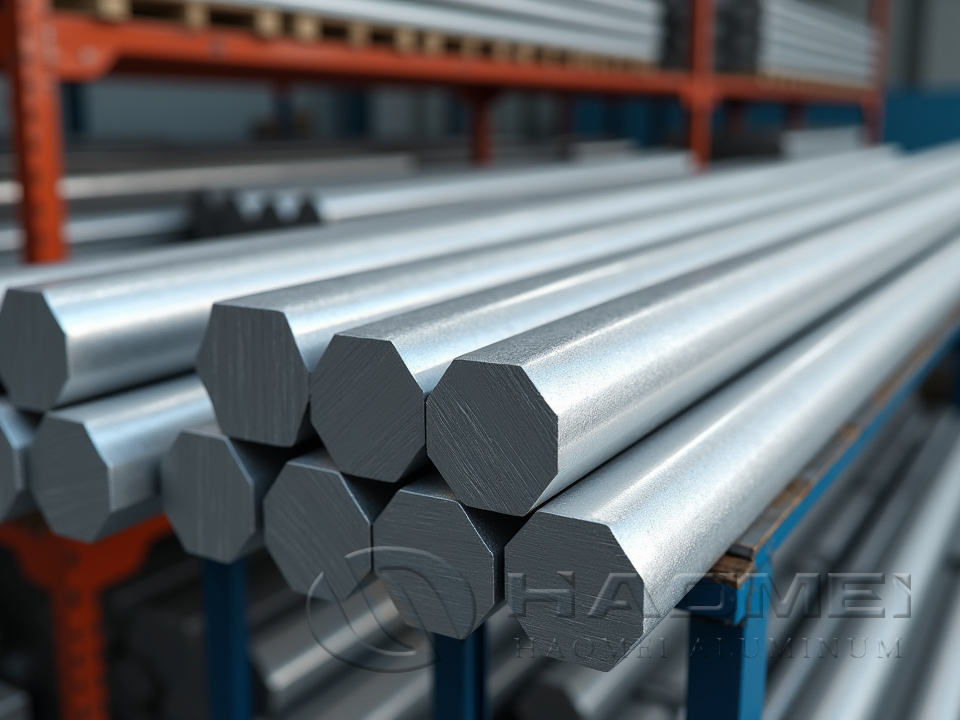
5083 Marine Aluminum Hexagonal Bars for Custom Marine Component Manufacturing
Practical guide to 5083 marine aluminum hexagonal bars, covering alloy chemistry, tempers, standards, sizes, machining, and custom boat hardware uses.
View Details
Leave a Message