
6061 Marine Grade Aluminum Solid Bar for Marine Equipment Customization
Marine equipment customization often begins with a simple question at the workbench: can this part be cut, drilled, threaded, welded, anodized, and still survive vibration, salt mist, and repeated loading? 6061 marine grade aluminum solid bar answers that question with a practical balance of strength, corrosion resistance, and fabrication freedom. It is not just metal stock; it is a starting shape for brackets, handles, frames, supports, pins, spacers, rail components, deck hardware, and precision-machined boat fittings.
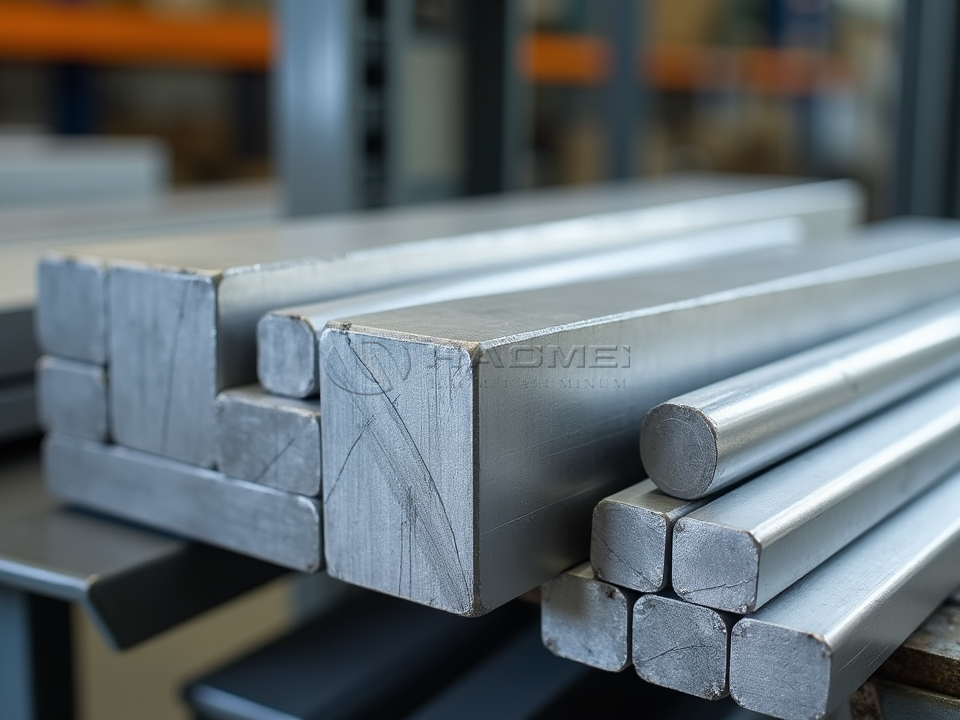
A Workshop-Friendly Marine Alloy
6061 belongs to the aluminum-magnesium-silicon alloy family. In marine fabrication, this chemistry matters because magnesium and silicon form Mg2Si during heat treatment, giving the alloy its useful strength after aging. Compared with softer aluminum grades, 6061-T6 can hold threads, maintain edge definition after CNC machining, and resist deformation in load-bearing equipment parts.
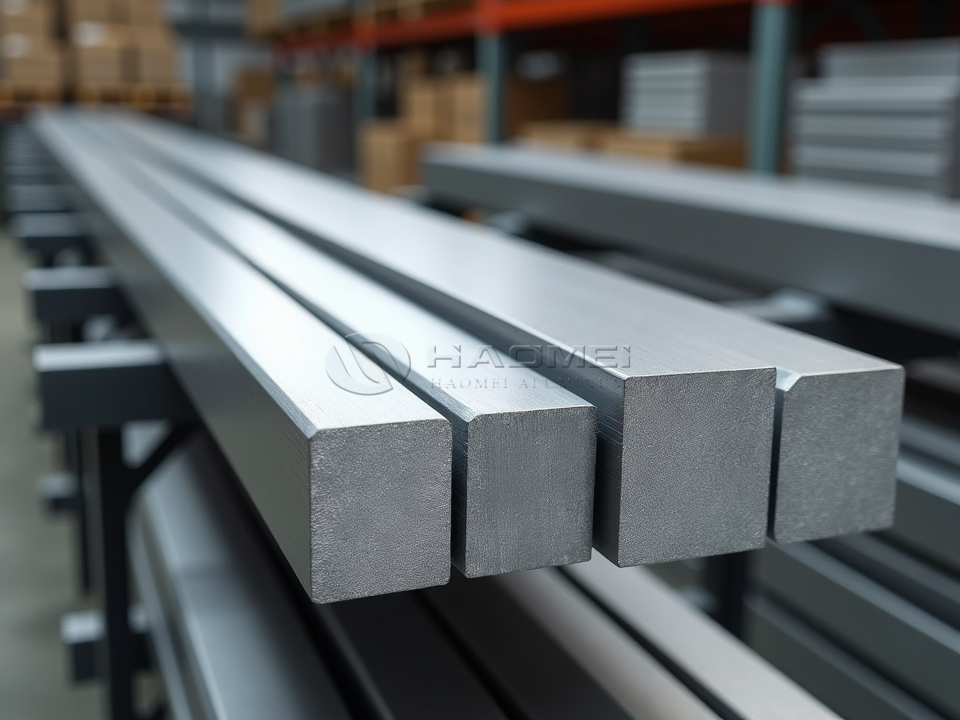
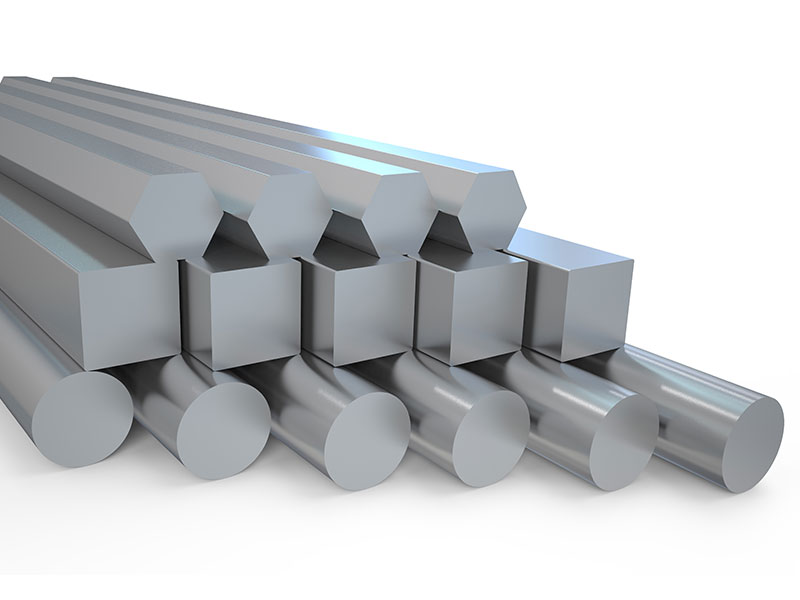
From a designer's view, solid bar is valuable because it carries material through the full cross-section. Round bar becomes shafts, bushings, rollers, handrail posts, and hinge elements. Square bar suits frame corners, instrument brackets, seat supports, and welded assemblies. Flat bar is often selected for mounting plates, clamp arms, ladder components, and reinforced edges. For buyers comparing Marine grade aluminum solid bar options, 6061 is often chosen when dimensional accuracy and machining efficiency are as important as salt-air durability.
Product Parameters for Fast Selection
The values in the table are typical for 6061-T6 marine aluminum solid bar. Exact data should follow the ordered standard, bar diameter or thickness, and mill test certificate.
| Parameter | Typical Value or Range | Practical Meaning |
|---|---|---|
| Alloy | 6061 | Al-Mg-Si heat-treatable aluminum alloy |
| Common temper | T6, T651, T4, O | T6 is common for machined marine hardware |
| Density | 2.70 g/cm3 | About one-third the weight of steel |
| Elastic modulus | 68.9-69 GPa | Stable stiffness for brackets and frames |
| Tensile strength, T6 | 260-310 MPa | Suitable for many structural fittings |
| Yield strength, T6 | 240-276 MPa | Good resistance to permanent deformation |
| Elongation | 8-17% | Depends on diameter, temper, and standard |
| Brinell hardness | About 95 HB | Supports clean machining and thread holding |
| Thermal conductivity | About 167 W/m·K | Helps dissipate heat in equipment parts |
| Melting range | 582-652°C | Relevant for welding and thermal processing |
| Common shapes | Round, square, flat, hex | Custom profiles available by project |
| Diameter range, round bar | About 6-300 mm | Larger sizes available by production plan |
| Length | 1000-6000 mm or cut length | Cut-to-size supply reduces machining waste |
| Surface | Mill finish, polished, brushed, anodized | Chosen by function and appearance |
Standards and Quality Conditions
Marine projects may require dimensional tolerance, chemical verification, mechanical testing, or surface documentation. 6061 aluminum bar is commonly supplied under recognized industrial standards, with extra inspection added when used for vessel equipment or high-value assemblies.
| Standard | Scope | Use in Marine Equipment Customization |
|---|---|---|
| ASTM B211 | Aluminum and aluminum-alloy rolled or cold-finished bar, rod, and wire | Common reference for 6061 bar supply |
| ASTM B221 | Extruded aluminum and aluminum-alloy bars, rods, profiles, and tubes | Used when extruded solid bar is specified |
| AMS-QQ-A-225/8 | 6061 aluminum bar, rod, and wire | Aerospace-grade reference sometimes adopted for strict projects |
| EN 755 | Aluminum extruded rod, bar, tube, and profiles | European dimensional and mechanical reference |
| EN 573 | Chemical composition of aluminum alloys | Alloy composition confirmation |
| GB/T 3191 | Aluminum and aluminum alloy extruded bars and rods | Common production and inspection reference |
| JIS H4040 | Aluminum and aluminum alloy bars and wires | Japanese industrial reference |
| Mill Test Certificate | Chemistry, temper, mechanical data | Traceability for marine fabrication orders |
For custom boat equipment, tolerances should be matched to the operation. A decorative grab handle does not need the same straightness or diameter control as a rotating shaft. When drilling long bars, deep tapping, or making press-fit components, discuss diameter tolerance, straightness, and residual stress before machining begins.
Temper Selection: Why T6 Is Popular
The temper decides how the alloy behaves under tools, welding heat, and service loads. 6061-T6 is solution heat-treated and artificially aged, giving it strong mechanical performance. 6061-T651 adds stress relief by stretching, reducing movement during heavy machining. 6061-T4 is solution heat-treated and naturally aged, offering better forming ability before final aging. O temper is annealed and softer, mainly used when bending or severe forming is required before strengthening.
| Temper | Condition | Strength Level | Best-Fit Use |
|---|---|---|---|
| O | Annealed | Low | Bending, forming, pre-machining operations |
| T4 | Solution heat-treated and naturally aged | Medium | Formed parts needing later processing |
| T6 | Solution heat-treated and artificially aged | High | Brackets, shafts, rails, mounting hardware |
| T651 | T6 with stress relief | High with better stability | CNC-machined parts, thicker bars, precision components |
Welding is possible with 6061, commonly using 4043 or 5356 filler depending on strength, color match after anodizing, and corrosion considerations. The heat-affected zone loses part of the T6 strength, so welded custom equipment may require design allowance, post-weld treatment, or larger section thickness.
Chemical Composition and Marine Behavior
6061 is often called marine grade because it performs well in marine atmospheres and can be protected effectively by anodizing, powder coating, or paint systems. It is not the same as 5083 or 5086 plate alloys used for hull plating in continuous seawater immersion, but it is highly practical for machined marine equipment where strength, accuracy, and surface treatment matter.
| Element | Content, % |
|---|---|
| Magnesium, Mg | 0.80-1.20 |
| Silicon, Si | 0.40-0.80 |
| Iron, Fe | 0.70 max |
| Copper, Cu | 0.15-0.40 |
| Chromium, Cr | 0.04-0.35 |
| Zinc, Zn | 0.25 max |
| Manganese, Mn | 0.15 max |
| Titanium, Ti | 0.15 max |
| Other each | 0.05 max |
| Other total | 0.15 max |
| Aluminum, Al | Balance |
Copper improves strength but can slightly reduce corrosion resistance compared with low-copper marine alloys. For this reason, 6061 marine parts should avoid galvanic contact with stainless steel, carbon steel, or copper alloys unless insulated with washers, bushings, sealants, or coatings. In saltwater service, drainage, smooth edges, and sealed fastener holes can be as important as alloy choice.
Functions in Customized Marine Equipment
The main function of 6061 marine grade aluminum solid bar is to turn design intent into durable hardware. It can be milled into light mounting blocks, turned into threaded shafts, drilled into hinge barrels, or cut into support struts. Its strength-to-weight ratio helps reduce equipment mass without making parts feel fragile. Its machinability shortens production time for small-batch and customized marine projects.
Common applications include boat ladder parts, radar and antenna mounts, console brackets, rail connectors, deck cleats, hatch supports, engine-room equipment frames, seat pedestals, fishing platform accessories, docking hardware, and custom instrument panels. For broader alloy and shape comparison, many buyers review Marine Grade Aluminum Bars before specifying round, square, flat, or hex stock.
Surface Treatment and Fabrication Notes
Anodizing is widely used for 6061 marine bar because it improves surface hardness and atmospheric corrosion resistance while giving a clean technical appearance. Hard anodizing is suitable for sliding or wear-prone parts. Powder coating and marine paint systems are preferred when color control and barrier protection are required. Polishing can be used for visible hardware, but polished aluminum still needs protection in aggressive salt environments.
Good customization starts before cutting. Specify the bar shape, size, temper, tolerance, straightness, surface condition, inspection certificate, and end-use environment. For CNC parts, T651 may reduce distortion. For welded frames, allow for local softening near welds. For assemblies with stainless fasteners, add isolation. For deck-mounted parts, avoid water traps and sharp internal corners.
6061 marine grade aluminum solid bar is valued because it sits at the intersection of engineering and fabrication. It gives marine equipment builders a material that is strong enough for service, light enough for boats, clean enough for visible hardware, and workable enough for custom shapes without excessive cost or production difficulty.

Related Products
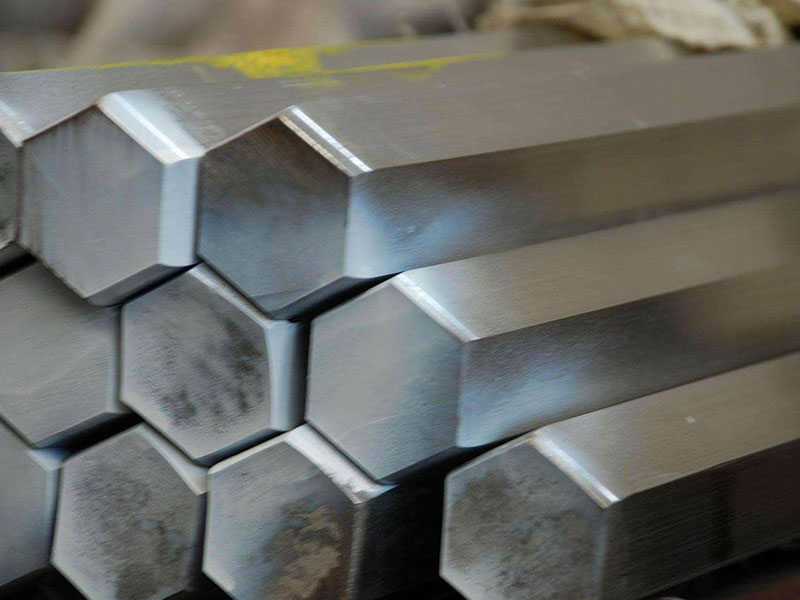
Marine aluminum hexagonal bars
Marine Grade Aluminum Hexagonal Bars are produced from premium corrosion-resistant aluminum alloys such as 5083, 5052, 6061, and 6082.
View Details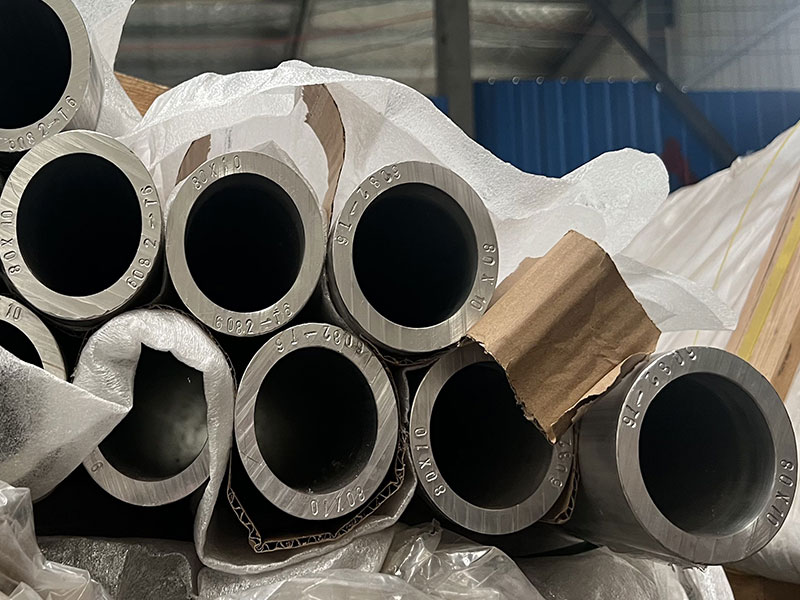
Marine aluminum hollow bars
Marine Grade Aluminum Hollow Bars are fabricated from high-quality alloys such as 5083, 5052, 6061, and 6082, all known for their exceptional resistance to seawater corrosion, salt spray, and marine atmospheres.
View Details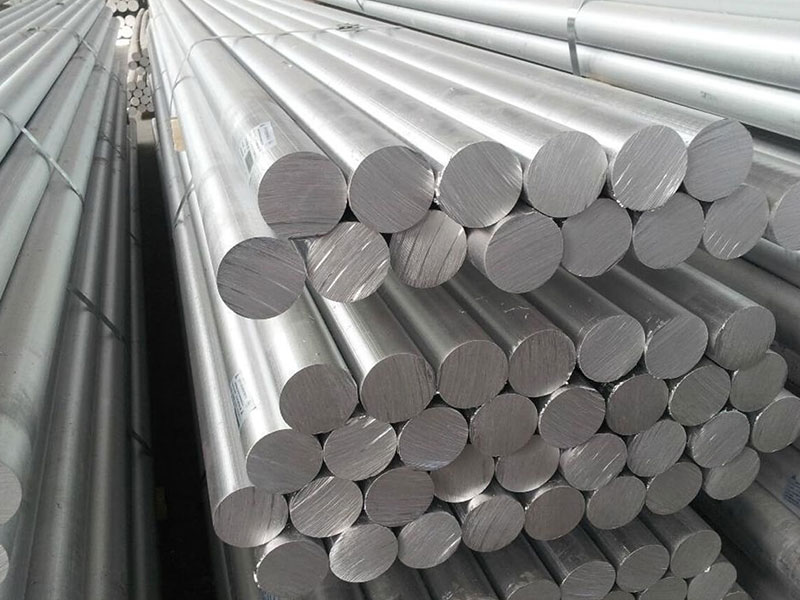
6082 marine aluminum rod & bar
6082 Aluminum Rods & Bars are extruded or rolled products manufactured from 6082 aluminum alloy — a thermally treated (typically T6 temper) aluminum-magnesium-silicon alloy that balances high tensile strength, good weldability, and excellent corrosion resistance.
View Details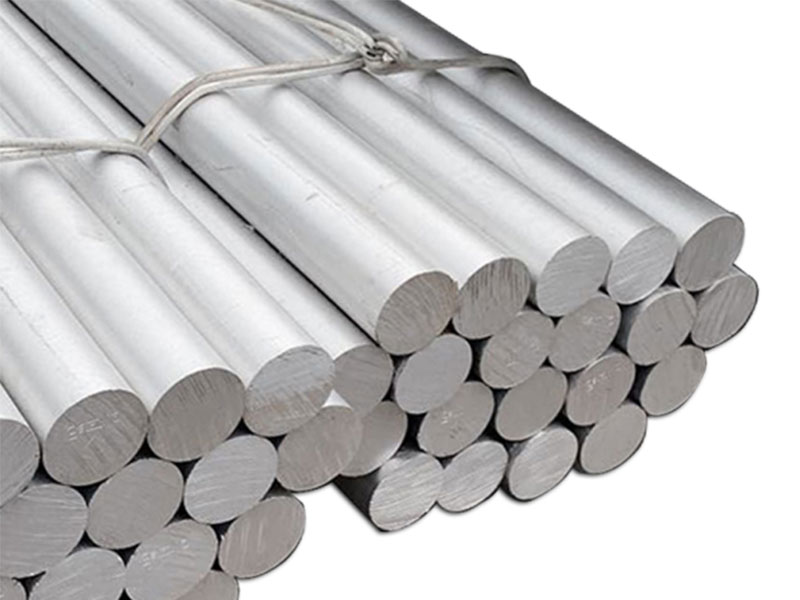
Marine grade aluminum solid bar
Marine Grade Aluminum Solid Bars are produced from premium aluminum alloys optimized for saltwater exposure, such as 5083, 5052, 6061, and 6082. These alloys offer unparalleled resistance to corrosion caused by seawater, salt spray, and marine atmospheres, while maintaining excellent mechanical strength and toughness.
View DetailsRelated Blog
5083 Marine Aluminum Bar for Long Term Marine Equipment Support
Marine applications demand materials that can withstand harsh environments, conduct excellent performance, and provide durability for long-lasting use. One such product that has gained prominence in the marine industry is the 5083 Marine Aluminum Bar.
View Details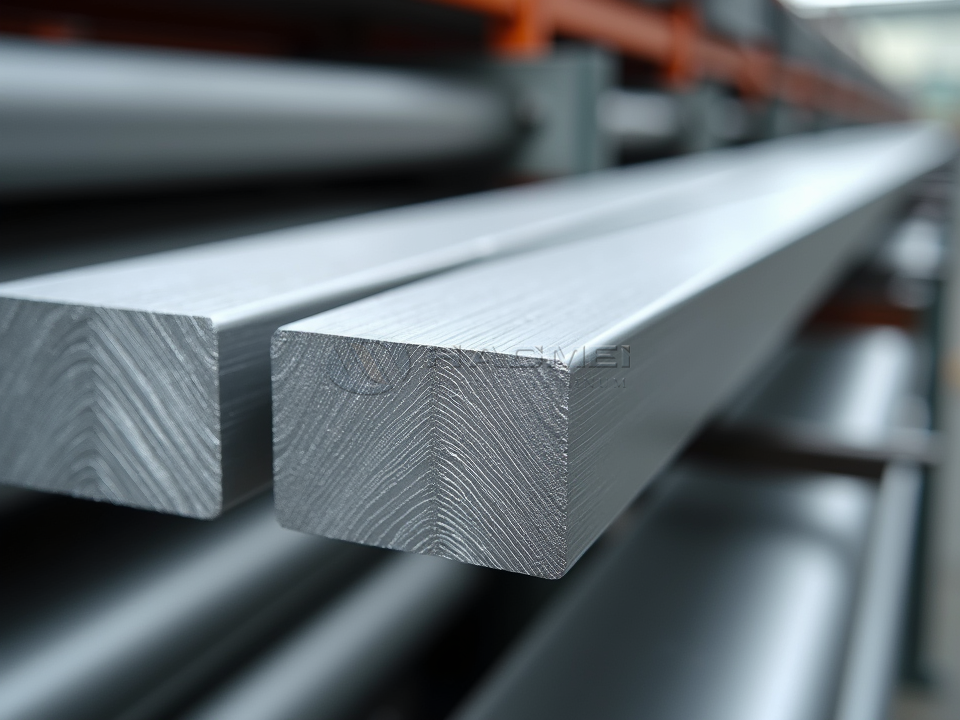
5083 Marine Grade Aluminum Solid Bar for Offshore Platform Construction
5083 marine aluminum solid bar delivers strength, seawater corrosion resistance, weldability, and stable performance for offshore platform use.
View Details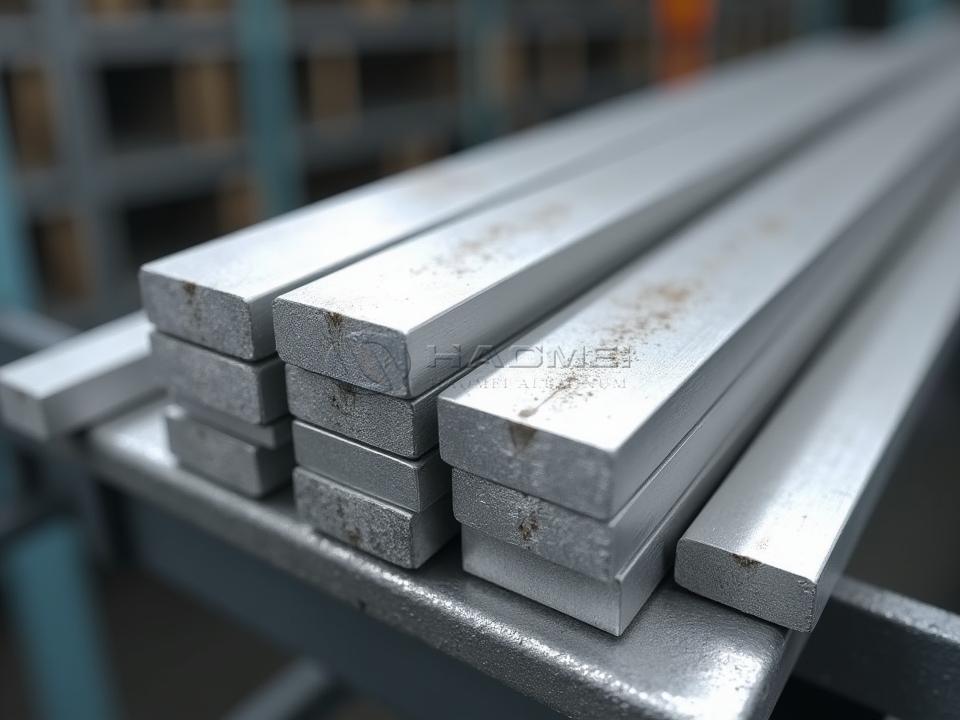
6061 Marine Aluminum Hollow Bars for Seawater Resistant Boat Construction
Learn how 6061 marine aluminum hollow bars support lightweight boat frames, mast bases, rails, and fluid routes with temper, corrosion, welding, and standards guidance.
View Details
5052 Marine Aluminum Hexagonal Bars for Lightweight Marine Frame Design
Learn how 5052 marine aluminum hexagonal bars reduce boat frame weight, resist seawater corrosion, and support precise fabrication in light vessels today.
View Details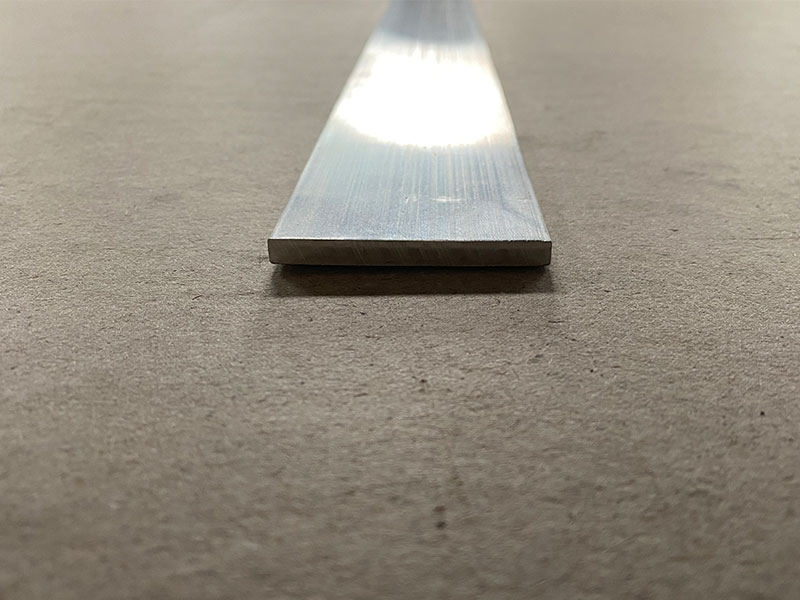
6061 Marine Aluminum Hollow Bars for Marine Hull Repair Parts
6061 marine aluminum hollow bars are a high-performance, versatile material used extensively in marine hull repair parts. Combining excellent corrosion resistance, good mechanical strength, weldability, and machinability.
View Details
5052 Marine Aluminum Hollow Bars for Saltwater Proof Boat Reinforcements
5052 marine aluminum hollow bars provide corrosion-resistant, lightweight reinforcement for saltwater boat frames, decks, rails, and fittings.
View Details
Leave a Message