
5083 Marine Grade Aluminum Solid Bar for Offshore Platform Construction
5083 marine grade aluminum solid bar is a high-magnesium, non-heat-treatable aluminum alloy designed for demanding saltwater and offshore environments. For offshore platform construction, it offers an excellent balance of corrosion resistance, strength, weldability, and weight reduction, making it suitable for structural supports, access systems, equipment bases, bracing components, and machined marine fittings.
Unlike carbon steel, 5083 aluminum does not require heavy corrosion allowance in many marine service conditions. Its low density helps reduce topside weight, while its strong resistance to seawater attack supports longer service life in splash zones, humid marine atmospheres, and deck-level structures.
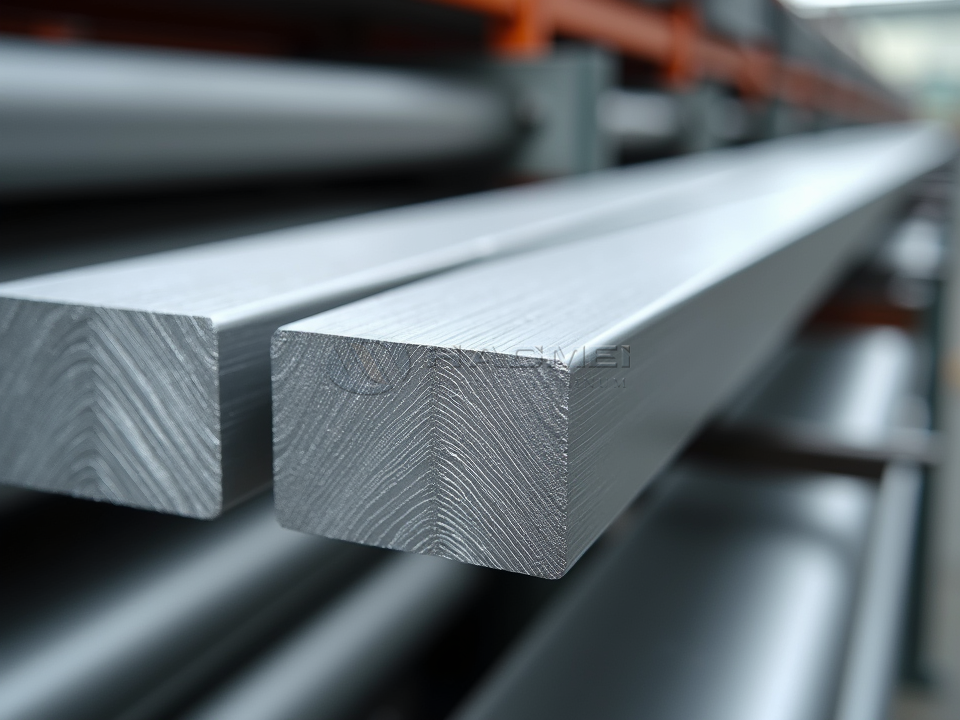
Why 5083 Solid Bar Performs Well Offshore
Offshore platforms face chloride exposure, vibration, wave-driven loads, temperature changes, and frequent maintenance constraints. 5083 aluminum solid bar is widely selected because it maintains dependable performance without relying on heat treatment. Its strength comes mainly from magnesium solid solution strengthening, which also improves resistance to marine corrosion.
The material is especially valuable where designers want to reduce weight without sacrificing durability. Compared with steel, aluminum is much lighter, easier to handle during installation, and simpler to machine into custom structural or mechanical parts.
| Performance Area | 5083 Solid Bar Advantage | Offshore Value |
|---|---|---|
| Seawater resistance | Strong chloride corrosion resistance | Longer service life in marine atmospheres |
| Weight saving | About one-third the density of steel | Lower platform dead load and easier lifting |
| Weldability | Excellent with compatible filler metals | Efficient fabrication of assemblies |
| Machinability | Good for drilling, milling, turning, and cutting | Suitable for custom brackets and fittings |
| Strength retention | Stable non-heat-treatable alloy behavior | Reliable performance after welding |
| Low-temperature behavior | Good toughness in cold conditions | Useful for offshore and LNG-related structures |
Chemical Composition
The chemical profile of 5083 is built around magnesium and manganese, with controlled levels of iron, silicon, copper, zinc, and chromium. This composition gives the alloy its marine-grade corrosion resistance and structural reliability.
| Element | Typical Range, % |
|---|---|
| Aluminum | Balance |
| Magnesium | 4.0-4.9 |
| Manganese | 0.40-1.0 |
| Chromium | 0.05-0.25 |
| Iron | 0.40 max |
| Silicon | 0.40 max |
| Zinc | 0.25 max |
| Copper | 0.10 max |
| Titanium | 0.15 max |
| Other elements, each | 0.05 max |
| Other elements, total | 0.15 max |
Low copper content is important for marine use because it improves resistance to galvanic and pitting corrosion in chloride-rich conditions. Chromium and manganese contribute to grain control and strength stability.
Mechanical Properties
Mechanical properties vary by temper, size, production route, and applicable standard. For offshore platform construction, H111, H112, O, and strain-hardened tempers are often considered based on forming, machining, and structural requirements.
| Temper | Tensile Strength, MPa | Yield Strength, MPa | Elongation, % | Typical Use |
|---|---|---|---|---|
| O | 275-350 | 125-160 | 14-20 | Forming, bending, low-stress components |
| H111 | 275-350 | 125-170 | 12-18 | Welded marine structures |
| H112 | 270-345 | 115-165 | 10-16 | Machined solid bar and general fabrication |
| H116 | 305-385 | 215-260 | 8-12 | Enhanced marine corrosion service where specified |
| H321 | 305-385 | 215-260 | 8-12 | Marine structures requiring stabilized properties |
Actual certified values should be confirmed through mill test certificates. For platform safety components, designers should also consider fatigue loading, weld joint efficiency, and classification society requirements.
Technical Specifications
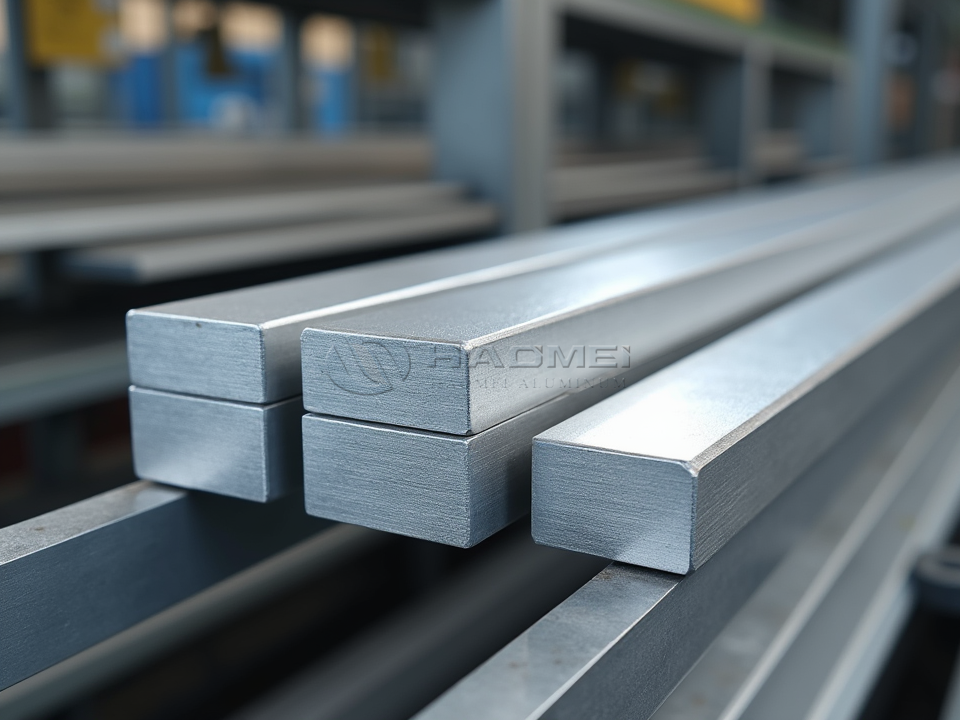
5083 marine grade aluminum solid bar can be supplied as round bar, square bar, rectangular bar, or flat bar depending on the part geometry and installation method. The bar can be cut to length, machined, drilled, tapped, or welded into larger marine assemblies.
| Parameter | Common Supply Range |
|---|---|
| Alloy | 5083 |
| Product form | Solid round, square, rectangular, flat bar |
| Diameter range | 6-300 mm, custom sizes available |
| Width range | 10-300 mm for flat or rectangular bar |
| Thickness range | 5-150 mm for flat or rectangular bar |
| Length | 1,000-6,000 mm, custom cut lengths available |
| Temper options | O, H111, H112, H116, H321 |
| Surface finish | Mill finish, brushed, polished, machined, anodized on request |
| Processing | Saw cutting, CNC machining, drilling, milling, welding preparation |
| Applicable standards | ASTM B221, EN 573, EN 755, marine project specifications |
For buyers comparing product forms, Marine grade aluminum solid bar is often preferred for load transfer points, machined connectors, and compact structural parts where hollow sections are not appropriate.
Offshore Platform Applications
5083 solid bar is used across multiple areas of offshore platform construction, especially where corrosion resistance and moderate-to-high strength are both required.
| Application Area | Example Components | Material Benefit |
|---|---|---|
| Deck structures | Guardrail posts, toe boards, edge supports | Lightweight and corrosion resistant |
| Access systems | Ladder parts, stair supports, handrail connectors | Easy fabrication and safer handling |
| Equipment mounting | Base plates, spacer bars, support blocks | Good machinability and dimensional stability |
| Pipe and cable supports | Clamps, brackets, guide bars | Resistance to salt spray and humidity |
| Living quarters | Frames, fixtures, reinforcement bars | Clean appearance and reduced maintenance |
| Helideck accessories | Peripheral fittings, support elements | Weight reduction on elevated structures |
| Mooring and service areas | Wear strips, custom fittings, small structural bars | Durable performance in wet conditions |
In projects requiring multiple marine aluminum profiles, buyers may combine 5083 bars with other Marine Grade Aluminum Bars to match strength, forming, machining, and budget needs across the full platform package.
Corrosion Resistance in Seawater Service
5083 is one of the strongest aluminum-magnesium alloys commonly used in marine engineering. It performs well in seawater because its surface naturally forms a protective aluminum oxide film. When scratched, this film can reform in the presence of oxygen, giving the alloy self-protecting behavior in many marine environments.
The alloy is also resistant to general atmospheric corrosion, making it suitable for splash zones and open deck locations. In mixed-metal assemblies, proper insulation from stainless steel, carbon steel, or copper alloys is recommended to limit galvanic corrosion. Typical protective methods include non-conductive gaskets, sealants, coated fasteners, and controlled drainage design.
Welding and Fabrication Performance
5083 solid bar is well suited for welded platform structures. Common filler alloys include 5356, 5183, and 5556, depending on strength, corrosion resistance, and project code requirements. Since 5083 is non-heat-treatable, it does not suffer the same post-weld strength loss pattern seen in heat-treatable alloys such as 6061-T6.
| Fabrication Process | Suitability | Practical Notes |
|---|---|---|
| MIG welding | Excellent | Efficient for heavier sections and production welding |
| TIG welding | Excellent | Good control for precision assemblies |
| Saw cutting | Excellent | Clean cuts with proper blade selection |
| CNC machining | Good | Use sharp tooling and suitable coolant |
| Drilling and tapping | Good | Recommended for brackets, clamps, and fittings |
| Bending | Moderate to good | Depends on temper, bar shape, and bend radius |
| Surface treatment | Good | Mill finish is common; anodizing or coating can be specified |
For best offshore performance, weld procedures should control heat input, minimize distortion, and avoid contamination from steel tools or carbon steel grinding residue.
Design Benefits for Platform Builders
The strongest commercial value of 5083 aluminum solid bar is its ability to reduce installed weight while resisting aggressive marine exposure. This supports faster assembly, reduced lifting demand, easier maintenance, and improved corrosion performance over time.
| Customer Need | How 5083 Solid Bar Helps |
|---|---|
| Lower topside weight | Reduces mass compared with steel components |
| Longer maintenance intervals | Resists saltwater corrosion and atmospheric attack |
| Reliable welded assemblies | Maintains practical strength after fabrication |
| Custom component production | Machines into precise brackets, blocks, pins, and supports |
| Safer installation | Lighter pieces are easier to move and align |
| Stable marine appearance | Suitable for visible platform fixtures and access systems |
Selection Guidance
When specifying 5083 marine grade aluminum solid bar for offshore construction, confirm the operating zone, loading condition, fabrication method, and inspection requirement. H112 is commonly used for machined bar products, while H116 or H321 may be selected where enhanced resistance to exfoliation and marine corrosion is required by project standards.
Buyers should request material certificates showing alloy, temper, chemical composition, mechanical properties, dimensions, and compliance standards. For critical offshore structures, third-party inspection, ultrasonic testing, traceability marking, and classification approval can be added to the procurement package.
Final Takeaway
5083 marine grade aluminum solid bar is a practical material for offshore platform construction because it combines marine corrosion resistance, dependable strength, weldability, and weight reduction. Whether used for access systems, equipment supports, deck fittings, brackets, or machined structural parts, it provides a strong balance between performance and long-term value in harsh offshore environments.

Related Products
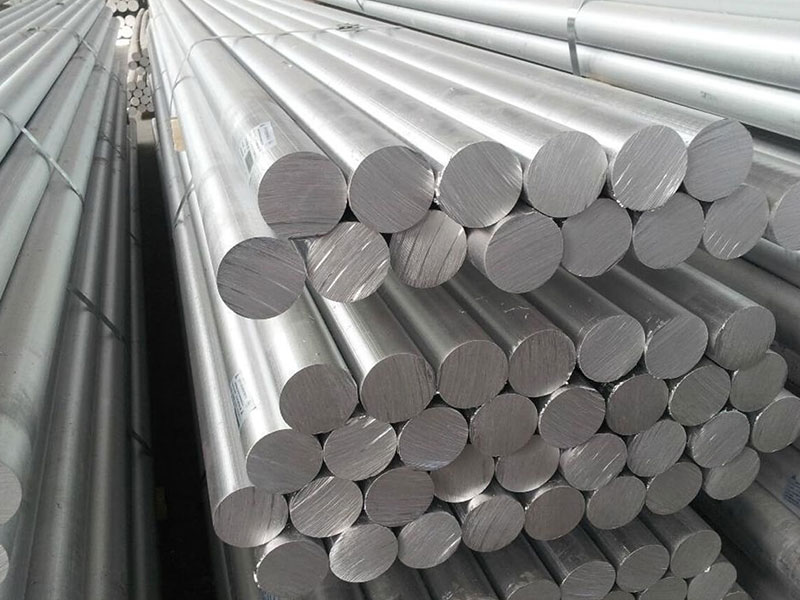
6082 marine aluminum rod & bar
6082 Aluminum Rods & Bars are extruded or rolled products manufactured from 6082 aluminum alloy — a thermally treated (typically T6 temper) aluminum-magnesium-silicon alloy that balances high tensile strength, good weldability, and excellent corrosion resistance.
View Details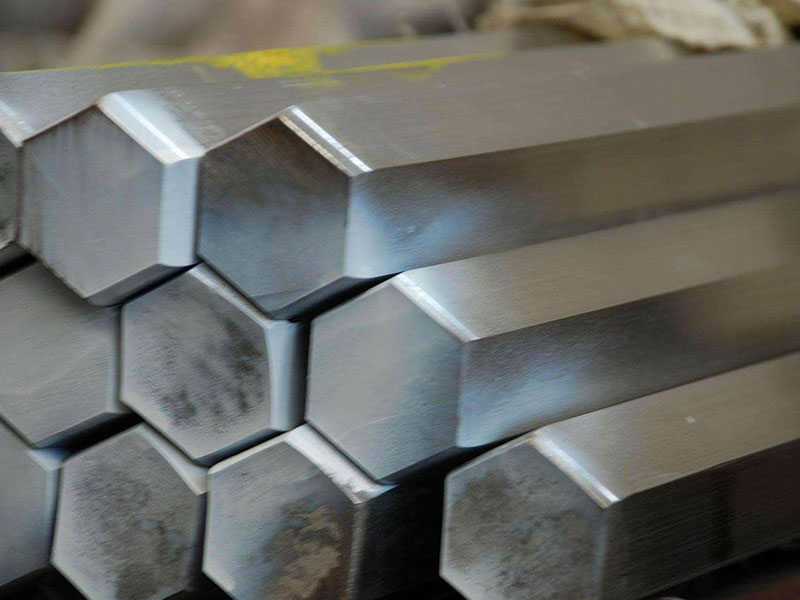
Marine aluminum hexagonal bars
Marine Grade Aluminum Hexagonal Bars are produced from premium corrosion-resistant aluminum alloys such as 5083, 5052, 6061, and 6082.
View Details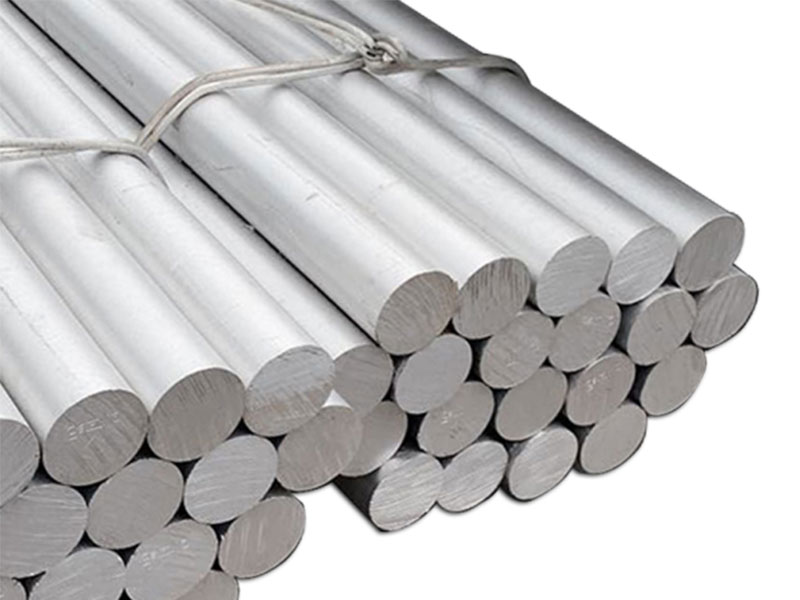
Marine grade aluminum solid bar
Marine Grade Aluminum Solid Bars are produced from premium aluminum alloys optimized for saltwater exposure, such as 5083, 5052, 6061, and 6082. These alloys offer unparalleled resistance to corrosion caused by seawater, salt spray, and marine atmospheres, while maintaining excellent mechanical strength and toughness.
View Details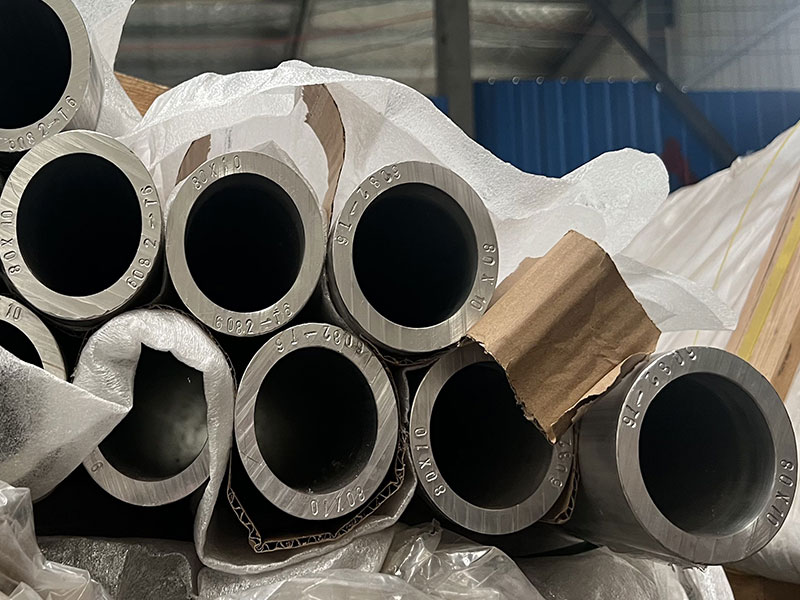
Marine aluminum hollow bars
Marine Grade Aluminum Hollow Bars are fabricated from high-quality alloys such as 5083, 5052, 6061, and 6082, all known for their exceptional resistance to seawater corrosion, salt spray, and marine atmospheres.
View DetailsRelated Blog
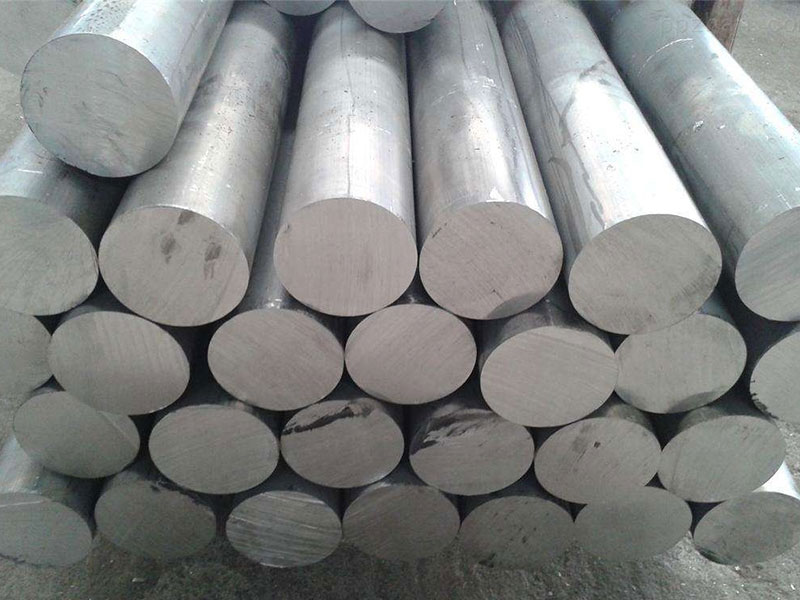
Marine Grade Aluminum Solid Bar for Shipbuilding Reinforcements
In modern shipbuilding, material selection is paramount to ensure strength, durability, corrosion resistance, and lightweight design. One of the most critical materials used in this domain is the Marine Grade Aluminum Solid Bar.
View Details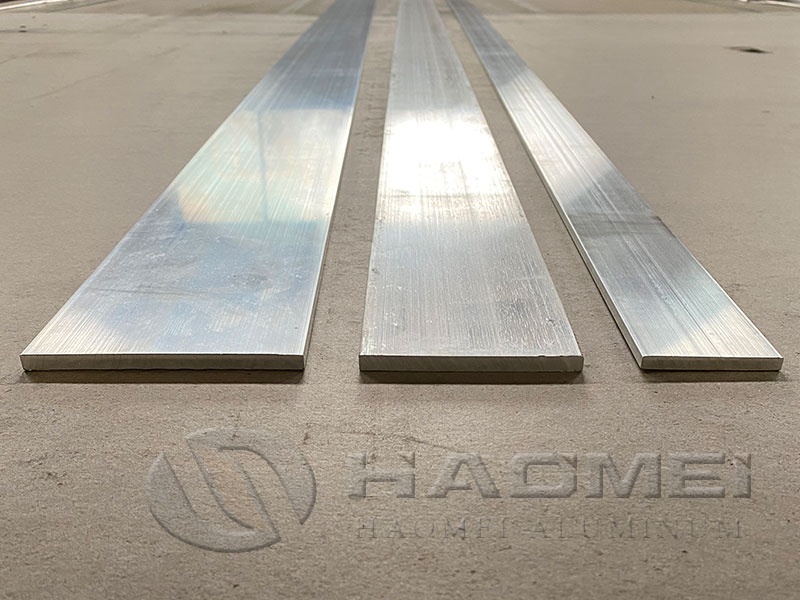
6082 Marine Aluminum Hexagonal Bars for Custom Marine Frame Reinforcement
Learn how 6082 T6 marine aluminum hexagonal bars reinforce custom boat frames with strength, corrosion control, machinability, and standards.
View Details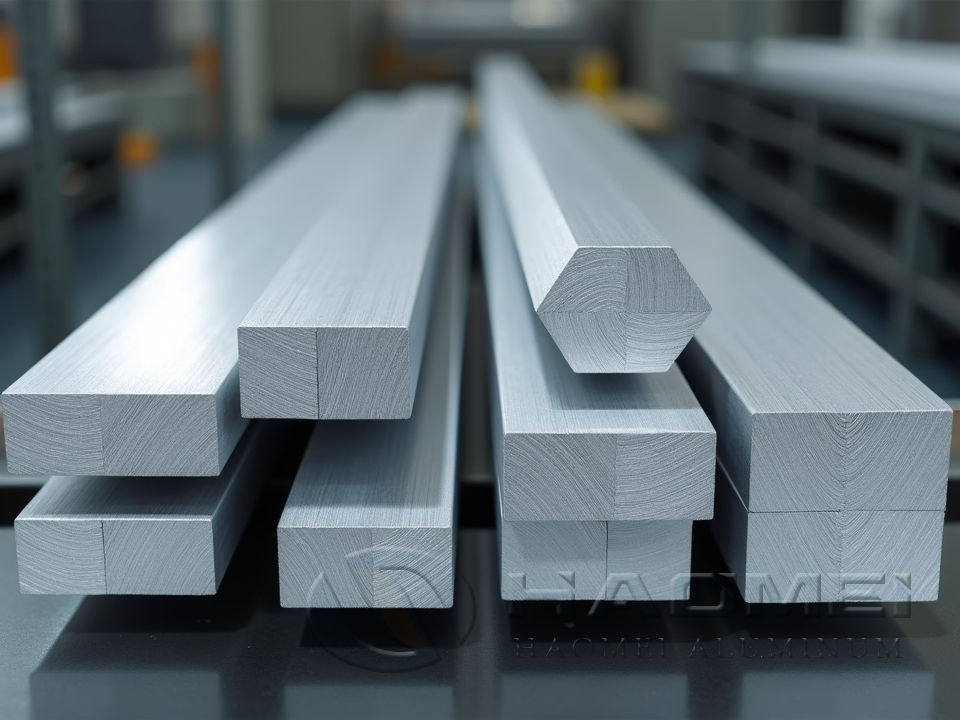
6082 Marine Aluminum Hexagonal Bars for Custom Boat Hull Engineering
6082 marine aluminum hexagonal bars deliver T6 strength, corrosion resistance, and precise machinability for custom boat hull fittings and frames projects.
View Details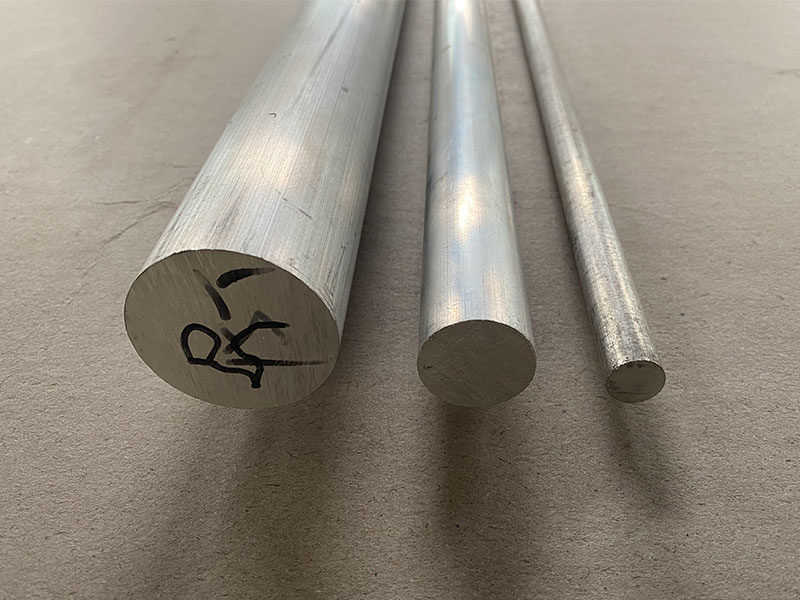
6082 Marine Grade Aluminum Solid Bar for High Performance Ship Design
In the world of high-performance shipbuilding, selecting materials that combine strength, durability, corrosion resistance, and ease of fabrication is crucial.
View Details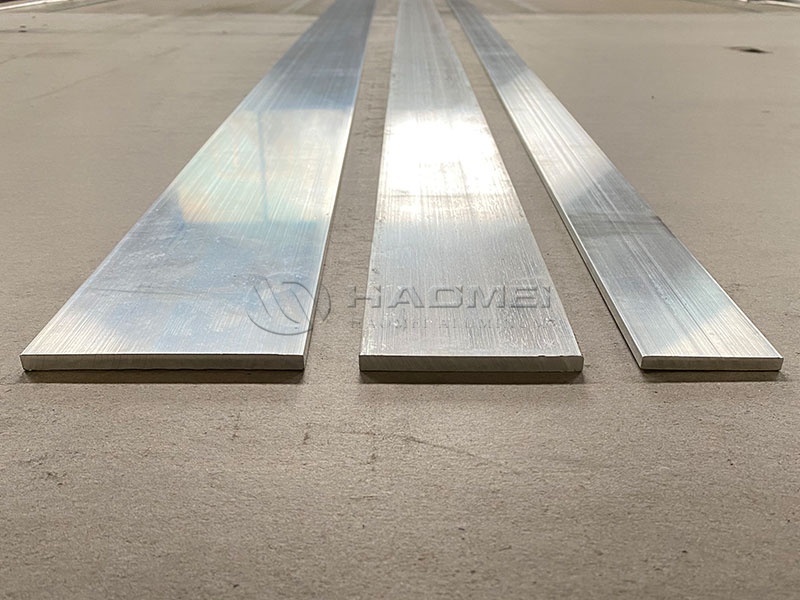
5052 Marine Aluminum Hollow Bars for Corrosion Resistant Offshore Solutions
5052 marine aluminum hollow bars combine low weight, weldability, and saltwater corrosion resistance for offshore piping, sleeves, rails, structural supports, and fittings.
View Details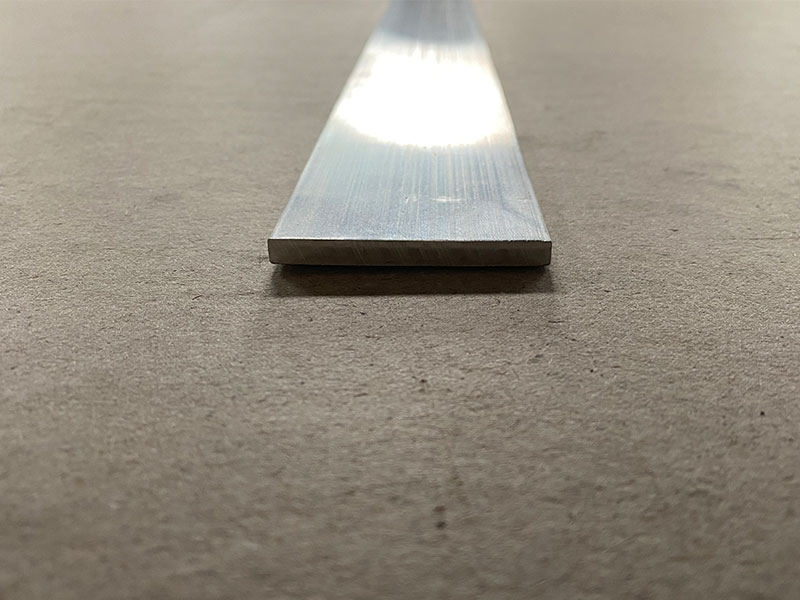
6082 Marine Aluminum Bar for Industrial Marine Design and Construction
The 6082 marine aluminum bar is a medium‑strength, heat‑treatable wrought alloy designed for demanding marine and offshore environments. Combining good corrosion resistance, excellent machining performance, and reliable weldability, it.
View Details
Leave a Message