
Marine Aluminum Hollow Bars for Boat Hull Reinforcements
Marine aluminum hollow bars for Boat Hull Reinforcements: Strength Where It Matters, Weight Where It Doesn't
Boat hull reinforcement is often discussed as a "more metal, more strength" problem. In practice, it's a "better geometry, smarter alloy, cleaner load path" problem. Marine aluminum hollow bars sit right at that intersection. They don't just add material; they shape how forces travel through the hull, frames, stringers, and bulkheads-while keeping weight under control and corrosion predictable in saltwater.
From a distinctive, builder-minded perspective, a hollow bar is less a "bar with a hole" and more a pre-engineered structural conduit: it provides bending stiffness and torsional resistance with less mass, creates an enclosed section that naturally resists buckling, and can even double as a route for wiring, drainage, or fastening access depending on the design.
Why hollow bars behave differently in a hull structure
Hull reinforcements experience mixed loading. Slamming loads, engine vibrations, torsion from uneven waves, and point loads from deck hardware all seek weak transitions: welded corners, cutouts, and abrupt changes in thickness. A hollow bar (round, square, or rectangular tube-like form) addresses this in three practical ways.
A closed section resists twist. Compared with flat bars or open sections, a hollow profile offers higher torsional rigidity, which is valuable in hulls that "work" constantly under wave-induced racking. A hollow bar also provides efficient stiffness-to-weight in bending because material is distributed away from the neutral axis, improving section modulus without making the part heavy.
The third advantage is weld economy and distortion control. Reinforcing with thick solids increases heat input and can pull plates out of fairness. Hollow bars often achieve comparable stiffness with thinner walls, reducing welding heat, limiting distortion, and helping builders maintain smoother hull lines-an underrated performance factor for speed and fuel economy.
functions in boat hull reinforcement
Marine aluminum hollow bars are commonly used as longitudinal stiffeners, transverse frames, girders, collision bulkhead edges, deck-to-hull connections, and localized reinforcement around high-load points such as engine beds, lifting eyes, and mooring fittings. In patrol craft and fast ferries, they're frequently chosen where high stiffness is required but payload sensitivity is extreme.
In planing hulls, hollow bars work well as stringer components when paired with plate webbing, creating a hybrid girder that's both light and resistant to fatigue. In displacement hulls, they add stiffness along long spans to control "panting" and plate vibration, reducing noise and improving comfort.
Another overlooked application is reinforcement around openings. Any cutout-access hatch, sea chest, thruster tunnel boundary-disturbs stress flow. Hollow bars can frame these openings with a closed-section ring-like behavior that helps distribute load around corners, improving fatigue performance.
Parameters customers actually evaluate
For quick specification, buyers typically decide on these parameters, which should be matched to the hull's load case and welding method:
Common dimensions and wall thickness
Typical outside dimensions for hull reinforcement range from 20 mm to 200 mm (round or rectangular forms), with wall thickness often in the 2 mm to 12 mm range. Thin walls are used for light stiffening and furniture-grade structures, while 6–12 mm is common around engine seating, slamming zones, and high-load brackets.
Mechanical property targets (typical)
For marine structures, designers often select alloys/ tempers that deliver yield strength roughly in the 150–300 MPa class while retaining weldability and corrosion resistance. It's important to note that heat-treatable alloys lose strength in the heat-affected zone; non-heat-treatable marine alloys offer more stable as-welded behavior.
Straightness, ovality, and corner radii
For reinforcement members that must fit jigs and maintain fairness, straightness tolerance and corner quality matter as much as strength. Rectangular hollow bars with appropriate corner radii reduce stress concentration and improve weld toe fatigue behavior.
Surface and edge condition
Marine aluminum should arrive clean, free of deep scratches, with controlled oxide. If anodizing or special coatings are planned, surface consistency is a purchasing parameter, not an afterthought.
Alloys and tempers: choosing the "marine logic," not just a grade
Marine builders often favor 5xxx series alloys for hull and reinforcement because they combine seawater corrosion resistance with strong as-welded performance.
5083 (H116/H321) is a classic choice for high-performance marine plate and structural members where strength and corrosion resistance are both critical. 5086 (H116/H321) offers excellent corrosion resistance with slightly different forming behavior and is widely used in North American boatbuilding. 5754 (H111/H114) is valued for formability and corrosion resistance in moderately loaded structures.
6061 (T6) appears frequently in machined components and extrusions, but for welded hull reinforcement it must be chosen with clear awareness that welded zones soften significantly from T6. That doesn't make it "wrong"-it makes it design-dependent. Many builders use 6061-T6 hollow bars where welding is minimal or where post-weld design accounts for reduced strength.
Temper matters because it defines how the alloy reaches its mechanical properties. H116/H321 indicate strain-hardened conditions optimized for marine service and exfoliation resistance. T6 indicates solution heat-treated and artificially aged, offering high strength before welding, with predictable softening after.
Implementation standards and common compliance references
Marine aluminum hollow bars for hull reinforcement are typically supplied to widely recognized chemical and mechanical standards, then validated against marine classification expectations when used in classed vessels.
Frequently referenced standards include ASTM B221 for aluminum extruded bars, rods, wire, profiles, and tubes; EN 755 for extruded aluminum products; and ISO material designations where applicable. For marine corrosion and quality expectations, buyers often align with practices recognized by classification societies such as DNV, ABS, Lloyd's Register, or Bureau Veritas-especially for fast craft, passenger vessels, and commercial workboats.
Welding practice is just as critical as material selection. For marine aluminum structures, welding procedures commonly align with ISO 9606-2 (welder qualification) and ISO 15614-2 (procedure qualification) or AWS D1.2 (Structural Welding Code-Aluminum), depending on region and project requirements.
Chemical properties table (typical compositions)
Below is a concise reference table for common marine-relevant alloys used for hollow bars. Values are typical limits in weight percent; exact requirements should be confirmed to the applicable standard (ASTM/EN) and mill certificate.
| Alloy | Mg | Mn | Si | Fe | Cu | Cr | Zn | Ti | Al |
|---|---|---|---|---|---|---|---|---|---|
| 5083 | 4.0–4.9 | 0.4–1.0 | ≤0.40 | ≤0.40 | ≤0.10 | 0.05–0.25 | ≤0.25 | ≤0.15 | Balance |
| 5086 | 3.5–4.5 | 0.2–0.7 | ≤0.40 | ≤0.50 | ≤0.10 | 0.05–0.25 | ≤0.25 | ≤0.15 | Balance |
| 5754 | 2.6–3.6 | ≤0.50 | ≤0.40 | ≤0.40 | ≤0.10 | ≤0.30 | ≤0.20 | ≤0.15 | Balance |
| 6061 | 0.8–1.2 | ≤0.15 | 0.4–0.8 | ≤0.70 | 0.15–0.40 | 0.04–0.35 | ≤0.25 | ≤0.15 | Balance |
Practical applications: where hollow bars earn their keep
In real hull builds, hollow bars often show up where designers want stiffness without "welded bulk." They are used as edge stiffeners along deck openings, as backing structures behind fender systems, as lightweight girders beneath wheelhouse floors, and as reinforcement around stern gear foundations. On high-speed aluminum craft, they're valuable in controlling panel vibration, which improves fatigue life and reduces noise.
They also excel when the reinforcement must stay slim. A rectangular hollow bar can fit inside a tight hull-to-deck joint or beneath a cabin sole where clearance is limited, while still delivering strong bending resistance.
What to specify when ordering
For fast procurement and correct fit, most customers specify alloy and temper, outer dimensions, wall thickness, length, tolerances, and surface condition, along with required inspection documents such as EN 10204 3.1 certificates. For classed projects, it's common to request traceability, batch consistency, and additional corrosion or mechanical verification per project needs.
Marine aluminum hollow bars are not a compromise between strength and weight; they're a structural strategy. When paired with the right marine alloy temper and welded under appropriate standards, they become one of the cleanest ways to reinforce a hull without overbuilding it-keeping the boat light, stiff, durable, and easier to fabricate to a fair finish.

Related Products
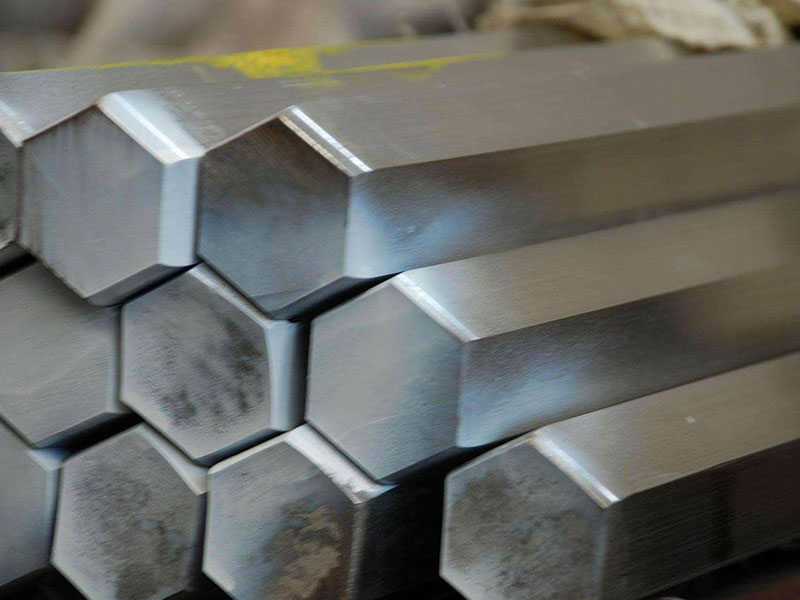
Marine aluminum hexagonal bars
Marine Grade Aluminum Hexagonal Bars are produced from premium corrosion-resistant aluminum alloys such as 5083, 5052, 6061, and 6082.
View Details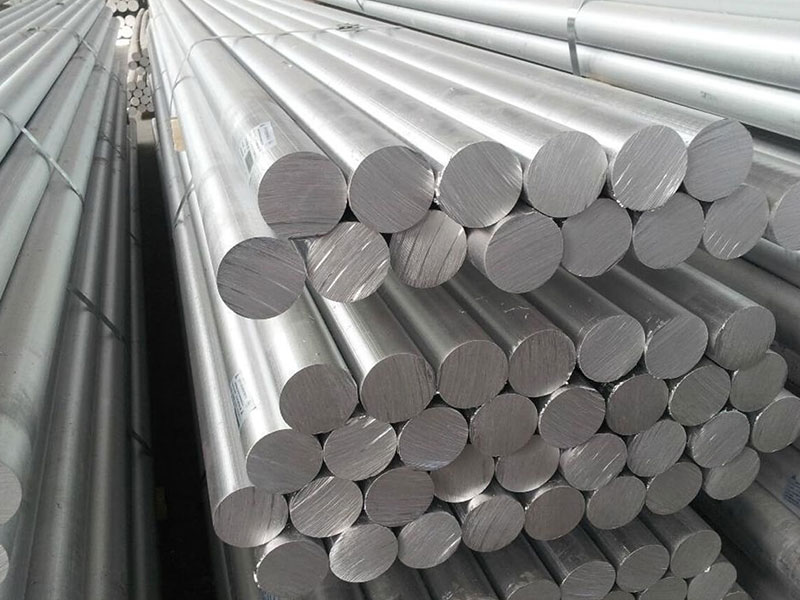
6082 marine aluminum rod & bar
6082 Aluminum Rods & Bars are extruded or rolled products manufactured from 6082 aluminum alloy — a thermally treated (typically T6 temper) aluminum-magnesium-silicon alloy that balances high tensile strength, good weldability, and excellent corrosion resistance.
View Details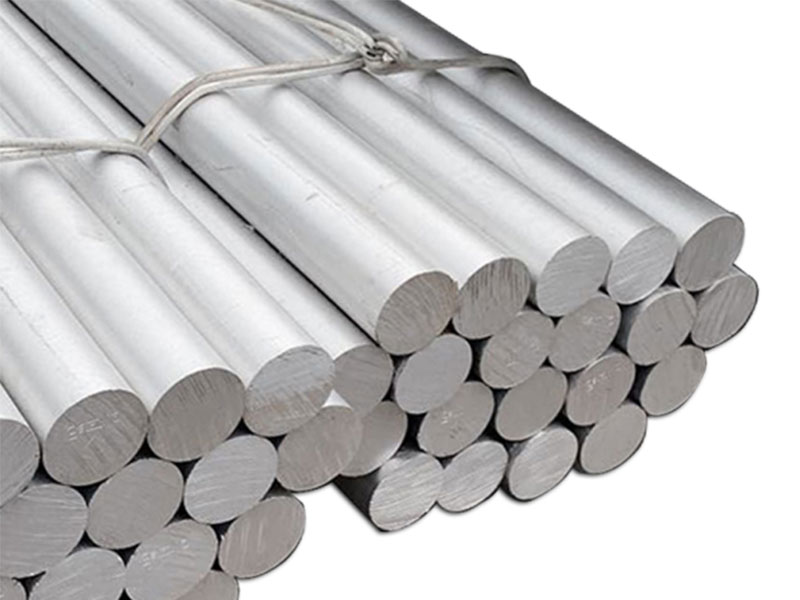
Marine grade aluminum solid bar
Marine Grade Aluminum Solid Bars are produced from premium aluminum alloys optimized for saltwater exposure, such as 5083, 5052, 6061, and 6082. These alloys offer unparalleled resistance to corrosion caused by seawater, salt spray, and marine atmospheres, while maintaining excellent mechanical strength and toughness.
View Details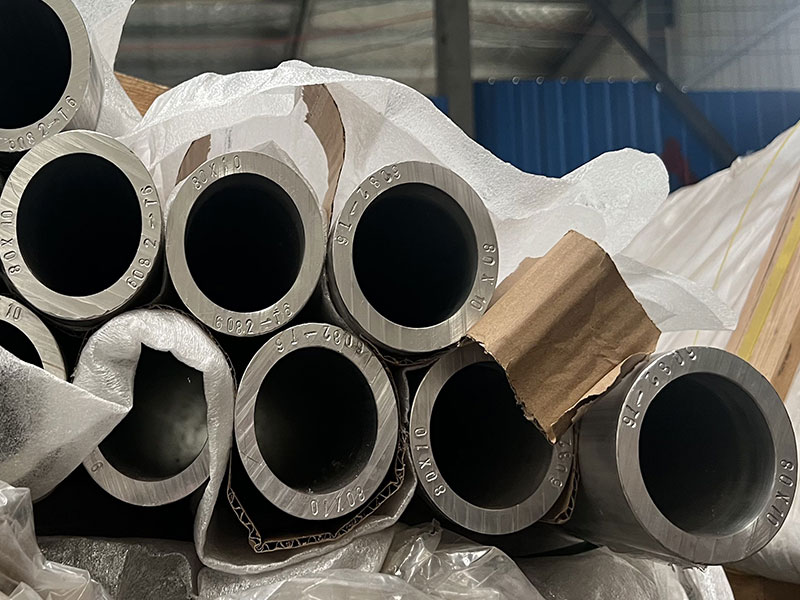
Marine aluminum hollow bars
Marine Grade Aluminum Hollow Bars are fabricated from high-quality alloys such as 5083, 5052, 6061, and 6082, all known for their exceptional resistance to seawater corrosion, salt spray, and marine atmospheres.
View DetailsRelated Blog
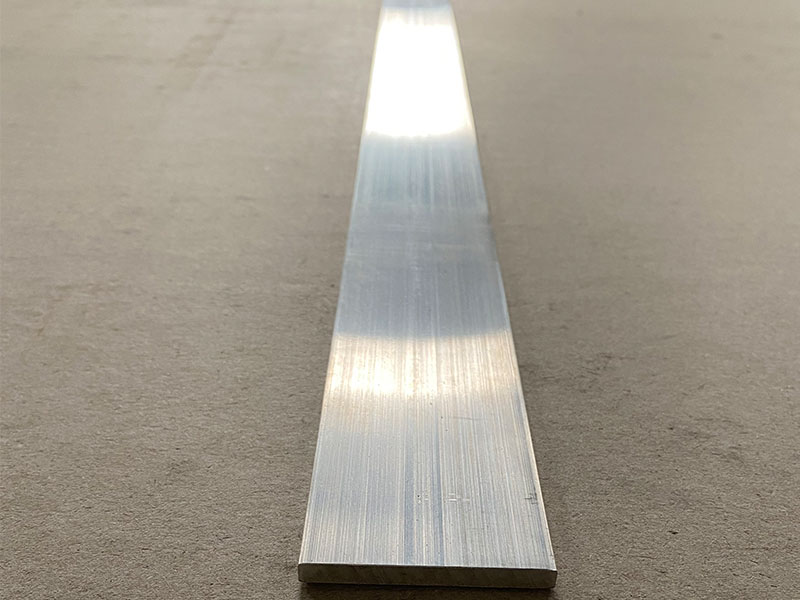
5052 Marine Grade Aluminum Solid Bar for Lightweight Offshore Components
As the maritime industry continues to evolve toward efficiency and performance optimization, the choice of materials plays a pivotal role in determining the success of marine designs.
View Details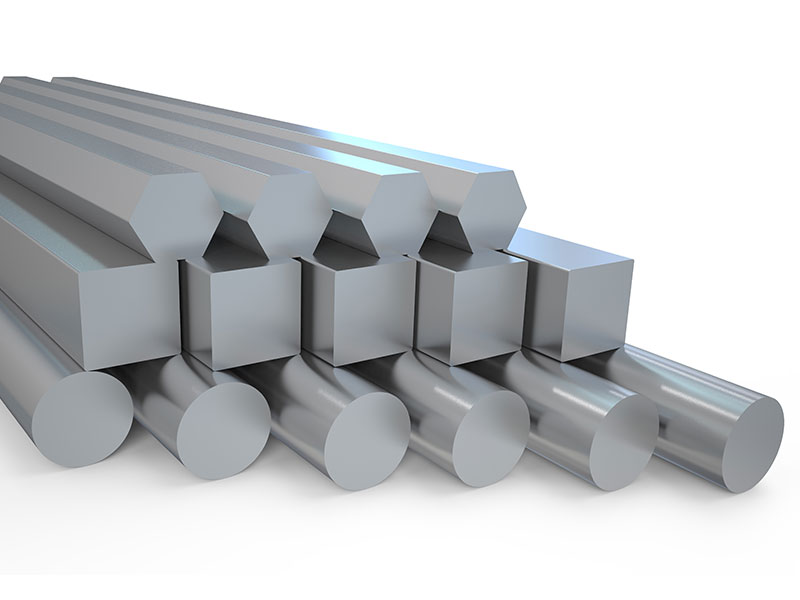
5052 Marine Aluminum Hollow Bars for High Strength Marine Frame Parts
Marine structures demand a material that holds up to saltwater corrosion, cyclic loading, and fabrication realities (forming, welding, machining) without turning maintenance into a constant expense.
View Details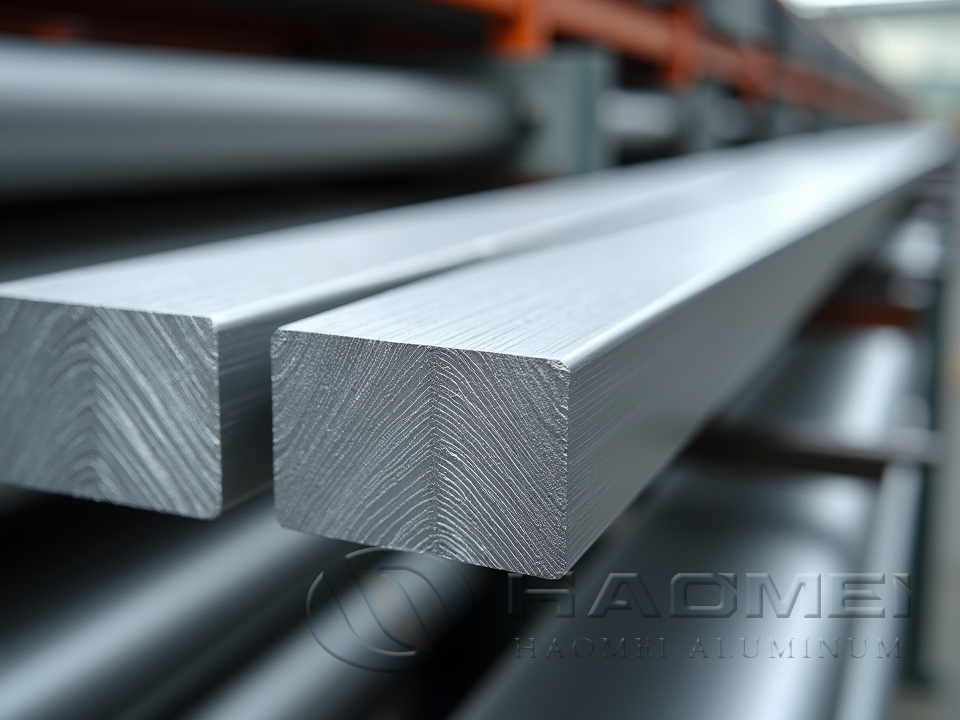
5083 Marine Aluminum Hexagonal Bars for Durable Marine Engineering Parts
5083 marine aluminum hexagonal bars deliver seawater resistance, machinability, and stable strength for boat fittings, shafts, brackets, and deck parts.
View Details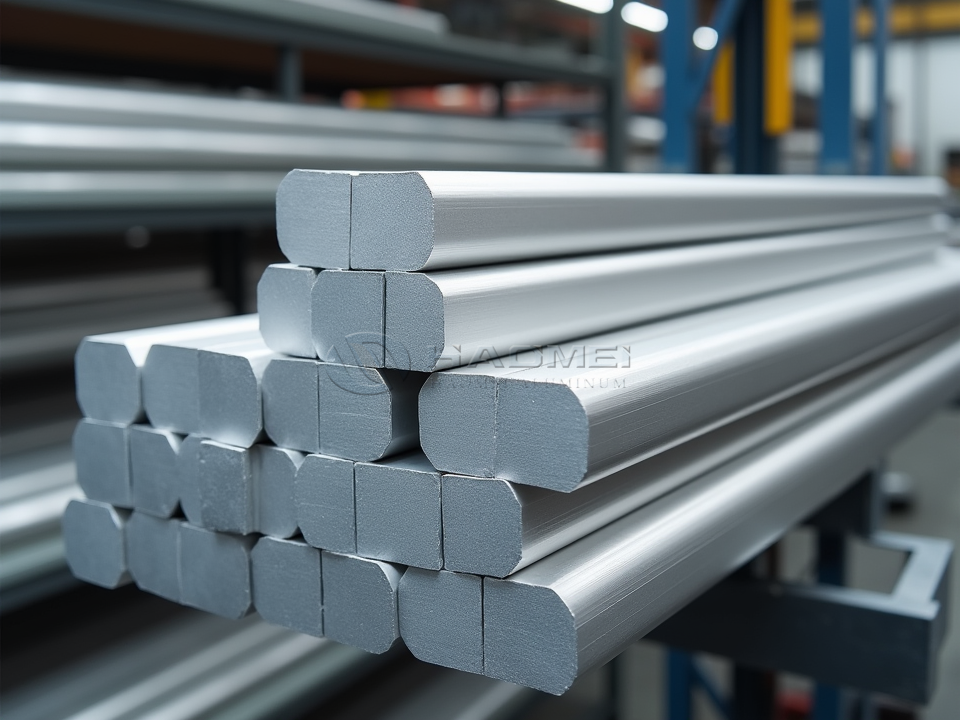
6082 Marine Grade Aluminum Solid Bar For Offshore Structural Solutions
6082 marine grade aluminum solid bar data for offshore frames, fittings, machining, corrosion control, standards, tempers, and design selection.
View Details
6082 Marine Aluminum Bar for Custom Boat Fabrication and Reinforcement
When it comes to custom boat fabrication and structural reinforcement in marine environments, material choice is paramount. The 6082 Marine Aluminum Bar stands out as a superior solution that combines strength, corrosion resistance.
View Details
6082 Marine Aluminum Hollow Bars For Lightweight Boat Reinforcements
Learn how 6082 marine aluminum hollow bars reinforce boats with low weight, high strength, corrosion resistance, clean machining, and reliable fabrication.
View Details
Leave a Message