
5052 Marine Grade Aluminum Solid Bar For Lightweight Boat Frame Components
Boat frames ask a lot from a metal profile. The material must be light enough to keep the hull responsive, strong enough to support repeated wave impact, and stable enough to survive salt spray, bilge moisture, fuel residue, and constant vibration. 5052 marine grade aluminum solid bar is a practical answer for builders who need dependable frame members, brackets, stiffeners, and reinforcement parts without adding unnecessary weight.
In marine construction, 5052 belongs to the aluminum-magnesium alloy family. Its magnesium content gives it excellent corrosion resistance in seawater and humid coastal environments, while its moderate strength and high formability make fabrication easier than many harder structural alloys. For small boats, workboats, pontoons, patrol craft, and custom deck structures, it offers a strong balance of weight saving, weldability, and service life.
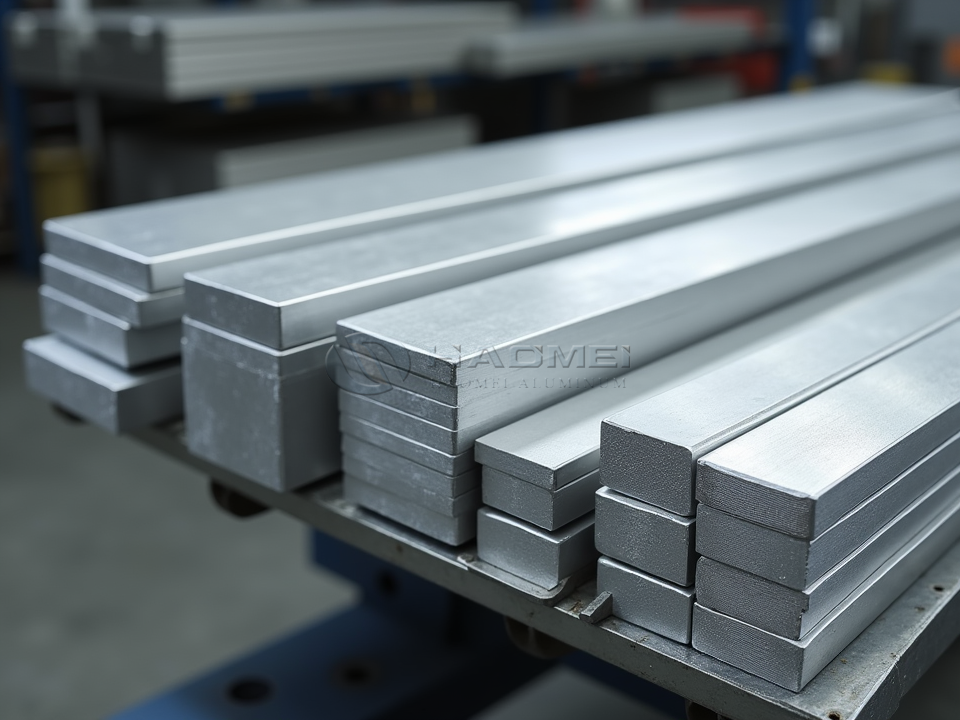
Built For Light, Durable Frame Structures
A solid bar gives designers a compact, easy-to-machine shape for load transfer points. It can be cut, drilled, milled, bent in suitable tempers, and welded into assemblies. Compared with carbon steel, 5052 aluminum cuts frame weight dramatically and removes the need for heavy anti-rust coatings. Compared with some high-strength aluminum grades, it is more forgiving in forming and performs better in saltwater exposure.
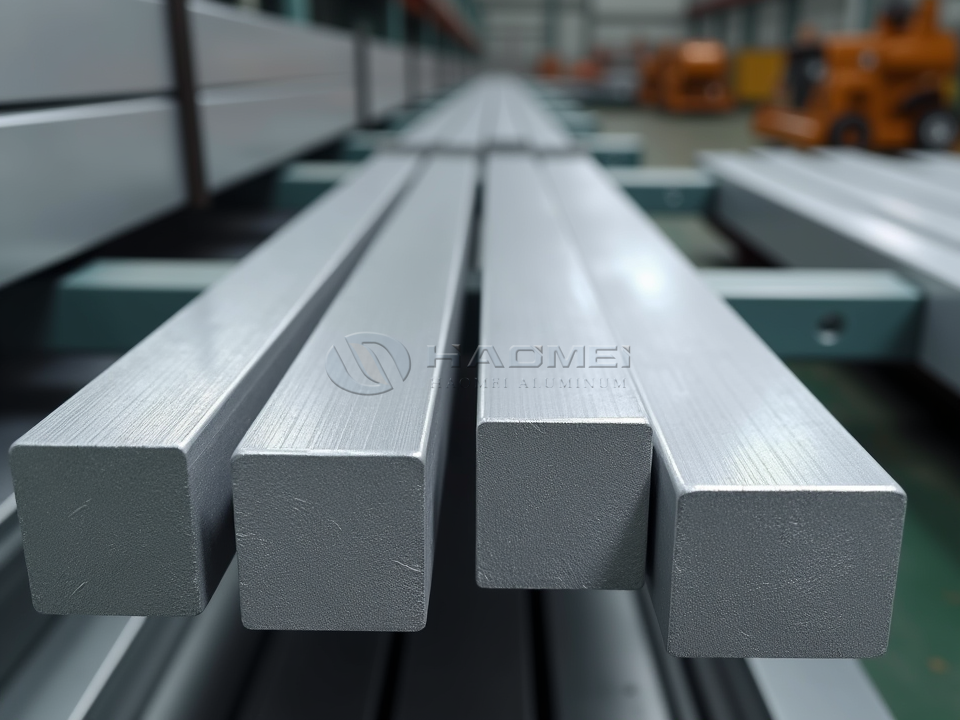
5052 solid bar is commonly supplied as flat bar, square bar, round bar, or custom-cut bar stock. For lightweight boat frame components, flat and square solid bars are especially useful because they provide clean contact surfaces for bolting, welding, and alignment against panels, ribs, stringers, and deck supports.
| Product item | Typical specification |
|---|---|
| Alloy | 5052 marine grade aluminum |
| Product form | Solid bar, flat bar, square bar, round bar, cut-to-length profile |
| Common tempers | O, H32, H34, H112 |
| Density | About 2.68 g/cm3 |
| Main alloying element | Magnesium |
| Surface condition | Mill finish, brushed, anodized, coated, or custom finished |
| Processing | Cutting, drilling, CNC machining, forming, welding, polishing |
| Suitable environment | Freshwater, brackish water, coastal air, marine splash zones |
Part of a wider family of Marine Grade Aluminum Bars, 5052 is often chosen when corrosion resistance and fabrication efficiency are more important than maximum tensile strength.
Chemical Composition And Marine Performance
The chemistry of 5052 is designed around corrosion resistance. Magnesium improves resistance to seawater attack, while chromium helps stabilize the alloy and improves durability. The alloy contains no copper as a major addition, which is beneficial because copper-rich aluminum alloys often perform poorly in marine exposure unless heavily protected.
| Element | Typical content by weight |
|---|---|
| Aluminum | Balance |
| Magnesium | 2.2% to 2.8% |
| Chromium | 0.15% to 0.35% |
| Iron | Up to 0.40% |
| Silicon | Up to 0.25% |
| Copper | Up to 0.10% |
| Manganese | Up to 0.10% |
| Zinc | Up to 0.10% |
| Other elements | Up to 0.05% each, 0.15% total |
This composition allows 5052 bar to resist pitting, staining, and general corrosion better than many general-purpose aluminum alloys. In boat frame components, that means fewer hidden corrosion issues around joints, fastener holes, and wet contact areas. Proper design still matters: drainage gaps, compatible fasteners, non-absorbent isolation pads, and clean weld practices help the bar perform at its best.
Strength Without Excess Mass
5052 is not a heat-treatable alloy. Its strength is developed mainly through strain hardening, which is why H32 and H34 tempers are popular for marine bar stock. O temper offers the highest formability, while H32 and H34 give higher strength for brackets, support rails, and reinforcing members.
| Temper | Typical tensile strength | Typical yield strength | General use |
|---|---|---|---|
| O | 170 to 215 MPa | About 65 MPa or higher | Tight bends, formed frame parts, custom shaped components |
| H32 | 210 to 260 MPa | About 160 MPa or higher | Balanced strength and formability for boat frames |
| H34 | 235 to 285 MPa | About 180 MPa or higher | Higher stiffness for supports, braces, and mounting bars |
| H112 | Varies by size | Varies by size | Heavier marine sections and fabricated assemblies |
| Physical property | Typical value |
|---|---|
| Elastic modulus | About 70 GPa |
| Melting range | About 607 to 649 C |
| Thermal conductivity | About 138 W/m-K |
| Electrical conductivity | About 35% IACS |
| Corrosion resistance | Excellent in marine atmosphere and seawater splash areas |
| Weldability | Excellent with common marine filler alloys |
Because aluminum is roughly one-third the density of steel, a 5052 solid bar frame can reduce structural weight while maintaining practical rigidity through correct section sizing. Lower weight improves fuel economy, speed response, trailer handling, and payload flexibility.
Fabrication Advantages For Boatbuilders
5052 marine grade aluminum solid bar is valued on the shop floor because it behaves predictably. It saws cleanly, machines smoothly with proper tooling, and accepts drilled or tapped features for hardware installation. It can also be welded using common marine welding methods such as MIG and TIG, often with 5356 filler wire for good color match and marine performance.
When a project requires a dependable Marine grade aluminum solid bar for parts that must be both corrosion resistant and easy to fabricate, 5052 is often a sensible choice.
Recommended fabrication practices include removing surface oil before welding, avoiding direct contact with carbon steel tools that can leave iron contamination, deburring all edges, and sealing or isolating dissimilar metal connections. For visible boat frame parts, anodizing or powder coating can improve appearance, but many builders use 5052 in mill finish where function matters more than decoration.
Applications In Lightweight Boat Frame Components
5052 solid bar fits many areas where compact metal sections must carry load, support fittings, or reinforce joints. In small aluminum boats, it can be used for seat base frames, floor supports, hatch frames, deck edging, battery tray frames, console mounting rails, and transom accessory brackets. In larger marine structures, it may serve as reinforcement stock for internal frames, welded support tabs, inspection covers, ladder mounts, and non-critical hardware bases.
For pontoon boats and fishing boats, 5052 bar is useful around deck structures where moisture is constant and weight matters. For workboats, it supports practical fabricated components that need repairability in the field. For yacht tenders and leisure craft, it offers clean appearance, low maintenance, and good compatibility with aluminum sheet and plate assemblies.
Common end-use parts include:
- Lightweight cross braces and support bars
- Seat frame rails and pedestal reinforcement plates
- Hatch surround bars and access panel stiffeners
- Console and steering station support members
- Deck frame edging and rub protection strips
- Fuel tank and battery tray support components
- Welded brackets for marine accessories
- Custom CNC machined blocks, spacers, and mounting pads
Why Customers Choose 5052 For Marine Frames
The appeal of 5052 lies in its balanced performance. It gives builders more corrosion confidence than many general structural alloys, better forming behavior than harder grades, and enough strength for a wide range of boat frame components. Its smooth surface, stable dimensions, and easy processing reduce shop time, while its low density helps keep the completed vessel efficient and responsive.
For purchasing teams, 5052 solid bar also simplifies material planning. It can be stocked in standard lengths, cut into repeatable blanks, and used across multiple frame and hardware applications. That reduces material waste and keeps production moving.
A well-designed boat frame is not only about strength. It is about how every component behaves after seasons of vibration, saltwater exposure, cleaning chemicals, and changing temperature. 5052 marine grade aluminum solid bar brings together light weight, corrosion resistance, weldability, and practical fabrication performance, making it a reliable material for modern boat frame components that need to stay strong without weighing the vessel down.

Related Products
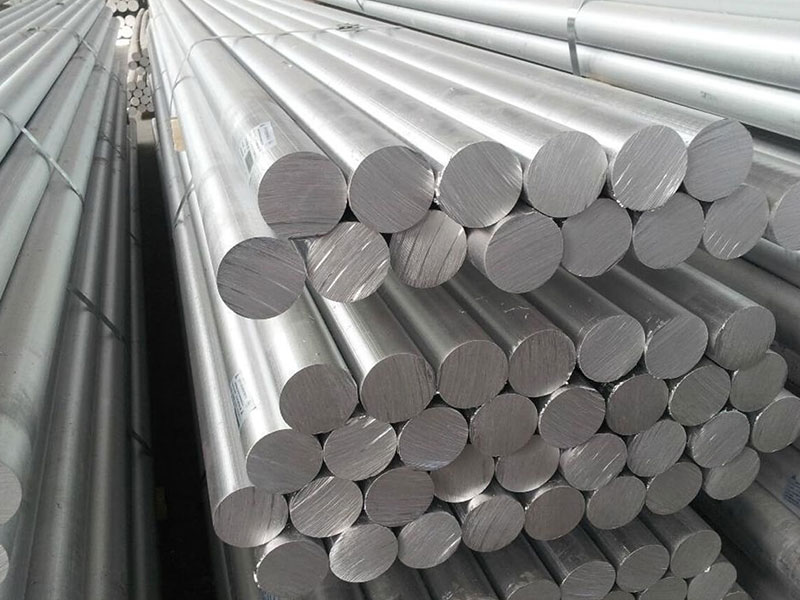
6082 marine aluminum rod & bar
6082 Aluminum Rods & Bars are extruded or rolled products manufactured from 6082 aluminum alloy — a thermally treated (typically T6 temper) aluminum-magnesium-silicon alloy that balances high tensile strength, good weldability, and excellent corrosion resistance.
View Details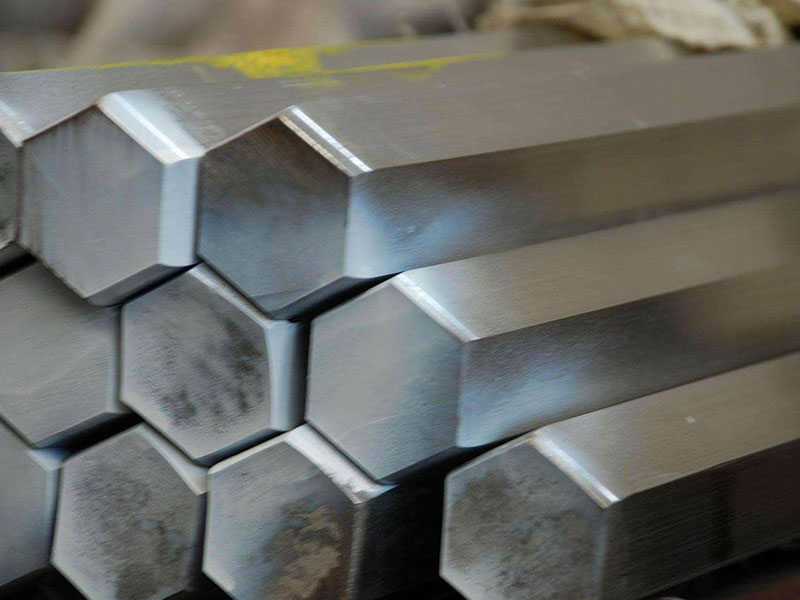
Marine aluminum hexagonal bars
Marine Grade Aluminum Hexagonal Bars are produced from premium corrosion-resistant aluminum alloys such as 5083, 5052, 6061, and 6082.
View Details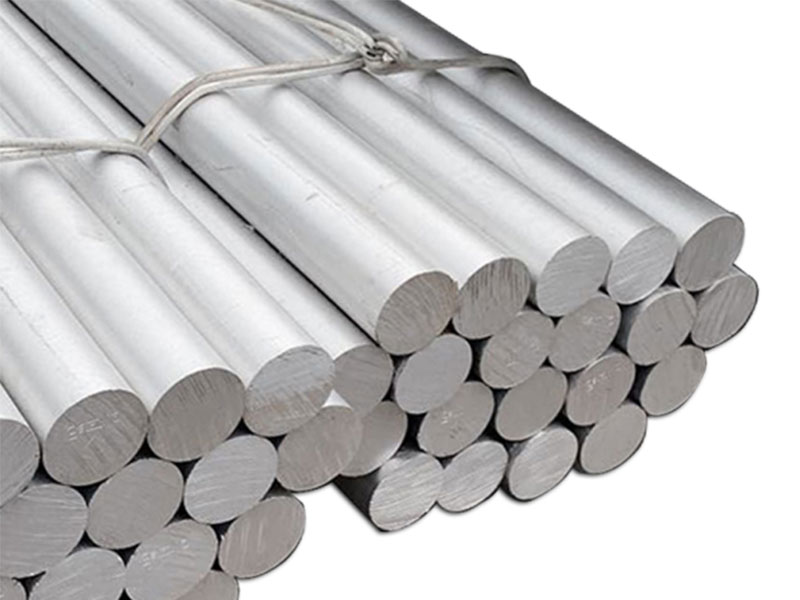
Marine grade aluminum solid bar
Marine Grade Aluminum Solid Bars are produced from premium aluminum alloys optimized for saltwater exposure, such as 5083, 5052, 6061, and 6082. These alloys offer unparalleled resistance to corrosion caused by seawater, salt spray, and marine atmospheres, while maintaining excellent mechanical strength and toughness.
View Details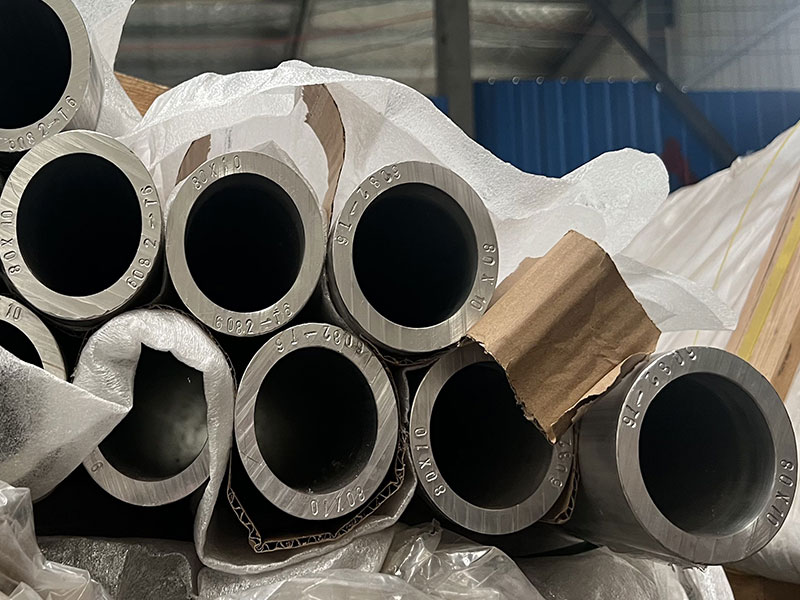
Marine aluminum hollow bars
Marine Grade Aluminum Hollow Bars are fabricated from high-quality alloys such as 5083, 5052, 6061, and 6082, all known for their exceptional resistance to seawater corrosion, salt spray, and marine atmospheres.
View DetailsRelated Blog
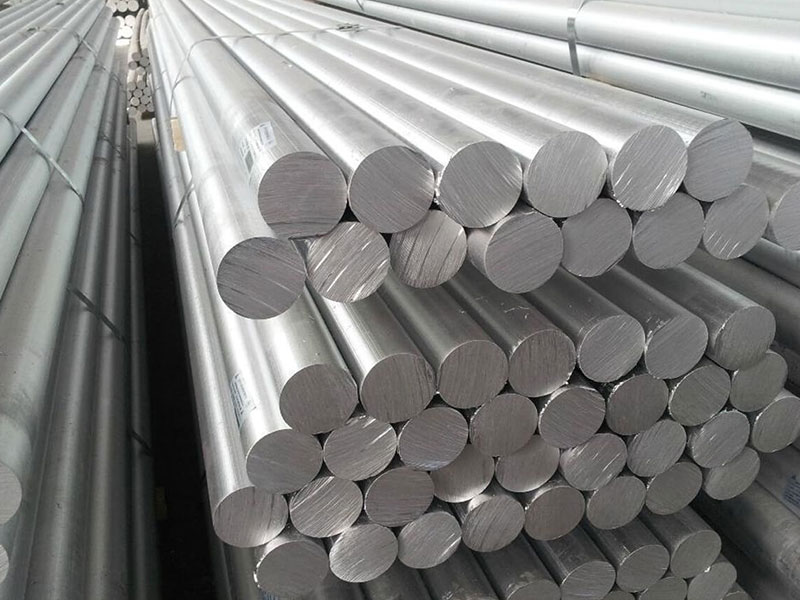
6082 Marine Grade Aluminum Solid Bar for Boat Deck Reinforcements
When it comes to marine vessel construction and refurbishment, selecting the right materials is vital for ensuring durability, performance, and safety. Among various options.
View Details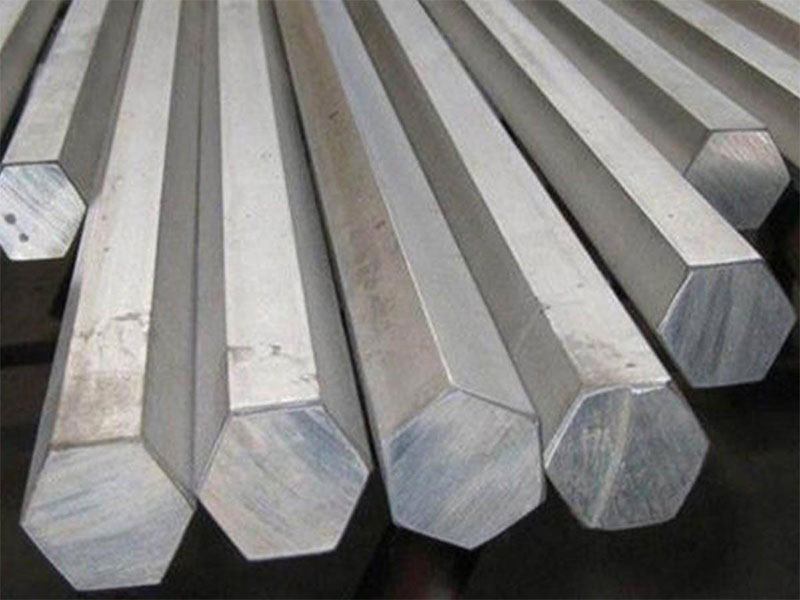
5052 Marine Aluminum Hollow Bars for Saltwater Proof Marine Frames
When it comes to the maritime industry, choosing the right materials for constructing robust marine frames is imperative. Among various alloys, 5052 marine aluminum hollow bars have made a significant mark due to their superior properties.
View Details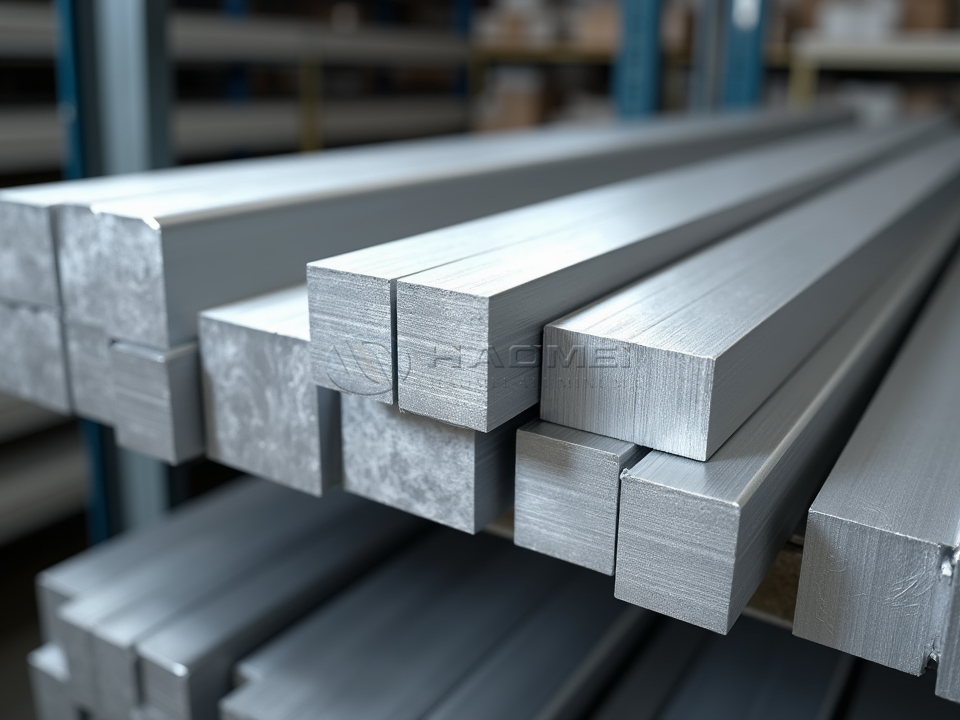
6061 Marine Aluminum Hollow Bars for Lightweight Marine Frame Fabrication
Learn how 6061 marine aluminum hollow bars help fabricators create lighter, rigid boat frames with practical welding, corrosion, and design guidance.
View Details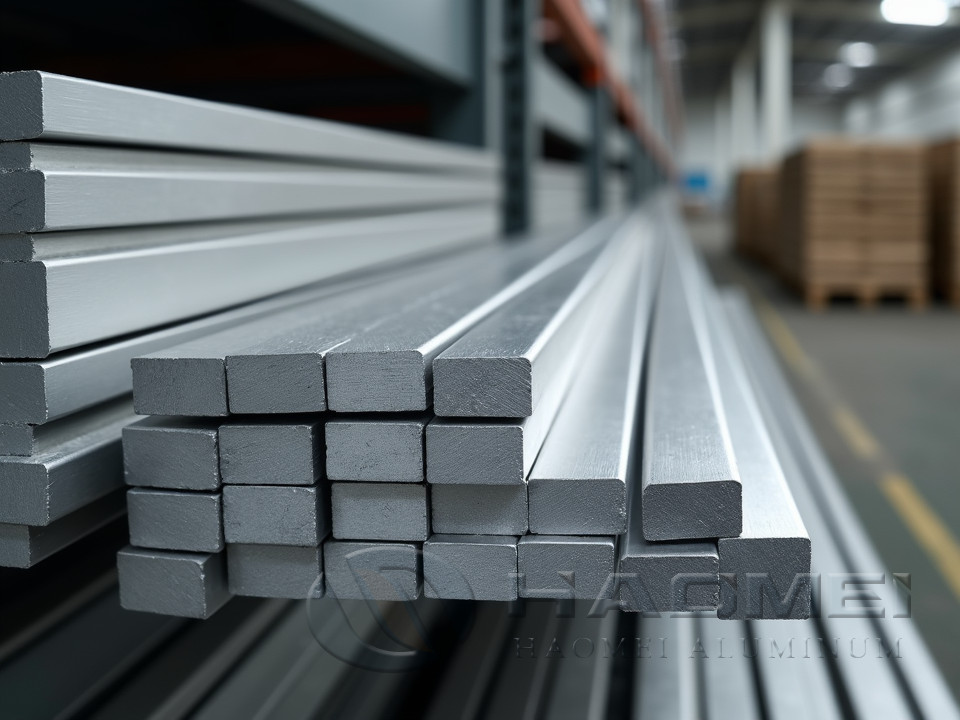
5052 Marine Aluminum Hexagonal Bars For Seawater Tolerant Marine Frames
Practical guidance on 5052 marine aluminum hexagonal bars for corrosion-resistant frames, fittings, bracing, and seawater exposed boat structures.
View Details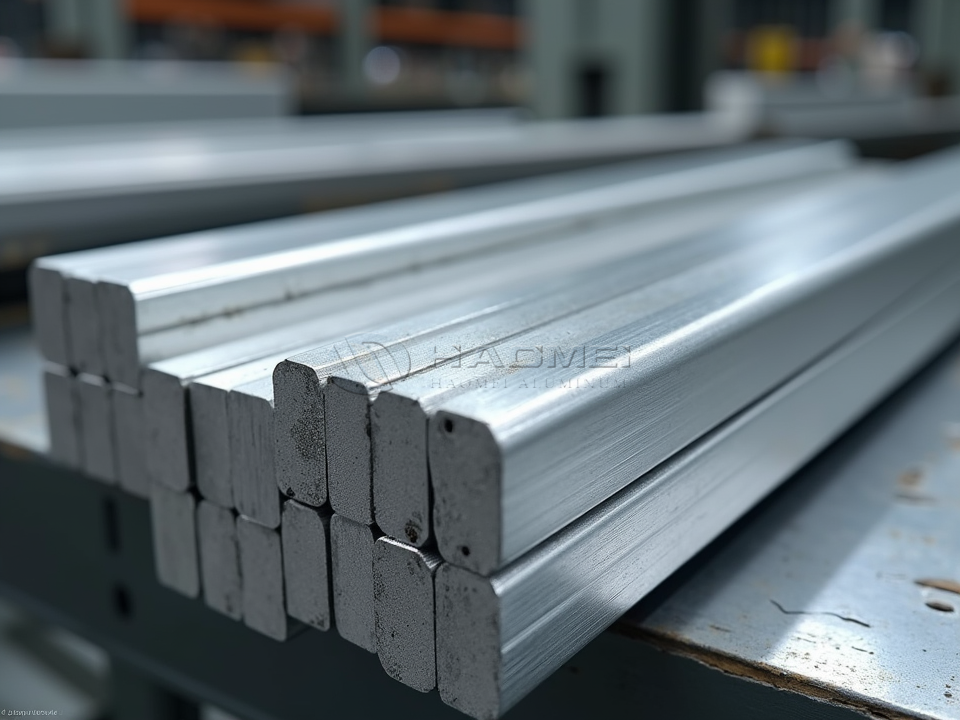
Marine Aluminum Hollow Bars for Custom Offshore Vessel Construction
Learn how marine aluminum hollow bars support lightweight, corrosion-resistant offshore vessel structures, fittings, piping supports, and custom machined parts.
View Details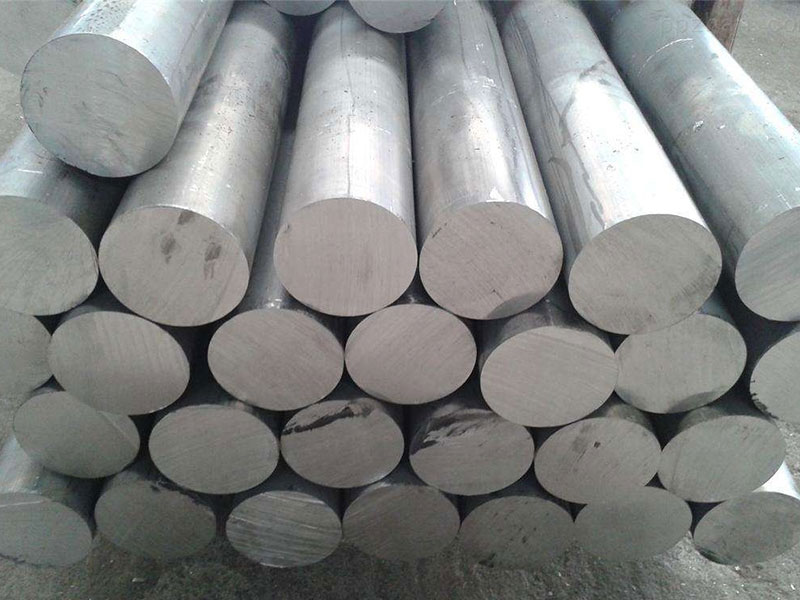
Marine Grade Aluminum Solid Bar for Shipbuilding Reinforcements
In modern shipbuilding, material selection is paramount to ensure strength, durability, corrosion resistance, and lightweight design. One of the most critical materials used in this domain is the Marine Grade Aluminum Solid Bar.
View Details
Leave a Message