
5083 Marine Aluminum Hexagonal Bars for Custom Marine Component Manufacturing
A marine component often begins as a small decision at the workbench: what stock shape will save time, hold strength, and survive saltwater without constant attention? For many custom parts, 5083 marine aluminum hexagonal bars answer that question with unusual practicality. The six-sided profile is not only a raw material shape; it is already close to the geometry needed for threaded fittings, gland nuts, spacer bodies, valve parts, standoffs, deck hardware, and instrument mounts.
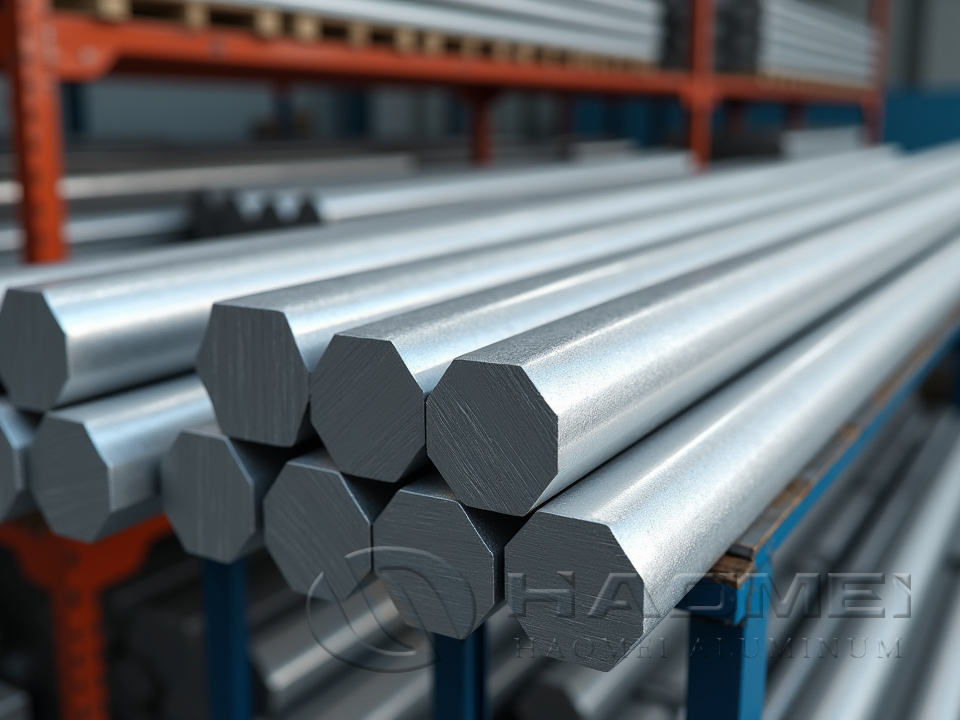
5083 aluminum is part of the Al-Mg family, valued in marine service because it resists seawater corrosion, keeps good strength after welding, and avoids the heat-treatment sensitivity found in some structural alloys. When supplied as a hexagonal bar, it gives fabricators a grip-friendly blank that can be turned, milled, drilled, tapped, and cut into repeatable components with less waste than machining from oversized round or square stock.
Why the Hexagonal Shape Matters in Marine Fabrication
Round bar is natural for shafts and pins. Flat bar is natural for brackets. Hexagonal bar sits in a useful middle space. Its flats provide wrench engagement, easier clamping, and better indexing during machining. For a small boatyard, repair shop, or OEM producing batches of custom fittings, those flats can reduce fixture complexity and shorten cycle time.
A typical example is a threaded sensor housing for a bilge, cooling, or fuel system. Starting with 5083 hex bar, the machinist can face the end, drill the bore, cut external threads, and leave part of the hex body as a built-in tightening surface. No additional welded lug or machined wrench flats are required. This is where Marine aluminum hexagonal bars become more than stock material; they become part of the final design language of the component.
5083 also performs well in welded assemblies. Although not as free-cutting as 6061, it offers stronger corrosion resistance in seawater exposure. That balance is attractive for parts that may be splashed, submerged, handled by crew, or mounted near dissimilar metals in harsh weather.
Typical Product Parameters
Specifications can be adjusted for project drawings, machining allowances, or class society inspection requirements. Common supply conditions for 5083 marine aluminum hexagonal bars include the following ranges.
| Parameter | Typical Supply Range or Condition |
|---|---|
| Alloy | 5083, Al-Mg-Mn marine grade aluminum |
| Shape | Regular hexagonal bar, measured across flats |
| Across flats size | 6 mm to 100 mm, with larger sizes by agreement |
| Length | 1 m to 6 m standard; cut-to-length available |
| Temper | O, H111, H112, custom strain-hardened tempers by agreement |
| Surface | Mill finish, brushed, polished, anodizing-ready after preparation |
| Cutting service | Saw cut, precision cut, deburred ends available |
| Processing | CNC turning, drilling, tapping, milling, welding, forming within limits |
| Packaging | Wooden cases, moisture-resistant wrapping, export seaworthy packing |
| Certificates | Mill test certificate, EN 10204 3.1, third-party inspection when required |
For customers comparing inventory forms, our wider range of Marine Grade Aluminum Bars can help match bar shape to the intended part, from round and square profiles to hexagonal sections for wrenchable hardware.
Alloy Tempering and What It Means for the Buyer
5083 is a non-heat-treatable aluminum alloy. Its strength is mainly developed through magnesium content and controlled strain hardening, not through solution heat treatment and artificial aging. This matters because a T6 label, common in 6061 or 6082, is not the normal language for 5083 bar.
O temper is annealed and softer, suitable when forming or maximum ductility is needed. H111 has slight strain hardening and is often chosen for parts requiring good toughness and fabrication flexibility. H112 is widely used for extruded or worked products where stable mechanical performance and marine service resistance are desired. H116 and H321 are better known for marine plate applications, especially where exfoliation corrosion resistance is specified, so buyers should confirm availability and certification when requesting these conditions for bar stock.
Typical mechanical values vary with size, production route, and standard. As a general purchasing reference, 5083-H112 hex bar may offer tensile strength around 270 MPa or higher, yield strength often around 125 MPa or higher, and elongation commonly above 10 percent. Final acceptance should always follow the agreed standard and mill certificate rather than a general catalog value.
Chemical Properties of 5083 Marine Aluminum
The corrosion behavior of 5083 begins with its chemistry. Magnesium is the main strengthening element, while manganese and chromium help refine performance and resistance in demanding environments.
| Element | Typical Content by Weight |
|---|---|
| Aluminum, Al | Balance |
| Magnesium, Mg | 4.0% to 4.9% |
| Manganese, Mn | 0.40% to 1.00% |
| Chromium, Cr | 0.05% to 0.25% |
| Iron, Fe | 0.40% max |
| Silicon, Si | 0.40% max |
| Zinc, Zn | 0.25% max |
| Copper, Cu | 0.10% max |
| Titanium, Ti | 0.15% max |
| Other elements, each | 0.05% max |
| Other elements, total | 0.15% max |
The low copper level is especially important for marine use, because copper can reduce corrosion resistance in saltwater environments. The relatively high magnesium content gives 5083 a strong identity: it is tough, weldable, and well suited for structural and functional components where water exposure is expected.
Standards and Inspection Conditions
For international procurement, standards create a common technical language between designer, mill, fabricator, and end user. 5083 marine aluminum hexagonal bars may be supplied according to ASTM B221 for extruded bars, rods, wire, profiles, and tubes; ASTM B211 for rolled or drawn bar and rod where applicable; EN 573 for chemical composition; EN 755 for extruded rod, bar, tube, and profiles; EN 515 for temper designations; ISO 6362 for wrought aluminum bars and profiles; and ASTM B557 or EN ISO 6892-1 for tensile testing.
Marine projects may also request inspection from ABS, DNV, LR, BV, CCS, or other classification bodies. In that case, the purchase order should state the vessel application, inspection level, required certificate type, ultrasonic or surface testing needs, and any special traceability rules. For small machined parts used in non-critical hardware, a mill test certificate may be enough. For pressure fittings, lifting-related accessories, or classed vessel components, tighter documentation is usually worth the extra planning.
Machining, Welding, and Surface Treatment Notes
5083 machines cleanly when tools are sharp, chip evacuation is controlled, and cutting fluid is suitable for aluminum. It is not as easy to machine as 6061-T6, yet it rewards proper setup with stable dimensions and dependable service life. For threaded marine components, coarse threads are often preferred where design allows, since they are more tolerant of field assembly and salt contamination.
Welding performance is one of the strengths of 5083. Common filler choices include 5183, 5356, or 5556 depending on strength, corrosion requirements, and welding procedure. Heat input should be managed to avoid distortion in slender components. After welding, cleaning and passivation-style surface care are important, not because aluminum rusts like steel, but because embedded contaminants can create staining or localized corrosion.
Anodizing can be used, though 5083 may not give the same bright decorative finish as 6063. For functional marine hardware, hard anodizing, clear anodizing, blasting, or protective coating may be selected based on wear, appearance, and electrical isolation needs. In assemblies involving stainless steel fasteners, nylon washers, sealants, or anti-galvanic compounds can help reduce galvanic attack.
Where 5083 Hex Bar Fits Best
This material fits applications where corrosion resistance, weldability, and moderate-to-high strength are more important than decorative brightness or high-speed machining. It is often selected for custom nuts, hose connection bodies, spacer sleeves, antenna mounts, deck equipment fittings, rail support elements, instrument housings, latch parts, steering system accessories, and marine repair components produced in short or medium runs.
For buyers, the most efficient inquiry includes alloy, temper, across-flats size, length, quantity, cutting tolerance, surface requirement, certificate demand, and final application. If the component will be welded, threaded, anodized, or exposed below deck in wet compartments, those details should be shared early. Good material selection is not only about the alloy name; it is about matching the bar to the way the sea will test the finished part.
5083 marine aluminum hexagonal bars give designers a practical starting point: strong enough for demanding hardware, resistant enough for saltwater surroundings, and shaped in a way that already understands how marine components are tightened, held, repaired, and trusted onboard.

Related Products
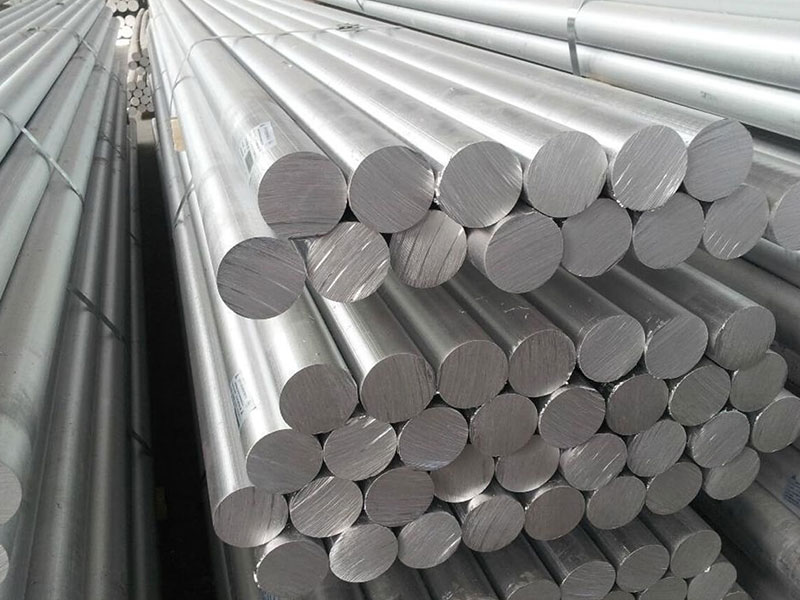
6082 marine aluminum rod & bar
6082 Aluminum Rods & Bars are extruded or rolled products manufactured from 6082 aluminum alloy — a thermally treated (typically T6 temper) aluminum-magnesium-silicon alloy that balances high tensile strength, good weldability, and excellent corrosion resistance.
View Details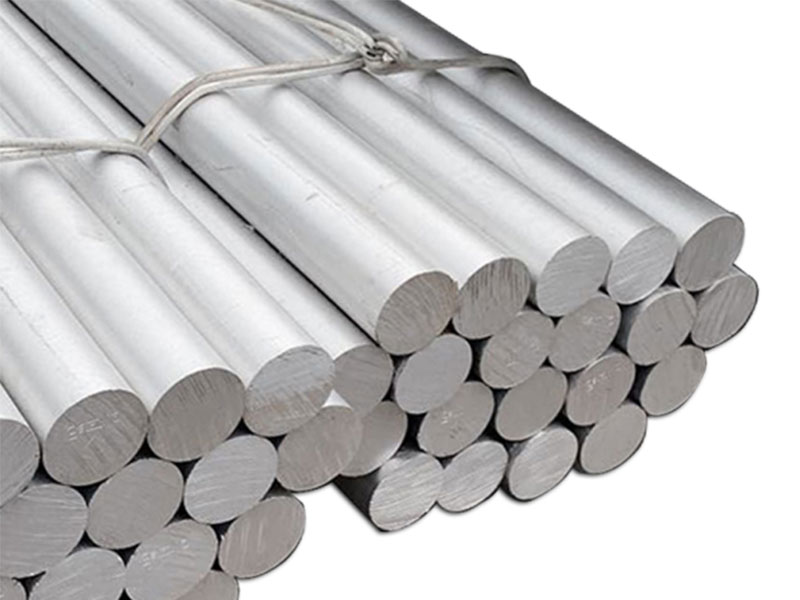
Marine grade aluminum solid bar
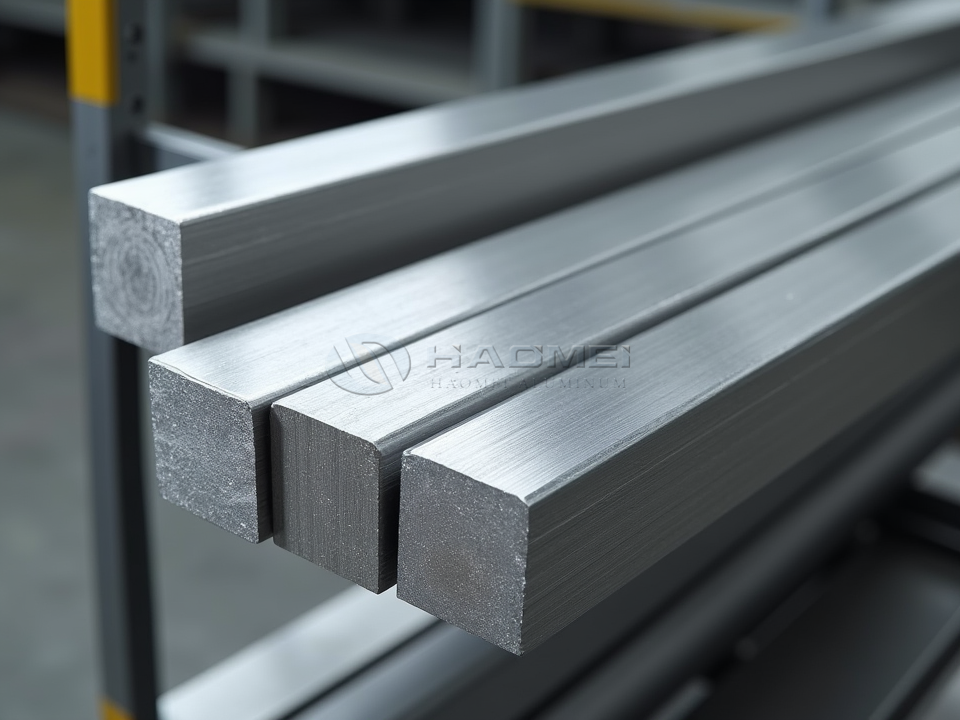
Marine Grade Aluminum Solid Bars are produced from premium aluminum alloys optimized for saltwater exposure, such as 5083, 5052, 6061, and 6082. These alloys offer unparalleled resistance to corrosion caused by seawater, salt spray, and marine atmospheres, while maintaining excellent mechanical strength and toughness.
View Details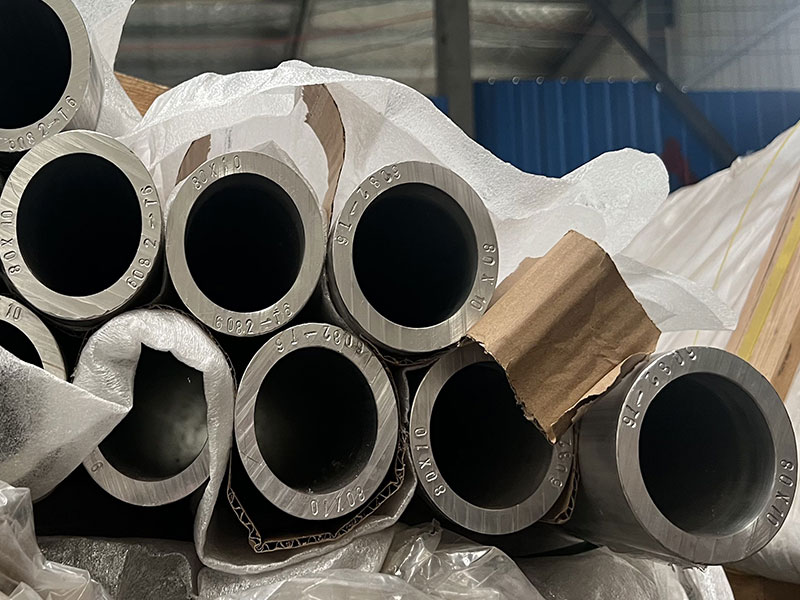
Marine aluminum hollow bars
Marine Grade Aluminum Hollow Bars are fabricated from high-quality alloys such as 5083, 5052, 6061, and 6082, all known for their exceptional resistance to seawater corrosion, salt spray, and marine atmospheres.
View Details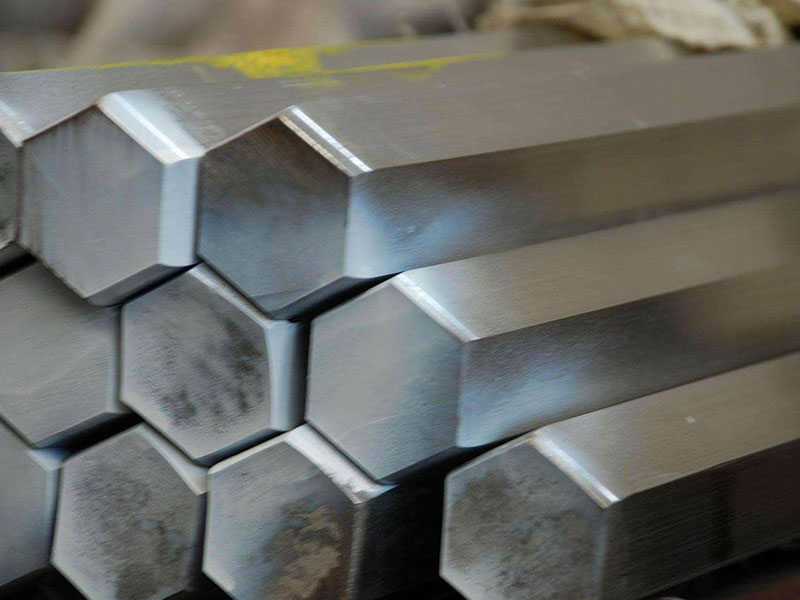
Marine aluminum hexagonal bars
Marine Grade Aluminum Hexagonal Bars are produced from premium corrosion-resistant aluminum alloys such as 5083, 5052, 6061, and 6082.
View DetailsRelated Blog
6082 Marine Aluminum Hollow Bars for High Performance Marine Frames
Explore 6082 marine aluminum hollow bars for lightweight, durable marine frames, with alloy data, tempers, standards, fabrication guidance, and uses.
View Details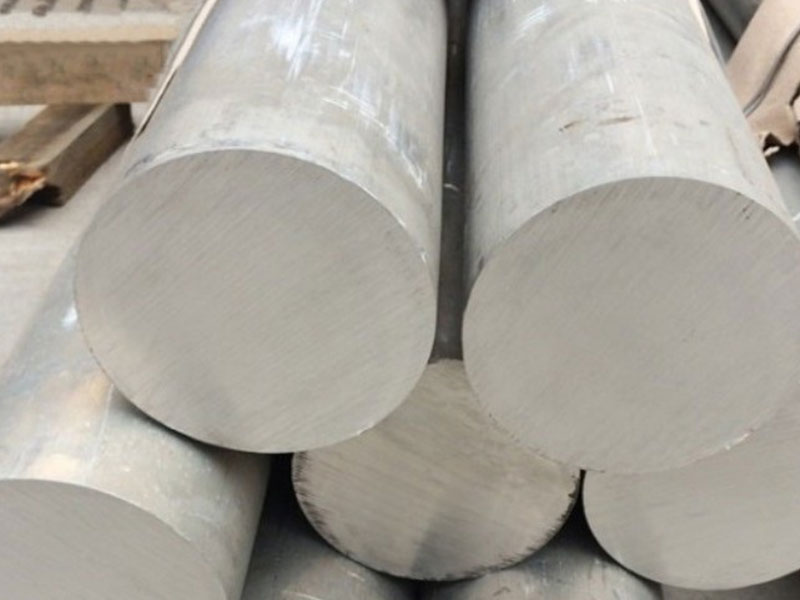
6061 Marine Aluminum Hollow Bars for Custom Boat Parts and Design
6061 marine aluminum hollow bars are an exceptional choice for custom boat parts and designs. Known for their strength, lightweight nature, and resistance to corrosion, these hollow bars are widely utilized in the marine industry.
View Details
Marine Aluminum Hexagonal Bars for Coastal Boat Design and Customization
Marine aluminum hexagonal bars for coastal boats, covering alloys, tempers, corrosion resistance, machining uses, standards, and custom size options for builds.
View Details
6061 Marine Grade Aluminum Solid Bar for Boat Hull and Deck Strengthening
When it comes to constructing or reinforcing boats, durability, strength, and corrosion resistance are non-negotiable attributes. Among the available materials in marine applications.
View Details
5083 Marine Aluminum Hexagonal Bars for Ship Hull and Deck Fabrication
In the demanding world of marine construction and shipbuilding, material performance defines safety, durability, and operational efficiency. 5083 Marine Aluminum Hexagonal Bars have emerged as a premium solution for ship hull and deck fabrication.
View Details
Marine Aluminum Hollow Bars for Shipbuilding and Marine Applications
Marine environments punish materials relentlessly: salt spray, cyclic loading, stray currents, impacts, and long service intervals where maintenance access is limited.
View Details
Leave a Message