
5052 Marine Aluminum Hollow Bars for Saltwater Proof Boat Reinforcements
5052 marine aluminum hollow bars are built for boat builders, repair yards, dock equipment fabricators, and marine hardware manufacturers that need strong reinforcement without unnecessary weight. In saltwater service, every material choice is tested by chloride exposure, humidity, vibration, impact, and repeated wet-dry cycles. 5052 aluminum answers these demands with a magnesium-rich alloy structure that resists marine corrosion while staying easy to cut, form, weld, and finish.
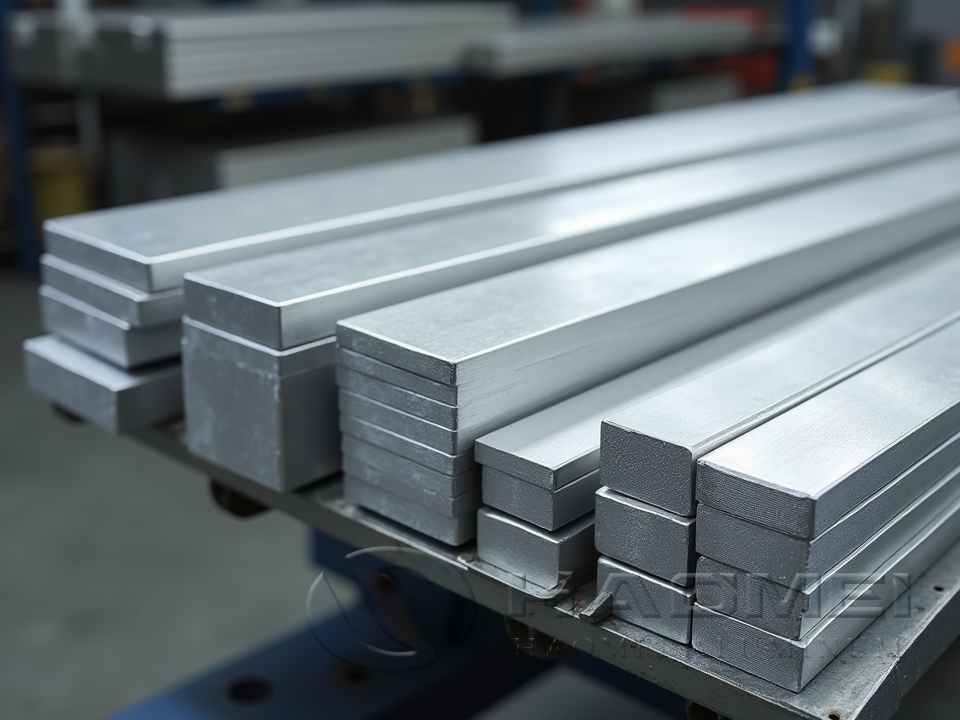
For boat reinforcements, hollow bars offer a practical balance: higher stiffness than many solid sections of similar weight, clean geometry for fabrication, and excellent compatibility with welded aluminum hulls, decks, cabins, and frames. Whether used in small fishing boats, patrol craft, pontoons, workboats, or yacht structures, 5052 hollow bars help reduce mass while maintaining dependable support.
Why 5052 Works So Well in Saltwater
5052 belongs to the Al-Mg alloy family. Its magnesium content improves resistance to seawater corrosion and gives the alloy good strength in non-heat-treated tempers. Unlike many high-strength aluminum alloys that depend on heat treatment, 5052 gains its mechanical performance through work hardening. This makes it stable, predictable, and well suited to welded marine structures.
In real boatbuilding, this means fewer worries about rust, peeling scale, or heavy protective coatings. 5052 naturally forms a dense oxide film that protects the surface. When scratched, the film reforms in the presence of oxygen. For saltwater boats, that self-protecting behavior is a major advantage over carbon steel and a strong reason many builders prefer Marine aluminum hollow bars for reinforcing frameworks.
Product Features That Matter on the Water
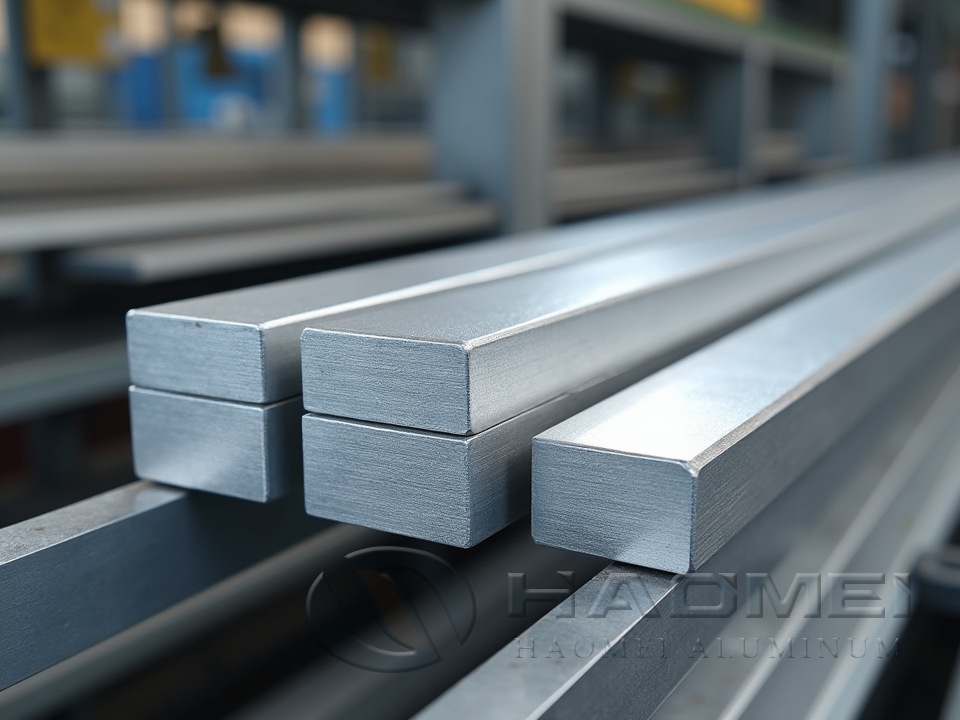
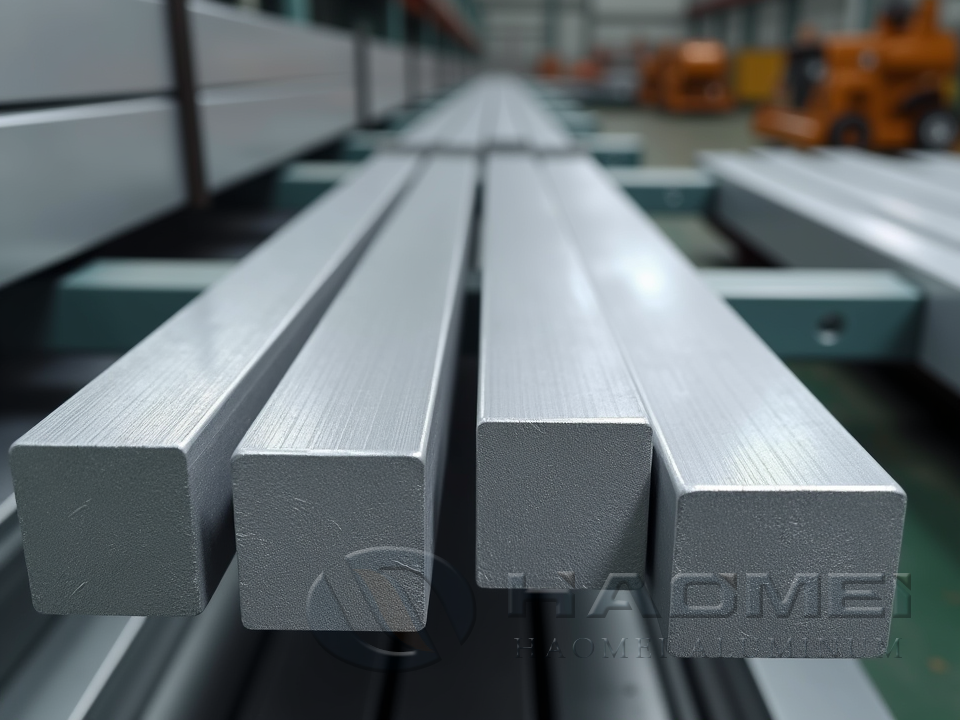
5052 hollow bars are commonly supplied as square, rectangular, or round hollow sections, depending on the reinforcement design. Square and rectangular profiles are preferred for frames, deck supports, hatch structures, and mounting rails because their flat faces simplify drilling, welding, and bolting. Round hollow bars are often selected for handrails, canopy supports, davits, and curved assemblies.
The hollow structure is especially useful where stiffness-to-weight ratio matters. A tubular section places more metal away from the centerline, improving resistance to bending and twisting while keeping the section light. This is valuable for boat decks, cabins, console frames, and transom supports where weight affects trim, fuel economy, and handling.
5052 also performs well under vibration. Boats experience wave shock, engine resonance, slamming loads, and trailer movement. The alloy has good fatigue behavior for a non-heat-treatable marine grade, helping reinforcements maintain service life under repeated loading.
Typical Technical Parameters
| Property | Typical Value or Range | Benefit for Boat Reinforcement |
|---|---|---|
| Alloy | 5052 aluminum | Marine-grade Al-Mg corrosion resistance |
| Common tempers | O, H32, H34, H112 | Options for forming, strength, and fabrication |
| Density | About 2.68 g/cm³ | Much lighter than steel |
| Elastic modulus | About 70 GPa | Stable stiffness for frames and supports |
| Melting range | About 607-649°C | Suitable for welded assemblies |
| Corrosion resistance | Excellent in marine atmosphere | Reliable in salt spray and wet bilge zones |
| Weldability | Excellent | Works well with MIG and TIG processes |
| Machinability | Good | Easy cutting, drilling, slotting, and trimming |
| Surface finish | Mill finish, brushed, anodized, coated | Adaptable to visible or hidden boat parts |
Chemical Composition
| Element | Typical Content |
|---|---|
| Aluminum | Balance |
| Magnesium | 2.2-2.8% |
| Chromium | 0.15-0.35% |
| Iron | Max 0.40% |
| Silicon | Max 0.25% |
| Manganese | Max 0.10% |
| Copper | Max 0.10% |
| Zinc | Max 0.10% |
| Others | Controlled trace levels |
The magnesium and chromium combination is important. Magnesium raises strength and marine resistance, while chromium helps control grain structure and improves durability in corrosive environments.
Mechanical Performance for Fabrication
| Temper | Tensile Strength | Yield Strength | Elongation | Common Use |
|---|---|---|---|---|
| O | Lower strength, high ductility | Low | High | Bending, forming, complex shapes |
| H32 | Medium strength | Medium | Good | General marine frames and brackets |
| H34 | Higher strength than H32 | Higher | Moderate | Stiffer reinforcements and loaded supports |
| H112 | Stable fabricated condition | Application dependent | Good | Extruded and structural sections |
For most boat reinforcement projects, H32 and H34 are popular because they provide a practical mix of strength, toughness, and workability. If the part needs tight bending or severe shaping before installation, O temper can be selected first and then processed as required.
Main Boat Applications
5052 marine aluminum hollow bars are widely used in structural and semi-structural areas where corrosion resistance and low weight are both required. Common uses include deck reinforcement beams, seat bases, hatch frames, cabin wall supports, console frames, rail bases, ladder frames, swim platform supports, bilge area brackets, and lightweight stringer reinforcement.
They are also suitable for pontoon boat cross members, small craft ribs, tender frames, equipment skids, bait tank supports, engine room guards, and storage compartment frames. In commercial vessels, 5052 hollow bars can be used for walkways, service platforms, protective cages, instrument supports, and non-critical frame members exposed to salt air.
For projects that combine hollow and solid sections, buyers often pair 5052 hollow profiles with Marine Grade Aluminum Bars for brackets, mounting blocks, and machined reinforcement plates.
Welding and Assembly Advantages
5052 is one of the easier marine aluminum alloys to weld. It is commonly joined using MIG or TIG welding with compatible filler metals such as 5356, depending on the design and service conditions. Good weldability reduces fabrication time and helps produce clean, strong joints for hull accessories, frame sections, and support structures.
Before welding, surfaces should be cleaned to remove oil, oxide, moisture, and salt residue. Stainless steel wire brushes dedicated only to aluminum are recommended. After welding, the joint area should be inspected and cleaned, especially if the reinforcement will be installed in a splash zone or bilge space.
Fastening is also straightforward. Hollow bars can be drilled, slotted, tapped with inserts, riveted, or bolted to other marine components. When connecting to stainless steel, copper alloys, or carbon steel, electrical isolation is recommended to reduce galvanic corrosion. Nylon washers, sealants, barrier tapes, or marine coatings can extend service life.
Surface Protection Options
Although 5052 has excellent natural corrosion resistance, surface treatment can improve appearance and durability. Mill finish is suitable for hidden reinforcements and internal frames. Brushed finish is attractive for visible cabin or deck components. Anodizing improves surface hardness and appearance, while marine-grade powder coating or paint can add color and additional barrier protection.
In saltwater use, drainage design is just as important as material selection. Hollow sections should avoid trapped seawater. Drain holes, sealed ends, or proper orientation can prevent stagnant chloride-rich water from sitting inside the bar. This simple design step greatly improves long-term performance.
Selection Guidance for Buyers
When choosing 5052 hollow bars, consider the load path, span length, wall thickness, joining method, exposure zone, and finish requirement. A deck beam may require a rectangular hollow section for bending stiffness, while a rail frame may benefit from round tube geometry. A hatch frame may need a square profile for easy gasket and hinge installation.
Wall thickness should be selected with both strength and fabrication in mind. Thin walls save weight but may distort during welding or dent under point loads. Thicker walls provide better thread engagement, impact resistance, and weld tolerance. For reinforced marine hardware, moderate wall thickness often gives the best balance between cost, durability, and weight.
Dimensional tolerance also matters. Straightness, corner radius, surface quality, and cut length accuracy affect assembly speed. For production boatyards, consistent hollow bar dimensions reduce fitting time and help keep welding jigs accurate from batch to batch.
Why Customers Choose 5052 Hollow Bars
5052 marine aluminum hollow bars give boat structures a clean, strong, corrosion-resistant backbone. They help replace heavier steel components, reduce maintenance, simplify fabrication, and support longer service life in saltwater environments. Their combination of weldability, formability, fatigue resistance, and marine corrosion performance makes them a practical material for both new boat construction and repair reinforcement.
For builders seeking lighter hull accessories, stronger deck frames, cleaner cabin supports, or durable saltwater hardware, 5052 hollow aluminum bars provide a dependable material platform that performs where ordinary metals quickly struggle.

Related Products
6082 marine aluminum rod & bar
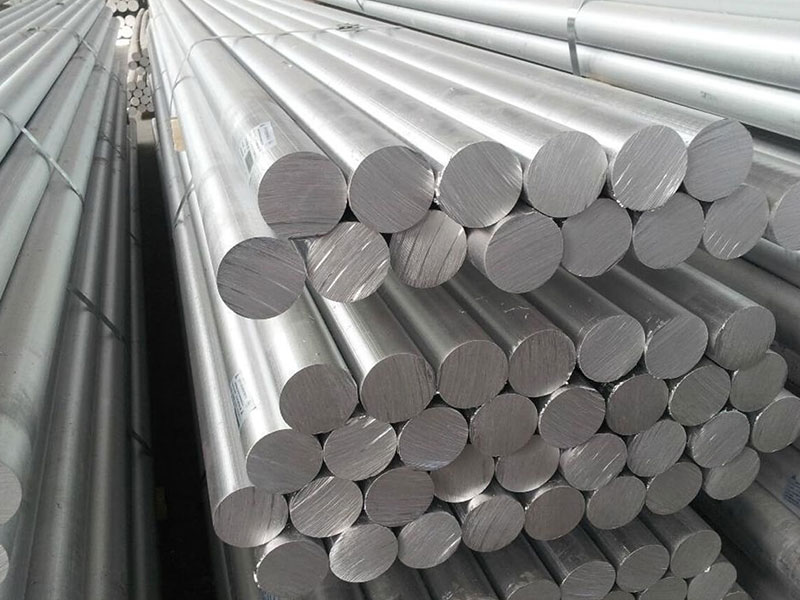
6082 Aluminum Rods & Bars are extruded or rolled products manufactured from 6082 aluminum alloy — a thermally treated (typically T6 temper) aluminum-magnesium-silicon alloy that balances high tensile strength, good weldability, and excellent corrosion resistance.
View Details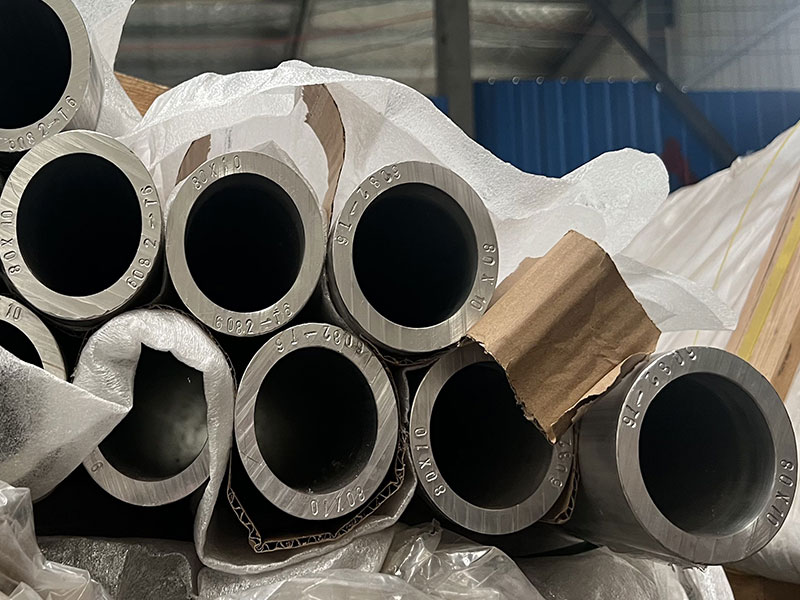
Marine aluminum hollow bars
Marine Grade Aluminum Hollow Bars are fabricated from high-quality alloys such as 5083, 5052, 6061, and 6082, all known for their exceptional resistance to seawater corrosion, salt spray, and marine atmospheres.
View Details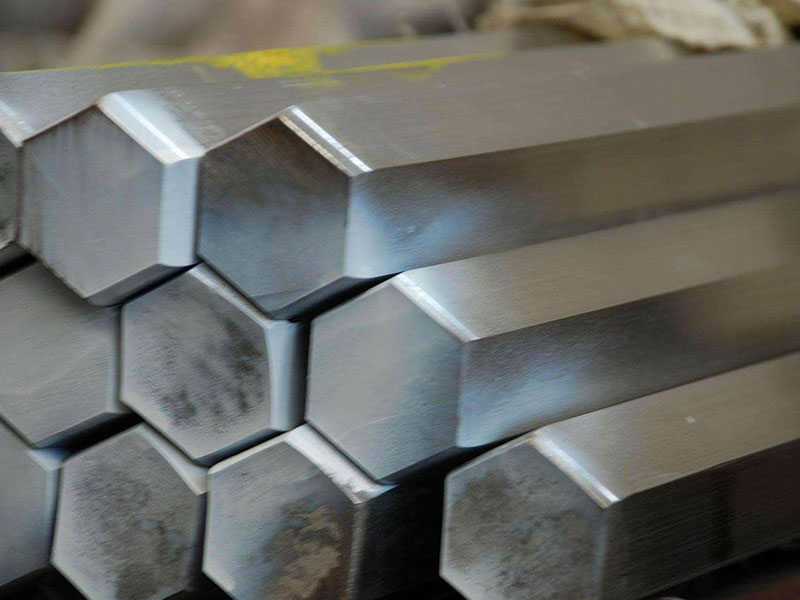
Marine aluminum hexagonal bars
Marine Grade Aluminum Hexagonal Bars are produced from premium corrosion-resistant aluminum alloys such as 5083, 5052, 6061, and 6082.
View Details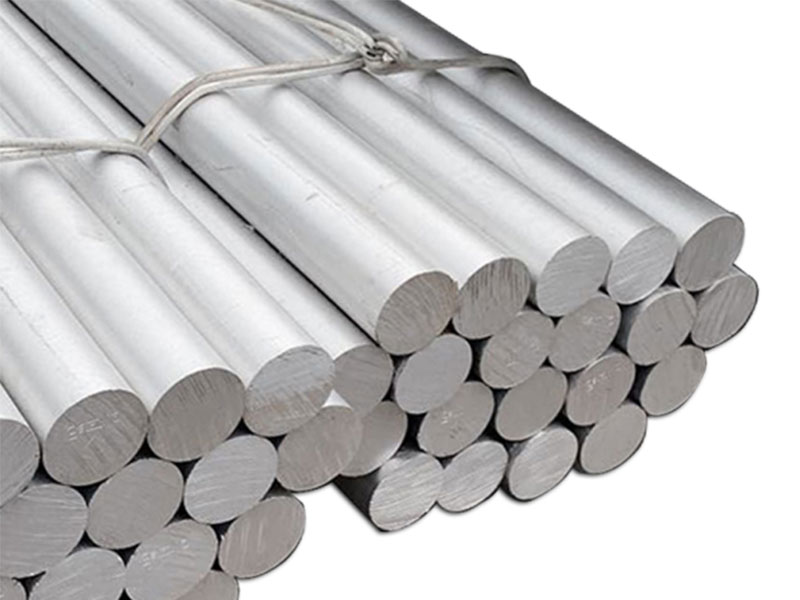
Marine grade aluminum solid bar
Marine Grade Aluminum Solid Bars are produced from premium aluminum alloys optimized for saltwater exposure, such as 5083, 5052, 6061, and 6082. These alloys offer unparalleled resistance to corrosion caused by seawater, salt spray, and marine atmospheres, while maintaining excellent mechanical strength and toughness.
View DetailsRelated Blog
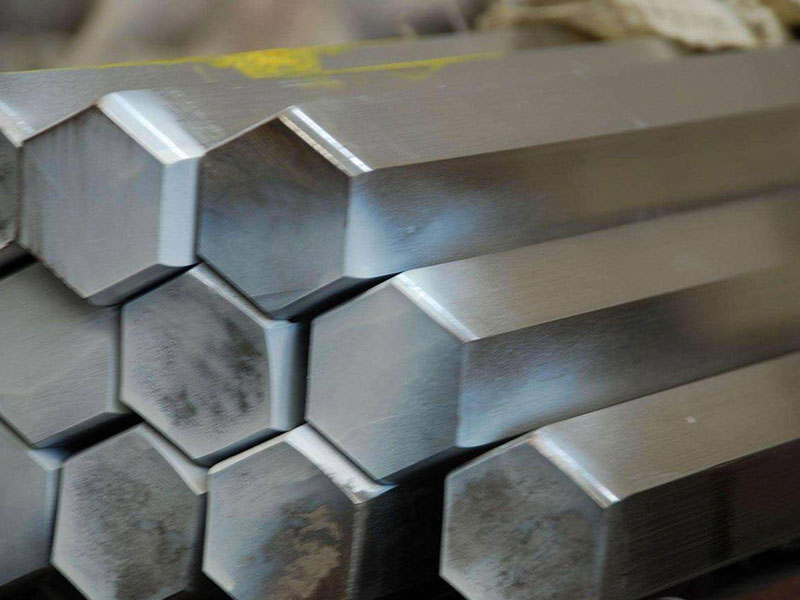
5083 Marine Aluminum Hexagonal Bars for Durable Offshore Support Parts
Explore premium 5083 marine aluminum hexagonal bars tailored for offshore support applications. their superior corrosion resistance, alloy composition, mechanical properties, and industry implementation standards.
View Details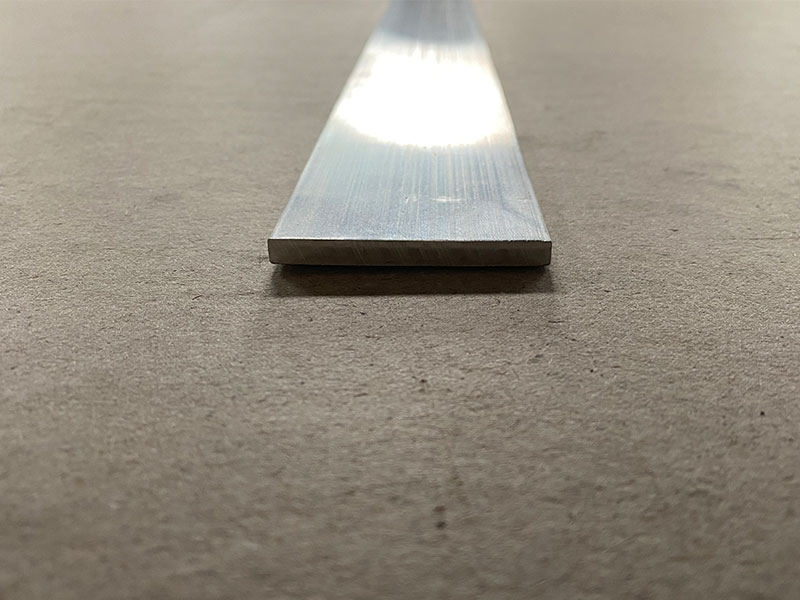
6061 Marine Aluminum Hollow Bars for Marine Hull Repair Parts
6061 marine aluminum hollow bars are a high-performance, versatile material used extensively in marine hull repair parts. Combining excellent corrosion resistance, good mechanical strength, weldability, and machinability.
View Details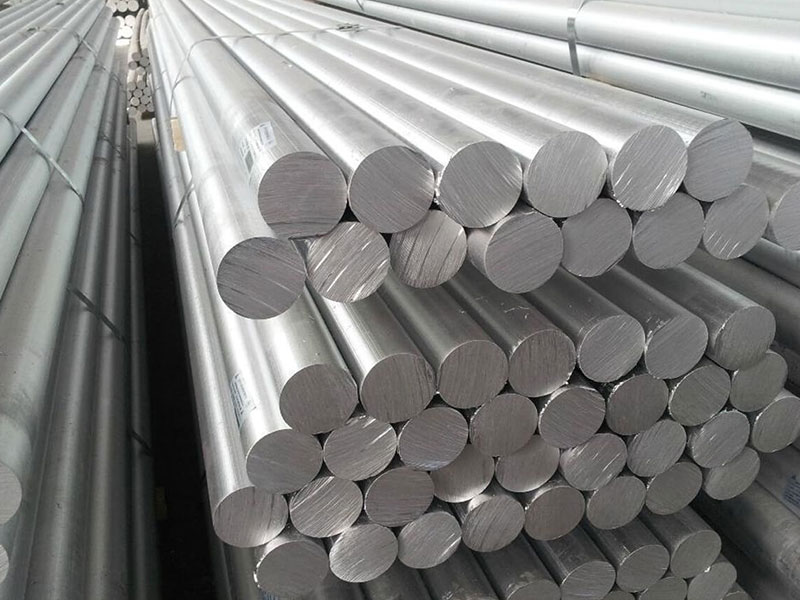
6061 Marine Aluminum Bar for Boat Frame Customization
When it comes to building or customizing boat frames, choosing the right material significantly impacts durability, performance, and maintenance.
View Details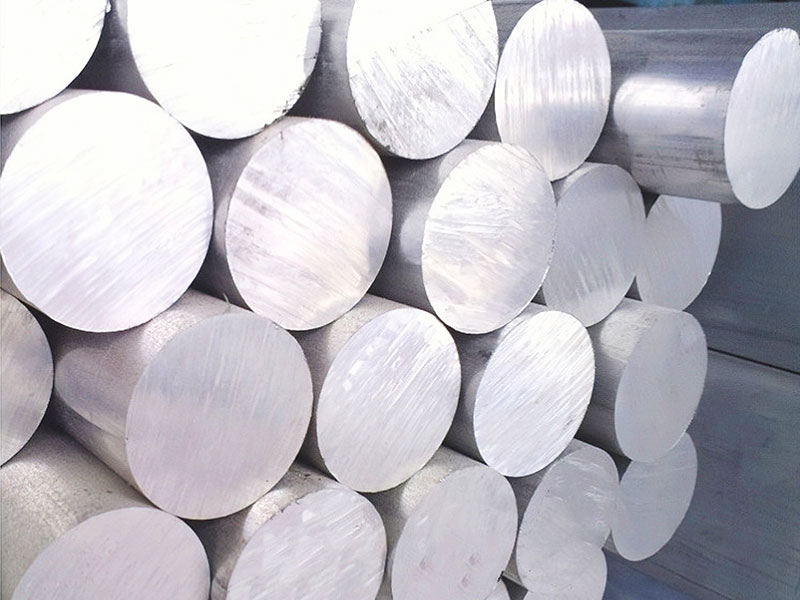
5083 Marine Aluminum Hollow Bars for Marine Equipment Durability
Marine environments punish materials relentlessly: salt spray accelerates corrosion, cyclic wave loads drive fatigue, and maintenance windows are tight. 5083 marine aluminum hollow bars are engineered for this reality-combining high strength.
View Details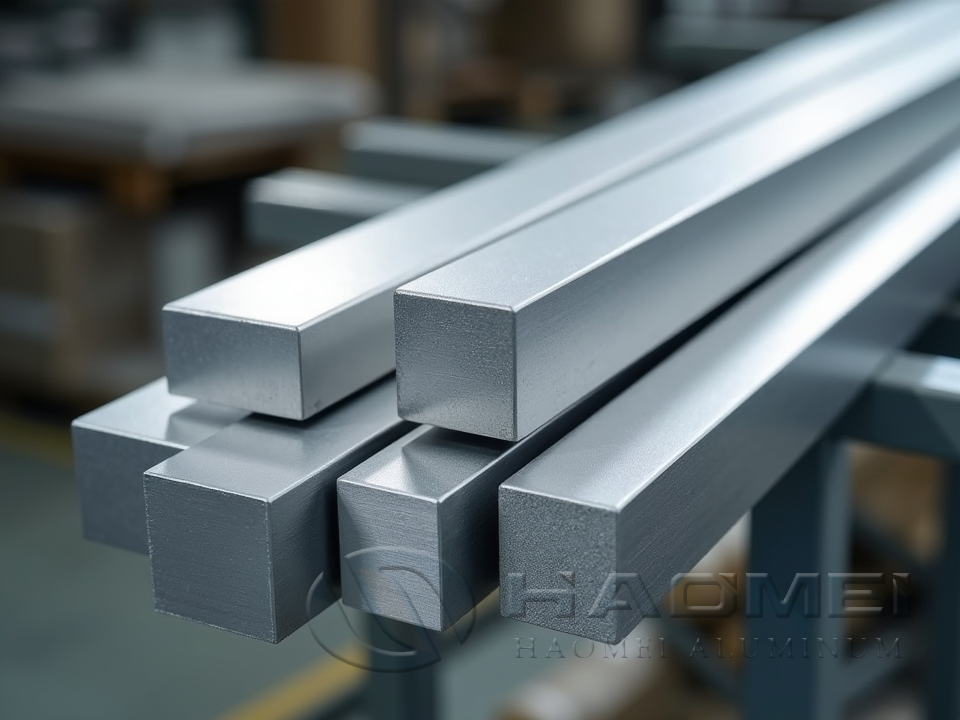
5083 Marine Aluminum Hexagonal Bars for Saltwater Resistant Boat Hull Parts
Explore 5083 marine aluminum hex bars for seawater resistant boat hull parts, with specs, chemistry, tempers, machining notes, fabrication guidance, and uses.
View Details
5052 Marine Aluminum Bar for Coastal Marine Engineering Projects
The 5052 marine aluminum bar is a premium product dedicated to the scrupulous requirements of coastal marine engineering projects. It stands out due to its excellent corrosion resistance, weldability, and formability.
View Details
Leave a Message