
6082 Marine Aluminum Hollow Bars for Offshore Engineering Reinforcements
Offshore engineering is a world of repeated stress: wave impact, platform vibration, salt spray, lifting loads, and long-term fatigue. In this environment, reinforcement materials cannot be selected only by static strength. They must also reduce weight, resist corrosion, support modular fabrication, and remain predictable during machining and welding. This is where 6082 marine aluminum hollow bars become especially valuable.
Unlike solid profiles, hollow bars place material away from the centerline, improving stiffness-to-weight efficiency. For offshore reinforcement, that geometry works like a structural amplifier: less mass, useful bending resistance, and easier installation in confined marine assemblies.
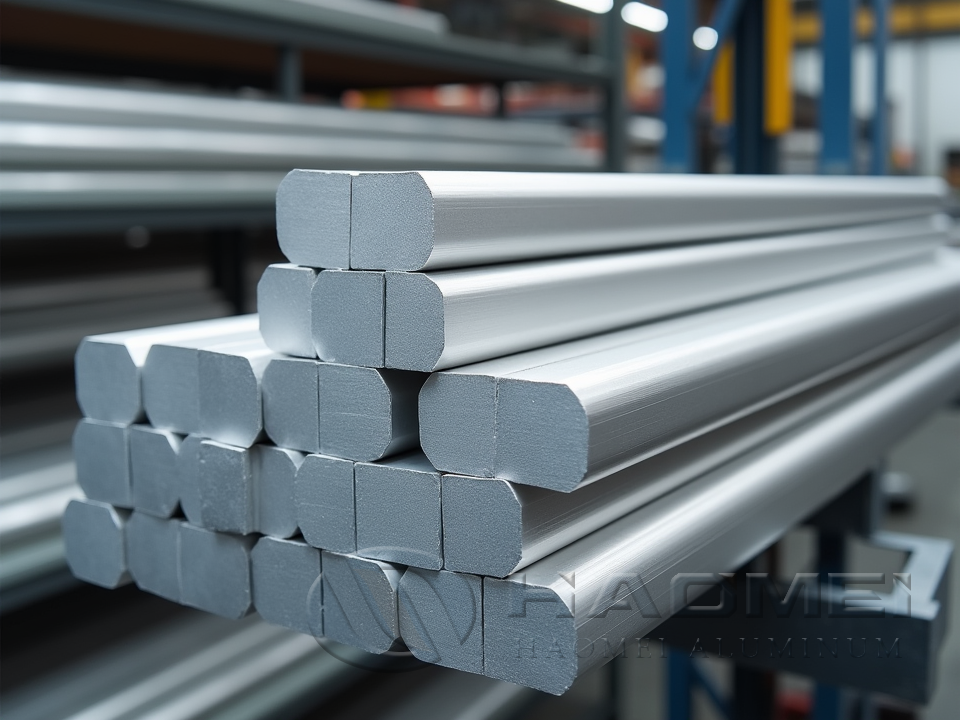
Why 6082 Works Well in Offshore Reinforcement
6082 belongs to the Al-Mg-Si 6000 series and contains manganese for improved strength stability and grain control. Compared with many general-purpose aluminum grades, 6082 offers higher mechanical strength after heat treatment, making it suitable for parts that must carry load without unnecessary steel weight.
For customers already using 6082 marine aluminum rod & bar in brackets, cleats, machined supports, and deck hardware, hollow bars provide an efficient extension of the same alloy logic. They are useful where the component needs stiffness, internal routing space, or lower dead load.
In offshore structures, every kilogram matters. Reducing reinforcement weight can lower installation cost, simplify lifting, reduce fatigue stress at welded joints, and improve fuel efficiency for floating equipment. A hollow 6082 profile often provides enough section modulus for braces, rails, and support sleeves while avoiding the overdesign that comes with solid steel members.
Functional View: A Hollow Bar as a Load Path, Not Just a Shape
The central function of a 6082 marine aluminum hollow bar is to control how force travels through a structure. In offshore engineering, reinforcements are often added to prevent deformation around openings, ladders, pipe supports, access platforms, lifting frames, and equipment bases. A hollow bar can act as a spacer, sleeve, compression member, torsion-resistant brace, or edge stiffener.
Round hollow bars are often selected where multi-directional loading is expected, such as handrail reinforcements, davit supports, rotating fixture sleeves, and tubular frames. Square or rectangular hollow bars are preferred when flat mounting faces are needed for bolting, welding, clamping, or panel attachment. Custom extruded hollow sections can also be designed with internal ribs when higher stiffness is required without increasing external dimensions.
The hollow core can serve another practical purpose: cable passage, drainage, sensor routing, or weight trimming. This makes the bar not only a reinforcement element but also part of the offshore system layout.
Typical Product Parameters
| Parameter | Common Supply Range | Notes for Offshore Use |
|---|---|---|
| Alloy | 6082 | Al-Mg-Si-Mn heat-treatable alloy |
| Shape | Round, square, rectangular, custom hollow section | Selected by load direction and assembly method |
| Outside diameter or width | 10 mm to 300 mm | Larger sizes available by extrusion capability |
| Wall thickness | 1.5 mm to 30 mm | Thicker walls improve local bearing and weld margin |
| Length | 1 m to 6 m, custom cut | Longer lengths reduce joint count |
| Temper | T6, T6511, T4, O | T6 is most common for strength-critical parts |
| Surface | Mill finish, anodized, powder coated, marine primer | Coatings improve chloride exposure performance |
| Processing | Cutting, drilling, CNC machining, bending, welding | Process route should match temper and section geometry |
| Tolerance | EN 755 or ASTM extrusion tolerance | Project drawings may require tighter control |
Chemical Composition of 6082 Aluminum
| Element | Typical Range by Weight |
|---|---|
| Silicon, Si | 0.70% to 1.30% |
| Magnesium, Mg | 0.60% to 1.20% |
| Manganese, Mn | 0.40% to 1.00% |
| Iron, Fe | 0.50% max |
| Copper, Cu | 0.10% max |
| Chromium, Cr | 0.25% max |
| Zinc, Zn | 0.20% max |
| Titanium, Ti | 0.10% max |
| Other elements, each | 0.05% max |
| Other elements, total | 0.15% max |
| Aluminum, Al | Balance |
The magnesium and silicon content forms Mg2Si during heat treatment, giving 6082 its strength in T6 temper. Manganese contributes to a more controlled grain structure, which is helpful when profiles must maintain dimensional reliability after extrusion and machining.
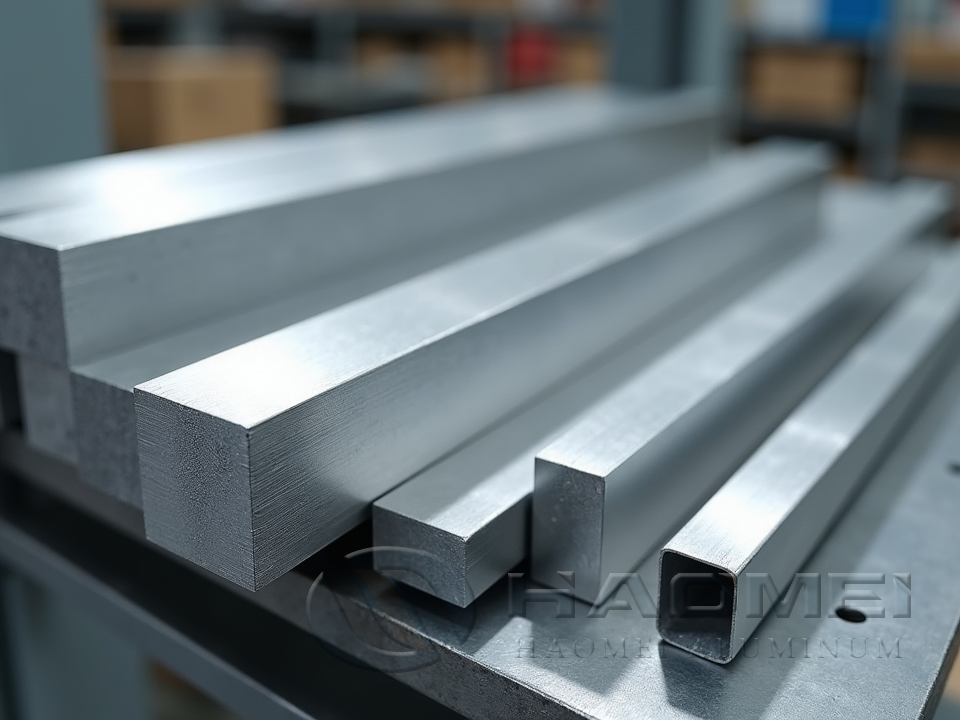
Mechanical Performance and Temper Selection
Temper choice decides how the hollow bar behaves during fabrication and service. T6 is solution heat-treated and artificially aged, providing the highest commonly supplied strength condition. T6511 includes stress relief by stretching, reducing distortion during machining. T4 gives better formability before final aging, while O temper is soft and mainly used when severe forming is required before later processing.
| Temper | Tensile Strength | Yield Strength | Elongation | Typical Use |
|---|---|---|---|---|
| T6 | 290 MPa to 340 MPa | 250 MPa to 280 MPa | 8% to 12% | Load-bearing offshore reinforcements |
| T6511 | Similar to T6 | Similar to T6 | 8% to 12% | Machined sleeves, brackets, precision components |
| T4 | 180 MPa to 230 MPa | 110 MPa to 140 MPa | 12% to 16% | Formed parts before aging |
| O | 120 MPa to 160 MPa | 60 MPa to 90 MPa | 16% to 20% | Bending and forming operations |
Values vary with wall thickness, extrusion size, and applicable standard. For offshore reinforcement projects, actual mill test certificates should be reviewed against design calculations.
Standards and Project Acceptance
6082 marine aluminum hollow bars are commonly produced according to EN 573-3 for chemical composition and EN 755 for extruded bar, tube, and profile tolerances. ASTM B221 is also widely referenced for aluminum extruded bars, rods, wire, profiles, and tubes. For pressure-related or tubular applications, ASTM B241 may be relevant depending on project design.
Marine and offshore projects may also request inspection or material acceptance aligned with ABS, DNV, LR, BV, CCS, or customer-specific specifications. These approvals usually focus on traceability, chemical composition, mechanical properties, dimensional tolerance, surface quality, and corrosion-control documentation.
For buyers comparing different Marine aluminum hollow bars, the most important purchasing details are alloy certificate, temper, wall thickness tolerance, straightness, surface condition, and whether the section will be welded, bolted, or machined.
Offshore Applications
6082 hollow bars are used in offshore wind platforms, floating docks, marine access structures, gangways, inspection platforms, antenna supports, solar equipment frames, deck reinforcements, service ladders, pipe rack spacers, and structural sleeves around high-stress openings.
In offshore wind foundations, they can be used for secondary structures where corrosion resistance and low mass improve maintenance economics. In floating work platforms, they help reduce topside weight while supporting guardrails, equipment frames, and modular deck systems. In marine cranes or davit-related fittings, hollow 6082 profiles can serve as reinforcement sleeves or machined spacer bodies when designed within approved load limits.
They are also practical in retrofit work. Offshore assets often need strengthening after equipment changes, fatigue inspection, or layout upgrades. Aluminum hollow bars are easier to move, cut, drill, and install compared with heavier alternatives, making them suitable for maintenance teams working under limited access conditions.
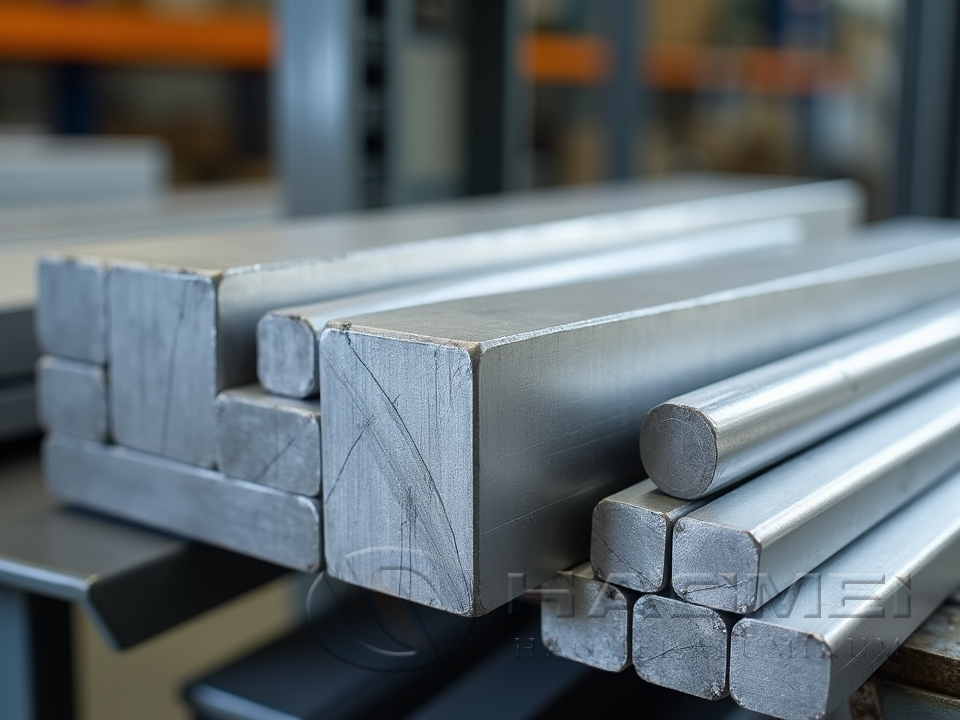
Corrosion Behavior and Surface Protection
6082 has good corrosion resistance in marine atmospheres, but offshore exposure is severe. Salt, moisture, temperature variation, and contact with dissimilar metals can accelerate localized corrosion. For long service life, designers should avoid water-trapping details, seal cut edges when needed, and isolate aluminum from stainless steel or carbon steel using non-conductive washers, sleeves, sealants, or coatings.
Anodizing improves surface hardness and oxidation resistance. Powder coating or marine epoxy systems are often selected for visible or splash-zone parts. For submerged or highly aggressive areas, coating specification should be matched with cathodic protection design to avoid galvanic problems.
Fabrication Notes for Reliable Reinforcements
6082 can be machined cleanly and is suitable for drilling, milling, slotting, and precision cutting. Welding is possible, commonly using 5356 or 4043 filler depending on strength, corrosion, and finishing requirements. However, heat from welding reduces strength in the heat-affected zone, so load calculations should not assume full T6 properties near welded joints.
For bolted offshore connections, bearing strength, edge distance, and galvanic isolation are essential. For long hollow bars, straightness and twist should be controlled before assembly. Drain holes may be added when profiles are exposed outdoors to prevent trapped moisture inside the hollow cavity.
Buyer-Focused Selection Advice
A good specification for 6082 marine aluminum hollow bars should include alloy 6082, required temper, section shape, outside dimension, wall thickness, length, tolerance standard, surface treatment, inspection certificate, and packaging requirement. If the part will be CNC machined, T6511 is often preferred. If the part will be bent, T4 or O may be more suitable before final strengthening.
For offshore engineering reinforcements, 6082 hollow bars are best understood as lightweight structural tools. They reduce mass, improve stiffness efficiency, simplify installation, and support corrosion-aware design. When matched with the correct temper, standard, coating, and connection method, they become dependable reinforcement components for demanding marine environments.

Related Products
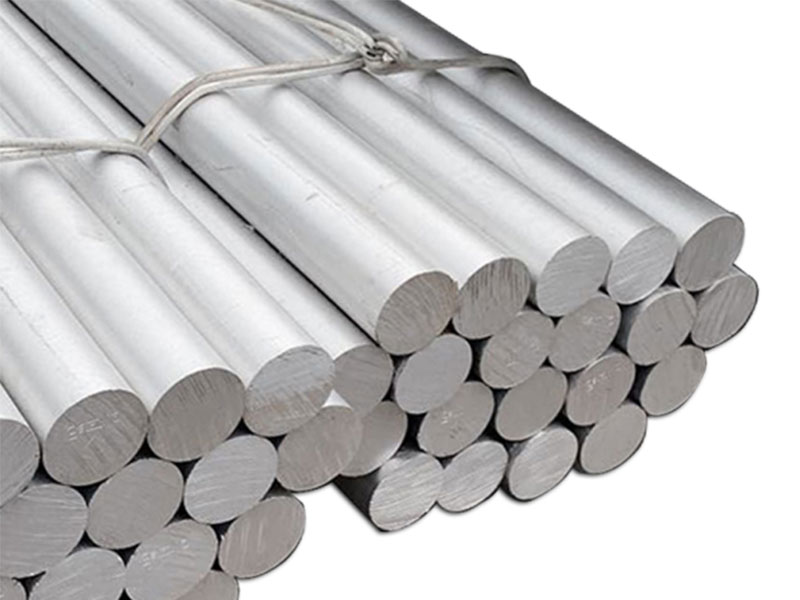
Marine grade aluminum solid bar
Marine Grade Aluminum Solid Bars are produced from premium aluminum alloys optimized for saltwater exposure, such as 5083, 5052, 6061, and 6082. These alloys offer unparalleled resistance to corrosion caused by seawater, salt spray, and marine atmospheres, while maintaining excellent mechanical strength and toughness.
View Details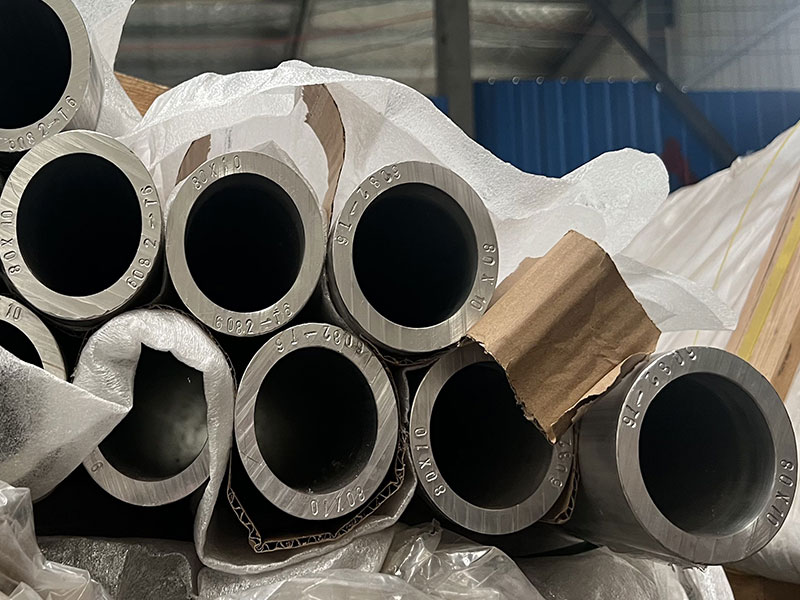
Marine aluminum hollow bars
Marine Grade Aluminum Hollow Bars are fabricated from high-quality alloys such as 5083, 5052, 6061, and 6082, all known for their exceptional resistance to seawater corrosion, salt spray, and marine atmospheres.
View Details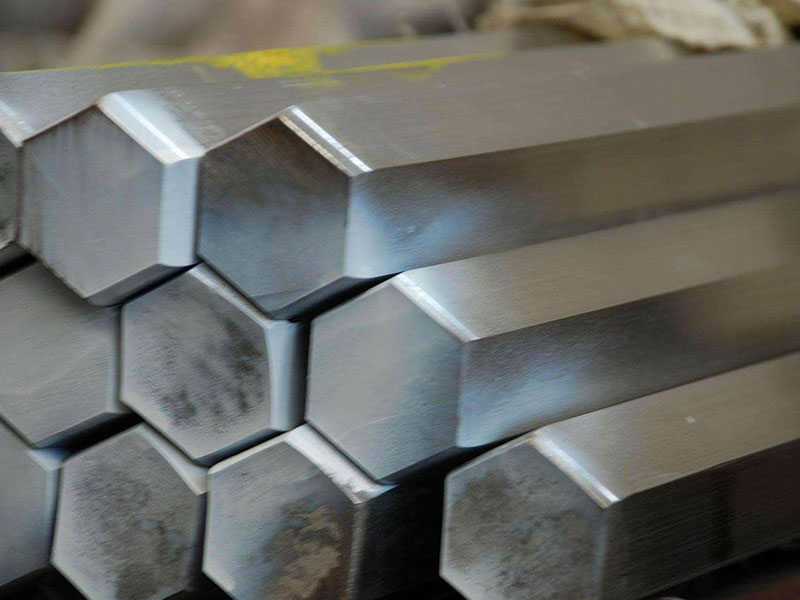
Marine aluminum hexagonal bars
Marine Grade Aluminum Hexagonal Bars are produced from premium corrosion-resistant aluminum alloys such as 5083, 5052, 6061, and 6082.
View Details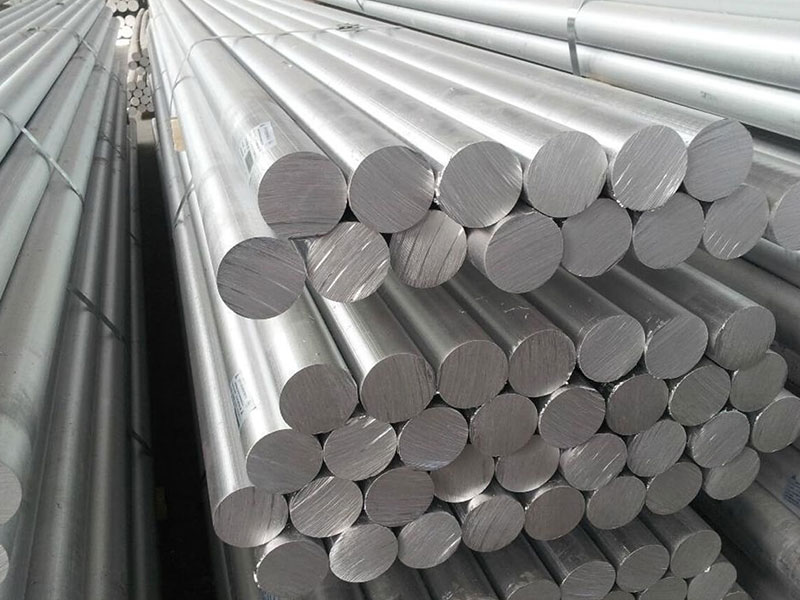
6082 marine aluminum rod & bar
6082 Aluminum Rods & Bars are extruded or rolled products manufactured from 6082 aluminum alloy — a thermally treated (typically T6 temper) aluminum-magnesium-silicon alloy that balances high tensile strength, good weldability, and excellent corrosion resistance.
View DetailsRelated Blog
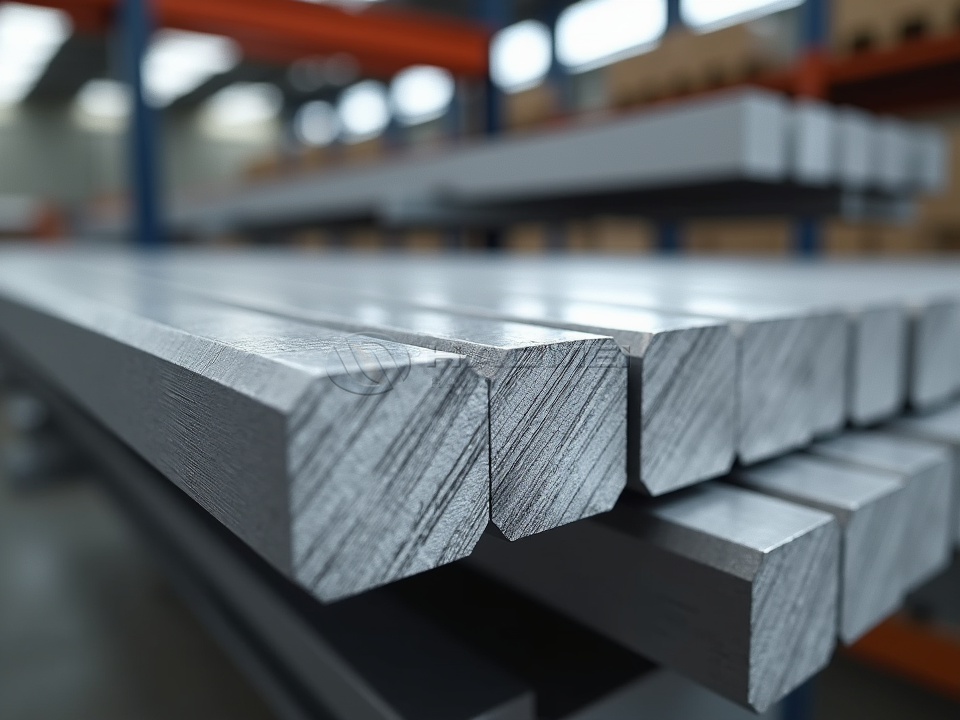
Marine Aluminum Hollow Bars for Boat Deck and Frame Custom Solutions
Marine aluminum hollow bars deliver corrosion-resistant, lightweight support for custom boat decks and frames, with alloy, temper, sizing, and fabrication data.
View Details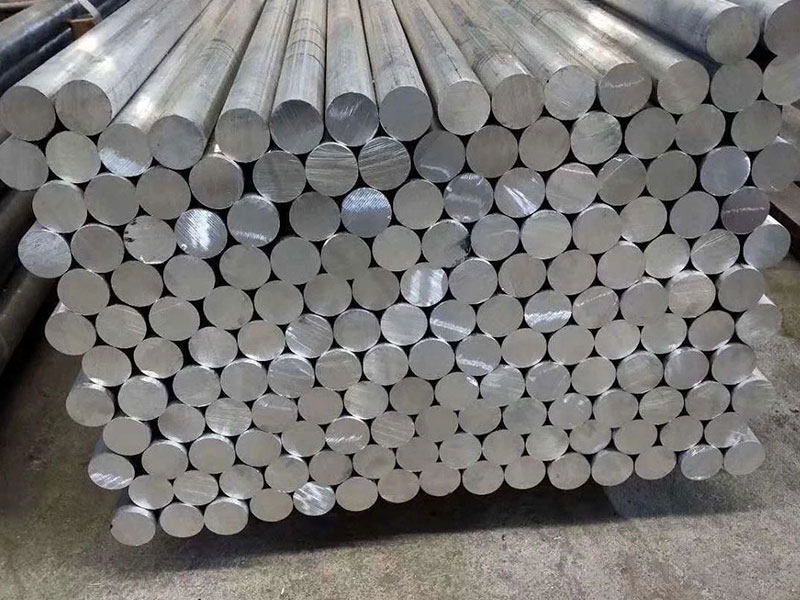
6061 Marine Grade Aluminum Solid Bar for Marine Vessel Frame Parts
The 6061 Marine Grade Aluminum Solid Bar is a premium-quality aluminum alloy widely recognized for its exceptional strength, corrosion resistance, and versatility.
View Details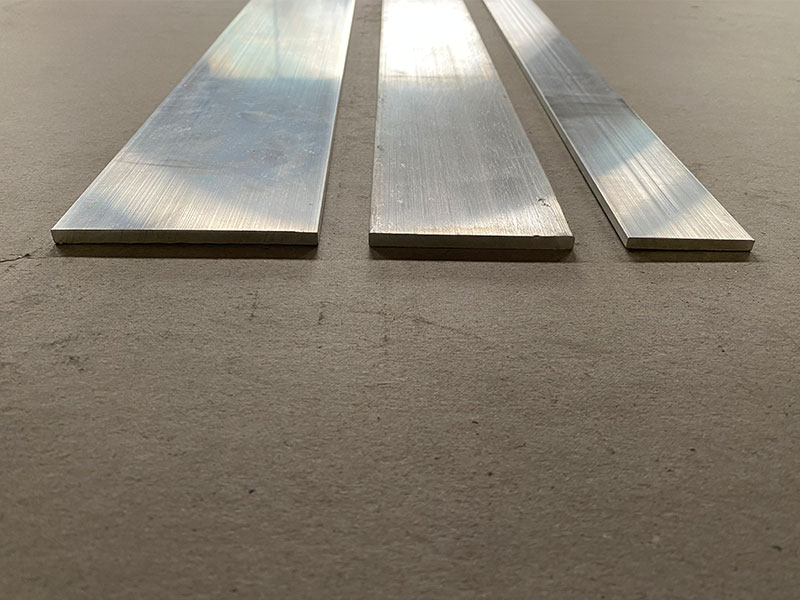
Marine Aluminum Hexagonal Bars for Heavy Duty Boat Frame Construction
In the demanding environment of marine construction, selecting the right materials for heavy duty boat frames is crucial. Among the many options, marine aluminum hexagonal bars have emerged as a standout choice, offering an exceptional blend of strength.
View Details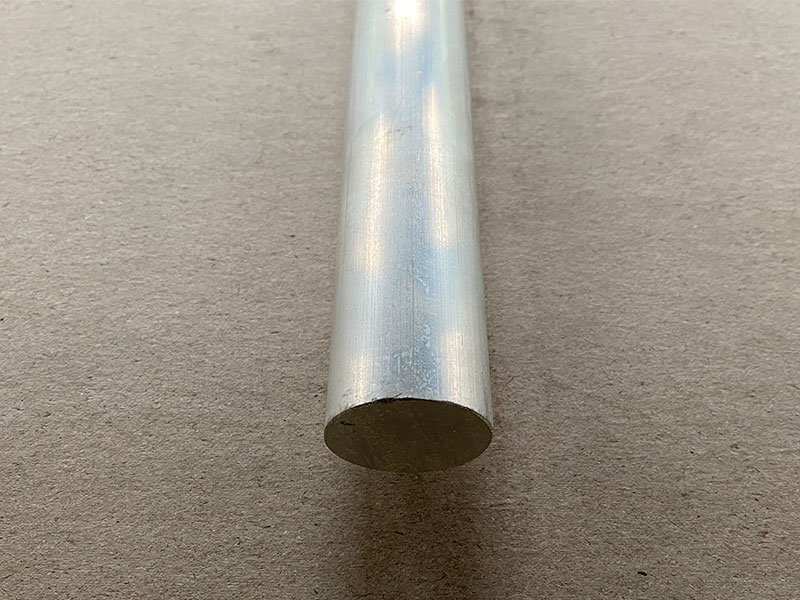
5083 Marine Aluminum Hollow Bars for Offshore Marine Engineering
Offshore structures punish materials with a combination of chloride-rich seawater, cyclic loading, impact, abrasion, and temperature swings. In this environment, 5083 marine aluminum stands out as a workhorse alloy.
View Details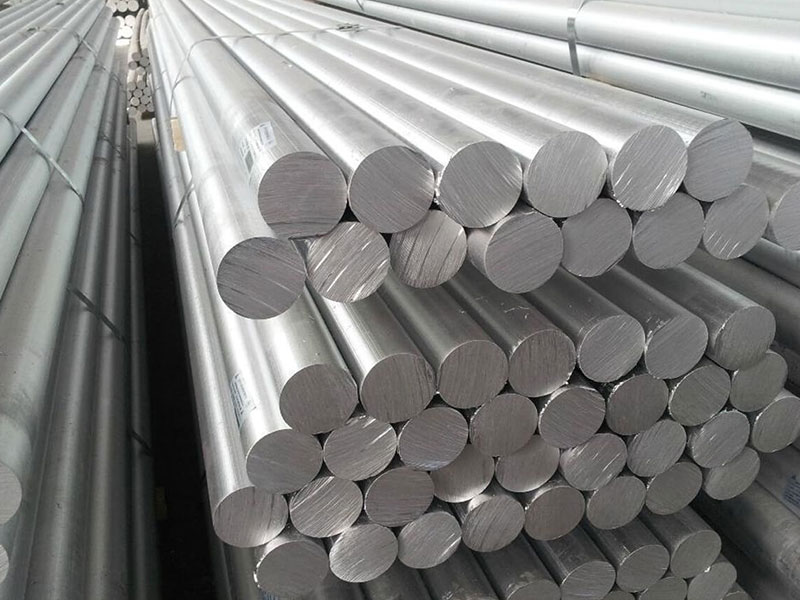
5083 Marine Aluminum Hexagonal Bars for Boat Design and Engineering
5083 marine aluminum hexagonal bars offer outstanding corrosion resistance, high strength-to-weight ratio, and excellent weldability for boat design and marine engineering.
View Details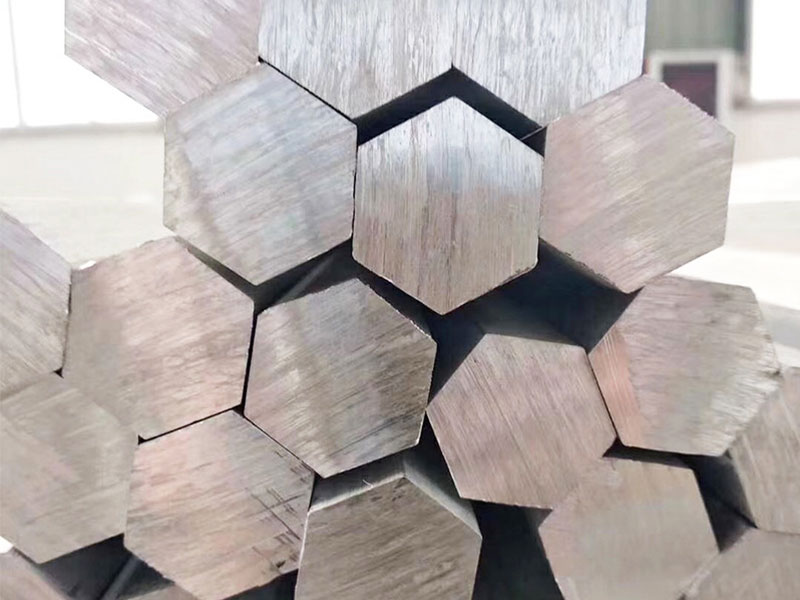
5083 Marine Aluminum Hexagonal Bars for High Strength Shipbuilding Materials
When it comes to constructing robust, lightweight, and corrosion-resistant components in the marine industry, 5083 marine aluminum hexagonal bars are an indispensable material.
View Details
Leave a Message