
5083 Marine Aluminum Hollow Bars for Offshore Vessel Support Parts
5083 marine aluminum hollow bars are built for structural support parts that must survive salt spray, wave impact, deck vibration, and long service intervals. In offshore vessels, every kilogram saved can improve payload efficiency, fuel economy, and handling, but the material still needs dependable strength and seawater resistance. That balance is where 5083 aluminum performs especially well.
As an Al-Mg-Mn alloy, 5083 is non-heat-treatable and gains its strength mainly through strain hardening and controlled processing. Hollow bar geometry adds another advantage: it places material away from the centerline, improving stiffness-to-weight performance compared with many solid sections of equal mass. For brackets, sleeves, support posts, railing bases, equipment mounts, and modular frame members, this combination helps designers reduce weight without sacrificing durability.
Product Character
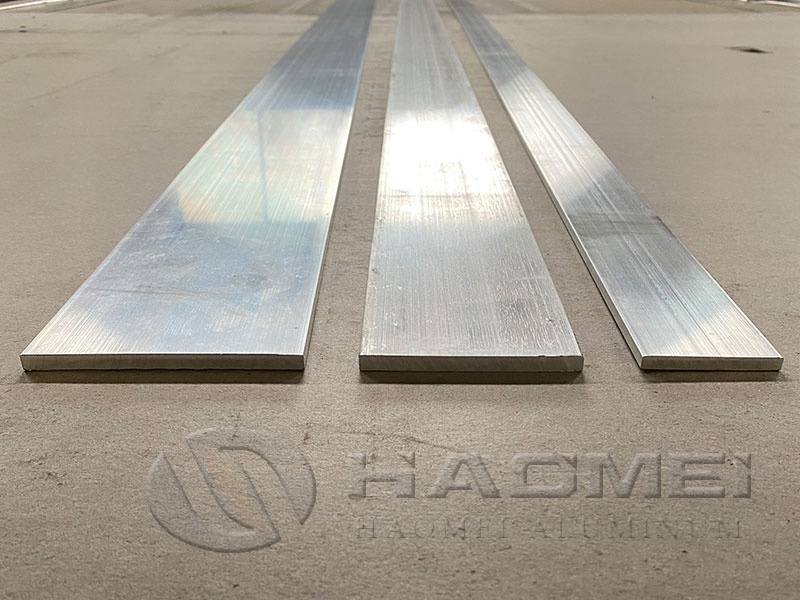
5083 hollow bars are commonly supplied as round, square, or rectangular hollow profiles depending on the support layout. The alloy is preferred in offshore fabrication because it resists pitting, crevice corrosion, and general attack in marine atmospheres better than many general-purpose aluminum grades. It is also highly weldable, making it suitable for assemblies where hollow members are joined to plates, gussets, deck structures, or machined fittings.
For buyers comparing marine bar products, Marine aluminum hollow bars are often selected when reduced weight, clean internal geometry, and corrosion resistance are more important than the maximum cross-section mass of a solid bar.
Chemical Composition
Typical composition limits for 5083 aluminum are shown for customer reference. Final supply should be checked against the purchase standard, mill certificate, and project specification.
| Element | Typical Range, wt.% | Function in 5083 Alloy |
|---|---|---|
| Aluminum, Al | Balance | Base metal with low density and high corrosion resistance |
| Magnesium, Mg | 4.0-4.9 | Main strengthening element, improves seawater resistance |
| Manganese, Mn | 0.40-1.00 | Enhances strength and grain stability |
| Chromium, Cr | 0.05-0.25 | Supports resistance to stress corrosion and grain growth |
| Iron, Fe | Max 0.40 | Controlled impurity for surface and toughness quality |
| Silicon, Si | Max 0.40 | Controlled impurity affecting formability and finish |
| Copper, Cu | Max 0.10 | Kept low to maintain marine corrosion resistance |
| Zinc, Zn | Max 0.25 | Limited to preserve corrosion behavior |
| Titanium, Ti | Max 0.15 | Grain refinement during casting |
| Others | Max 0.05 each, 0.15 total | Residual control |
Mechanical Performance
5083 hollow bars are available in tempers such as H111, H112, H116, and H321, depending on forming method, section size, and marine approval needs. H116 and H321 are often requested for marine service because they are processed to reduce susceptibility to exfoliation and intergranular corrosion in severe environments.
| Temper | Tensile Strength, MPa | Yield Strength, MPa | Elongation, % | Typical Use |
|---|---|---|---|---|
| H111 | 275-350 | 125-200 | 12-18 | Formed supports, welded assemblies |
| H112 | 270-345 | 125-210 | 10-16 | General machined hollow parts |
| H116 | 305-385 | 215-270 | 10-14 | Seawater-exposed vessel structures |
| H321 | 305-385 | 215-270 | 10-14 | Offshore components requiring stabilized marine temper |
Values are indicative. Actual properties vary with wall thickness, hollow shape, production route, test direction, and applicable standard.
Technical Specifications
| Parameter | Common Supply Option | Customer Benefit |
|---|---|---|
| Alloy | 5083 | High magnesium marine aluminum alloy |
| Shape | Round, square, rectangular hollow bar | Flexible design for brackets, sleeves, posts, and frames |
| Outer Size | 20-250 mm typical | Suitable for compact hardware and larger support members |
| Wall Thickness | 3-40 mm typical | Adjustable strength and weight balance |
| Length | 1-6 m or cut-to-length | Less cutting waste during fabrication |
| Temper | H111, H112, H116, H321 | Options for forming, machining, or severe marine exposure |
| Density | About 2.66 g/cm3 | Roughly one-third the density of carbon steel |
| Surface | Mill finish, brushed, machined, anodized on request | Adaptable to visible or hidden support parts |
| Processing | Cutting, drilling, CNC machining, welding | Ready for workshop and shipyard operations |
| Documentation | Mill test certificate, EN/ASTM data on request | Easier project traceability and quality control |
Why Hollow 5083 Works Well Offshore
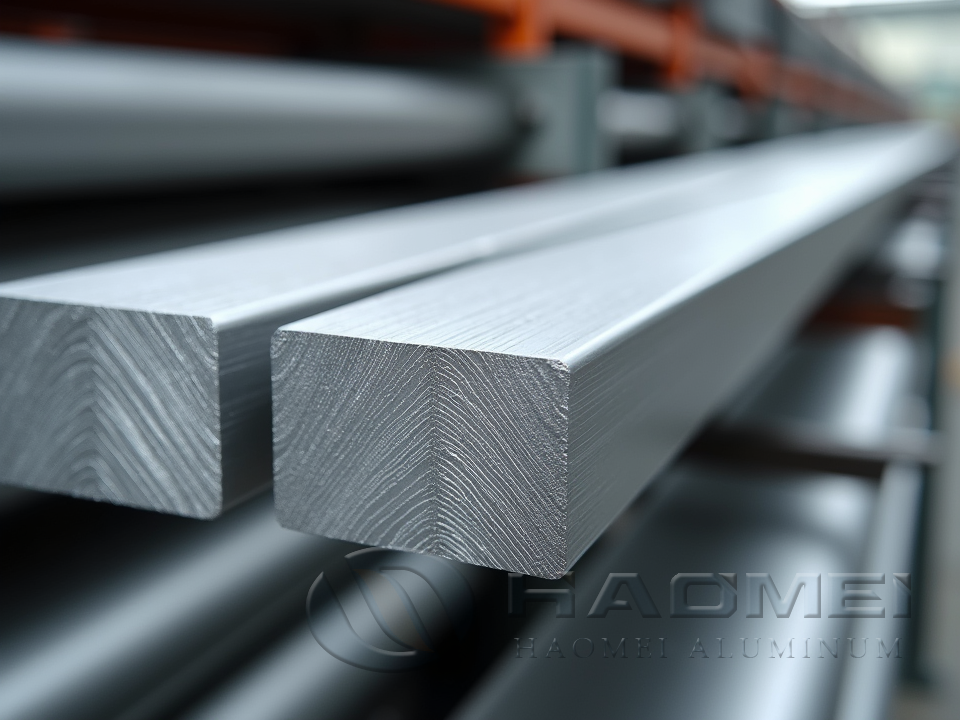
The most direct advantage is weight efficiency. A hollow bar can deliver strong bending resistance while removing non-essential center material. This is useful for support arms, stanchion bases, deck equipment frames, davit supports, gangway fittings, and protective structures around pumps or control boxes.
Corrosion resistance is another major reason to choose 5083. Offshore vessels face chloride-rich air, wet-dry cycling, condensation, and contact with cleaning chemicals. With proper design, drainage, and compatible fasteners, 5083 maintains reliable service life without the coating burden often associated with steel.
Weldability also supports faster fabrication. 5083 is commonly welded with 5183 or 5356 filler wire, depending on strength requirement and welding procedure. The alloy does not require post-weld heat treatment, which simplifies production for welded support assemblies. Designers should still account for weld-zone strength and avoid sharp internal corners that trap seawater.
Typical Offshore Vessel Applications
| Application Area | Hollow Bar Function | Material Advantage |
|---|---|---|
| Deck equipment supports | Spacer sleeves, base risers, guard frames | Low weight and good weldability |
| Offshore service vessels | Cable tray supports, railing inserts, hatch supports | Saltwater durability and clean fabrication |
| Crew transfer vessels | Handrail bases, boarding frame members | Reduced topside weight |
| Fishing and work boats | Net handling supports, winch guard structures | Resistance to splash-zone corrosion |
| Floating platforms | Instrument brackets, maintenance frame members | Long-term atmospheric corrosion resistance |
| Engine room zones | Lightweight supports away from high-temperature areas | Easy machining and vibration-friendly mass reduction |
When a design also needs solid inserts, plugs, pins, or machined blocks, engineers may combine hollow members with Marine Grade Aluminum Bars to create hybrid assemblies with strong connection points and efficient overall weight.
Fabrication and Design Notes
5083 hollow bars machine cleanly with sharp carbide tooling, adequate chip clearance, and suitable coolant or lubricant. For drilled holes in marine parts, edges should be deburred to reduce stress concentration and coating damage. If the part will be bolted to stainless steel, isolation washers or sealants are recommended to reduce galvanic corrosion risk.
Welded structures should use qualified procedures, controlled heat input, and suitable filler. For heavy-wall hollow sections, joint preparation matters because incomplete penetration can create crevices. Drain holes may be needed when the hollow space could collect seawater or condensation. For sealed buoyant parts, pressure and inspection requirements should be reviewed during design rather than after fabrication.
Surface finish depends on service location. Hidden structural supports often use mill finish plus correct joint design. Visible deck parts may be brushed or anodized for appearance, while painted systems can be used where color coding or added protection is required. Before coating, surfaces should be cleaned to remove oxide, oil, and shop contamination.
Buying Considerations
| Purchase Item | Recommended Check |
|---|---|
| Alloy and temper | Confirm 5083 with required H111, H112, H116, or H321 temper |
| Dimensional tolerance | Match outer size, wall thickness, straightness, and length to machining plan |
| Marine certification | Request mill certificate and class-related documents when needed |
| Surface condition | Check dents, scratches, extrusion marks, and finish requirements |
| Weld plan | Confirm filler metal, joint design, and post-fabrication inspection method |
| Packing | Use moisture-resistant wrapping and separation to prevent transit abrasion |
Customer Value
5083 marine aluminum hollow bars help shipyards and offshore fabricators build support parts that are strong, light, weldable, and resistant to harsh marine exposure. Compared with heavier metallic options, they reduce structural mass and simplify handling. Compared with lower-strength aluminum grades, they provide better load capacity and improved durability in seawater environments.
For offshore vessel support parts, the result is practical engineering value: easier fabrication, lower maintenance demand, cleaner assemblies, and dependable performance in chloride-rich conditions. With the right temper, dimensions, welding practice, and surface treatment, 5083 hollow bars become a robust material choice for modern marine structures.

Related Products
Marine grade aluminum solid bar
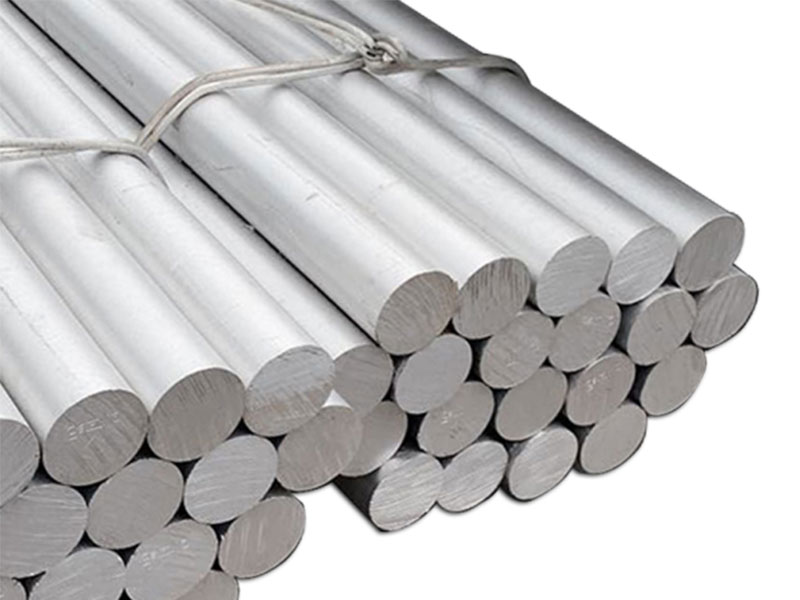
Marine Grade Aluminum Solid Bars are produced from premium aluminum alloys optimized for saltwater exposure, such as 5083, 5052, 6061, and 6082. These alloys offer unparalleled resistance to corrosion caused by seawater, salt spray, and marine atmospheres, while maintaining excellent mechanical strength and toughness.
View Details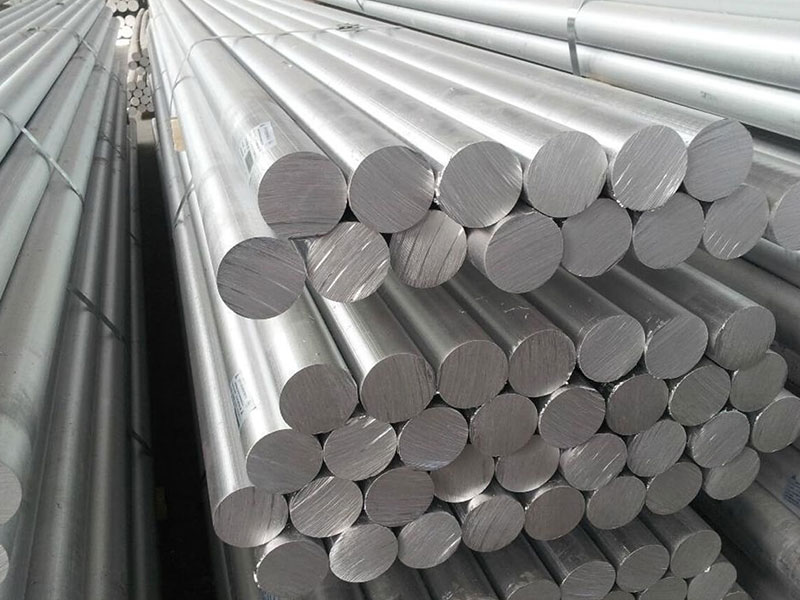
6082 marine aluminum rod & bar
6082 Aluminum Rods & Bars are extruded or rolled products manufactured from 6082 aluminum alloy — a thermally treated (typically T6 temper) aluminum-magnesium-silicon alloy that balances high tensile strength, good weldability, and excellent corrosion resistance.
View Details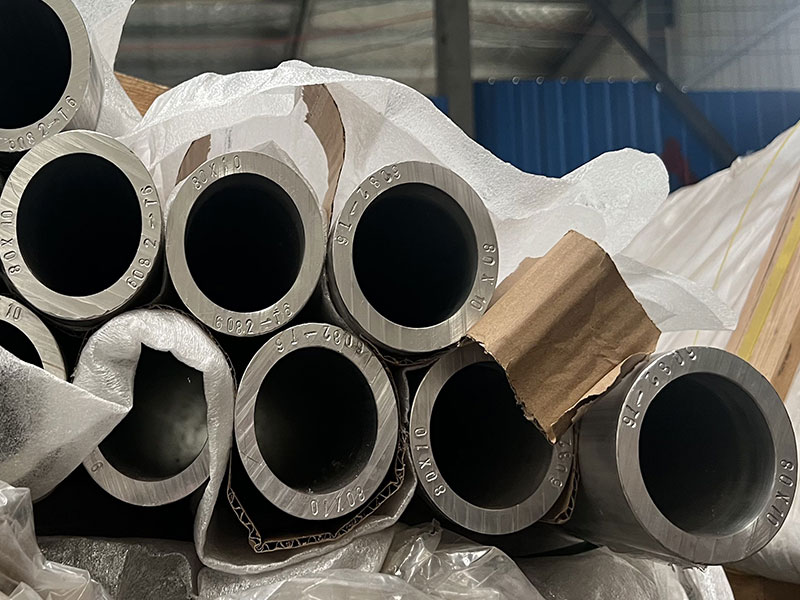
Marine aluminum hollow bars
Marine Grade Aluminum Hollow Bars are fabricated from high-quality alloys such as 5083, 5052, 6061, and 6082, all known for their exceptional resistance to seawater corrosion, salt spray, and marine atmospheres.
View Details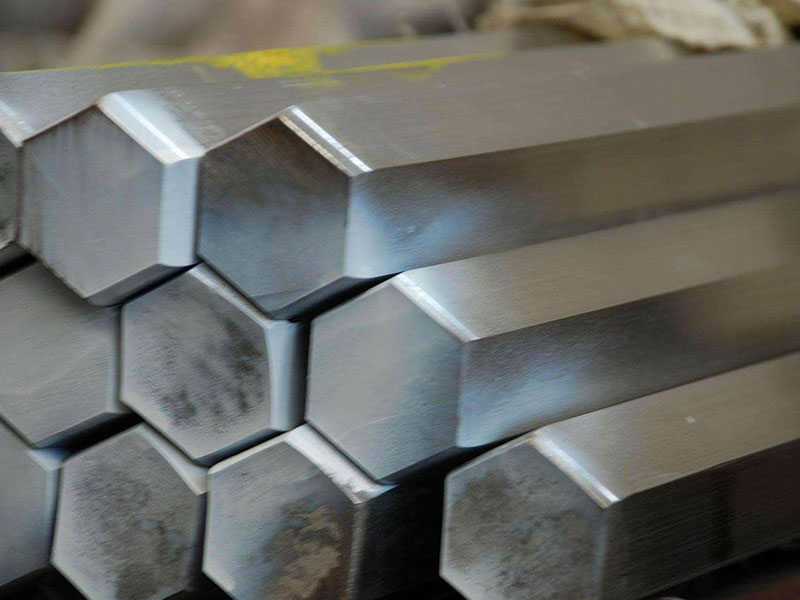
Marine aluminum hexagonal bars
Marine Grade Aluminum Hexagonal Bars are produced from premium corrosion-resistant aluminum alloys such as 5083, 5052, 6061, and 6082.
View DetailsRelated Blog
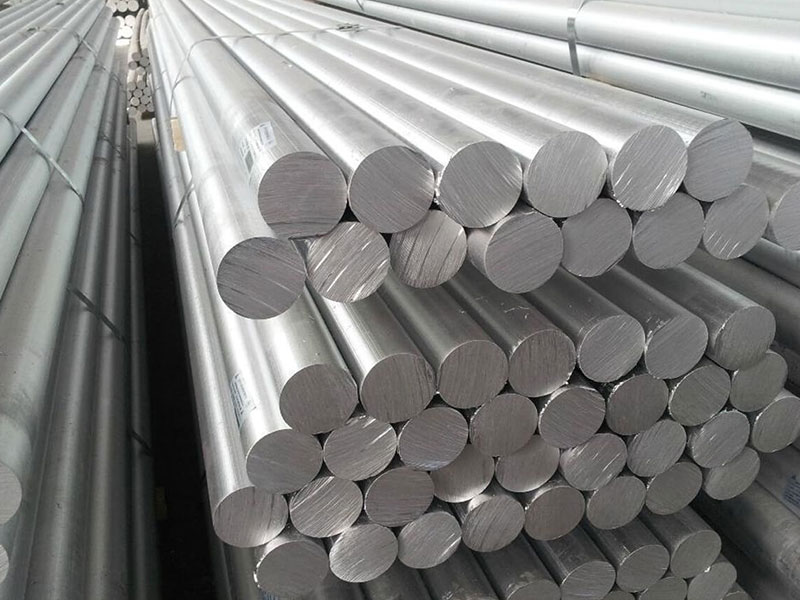
5083 Marine Aluminum Hexagonal Bars for High Strength Shipbuilding Components
FeaturesHigh Strength: 5083 aluminum hexagonal bars offer superior strength-to-weight ratios, essential for maximizing load-bearing capabilities in marine applications.
View Details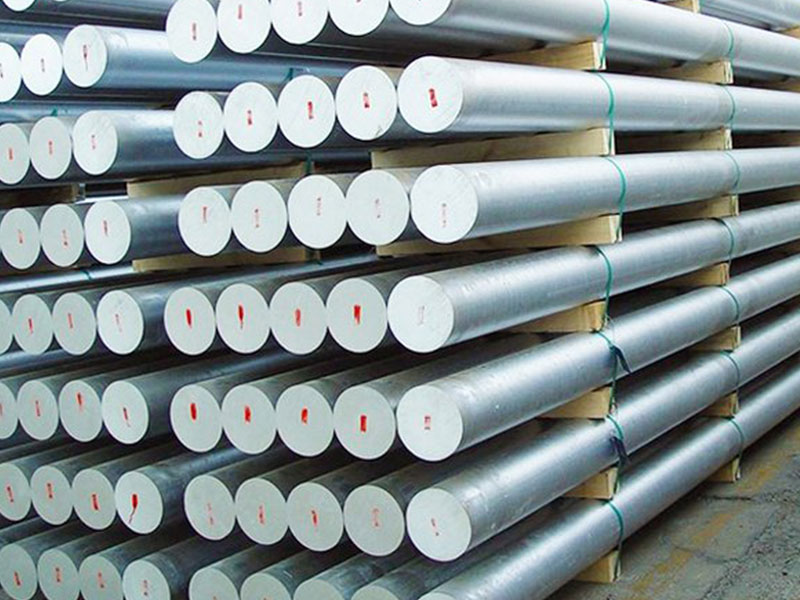
5052 Marine Grade Aluminum Solid Bar for Saltwater Proof Marine Structures
Superior corrosion resistance and mechanical properties of 5052 Marine Grade Aluminum Solid Bar, engineered for durable and reliable saltwater-proof marine structures. Learn about its chemical composition, alloy tempering, implementation standards, and ke
View Details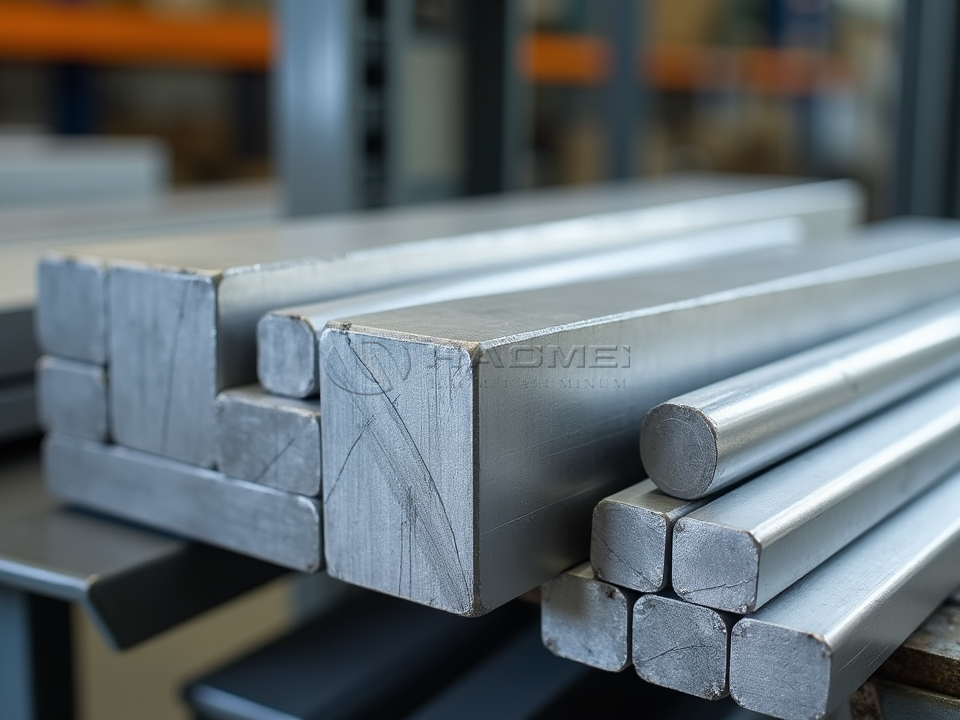
6061 Marine Grade Aluminum Solid Bar for Marine Equipment Customization
6061 marine grade aluminum solid bar offers strength, machinability, and corrosion control for custom boat fittings, frames, shafts, and deck hardware parts.
View Details
6082 Marine Grade Aluminum Solid Bar for Boat Deck Reinforcements
When it comes to marine vessel construction and refurbishment, selecting the right materials is vital for ensuring durability, performance, and safety. Among various options.
View Details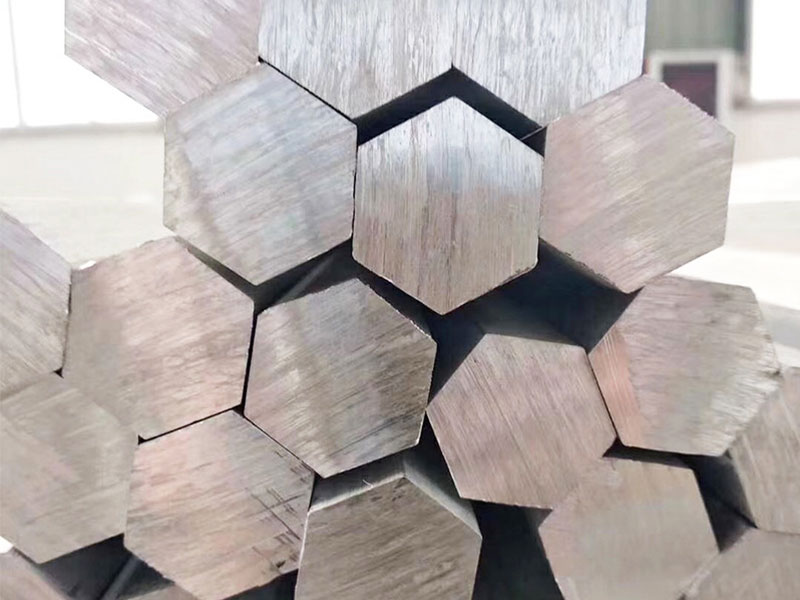
5083 Marine Aluminum Hexagonal Bars for High Strength Shipbuilding Materials
When it comes to constructing robust, lightweight, and corrosion-resistant components in the marine industry, 5083 marine aluminum hexagonal bars are an indispensable material.
View Details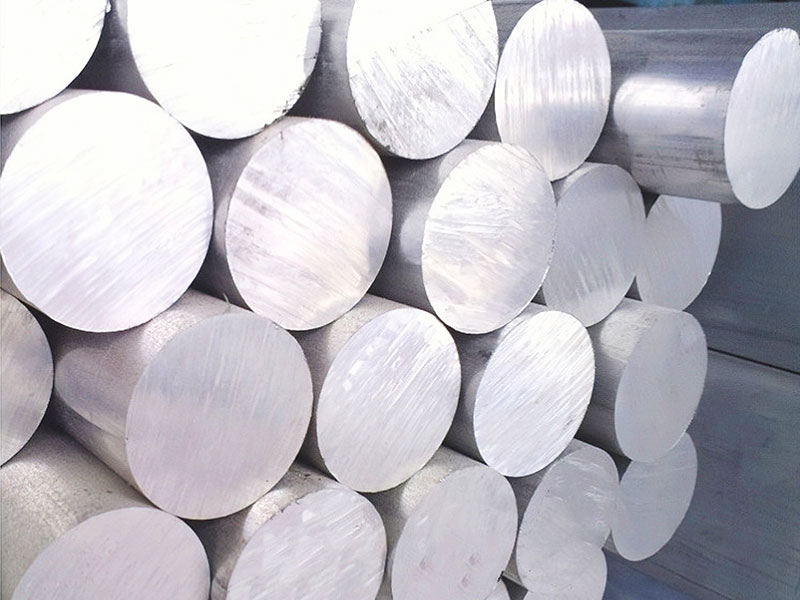
6061 Marine Aluminum Hollow Bars for Custom Boat Hull Parts
6061 Marine Aluminum Hollow Bars are a popular choice in the marine industry, recognized for their excellent mechanical properties and corrosion resistance. This specific alloy provides the ideal balance of strength and lightweight construction.
View Details
Leave a Message