
5083 Marine Aluminum I Beams for Saltwater Proof Shipbuilding
In the realm of modern shipbuilding, especially vessels operating in saline environments, the choice of structural materials dramatically influences durability, safety, and overall performance. 5083 Marine Aluminum I Beams have emerged as a preferred solution, offering exceptional strength, corrosion resistance, and longevity that traditional materials often lack.
The 5083 aluminum alloy is one of the most popular marine-grade aluminum alloys due to its remarkable resistance to seawater corrosion without post-weld heat treatment. It is predominantly used in the shipbuilding, oil and gas platforms, and railcar industries. Its balanced properties optimize weight reduction while maintaining structural integrity, making it excellent for marine I beams.
Core Functions of 5083 Marine Aluminum I Beams
- Structural Rigidity: I beams offer high bending resistance with an excellent strength-to-weight ratio. In ships, they support decks, bulkheads, and hull frameworks.
- Corrosion Resistance: 5083 alloy's magnesium content ensures an outstanding defense against saltwater corrosion, extending the lifespan of the beam.
- Lightweight: Less weight means higher fuel efficiency and ease in handling during construction.
- Weldability: 5083 aluminum welds well, retaining strength along welded joints necessary for shipbuilding.
- Durability: Capable of withstanding large fluctuations in temperature and marine environments without approaching cracking thresholds.
Applications in Saltwater Proof Shipbuilding
5083 marine aluminum I beams are foundational in many areas, including:
- Ship Deck Girder Systems: Supporting decks with rigidity while assisting in load distribution.
- Hull Structures: Reinforcing hull strength and absorbing impact stress effectively.
- Bulkheads and Frames: Forming compartmental barriers and ship frame structures that resist salt corrosion.
- Marine Platforms and Offshore Builds: Installed in floating docks and water-based structural supports that resist marine wear.
- Ferry and Commercial Vessel Beds: Due to lightweight and high corrosion protection, they save operational costs over steel alternatives.
Technical Specifications and Standards
| Property | Value | Standard / Test Method |
|---|---|---|
| Alloy Designation | 5083 | ASTM B209, ISO 6361 |
| Temper | H116 / H321 | MIL-DTL-46027 |
| Density | 2.66 g/cm³ | ASTM B549 |
| Yield Strength | 215 MPa (H116) | ASTM E8 |
| Tensile Strength | 295 MPa (H116) | ASTM E8 |
| Elongation | 12% | ASTM E8 |
| Fatigue Strength | 138 MPa | DNVGL-RP-C203 |
| Thermal Conductivity | 130 W/m·K | ASTM E1952 |
| Melting Point | 570°C - 640°C | |
| Corrosion Resistance | Excellent in seawater | ISO 9227 - Salt Spray Test |
Implementation Standards
5083 marine aluminum I beams conform to major maritime and industry optimal practices such as:
- ISO 9001 Quality Management
- ASTM International material certification
- DNV GL, ABS, and Lloyd's Register standards for marine materials
- MIL-DTL-46027 for plating compatibility
- Relevant ROHS directives for environmental safety compliance
Chemical Composition of 5083 Alloy
A clear of the alloy's elements clarifies its corrosion and mechanical property balance. Below is the typical chemical composition in mass percent (%):
| Element | Composition Range |
|---|---|
| Magnesium (Mg) | 4.0 - 4.9 |
| Manganese (Mn) | 0.4 - 1.0 |
| Chromium (Cr) | 0.05 - 0.25 |
| Iron (Fe) | ≤ 0.4 |
| Silicon (Si) | ≤ 0.4 |
| Copper (Cu) | ≤ 0.1 |
| Zinc (Zn) | ≤ 0.25 |
| Titanium (Ti) | ≤ 0.15 |
| Aluminum (Al) | Balance |
The relatively high magnesium in the alloy is critical to improving corrosion resistance in ocean environments while maintaining mechanical strength.
Tempering Conditions Explained
Temper condition significantly affects the mechanical properties and service performance of 5083 marine aluminum I beams. The alloys are supplied typically as:
| Temper | Description | Application |
|---|---|---|
| H116 | Strain-hardened, stabilized for offshore use | Standard marine grade; excellent saltwater resistance |
| H321 | Solution heat-treated and strain-hardened | Applied for improved workability and strength retention |
| O | Annealed (soft) | Lower mechanical properties, easier fabrication stages |
Among these, H116 is most common for shipbuilding due to its balance of corrosion resistance and strength without the need for heat treatment after welding.
| Property | 5083-H116 Marine Aluminum |
|---|---|
| Density | 2.66 g/cm³ |
| Ultimate Tensile Strength | 295 MPa |
| Yield Strength | 215 MPa |
| Elongation at Break | 12% |
| Hardness (Brinell) | 75 HB |
| Modulus of Elasticity | 70 GPa |
| Fatigue Strength | 138 MPa (at 5x10⁶ cycles) |
| Corrosion Resistance | Excellent in marine environment |
Advantages Over Traditional Steel
| Feature | 5083 Marine Aluminum | Conventional Marine Steel |
|---|---|---|
| Weight | ~1/3 of steel | Heavy |
| Corrosion Resistance | High, naturally forms oxide layer | Requires protective coatings |
| Maintenance | Minimal to moderate | Frequent painting and repair |
| Weldability | Excellent | Good but susceptible to rust |
| Durability | High in seawater environments | Moderate without frequent treatment |
| Thermal Conductivity | Higher – assists in cooling | Lower |
Final Thoughts
5083 marine aluminum I beams represent a state-of-the-art solution for the saltwater proof shipbuilding industry. Combining light weight, exceptional corrosion resistance, and mechanical properties make it highly suited for a wide variety of marine applications from hull frameworks to offshore platform structural support.
For naval architects, boat-building companies, and marine equipment specialists aiming to enhance lifecycle performance with reduced maintenance costs, investing in 5083 marine aluminum I beams offers tangible benefits aligned with international standards and proven durability in saltwater environments.
Choosing the right aluminum marine I beam is more than just engineering - it's about protecting vital infrastructure and ensuring sustainable marine operations for decades to come.

Related Products
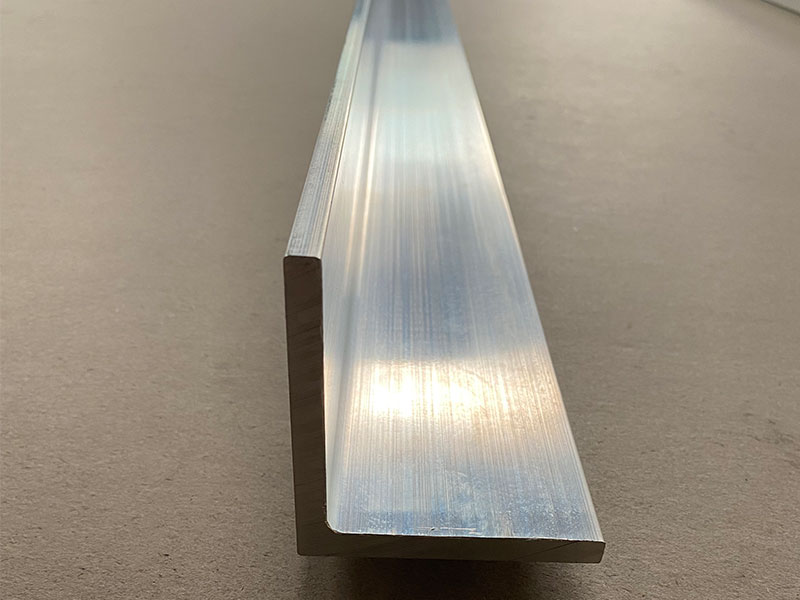
Marine aluminum angles
Marine Aluminum Angles are L-shaped cross-sectional aluminum profiles produced from marine-grade aluminum alloys such as 5083, 5052, and 6061.
View Details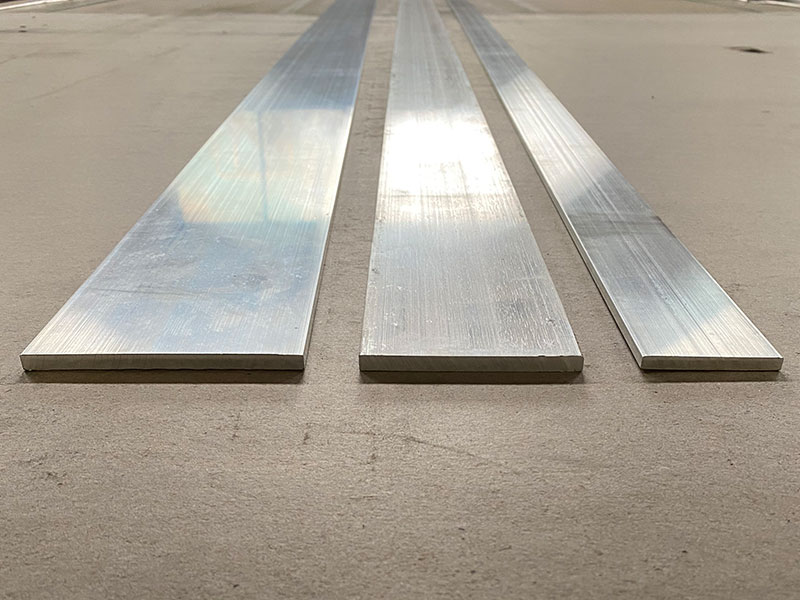
6061 T6 marine aluminum flat bar
6061 aluminum is classified as a heat-treatable 6xxx series alloy, alloyed primarily with magnesium and silicon. The T6 temper designation indicates that the flat bar has been solution heat-treated and artificially aged to achieve optimum strength and hardness.
View Details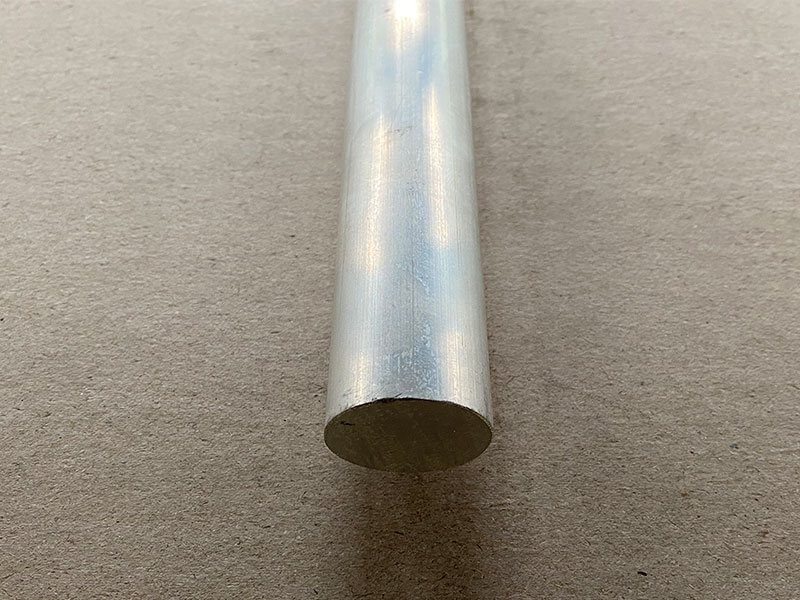
6061 marine aluminum round bar
6061 aluminum belongs to the 6xxx series alloys, alloyed primarily with magnesium and silicon. In the T6 temper, it undergoes solution heat treatment and artificial aging, resulting in enhanced mechanical properties while maintaining excellent corrosion resistance.
View Details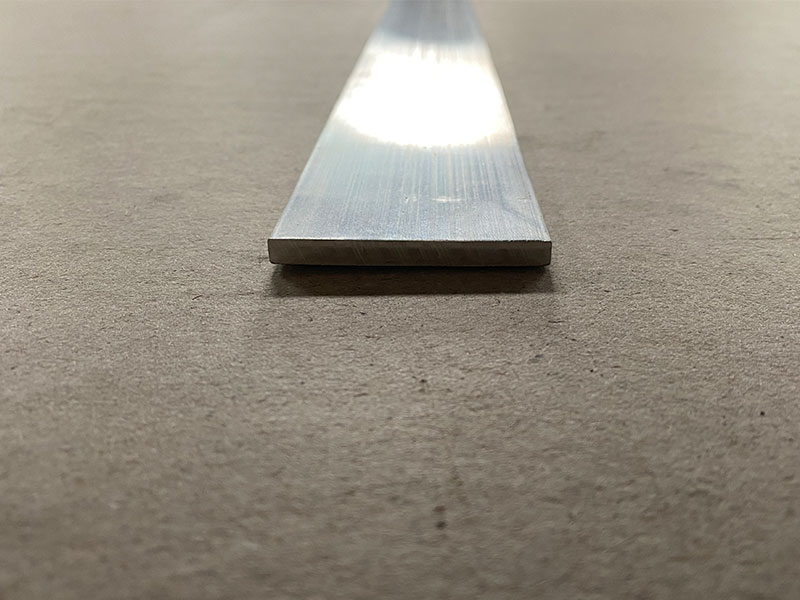
5083 marine aluminum flat bar
5083 aluminum flat bars belong to the 5xxx series of aluminum-magnesium alloys, known primarily for their superior resistance to seawater corrosion and salt spray.
View Details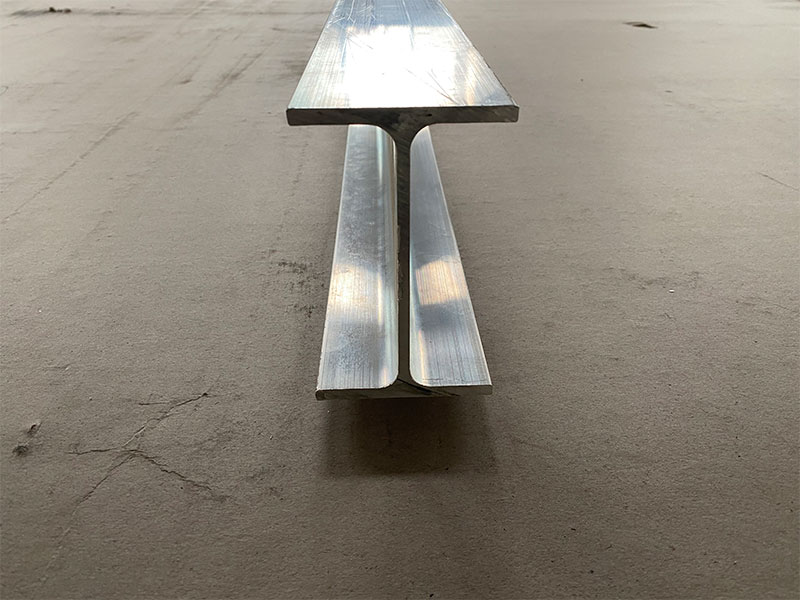
Marine aluminum Z-shaped sections
Marine Aluminum Z-shaped Sections are fabricated from premium marine-grade aluminum alloys such as 5083, 5052, and 6061. These alloys are well-regarded for their superior corrosion resistance in seawater and marine atmospheres, along with good mechanical strength and excellent weldability.
View Details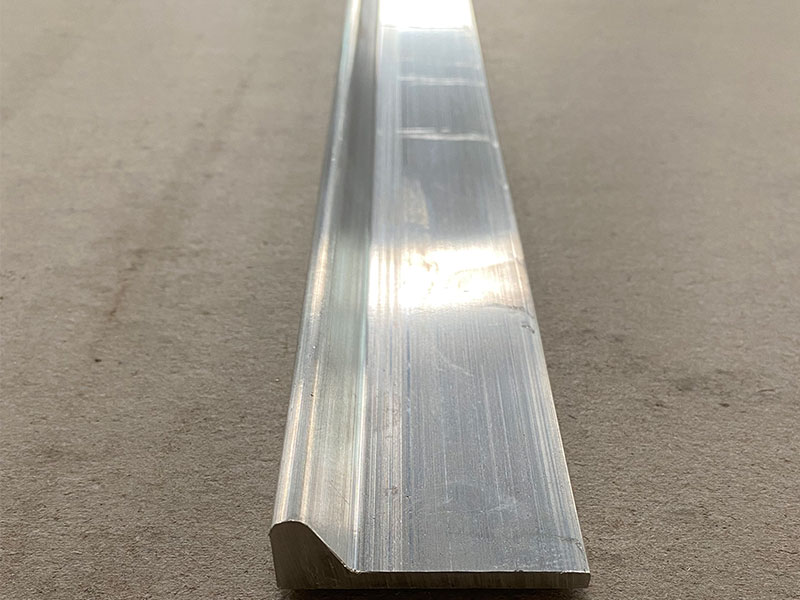
Marine aluminum I-beams
Marine Aluminum I-Beams feature the traditional “I” cross-sectional profile fabricated from marine-grade aluminum alloys like 5083, 5086, and 6061. These alloys are renowned for their outstanding corrosion resistance, especially in saltwater and marine atmospheres, making them ideal for offshore and naval construction.
View DetailsRelated Blog
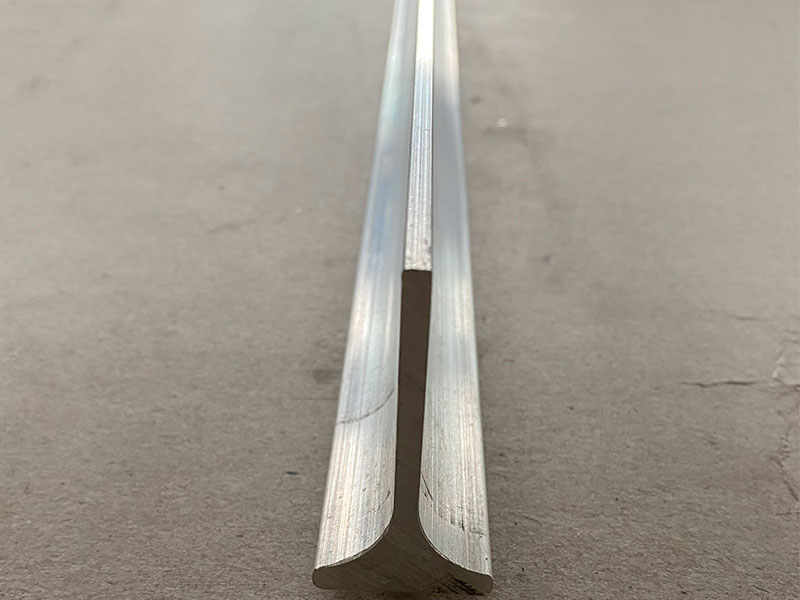
5083 Marine Aluminum Channels for Coastal Marine Engineering Projects
In the realm of coastal marine engineering, material selection is crucial for ensuring the durability, performance, and safety of structures exposed to harsh sea environments.
View Details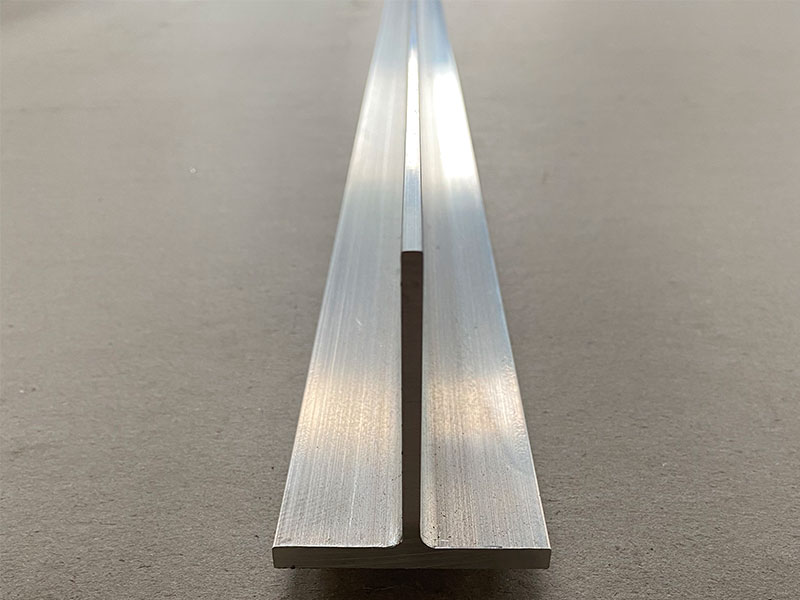
5083 Marine Aluminum Z Shaped Sections for Boat Frame and Hull Customization
When it comes to marine structures, the choice of materials is crucial for durability, performance, and safety. One material that consistently stands out in the maritime industry is 5083 marine aluminum.
View Details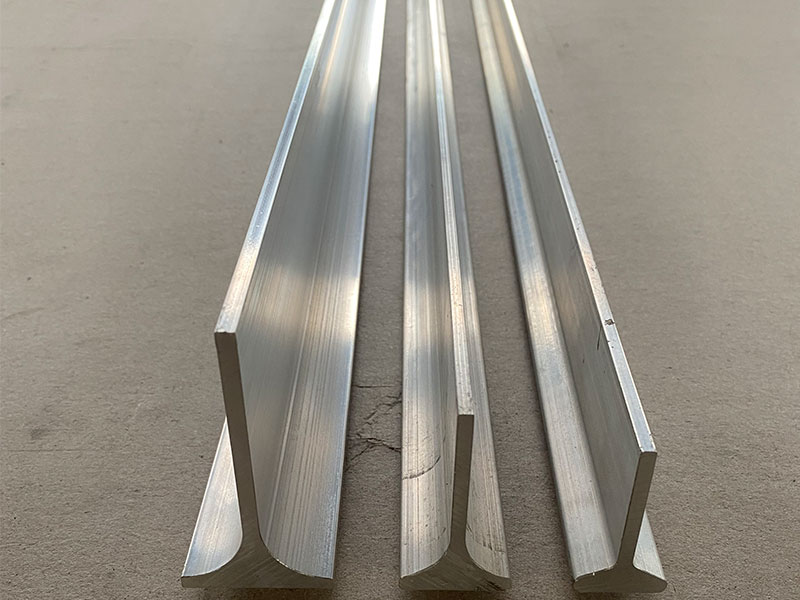
5083 Marine Aluminum Z Shaped Sections for Durable Marine Deck Design
5083 marine aluminum Z-shaped sections are characterized by their high-strength properties, exceptional corrosion resistance, and light-weight nature, making them ideal for a range of marine applications, particularly in deck design.
View Details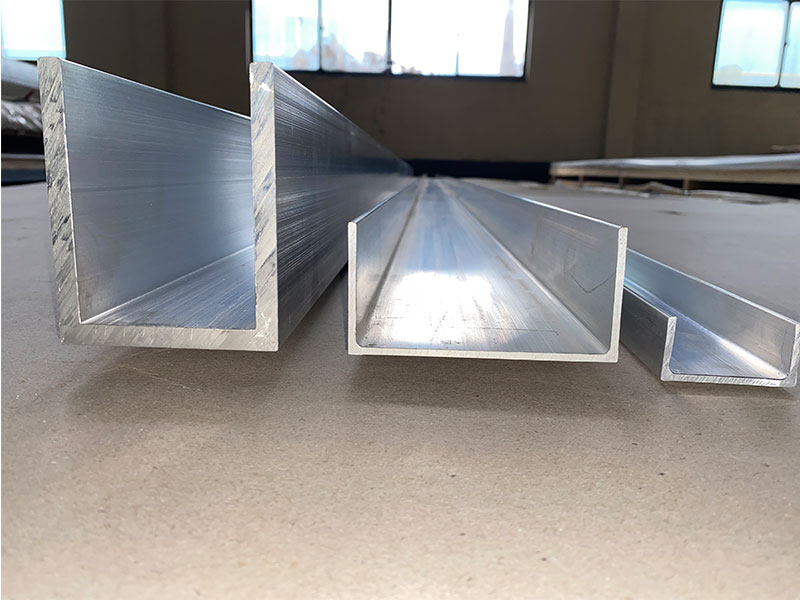
5083 Marine Aluminum Angles for Custom Offshore Vessel Reinforcement
Aluminum alloy 5083 marine aluminum angles are a premium-grade aluminum product specifically engineered for demanding marine and offshore environments. Renowned for excellent corrosion resistance, superior strength, and excellent weldability.
View Details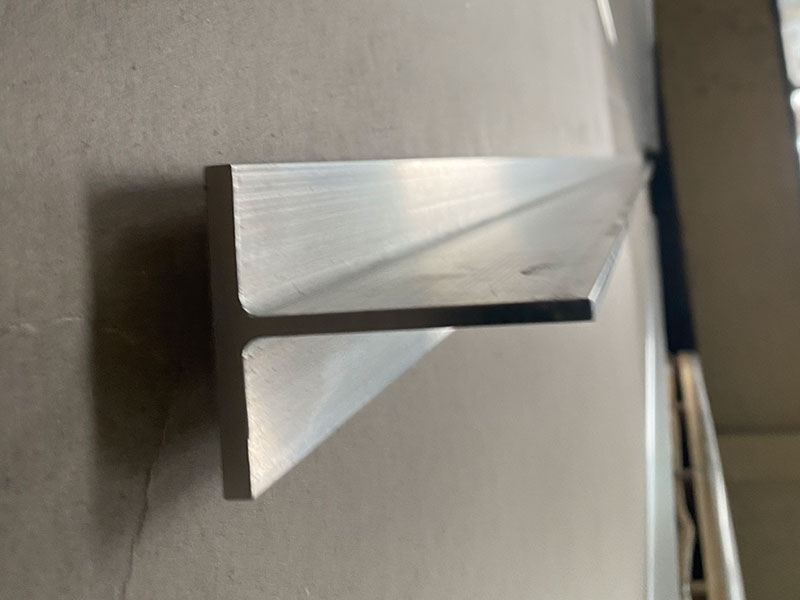
5083 Marine aluminum I beams
When people talk about 5083 marine aluminum I beams, they often focus on a simple promise: strong, corrosion-resistant, and lighter than steel.
View Details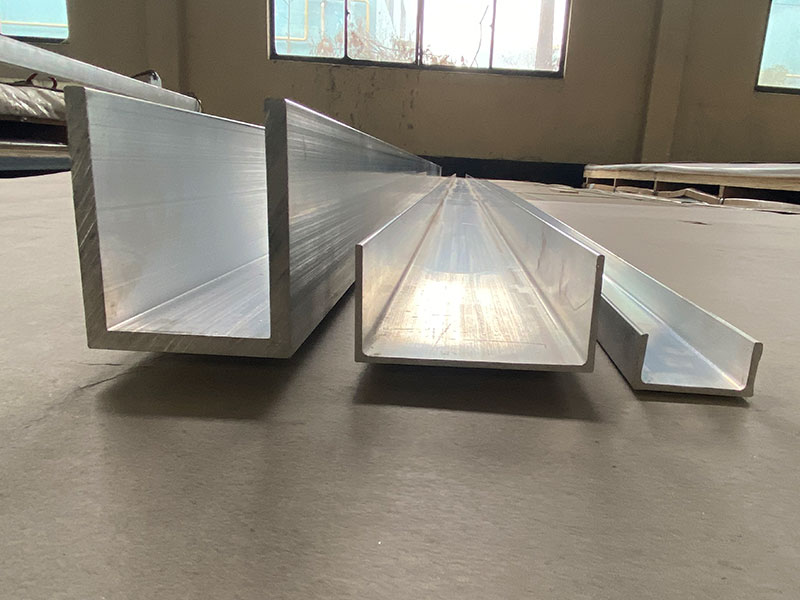
5083 Marine Aluminum I Beams for Seawater Resistant Boat Hull Design
Constructing seawater resistant boat hulls demands not only impeccable design but also the right choice of materials engineered for marine environments. Among available metals.
View Details
Leave a Message