
Marine grade aluminum 5083 sheet aluminum plate for boat using
When salt spray, wave impact, and long service hours meet a hull or deck structure, the material choice becomes the difference between "works on day one" and "keeps working for years." Marine grade aluminum 5083 sheet/plate is widely selected for boat building because it combines excellent seawater corrosion resistance, high strength without heat treatment, and reliable weldability-all while keeping weight low compared with steel.
What Is 5083 Marine Grade Aluminum?
AA 5083 is an Al-Mg (aluminum–magnesium) alloy from the 5xxx series. Its strength comes primarily from magnesium content and strain hardening, not from precipitation hardening, which means it maintains solid performance after welding compared with many heat-treatable alloys. For marine service, 5083 is commonly supplied as sheet and plate in tempers such as H116, H321, and H111, chosen to balance strength, corrosion resistance, and resistance to exfoliation in seawater.
Features for Boat Applications
Seawater corrosion resistance that holds up in real service
5083 is known for strong resistance to general corrosion in marine atmospheres and seawater. In appropriate tempers (notably H116/H321), it is also designed to resist exfoliation corrosion, which can be a concern for some strain-hardened aluminum products used in aggressive environments.
High strength-to-weight ratio
Boats benefit from reduced mass: easier planing, better fuel economy, increased payload, and improved stability design freedom. 5083 offers structural-grade strength at a fraction of steel's density, helping designers reduce overall displacement while maintaining stiffness and safety margins.
Weldability suited for hull fabrication
5083 is a go-to alloy for MIG and TIG welding in marine fabrication. It typically shows good weld soundness and retains useful strength in the heat-affected zone compared with many alternatives. For filler selection, 5xxx-series fillers are commonly used in marine practice depending on strength and cracking resistance targets.
Toughness and performance at low temperature
For vessels operating in cold waters or where impact toughness matters, 5083 is valued for maintaining toughness at lower temperatures-useful for workboats, patrol craft, and offshore support structures.
Forming and fabrication flexibility
5083 sheet is used where forming and rolling are needed for complex shapes, while plate is preferred for primary structure and flat panels. With proper forming radii and shop controls, it supports common boatbuilding fabrication routes.
Typical Chemical Composition (AA 5083)
Chemical composition is the starting point of performance: magnesium brings strength and corrosion behavior; manganese helps with strength and grain structure; chromium supports corrosion resistance and controls grain growth.
| Element | Typical Range (wt%) |
|---|---|
| Magnesium (Mg) | 4.0 – 4.9 |
| Manganese (Mn) | 0.4 – 1.0 |
| Chromium (Cr) | 0.05 – 0.25 |
| Silicon (Si) | ≤ 0.40 |
| Iron (Fe) | ≤ 0.40 |
| Copper (Cu) | ≤ 0.10 |
| Zinc (Zn) | ≤ 0.25 |
| Titanium (Ti) | ≤ 0.15 |
| Others (each) | ≤ 0.05 |
| Others (total) | ≤ 0.15 |
| Aluminum (Al) | Balance |
Note: Ranges may vary slightly by standard and mill practice. Confirm with the mill test certificate for your lot.
Technical Specifications (Supply Options)
5083 marine sheet and plate are typically ordered by thickness, temper, surface finish, flatness, and inspection requirements.
| Item | Common Options |
|---|---|
| Product form | Sheet, plate |
| Typical thickness range | Sheet: ~0.8–6 mm; Plate: ~6–120+ mm |
| Standard widths | Commonly 1000–2500 mm (custom available) |
| Standard lengths | Commonly 2000–12000 mm (custom available) |
| Tempers for marine | H116, H321, H111 (project dependent) |
| Surface | Mill finish, one-side protective film (optional) |
| Quality docs | Mill Test Certificate, chemical & mechanical reports |
| Standards often referenced | ASTM B928 (marine plate), ASTM B209 (sheet/plate), EN standards by request |
Practical note: For true marine service, buyers often specify plate to ASTM B928 and request H116/H321 for improved corrosion assurance in seawater environments.
Typical Mechanical Properties (Reference Values)
Mechanical properties depend on thickness, temper, and standard. The table below provides typical reference ranges used in design discussions; always use certified values for final engineering.
| Temper | Typical Yield Strength (MPa) | Typical Tensile Strength (MPa) | Typical Elongation (%) |
|---|---|---|---|
| H111 | ~110–170 | ~270–320 | ~12–20 |
| H321 | ~215–260 | ~305–360 | ~10–16 |
| H116 | ~215–260 | ~305–360 | ~10–16 |
Additional physical data frequently used in boat design:
| Property | Typical Value |
|---|---|
| Density | ~2.66 g/cm³ |
| Melting range | ~570–640 °C |
| Thermal conductivity | ~110–130 W/m·K |
| Elastic modulus | ~70 GPa |
Where 5083 Sheet/Plate Is Used on Boats
5083 is a "workhorse" alloy for both small craft and large vessels, especially where long-term corrosion resistance and weldability are crucial.
| Boat Area / Component | Why 5083 Fits |
|---|---|
| Hull plating and side shells | Strength, corrosion resistance, weldability |
| Deck plating | Good stiffness/strength balance; marine durability |
| Bulkheads and watertight partitions | Structural reliability; fabrication efficiency |
| Superstructure panels | Weight reduction; corrosion performance |
| Transoms, splash zones, swim platforms | Excellent seawater exposure resistance |
| Fuel tanks and containment (application-specific) | Compatibility and weldability (confirm design rules) |
| Offshore gangways and platforms | Corrosion resistance and structural capability |
| Workboat structures (tugs, patrol, ferries) | Toughness and durable welded construction |
Processing Notes That Matter in Marine Service
| Topic | Practical Guidance |
|---|---|
| Welding | Use proven procedures; control heat input; keep surfaces clean to prevent porosity |
| Filler selection | Often 5xxx fillers; select for required strength and cracking resistance |
| Distortion control | Use strongbacks, sequencing, and balanced welding to manage panel flatness |
| Corrosion prevention | Avoid galvanic couples; isolate dissimilar metals; use appropriate coatings where needed |
| Cutting & machining | Plasma/waterjet/laser possible; keep edges clean; remove oxide before welding |
| Bending/forming | Use correct bend radii; consider directionality (rolling direction) for tight bends |
Why Customers Choose 5083 for "Marine Grade" Builds
Marine environments punish materials with pitting, crevice corrosion, and coating breakdown. 5083 sheet and plate remain popular because they deliver a forgiving fabrication window and stable corrosion performance in seawater service when correctly specified and built. For customers, this often translates into fewer corrosion-driven repairs, predictable weld quality, and efficient weight management-benefits that show up in operating cost and uptime.
Ordering Tips for Boatbuilders (Quick Checklist)
| Ordering Item | What to Specify |
|---|---|
| Temper | H116 or H321 for hull/primary marine exposure; H111 for forming-focused parts |
| Standard | ASTM B928 for marine plate when applicable; confirm project code requirements |
| Thickness tolerance & flatness | Important for large panels and automated fit-up |
| Surface protection | Film for cosmetic panels; edge protection for shipment |
| Certification | MTC with heat/lot traceability; optional third-party inspection |
| Quantity optimization | Nesting plan for sheets/plates to reduce scrap |
Marine grade aluminum 5083 sheet aluminum plate for boat using is chosen for one core reason: it performs where seawater exposure, welding, and structural demands overlap. With strong corrosion resistance, high strength-to-weight efficiency, and reliable fabrication behavior, 5083 supports hull plating, decks, bulkheads, and workboat structures with confidence. For best results, match the temper and standard to the service environment, insist on certified test reports, and apply sound marine fabrication practices to protect the alloy's full performance potential.

Related Products
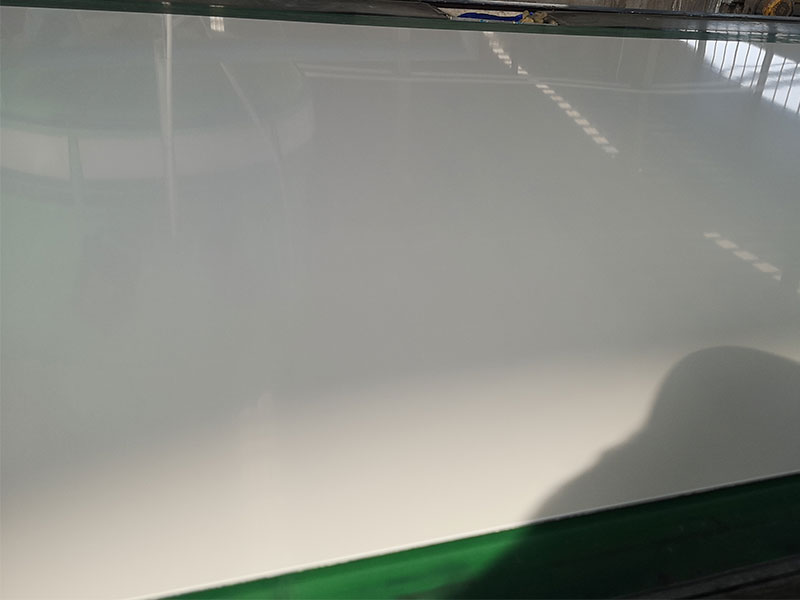
Marine 5086 aluminum plate
5086 Aluminum Plate belongs to the 5xxx series of aluminum-magnesium alloys. Its hallmark is a high magnesium content—generally between 4.0% and 4.9%—which delivers enhanced corrosion resistance, particularly against saltwater and marine atmospheric conditions.
View Details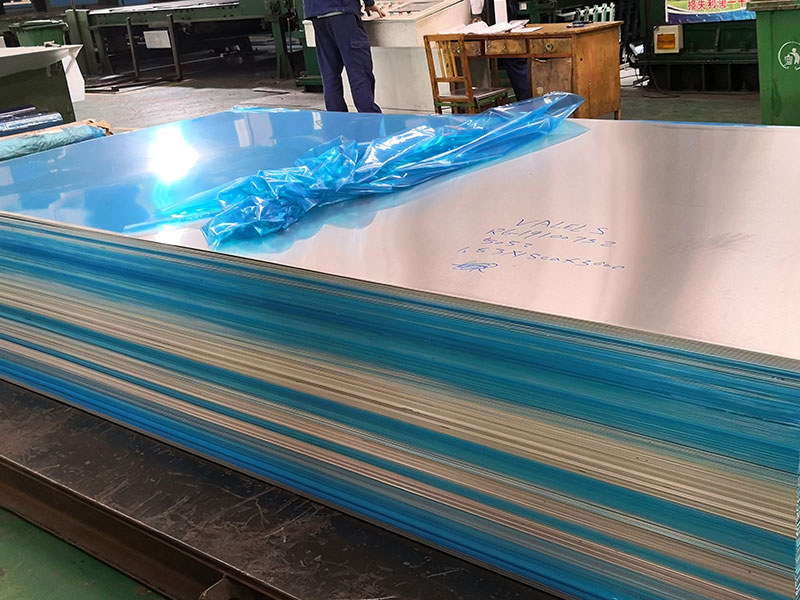
Marine 5059 aluminum plate
Marine 5059 Aluminum Plate is distinguished by its high magnesium content and carefully balanced alloying elements, designed to maximize strength without compromising corrosion resistance.
View Details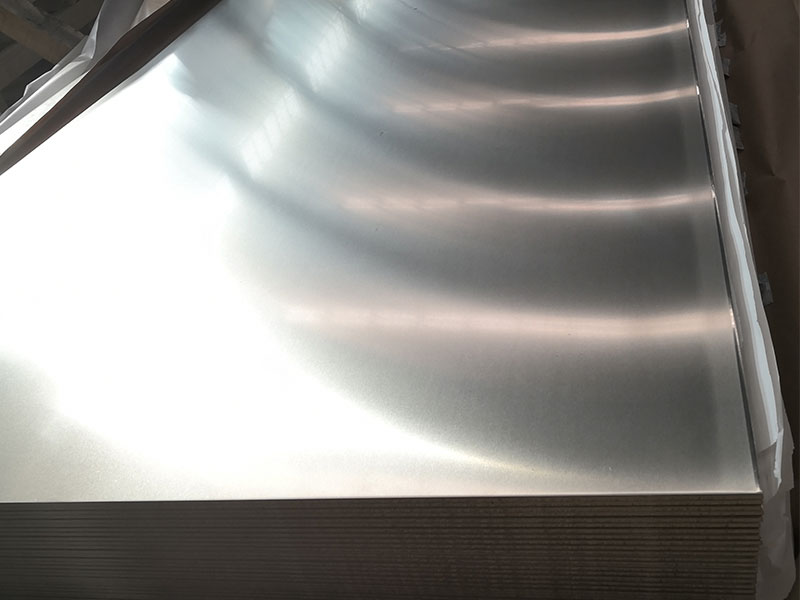
Marine 5052 aluminum plate
Marine 5052 Aluminum Plate is noted for its exceptional resistance to corrosion caused by seawater, salt spray, and marine atmospheres.
View Details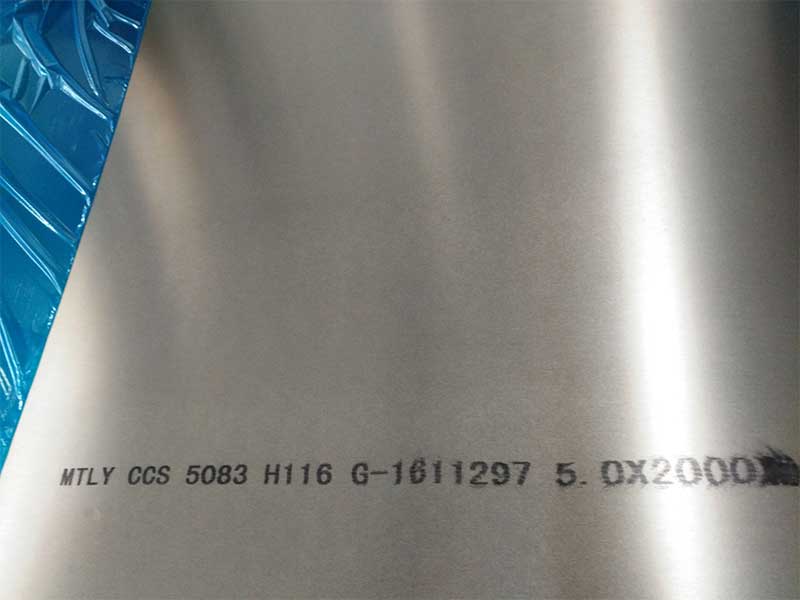
Marine 5083 aluminum plate
Marine 5083 Aluminum Plate belongs to the 5xxx series of aluminum-magnesium alloys and is classified as a non-heat-treatable alloy. Its high magnesium content (typically 4.0–4.9%) enhances its corrosion resistance, especially against seawater-related degradation such as pitting and stress corrosion cracking.
View Details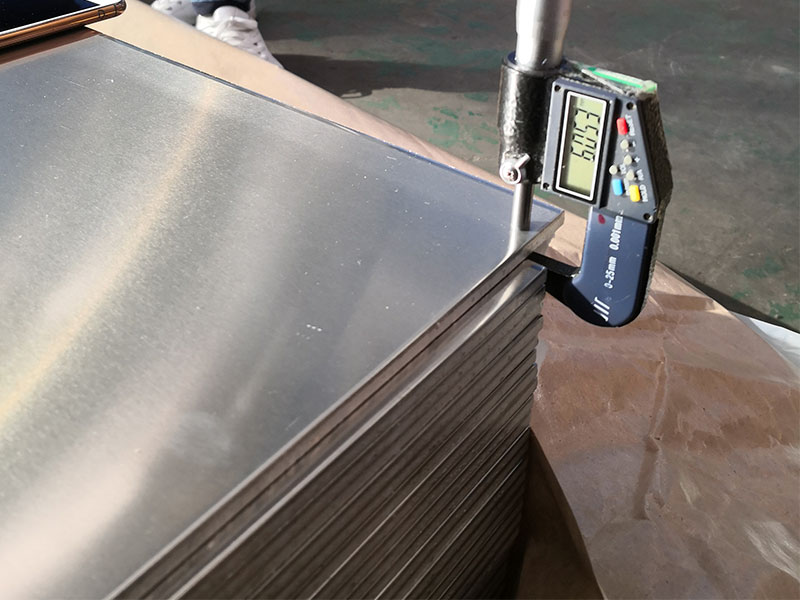
Marine 5383 aluminum plate
The 5383 aluminum alloy belongs to the 5xxx series of aluminum-magnesium alloys known for remarkable resistance to marine corrosion and high strength.
View Details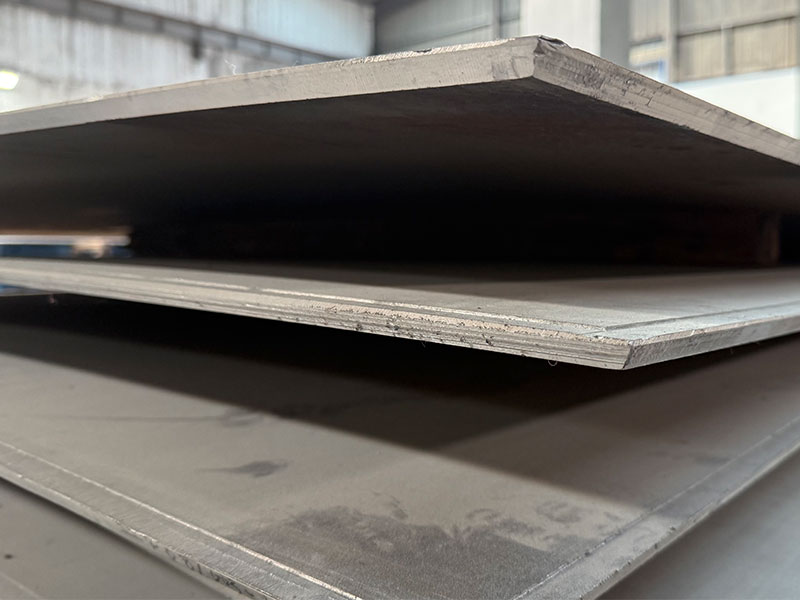
Marine aluminum steel clad plate
Aluminum / Steel Clad Plates consist of a sandwich construction in which a layer of marine-grade aluminum alloy is metallurgically bonded to a steel substrate.
View DetailsRelated Blog
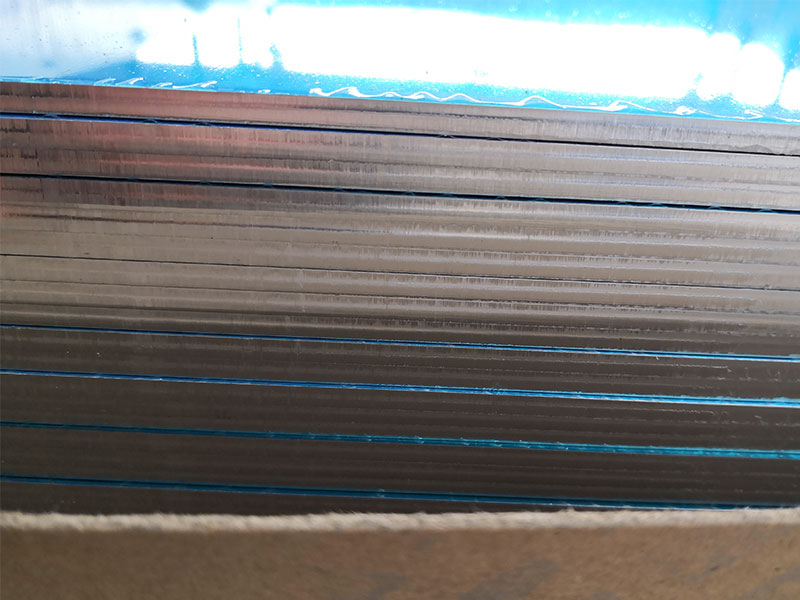
Marine Grade 5083, 5082 Aluminum Alloy Sheet Plate
When it comes to materials that perform exceptionally under the harsh conditions of marine environments, Marine Grade aluminum alloys like 5083 and 5082 hold a revered place in the industry’s toolkit.
View Details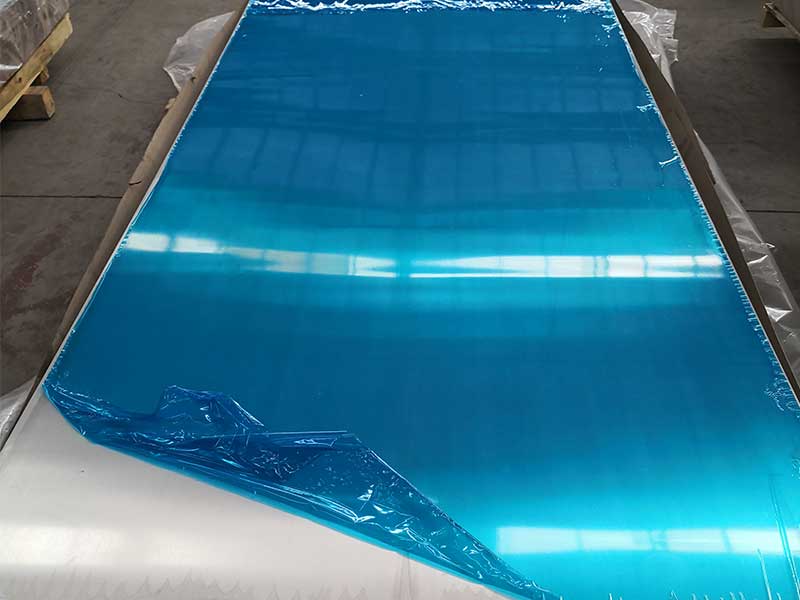
5083 5754 5182 aluminum alloy plate for boat
When it comes to constructing durable, lightweight, and corrosion-resistant boats, marine-grade aluminum alloy plates like 5083, 5754, and 5182 is know as the industry champions.
View Details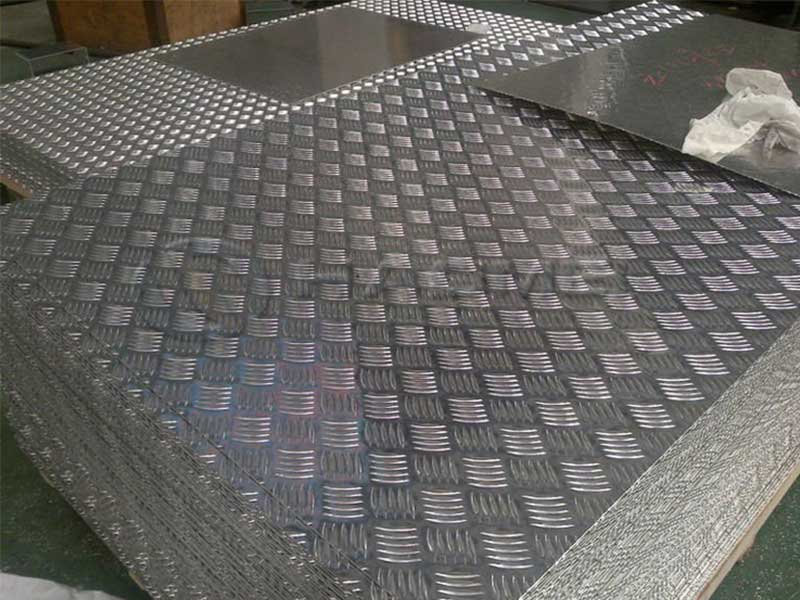
5083 H111 H112 Aluminium Alloy plate untuk Boat
Temukan keunggulan pelat aluminium 5083 H111 dan H112 untuk aplikasi kapal. Pelajari spesifikasi teknis, sifat kimia, tempering, standar implementasi, serta alasan utama pemilihannya di industri laut.
View Details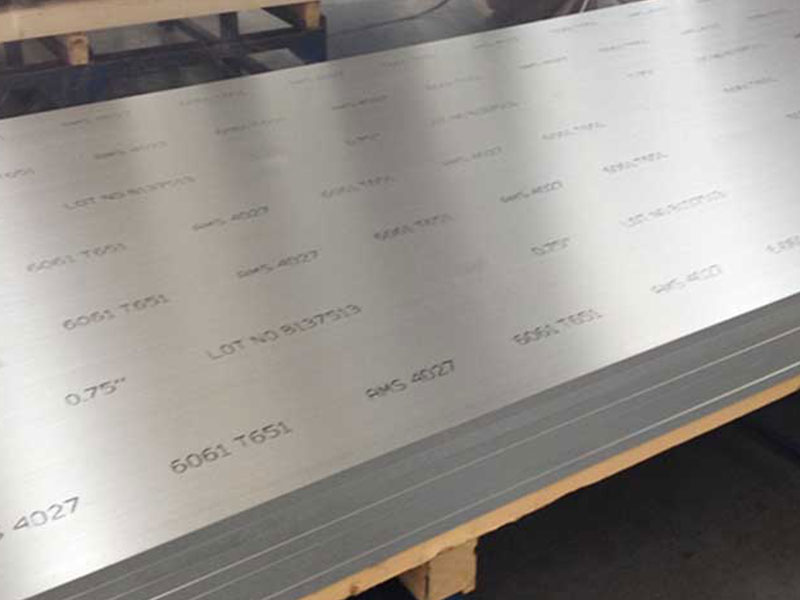
5083 5086 H116 Marine Aluminum Plate Sheet For Boat
Marine structures live in a world of salt spray, constant wet-dry cycles, vibration, and localized impacts. A "good" metal in a warehouse can fail quickly on a hull or deck if it can't resist corrosion and keep its strength after welding.
View Details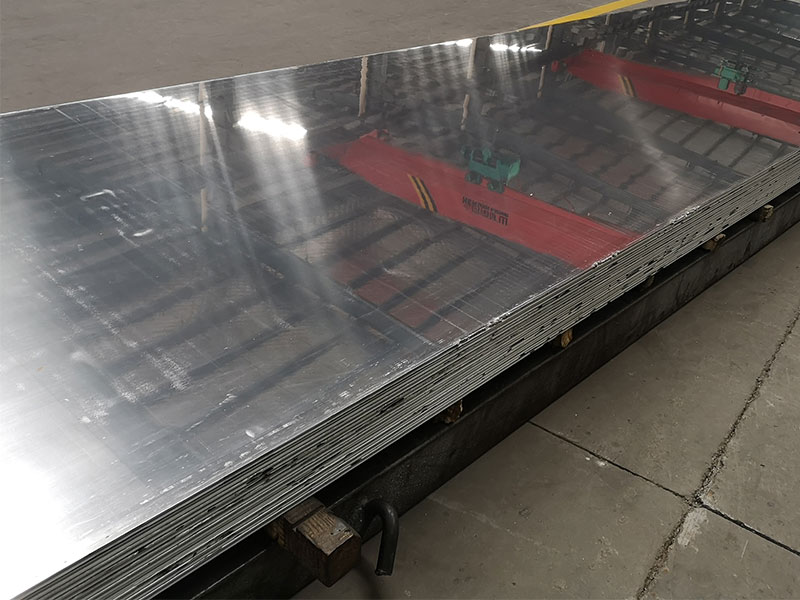
Marine grade aluminium alloy plate 5083 h116 with dnv certification
Marine grade aluminium alloy plate 5083 H116 with DNV certification is a high-strength, corrosion-resistant aluminum alloy plate specifically tailored for shipbuilding and offshore applications.
View Details
Marine aluminum plate 5083 h116
Marine aluminum isn't just "metal that doesn't rust." In real seawater service, the winning materials are those that can live comfortably in a world of chloride ions, cyclic wet/dry exposure, vibration, and welding heat.
View Details
Leave a Message