
5083 Marine Aluminum Flat Bar for Offshore Platform Design
5083 marine aluminum flat bar delivers high strength, outstanding corrosion resistance, and excellent weldability, making it a preferred material choice for offshore platform design, topside structures, walkways, brackets, and critical load-bearing components in harsh marine environments.
5083 marine aluminum flat bar is a high-magnesium, non-heat-treatable alloy designed to perform in demanding saltwater conditions. It combines structural strength with outstanding resistance to seawater corrosion, making it especially suitable for offshore platforms, FPSOs, jack-up rigs, subsea support frames, and coastal engineering projects.
Compared with carbon steel, 5083 flat bar offers low density, high specific strength, and natural corrosion resistance, reducing the need for heavy protective coatings and lowering overall life-cycle costs. Its excellent weldability ensures reliable fabrication of complex offshore structures, from primary frames to secondary outfitting parts.
Features and Advantages
- High resistance to saltwater and chloride-induced corrosion
- Good yield and tensile strength at relatively low weight
- Outstanding weldability with common marine welding processes
- Stable performance at low temperatures (cryogenic capability)
- Good formability for bending, machining, and profiling
- Non-magnetic and non-sparking, suitable for sensitive environments
Typical Offshore Applications
Below are common offshore and marine uses of 5083 marine aluminum flat bar:
- Offshore platform topside structures
- Walkways, handrails, stairs, and maintenance platforms
- Cable trays, pipe supports, and utility brackets
- Riser protection frames and subsea support structures
- Skid frames, equipment bases, and housing frames
- Boat landing structures and fender connection elements
- Deck reinforcement strips and stiffeners
Chemical Composition of 5083 Marine Aluminum
Typical chemical composition of 5083 alloy (mass fraction, %):
| Element | Si | Fe | Cu | Mn | Mg | Cr | Zn | Ti | Others (each) | Others (total) | Al |
|---|---|---|---|---|---|---|---|---|---|---|---|
| Range | ≤ 0.40 | ≤ 0.40 | ≤ 0.10 | 0.40–1.00 | 4.0–4.9 | 0.05–0.25 | ≤ 0.25 | ≤ 0.15 | ≤ 0.05 | ≤ 0.15 | Balance |
The relatively high magnesium content is responsible for the alloy’s strong combination of strength and corrosion resistance in marine service. Controlled additions of manganese and chromium help refine the grain structure and improve toughness and stress-corrosion performance.
Common Tempers for Offshore Use
5083 is a non-heat-treatable alloy strengthened by work hardening and strain control. The most common tempers for offshore platform design are:
| Temper | Description | Typical Offshore Use |
|---|---|---|
| O | Fully annealed, lowest strength | Tight forming, complex bending, components needing high ductility |
| H111 | Slightly strain-hardened | General structural profiles, moderate forming, welded frames |
| H112 | As-fabricated, minimal control | Heavy sections, machined parts, simple structural members |
| H116 | Strain-hardened, improved corrosion | Marine hulls, splash-zone structures, high-corrosion environments |
| H321 | Strain-hardened and stabilized | Stress-sensitive welded structures, offshore decks, stiffeners |
For offshore load-bearing applications, H116 and H321 are frequently selected because they offer a reliable balance of strength, stress corrosion resistance, and dimensional stability after welding.
Mechanical Properties (Typical Values)
Typical room-temperature mechanical properties for 5083 flat bar used in marine applications (values may vary with thickness, product form, and exact specification):
| Temper | Tensile Strength Rm (MPa) | Yield Strength Rp0.2 (MPa) | Elongation A50 (%) | Brinell Hardness HBW | Notes |
|---|---|---|---|---|---|
| O | 215–285 | ≥ 75 | 18–28 | ~ 60 | Very ductile, low strength |
| H111 | 270–345 | ≥ 115 | 12–20 | ~ 75 | Good formability and weldability |
| H116 | 275–350 | ≥ 125 | 10–16 | ~ 80 | Marine grade, improved SCC resistance |
| H321 | 275–350 | ≥ 125 | 10–16 | ~ 80 | Stabilized temper, good stress relief |
performance points:
- Strength is significantly higher than 5xxx alloys with lower magnesium content.
- Elongation remains high enough for forming and bending without cracking.
- Strength reduction in the heat-affected zone (HAZ) after welding is moderate and predictable, allowing safe structural design.
Typical Flat Bar Dimensions and Tolerances
Typical production ranges for 5083 marine aluminum flat bar (custom sizes available):
| Parameter | Typical Range |
|---|---|
| Thickness (t) | 6 – 100 mm |
| Width (b) | 20 – 400 mm |
| Length (L) | 2,000 – 12,000 mm (cut-to-length on request) |
| Thickness Tolerance | ± 0.2 – ± 0.8 mm (depending on thickness) |
| Width Tolerance | ± 0.5 – ± 2.0 mm (depending on width) |
| Flatness | Typically ≤ 2–5 mm/m (per customer spec) |
| Edge Condition | Mill edge, deburred or machined edge |
Flatness and dimensional tolerances are critical for offshore platforms to ensure proper alignment, even load transfer, and reduced on-site rework. Customized tolerances can be agreed based on project specifications such as ISO, EN, or class society rules.
Physical and Thermal Properties
physical properties relevant to offshore engineers:
| Property | Typical Value | Relevance |
|---|---|---|
| Density | ~ 2.65 g/cm³ | About one-third the density of steel |
| Melting Range | 570 – 640 °C | Guides fabrication and fire-safety considerations |
| Modulus of Elasticity (E) | ~ 70 GPa | Used for deflection and vibration calculations |
| Coefficient of Thermal Expansion | 23.6 × 10⁻⁶ /K (20–100 °C) | Important for joint design, mixed-material systems |
| Thermal Conductivity | ~ 120–130 W/m·K | Aids in heat dissipation, welding behavior |
| Electrical Conductivity | ~ 28–32 % IACS | Non-sparking, suitable for hazardous zones |
Corrosion Resistance in Marine Environments
5083 is recognized as one of the most corrosion-resistant aluminum alloys for seawater service, especially in the following zones:
| Marine Zone | Performance of 5083 Flat Bar |
|---|---|
| Atmospheric / topside | Excellent; minimal pitting when surface is clean and drained |
| Splash and tidal zones | Very good; H116/H321 tempers specially optimized |
| Immersed in seawater | Very good; proper design avoids crevice conditions |
| Industrial/marine atmosphere | Excellent, with low maintenance requirements |
Features enhancing corrosion resistance:
- Magnesium as the main alloying element (no copper additions that promote galvanic attack in seawater).
- Stable passive oxide layer that self-renews when damaged.
- Good resistance to stress corrosion cracking in appropriate tempers (H116, H321).
For mixed-metal offshore structures, appropriate isolation from carbon steel (e.g., non-conductive gaskets, coatings, and proper joint design) further extends service life.
Weldability and Fabrication
5083 marine aluminum flat bar is optimized for welded offshore structures:
| Aspect | Detail |
|---|---|
| Welding Methods | MIG and TIG are standard; friction stir welding for panels |
| Filler Alloys | Commonly 5183, 5356, or 5556 for high-magnesium joints |
| HAZ Behavior | Moderate softening; still retains strong mechanical performance |
| Preheat Need | Generally not required; avoid excessive heat input |
| Post-Weld Heat Treatment | Not applicable (non-heat-treatable alloy) |
Forming and machining notes:
- Good bendability in O and H111 tempers; larger radii recommended in H116/H321.
- Standard machining tools for aluminum can be used; chip evacuation is excellent.
- Surface can be supplied mill-finish, shot-blasted, anodized, or coated depending on project needs.
Design Benefits for Offshore Platforms
Using 5083 marine aluminum flat bar in offshore platform design offers several structural and economic advantages:
- Weight reduction compared to steel, enabling lighter decks and support structures, reduced topside weight, and potential savings in foundation or hull sizing.
- Lower maintenance due to intrinsic corrosion resistance, reducing coating repairs and unplanned downtime.
- Easier on-site modifications and retrofits thanks to good weldability and machinability.
- Improved safety in hazardous environments due to non-sparking characteristics and lower risk of brittle fracture at low temperatures.
Typical Standards and Class Approvals
5083 marine aluminum flat bar can be supplied to a range of international and marine standards, including:
| Standard / Specification | Scope |
|---|---|
| EN 573 / EN 485 | Chemical composition and mechanical properties |
| ASTM B209 / B221 | Plate, sheet, and extruded products |
| DNV, ABS, LR, BV, CCS | Marine and offshore classification approvals |
| ISO 10074 / ISO 15614 | Welding and procedure qualification references |
Project-specific documentation such as mill test certificates (MTC 3.1/3.2), ultrasonic test reports, and dimensional inspection records can be provided.

Related Products
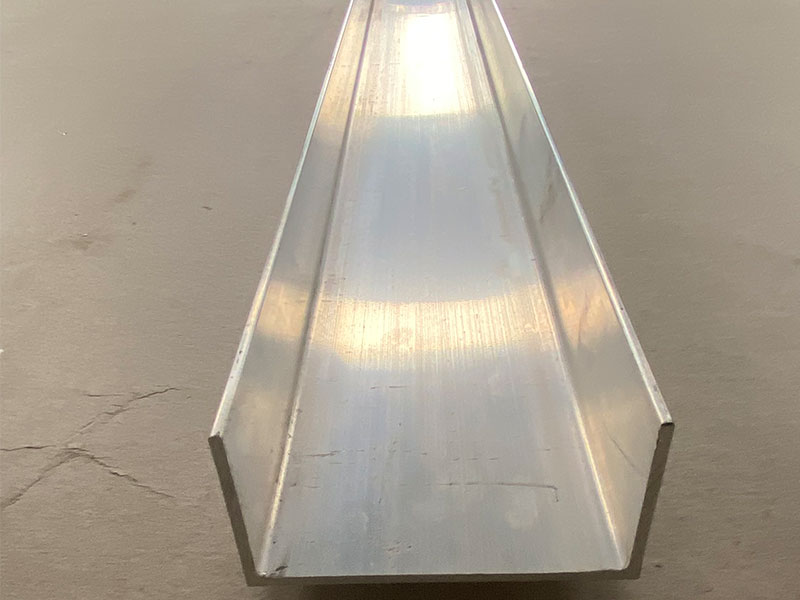
Marine aluminum channels
Marine Aluminum Channels are U-shaped aluminum profiles produced from alloys such as 5083, 5052, and 6061, known for their excellent marine corrosion resistance and superior mechanical strength.
View Details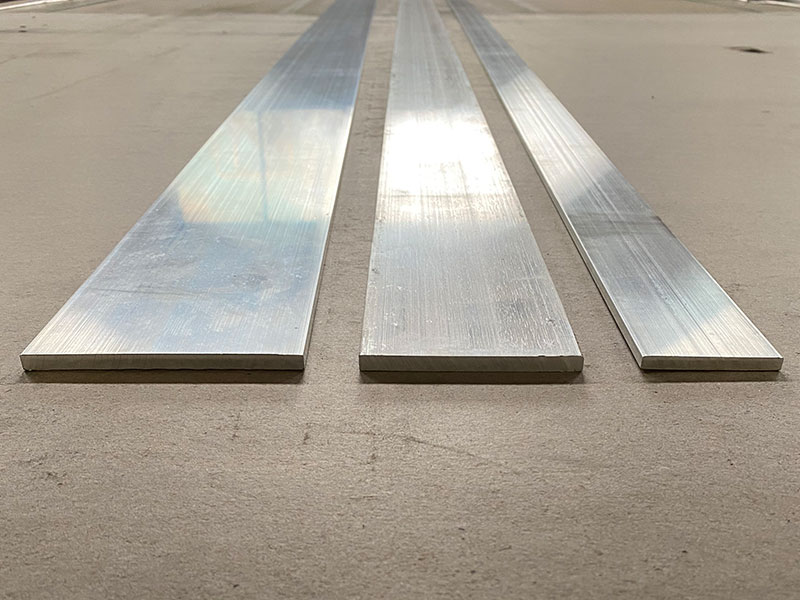
6061 T6 marine aluminum flat bar
6061 aluminum is classified as a heat-treatable 6xxx series alloy, alloyed primarily with magnesium and silicon. The T6 temper designation indicates that the flat bar has been solution heat-treated and artificially aged to achieve optimum strength and hardness.
View Details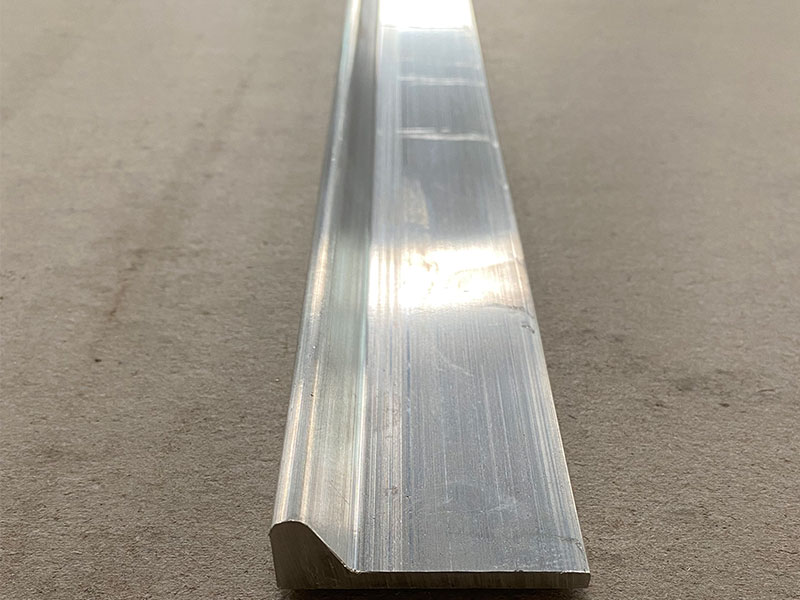
Marine aluminum I-beams
Marine Aluminum I-Beams feature the traditional “I” cross-sectional profile fabricated from marine-grade aluminum alloys like 5083, 5086, and 6061. These alloys are renowned for their outstanding corrosion resistance, especially in saltwater and marine atmospheres, making them ideal for offshore and naval construction.
View Details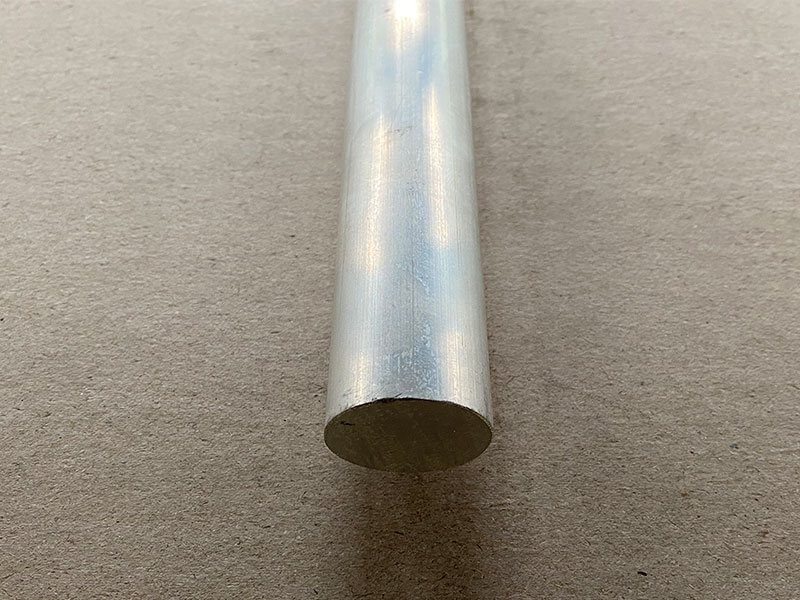
6061 marine aluminum round bar
6061 aluminum belongs to the 6xxx series alloys, alloyed primarily with magnesium and silicon. In the T6 temper, it undergoes solution heat treatment and artificial aging, resulting in enhanced mechanical properties while maintaining excellent corrosion resistance.
View Details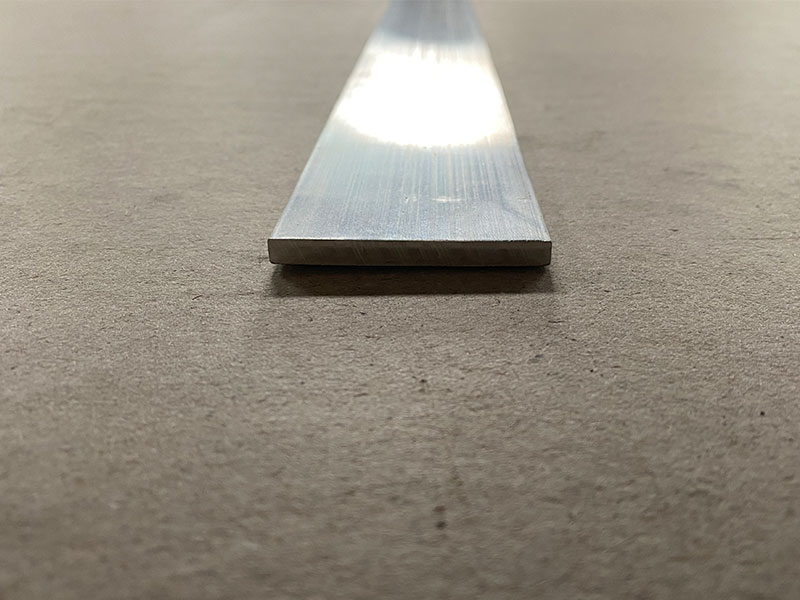
5083 marine aluminum flat bar
5083 aluminum flat bars belong to the 5xxx series of aluminum-magnesium alloys, known primarily for their superior resistance to seawater corrosion and salt spray.
View Details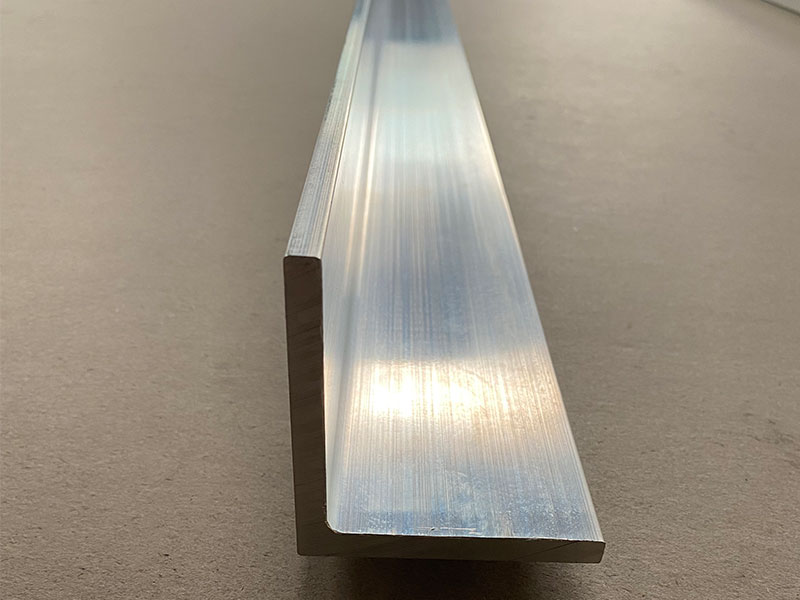
Marine aluminum angles
Marine Aluminum Angles are L-shaped cross-sectional aluminum profiles produced from marine-grade aluminum alloys such as 5083, 5052, and 6061.
View DetailsRelated Blog
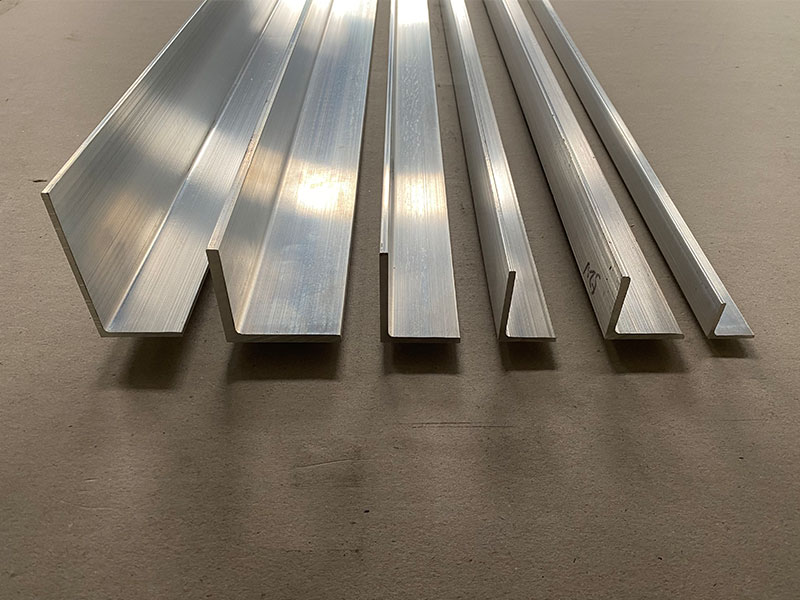
5083 Marine Aluminum Flat Bar for Saltwater Proof Shipbuilding Parts
5083 Marine Aluminum Flat Bar for Saltwater Proof Shipbuilding PartsSaltwater is an unforgiving engineer. It creeps into seams, concentrates in crevices, accelerates galvanic attack, and punishes anything that relies on coatings alone.
View Details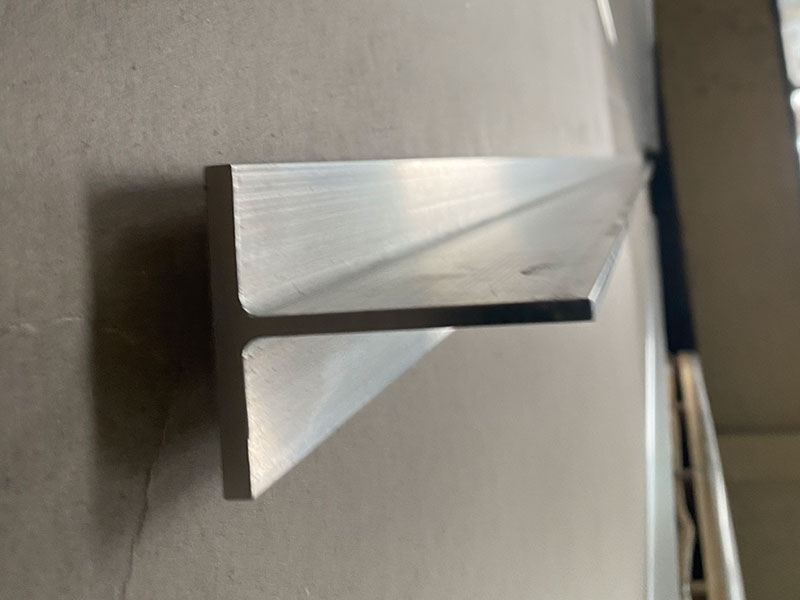
5083 Marine aluminum I beams
When people talk about 5083 marine aluminum I beams, they often focus on a simple promise: strong, corrosion-resistant, and lighter than steel.
View Details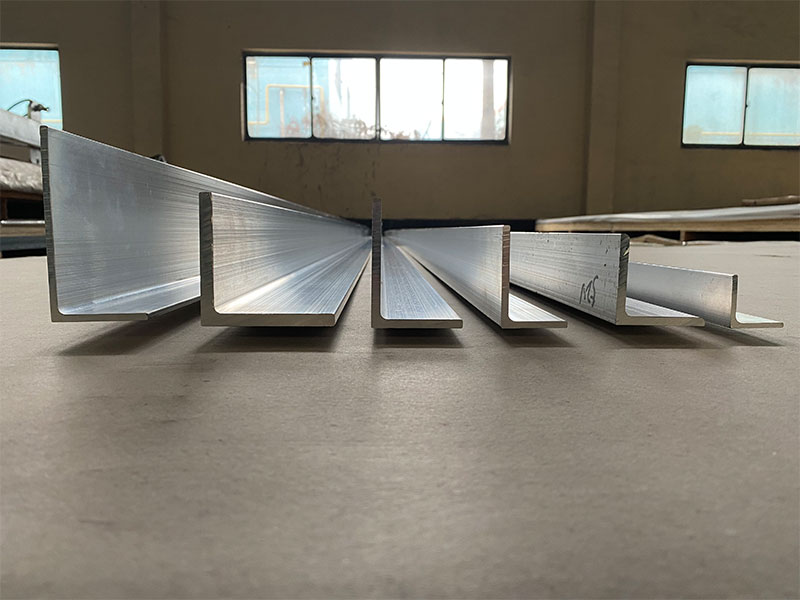
5083 Marine Aluminum Round Bar for Custom Coastal Marine Engineering
When it comes to custom coastal marine engineering, material selection is crucial for ensuring durability, strength, and resistance to harsh marine environments.
View Details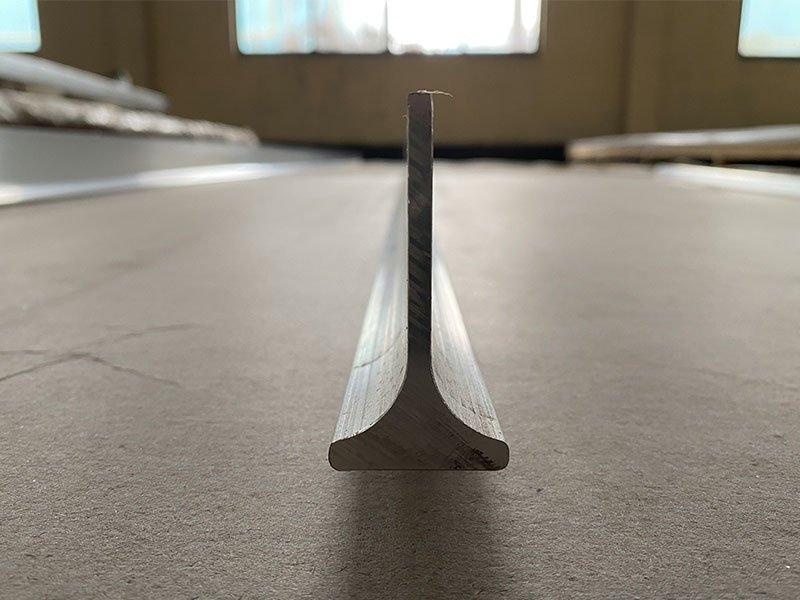
5083 Marine Aluminum Round Bar for Custom Boat Hull Design
Designing the perfect boat hull involves a harmony of creativity, functionality, and the right materials. When it comes to marine engineering, 5083 Marine Aluminum Round Bar stands tall, due to its strength, corrosion resistance.
View Details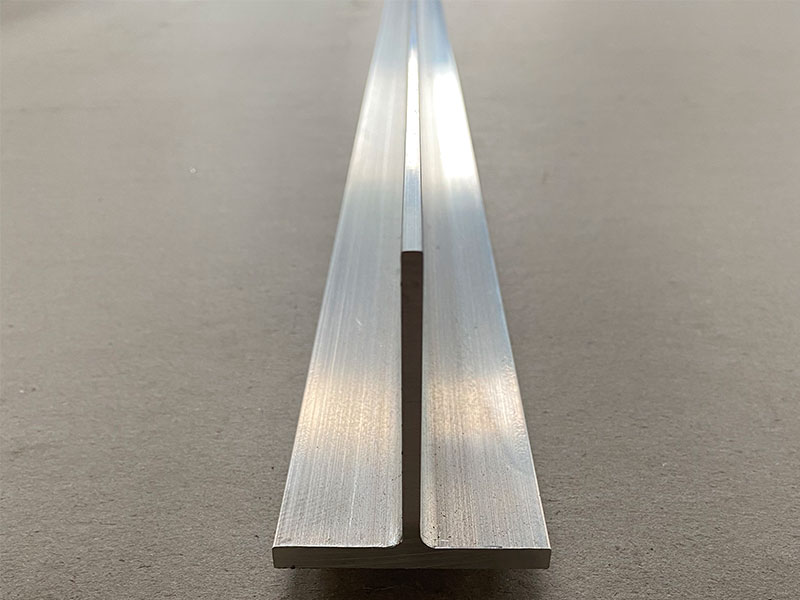
5083 Marine Aluminum I Beams for Heavy Duty Coastal Engineering Parts
5083 marine aluminum I beams are purpose-built structural sections designed for harsh coastal environments where salt spray, tidal wetting, and long service life are non-negotiable.
View Details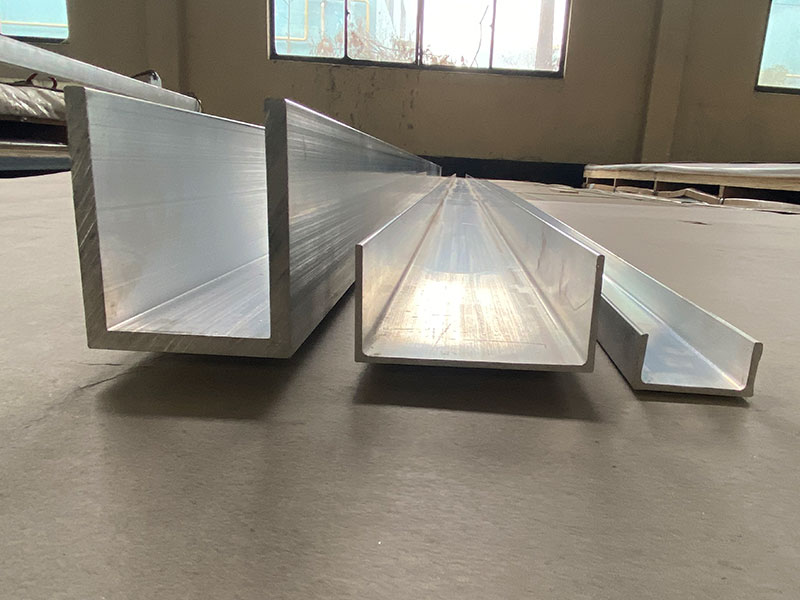
5083 Marine Aluminum I Beams for Seawater Resistant Boat Hull Design
Constructing seawater resistant boat hulls demands not only impeccable design but also the right choice of materials engineered for marine environments. Among available metals.
View Details
Leave a Message