
5083 Marine Aluminum Flat Bar for Saltwater Proof Shipbuilding Parts
5083 marine aluminum flat bar for Saltwater Proof Shipbuilding Parts
Saltwater is an unforgiving engineer. It creeps into seams, concentrates in crevices, accelerates galvanic attack, and punishes anything that relies on coatings alone. In that environment, a material earns "marine-grade" status not by marketing, but by surviving years of wet-dry cycles, chloride exposure, and constant vibration. That is exactly where 5083 marine aluminum flat bar becomes more than a convenient shape-it becomes a practical corrosion strategy for saltwater-proof shipbuilding parts.
Unlike plate or extrusions chosen primarily for structural spans, flat bar is often selected for the parts that quietly determine long-term reliability: edge reinforcements, stiffeners, brackets, wear strips, ladders, frames, hatch components, rail bases, and mounting pads. These parts sit at interfaces where water lingers and dissimilar metals meet. A flat bar made from AA 5083 brings a distinctive advantage: it combines high strength in non-heat-treatable form with excellent resistance to seawater corrosion, especially when welded correctly.
What makes 5083 different in saltwater conditions
5083 belongs to the Al-Mg family (5xxx series), where magnesium is the main alloying element. In marine service, that matters because magnesium strengthens aluminum through solid-solution strengthening while keeping the alloy naturally corrosion resistant in chloride environments. In practice, this means 5083 flat bar can be used in uncoated or lightly protected conditions for many components, reducing dependence on paint systems that can crack at edges and fastener holes.
A useful way to view 5083 is as a "weld-first" alloy. Many ship parts are not machined from one block; they are cut, formed, and welded into assemblies. 5083 is favored because it retains good mechanical properties after welding, and it avoids the dramatic heat-affected-zone strength losses common in some other aluminum families.
Another distinctive feature is its performance at low temperatures. For vessels operating in cold waters or carrying cryogenic-adjacent loads, 5083 maintains toughness better than many alternatives, which supports its widespread use in marine structures and harsh-service fabrication.
Flat bar functions in shipbuilding: small components, big consequences
Flat bar often plays the role of a structural "multitool." In shipbuilding and offshore fabrication, 5083 marine aluminum flat bar commonly serves:
- Stiffeners and ribs on bulkheads, deckhouses, doors, and equipment panels
- Brackets, gussets, and joining straps that distribute loads and reduce stress concentrations
- Hatch frames, coamings, and edge trims, where water exposure is constant and crevices form easily
- Mounting rails and supports for pumps, sensors, cable trays, solar mounts, and navigation gear on aluminum boats
- Fender and wear strips where abrasion and impact combine with seawater exposure
- Handrail bases, ladder parts, and access platforms, where corrosion resistance and weight reduction improve safety and maintenance cycles
In each of these applications, the advantage is not just that the alloy resists saltwater; it is that the geometry of a flat bar exposes edges, and edges are exactly where coating systems and lesser alloys fail first.
Typical parameters for 5083 marine aluminum flat bar
5083 flat bar is supplied in a wide range of sizes depending on whether it is produced by rolling or extrusion and whether it is intended for marine structural compliance.
Common dimensional ranges (typical market supply):
- Thickness: 3 mm to 50 mm
- Width: 20 mm to 200 mm
- Length: 3,000 mm to 6,000 mm (custom lengths available)
- Surface: mill finish, brushed, or protective film (on request)
- Edge condition: square edge, radius edge, deburred (as required for fabrication)
Typical physical properties:
- Density: about 2.66 g/cm³
- Thermal conductivity: around 117 W/m·K (varies with temper and exact chemistry)
- Good machinability for general operations, with attention to chip control due to Mg content
Mechanical properties depend strongly on temper, which is central to selecting flat bar for "saltwater-proof" parts.
Tempering conditions and how they influence performance
5083 is non-heat-treatable, so strength is achieved mainly by strain hardening and controlled processing. For shipbuilding flat bar, the most common tempers include:
- O (Annealed): best formability, lower strength; useful for tight bending or complex forming before welding
- H111: lightly strain hardened; good balance of formability and strength, often used for general marine fabrication
- H116: designed for marine service; improved resistance to exfoliation corrosion and better control of sensitization-related risks
- H321: stabilized strain-hardened condition; often chosen when consistent mechanical performance and marine resistance are required
For components that will see sustained elevated temperatures, designers also consider sensitization behavior in Al-Mg alloys. In normal marine environments and correctly selected tempers such as H116/H321, 5083 remains a trusted option for long-life saltwater exposure.
Implementation standards and common specifications
Marine aluminum selection is frequently tied to certification and inspection requirements. 5083 flat bar is typically produced and tested to meet recognized standards such as:
- ASTM B928 for high-magnesium aluminum-alloy sheet and plate for marine service (often referenced for marine corrosion performance; some supply chains use it as a quality baseline even when sourcing bar/flat shapes)
- ASTM B221 for aluminum extruded bars, rods, wire, profiles, and tubes (commonly used when flat bar is supplied as an extrusion)
- EN 573 / EN 485 / EN 755 series (European chemical composition and mechanical property frameworks for wrought aluminum products)
- Classification society expectations such as DNV, ABS, Lloyd's Register, depending on project requirements and documentation
In procurement, it is good practice to specify alloy, temper, dimensional tolerances, inspection requirements, and corrosion-oriented temper (such as H116/H321) rather than relying on "marine grade" as a generic label.
Chemical composition: why each element matters
The chemistry of 5083 is tuned to maintain corrosion resistance while delivering usable strength for welded marine structures. Typical composition limits are shown below.
AA 5083 Chemical Composition (wt.%)
| Element | Typical Range / Max |
|---|---|
| Mg | 4.0–4.9 |
| Mn | 0.4–1.0 |
| Cr | 0.05–0.25 |
| Si | ≤ 0.40 |
| Fe | ≤ 0.40 |
| Cu | ≤ 0.10 |
| Zn | ≤ 0.25 |
| Ti | ≤ 0.15 |
| Other (each) | ≤ 0.05 |
| Other (total) | ≤ 0.15 |
| Al | Balance |
Magnesium provides strength and marine corrosion resistance, manganese supports strength and grain structure, and chromium improves stress-corrosion resistance and stabilizes microstructure-useful traits in the cyclic loading and welded joints common to shipbuilding parts.
Practical fabrication notes for saltwater-proof parts
5083 flat bar is most valuable when the fabrication approach respects its strengths.
Welding is typically performed with suitable filler alloys such as 5183, 5356, or 5556, chosen based on strength targets and service conditions. Clean joint preparation, controlled heat input, and good post-weld cleaning help preserve corrosion performance. For bolted assemblies, thoughtful isolation from stainless steel or carbon steel hardware reduces galvanic risks in wet zones; washers, sealants, and compatible fasteners can be as important as the base metal.
Why customers choose 5083 flat bar for marine parts
5083 marine aluminum flat bar is not just a "corrosion-resistant metal strip." It is a material solution for the exact places ships fail first: edges, joints, brackets, and reinforcements that stay damp and take repeated load. When specified in marine-oriented tempers such as H116 or H321, produced to relevant standards, and fabricated with appropriate welding and isolation practices, 5083 flat bar becomes a reliable foundation for saltwater-proof shipbuilding components that stay lighter, last longer, and demand less maintenance over the vessel's service life.

Related Products
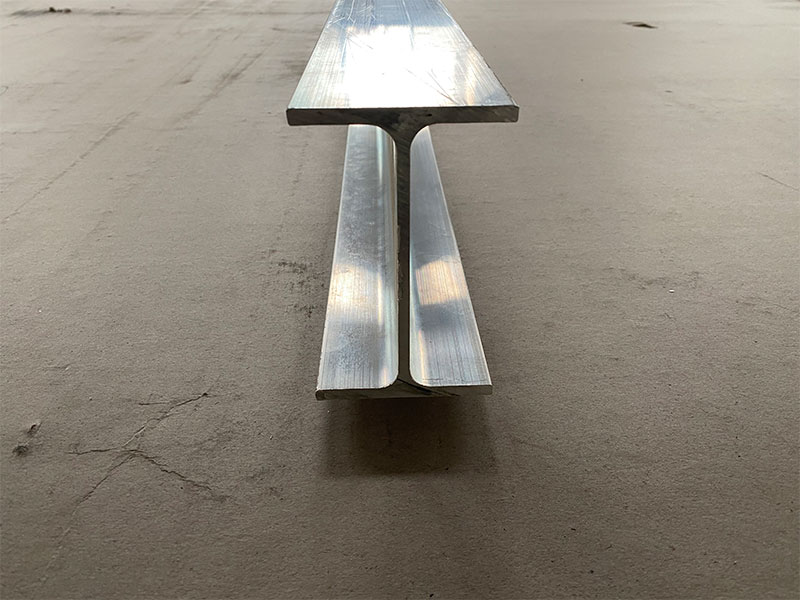
Marine aluminum Z-shaped sections
Marine Aluminum Z-shaped Sections are fabricated from premium marine-grade aluminum alloys such as 5083, 5052, and 6061. These alloys are well-regarded for their superior corrosion resistance in seawater and marine atmospheres, along with good mechanical strength and excellent weldability.
View Details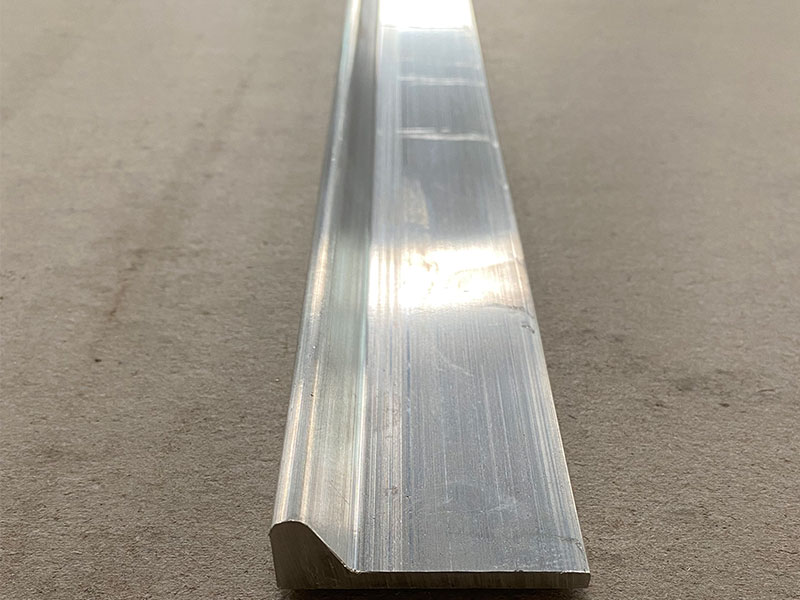
Marine aluminum I-beams
Marine Aluminum I-Beams feature the traditional “I” cross-sectional profile fabricated from marine-grade aluminum alloys like 5083, 5086, and 6061. These alloys are renowned for their outstanding corrosion resistance, especially in saltwater and marine atmospheres, making them ideal for offshore and naval construction.
View Details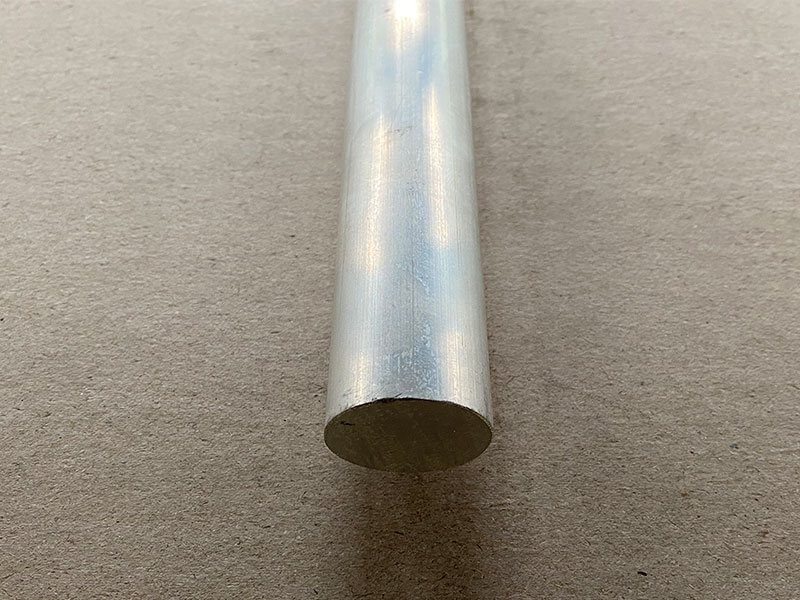
6061 marine aluminum round bar
6061 aluminum belongs to the 6xxx series alloys, alloyed primarily with magnesium and silicon. In the T6 temper, it undergoes solution heat treatment and artificial aging, resulting in enhanced mechanical properties while maintaining excellent corrosion resistance.
View Details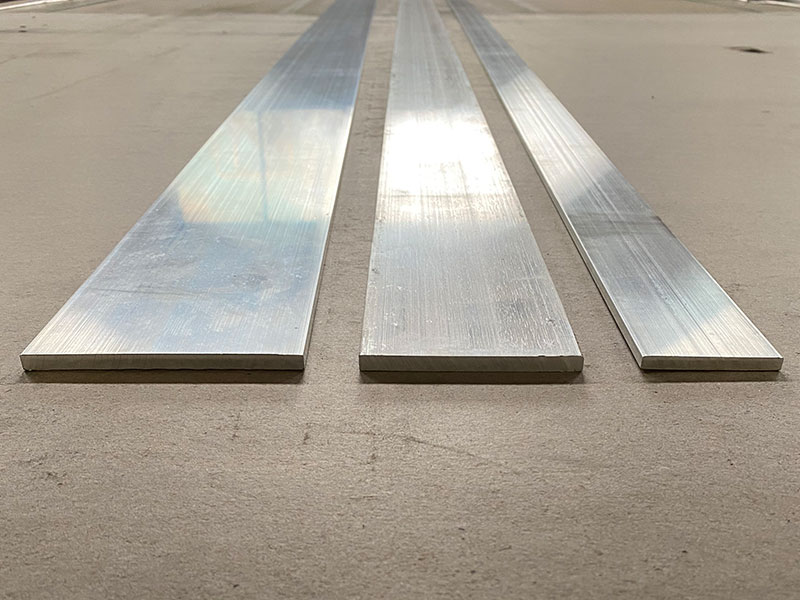
6061 T6 marine aluminum flat bar
6061 aluminum is classified as a heat-treatable 6xxx series alloy, alloyed primarily with magnesium and silicon. The T6 temper designation indicates that the flat bar has been solution heat-treated and artificially aged to achieve optimum strength and hardness.
View Details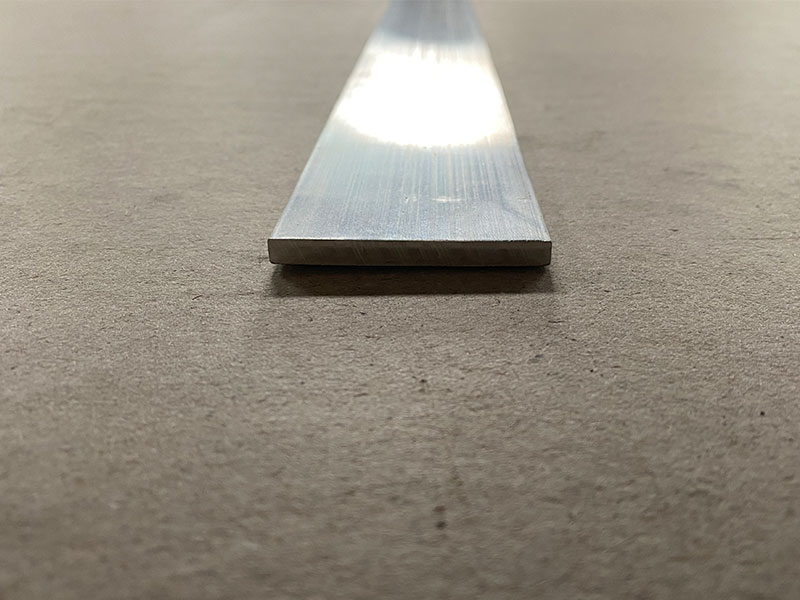
5083 marine aluminum flat bar
5083 aluminum flat bars belong to the 5xxx series of aluminum-magnesium alloys, known primarily for their superior resistance to seawater corrosion and salt spray.
View Details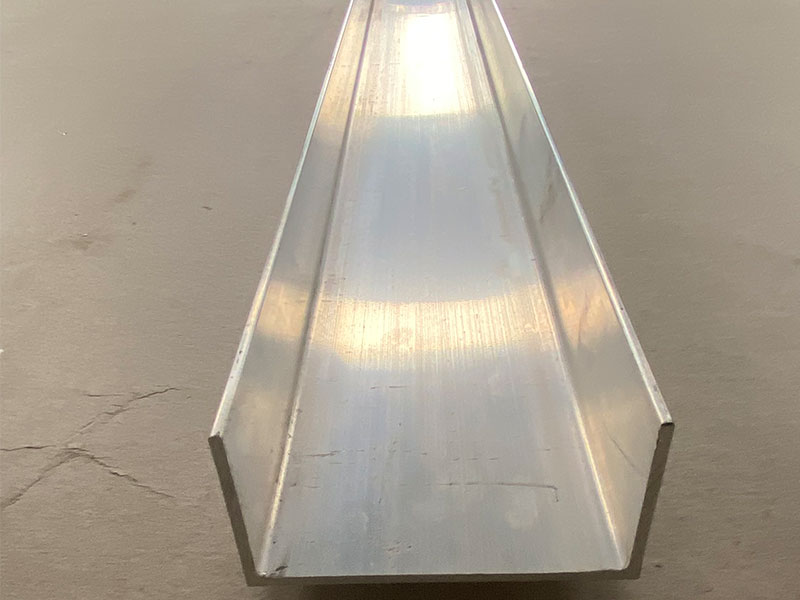
Marine aluminum channels
Marine Aluminum Channels are U-shaped aluminum profiles produced from alloys such as 5083, 5052, and 6061, known for their excellent marine corrosion resistance and superior mechanical strength.
View DetailsRelated Blog
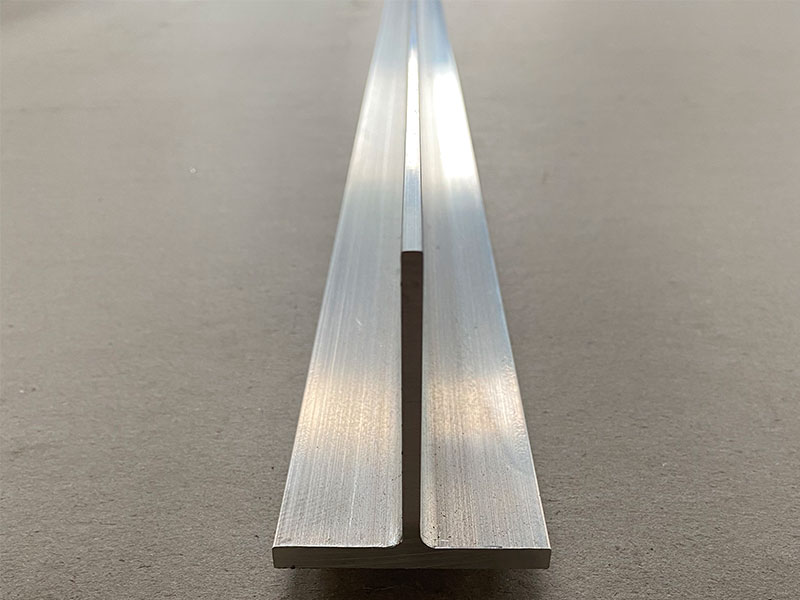
5083 Marine Aluminum Z Shaped Sections for Boat Frame and Hull Customization
When it comes to marine structures, the choice of materials is crucial for durability, performance, and safety. One material that consistently stands out in the maritime industry is 5083 marine aluminum.
View Details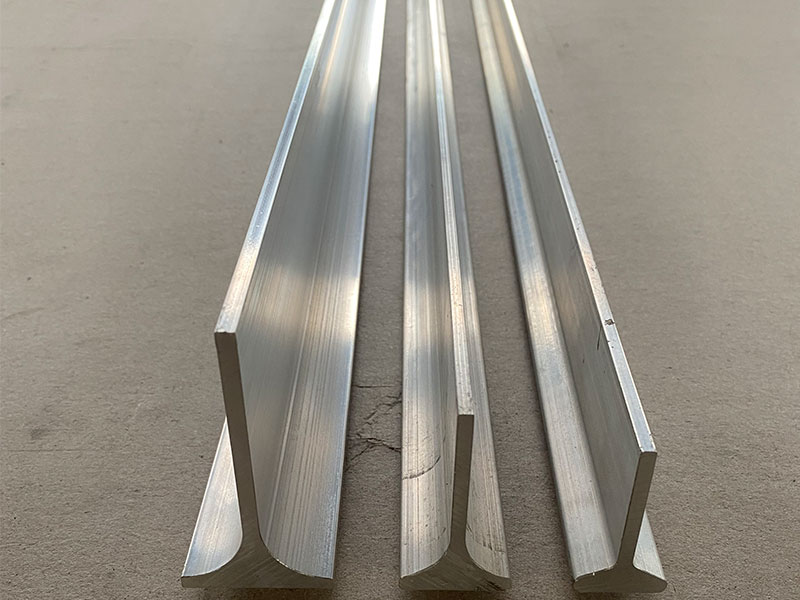
5083 Marine Aluminum Z Shaped Sections for Durable Marine Deck Design
5083 marine aluminum Z-shaped sections are characterized by their high-strength properties, exceptional corrosion resistance, and light-weight nature, making them ideal for a range of marine applications, particularly in deck design.
View Details
5083 Marine Aluminum Channels for Offshore Platform Construction
In the demanding world of offshore platform construction, material selection forms the backbone of structural integrity, durability, and performance. With increasing emphasis on lightweight and corrosion-resistant materials.
View Details
5083 Marine Aluminum Channels for Coastal Marine Engineering Projects
In the realm of coastal marine engineering, material selection is crucial for ensuring the durability, performance, and safety of structures exposed to harsh sea environments.
View Details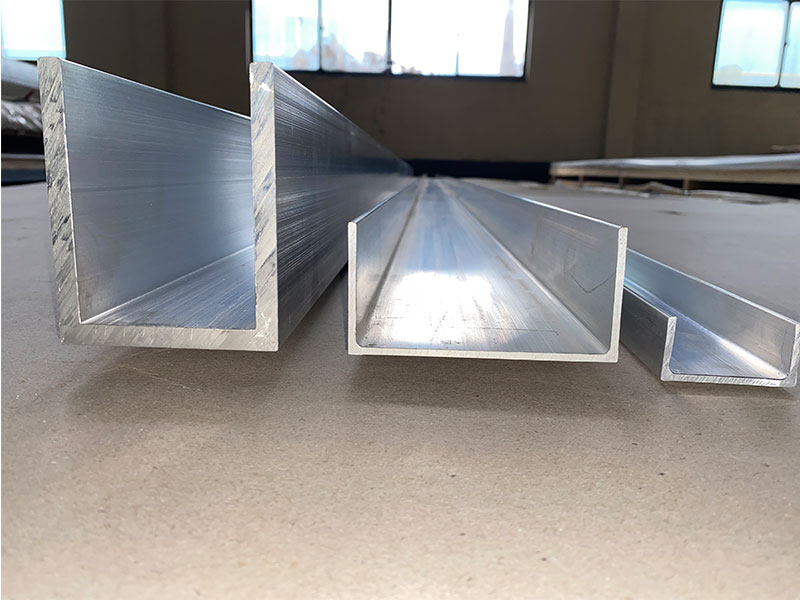
5083 5086 6061 6082 marine aluminum channel
IntroductionMarine aluminum channel is an essential structural product in shipbuilding, offshore platforms, marine fittings, and related coastal infrastructure. Compared with steel.
View Details
5083 Marine Aluminum Flat Bar for Heavy Duty Boat Construction
When it comes to building heavy duty boats that demand strength, durability, and excellent corrosion resistance, 5083 Marine Aluminum Flat Bar stands out as an ideal material choice.
View Details
Leave a Message