
5052 Marine Aluminum Hollow Bars for Corrosion Resistant Offshore Solutions
5052 marine aluminum hollow bars are engineered for components that must remain dependable in salt spray, humidity, intermittent immersion, and demanding coastal service. Made from a non-heat-treatable aluminum-magnesium alloy, these hollow sections combine practical corrosion resistance with low density, good formability, and strong welding behavior. They are widely selected for offshore platforms, workboats, marine decks, seawater-adjacent equipment, floating structures, and coastal infrastructure.
Compared with solid bar, a hollow bar provides useful stiffness and section depth while reducing overall weight. This makes it valuable where lifting capacity, fuel economy, vessel balance, or installation handling matter. With the correct wall thickness and diameter, 5052 hollow bar can serve as a durable foundation for rails, sleeves, fluid-transfer guards, fabricated frames, support members, and machined tubular parts.
Material Character and Marine Advantages
The magnesium content in 5052 creates a stable oxide film that helps protect the surface in marine atmospheres. This natural film reforms when minor surface damage occurs, offering a valuable defense against general atmospheric corrosion. The alloy performs especially well in wet, salty environments when fabrication practices prevent trapped moisture, crevices, and galvanic contact with more noble metals.
5052 is not strengthened through solution heat treatment. Instead, its strength is increased through strain hardening, with common tempers including O, H32, and H34. This material behavior gives fabricators a useful balance between strength and workability. O temper is suitable for demanding forming operations, while H32 and H34 are often chosen when greater rigidity is needed for fabricated or structural tubing.
Other benefits include:
- Low density, approximately one-third the weight of carbon steel
- Excellent resistance to marine atmosphere and splash-zone exposure
- Good TIG and MIG welding performance using suitable filler metals
- Reliable bending, flaring, drilling, cutting, and machining behavior
- Non-magnetic properties for specialized marine equipment
- Clean, bright surface potential with mill finish, brushing, polishing, or protective coating options
For project teams comparing profiles, Marine Grade Aluminum Bars can provide a broader selection of shapes for marine fabrication packages where hollow and solid sections are used together.
Typical Chemical Composition
The following composition range is generally associated with 5052 aluminum alloy. Exact limits may vary slightly according to the governing material standard and mill certification requirements.
| Element | Typical Specification, wt.% | Contribution to Performance |
|---|---|---|
| Magnesium, Mg | 2.2-2.8 | Improves strength and corrosion resistance |
| Chromium, Cr | 0.15-0.35 | Supports corrosion resistance and grain structure stability |
| Iron, Fe | 0.40 max | Controlled impurity element |
| Silicon, Si | 0.25 max | Controlled impurity element |
| Copper, Cu | 0.10 max | Maintained at a low level for marine corrosion performance |
| Manganese, Mn | 0.10 max | Minor alloying addition |
| Zinc, Zn | 0.10 max | Controlled impurity element |
| Other elements | 0.05 each, 0.15 total max | Trace elements within standard limits |
| Aluminum, Al | Balance | Base metal |
Mechanical Properties and Available Dimensions
Mechanical values depend on temper, wall thickness, production route, and applicable standard. The figures shown are practical reference values for commonly supplied 5052 H32 hollow products. Project specifications should always be confirmed against the mill test certificate.
| Property | 5052-O, Typical | 5052-H32, Typical | 5052-H34, Typical |
|---|---|---|---|
| Tensile strength | 170-215 MPa | 210-260 MPa | 230-280 MPa |
| Yield strength | 65-95 MPa | 130-195 MPa | 160-215 MPa |
| Elongation | 12-25% | 8-18% | 6-14% |
| Density | 2.68 g/cm³ | 2.68 g/cm³ | 2.68 g/cm³ |
| Elastic modulus | 70 GPa | 70 GPa | 70 GPa |
| Melting range | 605-650°C | 605-650°C | 605-650°C |
| Supply Parameter | Common Range or Option |
|---|---|
| Outside diameter | Custom or standard mill sizes, often from small precision tube diameters to large structural sections |
| Wall thickness | Selected according to pressure, stiffness, welding, and machining needs |
| Length | Fixed lengths, random lengths, or cut-to-length supply |
| Tempers | O, H32, H34, and other agreed tempers |
| Surface | Mill finish, brushed, polished, anodized, or coated as specified |
| Tolerance control | Diameter, wall thickness, straightness, ovality, and length tolerance available by agreement |
Offshore Applications That Benefit From Hollow Construction
In offshore fabrication, every kilogram influences transport, crane handling, structural loading, and long-term operating efficiency. A 5052 hollow bar can replace a heavier steel tubular component in non-critical pressure or structural duties where corrosion resistance and weight savings are priorities.
Common applications include handrail posts, ladder components, safety barriers, platform edge protection, cable-routing sleeves, instrument guards, access-system frames, and lightweight support brackets. Hollow bars are also suitable for boat canopy frameworks, T-top supports, deck equipment guards, marine furniture frames, pontoon fittings, and recreational vessel hardware.
For industrial coastal installations, 5052 hollow sections can be used in seawater pump enclosures, protective pipe covers, floating dock structures, maintenance platforms, sensor housings, and tubular fabricated assemblies. Their smooth internal passage can support conduit protection or non-pressure fluid-routing functions, provided service conditions are assessed for chemical compatibility, pressure, temperature, and corrosion exposure.
Where a project requires a different strength profile or a solid machined component, Marine aluminum hollow bars are available in additional alloy and dimensional options for matched fabrication requirements.
Fabrication Guidance for Long Service Life
5052 is well suited to conventional marine workshop processes. TIG welding and MIG welding are commonly used, often with 5356 filler metal where compatible with the design and corrosion requirements. Welding will soften strain-hardened material in the heat-affected zone, so fabricated parts should be designed with this local strength reduction in mind.
Cold bending should use an appropriate bend radius to avoid surface cracking or flattening. For tight bends, softer temper material may be preferable. When machining hollow bars, rigid clamping and sharp tooling help limit vibration and preserve roundness. Burr removal is important because rough edges can retain saltwater and contaminants.
Avoid direct contact between 5052 aluminum and stainless steel, copper alloys, or carbon steel in wet service unless electrical isolation is provided. Non-conductive washers, sealants, coatings, and properly selected fasteners reduce galvanic corrosion risk. Drainage paths, sealed joints, and routine freshwater rinsing further improve service life in aggressive offshore locations.
Selecting the Right 5052 Hollow Bar
A successful selection begins with the required outside diameter, inside diameter, wall thickness, temper, and finished length. Designers should also consider bending load, attachment method, weld locations, corrosion category, vibration exposure, and the possibility of trapped seawater. A thicker wall may be beneficial for threaded fittings, drilled connections, impact resistance, or repeated cyclic loading.
For appearance-sensitive marine structures, specify the surface condition early in the purchasing process. Mill finish is economical for concealed supports, while brushed, polished, anodized, or coated finishes can improve presentation and provide added surface protection. Material traceability, chemical analysis, mechanical test data, and dimensional inspection records are also valuable for offshore projects with controlled quality requirements.
5052 marine aluminum hollow bars offer a balanced solution for corrosion-conscious, weight-sensitive offshore construction. Their practical fabrication characteristics and durable marine performance make them an efficient choice for tubular components designed to work reliably in demanding coastal and saltwater environments.

Related Products
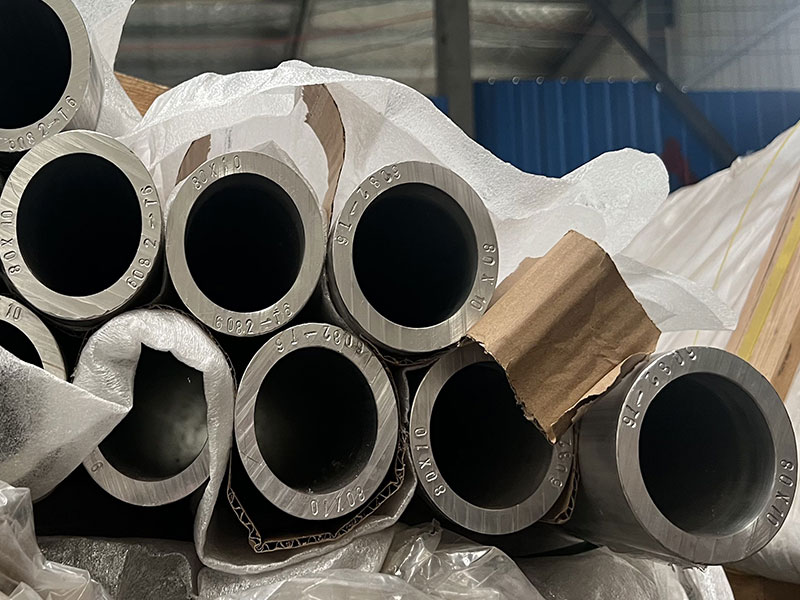
Marine aluminum hollow bars
Marine Grade Aluminum Hollow Bars are fabricated from high-quality alloys such as 5083, 5052, 6061, and 6082, all known for their exceptional resistance to seawater corrosion, salt spray, and marine atmospheres.
View Details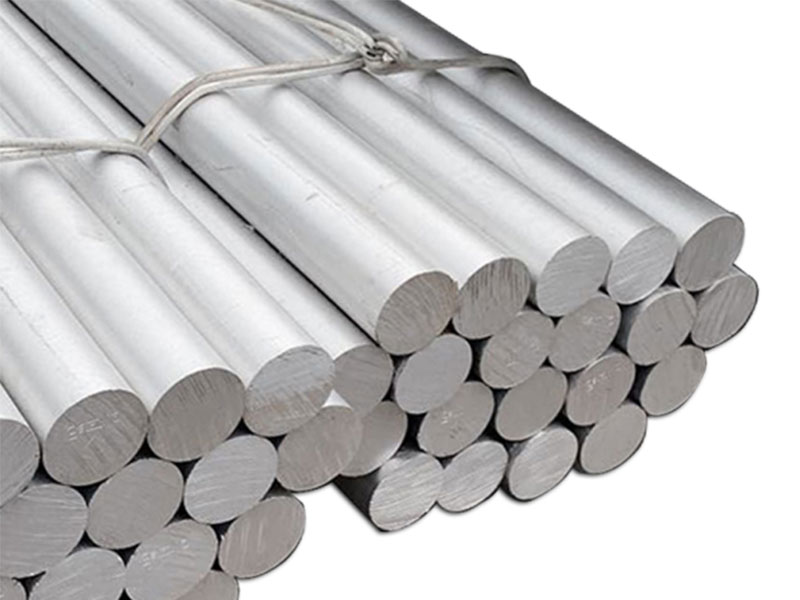
Marine grade aluminum solid bar
Marine Grade Aluminum Solid Bars are produced from premium aluminum alloys optimized for saltwater exposure, such as 5083, 5052, 6061, and 6082. These alloys offer unparalleled resistance to corrosion caused by seawater, salt spray, and marine atmospheres, while maintaining excellent mechanical strength and toughness.
View Details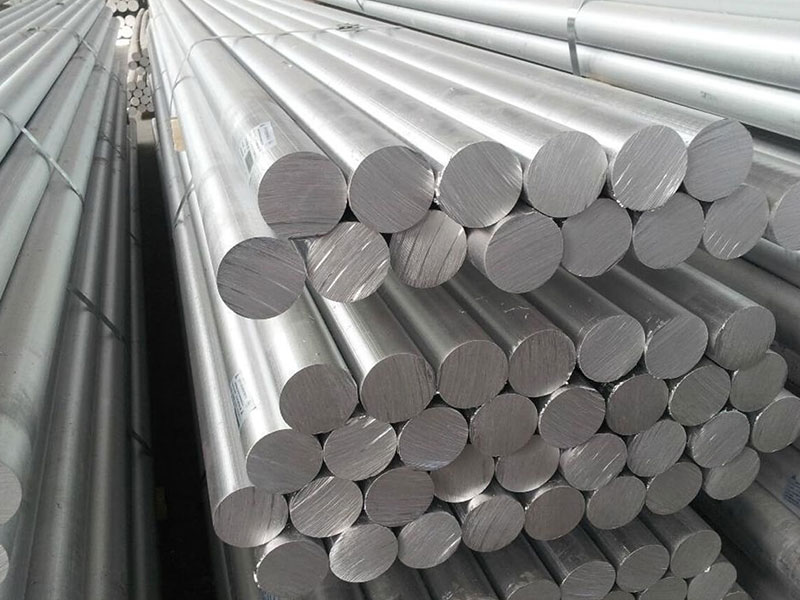
6082 marine aluminum rod & bar
6082 Aluminum Rods & Bars are extruded or rolled products manufactured from 6082 aluminum alloy — a thermally treated (typically T6 temper) aluminum-magnesium-silicon alloy that balances high tensile strength, good weldability, and excellent corrosion resistance.
View Details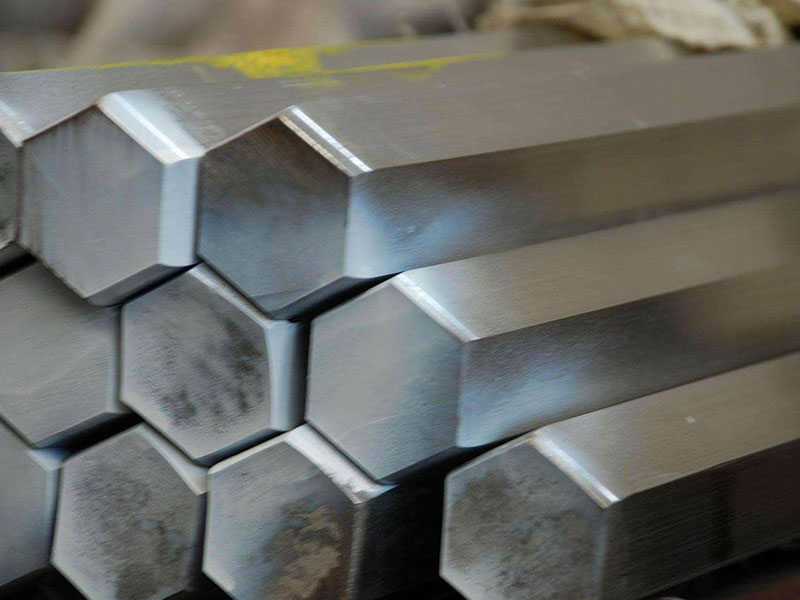
Marine aluminum hexagonal bars
Marine Grade Aluminum Hexagonal Bars are produced from premium corrosion-resistant aluminum alloys such as 5083, 5052, 6061, and 6082.
View DetailsRelated Blog
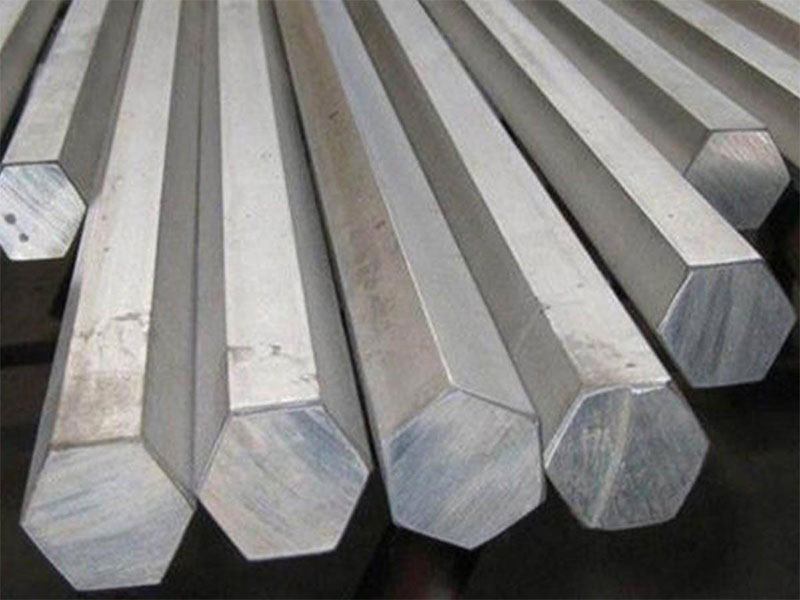
5052 Marine Aluminum Hollow Bars for Saltwater Proof Marine Frames
When it comes to the maritime industry, choosing the right materials for constructing robust marine frames is imperative. Among various alloys, 5052 marine aluminum hollow bars have made a significant mark due to their superior properties.
View Details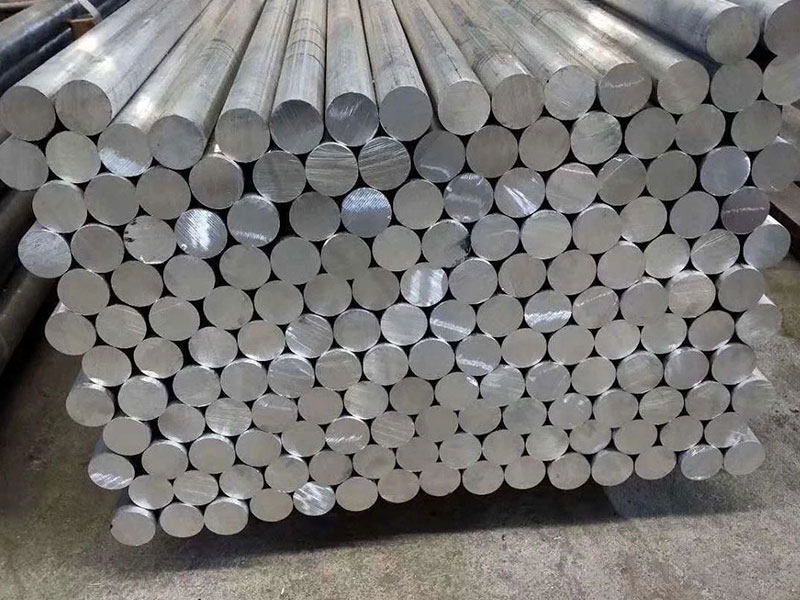
5083 Marine Grade Aluminum Solid Bar for Custom Marine Construction
The 5083 Marine Grade Aluminum Solid Bar is a highly regarded alloy, specifically designed to meet the stringent demands of the marine environment. Renowned for its exceptionally high resistance to corrosion, strength, and weldability.
View Details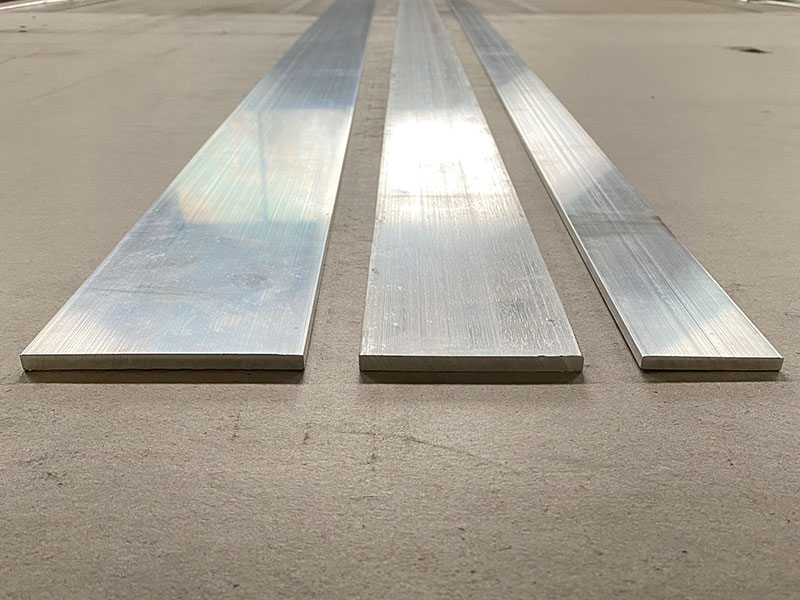
5083 Marine Aluminum Bar for High Strength Marine Vessel Parts
5083 Marine Aluminum Bar for High Strength Marine Vessel Parts: Durability Meets PerformanceWhen it comes to constructing high-performance marine vessels, material selection is paramount.
View Details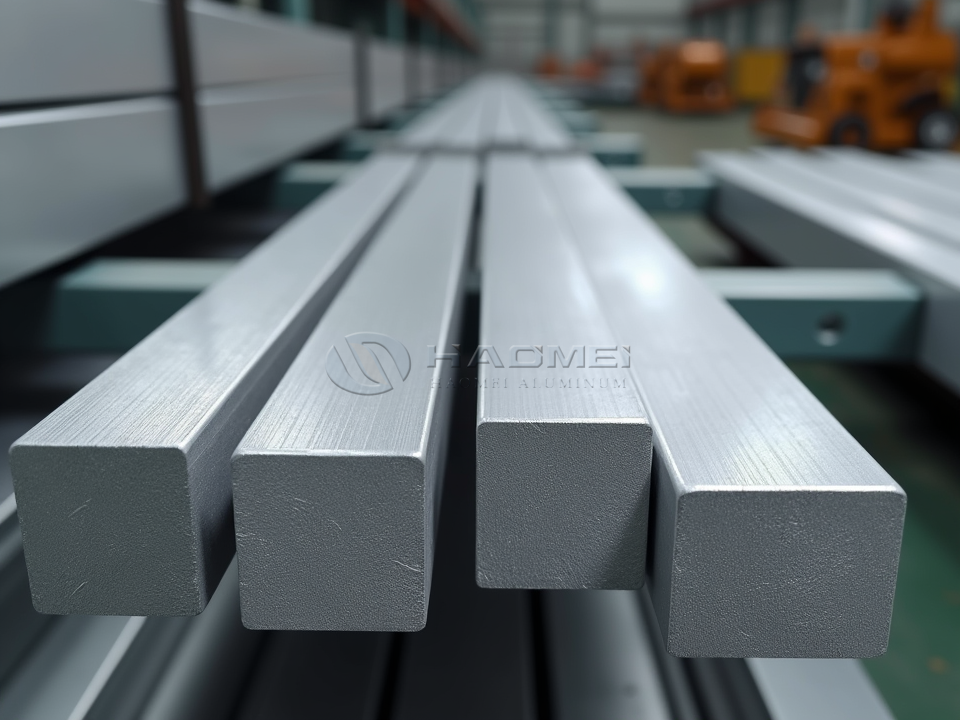
Marine Aluminum Hollow Bars for Boat Frame and Deck Reinforcement
Marine aluminum hollow bars provide lightweight, corrosion-resistant strength for reinforced boat frames, deck beams, rails, and structural supports.
View Details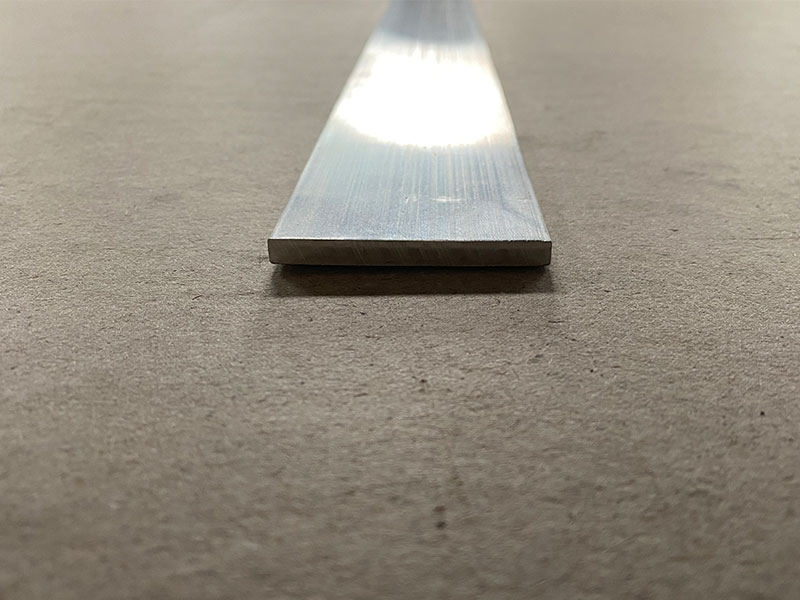
6082 Marine Aluminum Bar for Industrial Marine Design and Construction
The 6082 marine aluminum bar is a medium‑strength, heat‑treatable wrought alloy designed for demanding marine and offshore environments. Combining good corrosion resistance, excellent machining performance, and reliable weldability, it.
View Details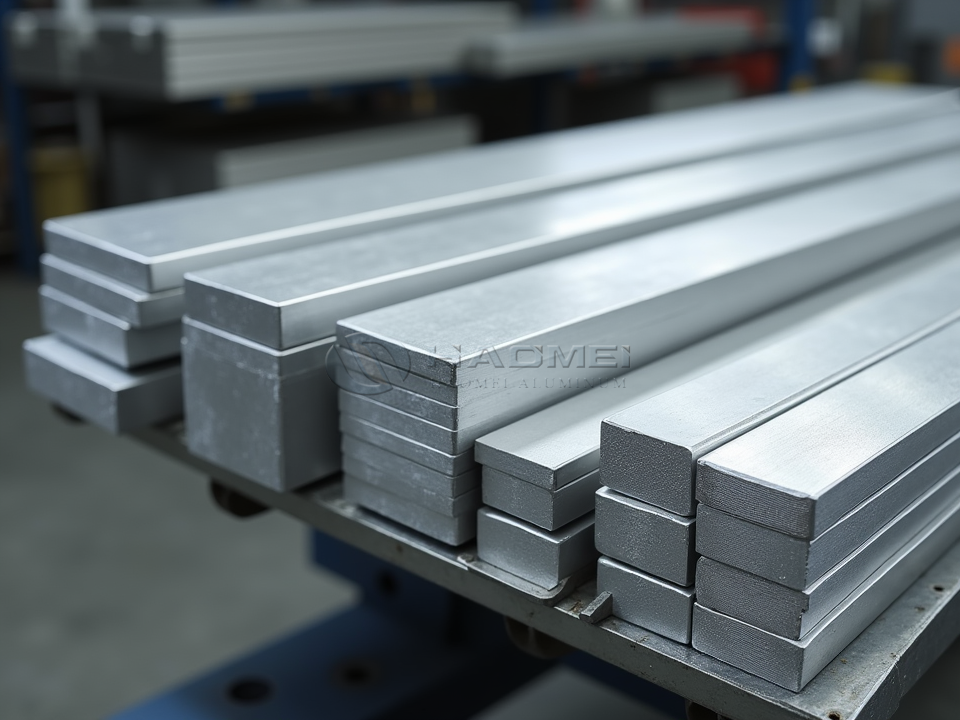
5052 Marine Grade Aluminum Solid Bar For Lightweight Boat Frame Components
Learn how 5052 marine aluminum solid bar reduces boat frame weight, resists saltwater corrosion, welds cleanly, and supports durable boat fittings.
View Details
Leave a Message