
How to Choose Corrosion Resistant Marine Aluminum Bars
Choosing corrosion resistant marine aluminum bars is not simply a matter of buying the strongest alloy. In marine construction, a bar may act as a structural stiffener, railing support, ladder component, machinery bracket, deck fitting, shaft support, or custom-machined hardware. Its long-term performance depends on where saltwater, oxygen, dissimilar metals, vibration, and trapped moisture meet the aluminum surface.
The best selection process starts with the bar's function. A flat bar welded into a boat frame faces different risks from a round bar machined into a steering or propulsion component. In other words, corrosion resistance should be selected according to the bar's exposure path, not just its alloy label.
Start With the Service Environment
Marine aluminum naturally forms a thin oxide film that protects the base metal. In clean, freely draining seawater environments, this film can remain stable for years. Trouble begins where chlorides concentrate: under wet gaskets, inside crevices, at bolted joints, around stainless fasteners, or in areas that remain damp after washdown.
For permanently wet, splash-zone, or salt-spray service, 5xxx-series aluminum bars are normally the first choice. Their magnesium-based chemistry offers strong resistance to seawater corrosion and good weldability. Alloys such as 5083 and 5086 are widely specified for hull structures, deck supports, vessel frames, catwalks, and fabricated brackets.
For precision-machined fittings, load-bearing mounts, and components requiring higher hardness, 6xxx-series bars such as 6061-T6 and 6082-T6 are often practical. These alloys offer excellent machinability and useful strength, although they need more careful design around welds and galvanic contact. A 6082 marine aluminum rod & bar can be a suitable choice for structural machined parts where dimensional accuracy and mechanical performance matter as much as corrosion behavior.
Match the Alloy to the Job It Must Perform
5083 aluminum bar is suited to demanding saltwater structures. It has high magnesium content, excellent corrosion resistance, and very good welding behavior. It is often selected for offshore platforms, workboats, hull-related reinforcements, and heavily exposed fabrication.
5086 aluminum bar provides similar marine durability with dependable weldability and good formability. It is commonly used for marine frames, gangways, deck equipment, and fabricated components exposed to spray and humidity.
5052 aluminum bar works well for lighter-duty marine hardware, trims, brackets, and non-critical formed parts. Its corrosion resistance is good, but its strength is lower than 5083 or 5086.
6061-T6 is a widely used engineering bar for cleats, brackets, fittings, supports, rails, and machined marine hardware. It offers a balanced combination of strength, surface finish, and machining response. However, welding reduces the heat-treated strength near the weld zone, so welded 6061 structures should be designed based on post-weld properties rather than the original T6 value.
When selecting from Marine Grade Aluminum Bars, it is wise to consider fabrication steps before purchasing. A highly corrosion-resistant alloy is not automatically the best option if the part requires deep machining, complex threading, tight tolerances, or a high-strength temper.
Chemical Composition and Its Marine Effect
Magnesium is the principal element that gives 5xxx-series aluminum its seawater resistance. Magnesium improves strength while preserving excellent corrosion behavior in chloride-rich conditions. 6xxx-series alloys use magnesium and silicon together, creating Mg2Si strengthening particles that enable heat treatment and good machining performance.
The table shows commonly specified chemical composition limits by weight. Actual mill chemistry should always be confirmed through the material test certificate.
| Alloy | Magnesium Mg | Manganese Mn | Silicon Si | Iron Fe | Copper Cu | Chromium Cr | Zinc Zn | Main Marine Character |
|---|---|---|---|---|---|---|---|---|
| 5052 | 2.2-2.8% | 0.10% max | 0.25% max | 0.40% max | 0.10% max | 0.15-0.35% | 0.10% max | Good general saltwater resistance |
| 5083 | 4.0-4.9% | 0.4-1.0% | 0.40% max | 0.40% max | 0.10% max | 0.05-0.25% | 0.25% max | Excellent seawater and welded-structure performance |
| 5086 | 3.5-4.5% | 0.2-0.7% | 0.40% max | 0.50% max | 0.10% max | 0.05-0.25% | 0.25% max | Excellent corrosion resistance and weldability |
| 6061 | 0.8-1.2% | 0.15% max | 0.4-0.8% | 0.70% max | 0.15-0.40% | 0.04-0.35% | 0.25% max | Heat-treatable strength and machining capability |
| 6082 | 0.6-1.2% | 0.4-1.0% | 0.7-1.3% | 0.50% max | 0.10% max | 0.25% max | 0.20% max | Strong structural and machined marine parts |
Temper Is a Corrosion and Fabrication Decision
Temper describes the condition created by strain hardening or heat treatment. It affects strength, bending response, machining, and performance after welding.
For 5xxx-series marine bars, O temper is annealed and offers maximum ductility for bending or forming. H111 and H112 are commonly supplied for structurally practical semi-hard or strain-hardened conditions. H116 and H321 are associated mainly with marine plate applications requiring resistance to exfoliation corrosion, so they should not be assumed to be standard for extruded bars.
For 6061 and 6082, T6 is the most familiar temper. It indicates solution heat treatment followed by artificial aging, delivering high strength and stable machining performance. T6511 is frequently used for extruded bar, with stress relief by stretching to reduce distortion during machining. If a component will be welded, consider whether an as-welded design, local reinforcement, or post-weld heat treatment is necessary.
Check Shape, Size, and Surface Before Ordering
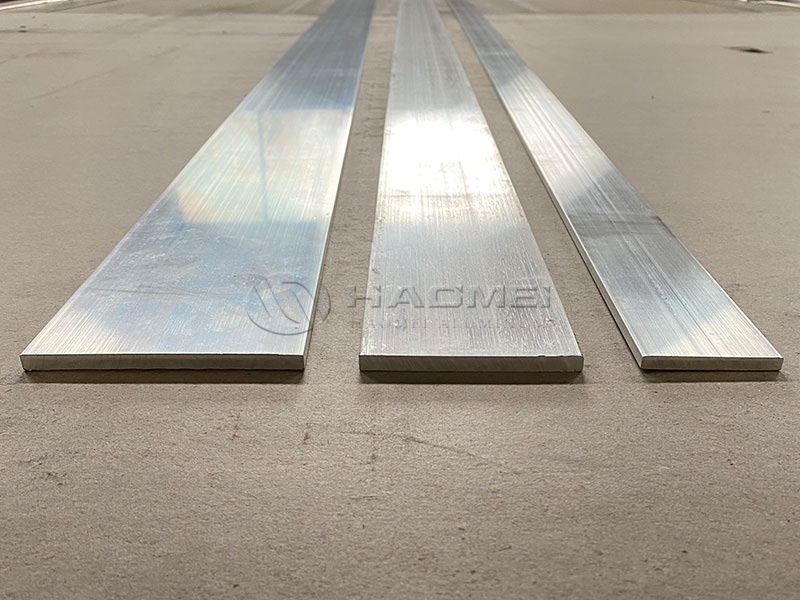
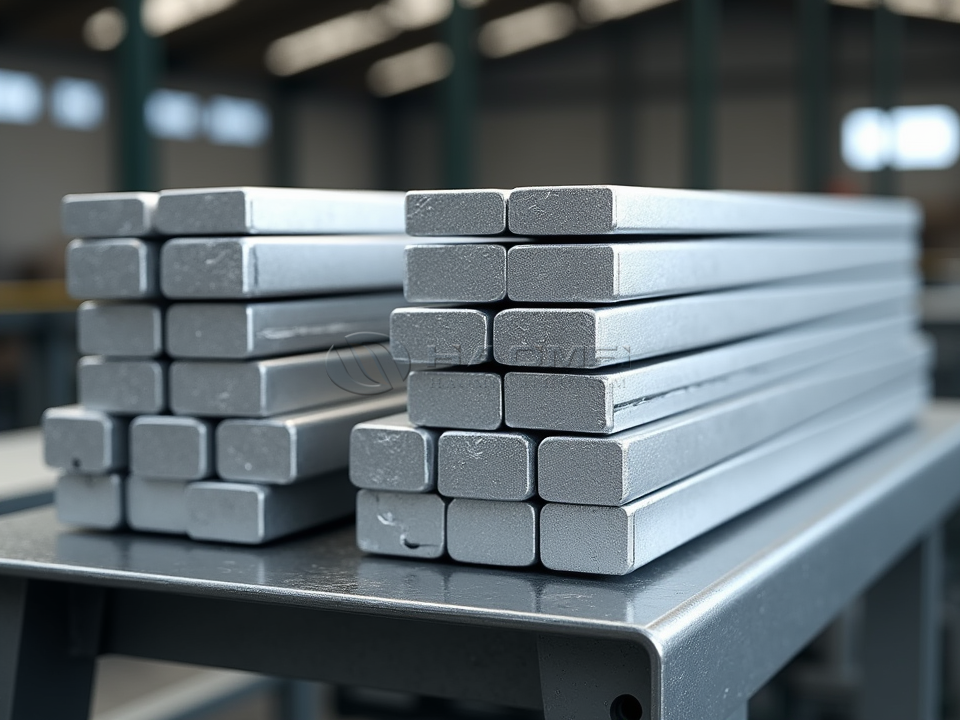
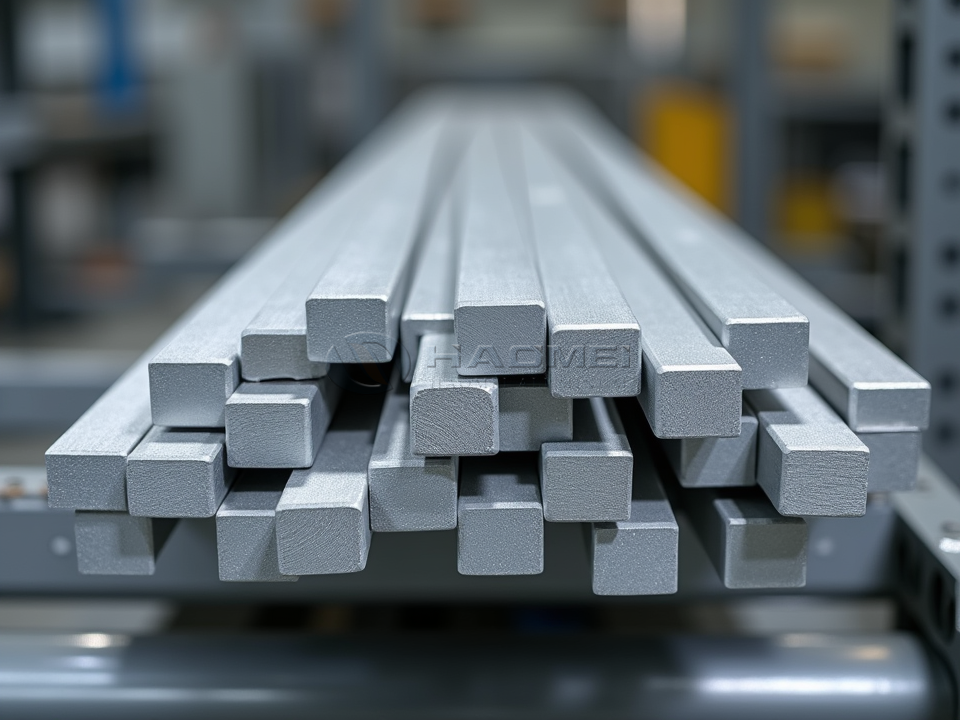
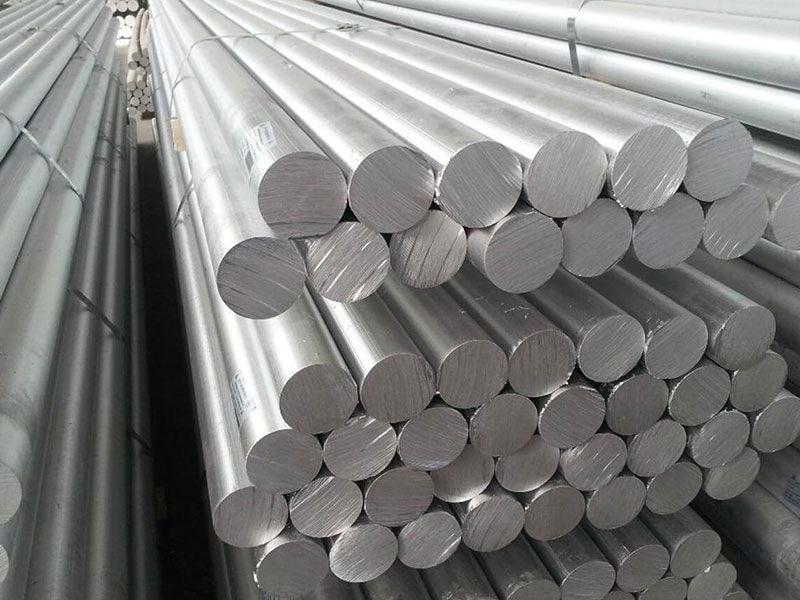
Flat bars distribute loads well across frames, stiffeners, mounting plates, and supports. Round bars are preferred for shafts, pins, bushings, threaded fittings, and turned hardware. Square and rectangular bars provide stable faces for bolting and machining. Hollow bars reduce weight where a solid cross-section is unnecessary, but their interior must be protected from standing water.
Typical dimensional parameters include thickness or diameter, width, length, straightness, corner radius, flatness, and machining allowance. Common flat-bar thicknesses range from 3 mm to 100 mm, while round-bar diameters may range from 6 mm to more than 300 mm depending on alloy and mill capability. Custom cut lengths reduce fabrication waste and minimize exposed cut edges during storage.
A clean mill finish is suitable for many internal or protected locations. For visible hardware or splash-zone components, anodizing, marine-grade paint systems, or powder coating can add protection. Coatings are helpful, but drainage and joint design remain more important than decorative surface treatment.
Confirm Standards and Documentation
Marine aluminum bars should be ordered against recognized material standards appropriate to the product form and market. ASTM B221 is commonly used for aluminum extruded bars, rods, profiles, and tubes. ASTM B211 applies to certain aluminum bar and rod products. EN 755 covers extruded aluminum bars, tubes, and profiles, while EN 573 defines chemical composition limits for wrought aluminum alloys.
For vessel and offshore projects, buyers may also require documentation aligned with ABS, DNV, Lloyd's Register, or other classification-society expectations. Request a material test certificate showing alloy, temper, chemical analysis, tensile properties, dimensions, heat number, and applicable standard.
The final choice should also account for assembly. Avoid direct, wet contact between aluminum and stainless steel, copper alloys, or carbon steel. Use isolating washers, sealants, non-absorbing gaskets, and appropriate fasteners. Provide drainage, avoid narrow moisture traps, and seal cut edges after fabrication. These details often determine whether corrosion resistant marine aluminum bars last for decades or begin pitting within a short service period.

Related Products
6082 marine aluminum rod & bar
6082 Aluminum Rods & Bars are extruded or rolled products manufactured from 6082 aluminum alloy — a thermally treated (typically T6 temper) aluminum-magnesium-silicon alloy that balances high tensile strength, good weldability, and excellent corrosion resistance.
View Details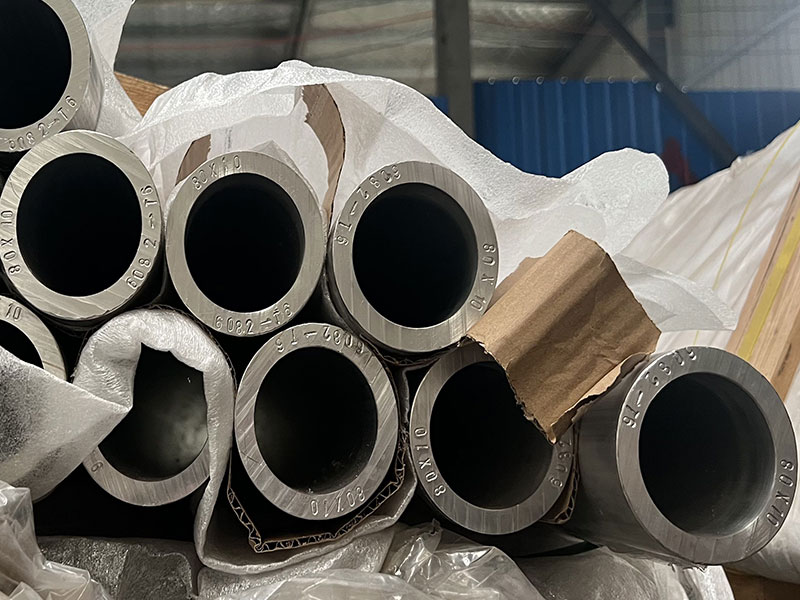
Marine aluminum hollow bars
Marine Grade Aluminum Hollow Bars are fabricated from high-quality alloys such as 5083, 5052, 6061, and 6082, all known for their exceptional resistance to seawater corrosion, salt spray, and marine atmospheres.
View Details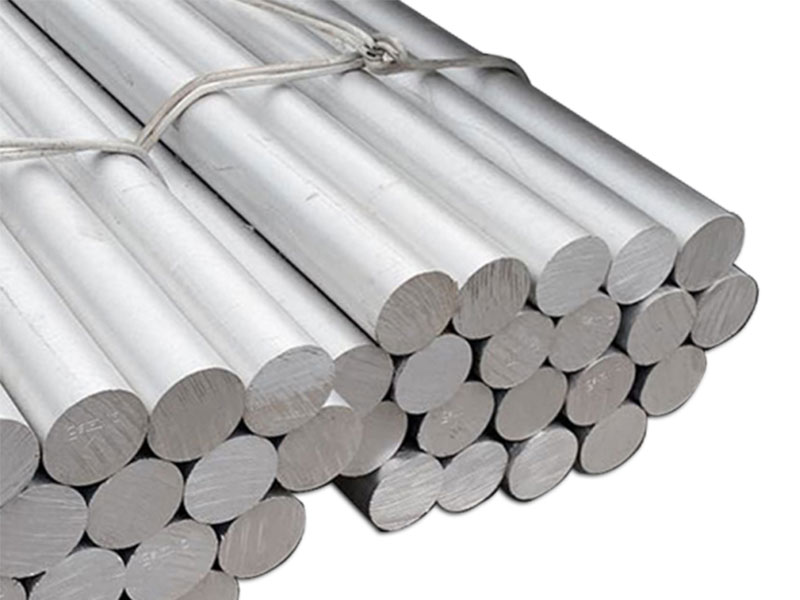
Marine grade aluminum solid bar
Marine Grade Aluminum Solid Bars are produced from premium aluminum alloys optimized for saltwater exposure, such as 5083, 5052, 6061, and 6082. These alloys offer unparalleled resistance to corrosion caused by seawater, salt spray, and marine atmospheres, while maintaining excellent mechanical strength and toughness.
View Details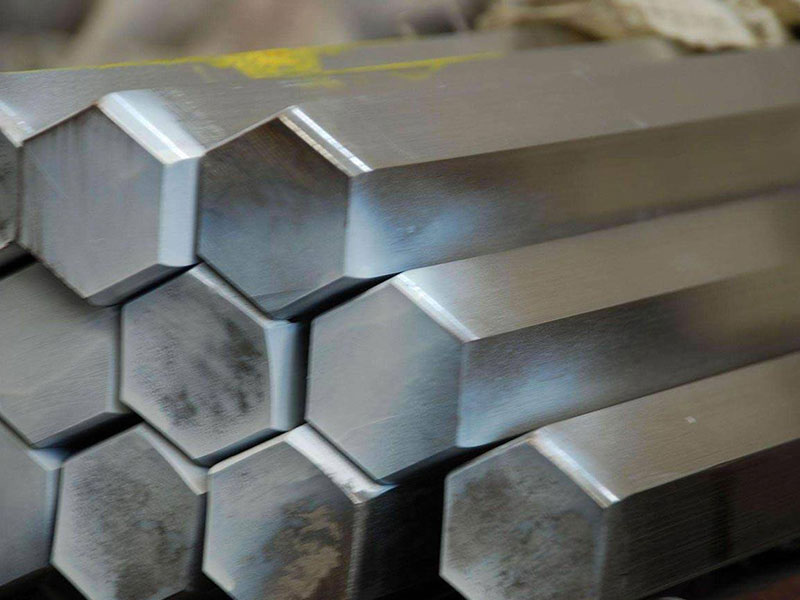
Marine aluminum hexagonal bars
Marine Grade Aluminum Hexagonal Bars are produced from premium corrosion-resistant aluminum alloys such as 5083, 5052, 6061, and 6082.
View DetailsRelated Blog
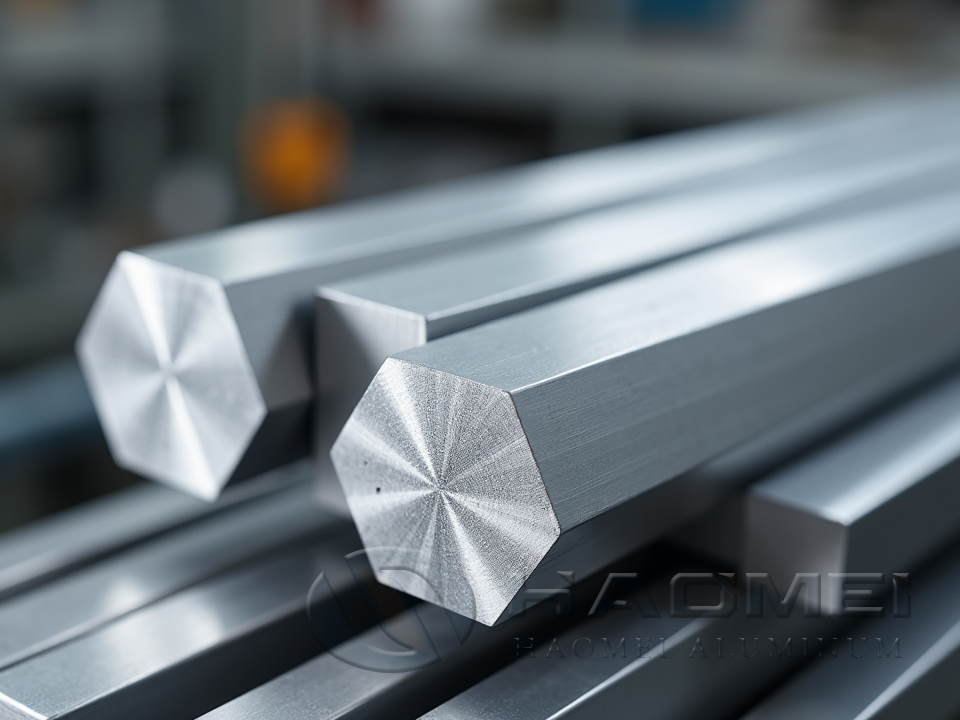
Marine Aluminum Hexagonal Bars for High Strength Boat Frame Design
Technical guide to marine aluminum hexagonal bars for strong boat frames, covering alloys, tempers, standards, properties, tolerances, and design uses.
View Details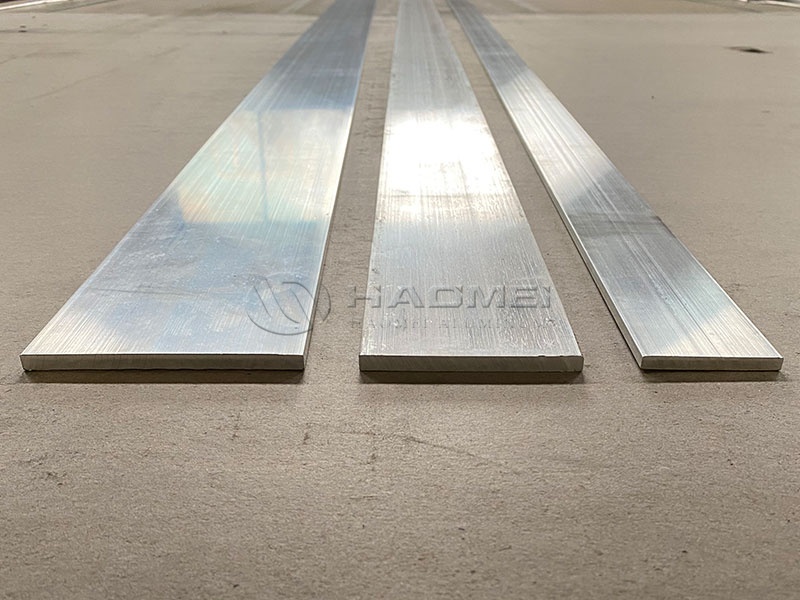
5052 Marine Boats Aluminium Bar Rod
Explore 5052 marine boats aluminium bar rod properties, dimensions, corrosion resistance, fabrication benefits, and practical marine applications.
View Details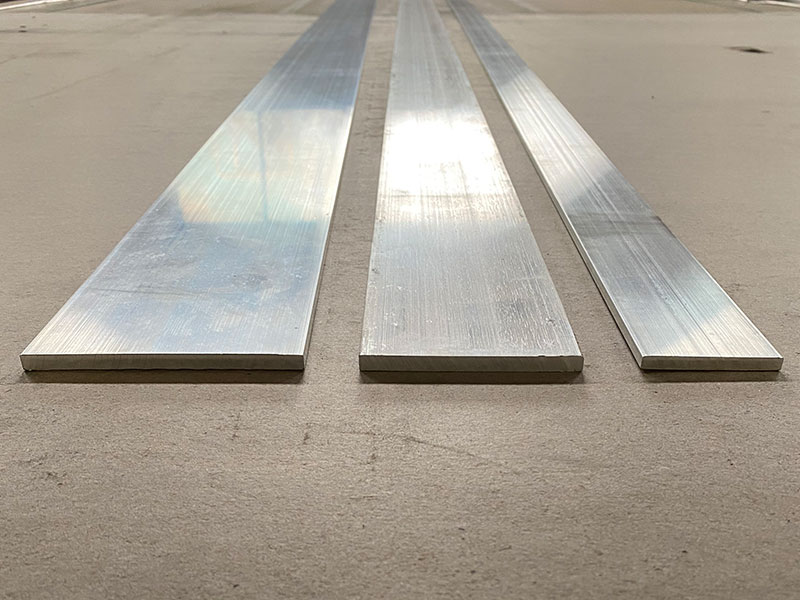
5083 Marine Aluminum Bar for High Strength Marine Vessel Parts
5083 Marine Aluminum Bar for High Strength Marine Vessel Parts: Durability Meets PerformanceWhen it comes to constructing high-performance marine vessels, material selection is paramount.
View Details
5052 Marine Aluminum Hollow Bars for Offshore Structural Support
5052 marine aluminum hollow bars provide corrosion-resistant, lightweight offshore structural support for frames, platforms, deck modules, and marine equipment.
View Details
5083 Marine Aluminum Hollow Bars for Saltwater Resistant Marine Frames
5083 marine aluminum hollow bars provide lightweight, weldable, saltwater-resistant strength for boat frames, rails, platforms, and offshore structures.
View Details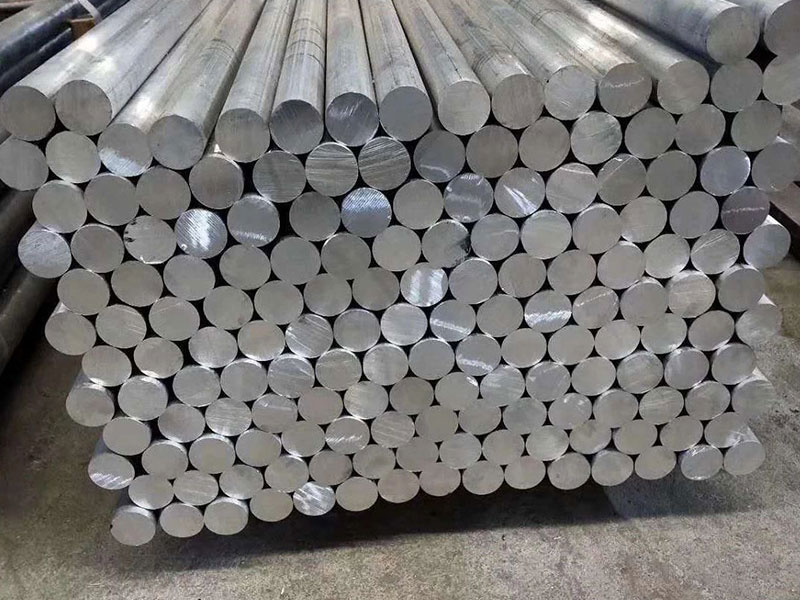
6082 Marine Aluminum Hollow Bars for Boat Hull and Deck Strengthening
6082 Marine Aluminum Hollow Bars for Boat Hull and Deck StrengtheningIn modern boatbuilding, strength is no longer measured only by how thick a plate looks or how heavy a frame feels.
View Details
Leave a Message