
Advantages of 5083 Marine Grade Aluminum Bar for Marine Use
Marine structures work in an environment where salt spray, humidity, vibration, mechanical loading, and long service cycles occur at the same time. Material selection therefore affects not only initial fabrication cost, but also vessel weight, maintenance frequency, safety, and operational life. A 5083 marine grade aluminum bar is widely valued for combining high resistance to seawater corrosion with practical strength and excellent welded performance.
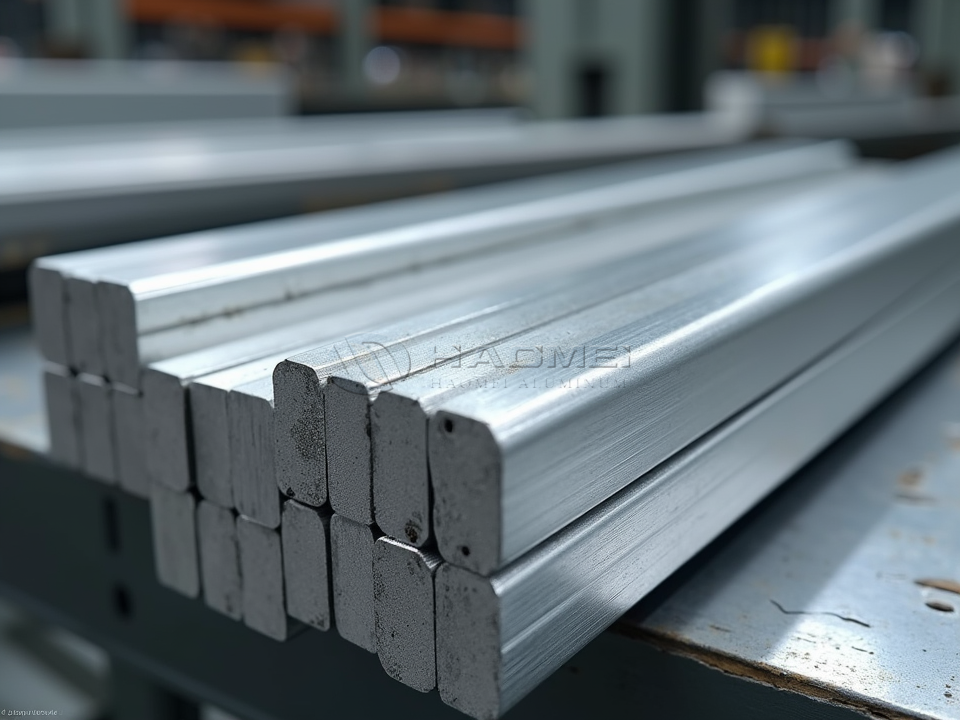
Produced from an aluminum-magnesium alloy, 5083 bar is suitable for solid structural members, brackets, supports, fittings, reinforcements, and fabricated marine assemblies. It remains one of the preferred non-heat-treatable aluminum options where exposure to saltwater is continuous or severe.
Why 5083 Performs Well at Sea
The defining strength of 5083 aluminum is its magnesium-rich composition. Magnesium supports solid-solution strengthening while helping the alloy develop dependable corrosion behavior in chloride-containing environments. Unlike ordinary construction materials that can require frequent coating repair in saltwater service, 5083 aluminum naturally forms a tightly adherent oxide film that protects the metal surface.
This does not mean every corrosion risk disappears. Crevices, stagnant seawater, poor drainage, and contact with more noble metals still require sound engineering practice. However, when designed, fabricated, and maintained correctly, 5083 offers strong resistance to general marine atmospheric corrosion and seawater attack. This makes it a dependable choice for both offshore exposure and protected internal vessel areas.
Another major benefit is its strength retention in welded construction. Marine fabrications frequently rely on welding, and materials that lose too much strength around the weld can force designers to increase thickness or add reinforcement. 5083 is commonly selected because it provides a favorable combination of base-metal strength, weldability, and post-weld performance.
Typical Chemical Composition
5083 is governed by recognized alloy standards, while exact limits can vary slightly by specification and product form. Magnesium is the primary alloying element, supported by manganese and chromium for strength and structural stability.
| Element | Typical Specification Range, wt.% | Contribution to Marine Performance |
|---|---|---|
| Magnesium, Mg | 4.0-4.9 | Improves strength and seawater corrosion resistance |
| Manganese, Mn | 0.4-1.0 | Supports toughness and grain structure control |
| Chromium, Cr | 0.05-0.25 | Helps resist stress-corrosion effects and improves structure |
| Iron, Fe | 0.0-0.4 | Controlled impurity element |
| Silicon, Si | 0.0-0.4 | Controlled impurity element |
| Copper, Cu | 0.0-0.1 | Kept low to support corrosion performance |
| Zinc, Zn | 0.0-0.25 | Controlled residual element |
| Titanium, Ti | 0.0-0.15 | Grain refinement where applicable |
| Aluminum, Al | Balance | Base metal |
The low copper content is especially important for marine duty. Excess copper may reduce resistance to corrosive service, whereas the 5083 chemistry is designed around a corrosion-conscious aluminum-magnesium system.
Mechanical Properties and Practical Characteristics
Bars can be supplied in several tempers, including annealed and strain-hardened conditions. Final mechanical values depend on temper, diameter or section size, production route, and applicable standard. The table provides representative expectations for purchasing and design discussions.
| Property | Typical 5083 Marine Aluminum Bar Performance |
|---|---|
| Density | Approximately 2.66 g/cm³ |
| Elastic modulus | Approximately 70 GPa |
| Tensile strength | Commonly about 270-350 MPa, depending on temper |
| Yield strength | Commonly about 125-240 MPa, depending on temper |
| Elongation | Generally good, supporting forming and fabrication |
| Corrosion resistance | Excellent in marine atmosphere and seawater environments |
| Weldability | Excellent with suitable filler metal and process control |
| Heat treatment response | Not strengthened by conventional precipitation heat treatment |
| Thermal conductivity | Lower than pure aluminum, suitable for general marine fabrication |
At roughly one-third the density of steel, 5083 aluminum bar can reduce structural mass substantially. Weight savings can improve payload capacity, fuel efficiency, acceleration, trim control, and handling. For high-speed ferries, patrol craft, workboats, recreational vessels, and lightweight offshore modules, this reduction can create meaningful operational value.
Advantages for Fabricators and Vessel Builders
A 5083 marine grade aluminum bar is easy to integrate into welded aluminum assemblies. It can be cut, drilled, machined, bent within reasonable limits, and welded using established MIG or TIG procedures. Filler alloys such as 5183, 5356, or 5556 may be selected according to joint design, strength requirements, and corrosion exposure.
Its non-heat-treatable nature also offers a practical advantage in large fabrications. Builders do not need a separate solution heat treatment and aging cycle to develop the alloy's normal service properties. Strength is primarily obtained through composition and strain hardening. This simplifies production for many marine components.
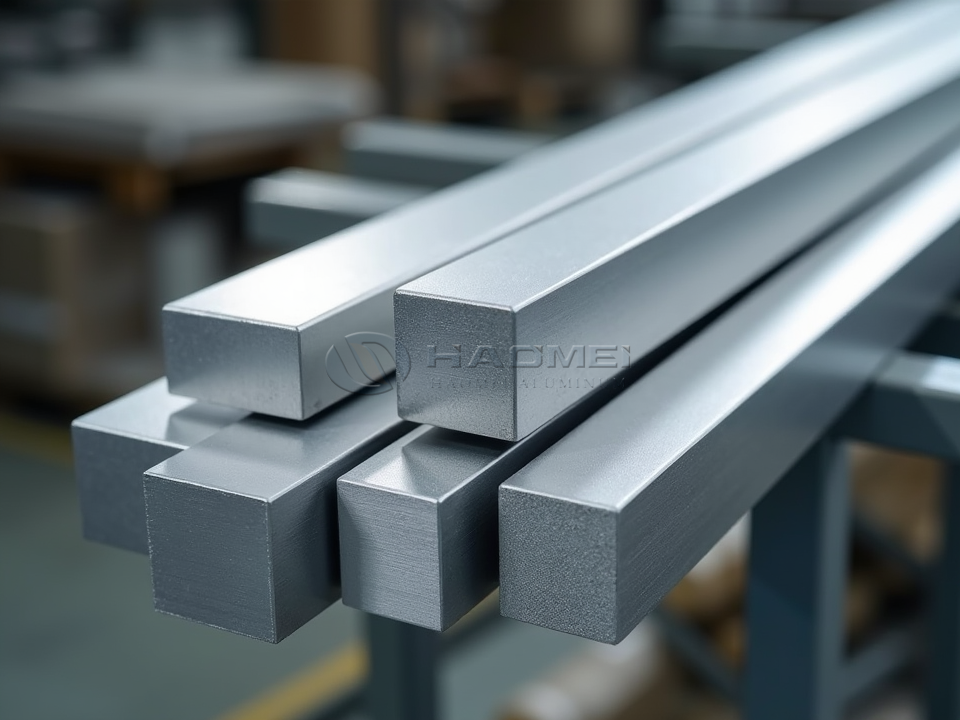
For projects requiring alternative sizes and profiles, Marine Grade Aluminum Bars are available in flat, round, square, and other forms to match the load path and installation space. Choosing the profile carefully can reduce machining waste and shorten fabrication time.
Marine Applications for 5083 Aluminum Bar
5083 bar is suited to components where corrosion resistance and moderate-to-high strength must work together. Round bars are often machined into shafts, pins, bushings, cleats, fittings, and custom hardware. Flat bars are widely used as stiffeners, connection plates, framing members, and reinforcement strips. Square or rectangular sections can support compact structural brackets and equipment bases.
Common applications include:
- Deck framing, handrail supports, ladder components, and access systems
- Hull reinforcements, internal stiffeners, and bulkhead connections
- Boat trailer and docking hardware designed for wet, salty conditions
- Offshore platform walkways, guard systems, and equipment supports
- Fishing vessel fittings, hatch frames, racks, and storage structures
- Marine HVAC, piping, electrical enclosure, and pump support brackets
- Custom machined components for workboats, yachts, ferries, and patrol vessels
For structural designs needing a higher-strength 6xxx-series option after heat treatment, a 6082 marine aluminum rod & bar may also be considered. However, 5083 remains particularly compelling where direct seawater exposure and welded fabrication are dominant design priorities.
Design Considerations for Long Service Life
Material quality alone cannot guarantee marine durability. Good design should prevent water traps, allow drainage, and avoid tight unsealed crevices. Where 5083 contacts stainless steel, copper alloys, or carbon steel, electrical isolation should be considered to reduce galvanic corrosion risk. Insulating washers, compatible sealants, coatings, and careful fastener selection are practical safeguards.
Surface finish also matters. Mill finish is suitable for many concealed or protected components, while brushed, polished, anodized, or coated finishes may be selected for visible hardware or added environmental protection. Before coating, surfaces should be properly cleaned and pretreated to maintain adhesion.
When ordering 5083 bar, customers should specify alloy, temper, shape, dimensions, length tolerance, surface requirements, certification needs, and intended marine application. These details help ensure that the supplied material matches fabrication methods and service conditions.
A Reliable Material for Saltwater Engineering
5083 marine grade aluminum bar provides a balanced material solution for demanding marine construction. Its low weight, high resistance to seawater corrosion, dependable weldability, and useful strength make it suitable for structural and machined applications across commercial, recreational, and offshore sectors. With proper joint design, isolation practices, and drainage provisions, 5083 bar can support durable marine equipment and vessel structures through years of saltwater exposure.

Related Products
6082 marine aluminum rod & bar
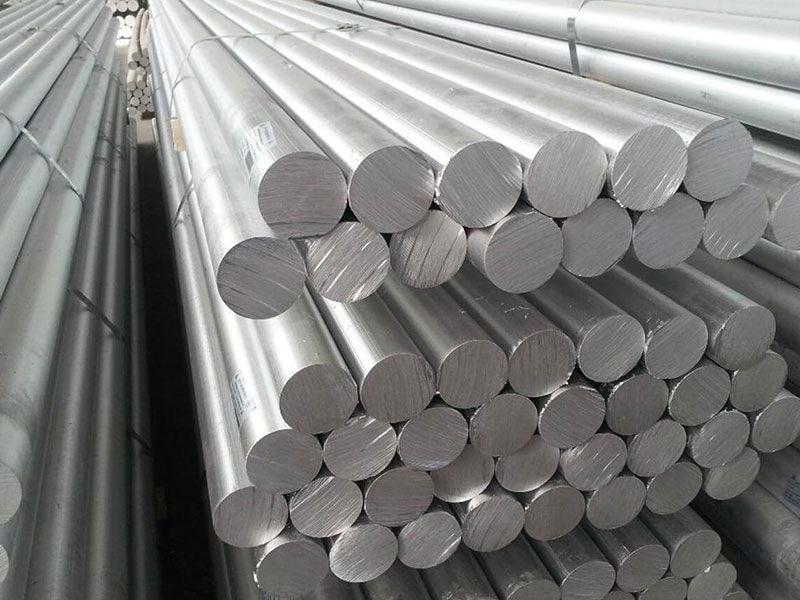
6082 Aluminum Rods & Bars are extruded or rolled products manufactured from 6082 aluminum alloy — a thermally treated (typically T6 temper) aluminum-magnesium-silicon alloy that balances high tensile strength, good weldability, and excellent corrosion resistance.
View Details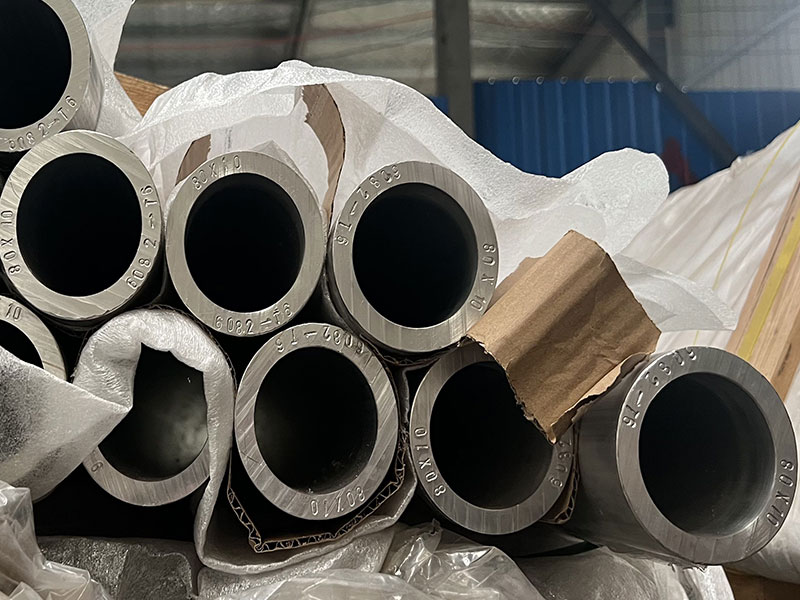
Marine aluminum hollow bars
Marine Grade Aluminum Hollow Bars are fabricated from high-quality alloys such as 5083, 5052, 6061, and 6082, all known for their exceptional resistance to seawater corrosion, salt spray, and marine atmospheres.
View Details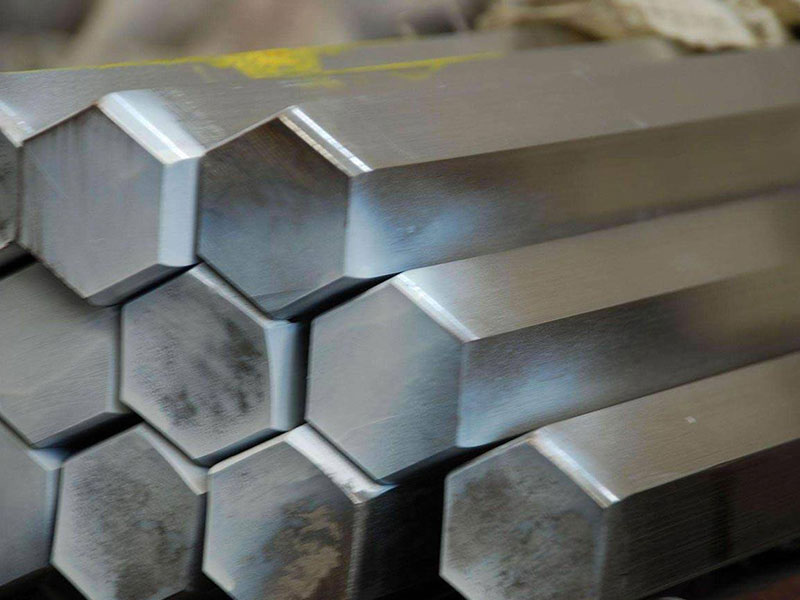
Marine aluminum hexagonal bars
Marine Grade Aluminum Hexagonal Bars are produced from premium corrosion-resistant aluminum alloys such as 5083, 5052, 6061, and 6082.
View Details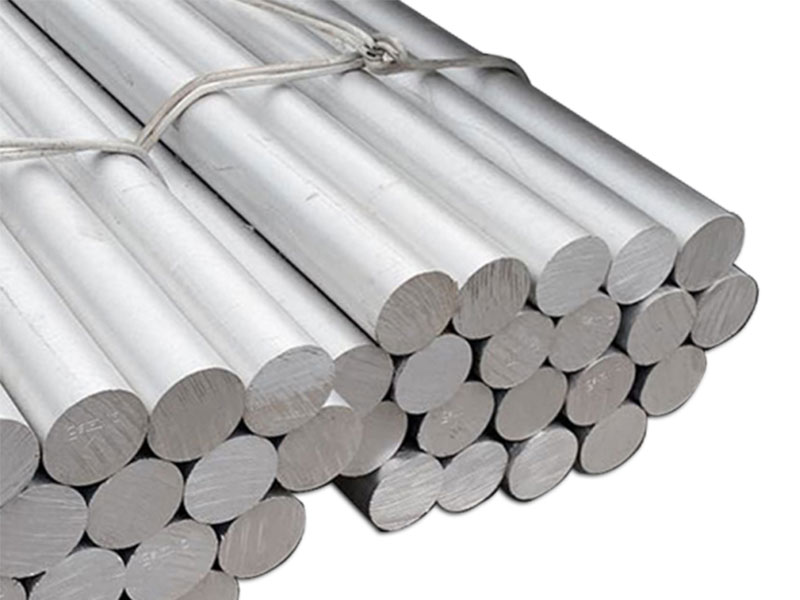
Marine grade aluminum solid bar
Marine Grade Aluminum Solid Bars are produced from premium aluminum alloys optimized for saltwater exposure, such as 5083, 5052, 6061, and 6082. These alloys offer unparalleled resistance to corrosion caused by seawater, salt spray, and marine atmospheres, while maintaining excellent mechanical strength and toughness.
View DetailsRelated Blog
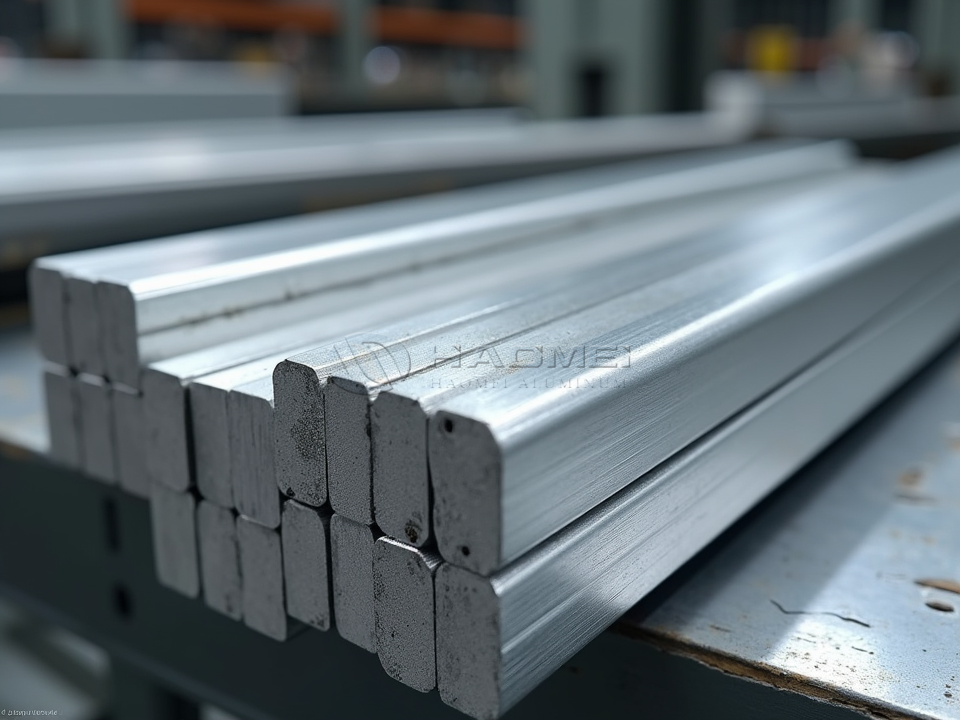
Marine Grade Aluminum Solid Bar for Custom Boat Hull Reinforcement Parts
Marine grade aluminum solid bar delivers corrosion resistance, dependable strength, and machinability for custom boat hull reinforcement parts.
View Details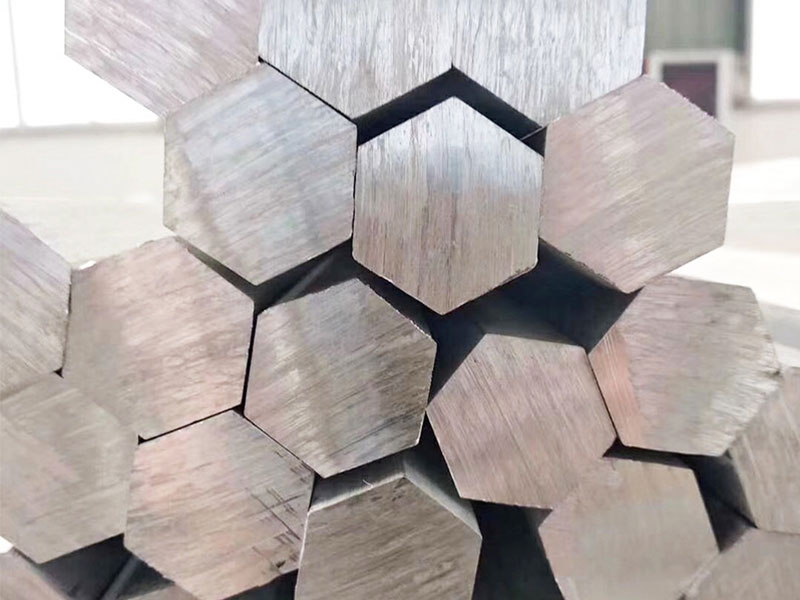
5083 Marine Aluminum Hexagonal Bars for High Strength Shipbuilding Materials
When it comes to constructing robust, lightweight, and corrosion-resistant components in the marine industry, 5083 marine aluminum hexagonal bars are an indispensable material.
View Details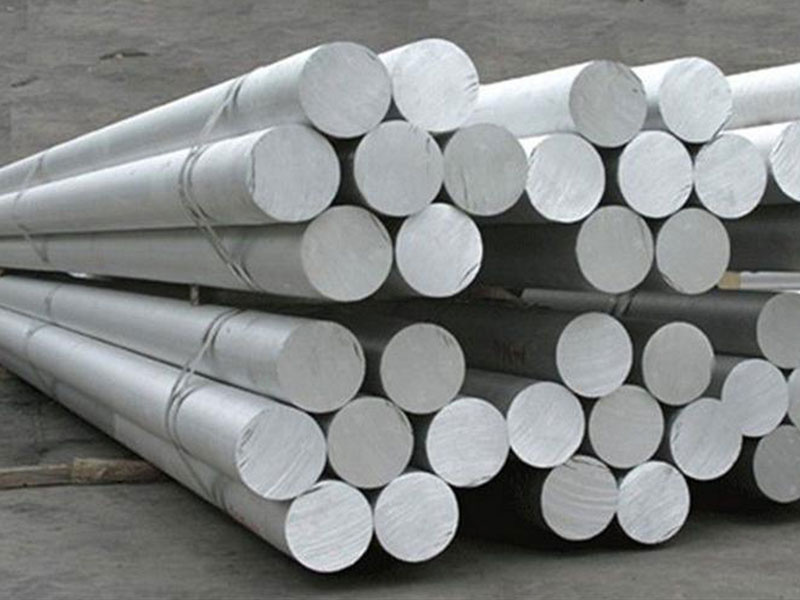
5052 Marine Aluminum Bar for Coastal Marine Engineering Projects
The 5052 marine aluminum bar is a premium product dedicated to the scrupulous requirements of coastal marine engineering projects. It stands out due to its excellent corrosion resistance, weldability, and formability.
View Details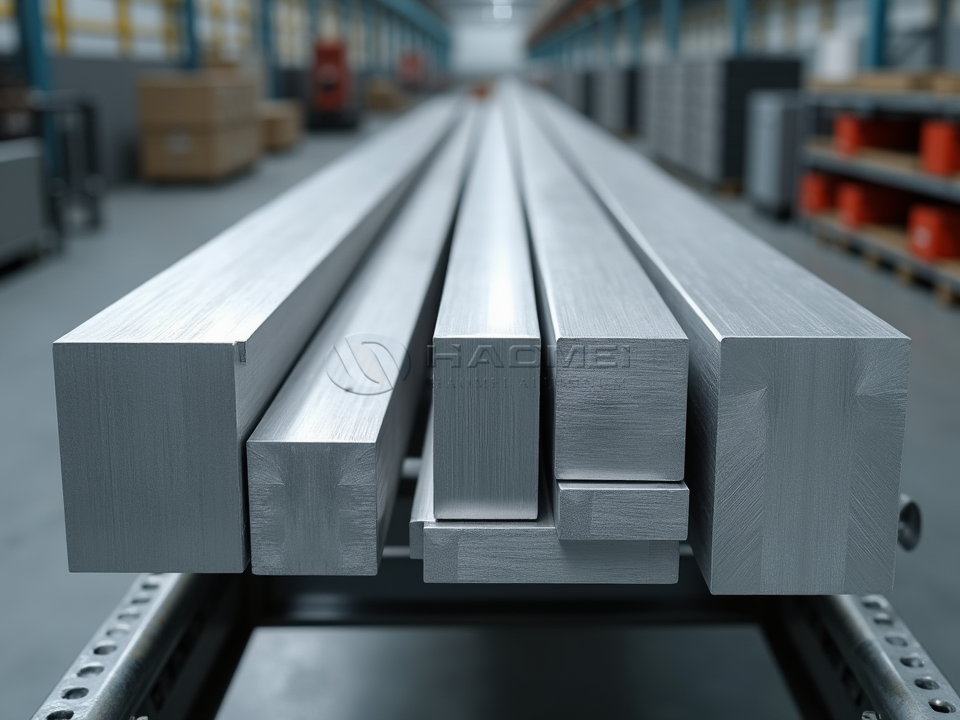
Marine Aluminum Bar for Custom Marine Boat Hull Reinforcements
Learn how marine aluminum bars reinforce custom boat hulls through alloy selection, temper control, welding practice, corrosion protection, and standards.
View Details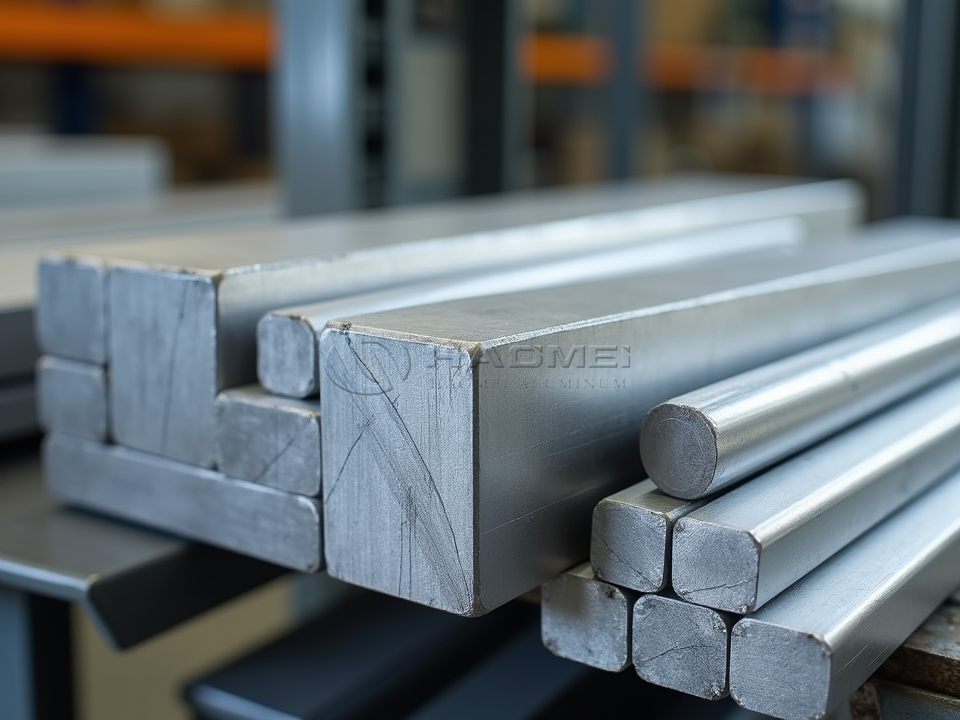
6061 Marine Grade Aluminum Solid Bar for Offshore Vessel Design
Learn how 6061 marine grade aluminum solid bar supports offshore fittings, structural details, machining, corrosion control, and reliable specification.
View Details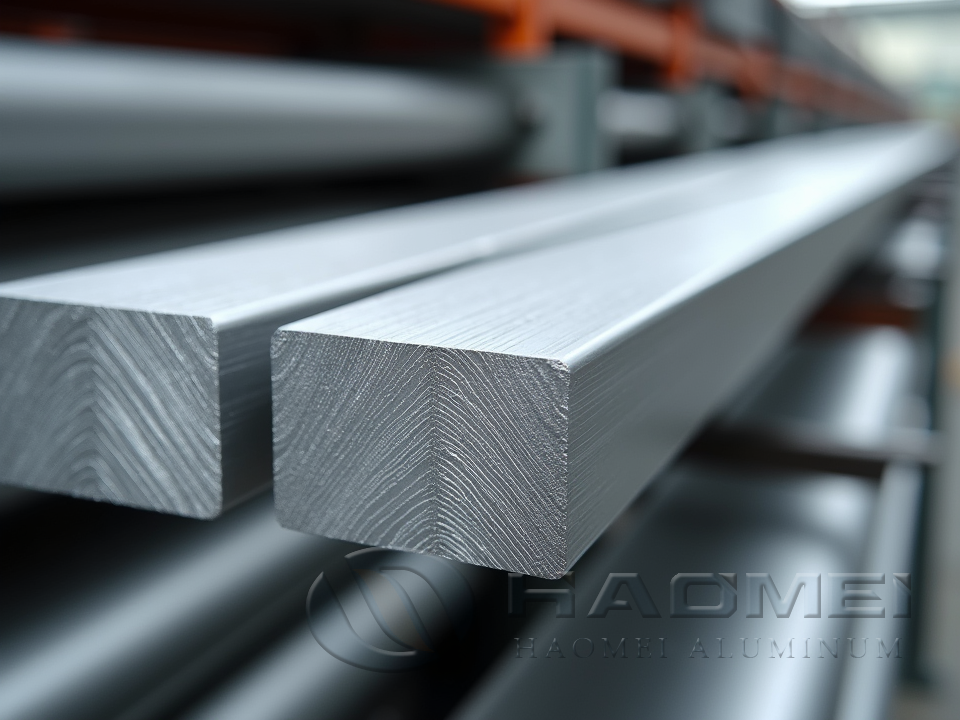
5083 Marine Aluminum Hexagonal Bars for Durable Marine Engineering Parts
5083 marine aluminum hexagonal bars deliver seawater resistance, machinability, and stable strength for boat fittings, shafts, brackets, and deck parts.
View Details
Leave a Message