
5754 Aluminum Sheet for Shipping Construction
5754 Aluminum Sheet for Shipping Construction: The "Quiet Workhorse" Behind Durable, Efficient Vessels
In modern shipping construction, the most valuable materials are not always the most famous-they're the ones that perform reliably under salt spray, vibration, cyclic loading, and constant maintenance pressure. From a practical shipyard perspective, 5754 aluminum sheet stands out as a "quiet workhorse" alloy: it doesn't chase extreme strength at the expense of corrosion resistance or weldability. Instead, it delivers a balanced, build-friendly combination that helps vessels stay lighter, last longer, and cost less to operate.
Unlike purely structural alloys chosen only for maximum tensile performance, 5754 is often selected because it makes fabrication predictable. It cuts cleanly, forms smoothly, welds consistently, and resists the kind of marine corrosion that turns small surface issues into long-term refit expenses. That's why it appears across commercial shipbuilding, ferry structures, patrol craft components, deckhouses, offshore utility boats, and coastal infrastructure where aluminum is expected to survive aggressive environments with minimal fuss.
What 5754 Really Does Well in a Marine Build
Corrosion resistance in marine atmosphere and splash zones is the first reason shipbuilders trust 5754. As an Al-Mg alloy, it naturally develops a stable oxide layer, and the magnesium content improves performance in saline environments. It is commonly used in areas exposed to salt mist, intermittent wetting, and washing cycles, where painted carbon steel would demand constant attention.
Weldability is the second advantage that matters on the dock, not just on a datasheet. 5754 is widely welded using MIG and TIG processes, making it suitable for fabricated assemblies like housings, platforms, bulkhead panels, brackets, and lightweight superstructures. The alloy's behavior during welding is well understood, reducing risk in production schedules.
Formability supports efficient hull and outfitting work. In tempers like O and H111, 5754 is particularly friendly for bending and shaping. It's often preferred for formed parts where cracking is unacceptable and rework is expensive.
Weight reduction is the silent driver of shipping economics. Lighter structures mean improved payload efficiency, fuel savings, and better stability control for certain vessel designs. While 5754 may not be the highest-strength marine alloy available, its strength-to-weight ratio is strong enough for many non-keel and non-primary-load applications, especially when design strategies prioritize smart stiffening and panel geometry.
Typical Functions and Applications in Shipping Construction
5754 aluminum sheet is commonly used where designers want an alloy that behaves well across fabrication steps and remains stable in service:
Deckhouses and superstructure panels benefit from reduced topweight, improving vessel stability.
Interior and exterior bulkhead cladding, partitions, and accommodation modules use 5754 for durability and ease of fabrication.
Deck plating in non-critical areas, walkways, and access covers are frequent applications when corrosion resistance is prioritized.
Hatches, doors, ramps, and protective enclosures are often fabricated from 5754 because it forms and welds predictably.
Tanks and containment-related sheet work may use 5754 in certain cases thanks to its corrosion behavior, though final selection depends on cargo type, regulations, and welding procedures.
Coastal and port structures such as gangways and boarding platforms also benefit from 5754's marine atmosphere resistance.
A distinctive way to think about 5754 is that it performs like a "process alloy." Its value is amplified by how smoothly it moves through cutting, forming, welding, and finishing-reducing bottlenecks that shipyards fight every day.
Alloy Family and Tempering: How Condition Changes Performance
5754 is part of the 5xxx series (Al-Mg), known for corrosion resistance and weldability. The temper condition determines how the sheet behaves in forming and how much strength you can expect.
Common supply tempers for shipbuilding include:
5754-O (Annealed)
Best when deep forming or tight bending radii are required. Lowest strength, highest ductility.
5754-H111
A popular "workshop-friendly" temper: lightly strain-hardened, offering a useful balance of formability and strength for general marine fabrication.
5754-H22 / H24
Strain-hardened tempers for higher strength sheet. Used when forming demands are moderate and additional stiffness/strength is desired.
In marine construction, temper choice is often about reducing risk. If cracking during forming would disrupt production, O or H111 can be a safer route. If the part is flat or lightly formed and needs extra rigidity, H22/H24 can be more efficient.
Typical Parameters (Reference Values)
Actual performance depends on thickness, temper, and product standard, but the following values are commonly referenced for marine-grade procurement discussions.
Physical properties (typical)
Density: about 2.66–2.68 g/cm³
Elastic modulus: about 69–70 GPa
Thermal conductivity: about 130 W/m·K (varies with temper)
Electrical conductivity: moderate (lower than pure aluminum)
Mechanical properties (typical ranges, for sheet)
5754-O: tensile strength roughly 190–240 MPa, yield strength roughly 80–110 MPa, elongation often 20%+
5754-H111: tensile strength roughly 220–270 MPa, yield strength roughly 100–150 MPa, elongation often 12–20%
5754-H22/H24: tensile strength roughly 250–310 MPa, yield strength roughly 160–230 MPa, elongation typically reduced versus O/H111
These ranges provide a practical picture: 5754 is not designed to compete with higher-strength alloys like 5083 in heavy hull structures, but it excels where stable marine corrosion performance and fabrication efficiency define success.
Implementation Standards Used in Procurement
In shipping construction, consistent documentation matters as much as chemistry. 5754 aluminum sheet is commonly supplied to standards such as:
EN 485 (Aluminum and aluminum alloys-sheet/plate/strip: mechanical properties and tolerances)
EN 573 (Chemical composition)
ASTM B209 (Aluminum and Aluminum-Alloy Sheet and Plate)
ISO-related quality systems used by mills and shipyard supply chains
Marine projects may also require alignment with ship classification expectations depending on part function and vessel type, so buyers typically confirm certification, traceability, inspection reports, and surface requirements at order stage.
Chemical Composition (Typical Specification Table)
The exact limits vary slightly by standard (EN/ASTM), but the chemistry is generally controlled within the following ranges:
| Element | Typical Range (wt.%) |
|---|---|
| Aluminum (Al) | Balance |
| Magnesium (Mg) | 2.6–3.6 |
| Manganese (Mn) | ≤ 0.5 |
| Silicon (Si) | ≤ 0.40 |
| Iron (Fe) | ≤ 0.40 |
| Copper (Cu) | ≤ 0.10 |
| Chromium (Cr) | ≤ 0.30 |
| Zinc (Zn) | ≤ 0.20 |
| Titanium (Ti) | ≤ 0.15 |
| Others (each) | ≤ 0.05 |
| Others (total) | ≤ 0.15 |
This chemistry explains the alloy's personality. Magnesium provides the core strength mechanism and supports corrosion resistance in marine environments. Low copper content is particularly important because excessive copper can reduce corrosion resistance-an advantage when salt exposure is constant.
Practical Notes for Shipyards: Finishing, Joining, and Service Behavior
5754 takes common marine finishing systems well. It can be anodized for improved surface durability or painted with appropriate pretreatment when aesthetic uniformity is required. In real shipboard service, its corrosion performance is strongest when design avoids trapped moisture and when dissimilar metal contact is controlled through insulation, coatings, and proper fastener selection.
For welding, selection of filler wire and procedure depends on joint design and classification requirements, but the overall weldability profile is one reason 5754 is widely adopted for fabricated ship components that must be produced quickly and repeatedly.
Why 5754 Aluminum Sheet Belongs in Marine Aluminum Planning
5754 aluminum sheet earns its place in shipping construction not by being the strongest option, but by being the most dependable across the entire lifecycle of a vessel component-from cutting and forming to welding, finishing, and long-term exposure to salt and humidity. For shipbuilders who measure success in build efficiency, consistent quality, and reduced corrosion-related maintenance, 5754 is often the alloy that quietly delivers the best overall value.

Related Products
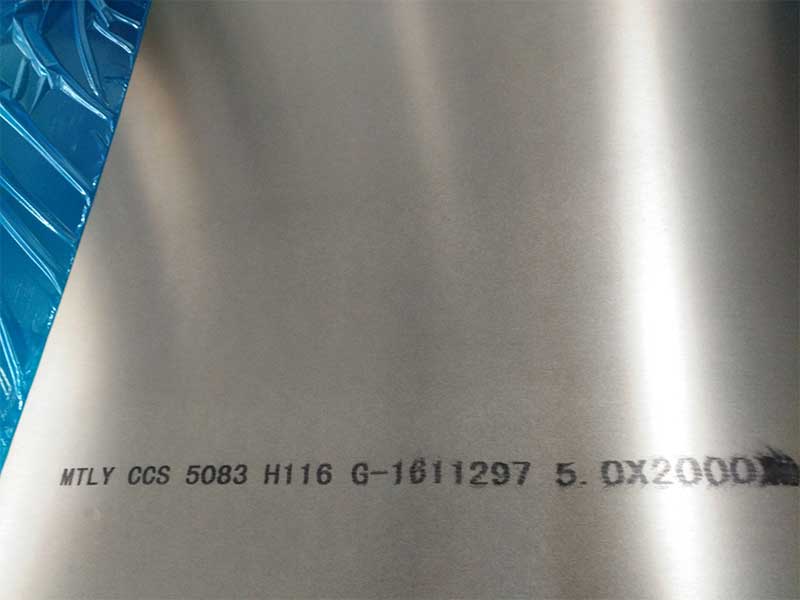
Marine 5083 aluminum sheet
Aluminum alloy 5083 is a non-heat-treatable alloy primarily composed of magnesium and trace elements that deliver outstanding protection against corrosion, particularly in seawater and saline atmospheres.
View Details
Marine 5052 aluminum sheet
Aluminum alloy 5052 is a non-heat-treatable, strain-hardened alloy with magnesium as the primary alloying element. It is designed to offer superior corrosion resistance in marine and saline environments, making it a dependable choice for components exposed directly to seawater or coastal atmospheric conditions.
View Details
Marine 5086 aluminum sheet
This product article provides an in-depth and comprehensive understanding of Marine 5086 Aluminum Sheets, including their chemical composition, mechanical properties, corrosion resistance, fabrication capabilities, and typical marine applications.
View Details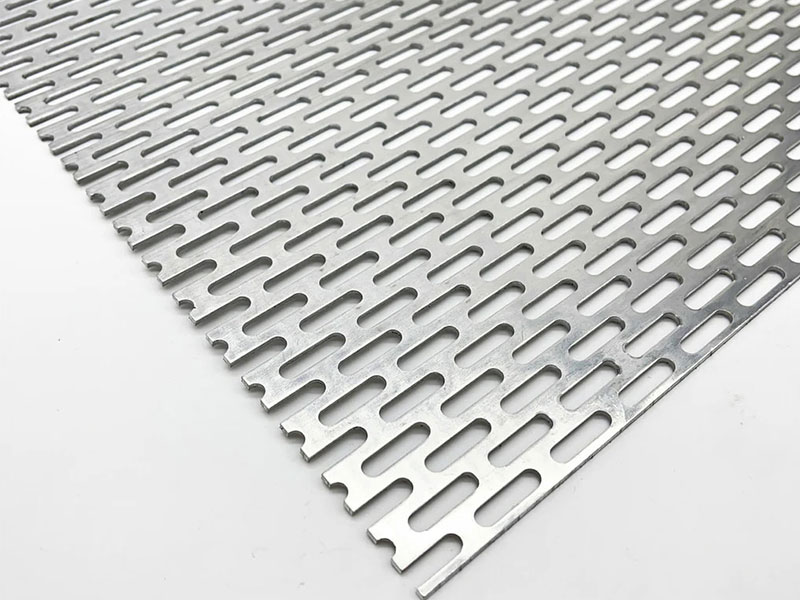
Marine perforated aluminum sheets
Marine Perforated Aluminum Sheets feature a series of uniform holes or shapes punched through the aluminum surface. These perforations can vary in size, pattern, and open area to tailor the sheets for specific applications.
View Details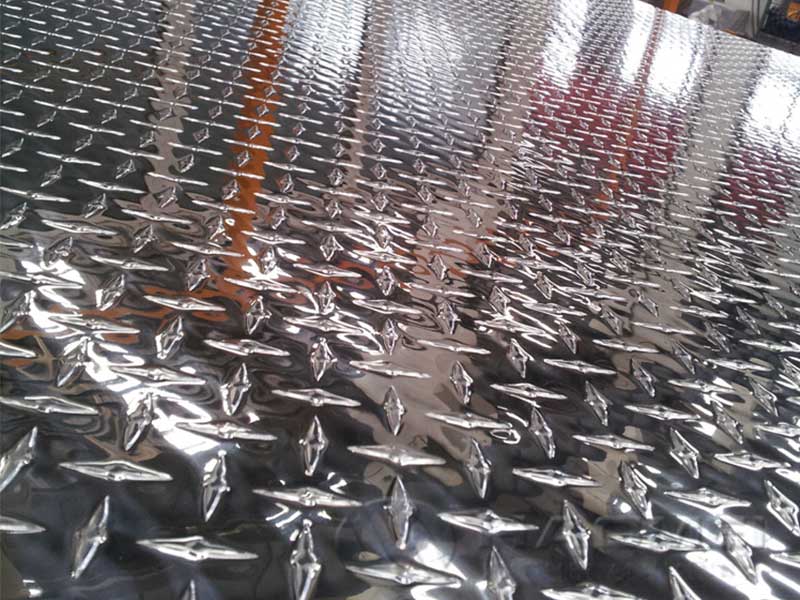
Marine Aluminum Tread Sheets
Marine Aluminum Tread Sheets are aluminum alloy plates featuring a raised surface pattern, commonly referred to as a tread design or diamond plate.
View Details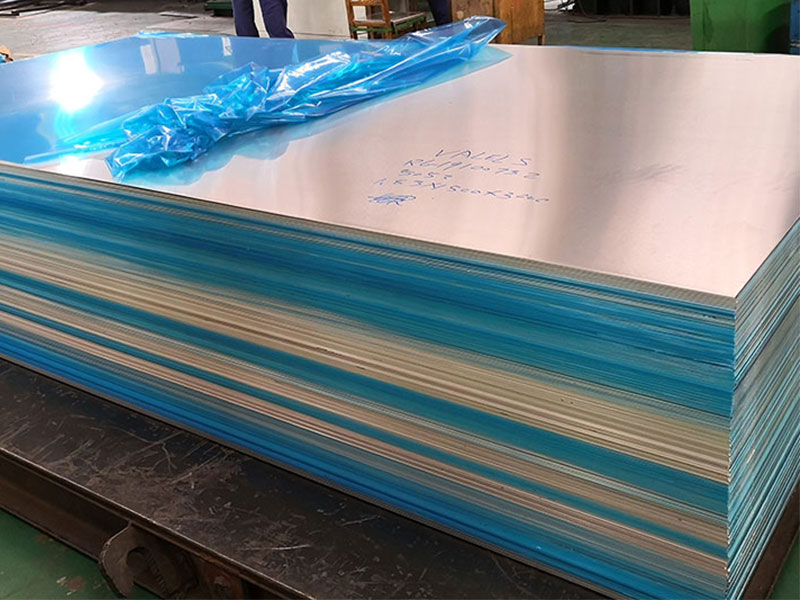
Marine 5059 aluminum sheet
5059 aluminum alloy is a strain-hardened material with a unique addition of magnesium and chromium, which provides outstanding resistance to localized corrosion like pitting and stress corrosion cracking.
View DetailsRelated Blog
5754 5052 h22 h111 h116 aluminum sheet for boat building
Boat builders need sheet material that stays tough in a salty, wet environment, forms cleanly into hull curves, and resists long-term pitting and crevice corrosion around welds and fasteners.
View Details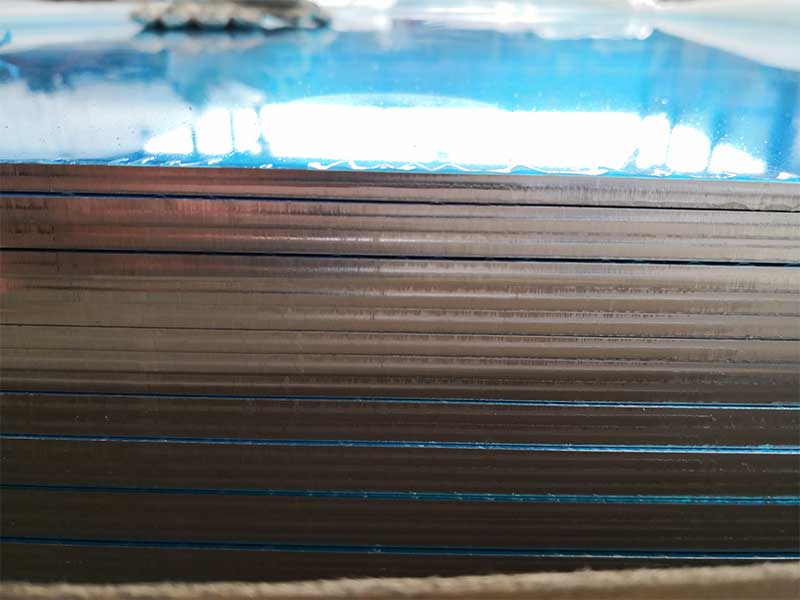
Marine Grade Alloy 5754 Aluminum Sheet
The Marine Grade Alloy 5754 Aluminum Sheet is a premium quality lightweight material specifically engineered to meet the requirements of the marine environment. Our 5754 aluminum sheet boasts exceptional corrosion resistance, high strength.
View Details
Aluminum sheet 5754 O H111 H112 Marine Grade
Aluminum sheet 5754 O H111 H112 is a high-performance marine-grade aluminum alloy widely used in the marine industry. Renowned for its excellent corrosion resistance and mechanical properties.
View Details
5754 Aluminum Sheet for Shipping Construction
5754 Aluminum Sheet for Shipping Construction: The "Quiet Workhorse" Behind Durable, Efficient VesselsIn modern shipping construction, the most valuable materials are not always the most famous-they're the ones that perform reliably under salt spray.
View Details
5754 2mm Anodized Aluminum Sheet For Boat Building
High-performance 5754 2mm anodized aluminum sheets designed specifically for boat building. Excellent corrosion resistance, superior strength, and durable finish ensure longevity in marine environments.
View Details
Aluminum sheet for boat 5083 5052 5754
When selecting aluminum sheets for marine applications, particularly boats, alloy choice plays a vital role in ensuring durability, corrosion resistance, and mechanical strength.
View Details
Leave a Message