
5083 Marine Aluminum Z Shaped Sections for Boat Deck Reinforcement
5083 marine aluminum Z shaped sections are purpose-built extrusions (or brake-formed profiles) used to stiffen and support boat decks where high corrosion resistance, reliable strength, and weight efficiency matter most. In working vessels, patrol boats, ferries, offshore service craft, and performance yachts, deck reinforcement often faces a harsh mix of salt spray, standing water, cyclic vibration, and concentrated loads from equipment and foot traffic.
5083 (Al-Mg) is widely trusted in marine structures because it retains excellent corrosion resistance in seawater while delivering robust mechanical performance without the need for heat treatment. When formed into a Z profile, the section gains a highly practical geometry: one flange can act as a deck attachment surface while the offset web and opposing flange provide stiffness and a clean interface for beams, stringers, or hatch coamings.
Why a Z Shaped Section Works So Well in Deck Reinforcement
A Z section behaves like a compact stiffener that adds bending resistance without consuming deck volume. The offset flanges help fit around deck penetrations, drainage runs, wiring trays, and insulation layers-common realities in marine layouts.
structural advantages of the Z geometry
- High stiffness-to-weight due to separated flanges and a stabilizing web
- Improved buckling resistance compared with simple flat bars in many deck layouts
- Easy alignment along deck camber or against longitudinal framing
- Multiple fastening faces for welding, riveting, or adhesive bonding systems
Because the section is "self-jigging" along edges and seams, it often reduces fit-up time during fabrication-valuable when building in aluminum where distortion control matters.
Why 5083 is Preferred for Marine Deck Stiffeners
5083 is a non-heat-treatable alloy strengthened mainly by magnesium content and strain hardening (temper). For deck reinforcement, it offers a practical blend of corrosion resistance, weldability, and strength retention after welding.
Performance highlights
- Excellent resistance to seawater corrosion, widely used in hulls and superstructures
- Strong as-welded behavior relative to many other marine alloys
- Good toughness at low temperatures, useful for cold-water operations
- Stable dimensional behavior for long stiffeners where straightness matters
Notes for designers: for sustained service at elevated temperatures, strength reduction can occur in Al-Mg alloys. In typical deck environments this is rarely limiting, but it should be considered near exhaust trunks or heat sources.
Chemical Composition (Typical, 5083)
The following ranges are commonly referenced for 5083. Actual limits depend on the governing standard and material certificate.
| Element | Content (wt.%) |
|---|---|
| Magnesium (Mg) | 4.0–4.9 |
| Manganese (Mn) | 0.4–1.0 |
| Chromium (Cr) | 0.05–0.25 |
| Iron (Fe) | ≤ 0.40 |
| Silicon (Si) | ≤ 0.40 |
| Copper (Cu) | ≤ 0.10 |
| Zinc (Zn) | ≤ 0.25 |
| Titanium (Ti) | ≤ 0.15 |
| Others (each) | ≤ 0.05 |
| Others (total) | ≤ 0.15 |
| Aluminum (Al) | Balance |
Typical Mechanical Properties (Common Marine Tempers)
Deck Z sections are frequently supplied in strain-hardened tempers for stiffness and handling strength. Values below are representative and can vary with thickness and product form.
| Property | 5083-H111 (typ.) | 5083-H116 (typ.) |
|---|---|---|
| Tensile strength (MPa) | 275–330 | 305–360 |
| Yield strength (MPa) | 125–180 | 215–260 |
| Elongation (%) | 12–20 | 10–16 |
| Density (g/cm³) | 2.66 | 2.66 |
| Modulus of elasticity (GPa) | 69–71 | 69–71 |
What this means on deck: higher yield strength tempers help reduce "oil-canning" and local deflection between supports, while 5083's corrosion resistance helps preserve section thickness over long service lives.
Technical Specifications for 5083 Z Shaped Sections
Availability depends on whether the section is extruded to a dedicated die or formed from plate/strip. Either route can be optimized for marine fabrication.
| Item | Typical Range / Options |
|---|---|
| Alloy | 5083 |
| Temper | H111, H116, H321 (availability depends on form and region) |
| Profile | Z shaped section (offset flanges with web) |
| Thickness (t) | 3–12 mm (common deck reinforcement range) |
| Overall height (h) | 30–200 mm (customizable) |
| Flange width (b1 / b2) | 20–120 mm (customizable) |
| Length | 6 m, 12 m, cut-to-length |
| Straightness | Controlled per agreed tolerance / standard |
| Surface | Mill finish, anodized (select cases), primer-ready |
| Fabrication | Weldable, machinable, drillable; suitable for forming where applicable |
| Compliance | EN / ASTM / marine project requirements (per purchase order) |
Corrosion Behavior in Marine Service
In deck applications, corrosion exposure is rarely uniform. Water traps, fastener interfaces, dissimilar metals, and crevices under sealants can dominate the corrosion story. 5083 offers strong baseline resistance, but the system-level design still matters.
Where 5083 Z sections excel
- Splash zones and deck areas exposed to washdown
- Bilge-adjacent deck structures where humidity remains high
- Areas with frequent abrasion and repainting cycles (good substrate behavior)
Good practice for long life
- Avoid persistent crevices by providing drain paths and sealant control
- Isolate dissimilar metals (stainless fasteners, copper-containing parts) using washers, sleeves, or coatings
- Use marine-grade primers and edge sealing in coated systems
- Prefer continuous welds where watertightness is required; use stitch welds where distortion control dominates (per engineering plan)
Weldability and Fabrication Notes for Z Sections
5083 is widely welded using common marine filler wires (selection depends on design and corrosion strategy). Z sections are often joined to deck plate, longitudinals, and transverse beams, making weld quality and distortion control central to deck flatness.
| Fabrication Aspect | Practical Guidance |
|---|---|
| Welding processes | MIG (GMAW) and TIG (GTAW) are common |
| Heat input | Manage to limit distortion and preserve deck fairness |
| Fit-up | Z profile helps consistent edge location; tack sequencing matters |
| Post-weld treatment | Cleaning and coating preparation are critical in splash zones |
| Dimensional control | Use fixtures/strongbacks for long runs to maintain camber and flatness |
Applications: Where 5083 Z Sections Add Value on Boats
Z sections are versatile because they can act as stiffeners, edge supports, and interface members between different deck components. They are especially useful when the deck requires stiffness without adding bulky framing that interferes with equipment or interior clearance.
Common boat-deck use cases
- Deck panel reinforcement under walkways, work areas, and passenger zones
- Hatch perimeter stiffening to reduce flexing and improve gasket sealing
- Equipment foundations for winches, cranes, capstans, and deck machinery (often paired with backing plates)
- Sheer and edge supports where deck meets bulwarks or coamings
- Localized strengthening near bollards, fairleads, and mooring points (as part of a reinforced assembly)
- Retrofit upgrades on aging craft where added stiffness is needed without major redesign
Because 5083 maintains strength and corrosion resistance over time, it is often chosen for refit work where maintenance access is limited and reliability is paramount.
Selection Guidance: Getting the Right Z Section for Your Deck
Choosing the right Z section is less about a "standard size" and more about matching stiffness, attachment strategy, and drainage behavior to the deck's real operating loads.
| Decision Point | What to Consider |
|---|---|
| Section height (h) | Higher sections increase stiffness; check clearance and fit |
| Thickness (t) | Thicker improves local buckling and weld robustness |
| Flange widths (b1/b2) | Wider flange improves weld length and load spread |
| Temper | Higher strength tempers resist deflection; confirm availability |
| Joining method | Weld strategy affects distortion; plan sequencing early |
| Corrosion detailing | Drainage, isolation of dissimilar metals, coating plan |
5083 Marine Aluminum Z Shaped Sections for Boat Deck Reinforcement provide a highly efficient structural solution where marine corrosion resistance and deck stiffness must coexist. The Z geometry delivers practical installation faces and strong bending performance, while 5083 offers proven seawater durability and fabrication-friendly behavior. For new builds and retrofits alike, these sections help create decks that stay flatter, stronger, and more reliable under real marine service conditions.

Related Products
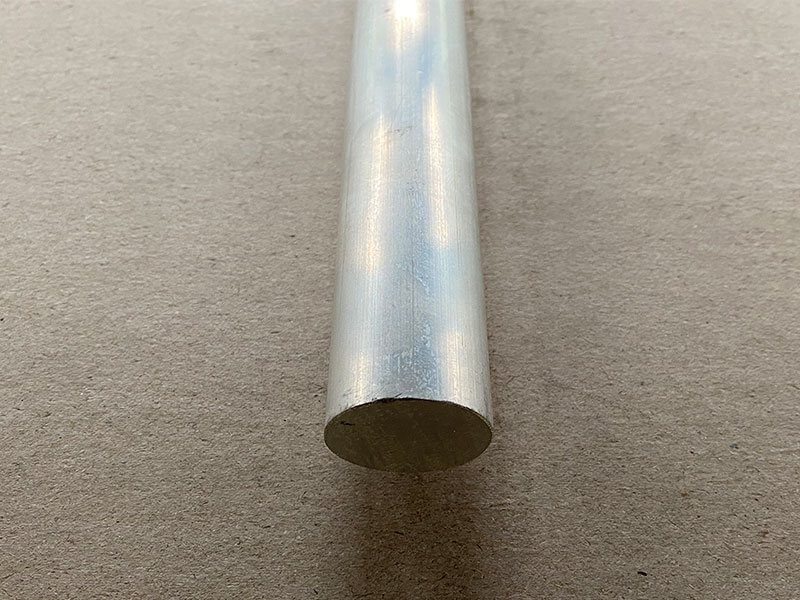
6061 marine aluminum round bar
6061 aluminum belongs to the 6xxx series alloys, alloyed primarily with magnesium and silicon. In the T6 temper, it undergoes solution heat treatment and artificial aging, resulting in enhanced mechanical properties while maintaining excellent corrosion resistance.
View Details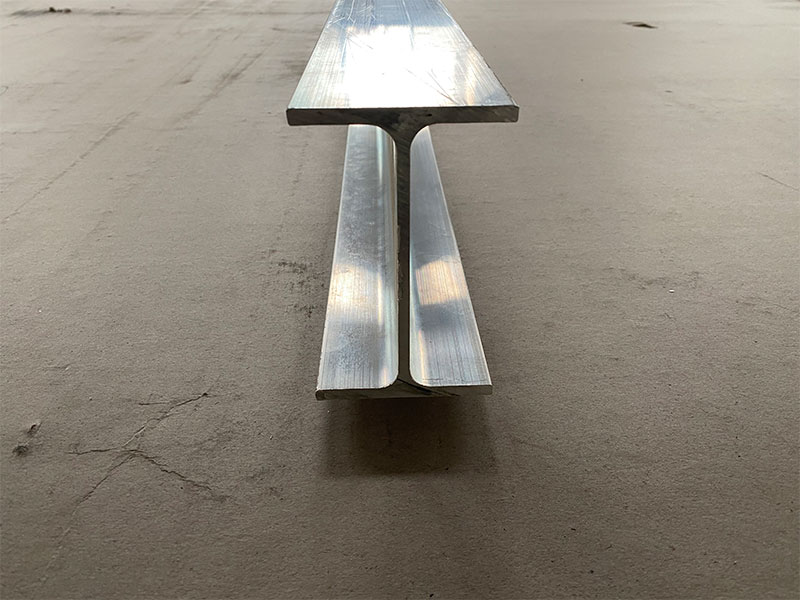
Marine aluminum Z-shaped sections
Marine Aluminum Z-shaped Sections are fabricated from premium marine-grade aluminum alloys such as 5083, 5052, and 6061. These alloys are well-regarded for their superior corrosion resistance in seawater and marine atmospheres, along with good mechanical strength and excellent weldability.
View Details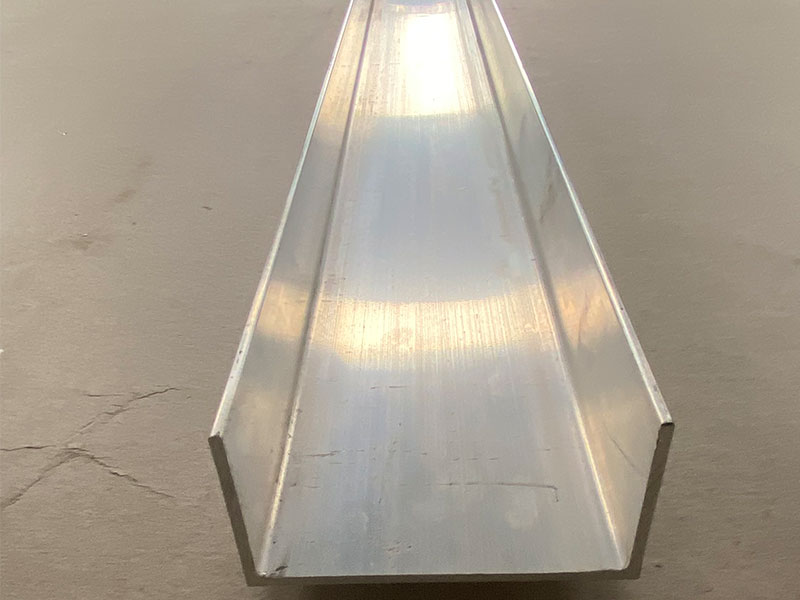
Marine aluminum channels
Marine Aluminum Channels are U-shaped aluminum profiles produced from alloys such as 5083, 5052, and 6061, known for their excellent marine corrosion resistance and superior mechanical strength.
View Details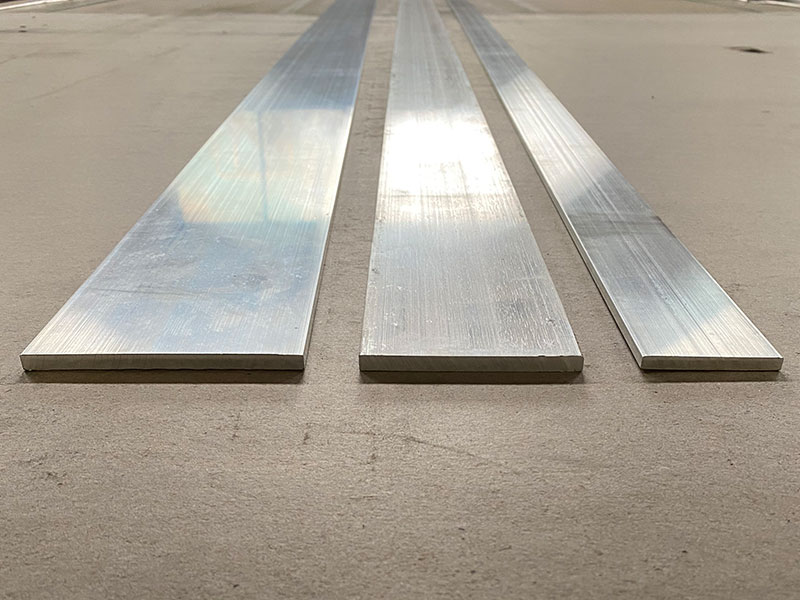
6061 T6 marine aluminum flat bar
6061 aluminum is classified as a heat-treatable 6xxx series alloy, alloyed primarily with magnesium and silicon. The T6 temper designation indicates that the flat bar has been solution heat-treated and artificially aged to achieve optimum strength and hardness.
View Details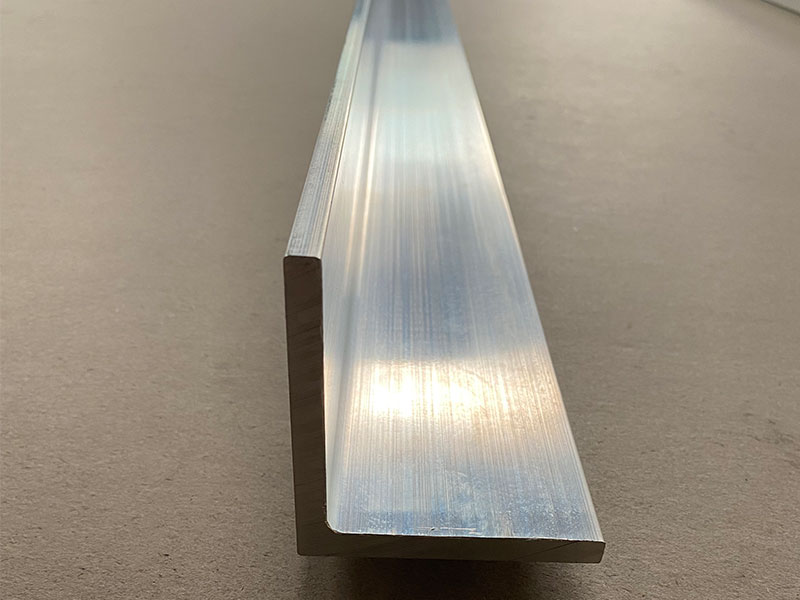
Marine aluminum angles
Marine Aluminum Angles are L-shaped cross-sectional aluminum profiles produced from marine-grade aluminum alloys such as 5083, 5052, and 6061.
View Details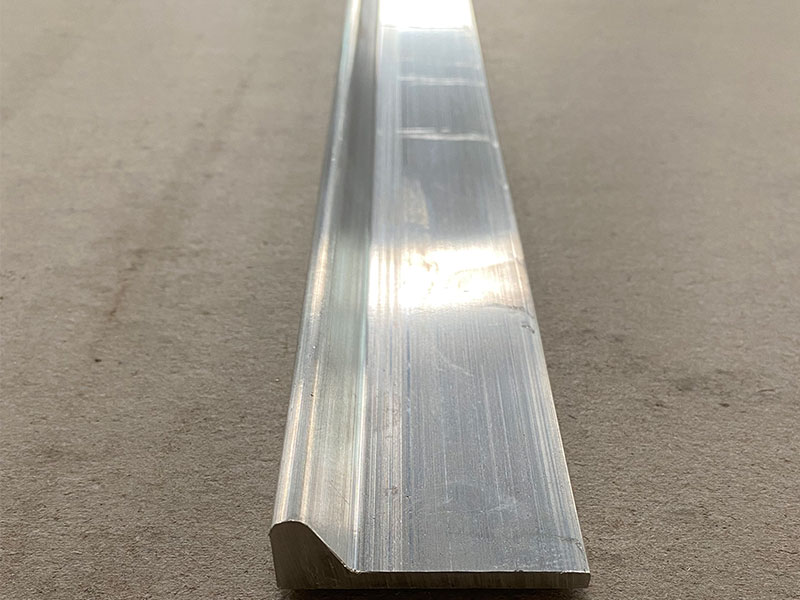
Marine aluminum I-beams
Marine Aluminum I-Beams feature the traditional “I” cross-sectional profile fabricated from marine-grade aluminum alloys like 5083, 5086, and 6061. These alloys are renowned for their outstanding corrosion resistance, especially in saltwater and marine atmospheres, making them ideal for offshore and naval construction.
View DetailsRelated Blog
5083 Marine Aluminum Round Bar for High Strength Offshore Reinforcements
In the demanding world of offshore engineering, materials must withstand severe environmental conditions without compromising structural integrity. One such pivotal material is the 5083 Marine Aluminum Round Bar.
View Details
5083 Marine Aluminum I Beams for High Strength Coastal Engineering
5083 aluminum alloy belongs to the non-heat-treatable Al-Mg-Mn family. Known primarily for excellent corrosion resistance, welding ability, and strong mechanical properties without added heat treatment.
View Details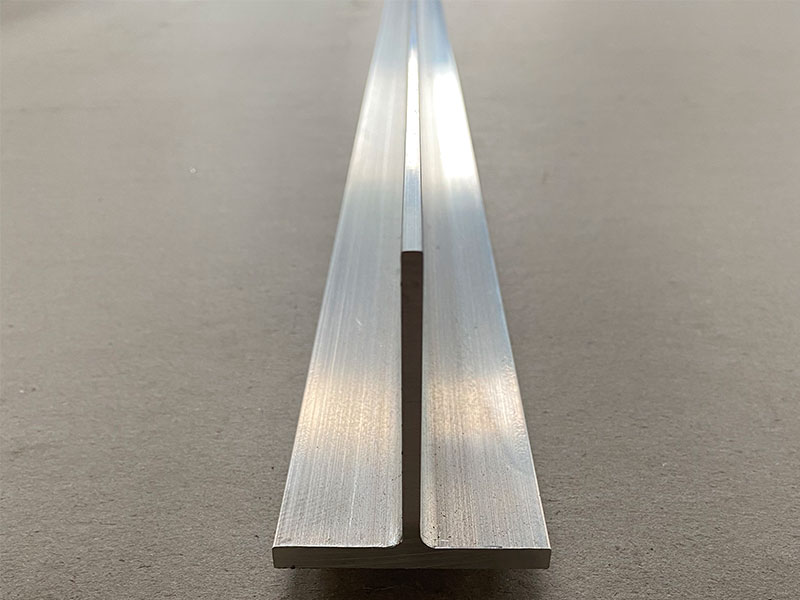
5083 Marine Aluminum I Beams for Heavy Duty Coastal Engineering Parts
5083 marine aluminum I beams are purpose-built structural sections designed for harsh coastal environments where salt spray, tidal wetting, and long service life are non-negotiable.
View Details
5083 Marine Aluminum Z Shaped Sections for Custom Marine Boat Parts
When it comes to constructing durable, lightweight, and corrosion-resistant components for marine vessels, material selection is crucial. 5083 Marine Aluminum Z Shaped Sections offer an optimal combination of strength, formability.
View Details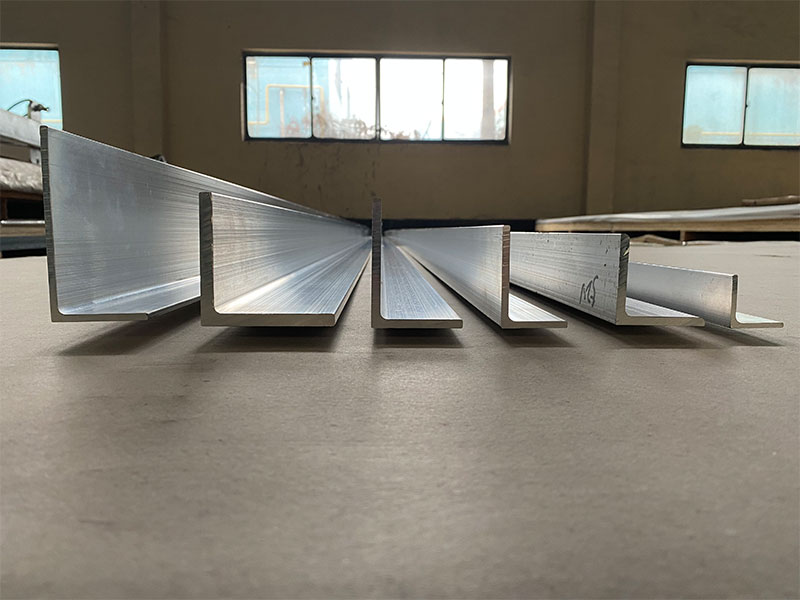
5083 Marine Aluminum Round Bar for Custom Coastal Marine Engineering
When it comes to custom coastal marine engineering, material selection is crucial for ensuring durability, strength, and resistance to harsh marine environments.
View Details
5083 Marine Aluminum Flat Bar for Saltwater Proof Shipbuilding Parts
5083 Marine Aluminum Flat Bar for Saltwater Proof Shipbuilding PartsSaltwater is an unforgiving engineer. It creeps into seams, concentrates in crevices, accelerates galvanic attack, and punishes anything that relies on coatings alone.
View Details
Leave a Message