
6061 Marine Aluminum Heat Sink Profile for High Performance Cooling of Offshore Systems
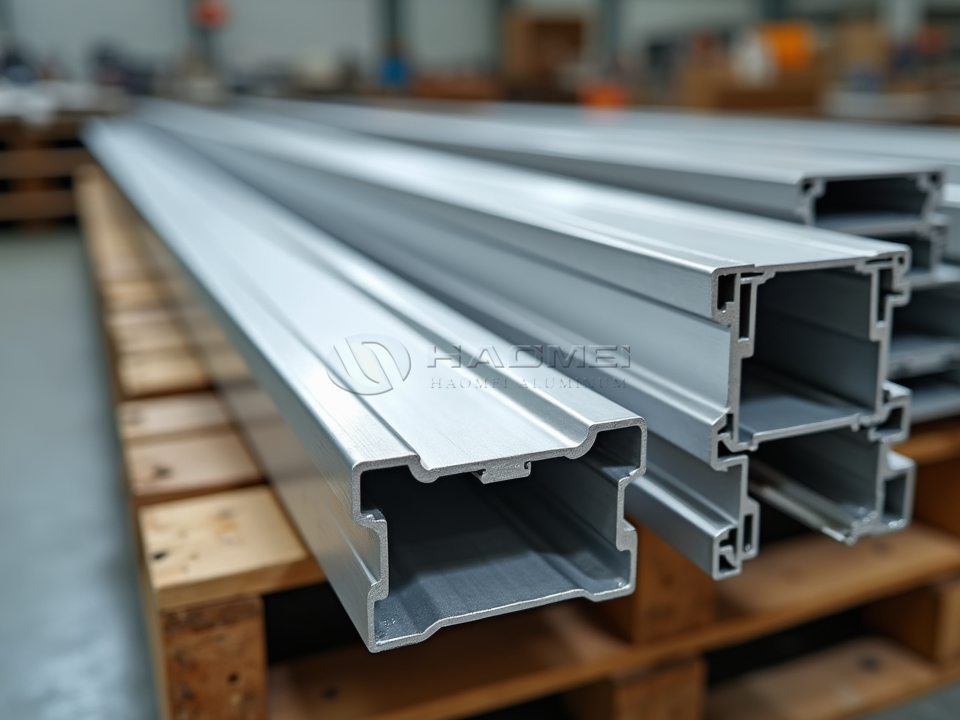
Offshore equipment operates where heat, salt spray, vibration, humidity, and restricted maintenance access meet in one demanding environment. A 6061 marine aluminum heat sink profile provides a practical thermal-management solution for electrical enclosures, LED assemblies, battery systems, drive modules, radar units, navigation equipment, and communication cabinets installed on vessels and offshore platforms.
Extruded 6061 aluminum combines useful thermal conductivity with structural strength and excellent machining performance. Through a purpose-designed fin geometry, the profile transfers heat from electronic components into moving air, enclosure surfaces, or liquid-cooling interfaces. Its low weight also helps reduce loads on brackets, cabinets, masts, and vessel structures.
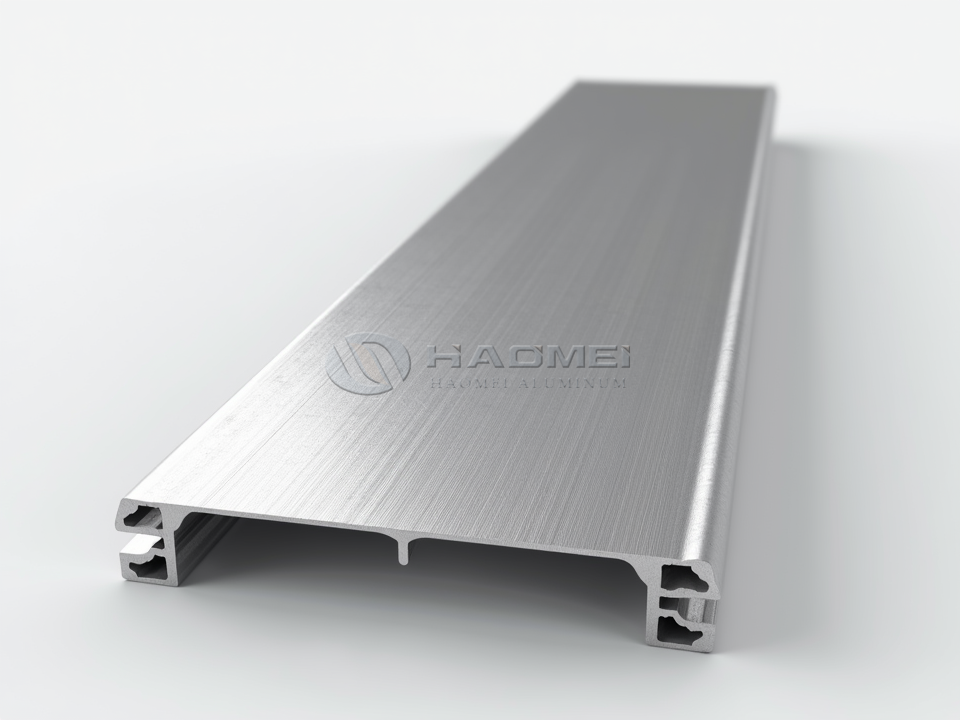
Thermal Function in Offshore Equipment
A heat sink profile works by conducting heat away from a concentrated source and spreading it across a larger external surface. The base of the extrusion contacts the heat-generating component, normally through a thermal interface pad, thermal grease, or phase-change material. Fins then increase exposed area, allowing heat to dissipate by natural convection, forced airflow, or contact with a cooled enclosure wall.
For offshore systems, the profile has to do more than remove heat. It must retain dimensional stability under temperature cycling, resist corrosion in humid marine atmospheres, tolerate vibration, and provide reliable mounting surfaces for electronics. 6061 alloy is well suited to these combined requirements, particularly when matched with a protective finish and correct isolation from dissimilar metals.
| Heat Sink Function | Offshore Value |
|---|---|
| Heat spreading | Reduces local hot spots on power semiconductors, LEDs, converters, and processors |
| Convective cooling | Fins transfer heat to ambient air or forced-air streams inside protected cabinets |
| Structural support | Extruded base can serve as a mounting rail, enclosure wall, or equipment chassis |
| Weight reduction | Lower mass than many steel cooling structures, supporting efficient vessel design |
| Corrosion-managed service | Anodizing, powder coating, and sealing improve behavior in salt-laden atmospheres |
| Design flexibility | Extrusion allows integrated fins, screw channels, cable grooves, and mounting features |
Why 6061 Aluminum Performs Well
6061 is an Al-Mg-Si alloy strengthened by precipitation heat treatment. Magnesium and silicon form magnesium silicide precipitates during aging, giving the alloy a balanced combination of strength, machinability, weldability, and corrosion resistance. Although thermal conductivity is lower than that of pure aluminum or 1050-series alloys, 6061 offers greater mechanical durability for offshore assemblies exposed to shock and repeated handling.
Custom fin spacing, fin height, base thickness, hollow cavities, and mounting channels can be integrated into a single extrusion. This reduces secondary fabrication, minimizes fasteners, and supports compact equipment layouts. For projects requiring tailored geometry, Marine aluminum heat sink profile solutions can be engineered around airflow direction, available installation space, heat load, and fastening method.
Chemical Composition of 6061 Marine Aluminum
The composition is generally controlled to ASTM B221, EN 573-3, or comparable material standards. Actual mill certificates should be reviewed for each production batch.
| Element | Composition by Weight, % |
|---|---|
| Silicon, Si | 0.40-0.80 |
| Iron, Fe | 0.70 max |
| Copper, Cu | 0.15-0.40 |
| Manganese, Mn | 0.15 max |
| Magnesium, Mg | 0.80-1.20 |
| Chromium, Cr | 0.04-0.35 |
| Zinc, Zn | 0.25 max |
| Titanium, Ti | 0.15 max |
| Other elements, each | 0.05 max |
| Other elements, total | 0.15 max |
| Aluminum, Al | Balance |
Mechanical and Thermal Parameters
Performance depends on profile thickness, extrusion design, temper, and applicable standard. The figures shown are typical reference values for 6061-T6 extruded sections and should not replace project-specific certified data.
| Property | Typical Value | Practical Significance |
|---|---|---|
| Density | 2.70 g/cm³ | Supports low-weight cooling assemblies |
| Thermal conductivity at 25°C | Approx. 167 W/m·K | Efficient heat movement from base to fins |
| Specific heat capacity | Approx. 896 J/kg·K | Helps absorb short-duration thermal peaks |
| Coefficient of thermal expansion | Approx. 23.6 × 10⁻⁶ /°C | Important for mounting and interface design |
| Electrical conductivity | Approx. 43% IACS | Relevant where the extrusion also acts as chassis or grounding structure |
| Melting range | Approx. 582-652°C | Far above normal equipment operating temperatures |
| Tensile strength, T6 | Approx. 260 MPa minimum | Resists handling and structural loading |
| Yield strength, T6 | Approx. 240 MPa minimum | Maintains profile shape under service loads |
| Elongation, T6 | Approx. 8% minimum | Provides useful toughness for fabricated assemblies |
Tempering Conditions for Heat Sink Extrusions
Temper selection influences flatness, strength, machining response, and stress behavior. T6 is the common choice for marine heat sink profiles because it provides high strength after solution heat treatment and artificial aging. T5 can be selected for certain complex profiles where extrusion productivity and dimensional requirements are favorable.
| Temper | Processing Condition | Typical Use in Offshore Cooling Systems |
|---|---|---|
| T5 | Cooled from elevated-temperature shaping process, then artificially aged | Economical extruded fins and medium-duty enclosure profiles |
| T6 | Solution heat treated, quenched, then artificially aged | High-strength profiles, equipment frames, mounting bases, and exposed installations |
| T6511 | Solution heat treated, stress relieved by stretching, then artificially aged | Precision-machined bases and components requiring improved stability |
| O | Annealed | Forming applications; generally not preferred for structural heat sinks |
Profile Design Considerations
Heat dissipation depends on more than alloy selection. Fin geometry must match the cooling method. Tall, closely spaced fins may create a large surface area, but they can restrict natural airflow or collect dust and salt deposits if the spacing is too narrow. In forced-air systems, fin pitch should coordinate with fan pressure and flow direction. For sealed cabinets, the profile may act as an external heat-transfer wall, keeping electronics isolated from humid ambient air.
| Design Feature | Recommended Engineering Consideration |
|---|---|
| Fin orientation | Align vertically for natural convection or parallel to fan-driven airflow |
| Fin spacing | Maintain sufficient clearance for airflow, cleaning, and coating coverage |
| Base thickness | Size for low thermal resistance and secure threaded or through-fastener mounting |
| Contact surface | Machine or control flatness where direct contact with power modules is required |
| Mounting channels | Integrate T-slots, screw bosses, or captive-nut paths where possible |
| Drainage | Avoid pockets that retain seawater, condensate, or cleaning fluids |
| Dissimilar-metal contact | Use nonconductive washers, sealants, or compatible fasteners to limit galvanic corrosion |
Surface Treatment for Marine Exposure
Bare 6061 naturally forms a protective oxide film, but offshore exposure benefits from an engineered surface treatment. Clear or black anodizing is common for heat sinks. Black anodizing can improve radiative heat emission, which is useful when convection is limited, while hard anodizing increases surface hardness for high-wear locations. Powder coating provides a durable decorative barrier but should be evaluated carefully because thick coatings can add thermal resistance.
| Finish Option | Typical Thickness | Offshore Benefit | Thermal Consideration |
|---|---|---|---|
| Clear anodizing | 10-25 μm | Enhances corrosion resistance while preserving metallic appearance | Minimal effect when properly controlled |
| Black anodizing | 10-25 μm | Corrosion protection with improved radiative behavior | Helpful for passive cooling surfaces |
| Hard anodizing | 25-50 μm | Higher wear resistance for exposed or handled components | Confirm interface requirements before use |
| Marine-grade powder coating | 60-100 μm | Strong color retention and barrier protection | Avoid thick coating on direct heat-contact faces |
| Conversion coating plus paint | Project dependent | Suitable as part of a wider enclosure coating system | Mask thermal contact zones where needed |
Applicable Standards and Quality Controls
Material and fabrication requirements should be aligned with the project specification, equipment classification requirements, and destination-market regulations.
| Standard or Control | Application |
|---|---|
| ASTM B221 | Aluminum and aluminum-alloy extruded bars, rods, wire, profiles, and tubes |
| EN 755 | Extruded aluminum alloy products, tolerances, and mechanical properties |
| EN 573-3 | Chemical composition and alloy designation for wrought aluminum |
| ISO 7599 | Anodizing of aluminum and its alloys |
| ISO 9227 | Salt spray corrosion testing for coated or treated samples |
| ASTM B117 | Salt fog testing where specified by project requirements |
| RoHS / REACH | Material compliance for applicable electronic and equipment markets |
| EN 10204 3.1 | Mill test certification for chemistry and mechanical-property traceability |
A dependable offshore cooling assembly also benefits from inspection of profile straightness, twist, fin integrity, surface quality, coating thickness, and base flatness. Where heat loads are high, thermal simulation and prototype testing should verify junction temperatures under real ambient conditions, fan performance, solar gain, enclosure configuration, and expected contamination levels.
Offshore Applications
6061 marine aluminum heat sink profiles are used across many marine and offshore electrical systems:
- LED floodlights, deck lights, navigation lights, and marine searchlights
- Variable-frequency drives, motor controllers, and power conversion modules
- Battery energy storage cabinets and battery-management systems
- Radar, radio, satellite communication, and antenna electronics
- Offshore monitoring instruments, sensor hubs, and data-acquisition enclosures
- Navigation consoles, bridge electronics, and protected control cabinets
- Charging systems, DC distribution units, and renewable-energy controllers
A properly specified 6061 extrusion gives offshore designers a cooling component that is light, durable, machinable, and adaptable to demanding equipment layouts. Combining the right temper, fin arrangement, protective finish, and corrosion-control method helps maintain stable electronics performance through long marine service cycles.

Related Products
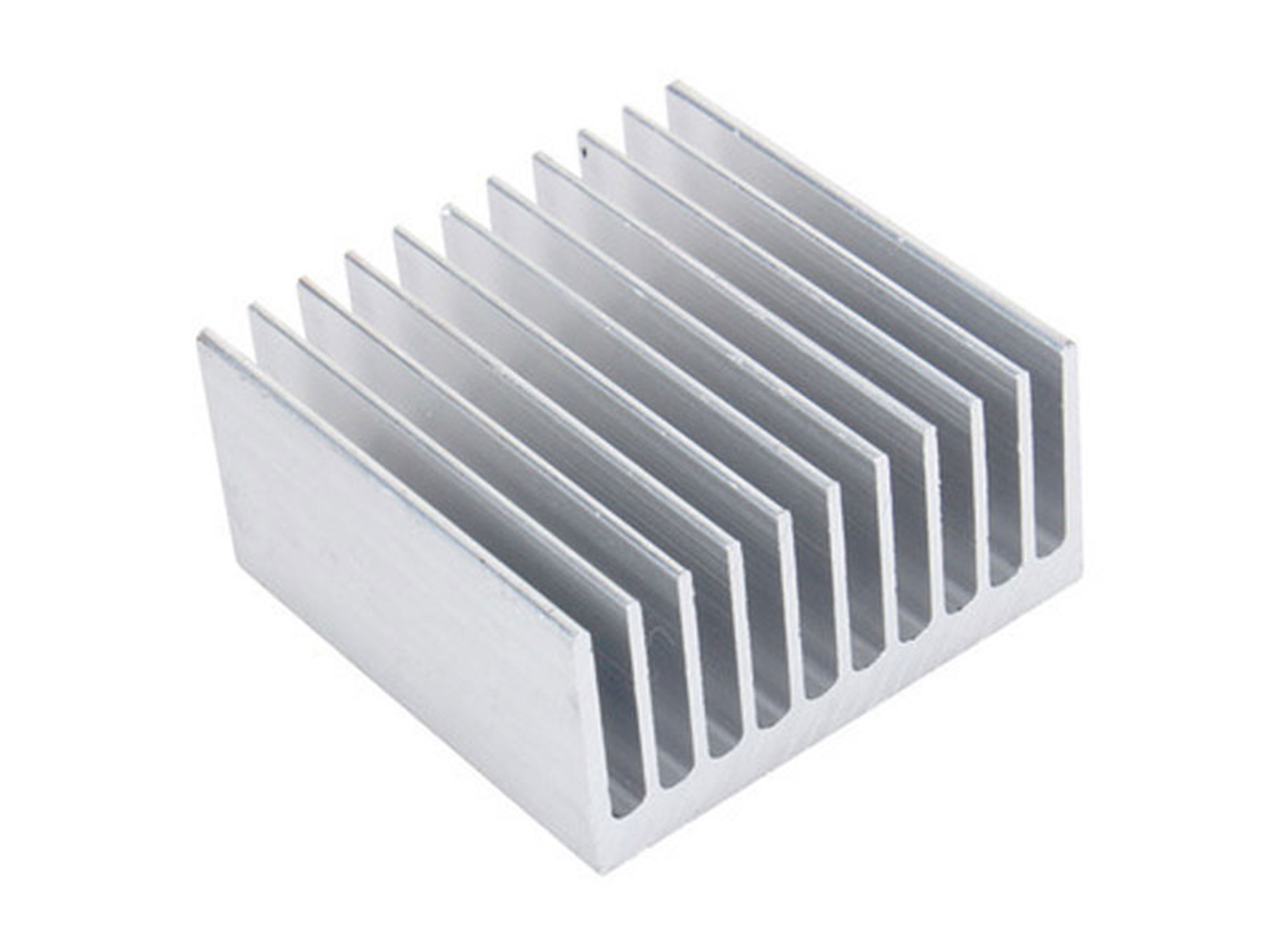
Marine aluminum heat sink profile
Marine Grade Aluminum Heat Sink Profiles utilize alloys such as 6061 and 6063 that not only exhibit high thermal conductivity but also possess excellent corrosion resistance required for saltwater exposure.
View Details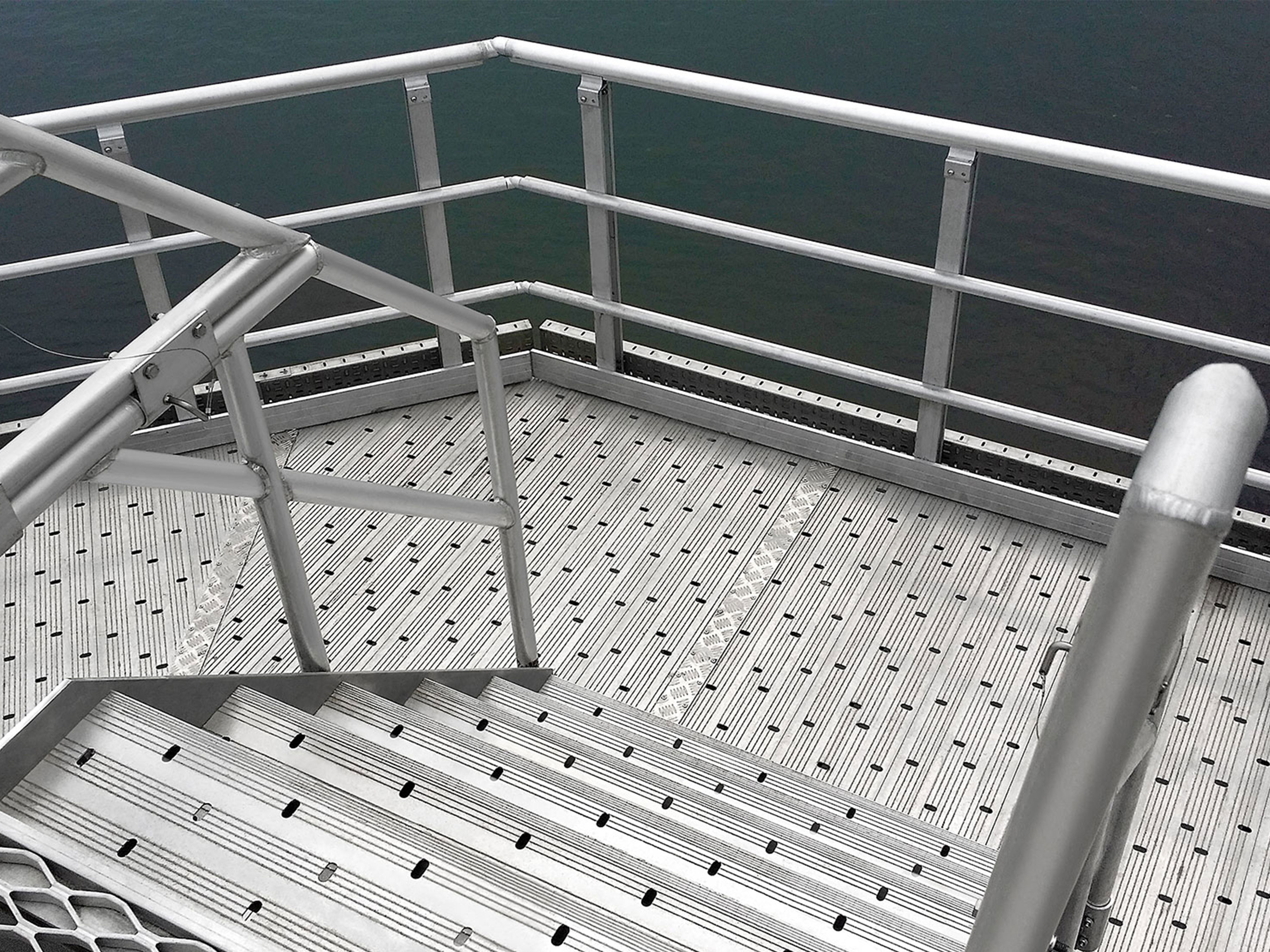
Marine aluminum customized shapes
Marine Grade Aluminum Customized Shapes encompass a broad range of aluminum extrusions and fabrications engineered beyond standard profiles—such as channels, angles, tubes, and beams—into complex, project-specific geometries.
View Details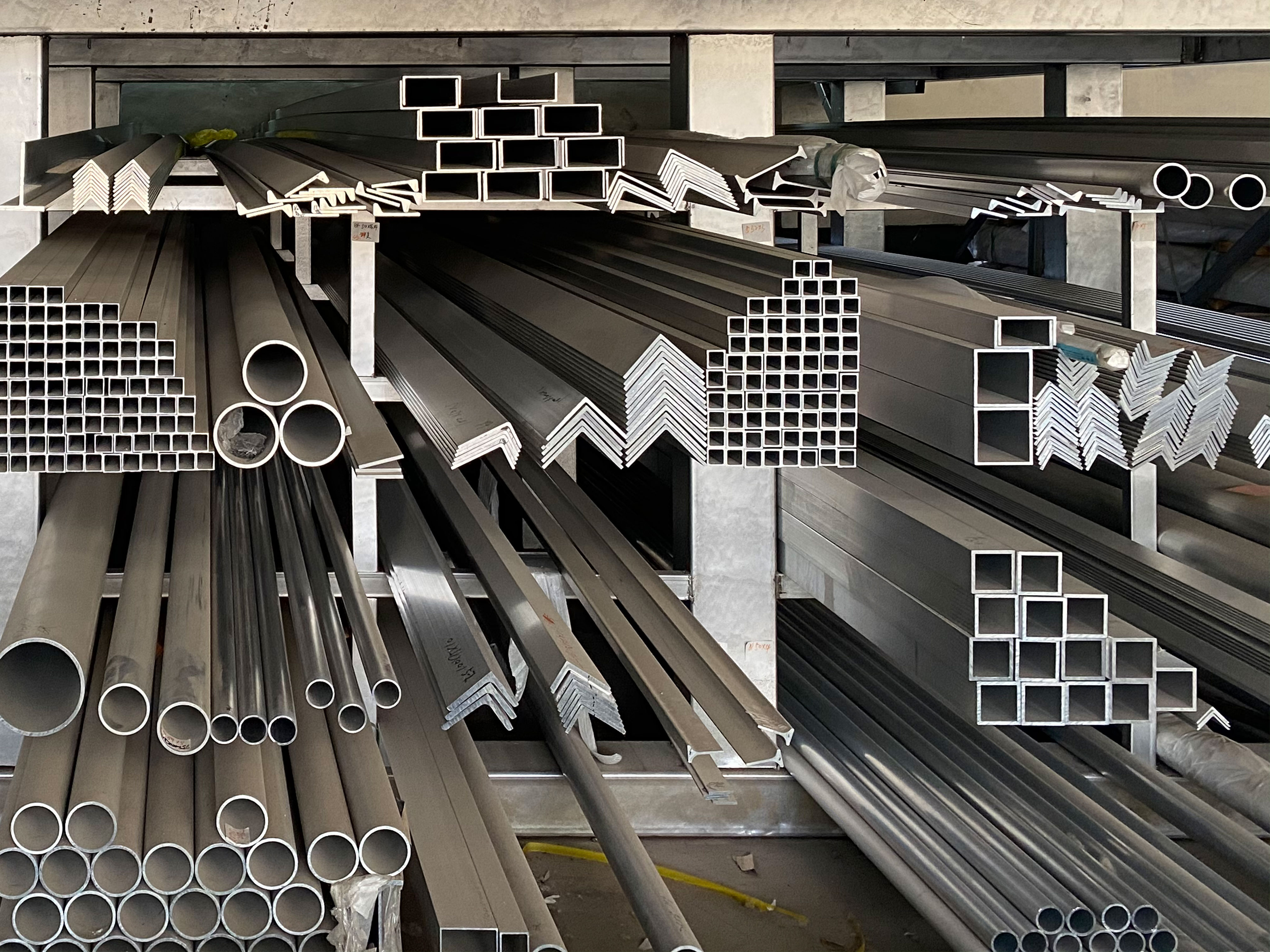
Marine aluminum fencing and railings
Marine Grade Aluminum Fencing and Railings are fabricated using marine-grade aluminum alloys such as 5083, 5052, and 6061, which are engineered specifically for protection against saltwater corrosion and marine atmospheric conditions.
View DetailsRelated Blog
Marine Aluminum Fencing And Railings For Lightweight Boat And Ship Deck Railings
Explore marine aluminum fencing and railings for boat and ship decks, with alloy data, performance specs, installation guidance, and use cases.
View Details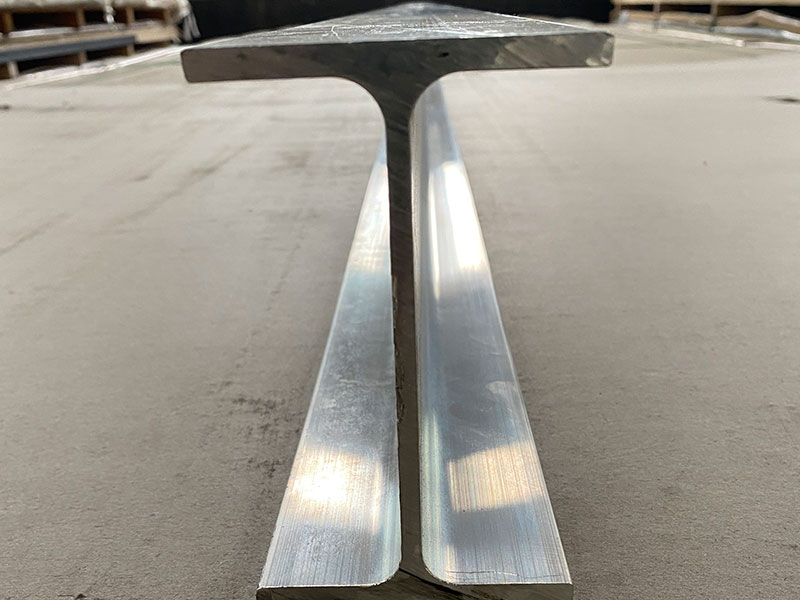
6061 Marine Aluminum Fencing and Railings for Custom Offshore Deck and Railings
6061 Marine Aluminum fencing and railings provide a lightweight, corrosion-resistant, high-strength solution for custom offshore decks and railings.
View Details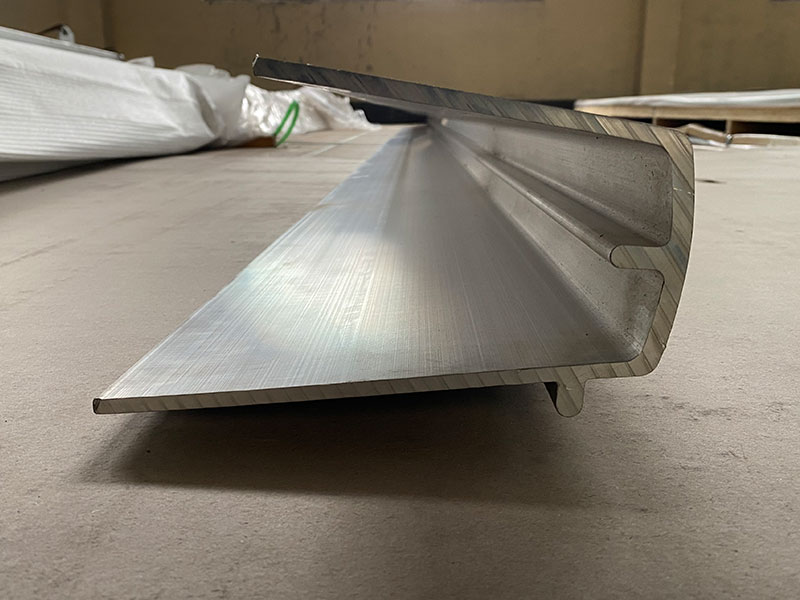
Marine Aluminum Heat Sink Profile for Lightweight Offshore Cooling Systems
In the ever-challenging marine environment, offshore cooling systems must operate reliably, efficiently, and with minimal weight. This necessitates specialized materials and components, where marine aluminum heat sink profiles have emerged as a solution.
View Details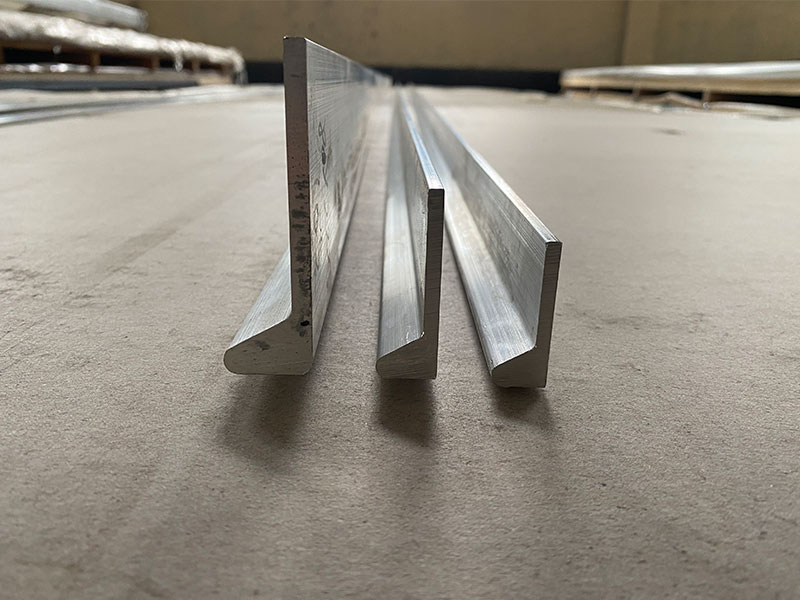
Marine Aluminum Fencing and Railings for High Strength Boat Deck Safety Barriers
When it comes to ensuring safety on boat decks, the choice of fencing and railing materials plays a critical role. Marine aluminum fencing and railings have emerged as the premier solution for high strength, corrosion-resistant.
View Details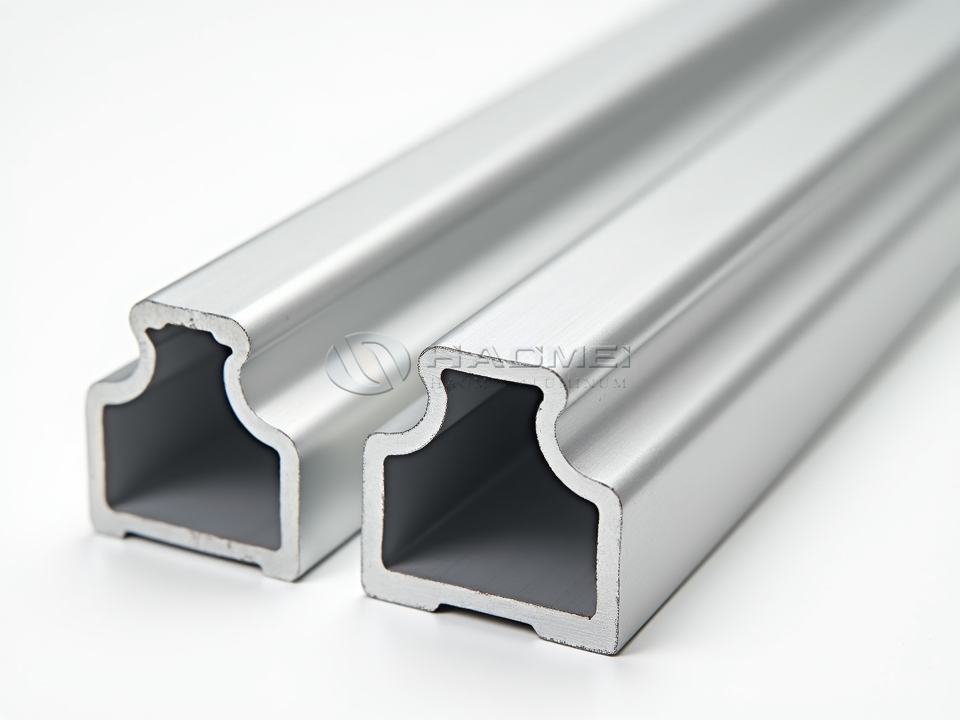
Marine Aluminum Fencing and Railings for Custom Coastal Guardrail Solutions
Marine aluminum fencing and railings deliver lightweight, corrosion-resistant guardrail solutions for docks, marinas, waterfront paths, and coastal facilities.
View Details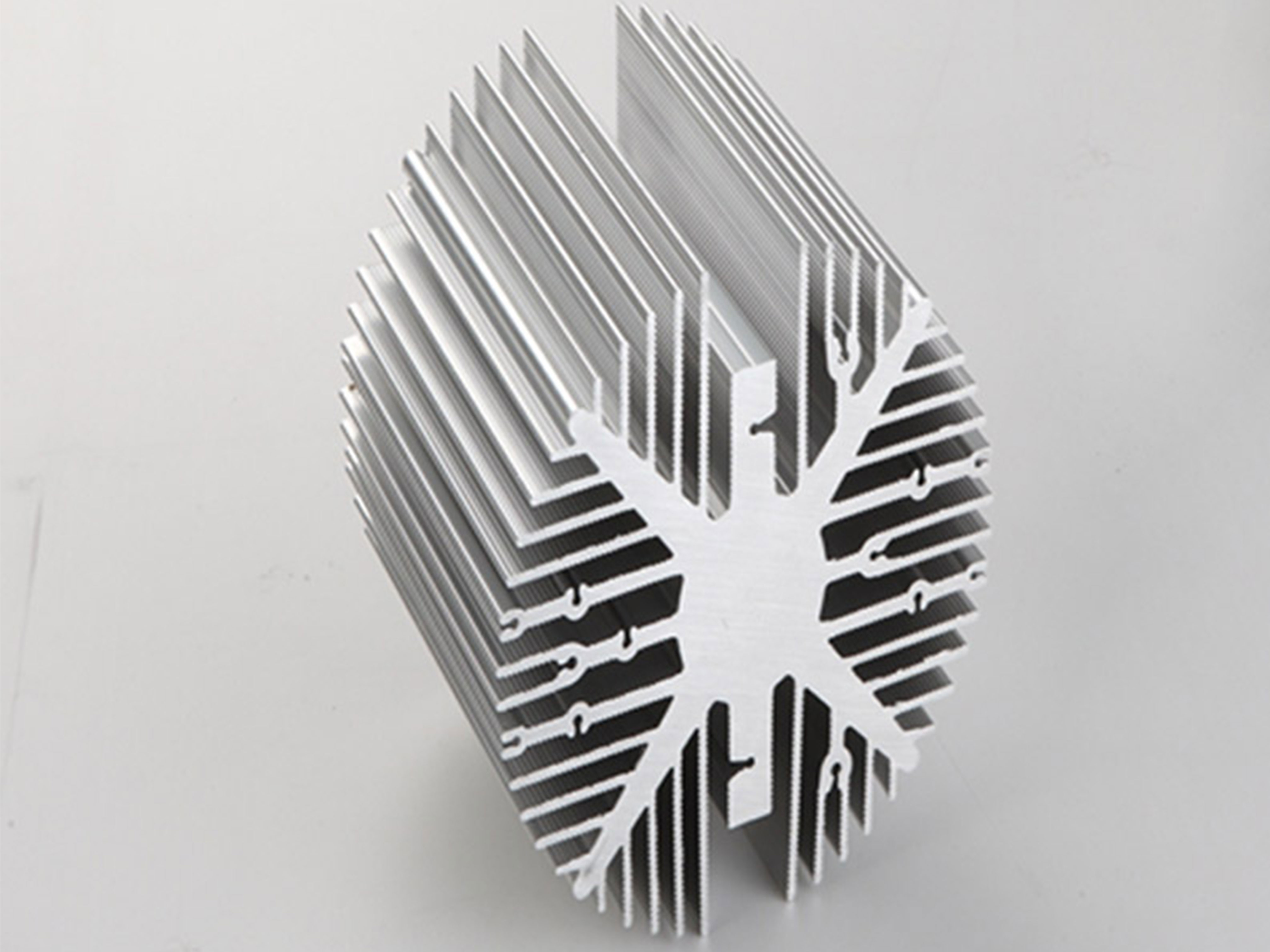
5052 Marine Aluminum Customized Shapes for High Strength Offshore Platforms
Superior qualities of 5052 Marine Aluminum, a high-strength material ideal for customized shapes used in offshore platforms. Learn about its key features, applications, and technical specifications.
View Details
Leave a Message