
Marine Aluminum Fencing And Railings For Lightweight Boat And Ship Deck Railings
Marine aluminum fencing and railings are designed to protect passengers, crew, and cargo while keeping boat and ship structures light, clean, and corrosion resistant. On working decks, passenger walkways, pontoons, yachts, ferries, patrol boats, and offshore service vessels, the railing system must resist salt spray, vibration, impact, and constant handling without adding unnecessary top weight.
Compared with stainless steel or carbon steel, aluminum railings provide a strong balance of low density, formability, and marine durability. A well-designed aluminum deck railing system can reduce weight, simplify installation, and improve long-term appearance with anodized, powder-coated, or mill-finished surfaces.
Why Aluminum Works on Deck
Aluminum is naturally protected by a thin oxide film, which helps it perform well in marine atmospheres. When paired with suitable alloy selection, proper drainage, isolated fasteners, and quality surface treatment, it becomes an efficient material for railings exposed to seawater, rain, UV, and cleaning chemicals.
| Property | Marine Aluminum Railing Benefit |
|---|---|
| Low density | Reduces deck load and vessel top weight |
| Corrosion resistance | Suitable for saltwater splash zones and humid cabins |
| Extrudability | Allows clean tubular, oval, rectangular, and custom profiles |
| Weldability | Supports strong joints, brackets, posts, and modular frames |
| Surface finish options | Compatible with anodizing, powder coating, brushing, and polishing |
| Recyclability | Supports lighter and more sustainable marine construction |
Aluminum railings are especially valuable where repeated installation and removal may be required, such as modular ferry decks, fishing boat work zones, and maintenance access platforms.
Main Design Features
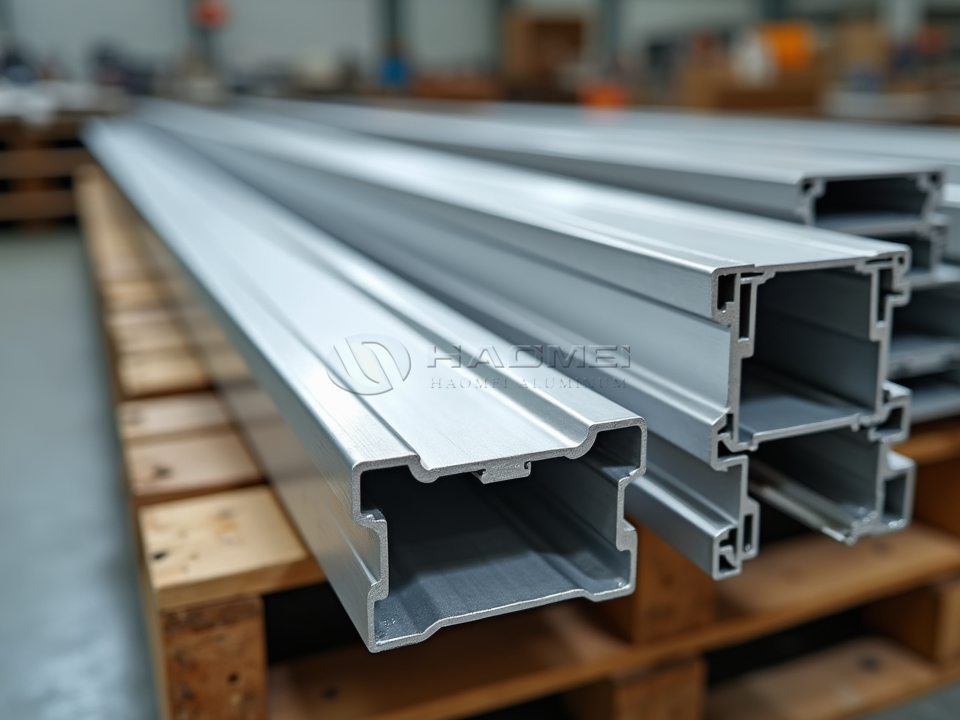
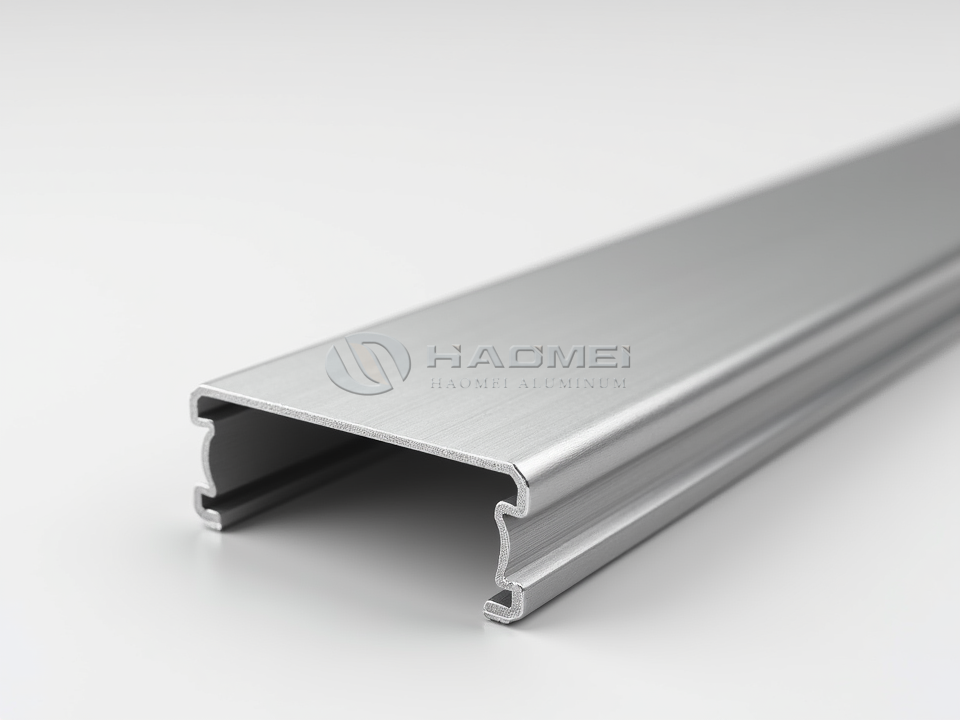
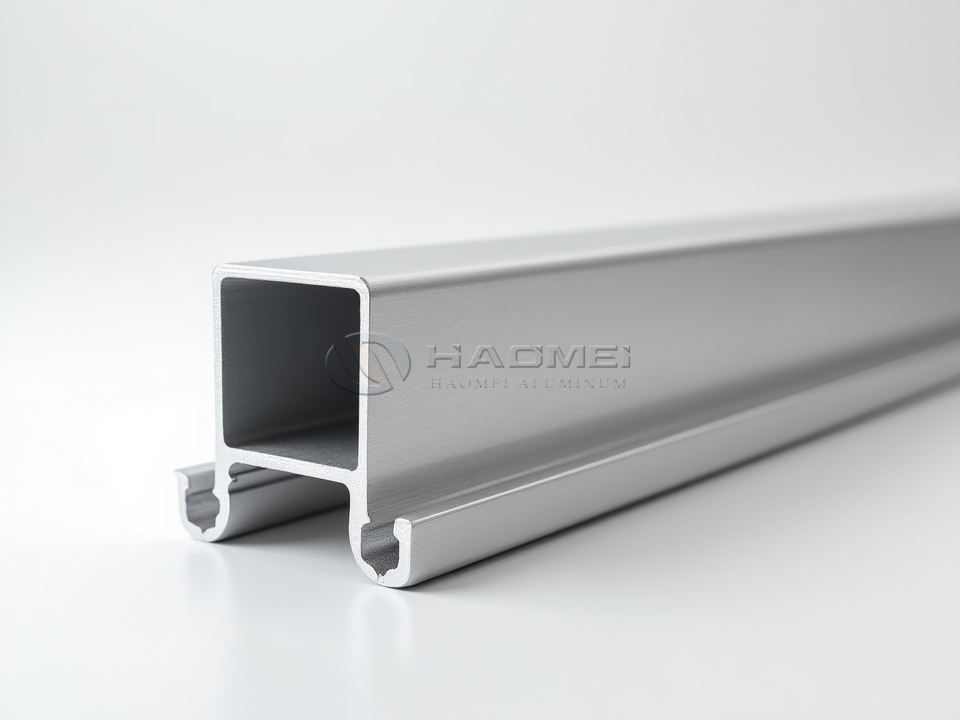
Marine aluminum railing systems are built from posts, handrails, mid-rails, toe rails, base plates, corner connectors, gates, and mounting brackets. Profiles may be round, square, oval, slotted, or reinforced depending on the load requirement and the vessel layout.
For integrated deck construction, railing profiles can be matched with Marine Grade Aluminum Profiles used in gunwales, deck frames, hatch frames, rub rails, and companion structures.
| Feature | Practical Value |
|---|---|
| Smooth rounded edges | Comfortable hand contact and reduced snagging of ropes or clothing |
| Hollow extrusion design | High stiffness with lower weight than solid bars |
| Drainage-friendly geometry | Reduces trapped seawater and crevice corrosion risk |
| Modular fabrication | Shorter installation time during vessel outfitting |
| Welded or bolted assembly | Flexible for permanent or removable deck zones |
| Compatible finishes | Easy matching with hull color, cabin trim, or deck hardware |
Recommended Alloys
The alloy should be chosen according to exposure level, strength demand, forming method, and finishing requirement. For most railings, 6063 and 6061 are commonly used because they extrude well and provide good surface quality. 6082 is selected where higher strength is desired, while 5083 is useful for welded brackets, plates, and structural marine parts.
| Alloy | Typical Use in Railing Systems | Strength Level | Corrosion Resistance | Notes |
|---|---|---|---|---|
| 6063-T5/T6 | Handrails, posts, decorative profiles | Medium | Good | Excellent extrusion surface and anodizing response |
| 6061-T6 | Structural posts, base fittings, gates | Medium-high | Good | Strong and widely used in marine fabrication |
| 6082-T6 | Heavy-duty guard rails, commercial vessels | High | Good | Higher mechanical strength than 6063 |
| 5083-H111/H116 | Mounting plates, welded marine components | High | Excellent | Strong seawater resistance, especially for welded assemblies |
Chemical Composition
The following values are typical ranges based on common international aluminum alloy standards. Final composition can be confirmed according to project drawings, classification requirements, or customer specifications.
| Alloy | Mg % | Si % | Mn % | Cr % | Fe % Max | Cu % Max | Zn % Max | Al |
|---|---|---|---|---|---|---|---|---|
| 6063 | 0.45-0.90 | 0.20-0.60 | 0.10 max | 0.10 max | 0.35 | 0.10 | 0.10 | Balance |
| 6061 | 0.80-1.20 | 0.40-0.80 | 0.15 max | 0.04-0.35 | 0.70 | 0.15-0.40 | 0.25 | Balance |
| 6082 | 0.60-1.20 | 0.70-1.30 | 0.40-1.00 | 0.25 max | 0.50 | 0.10 | 0.20 | Balance |
| 5083 | 4.00-4.90 | 0.40 max | 0.40-1.00 | 0.05-0.25 | 0.40 | 0.10 | 0.25 | Balance |
The magnesium and silicon in 6xxx alloys form strengthening phases after heat treatment. In 5083, higher magnesium content improves seawater resistance and welded strength retention.
Mechanical and Physical Performance
| Material Condition | Tensile Strength MPa | Yield Strength MPa | Elongation % | Density g/cm3 | Typical Role |
|---|---|---|---|---|---|
| 6063-T5 | 145-185 | 110-145 | 8-12 | 2.70 | Standard handrails and light posts |
| 6063-T6 | 205-240 | 170-215 | 8-10 | 2.70 | Stronger rail sections with good finish |
| 6061-T6 | 260-310 | 240-275 | 8-12 | 2.70 | Posts, frames, gates, welded assemblies |
| 6082-T6 | 290-340 | 250-310 | 6-10 | 2.70 | Heavy-duty railing and guard structures |
| 5083-H116 | 305-350 | 215-250 | 10-16 | 2.66 | Marine plates, brackets, welded supports |
Because aluminum weighs roughly one-third as much as steel, it is well suited for deck railings where high mounted weight affects vessel stability, fuel efficiency, and handling.
Typical Technical Specifications
| Parameter | Common Range or Option |
|---|---|
| Handrail outside diameter | 25 mm, 32 mm, 38 mm, 50 mm, or custom |
| Rectangular rail size | 30 x 20 mm to 80 x 40 mm |
| Wall thickness | 1.5-5.0 mm depending on span and load |
| Post spacing | 600-1200 mm typical, adjusted by code or design load |
| Standard profile length | 3 m, 4 m, 6 m, or cut-to-length |
| Surface finish | Mill finish, anodized, powder coated, brushed, polished |
| Anodizing thickness | 10-25 microns for marine exterior use |
| Powder coating thickness | 60-100 microns typical |
| Fabrication options | Cutting, drilling, bending, welding, CNC machining |
| Assembly method | Welded, bolted, sleeved, or modular clamp connection |
For special hull lines, curved decks, or non-standard mounting angles, Marine aluminum fencing and railings can be produced with customized sections, end caps, corner elbows, and pre-drilled base plates.
Applications on Boats and Ships
Marine aluminum railings serve many vessel types and deck layouts. They can be designed for light passenger guidance, heavy-duty fall protection, or equipment separation in busy operating areas.
| Vessel or Area | Typical Railing Function |
|---|---|
| Yacht decks | Elegant handrails, balcony guards, flybridge protection |
| Ferries and passenger boats | Crowd guidance, safety barriers, boarding zones |
| Fishing vessels | Work deck protection, net handling boundaries, stern rails |
| Patrol and rescue boats | Lightweight guard rails around fast-access decks |
| Workboats | Equipment separation, service walkways, removable rails |
| Pontoons and docks | Perimeter fencing, gangway rails, marina access protection |
| Offshore service vessels | Maintenance access, platform edge protection |
Fabrication and Installation Notes
Good railing performance depends on more than alloy selection. Drainage holes, sealed joints, compatible fasteners, and correct surface preparation all affect service life.
| Installation Detail | Recommended Practice |
|---|---|
| Fasteners | Use 316 stainless steel or coated marine fasteners with isolation washers |
| Contact with steel | Add non-conductive gaskets to reduce galvanic corrosion |
| Weld zones | Clean oxide layers and apply suitable post-weld finishing |
| Drainage | Avoid closed pockets where saltwater can remain trapped |
| Deck mounting | Reinforce thin decks with backing plates where load is concentrated |
| Surface care | Rinse with fresh water and avoid aggressive alkaline cleaners |
Anodized railings provide a hard oxide layer with a metallic appearance, while powder coating offers broader color selection and improved visual matching with cabins or hull panels. For commercial vessels, a practical finish often matters as much as gloss: it must be easy to clean, resistant to scratches, and repairable during maintenance.
Customer Value
Marine aluminum fencing and railings help builders and operators reduce weight while maintaining dependable deck safety. The material supports clean styling for leisure boats and rugged performance for commercial service. With the right alloy, profile geometry, finish, and installation method, aluminum railings deliver long service life in saltwater environments while keeping fabrication efficient.
For new vessel construction, retrofits, dock upgrades, and modular marine platforms, aluminum railing systems offer a practical route to lighter decks, faster assembly, and reliable corrosion resistance.

Related Products
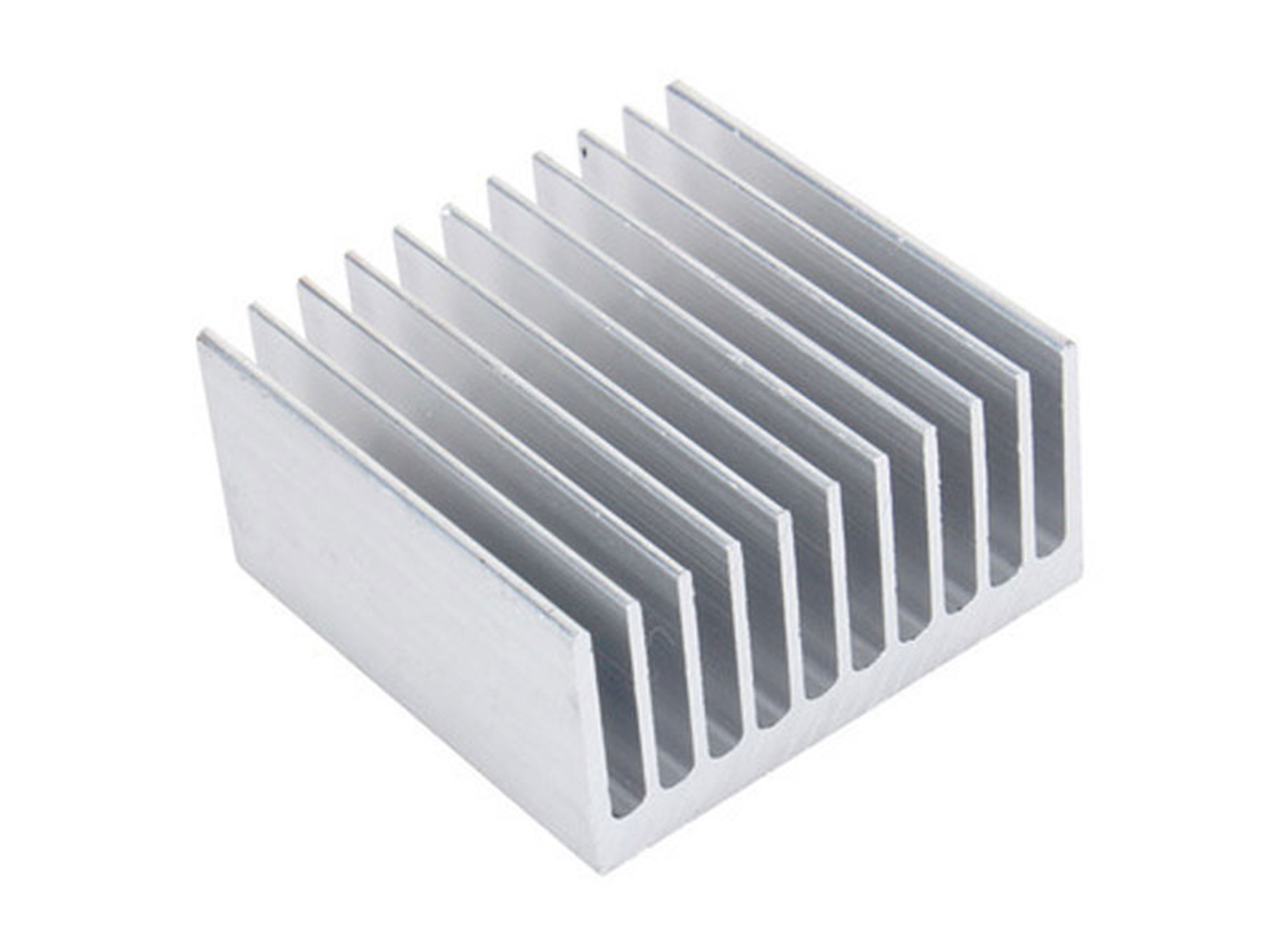
Marine aluminum heat sink profile
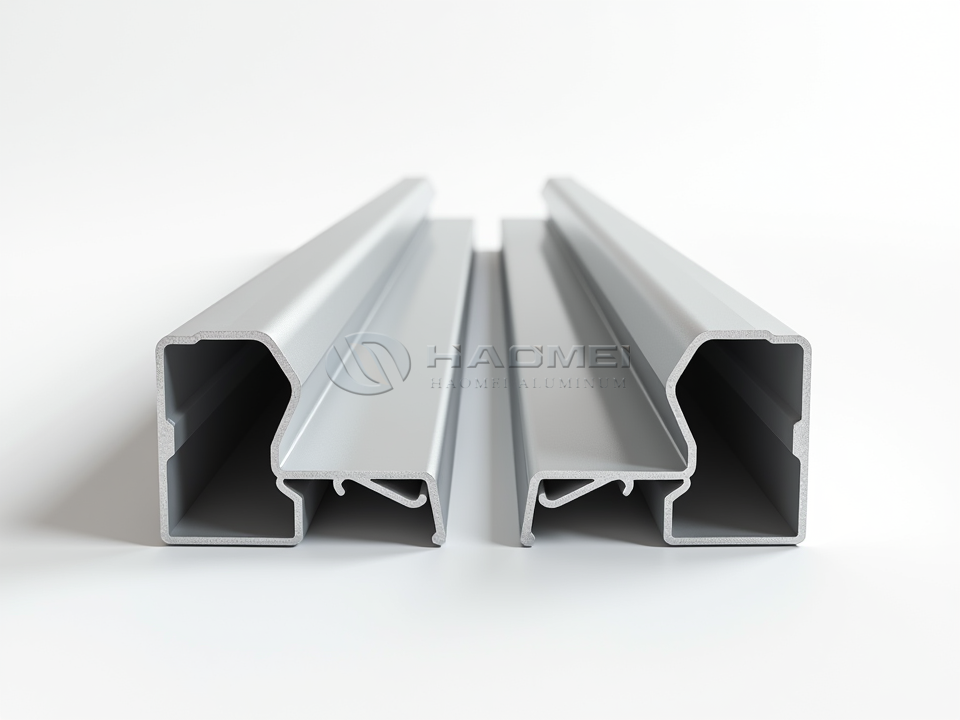
Marine Grade Aluminum Heat Sink Profiles utilize alloys such as 6061 and 6063 that not only exhibit high thermal conductivity but also possess excellent corrosion resistance required for saltwater exposure.
View Details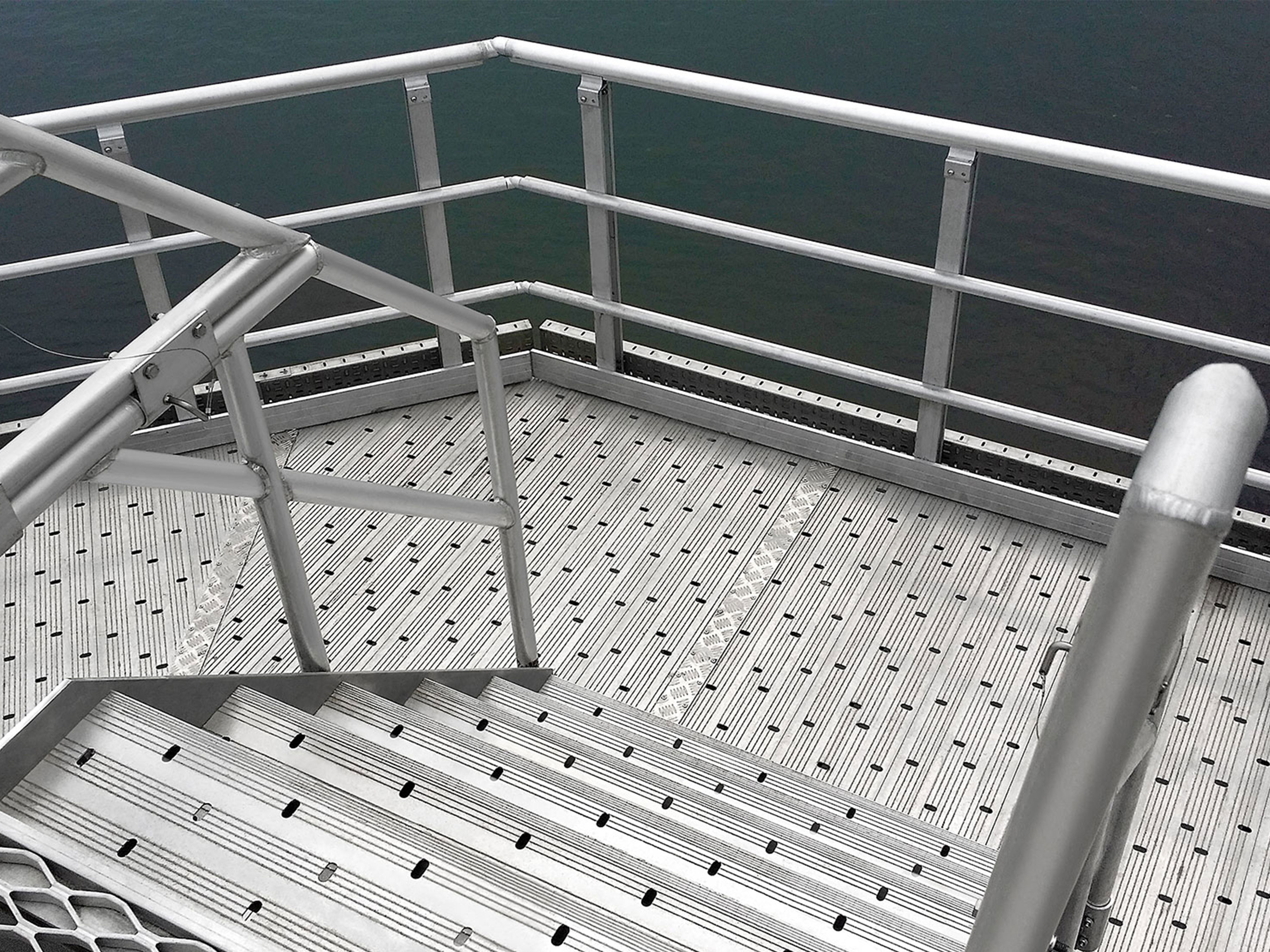
Marine aluminum customized shapes
Marine Grade Aluminum Customized Shapes encompass a broad range of aluminum extrusions and fabrications engineered beyond standard profiles—such as channels, angles, tubes, and beams—into complex, project-specific geometries.
View Details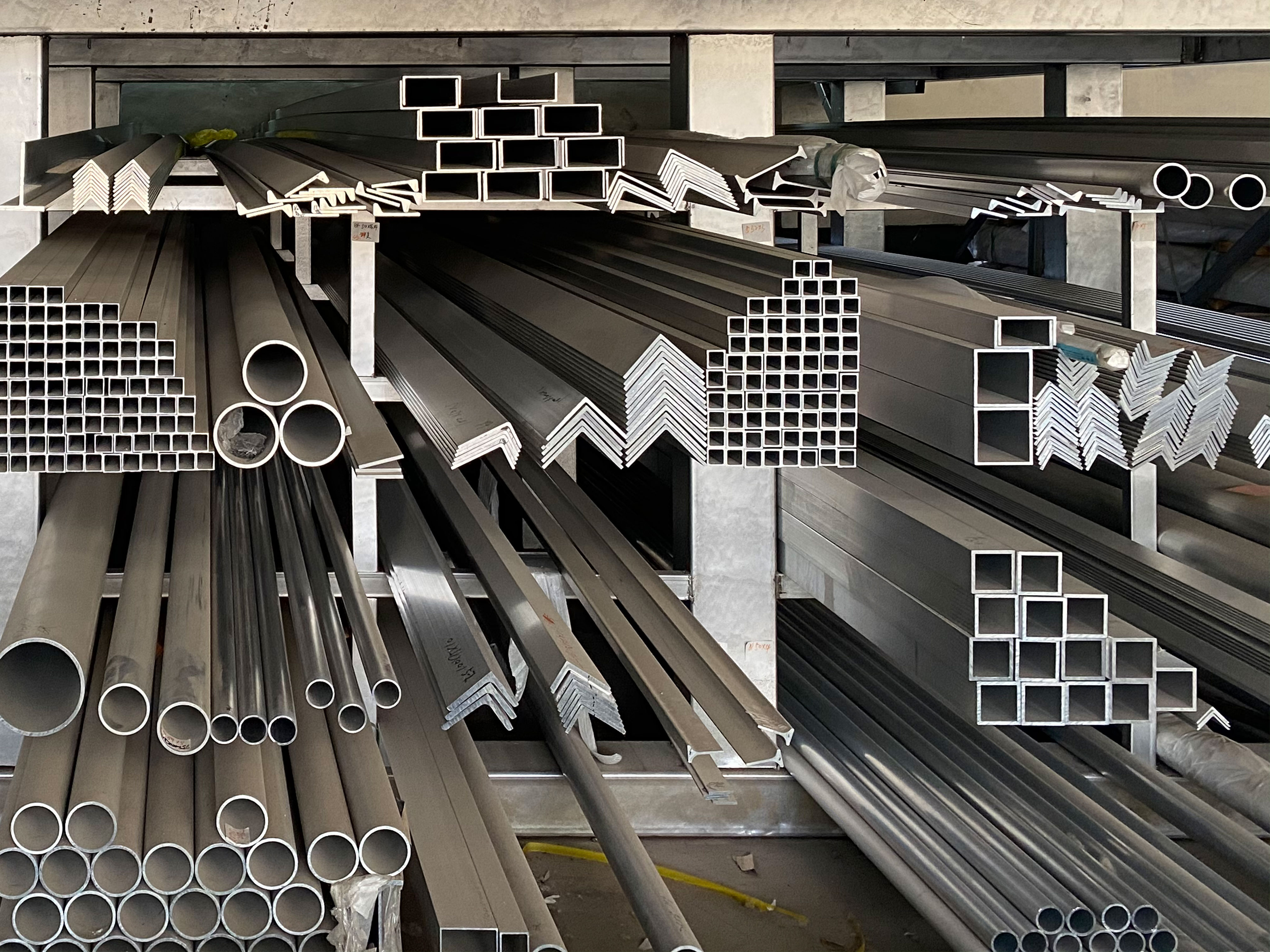
Marine aluminum fencing and railings
Marine Grade Aluminum Fencing and Railings are fabricated using marine-grade aluminum alloys such as 5083, 5052, and 6061, which are engineered specifically for protection against saltwater corrosion and marine atmospheric conditions.
View DetailsRelated Blog
Marine Aluminum Heat Sink Profile for Efficient Heat Management for Coastal Systems
Explore marine aluminum heat sink profiles engineered for reliable cooling, salt-spray resistance, and long service life in coastal systems.
View Details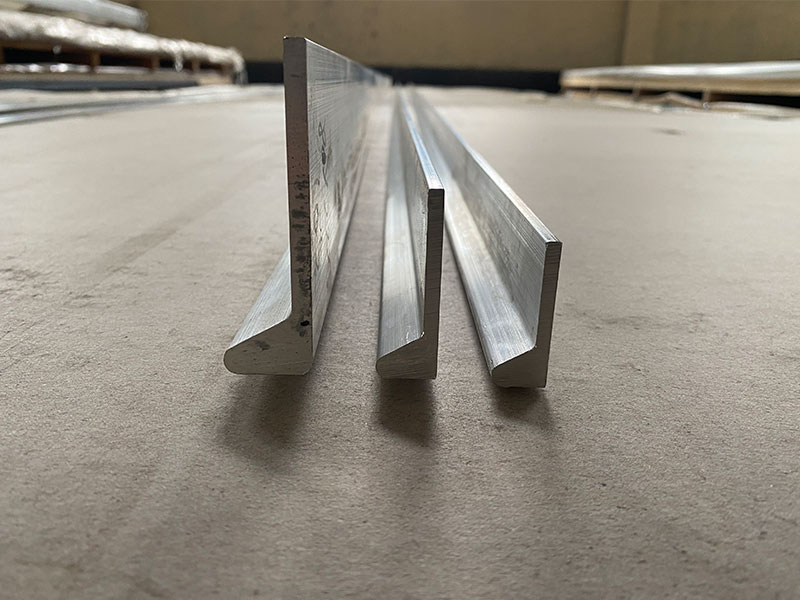
Marine Aluminum Heat Sink Profile for Lightweight Offshore Heat Dissipation
Aluminum has long been a staple in the marine industry due to its lightweight, corrosion-resistant, and sturdy properties. One of the innovative applications of aluminum is the Marine Aluminum Heat Sink Profile.
View Details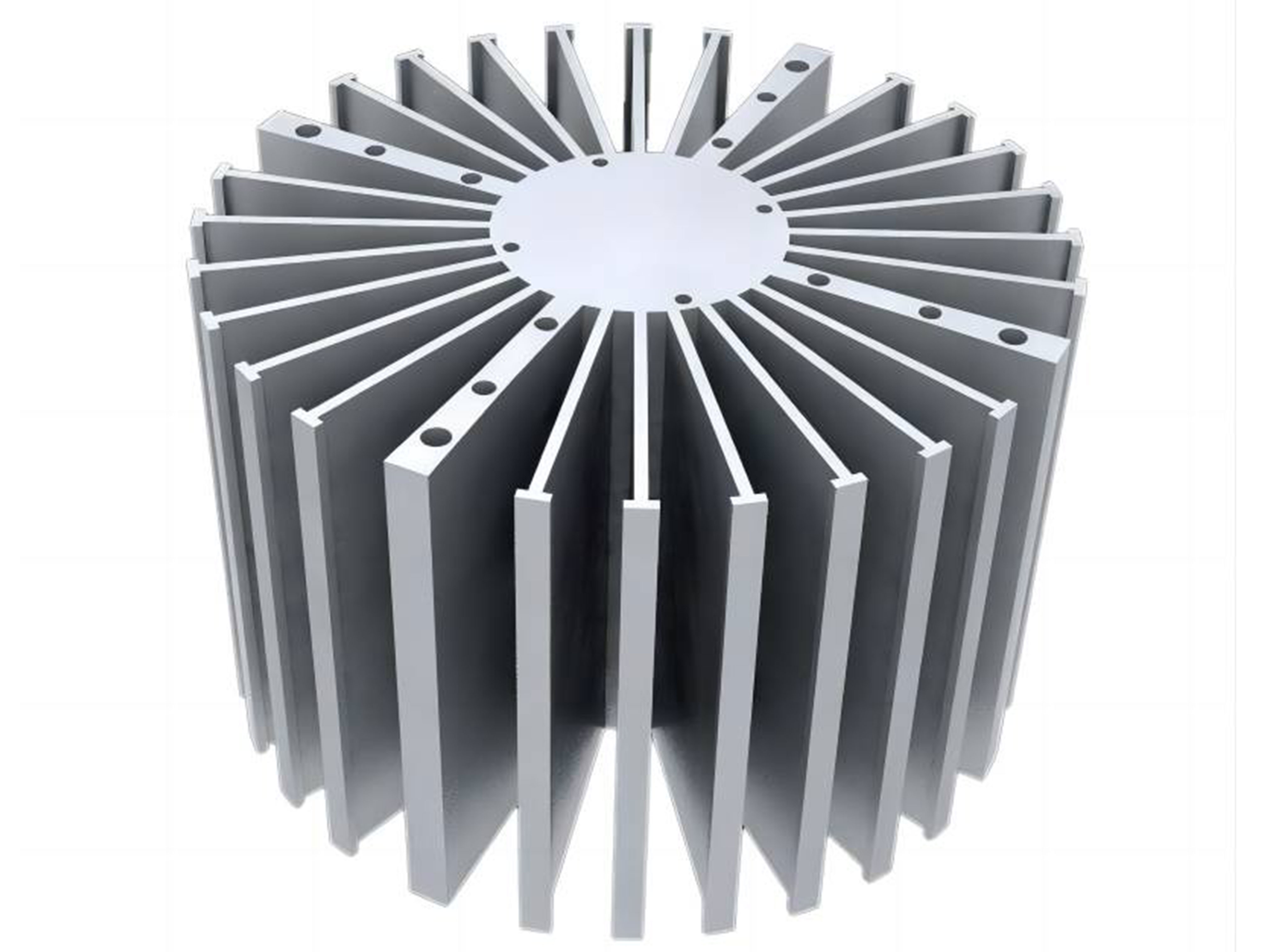
6063 Marine Aluminum Heat Sink Profile for Efficient Thermal Management of Boat Engines
Boat engines live in a thermal paradox: they're surrounded by water, yet they fight heat every second they run. The real enemy isn't just high temperature-it's uneven temperature.
View Details
Marine Aluminum Heat Sink Profile for Cooling Coastal Offshore Engineering Equipment
Marine aluminum heat sink profiles combine conductive fin geometry, corrosion control, and low mass to cool exposed coastal and offshore electrical equipment.
View Details
Marine Aluminum Fencing and Railings for High Strength Boat Deck Safety Barriers
When it comes to ensuring safety on boat decks, the choice of fencing and railing materials plays a critical role. Marine aluminum fencing and railings have emerged as the premier solution for high strength, corrosion-resistant.
View Details
Marine Aluminum Fencing and Railings for Offshore Safety Fencing and Guardrails
Marine aluminum fencing and railings offer corrosion resistance, low weight, and reliable edge protection for offshore safety systems.
View Details
Leave a Message