
Marine Aluminum Fencing and Railings for Custom Coastal Guardrail Solutions
Built for Salt Spray, Wind, and Waterfront Safety
Marine aluminum fencing and railings are engineered to create dependable safety boundaries in harsh coastal environments. From marina walkways and ferry terminals to private piers, seawalls, resort decks, and public waterfront promenades, these guardrail systems combine low structural weight with long-term resistance to saltwater exposure.
Unlike ordinary steel railings, aluminum does not form red rust. Its naturally occurring oxide film provides a protective barrier, while anodizing or marine-grade powder coating adds another layer of defense against chloride attack, ultraviolet exposure, moisture, and abrasion. The result is a clean, durable railing system that retains its appearance with considerably lower maintenance demands.
Design Flexibility for Coastal Guardrails
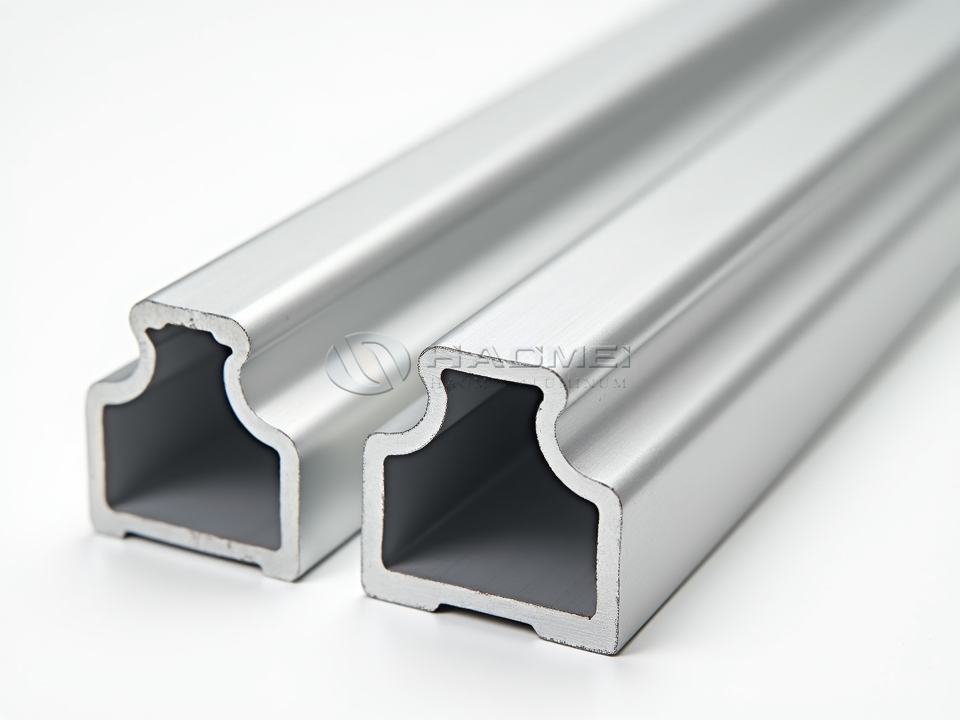
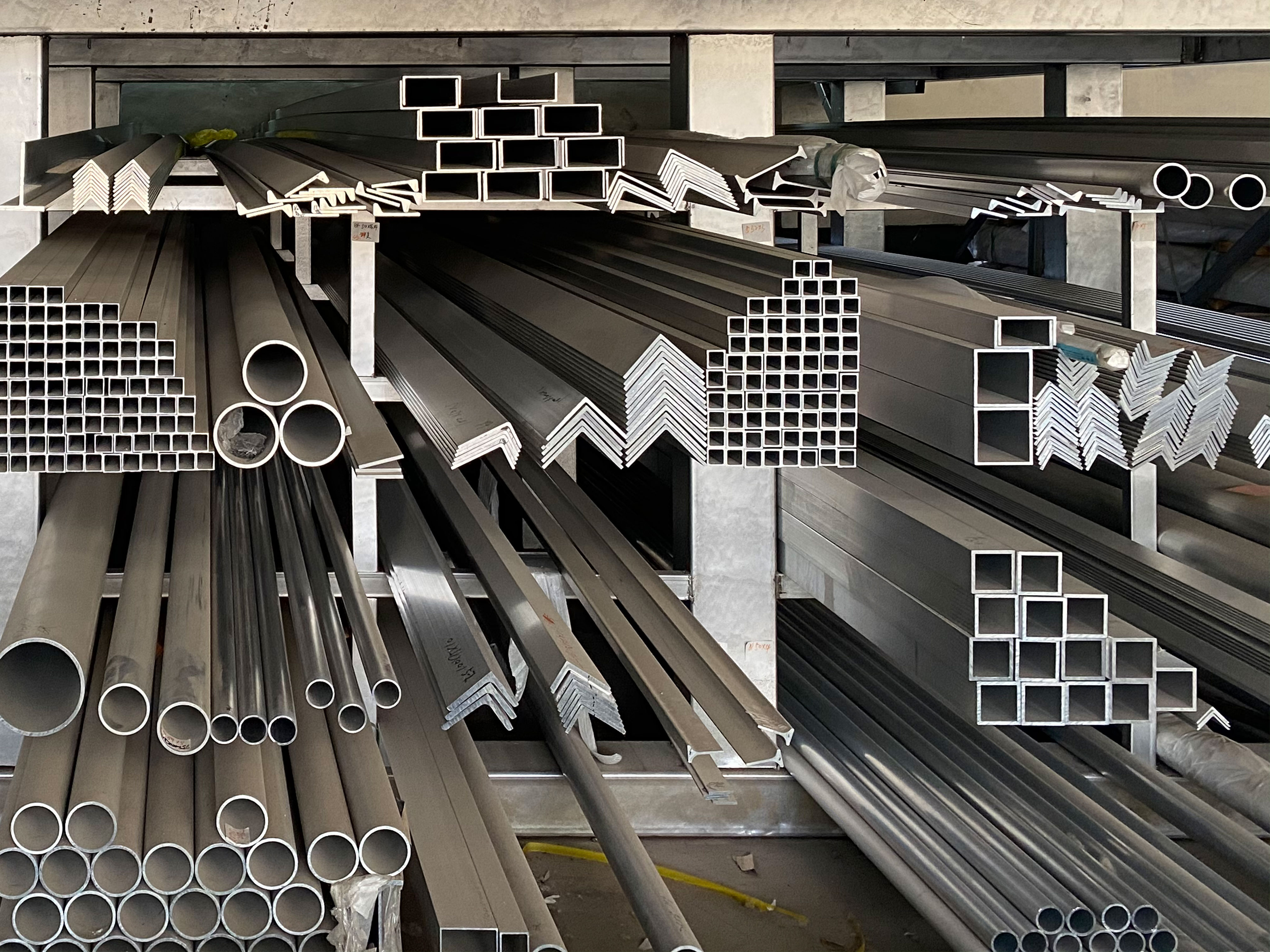
Every coastline presents different engineering and visual requirements. A fishing pier may need impact-resistant rails with closely spaced infill, while a waterfront hotel may require a slim, architectural handrail with open views of the water. Marine aluminum fencing and railings can be fabricated from round tubes, square tubes, rectangular sections, channels, slotted rails, and custom extruded profiles.
A custom system may include top rails, mid rails, vertical pickets, horizontal infill bars, framed mesh panels, privacy screens, swing gates, self-closing access gates, toe boards, corner posts, and reinforced base plates. Curved rail sections can follow boardwalk arcs, slipway edges, yacht club decks, and irregular seawall geometries without making the installation appear fragmented.
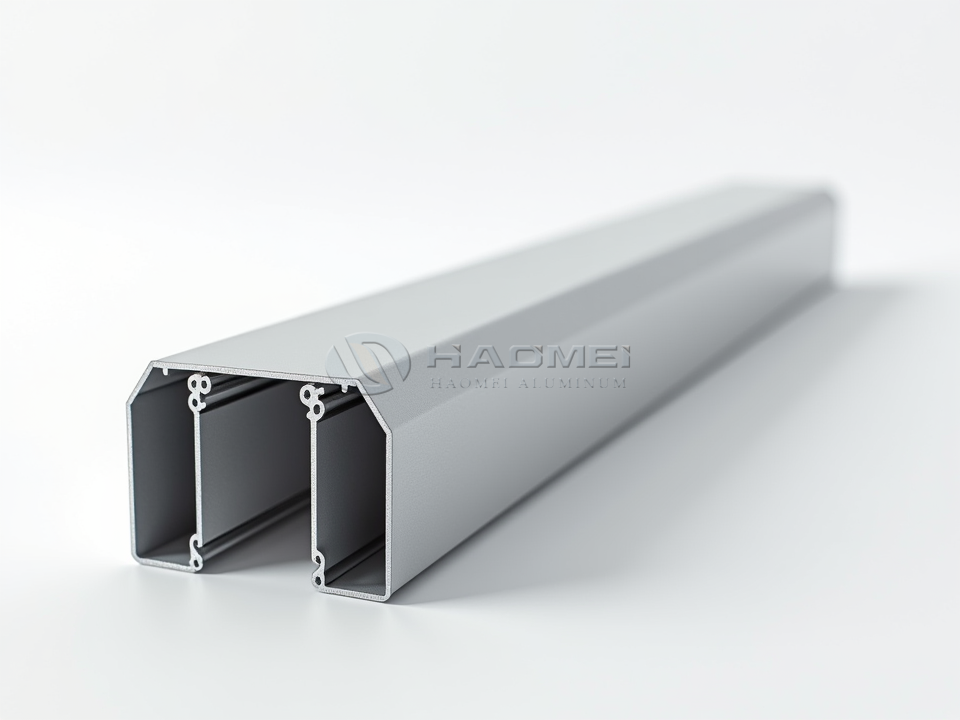
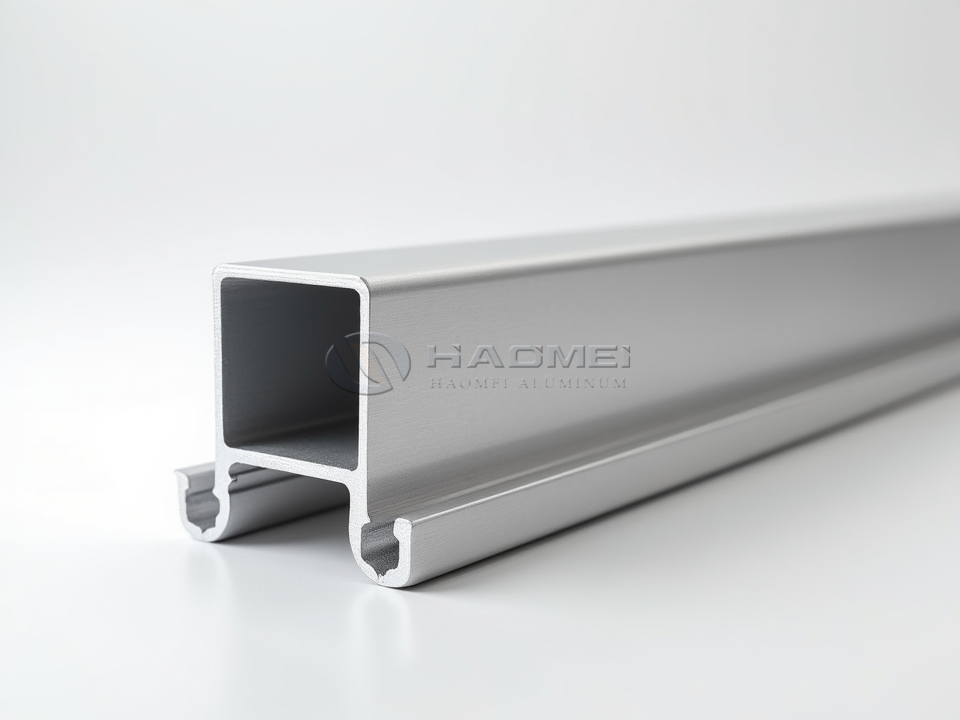
For complex projects, Marine aluminum customized shapes allow designers to specify profiles that combine drainage paths, concealed fastener channels, LED strip recesses, capping features, or glazing supports in one extrusion.
| System Element | Common Configuration | Coastal Function |
|---|---|---|
| Top handrail | Round, oval, or rectangular aluminum tube | Comfortable grip and continuous pedestrian support |
| Posts | Square or round tube with welded or bolted base | Transfers wind and service loads to the deck structure |
| Infill | Vertical pickets, horizontal rails, mesh, or cable-compatible frames | Provides fall protection while controlling visibility |
| Base plate | Reinforced aluminum plate with drainage clearance | Enables secure concrete, steel, timber, or composite mounting |
| Gate frame | Welded aluminum frame with marine hinges and latch | Provides controlled access to pontoons, service areas, and docks |
| Finish | Anodized or powder-coated surface | Improves weathering resistance and visual consistency |
Marine Alloy Selection and Material Performance
The alloy must match the component's duty. Extruded railing members commonly use 6063-T5 or 6063-T6 because this alloy produces smooth, visually attractive profiles and accepts anodized finishes well. Higher-strength 6061-T6 or 6082-T6 may be selected for heavily loaded posts, brackets, base plates, and structural connection components. Where fabricated sheet, plate, or welded marine structures are required, 5052, 5083, or 5086 aluminum can be suitable options due to their strong corrosion performance in seawater conditions.
| Alloy | Typical Temper | Typical Use in Railing Systems | Tensile Strength, MPa | Corrosion Behavior |
|---|---|---|---|---|
| 6063 | T5 / T6 | Handrails, decorative extrusions, pickets | 150-240 | Very good with anodizing or powder coating |
| 6061 | T6 | Posts, brackets, reinforced fittings | 260-310 | Good, with careful isolation at connections |
| 6082 | T6 | Higher-load supports and structural members | 290-340 | Good marine-atmosphere performance |
| 5052 | H32 | Formed panels, covers, light fabricated parts | 190-230 | Excellent resistance to marine atmosphere |
| 5083 | H116 / H321 | Welded bases, marine plates, heavy fabricated sections | 275-350 | Excellent seawater resistance |
Typical Chemical Composition
Composition ranges vary by applicable standard and mill specification. The figures shown are commonly used reference values for marine railing material selection.
| Alloy | Magnesium % | Silicon % | Iron % Max. | Copper % Max. | Manganese % | Chromium % | Aluminum |
|---|---|---|---|---|---|---|---|
| 6063 | 0.45-0.90 | 0.20-0.60 | 0.35 | 0.10 | 0.10 | 0.10 | Balance |
| 6061 | 0.80-1.20 | 0.40-0.80 | 0.70 | 0.15-0.40 | 0.15 | 0.04-0.35 | Balance |
| 5083 | 4.00-4.90 | 0.40 | 0.10 | 0.10 | 0.40-1.00 | 0.05-0.25 | Balance |
Corrosion Control Starts at the Connection
A good aluminum guardrail is more than a suitable alloy. The mounting design is equally important. Coastal projects should avoid water traps at post bases, cap ends, splices, and horizontal surfaces. Drainage holes, end caps, sealants, and elevated base plates help prevent standing saltwater from remaining in contact with joints.
Galvanic corrosion must also be considered when aluminum meets stainless steel, carbon steel, copper-bearing materials, or treated timber. Marine-grade stainless fasteners can be used successfully when insulating washers, sleeves, gaskets, or non-conductive barrier tapes separate dissimilar metals. Fasteners should be accessible for inspection and replacement, particularly on floating docks and high-traffic public structures.
Powder coating is available in coastal colors ranging from white and sand beige to charcoal, navy, bronze, and custom architectural tones. Anodized finishes offer a metallic appearance and excellent adhesion, while duplex protection, combining anodizing with powder coating, can be specified for demanding splash-zone locations.
Applications Across Marine and Coastal Facilities
Marine aluminum fencing and railings provide safe edge protection without adding excessive dead load to timber decks, floating pontoon systems, aluminum gangways, or concrete platforms. Their low weight is especially valuable where load capacity, transport handling, or onsite lifting access is limited.
Common applications include marina finger piers, floating dock perimeters, boarding ramps, yacht club terraces, ferry embarkation points, beach access paths, harbor observation decks, seawall walkways, canal-side barriers, boatyard platforms, waterfront restaurants, and residential balconies exposed to sea air. Railing panels can also separate public areas from mooring equipment, electrical pedestals, fuel systems, maintenance zones, and restricted marina operations.
For installations beside vessels and docking structures, compatible Marine Grade Aluminum Profiles can be selected for adjacent supports, channels, trims, deck framing, and protective assemblies, creating a consistent material system across the facility.
Fabrication and Installation Considerations
Railings may be supplied as cut-to-length components, prefabricated welded panels, knock-down modular kits, or fully assembled sections. TIG or MIG welding is commonly used for permanent aluminum joints, while bolted assemblies simplify transport, allow field adjustment, and support future replacement of damaged modules.
Engineering should account for design wind pressure, crowd loading, railing height, picket spacing, local building codes, deck substrate strength, and anchoring method. Coastal sites may also require attention to wave uplift, impact from carts or marine equipment, and vibration from floating structures. A well-designed post layout keeps deflection controlled while preserving a light, open appearance.
Routine care is straightforward. Freshwater rinsing removes deposited salt, especially after storms. Mild detergent can clean powder-coated surfaces, while abrasive cleaners and harsh alkaline chemicals should be avoided. Periodic checks of fasteners, isolators, hinge hardware, drainage points, and coating damage help extend service life in aggressive marine atmospheres.
A Practical Guardrail Material for Coastal Projects
Marine aluminum fencing and railings bring together safety, corrosion resistance, adaptable fabrication, and modern architectural styling. With the right alloy, protective finish, connection isolation, and load-based engineering, they provide a durable guardrail solution for demanding waterfront environments. Whether the requirement is a streamlined marina handrail, a secure pier barrier, or a custom perimeter fence shaped around a coastal facility, aluminum offers reliable performance with a refined marine finish.

Related Products
Marine aluminum fencing and railings
Marine Grade Aluminum Fencing and Railings are fabricated using marine-grade aluminum alloys such as 5083, 5052, and 6061, which are engineered specifically for protection against saltwater corrosion and marine atmospheric conditions.
View Details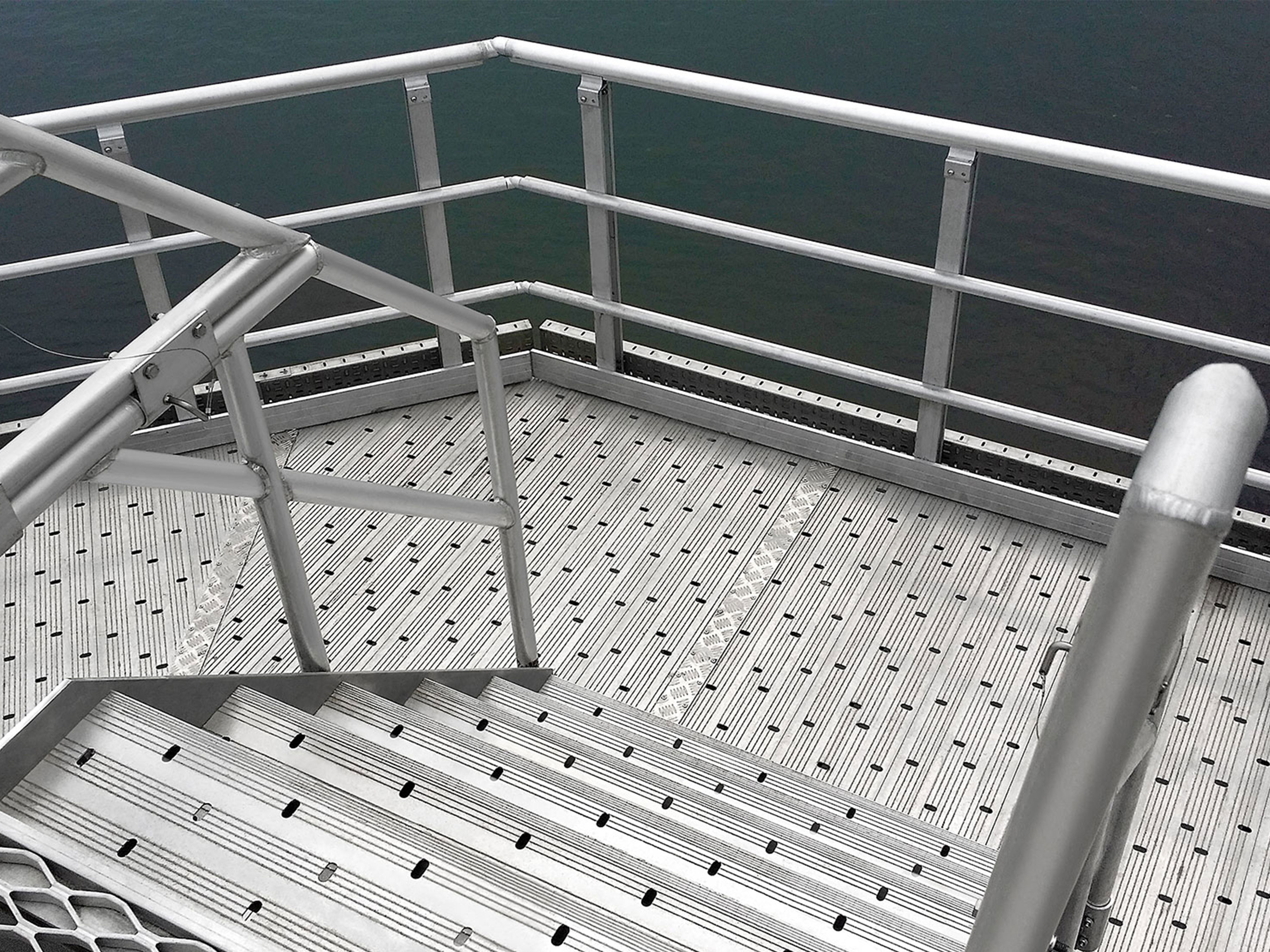
Marine aluminum customized shapes
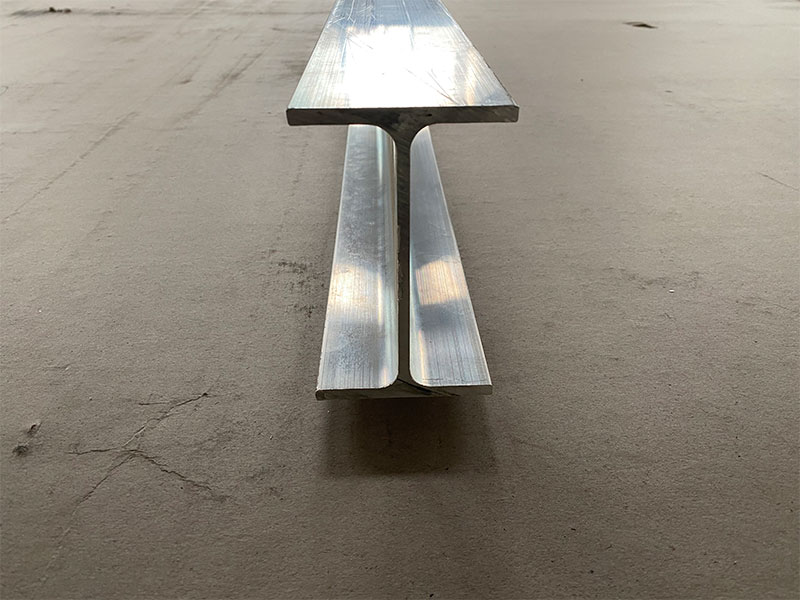
Marine Grade Aluminum Customized Shapes encompass a broad range of aluminum extrusions and fabrications engineered beyond standard profiles—such as channels, angles, tubes, and beams—into complex, project-specific geometries.
View Details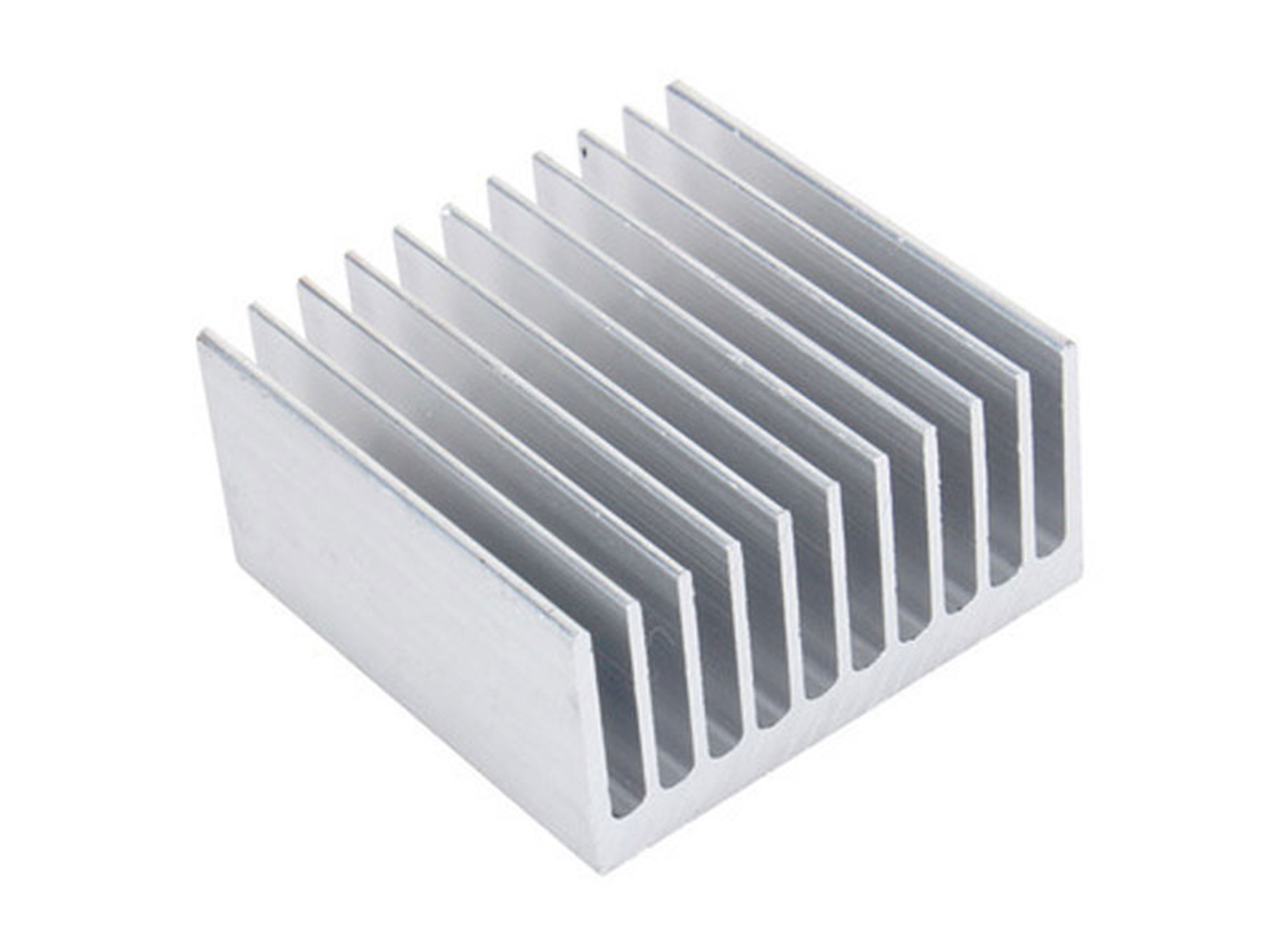
Marine aluminum heat sink profile
Marine Grade Aluminum Heat Sink Profiles utilize alloys such as 6061 and 6063 that not only exhibit high thermal conductivity but also possess excellent corrosion resistance required for saltwater exposure.
View DetailsRelated Blog
6063 Marine Aluminum Heat Sink Profile for Durable Coastal Electronics Cooling
The 6063 marine-grade aluminum heat sink profile has become an essential component in coastal and marine applications, particularly where electronic cooling is paramount for operational reliability and longevity.
View Details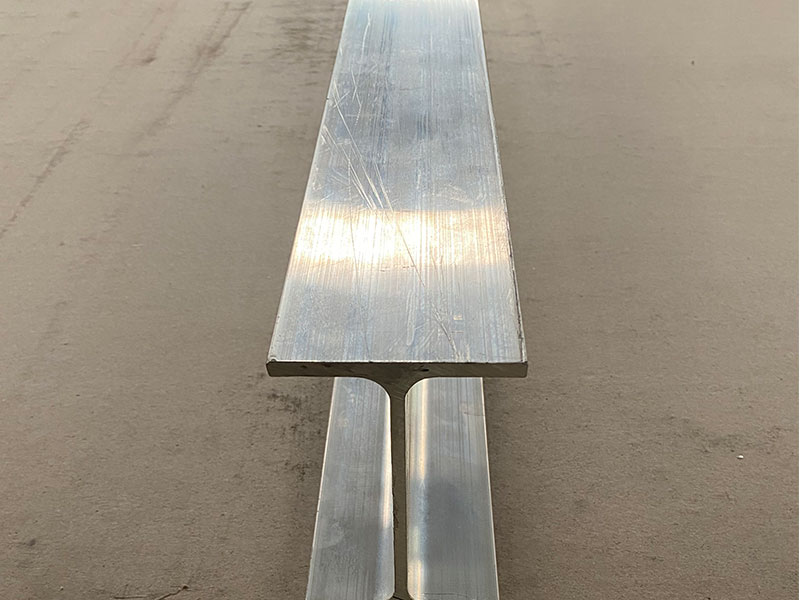
Marine Aluminum Heat Sink Profile for Custom Marine Electronics Cooling Solutions
In the world of marine applications, maintaining optimal temperature for electronic components is critical. As our energetic boating and yachting operations evolve, so does our need for innovative cooling solutions.
View Details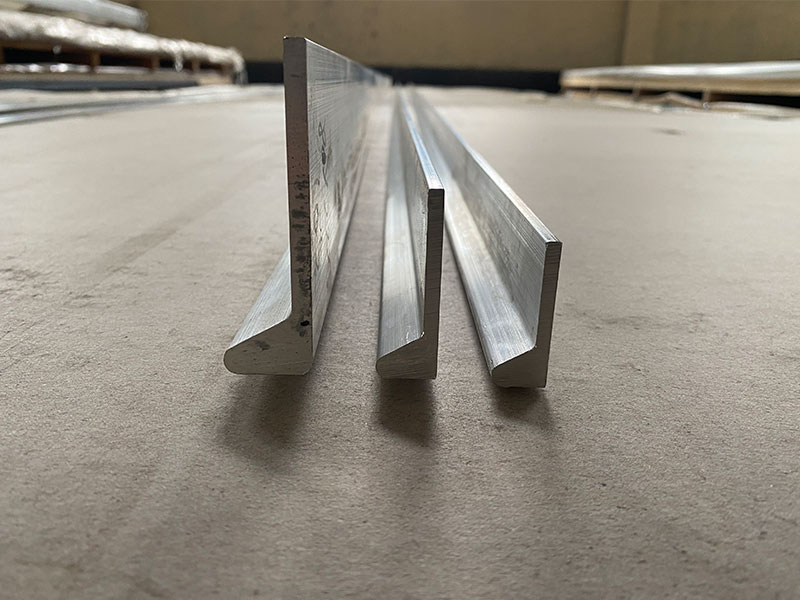
Marine Aluminum Heat Sink Profile for Lightweight Offshore Heat Dissipation
Aluminum has long been a staple in the marine industry due to its lightweight, corrosion-resistant, and sturdy properties. One of the innovative applications of aluminum is the Marine Aluminum Heat Sink Profile.
View Details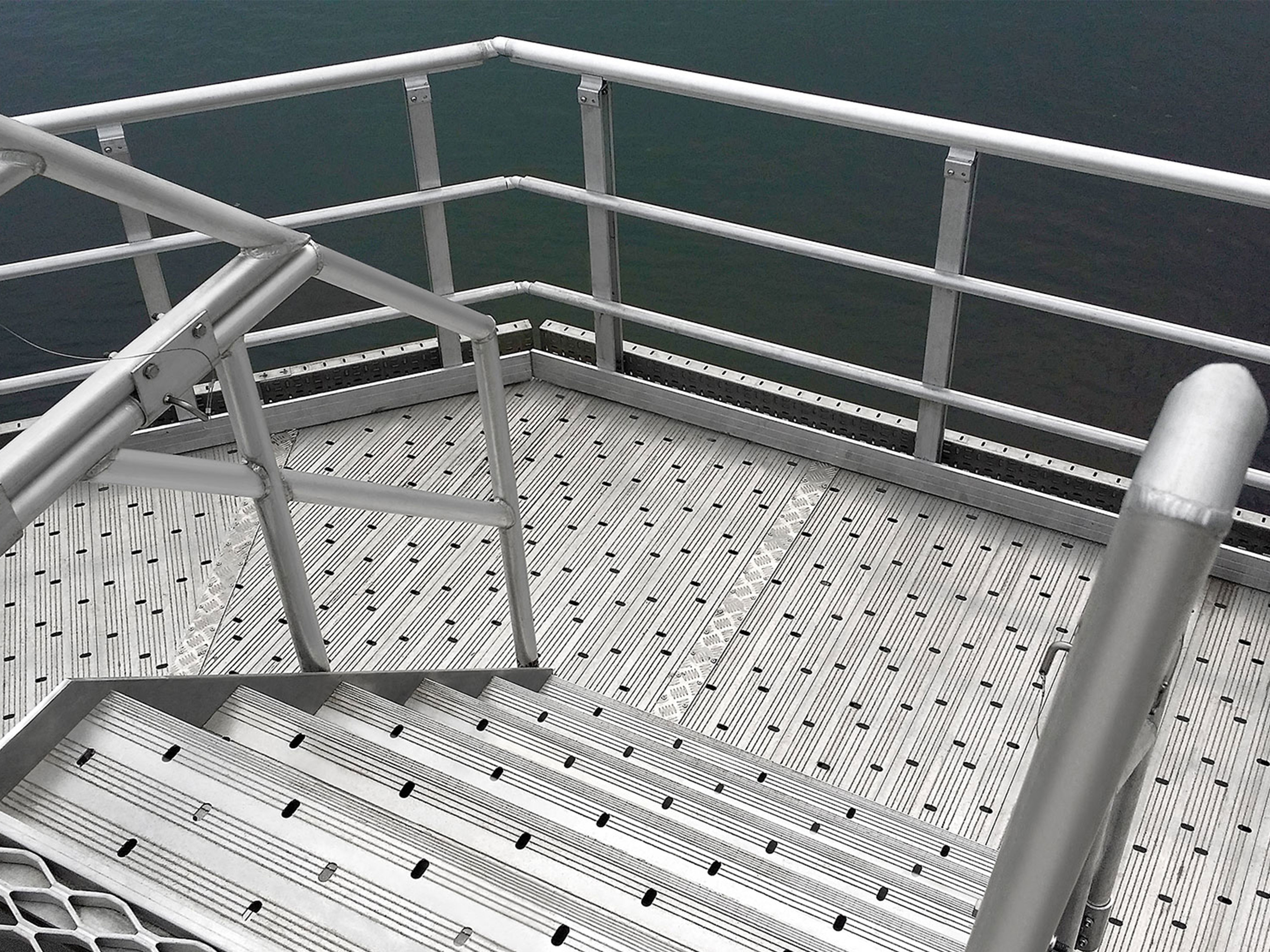
5052 Marine Aluminum Customized Shapes for Custom Marine Frame Solutions
5052 marine aluminum is a high-strength, corrosion-resistant alloy suitable for environments exposed to seawater and high humidity conditions. This alloy is particularly valuable for crafting customized marine frames, decking.
View Details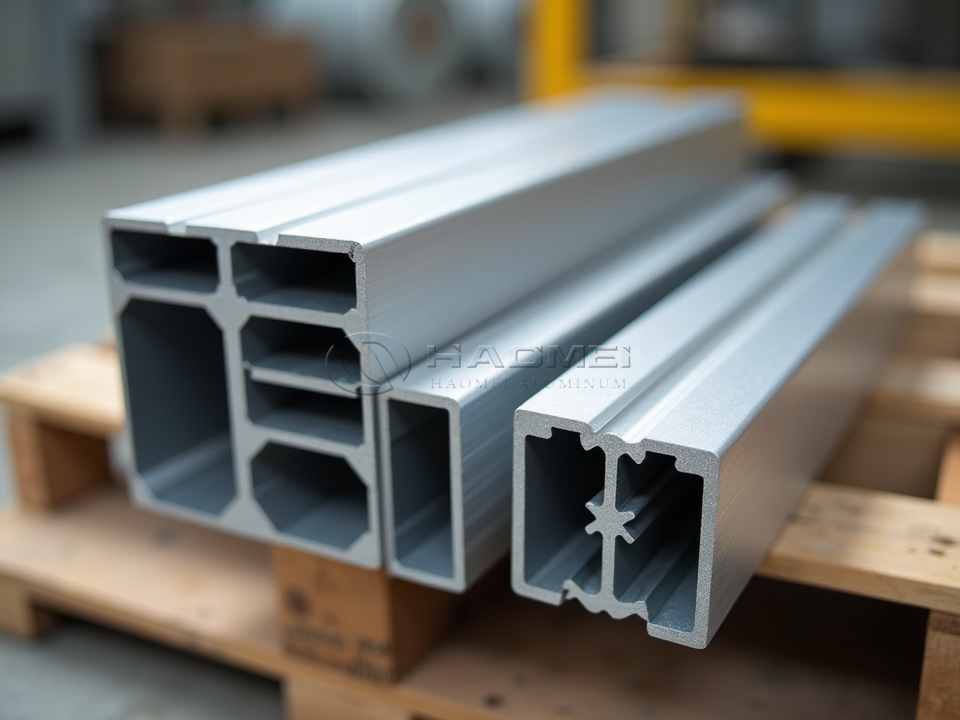
Marine Aluminum Fencing and Railings for Seawater Resistant Boat and Vessel Guardrails
Marine aluminum fencing and railings with alloy, temper, standards, corrosion data, fabrication notes, and installation guidance for seawater boat guardrails.
View Details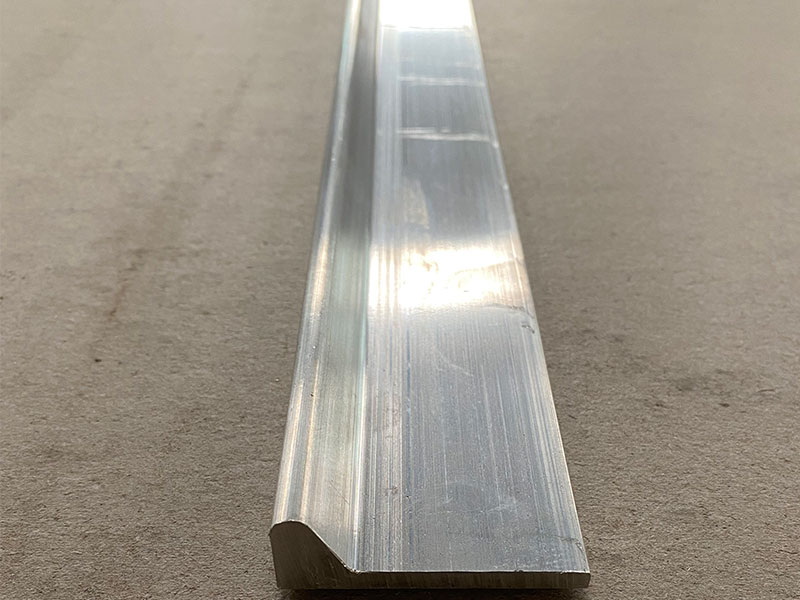
Marine Aluminum Customized Shapes for Marine Engineering Custom Fabrications
High-quality marine aluminum customized shapes tailored for marine engineering custom fabrications. Enhance durability, corrosion resistance, and structural integrity with precision-engineered aluminum solutions designed specifically for maritime applicat
View Details
Leave a Message