
6063 Marine Aluminum Heat Sink Profile for Efficient Marine Electronics Cooling Systems
Marine electronics operate in an environment where heat, salt spray, vibration, and limited installation space arrive together. Chart plotters, radar modules, battery-management systems, LED lighting drivers, communication units, power converters, and navigation equipment all generate heat that must be moved away before performance declines. A 6063 marine aluminum heat sink profile is designed to perform this task through an extruded shape that turns aluminum surface area into a controlled cooling path.
Rather than seeing a heat sink as only a finned metal component, marine system designers can regard it as part of the equipment enclosure. A properly designed profile becomes a thermal bridge, mounting rail, protective shell, and airflow guide at the same time. This is especially valuable on vessels where every millimeter of cabinet space matters.
Why 6063 Aluminum Fits Extruded Cooling Designs
6063 is an aluminum-magnesium-silicon alloy from the 6xxx series. It is widely selected for precision extrusions because it can produce thin fins, channels, mounting grooves, rounded corners, and complex hollow sections with good surface quality. These characteristics allow a heat sink to be tailored around the actual electronics package instead of forcing the equipment to fit a standard block.
For marine electronics cooling, the profile commonly includes longitudinal fins on the exposed face and a flat mounting base against the heat-producing device. The base absorbs heat through direct contact or a thermal interface material. Heat then spreads through the aluminum and is released from the fin surfaces into air moving through a console, engine-room cabinet, radar housing, or electrical locker.
The thermal conductivity of 6063 aluminum is generally around 200 W/m·K, depending on temper and testing method. Although copper conducts heat more rapidly, 6063 offers a more balanced marine solution: it is much lighter, readily extruded into extended fin geometry, economical for long production runs, and easier to machine into installation-ready components.
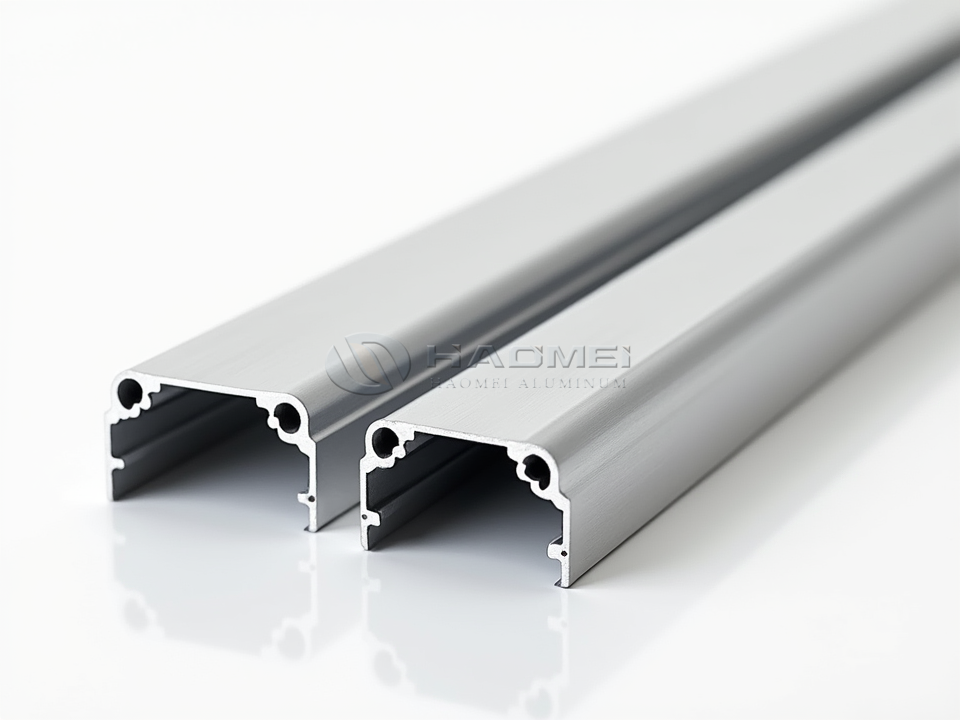
For projects requiring other section geometries, Marine aluminum customized shapes can integrate heat-dissipation fins, wiring passages, sealing grooves, and fastening features into one extrusion.
Heat Management as a Reliability Function
Every electronic component has an operating temperature range. When internal temperature rises excessively, processor speed may be reduced, capacitors can age faster, LED output can decline, and power electronics may trigger protective shutdown. On a vessel, these events may occur during periods when reliable communication and navigation are particularly important.
A 6063 marine aluminum heat sink profile reduces this risk by lowering thermal resistance between the electronic source and the surrounding air. The result depends on several connected factors:
- Contact flatness between the heat source and the extrusion base
- Thermal pad, thermal grease, or phase-change interface material selection
- Fin height, spacing, thickness, and total exposed area
- Natural convection or forced airflow around the fins
- Cabinet temperature and available ventilation openings
- Surface treatment and exposure to saltwater contaminants
Fin design should match the actual airflow condition. Very narrow, densely packed fins may look efficient but can trap stagnant air in a naturally ventilated enclosure. Wider fin spacing often performs better where airflow is weak. Conversely, fan-assisted cabinets can use a denser fin arrangement if dust and salt deposits are managed through routine maintenance.
Typical Profile Parameters
The dimensions of a marine heat sink extrusion are determined by heat load, available space, mounting arrangement, and production volume. Common parameters are shown for engineering reference. Final values should be verified through thermal simulation or equipment testing.
| Parameter | Typical Range or Condition |
|---|---|
| Alloy | AA 6063 aluminum alloy |
| Common tempers | T5, T6 |
| Thermal conductivity | Approximately 200 W/m·K |
| Density | Approximately 2.70 g/cm³ |
| Profile width | 20 mm to 300 mm or custom |
| Fin height | 5 mm to 80 mm or custom |
| Fin thickness | Approximately 0.8 mm to 3.0 mm, subject to die design |
| Base thickness | Approximately 2 mm to 15 mm |
| Standard supply length | Often 3 m to 6 m, cut-to-length available |
| Surface finish | Mill finish, anodized, powder coated, electrophoretic coating |
| Fabrication options | Cutting, CNC machining, drilling, tapping, milling, assembly |
T5 temper is produced by cooling from the extrusion process and then artificially aging. It is frequently suitable for profiles that need solid form stability with convenient downstream fabrication. T6 temper involves solution heat treatment followed by artificial aging, typically providing higher strength. T6 is often preferred where the heat sink profile also acts as a mounting frame or receives mechanical loading from vibration and installed equipment.
| Temper | Tensile Strength, Typical Minimum | Yield Strength, Typical Minimum | Elongation, Typical Use |
|---|---|---|---|
| 6063-T5 | 150 MPa | 110 MPa | Good for general extruded heat sinks and enclosures |
| 6063-T6 | 205 MPa | 170 MPa | Better for structural mounting and higher-load profiles |
Mechanical properties vary with wall thickness, profile geometry, applicable specification, and test direction. Project documentation should define required values instead of relying only on nominal data.
6063 Chemical Composition
The alloy chemistry supports extrudability, surface appearance, and useful mechanical strength after aging. The following composition limits are commonly associated with AA 6063.
| Element | Composition, % by Weight |
|---|---|
| Silicon, Si | 0.20-0.60 |
| Iron, Fe | 0.35 max |
| Copper, Cu | 0.10 max |
| Manganese, Mn | 0.10 max |
| Magnesium, Mg | 0.45-0.90 |
| Chromium, Cr | 0.10 max |
| Zinc, Zn | 0.10 max |
| Titanium, Ti | 0.10 max |
| Other elements, each | 0.05 max |
| Other elements, total | 0.15 max |
| Aluminum, Al | Balance |
Magnesium and silicon form magnesium silicide during heat treatment, giving 6063 its response to T5 and T6 aging. This chemistry also helps create clean extrusion surfaces, an advantage where anodizing is used to improve appearance and provide an additional protective oxide layer.
Marine Exposure Requires More Than Aluminum Selection
6063 offers good general corrosion resistance, but a heat sink used near saltwater should not be specified as though it were isolated from the vessel environment. Marine durability comes from the combined effect of material, finish, enclosure design, drainage, fastener selection, and electrical isolation.
Anodizing is a common choice for indoor and semi-protected marine installations. It improves surface durability and helps maintain appearance. Powder coating can provide a thicker color finish for exposed housings, although cut edges and drilled holes should receive proper treatment. For electronics installed in highly wet, splash-prone, or salt-fog areas, the heat sink should be located within a sealed or ventilated enclosure matched to the equipment's ingress-protection requirement.
Galvanic corrosion also deserves attention. When aluminum contacts stainless steel, copper-bearing components, or dissimilar metals in the presence of seawater, electrical potential can accelerate attack on the aluminum. Use insulating washers, compatible coatings, sealed joints, and appropriate marine fasteners. Avoid trapping saltwater between the profile base and a mounting plate.
For enclosure frames, rails, and related fabricated sections, Marine Grade Aluminum Profiles can provide compatible aluminum extrusion solutions that simplify material coordination across the vessel.
Standards and Quality Conditions
A 6063 marine aluminum heat sink profile may be supplied in accordance with standards selected by the project market and technical requirements. Frequently referenced specifications include ASTM B221 for aluminum-alloy extruded bars, rods, wire, profiles, and tubes; EN 755 for extruded aluminum alloy products; EN 12020 for precision profiles made from 6060 and 6063 alloys; and ISO 6361 for wrought aluminum and aluminum-alloy sheets, strips, and plates where related machined components are used.
Quality control normally includes alloy composition verification, temper confirmation, dimensional inspection, surface inspection, straightness review, and packaging protection. For mission-critical cooling equipment, purchasers can also specify flatness of the mounting face, fin damage limits, anodic coating thickness, salt-spray test conditions, cut-length tolerance, and documentation such as mill test certificates.
Applications Across the Vessel
6063 heat sink profiles are used in navigation consoles, marine LED floodlight housings, VHF and satellite communication equipment, inverter cabinets, DC-DC converter assemblies, lithium battery control systems, shore-power control panels, engine monitoring units, and compact power distribution equipment. They are also effective for cooling electronics installed on recreational boats, workboats, ferries, offshore support vessels, and marine energy systems.
The most effective design is rarely the largest extrusion. It is the profile that creates a short thermal path, preserves airflow, resists marine exposure, and installs cleanly within the vessel's mechanical layout. With the right temper, finish, fin geometry, and installation detail, a 6063 marine aluminum heat sink profile becomes a dependable thermal component that helps critical onboard electronics remain stable during demanding service.

Related Products
Marine aluminum fencing and railings
Marine Grade Aluminum Fencing and Railings are fabricated using marine-grade aluminum alloys such as 5083, 5052, and 6061, which are engineered specifically for protection against saltwater corrosion and marine atmospheric conditions.
View Details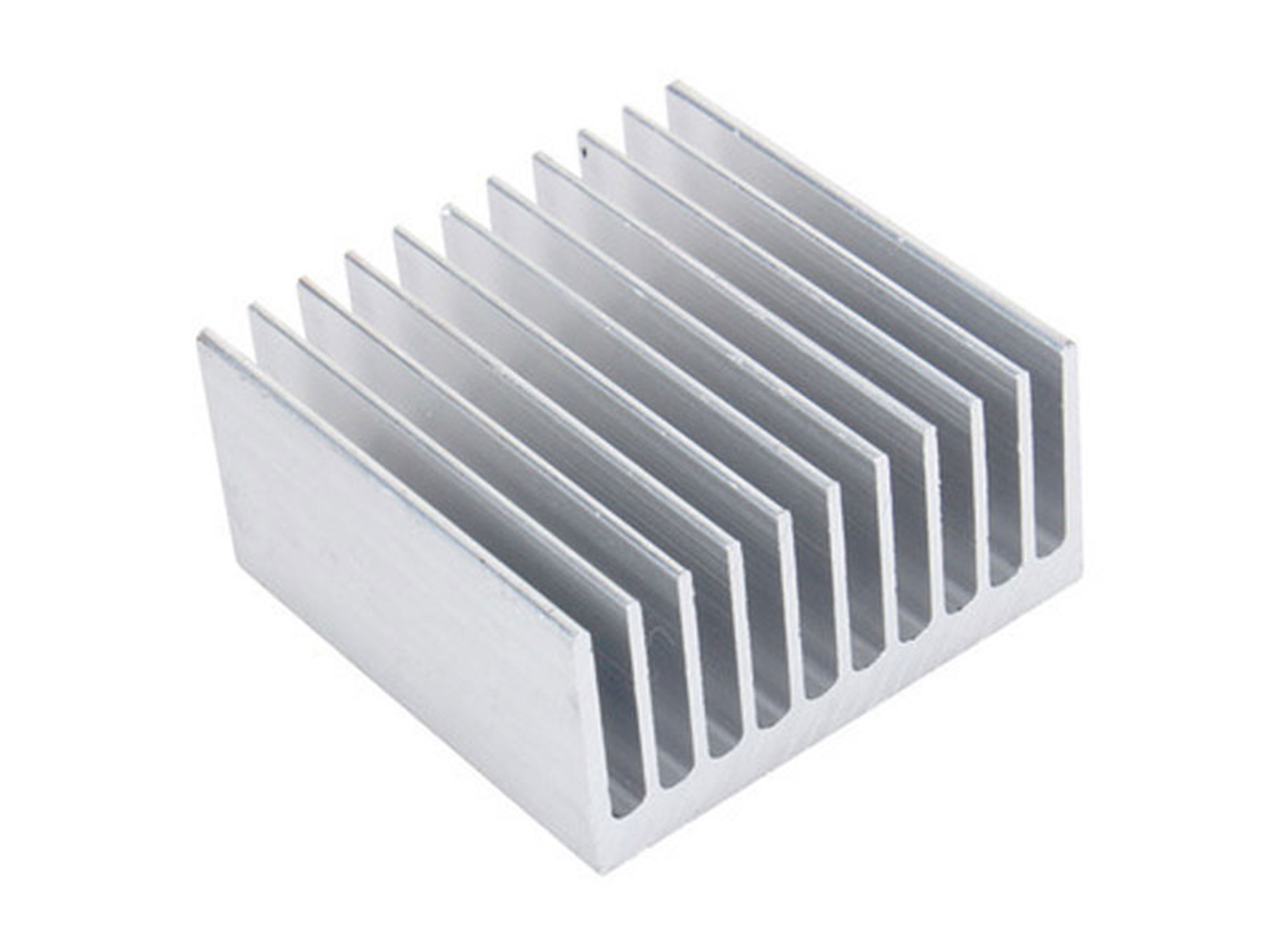
Marine aluminum heat sink profile
Marine Grade Aluminum Heat Sink Profiles utilize alloys such as 6061 and 6063 that not only exhibit high thermal conductivity but also possess excellent corrosion resistance required for saltwater exposure.
View Details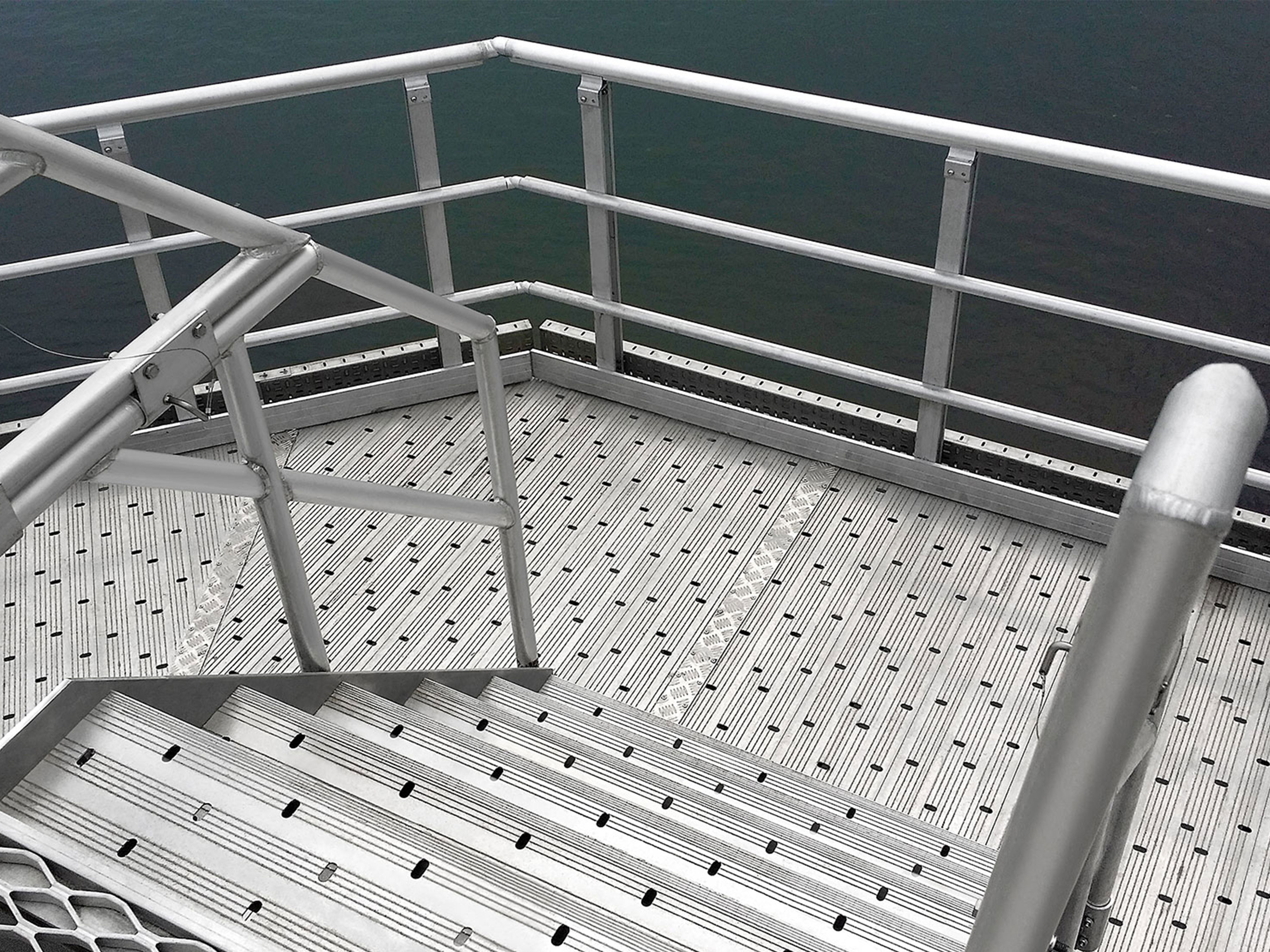
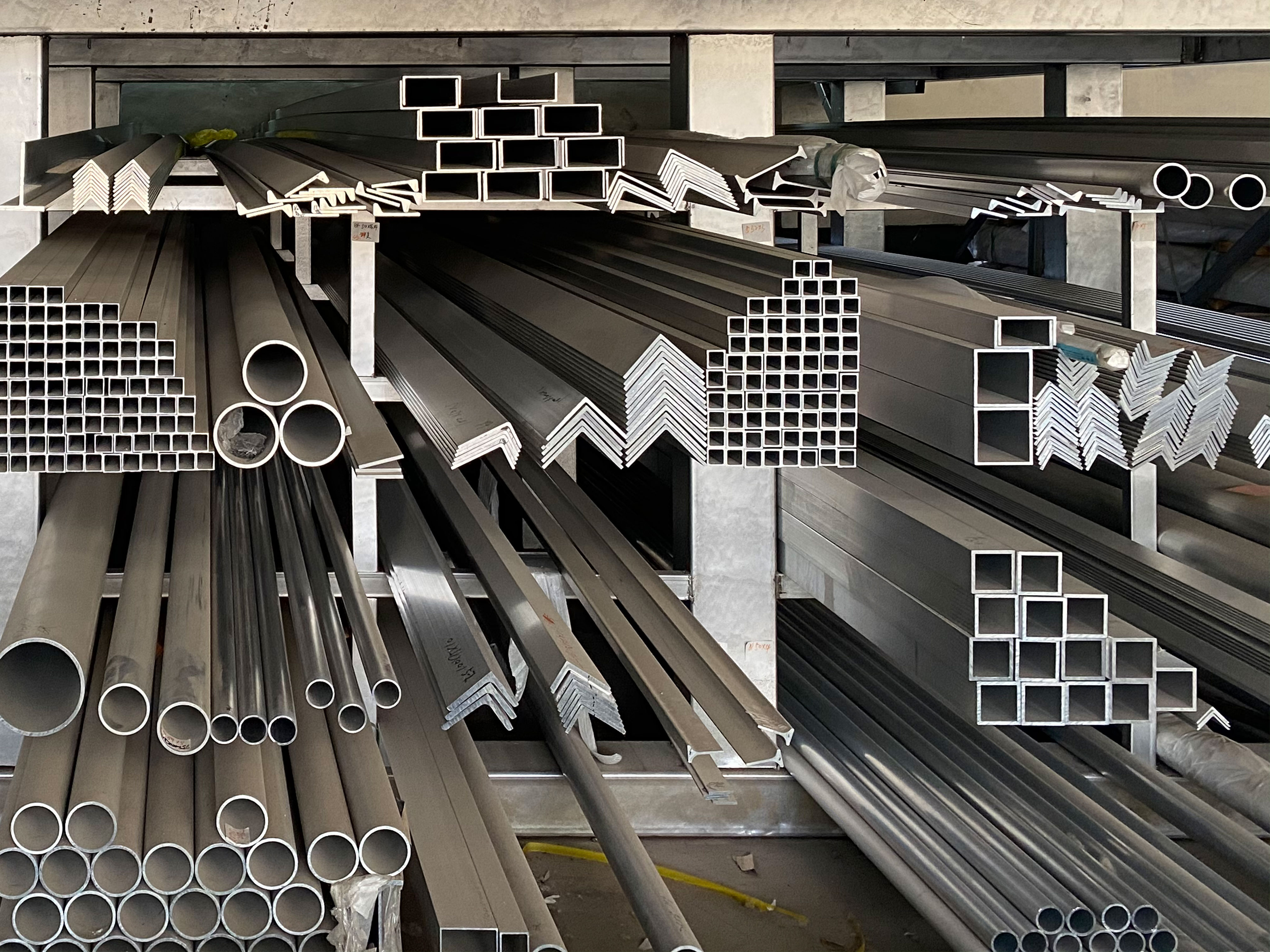
Marine aluminum customized shapes
Marine Grade Aluminum Customized Shapes encompass a broad range of aluminum extrusions and fabrications engineered beyond standard profiles—such as channels, angles, tubes, and beams—into complex, project-specific geometries.
View DetailsRelated Blog
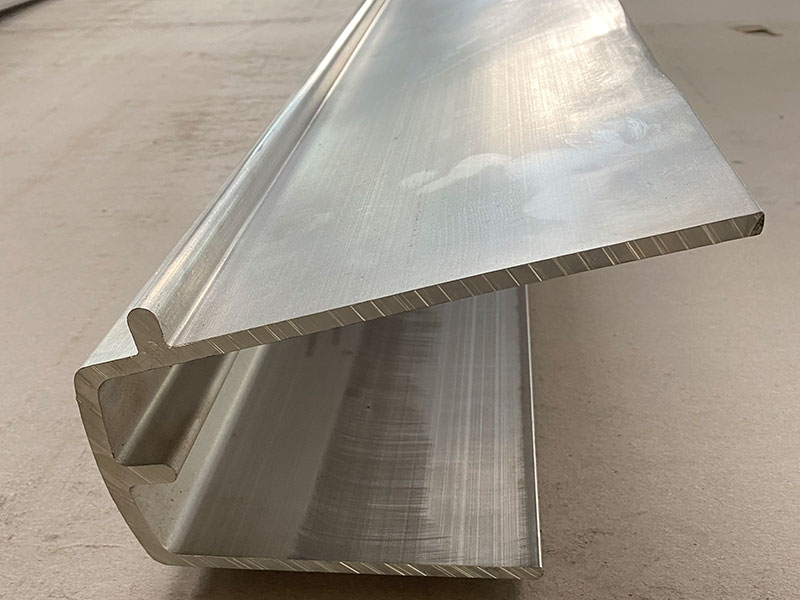
6063 Marine Aluminum Heat Sink Profile for Seawater Resistant Cooling Systems for Boats
When it comes to boats and marine systems, efficient heat dissipation combined with exceptional corrosion resistance is crucial for reliable operations.
View Details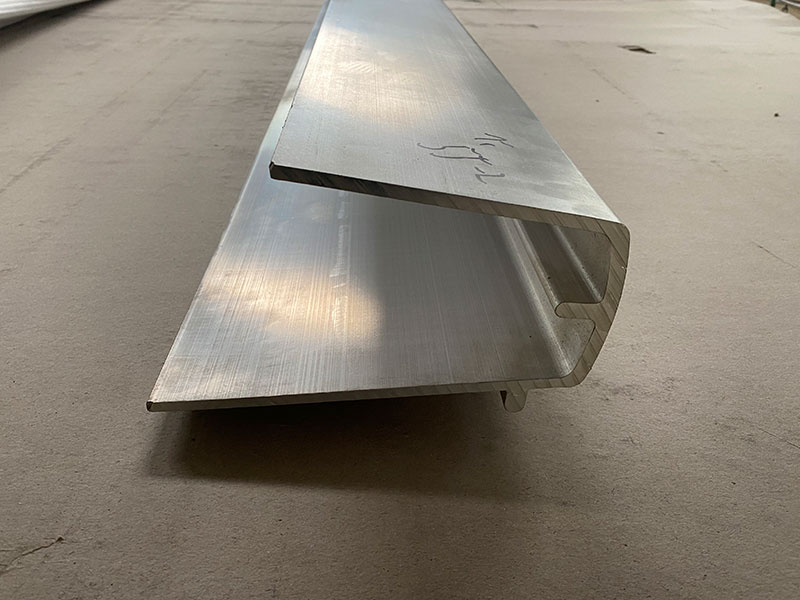
Marine Aluminum Customized Shapes for Custom Offshore Equipment Frame Designs
In the demanding environment of offshore operations, material performance can make or break the reliability of equipment frames. At the heart of the industry's evolving requirements.
View Details
Marine Aluminum Fencing and Railings for Custom Coastal Guardrail Solutions
Marine aluminum fencing and railings deliver lightweight, corrosion-resistant guardrail solutions for docks, marinas, waterfront paths, and coastal facilities.
View Details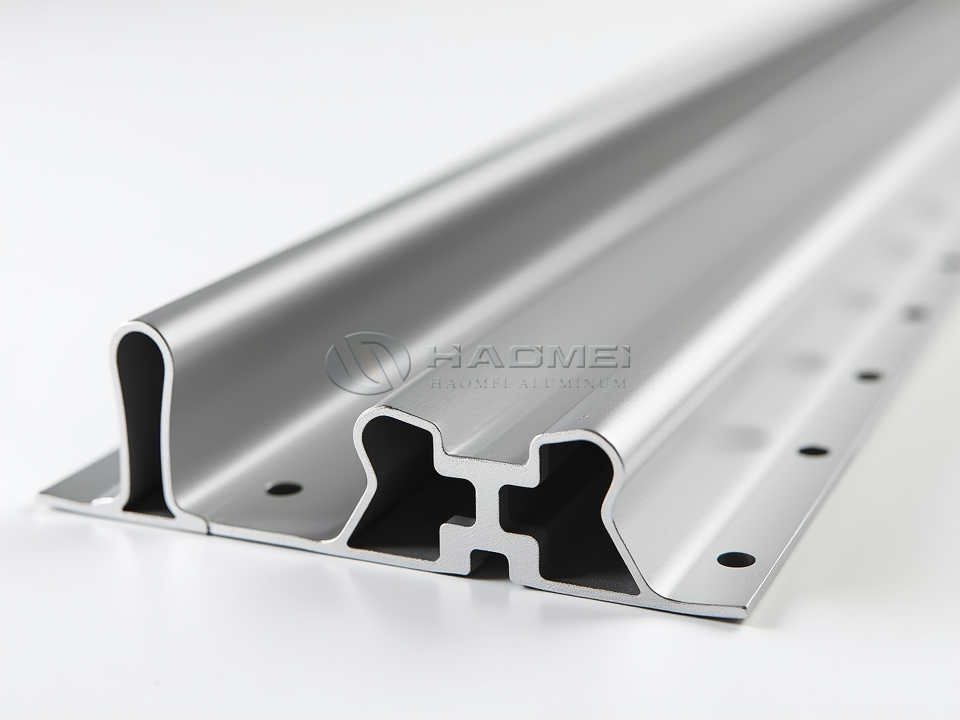
6061 Marine Aluminum Heat Sink Profile for Coastal Electronics Thermal Management
Explore 6061 marine aluminum heat sink profiles for coastal electronics, with thermal data, corrosion guidance, finishes, design choices, and marine uses.
View Details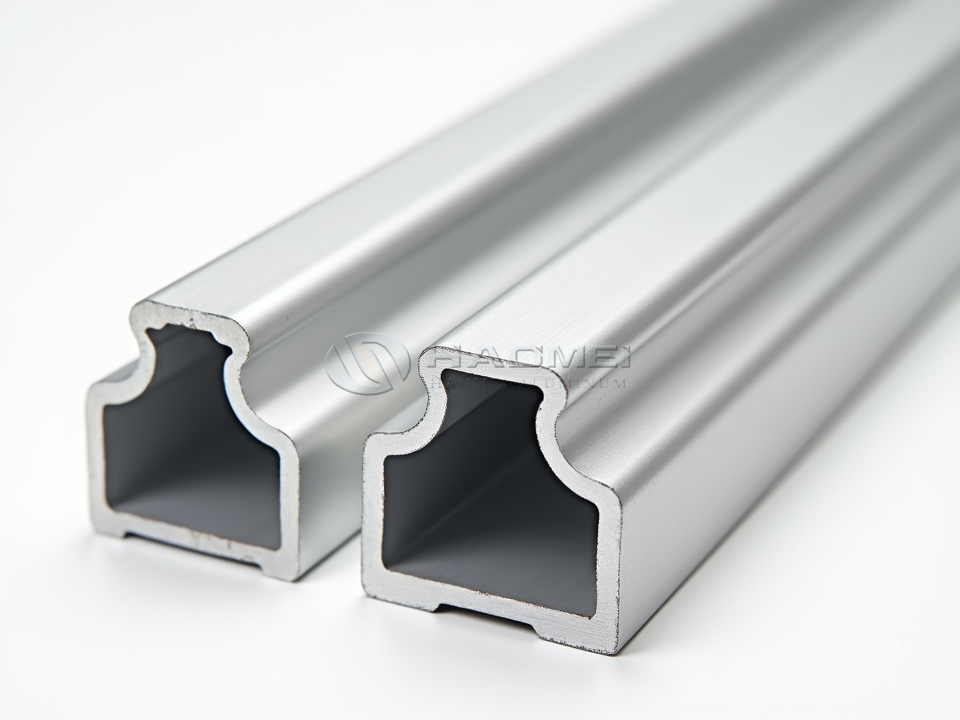
5052 Marine Aluminum Fencing and Railings for Custom Offshore Railing Construction
Practical guidance on 5052 marine aluminum fencing and railings for offshore decks, covering corrosion, forming, welding, custom fit, and long service life.
View Details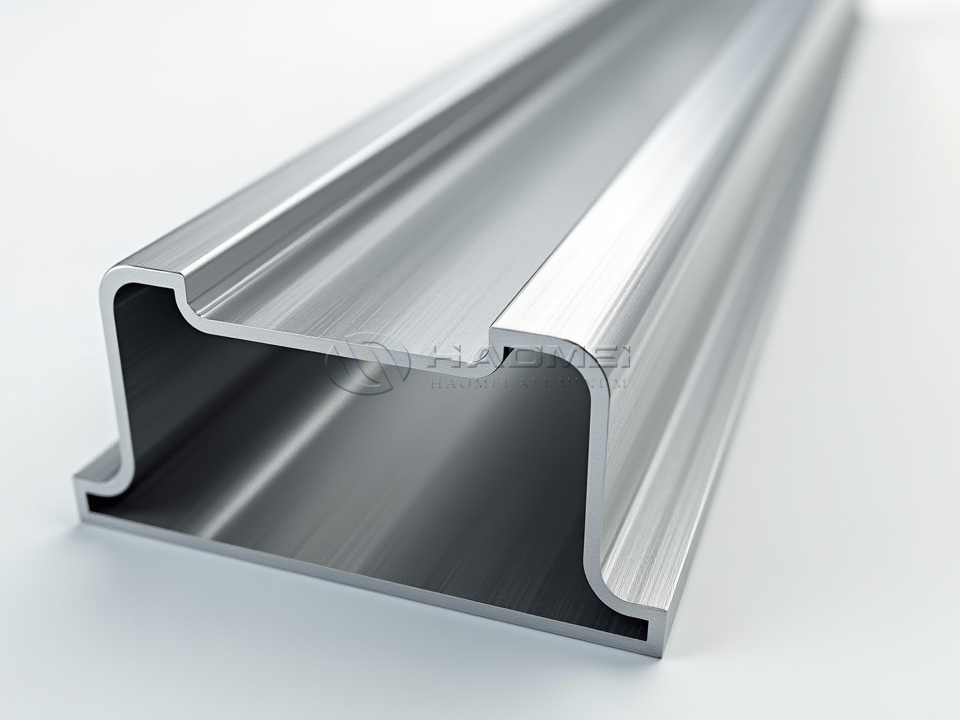
Marine Aluminum Fencing and Railings for Durable Marine Property Deck Enclosures
Marine aluminum fencing and railings deliver corrosion resistance, clean styling, and long service life for docks, decks, marinas, and waterfront enclosures.
View Details
Leave a Message