
Marine Aluminum Hexagonal Bars for High Strength Boat Frame Design
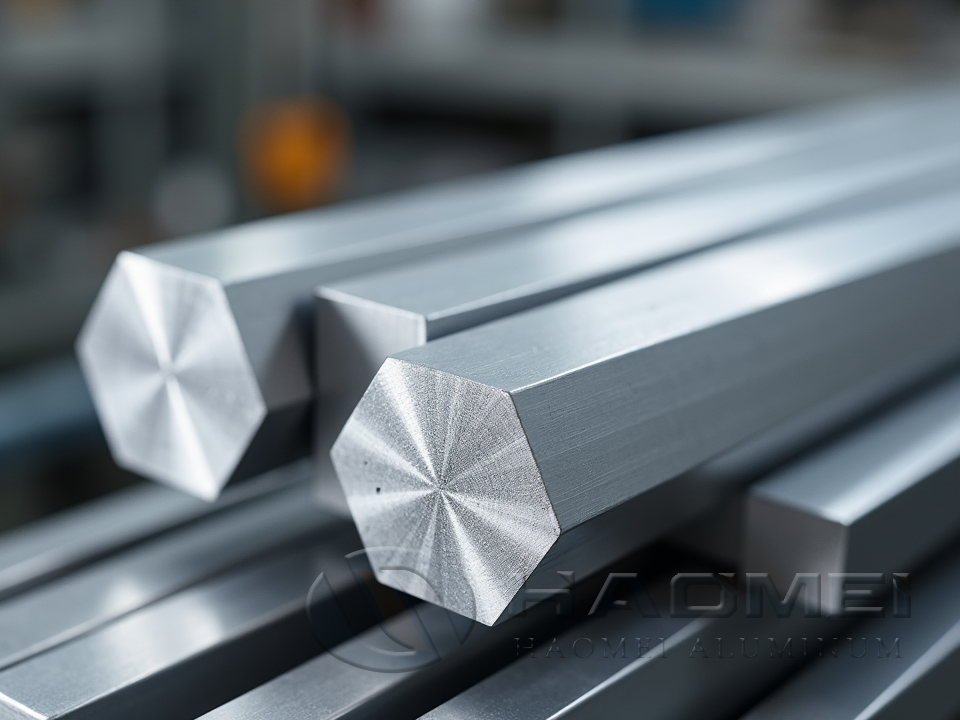
Marine aluminum hexagonal bars are precision-shaped solid bars used where boat builders need high strength, clean machining, reliable fastening surfaces, and long service life in wet, salty, and vibration-loaded environments. The six-flat geometry gives designers more contact faces than round bar while remaining easier to machine into threaded inserts, brackets, spacers, frame connectors, standoff posts, hinge pins, and reinforced structural nodes.
In modern aluminum boats, workboats, patrol craft, pontoons, yachts, and offshore service vessels, hexagonal bars are often selected for compact frame reinforcement and hardware integration. Their form supports strong load transfer between hull frames, deck beams, transoms, cabins, rails, and equipment bases without excessive weight.
Why Hexagonal Bars Work Well in Boat Frames
A hex bar combines the solid cross-section strength of bar stock with six practical flat surfaces. These faces improve clamping, indexing, machining, and torque resistance during assembly. Compared with round bars, hexagonal bars are easier to hold in fixtures and less likely to rotate when used as threaded couplers or frame spacers. Compared with square bars, they reduce corner stress concentration and fit better in compact structural pockets.
For high strength boat frame design, marine aluminum hexagonal bars help perform several functions:
- Transfer compression, shear, and localized fastening loads through frame joints
- Reinforce brackets, gussets, and deck support systems without adding heavy steel parts
- Provide machinable stock for custom bolts, pins, adapters, bushings, and standoffs
- Improve corrosion performance in bilge, splash-zone, and deck hardware locations
- Reduce structural weight compared with stainless steel or carbon steel alternatives
- Support repeatable CNC production for modular boat frame assemblies
When paired with proper alloy selection, surface treatment, and isolation from dissimilar metals, aluminum hex bars can deliver durable performance across both freshwater and seawater applications.
Common Marine Alloys and Selection Guidance
The best alloy depends on whether the part is mainly structural, highly machined, welded, anodized, or exposed to severe seawater. For boat frames and fittings, 6061-T6 and 6082-T6 are widely used for strength and machining. For superior marine corrosion resistance and welded structures, 5083 and 5086 are often specified, although availability in hexagonal form depends on mill capability.
| Alloy | Typical Temper | Main Advantage | Common Boat Frame Use | Weldability | Machinability |
|---|---|---|---|---|---|
| 5052 | H32, H34 | Excellent corrosion resistance and formability | Light brackets, trim, non-critical supports | Excellent | Fair |
| 5083 | H111, H116, H321 | High marine strength and seawater resistance | Heavy-duty welded frame parts, supports | Excellent | Fair to good |
| 5086 | H32, H116 | Strong corrosion resistance with good toughness | Deck fittings, frame connectors, hull hardware | Excellent | Fair to good |
| 6061 | T6, T651 | Balanced strength, machining, availability | Threaded spacers, pins, frame posts, brackets | Good with strength loss in weld zone | Excellent |
| 6082 | T6, T651 | Higher strength 6000 series option | Structural connectors, load-bearing machined parts | Good | Good to excellent |
For customers sourcing complete bar programs, Marine aluminum hexagonal bars can be supplied in alloy, temper, length, tolerance, and finish combinations suited to frame fabrication and marine hardware production.
Chemical Composition Reference
Chemical composition controls strength, corrosion behavior, welding response, and anodizing quality. The values shown are typical specification limits by weight percent and may vary slightly by standard or mill certificate.
| Alloy | Si | Fe | Cu | Mn | Mg | Cr | Zn | Ti | Al |
|---|---|---|---|---|---|---|---|---|---|
| 5052 | 0.25 max | 0.40 max | 0.10 max | 0.10 max | 2.2-2.8 | 0.15-0.35 | 0.10 max | - | Balance |
| 5083 | 0.40 max | 0.40 max | 0.10 max | 0.40-1.0 | 4.0-4.9 | 0.05-0.25 | 0.25 max | 0.15 max | Balance |
| 5086 | 0.40 max | 0.50 max | 0.10 max | 0.20-0.7 | 3.5-4.5 | 0.05-0.25 | 0.25 max | 0.15 max | Balance |
| 6061 | 0.40-0.8 | 0.70 max | 0.15-0.40 | 0.15 max | 0.8-1.2 | 0.04-0.35 | 0.25 max | 0.15 max | Balance |
| 6082 | 0.7-1.3 | 0.50 max | 0.10 max | 0.40-1.0 | 0.6-1.2 | 0.25 max | 0.20 max | 0.10 max | Balance |
Mechanical Properties for Design Comparison
Mechanical values depend on diameter across flats, manufacturing route, temper, and test standard. Certified values should always be verified on the mill test certificate before final structural calculation.
| Alloy Temper | Tensile Strength MPa | Yield Strength MPa | Elongation % | Brinell Hardness HB | Density g/cm3 |
|---|---|---|---|---|---|
| 5052-H32 | 210-260 | 160-215 | 8-12 | 60-70 | 2.68 |
| 5083-H116 | 305-350 | 215-250 | 10-16 | 75-90 | 2.66 |
| 5086-H116 | 275-330 | 195-240 | 10-16 | 70-85 | 2.66 |
| 6061-T6 | 290-320 | 240-275 | 8-12 | 90-100 | 2.70 |
| 6082-T6 | 310-340 | 260-300 | 8-12 | 95-105 | 2.70 |
For high strength boat frame design, 6082-T6 is frequently chosen when higher yield strength is required in machined connectors, while 6061-T6 is valued for broad availability and predictable CNC performance. Where welded marine corrosion resistance is the primary driver, 5083-H116 or 5086-H116 may be preferred.
Technical Specifications and Supply Range
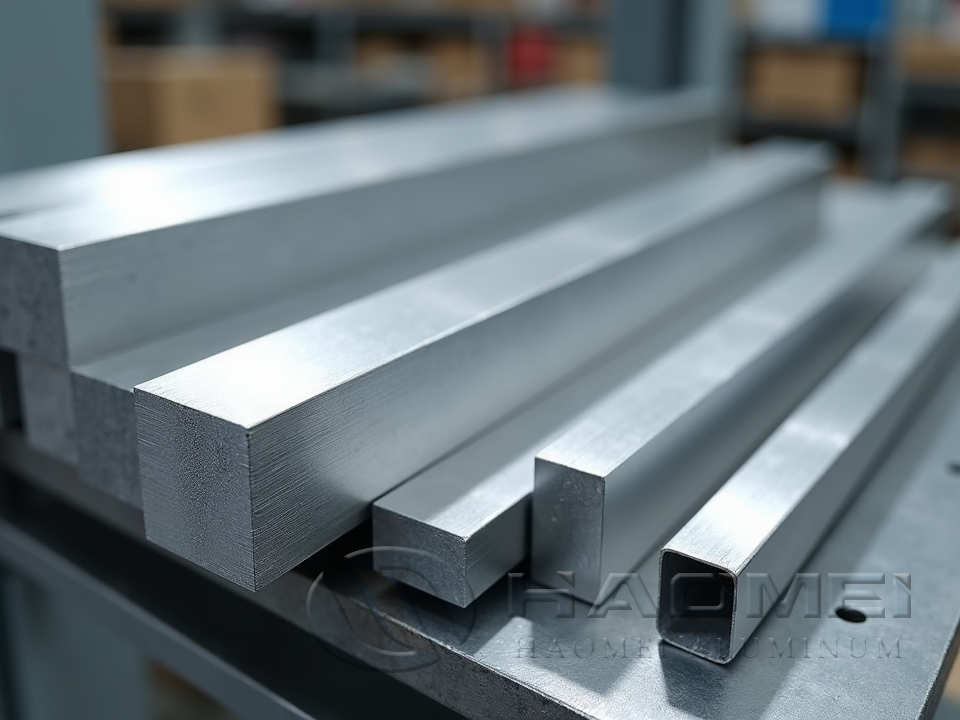
Marine aluminum hex bars can be extruded, drawn, or precision machined depending on tolerance, surface condition, and batch size. The across-flats dimension is the main size reference.
| Parameter | Typical Range or Requirement |
|---|---|
| Product form | Solid hexagonal aluminum bar |
| Across flats | 6 mm to 80 mm, larger sizes by agreement |
| Length | 1 m to 6 m standard, cut-to-length available |
| Straightness | Typically 1-3 mm/m depending on size and process |
| Surface finish | Mill finish, brushed, polished, anodized, passivated by request |
| Cutting service | Saw cut, CNC cut, deburred, chamfered ends |
| Processing | Drilling, tapping, turning, milling, threading, slotting |
| Inspection | Dimensional check, tensile test, hardness test, chemical analysis |
| Documentation | MTC, EN 10204 3.1 when required, marine class documents by project |
Implementation Standards
Standards help align dimensions, chemistry, tolerances, temper definitions, and inspection requirements between buyer, mill, fabricator, and vessel designer.
| Standard | Scope for Marine Aluminum Hex Bars |
|---|---|
| ASTM B221 | Aluminum and aluminum-alloy extruded bars, rods, profiles, and tubes |
| ASTM B211 | Aluminum and aluminum-alloy rolled or cold-finished bar and rod |
| EN 755 | Extruded aluminum rod, bar, tube, and profile technical delivery conditions |
| EN 573 | Aluminum alloy chemical composition and product form designation |
| EN 515 | Temper designations for wrought aluminum alloys |
| ISO 6362 | Wrought aluminum and aluminum alloy extruded rods, bars, and tubes |
| ABS, DNV, LR, BV | Optional marine classification approval according to vessel project needs |
Temper Conditions and Frame Performance
Temper selection affects strength, bending response, corrosion resistance, and weld-zone behavior. Heat-treatable 6000 series alloys gain high strength through solution treatment and artificial aging, while 5000 series alloys gain strength through strain hardening and are valued for marine corrosion resistance.
| Temper | Applies To | Meaning | Design Impact |
|---|---|---|---|
| H32 | 5052, 5086 | Strain hardened and stabilized | Good corrosion resistance with moderate strength |
| H116 | 5083, 5086 | Special marine strain-hardened temper | Improved resistance to exfoliation and seawater attack |
| H321 | 5083 | Strain hardened and stabilized for marine service | Reliable welded marine structural performance |
| T6 | 6061, 6082 | Solution heat treated and artificially aged | High strength and good machinability |
| T651 | 6061, 6082 | T6 with stress relief by stretching | Better dimensional stability during machining |
Designers should account for strength reduction near welds in 6061-T6 and 6082-T6. If welded joints carry critical frame loads, the design may need larger sections, post-weld heat treatment where practical, or a switch to 5000 series marine alloys.
Applications in Boat Frame Design
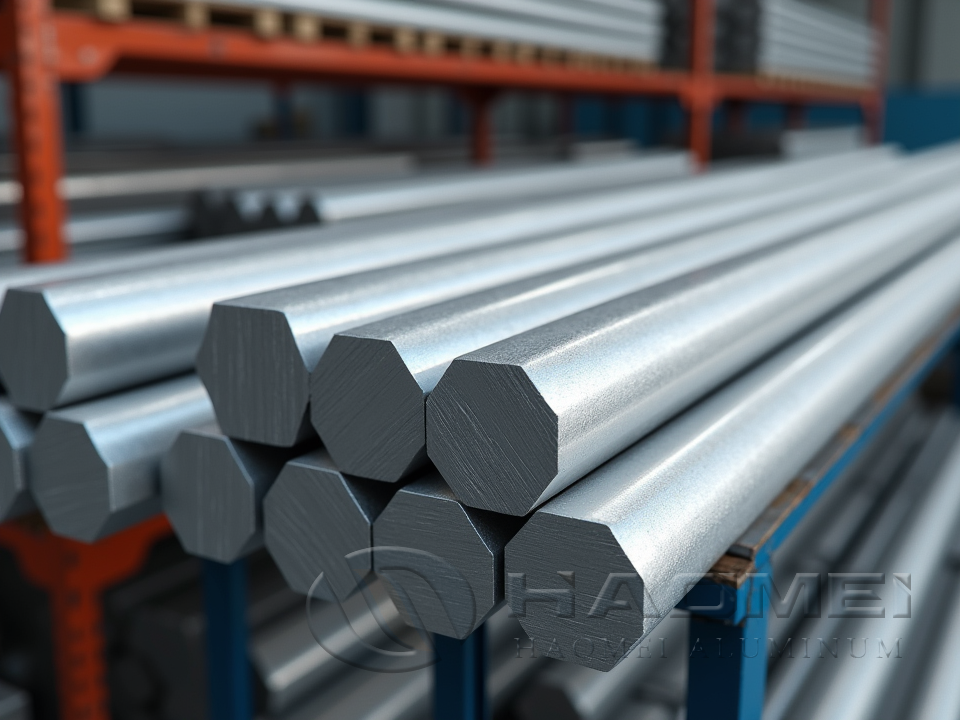
Marine aluminum hexagonal bars are well suited to locations where load transfer and assembly precision meet. They are commonly machined into threaded structural spacers for deck-to-frame connections, cleat backing components, steering console supports, hinge blocks, canopy frame adapters, engine room brackets, and rail mounting posts. The flat faces simplify wrench engagement and fixture positioning, which improves production speed in boatyards.
They are also useful in modular frame systems. A hex bar can be drilled and tapped on multiple faces, allowing cross-members, panels, or hardware to attach from different directions. This is valuable in confined bilge areas, cabin frames, pontoon supports, and equipment foundations where maintenance access is limited.
Corrosion Control and Surface Treatment
Marine aluminum naturally forms an oxide film, but boat service can include salt spray, trapped moisture, galvanic contact, and cleaning chemicals. Good design practice extends service life.
| Protection Method | Benefit | Recommended Use |
|---|---|---|
| Clear or hard anodizing | Improves surface hardness and corrosion resistance | Visible fittings, threaded parts, deck hardware |
| Powder coating | Adds color and barrier protection | Rails, exposed brackets, cabin components |
| Epoxy primer | Strong coating base for marine paint systems | Structural frame areas before final coating |
| Isolation washers | Reduces galvanic corrosion | Stainless fasteners, bronze fittings, carbon fiber contact |
| Sealant at joints | Blocks crevice moisture | Deck penetrations, bolted frame nodes |
Avoid direct, wet contact between aluminum and stainless steel without insulation. Use marine-grade sealants, nylon or polymer washers, and proper drainage paths to prevent crevice corrosion.
Fabrication Notes for Better Results
Marine aluminum hex bars machine cleanly with sharp carbide tools, adequate chip clearance, and suitable coolant or lubricant. For threaded parts, rolled threads can improve fatigue resistance, while cut threads are economical for small batches and custom sizes. Chamfering sharp edges reduces handling damage and coating failure at corners.
For welded 5000 series bars, 5356 filler is commonly used. For 6061 or 6082 welded assemblies, 4043 or 5356 filler may be selected based on strength, color match after anodizing, and service conditions. Welding procedures should follow qualified practice and consider distortion control, especially in long frame assemblies.
Ordering Data Customers Should Provide
Clear purchasing information helps ensure the delivered hex bars match the frame design and fabrication route.
| Required Data | Example |
|---|---|
| Alloy and temper | 6061-T6, 6082-T651, 5083-H116 |
| Size | Across flats 20 mm, 32 mm, 50 mm |
| Length | 3000 mm standard or cut to 185 mm pieces |
| Standard | ASTM B221 or EN 755 |
| Surface | Mill finish, anodized, brushed, deburred |
| Tolerance | Commercial tolerance or precision machining requirement |
| Certification | MTC EN 10204 3.1, class approval if needed |
| Additional processing | Drilling, tapping, chamfering, CNC milling |
Final Selection Advice
Marine aluminum hexagonal bars give boat frame designers a strong, lightweight, and highly machinable material for compact structural connections and marine hardware. Select 6061-T6 for general machined strength, 6082-T6 for higher load capacity, and 5083 or 5086 tempers when welded seawater performance is the priority. With the right standard, temper, surface protection, and inspection documents, hex bars can help produce cleaner assemblies, lighter frames, and longer-lasting marine structures.

Related Products
Marine aluminum hollow bars
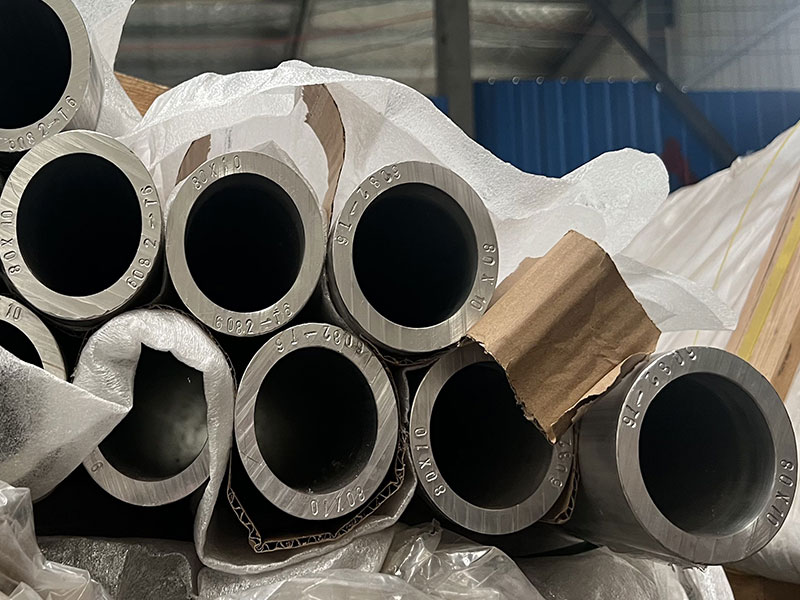
Marine Grade Aluminum Hollow Bars are fabricated from high-quality alloys such as 5083, 5052, 6061, and 6082, all known for their exceptional resistance to seawater corrosion, salt spray, and marine atmospheres.
View Details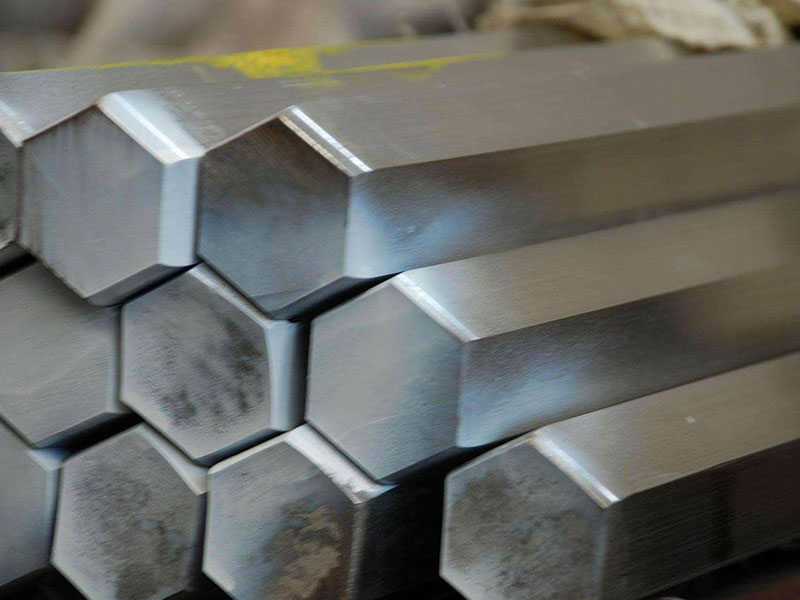
Marine aluminum hexagonal bars
Marine Grade Aluminum Hexagonal Bars are produced from premium corrosion-resistant aluminum alloys such as 5083, 5052, 6061, and 6082.
View Details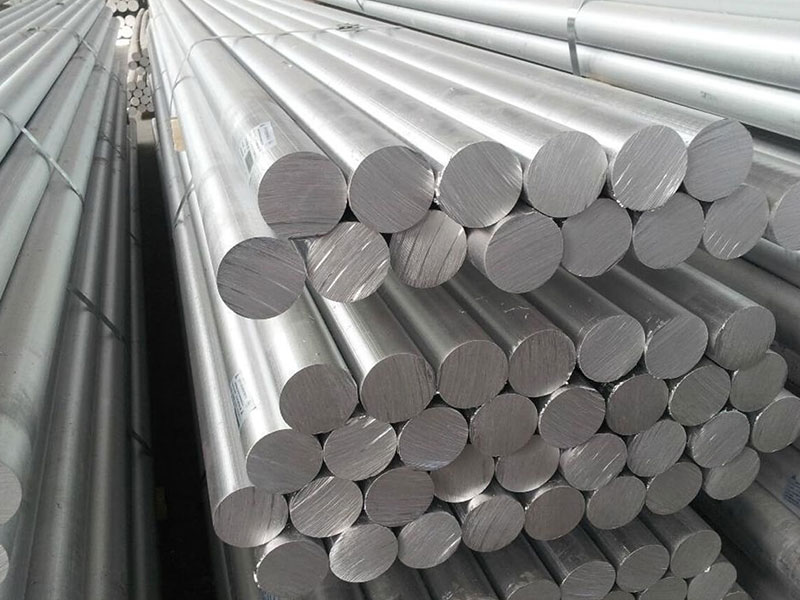
6082 marine aluminum rod & bar
6082 Aluminum Rods & Bars are extruded or rolled products manufactured from 6082 aluminum alloy — a thermally treated (typically T6 temper) aluminum-magnesium-silicon alloy that balances high tensile strength, good weldability, and excellent corrosion resistance.
View Details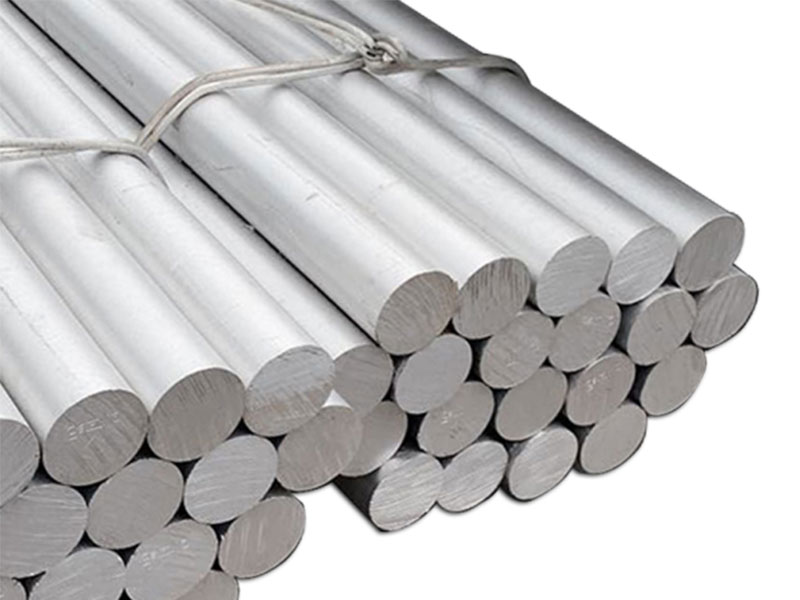
Marine grade aluminum solid bar
Marine Grade Aluminum Solid Bars are produced from premium aluminum alloys optimized for saltwater exposure, such as 5083, 5052, 6061, and 6082. These alloys offer unparalleled resistance to corrosion caused by seawater, salt spray, and marine atmospheres, while maintaining excellent mechanical strength and toughness.
View DetailsRelated Blog
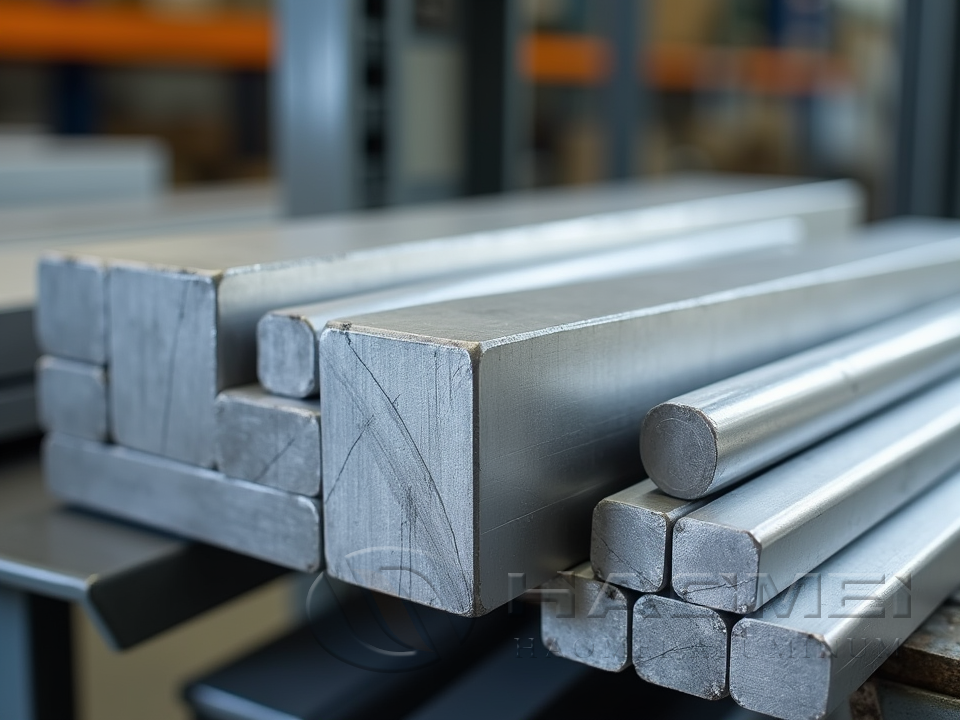
6061 Marine Aluminum Hexagonal Bars for Marine Equipment Reinforcements
6061 marine aluminum hexagonal bars deliver T6 strength, corrosion resistance, and precise six-flat geometry for durable marine reinforcements and fittings.
View Details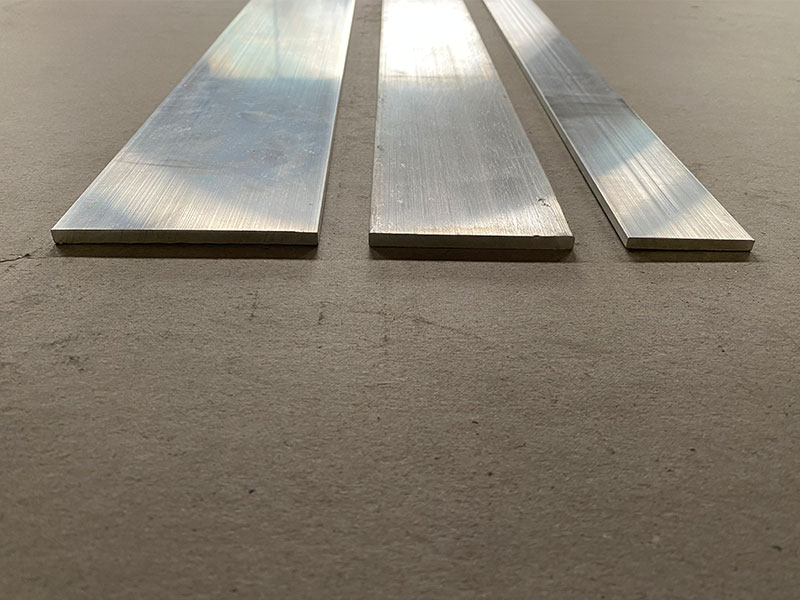
6082 Marine Aluminum Hollow Bars for Custom Boat Frame Solutions
6082 Marine Aluminum Hollow Bars for Custom Boat Frame Solutions In modern boatbuilding, frame design has evolved from heavy, overbuilt structures to lightweight, precision-engineered systems.
View Details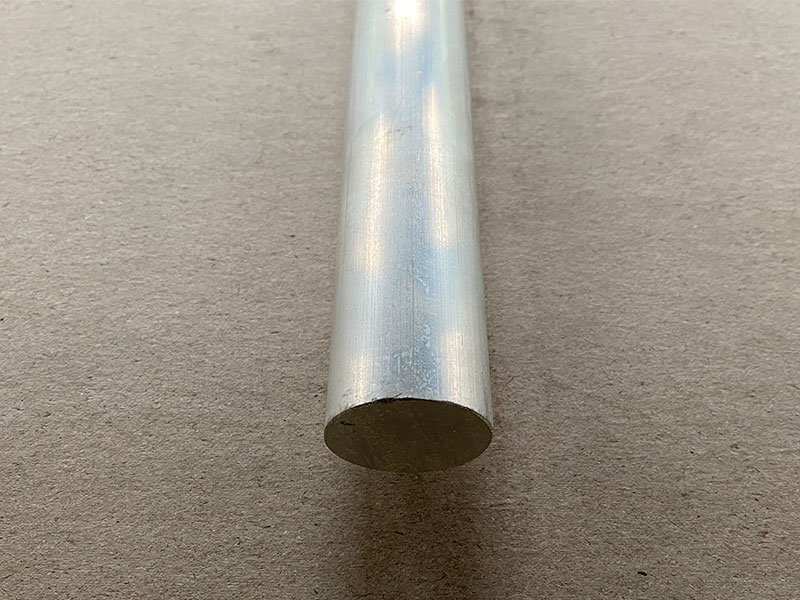
5083 Marine Aluminum Hollow Bars for Offshore Marine Engineering
Offshore structures punish materials with a combination of chloride-rich seawater, cyclic loading, impact, abrasion, and temperature swings. In this environment, 5083 marine aluminum stands out as a workhorse alloy.
View Details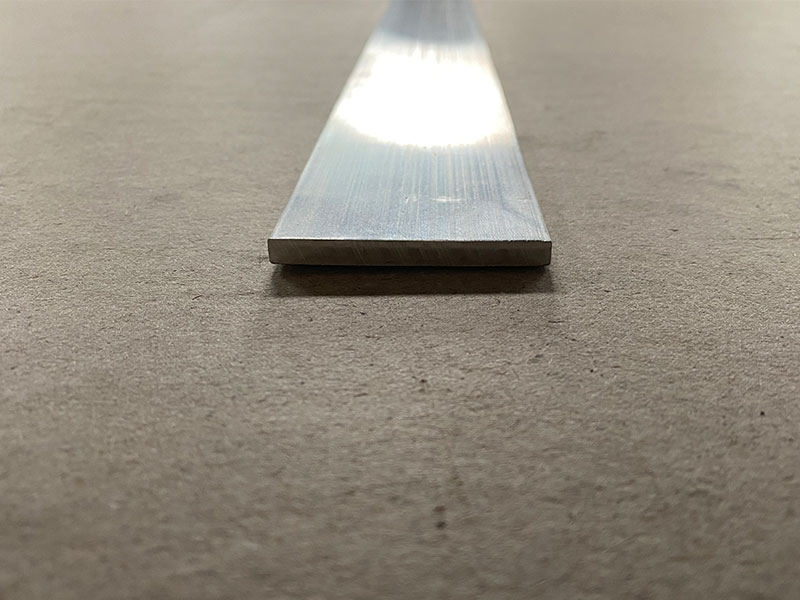
5083 Marine Grade Aluminum Solid Bar for Offshore Vessel Frame Parts
In the demanding environment of offshore vessels, structural integrity, durability, and corrosion resistance are critical factors that determine overall vessel performance and safety.
View Details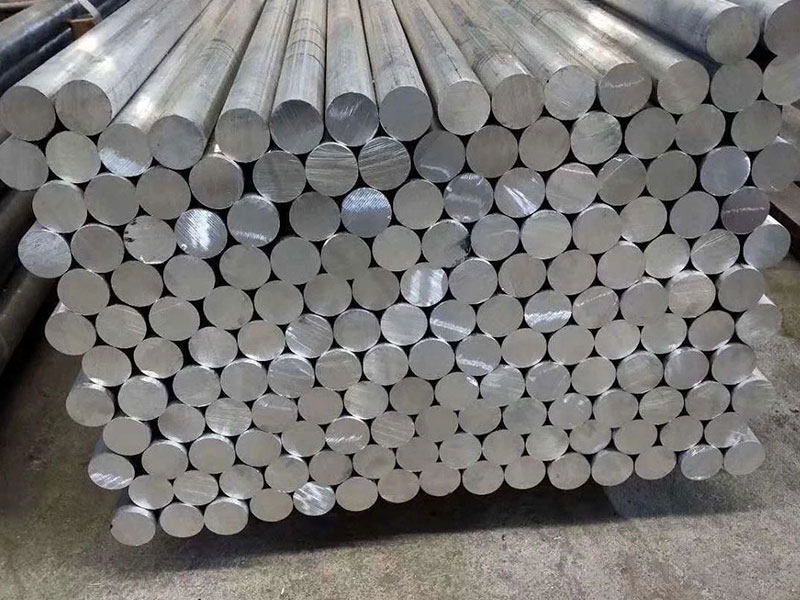
6061 Marine Grade Aluminum Solid Bar for Marine Vessel Frame Parts
The 6061 Marine Grade Aluminum Solid Bar is a premium-quality aluminum alloy widely recognized for its exceptional strength, corrosion resistance, and versatility.
View Details
5083 Marine Aluminum Hexagonal Bars for High Strength Shipbuilding Components
FeaturesHigh Strength: 5083 aluminum hexagonal bars offer superior strength-to-weight ratios, essential for maximizing load-bearing capabilities in marine applications.
View Details
Leave a Message