
Marine Aluminum Hexagonal Bars for High Performance Offshore Applications
Offshore structures often make people think of heavy plate, long beams, and massive welded assemblies. Yet many failures begin in much smaller places: a fitting that seizes, a machined spacer that corrodes, a bracket nut that loses shape, or a connector that cannot be serviced quickly in rough weather. This is where marine aluminum hexagonal bars deserve more attention. Their six-sided geometry is not just a convenient shape for machining. It is a practical response to how offshore equipment is built, tightened, repaired, and exposed to saltwater.
For buyers, engineers, and fabricators, hexagonal bar stock offers a direct route from raw material to finished component. Less cutting, easier holding, cleaner indexing, and better tool access all reduce production friction. In offshore projects, that can mean fewer delays and more reliable field performance.
Why the Hex Shape Works Offshore
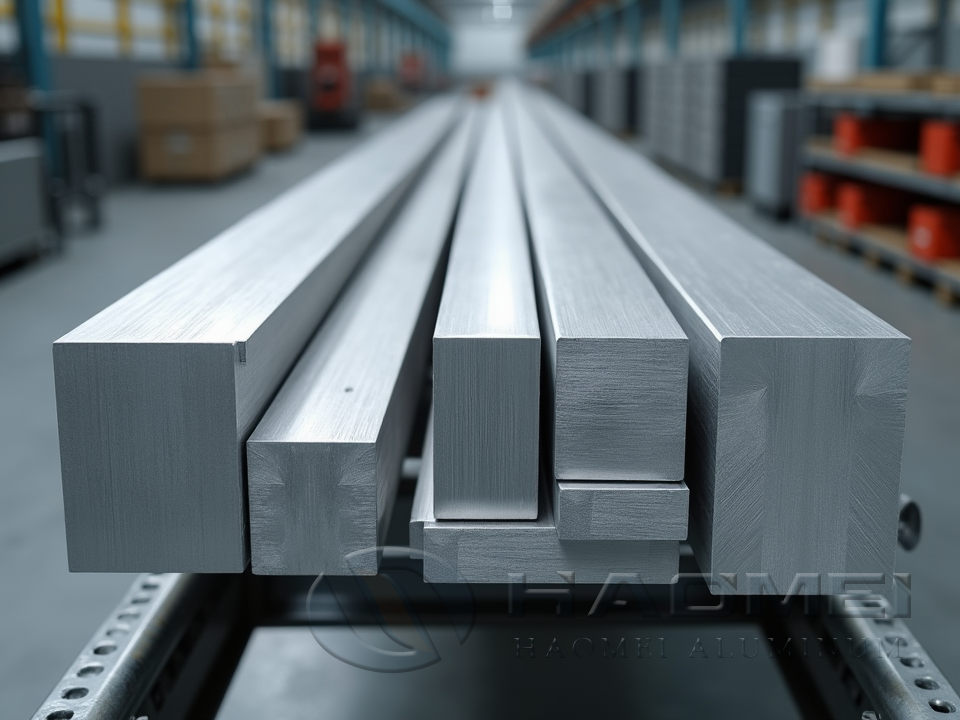
A round bar is excellent for shafts and pins. A square bar is useful for frames and blocks. A hexagonal bar sits between them, combining strong stock efficiency with built-in wrench flats. That matters when a component must be tightened, adjusted, or removed by hand tools on a deck, inside a service hatch, or near moving equipment.
Hex bars are commonly selected for marine nuts, threaded inserts, standoff spacers, valve parts, hose fittings, sensor mounts, coupling components, and custom machined connectors. The six flat faces help technicians grip the part without adding secondary milling steps. When production involves large batches of small offshore hardware, those saved operations can lower total cost more than the raw material price difference.
The shape also helps with orientation. A hex profile can be indexed repeatedly in a vise, collet, or chuck, which supports consistent drilling, tapping, cross-hole machining, and chamfering. For precision parts used in winches, hydraulic systems, subsea instruments, or deck machinery, repeatability is more than a shop-floor convenience. It helps maintain fit, sealing, and service life.
Alloy Selection Is the Real Performance Decision
Customers sometimes ask for marine aluminum hexagonal bars as if the shape alone defines the material. In practice, alloy selection decides whether the part will survive its environment. Offshore service usually involves salt spray, wet-dry cycling, vibration, temperature change, and contact with stainless steel, carbon steel, rubber, plastics, coatings, and sealants.
The 5xxx series, especially 5083, 5086, and 5052, is widely respected for seawater resistance. These alloys are often chosen where corrosion resistance and weldability matter more than maximum machining strength. 5086 is particularly valued for marine structural and hardware applications because it performs well in harsh saltwater conditions and keeps good strength without heat treatment.
The 6xxx series, including 6061 and 6082, is often chosen for machined parts that need better strength, closer dimensional stability, and a clean finish after machining. 6061-T6 is popular because it balances strength, machinability, anodizing response, and availability. 6082 can provide higher mechanical strength in some bar applications, making it attractive for loaded fittings and precision components.
If the component will be welded, heavily exposed to seawater, or used near the splash zone, a 5xxx alloy may be the safer route. If it will be CNC machined into a threaded part, spacer, or mechanical connector with higher load requirements, 6061-T6 or 6082 may be more suitable. A trusted supplier of Marine Grade Aluminum Bars can help match alloy, temper, and tolerance to the actual working conditions rather than relying only on catalog habit.
The Hidden Value: Machining Time
Offshore procurement often focuses on material cost per kilogram, but for hexagonal bars, the better question is cost per finished part. A hex bar can reduce machining time because the flats are already present. Instead of milling a round bar into a wrenchable profile, the operator can cut, face, drill, tap, turn selected diameters, and finish the part with fewer passes.
This is especially useful for custom batches. Offshore equipment is rarely one-size-fits-all. A vessel refit, floating platform upgrade, aquaculture system, wind farm service unit, or marine research device may need hundreds of nonstandard fittings. Hexagonal bar stock gives the machine shop a flexible starting point for small and medium production runs.
The six-sided form also improves clamping stability. Compared with smooth round stock, a hex profile can resist slipping under certain holding methods. This contributes to safer machining and more stable dimensions, particularly when working with long bars or repeated short cuts.
Corrosion Resistance Is a System, Not a Claim
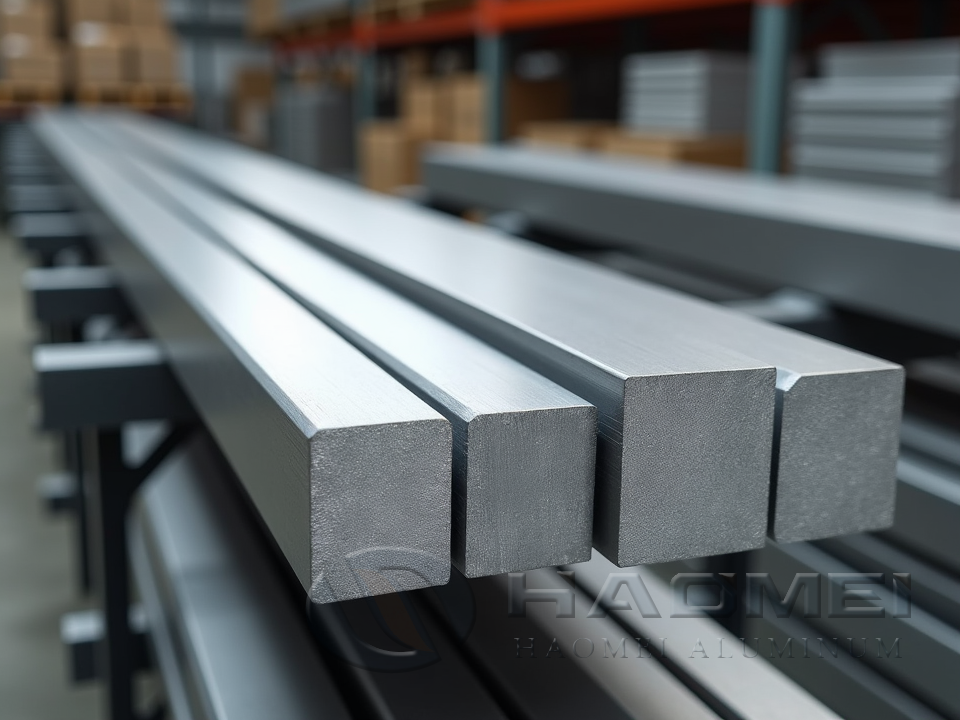
Aluminum earns its marine reputation through its oxide layer, but offshore corrosion resistance still depends on design discipline. Crevices, trapped water, sharp burrs, and galvanic contact can weaken even a good alloy choice.
When ordering marine aluminum hexagonal bars for offshore use, customers should consider the finished part's environment. Will it be exposed to continuous spray? Will it touch stainless fasteners? Will it sit against carbon steel? Will seawater collect around threads? The answers affect alloy selection, surface finish, insulation methods, and coating decisions.
Anodizing can improve surface hardness and appearance for many 6xxx components, though it must be specified carefully for marine service. For parts assembled with stainless steel, isolation washers, sealants, sleeves, or suitable coatings may be needed to reduce galvanic corrosion. Threaded parts should be designed so water does not sit permanently in blind holes. Corners should be deburred because sharp edges are natural starting points for coating damage and localized attack.
A well-made aluminum component is not only about chemistry. It is about drainage, separation, finish, and access for inspection.
Where Hex Bars Fit in Offshore Hardware
Marine aluminum hexagonal bars are highly useful in areas where light weight, corrosion resistance, and fast service access meet. In deck systems, they can become tensioning nuts, adjustable spacers, rail fittings, and support hardware. In hydraulic and fuel-related assemblies, they may be machined into adapters, caps, plugs, and manifolds where compatible design is confirmed. In instrumentation, hex bar stock is useful for sensor bodies, threaded mounts, protective sleeves, and standoffs.
For offshore wind, aluminum hex parts may appear in access platforms, cable support systems, inspection devices, and lightweight service tools. In high-speed craft and patrol vessels, weight reduction is especially attractive because every kilogram saved can support fuel efficiency, payload, or speed. Aluminum hex components will not replace every stainless or bronze fitting, but in the right location they reduce mass without sacrificing practical durability.
For customers sourcing Marine aluminum hexagonal bars, the most useful specification includes alloy, temper, across-flats dimension, length, straightness, surface condition, tolerance, and any certificate requirement. If the bars will be used for CNC production, it is also worth discussing cut-to-length service, packaging protection, and batch consistency.
Buying Details That Prevent Workshop Problems
The across-flats dimension is the defining measurement for hexagonal bars. This affects wrench fit, finished part envelope, and machining allowance. If the finished part needs exact wrench engagement, do not order only by approximate size. Confirm whether the bar tolerance leaves enough material for finishing while still avoiding waste.
Straightness matters when the bar will be fed through automatic lathes or bar feeders. A slightly bent bar can create vibration, poor surface finish, tool wear, or feeding problems. Surface condition also matters. Scratches may be harmless for rough machining stock, but they can be unacceptable for visible deck hardware or anodized components.
Temper should not be treated as a minor detail. 6061-T6 behaves differently from annealed or softer tempers during machining and loading. 5xxx alloys also vary in strength depending on temper and processing history. If the finished parts are load-bearing, request material certificates and confirm compliance with relevant marine or industrial standards.
Packaging is another practical point. Offshore suppliers may store material near humid ports or transport it over long distances. Bars should be protected from abrasion, moisture staining, and contamination by steel particles. Clean separation during shipping helps preserve surface quality and reduces rework.
A Small Profile With Large Consequences
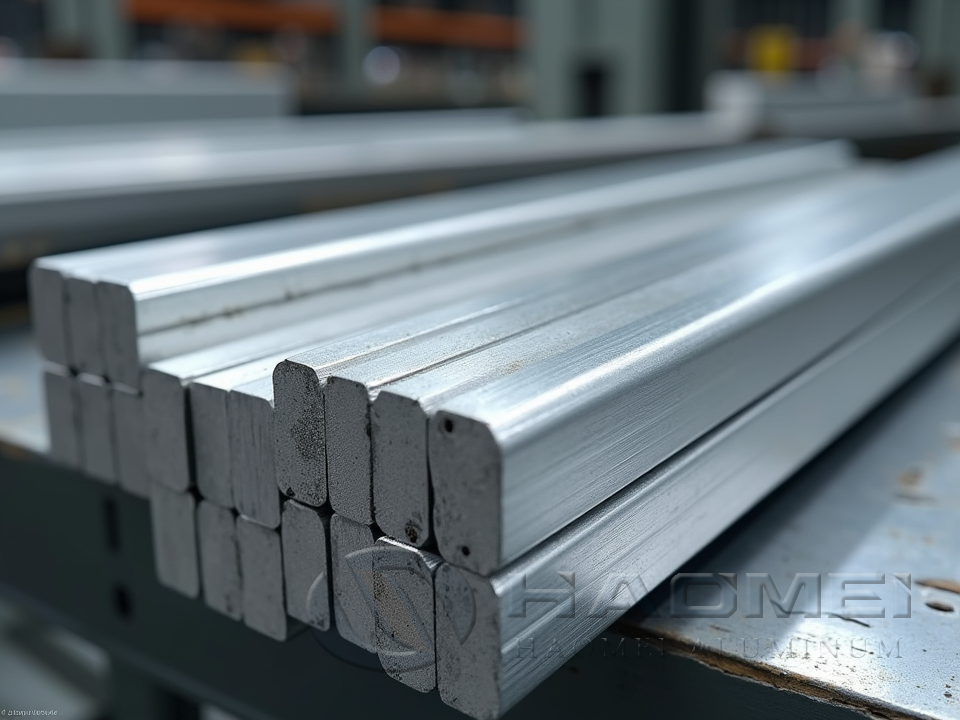
Marine aluminum hexagonal bars may not dominate the visual scale of an offshore platform, but they influence the reliability of many parts people touch, tighten, adjust, and replace. Their value lies in the combination of geometry and material behavior: wrench flats built into the stock, good machinability, corrosion-resistant alloy choices, and weight savings that suit demanding marine environments.
For high-performance offshore applications, the smartest purchase is not simply the cheapest bar in the correct shape. It is the bar that matches the environment, the machining route, the service load, and the maintenance reality at sea. When specified well, marine aluminum hexagonal bars become more than raw material. They become a quiet advantage built into every fitting, spacer, nut, and connector that keeps offshore equipment working.

Related Products
Marine grade aluminum solid bar
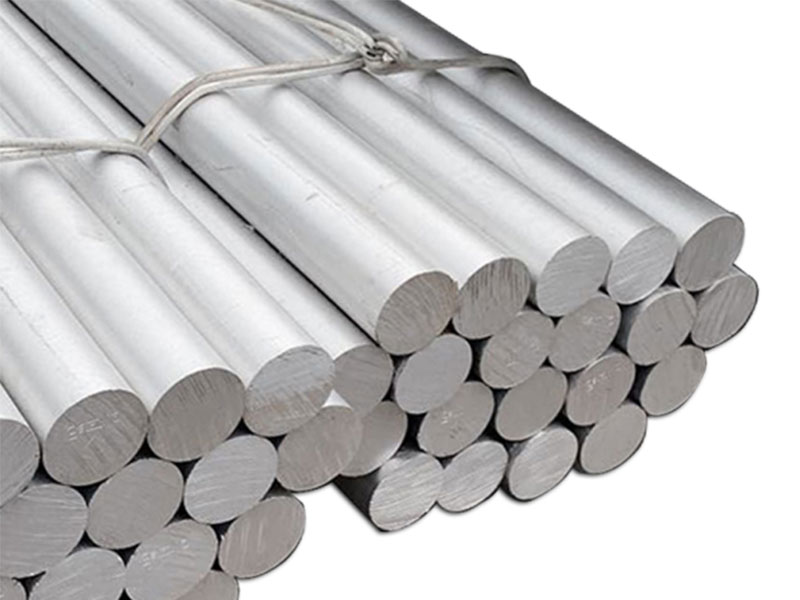
Marine Grade Aluminum Solid Bars are produced from premium aluminum alloys optimized for saltwater exposure, such as 5083, 5052, 6061, and 6082. These alloys offer unparalleled resistance to corrosion caused by seawater, salt spray, and marine atmospheres, while maintaining excellent mechanical strength and toughness.
View Details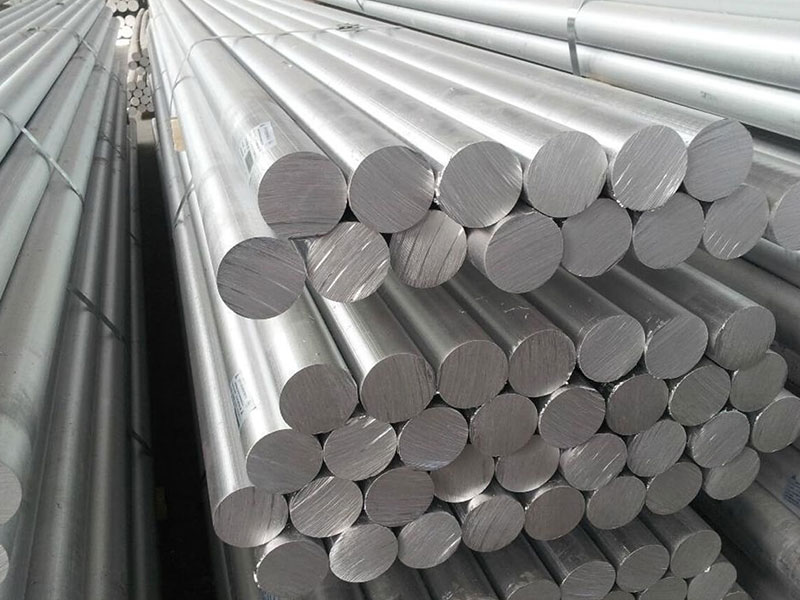
6082 marine aluminum rod & bar
6082 Aluminum Rods & Bars are extruded or rolled products manufactured from 6082 aluminum alloy — a thermally treated (typically T6 temper) aluminum-magnesium-silicon alloy that balances high tensile strength, good weldability, and excellent corrosion resistance.
View Details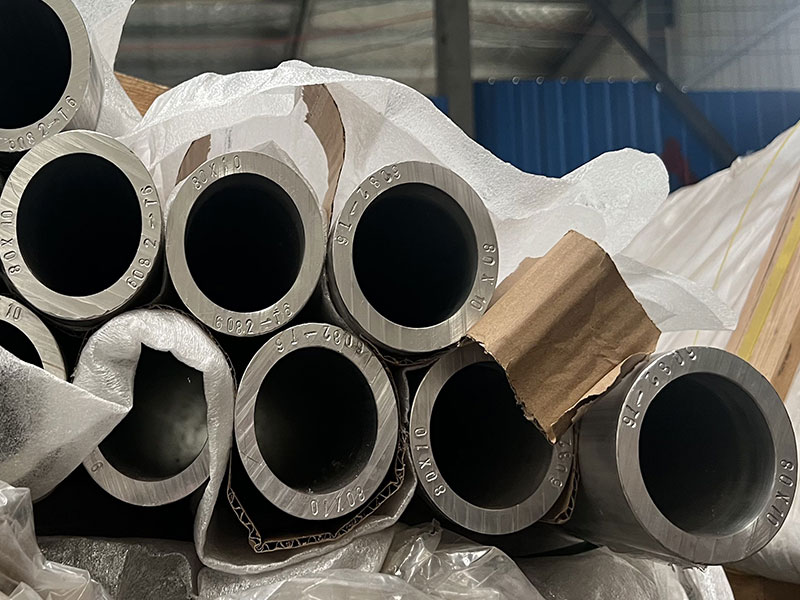
Marine aluminum hollow bars
Marine Grade Aluminum Hollow Bars are fabricated from high-quality alloys such as 5083, 5052, 6061, and 6082, all known for their exceptional resistance to seawater corrosion, salt spray, and marine atmospheres.
View Details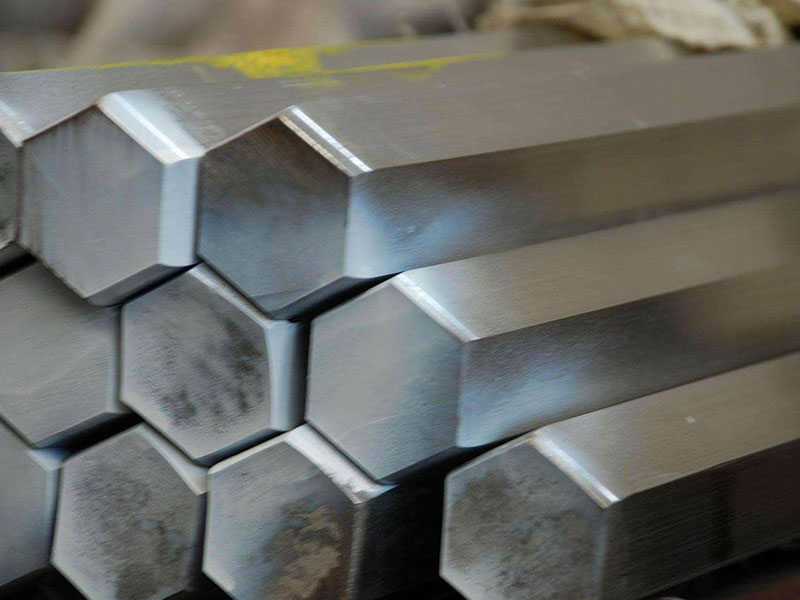
Marine aluminum hexagonal bars
Marine Grade Aluminum Hexagonal Bars are produced from premium corrosion-resistant aluminum alloys such as 5083, 5052, 6061, and 6082.
View DetailsRelated Blog
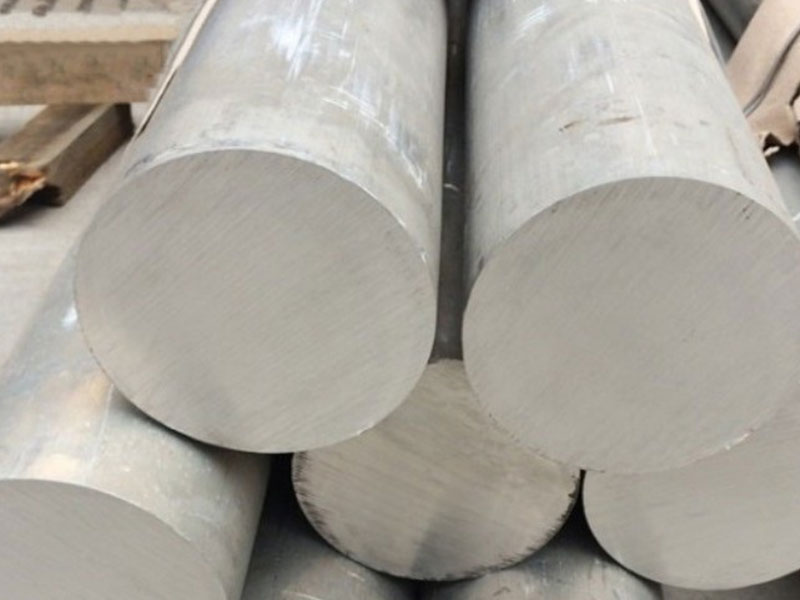
5052 Marine Aluminum Hexagonal Bars for Marine Hull Strengthening Parts
5052 marine aluminum hexagonal bars are a dedicated structural material for high‑strength, corrosion‑resistant hull reinforcement and outfitting in marine environments.
View Details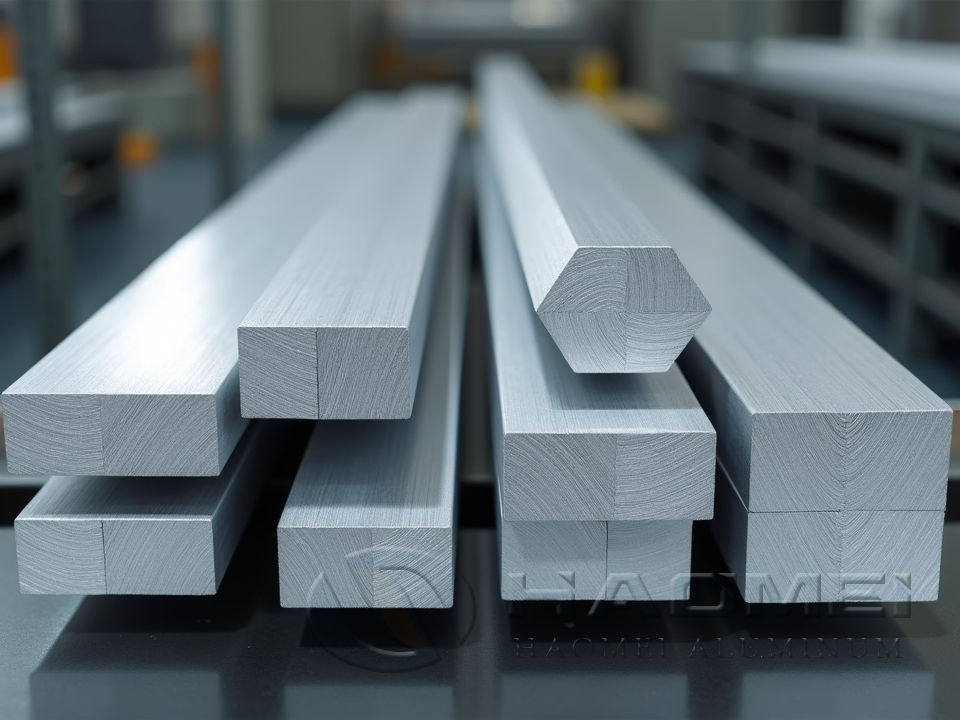
6082 Marine Aluminum Hexagonal Bars for Custom Boat Hull Engineering
6082 marine aluminum hexagonal bars deliver T6 strength, corrosion resistance, and precise machinability for custom boat hull fittings and frames projects.
View Details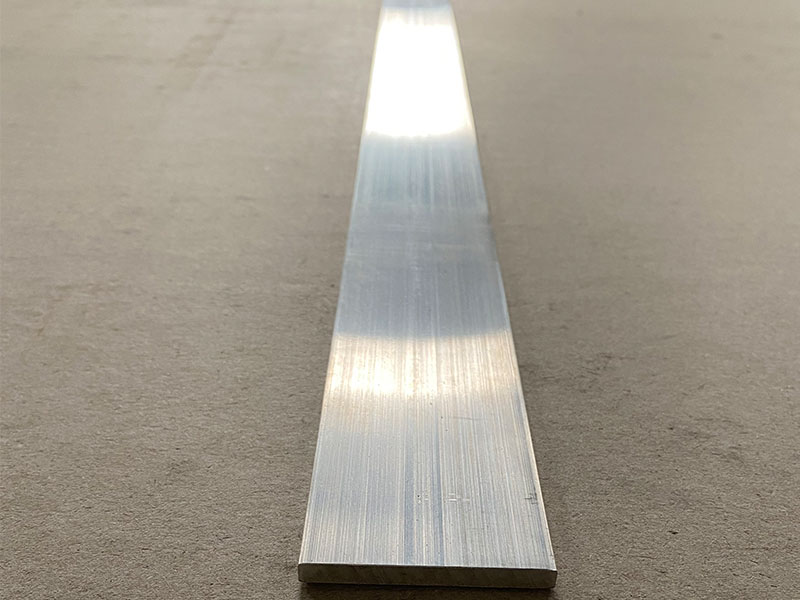
5052 Marine Grade Aluminum Solid Bar for Lightweight Offshore Components
As the maritime industry continues to evolve toward efficiency and performance optimization, the choice of materials plays a pivotal role in determining the success of marine designs.
View Details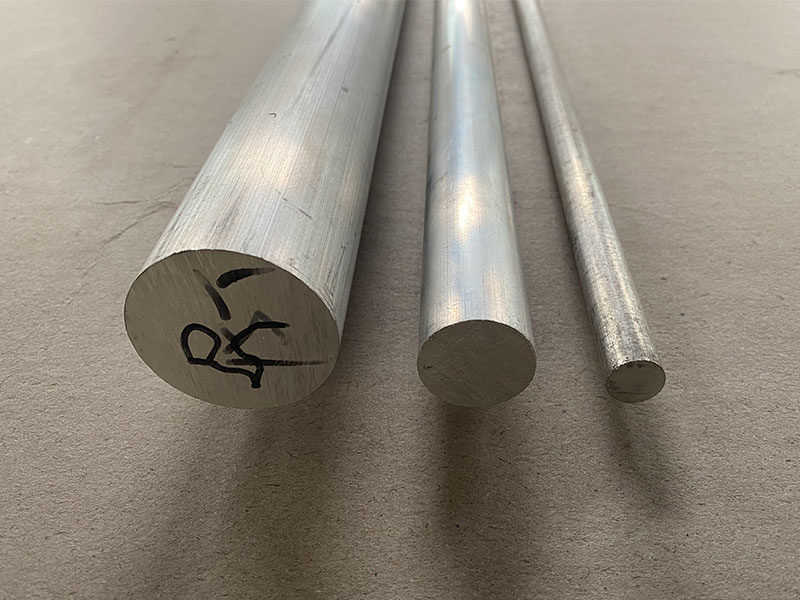
6082 Marine Aluminum Hexagonal Bars for Offshore Marine Construction Parts
6082 Marine Aluminum Hexagonal Bars for Offshore Marine Construction Parts: Unveiling Their Functional Excellence and Unique ApplicationsWhen it comes to the demanding realm of offshore marine construction, material selection is to ensuring longevity, saf
View Details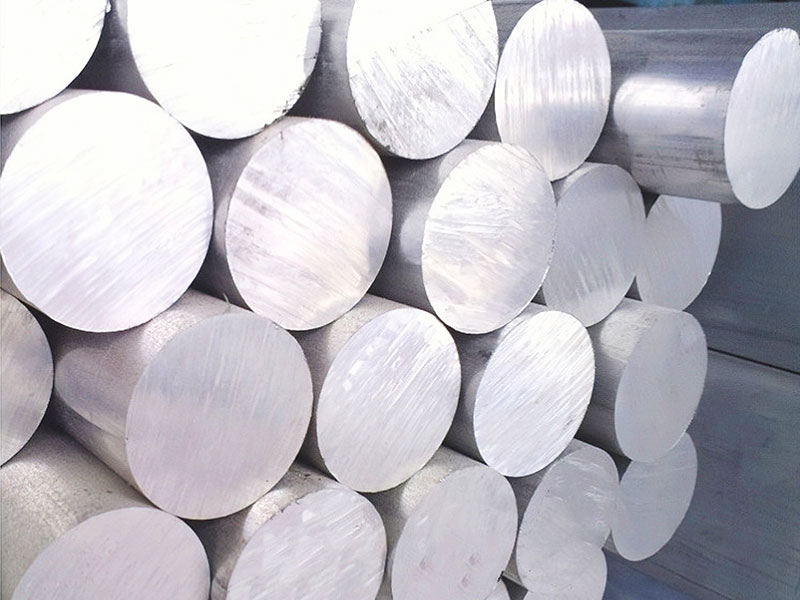
6061 Marine Grade Aluminum Solid Bar for Boat Hull and Deck Strengthening
When it comes to constructing or reinforcing boats, durability, strength, and corrosion resistance are non-negotiable attributes. Among the available materials in marine applications.
View Details
Marine Aluminum Hexagonal Bars for Boat Frame Design and Reinforcement
Marine environments demand materials that combine exceptional strength, corrosion resistance, and lightweight properties to ensure boat durability and reliability.
View Details
Leave a Message