
6061 t6 marine aluminum plate 5mm thick aluminium plate 1/4 inch aluminum plate
6061-T6 Marine Aluminum Plate in 5mm and 1/4 Inch: When "Everyday" Alloy Meets Saltwater Reality
In marine design, material selection is rarely about finding the "strongest" metal on paper. It's about choosing the alloy that stays predictable after welding, machining, vibration, spray, and years of wet-dry cycling. That's why 6061-T6 marine aluminum plate remains a favorite for boat structures, equipment bases, consoles, brackets, fuel-system surrounds, instrument panels, and general-purpose marine fabrication-especially in practical thicknesses like 5mm aluminum plate and 1/4 inch aluminum plate.
From a unique viewpoint, think of 6061-T6 not as a "marine-only" alloy like 5083, but as the marine workshop's multi-tool: it machines cleanly, holds tolerances, accepts a wide range of finishes, and offers strength levels that feel closer to structural alloys than to "soft" corrosion-first grades. The tradeoff is that its corrosion performance depends heavily on design details, coating strategy, and galvanic isolation-exactly the factors that decide whether a boat component looks new after years or becomes a maintenance problem.
Why 5mm and 1/4 Inch Are the "Builder's Sweet Spot" Thicknesses
5mm (about 0.197 in) and 1/4 inch (0.250 in / 6.35 mm) sit in a zone where aluminum plate stops behaving like sheet and starts behaving like structure. In practice, these gauges are thick enough to:
- resist oil-canning on panels and covers
- provide thread engagement for tapped holes and inserts
- remain stable during machining and edge finishing
- handle moderate point loads when properly supported
At the same time, they're still workable with common marine shop tooling: CNC routers, waterjet, plasma, press brakes (with correct die selection), and conventional welding setups.
What 6061-T6 Really Means in the Marine Context
6061 is an Al-Mg-Si alloy. Its signature is that magnesium and silicon form Mg₂Si precipitates during heat treatment. The T6 temper indicates a specific strengthening pathway:
- solution heat treated
- quenched
- artificially aged to achieve high strength
This microstructural "tuning" is why 6061-T6 delivers an excellent strength-to-weight profile for marine hardware and structural components.
A critical marine fabrication reality is that welding disrupts the T6 temper in the heat-affected zone. After welding, local properties in and near the weld typically drop toward T4/T5-like levels unless the entire assembly is re-heat-treated (often impractical for large fabrications). This doesn't disqualify 6061 in marine builds; it simply shifts the engineering approach: use smart joint design, avoid over-welding, and place welds where stress is lower when possible.
Typical Mechanical and Physical Parameters (6061-T6 Plate)
The values below are commonly referenced for 6061-T6 plate; actual properties depend on thickness, mill practice, and applicable specification.
Mechanical properties (typical)
- Tensile strength: around 290 MPa (about 42 ksi)
- Yield strength: around 240 MPa (about 35 ksi)
- Elongation: often 8–12% (varies with thickness and product form)
- Brinell hardness: about 95 HB (typical reference value)
Physical properties
- Density: about 2.70 g/cm³
- Thermal conductivity: roughly 167 W/m·K (order-of-magnitude reference)
- Electrical conductivity: around 40% IACS (typical)
- Melting range: approximately 582–652°C
If your application involves fatigue, continuous vibration, or cyclic slamming loads, it's wise to treat 6061-T6 as a "design-with-margin" alloy: excellent when well-supported and well-isolated from galvanic couples, less forgiving if used as a thin, cantilevered member without proper radii and reinforcement.
Implementation Standards and Common Supply Conditions
When buyers search for 6061 T6 marine aluminum plate, they often need more than an alloy name-they need compliance and traceability that marine fabricators can trust.
Common standards and specifications used globally include:
- ASTM B209 for aluminum and aluminum-alloy sheet and plate
- EN 485 series for European requirements on wrought aluminum products
- AMS 4027 / AMS 4026 (often used when aerospace-style documentation and tighter controls are desired, depending on thickness and form)
Typical mill delivery documentation includes mill test reports showing chemistry and mechanical properties, with heat/lot traceability. For marine projects, that paperwork can matter as much as the plate itself when components go into regulated builds or class-influenced supply chains.
Tempering and Other Conditions: T6, T651, and the Stress Question
In real workshops, plate isn't just "T6." You'll commonly see:
- 6061-T6: heat treated and artificially aged
- 6061-T651: T6 plus stress-relieving by stretching, improving dimensional stability during machining
For precision parts cut from 5mm plate or 1/4 inch aluminum plate, T651 is often preferred when flatness and reduced movement after milling are important. That "quiet stability" is a hidden advantage for marine components like mounting pads, machined brackets, hinge plates, and equipment adapters.
Corrosion Behavior: The Distinctive Viewpoint Most People Miss
6061 is often described as having "good corrosion resistance," which is true in many atmospheric and freshwater environments. In saltwater, the conversation becomes more nuanced:
- 6061 can perform very well when properly isolated from stainless fasteners and copper-bearing alloys
- it benefits strongly from anodizing, epoxy priming, and marine paint systems
- crevices, trapped moisture, and dissimilar-metal joints are where problems start-not on clean, drained surfaces
In other words, 6061-T6 in marine use is less about the alloy being "salt-proof" and more about the builder controlling the electrochemical neighborhood around the part.
Recommended Fabrication Notes for Marine Shops
For welding, 6061 is commonly joined with:
- ER4043 filler for smooth wetting and reduced crack sensitivity
- ER5356 when higher as-welded strength and better anodizing color match are needed (with application-specific considerations)
For fastening:
- isolate stainless bolts using nylon washers, sleeves, or barrier coatings
- avoid copper contact and run-off
- use marine sealants to prevent crevice corrosion in lap joints
For finishing:
- hard-working parts often get Type II/Type III anodizing (where suitable)
- structural and deck-adjacent components often perform best with marine coating stacks designed for salt spray exposure
Chemical Composition Table: 6061 Aluminum Alloy (Typical Limits)
The following table reflects commonly cited composition limits for AA 6061 under widely used specifications. Always verify against the governing standard for your purchase order.
| Element | Composition (wt %) |
|---|---|
| Silicon (Si) | 0.40–0.80 |
| Iron (Fe) | ≤ 0.70 |
| Copper (Cu) | 0.15–0.40 |
| Manganese (Mn) | ≤ 0.15 |
| Magnesium (Mg) | 0.80–1.20 |
| Chromium (Cr) | 0.04–0.35 |
| Zinc (Zn) | ≤ 0.25 |
| Titanium (Ti) | ≤ 0.15 |
| Others (each) | ≤ 0.05 |
| Others (total) | ≤ 0.15 |
| Aluminum (Al) | Balance |
This chemistry is what enables the heat-treat response that defines the T6 temper: magnesium and silicon do the heavy lifting, while chromium helps control grain structure and improves toughness and corrosion behavior in many service conditions.
Choosing 6061-T6 Marine Aluminum Plate for Your Project
If your build prioritizes machinability, structural strength, availability, and versatile finishing, 6061-T6 marine aluminum plate in 5mm or 1/4 inch thickness is a highly practical choice. It rewards good design habits: drain paths, isolation from stainless and copper, minimized crevices, and coatings that match the real exposure environment.
For buyers sourcing marine aluminum plate, the most important step is aligning the plate with your fabrication route. If you're machining precision components, specify T651 when appropriate. If you're welding extensively, design with post-weld property changes in mind. If you're mixing metals, plan galvanic isolation from day one.

Related Products
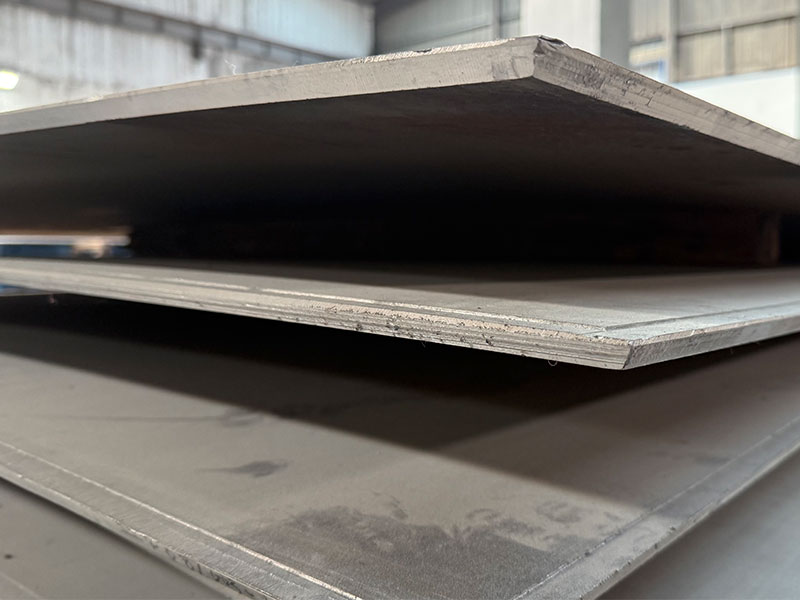
Marine aluminum steel clad plate
Aluminum / Steel Clad Plates consist of a sandwich construction in which a layer of marine-grade aluminum alloy is metallurgically bonded to a steel substrate.
View Details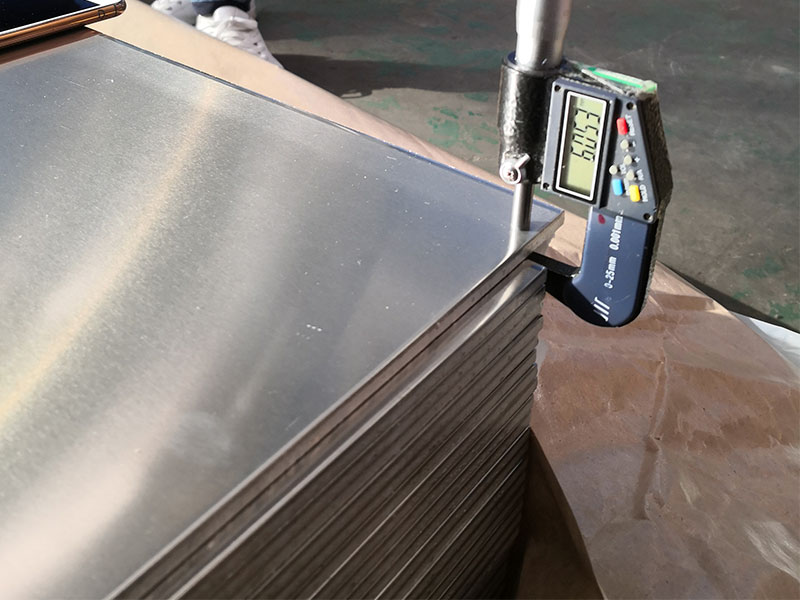
Marine 5383 aluminum plate
The 5383 aluminum alloy belongs to the 5xxx series of aluminum-magnesium alloys known for remarkable resistance to marine corrosion and high strength.
View Details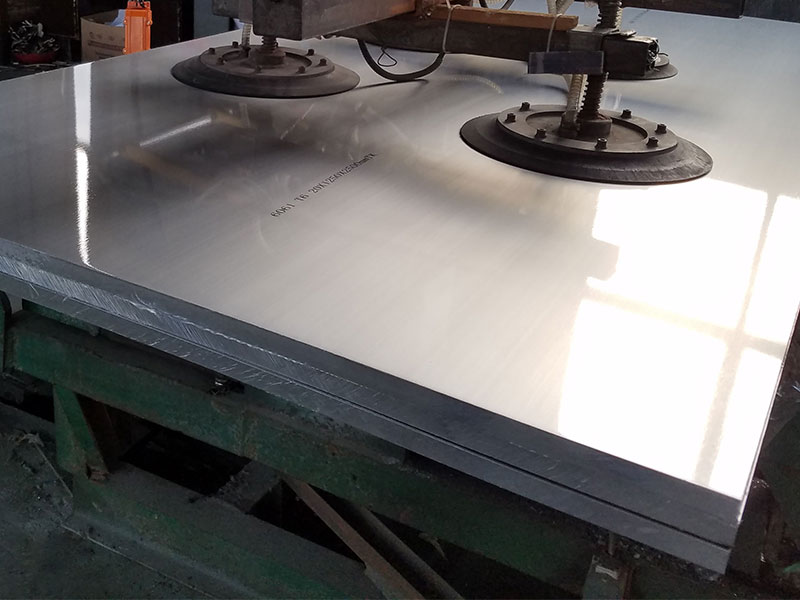
Marine heavy duty aluminum plate
Marine Heavy Duty Aluminum Plates Sheets generally refer to thick aluminum alloy plates and heavy gauge sheets produced from marine-grade alloys such as 5083, 5086, 5059, and 5383.
View Details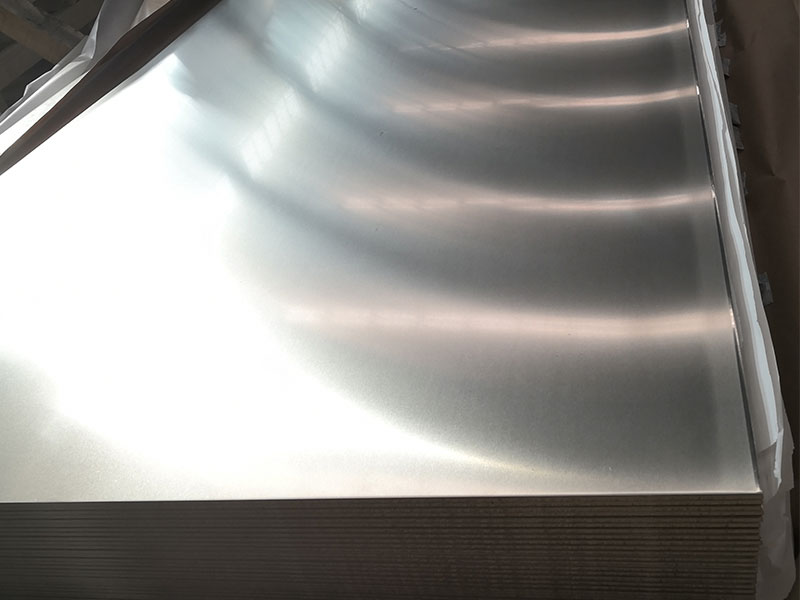
Marine 5052 aluminum plate
Marine 5052 Aluminum Plate is noted for its exceptional resistance to corrosion caused by seawater, salt spray, and marine atmospheres.
View Details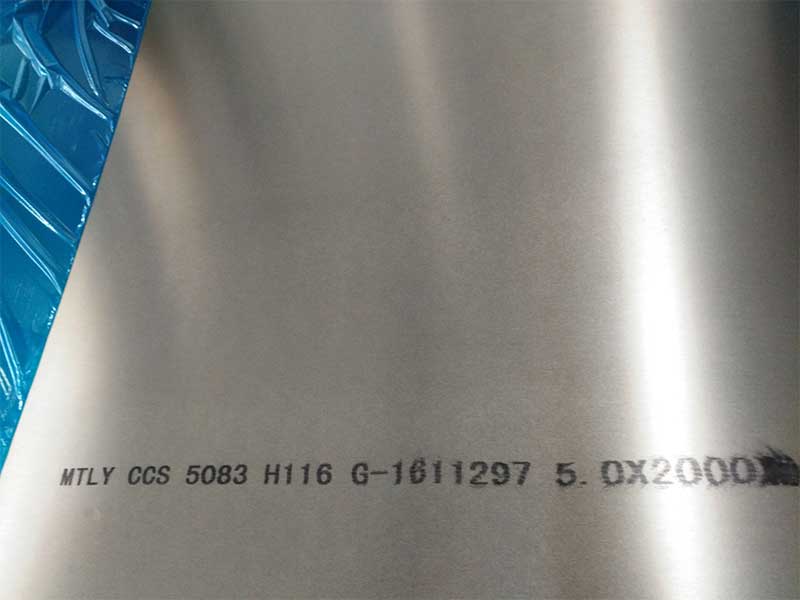
Marine 5083 aluminum plate
Marine 5083 Aluminum Plate belongs to the 5xxx series of aluminum-magnesium alloys and is classified as a non-heat-treatable alloy. Its high magnesium content (typically 4.0–4.9%) enhances its corrosion resistance, especially against seawater-related degradation such as pitting and stress corrosion cracking.
View Details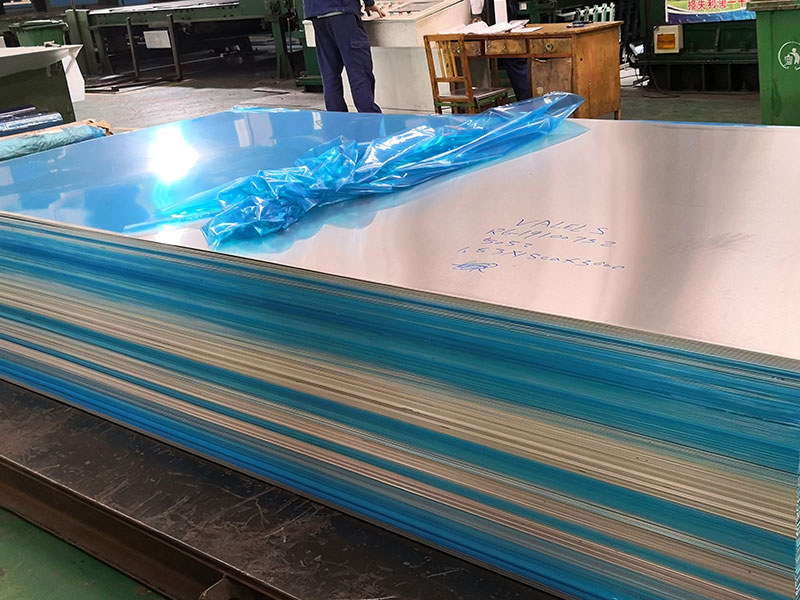
Marine 5059 aluminum plate
Marine 5059 Aluminum Plate is distinguished by its high magnesium content and carefully balanced alloying elements, designed to maximize strength without compromising corrosion resistance.
View DetailsRelated Blog
6061 T6 T651 Marine Grade Aluminum Plate Sheet
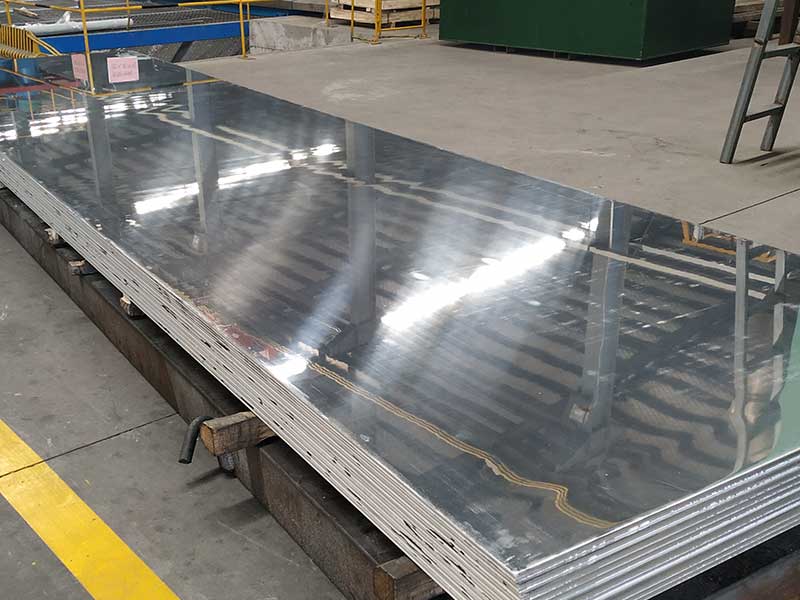
When it comes to selecting the ideal material for marine applications, nothing quite matches the balanced strength, corrosion resistance, and versatility of the 6061 T6 T651 marine grade aluminum plate sheet.
View Details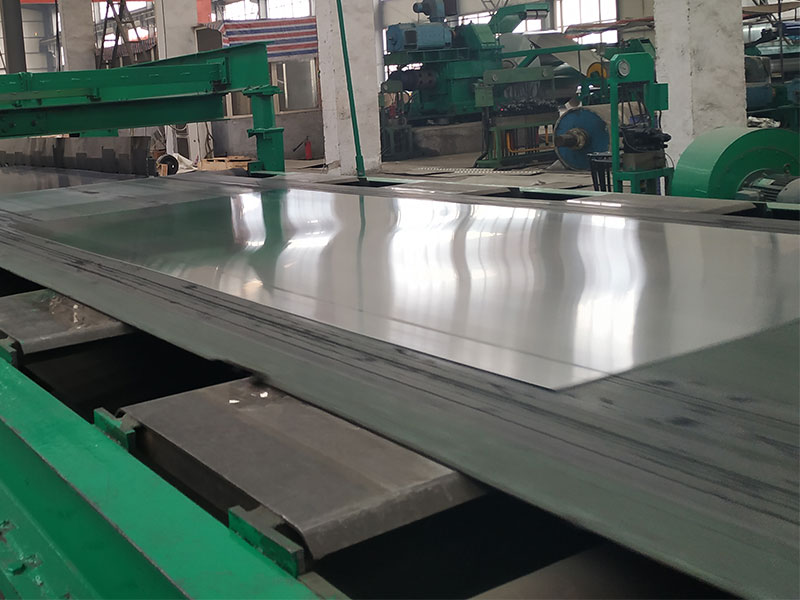
Marine Aluminum 6061 T6 Plate For Shipbuilding
Marine Aluminum 6061 T6 Plate For Shipbuilding: A "Structural Utility Metal" That Works Like a SystemIn shipbuilding, materials are often discussed as if they are simple ingredients: strong, light, corrosion-resistant.
View Details
Aluminum sheet plate 6061 for marine
Aluminum sheet plate 6061 is a widely used aluminum alloy known for its excellent mechanical properties, corrosion resistance, and versatility. In the marine industry, where materials face harsh environmental conditions such as saltwater exposure.
View Details
Marine 6061 6082-T651 Pre-Stretching Aluminum Plate Sheet
The Marine 6061 6082-T651 Pre-Stretching Aluminum Plate Sheet is a high-performance aluminum alloy product specially processed through pre-stretching treatment to relieve residual stress.
View Details
Marine Aluminum Alloy Plate 5052 5083 6061
Marine environments pose extreme challenges—constant exposure to saltwater corrosion, mechanical stresses, and environmental fluctuations demand materials that combine strength, durability, and corrosion resistance.
View Details
6061 t6 marine aluminum plate 5mm thick aluminium plate 1/4 inch aluminum plate
6061-T6 Marine Aluminum Plate in 5mm and 1/4 Inch: When "Everyday" Alloy Meets Saltwater RealityIn marine design, material selection is rarely about finding the "strongest" metal on paper.
View Details
Leave a Message