
5083 10mm Thickness Aluminum coil for Boat
5083 10mm Thickness Aluminum Coil for Boat: When "Strength" Also Means "Staying Beautiful at Sea"
In boatbuilding, material decisions are rarely about a single property. A hull plate that's strong but corrodes quickly becomes expensive. A corrosion-proof alloy that's hard to fabricate slows production. This is where 5083 10mm thickness aluminum coil for boat earns its reputation: it's not just "marine grade"-it's an alloy designed to keep its mechanical confidence while living in saltwater, weld heat, and constant vibration.
A useful way to look at 10mm 5083 aluminum coil is as a "shape-ready plate." The coil form gives shipyards and fabricators efficiency in cutting and forming, while the 10mm gauge sits in the practical sweet spot for many structural components that need real stiffness, not just cosmetic durability. It's commonly chosen for hull sections, decks, bulkheads, ramps, superstructures, catamaran components, patrol craft panels, and workboat structures, especially when designers want a strong, weldable aluminum that resists seawater attack without relying on heavy coatings.
What 5083 Really Does on a Boat (Beyond the Datasheet)
5083 aluminum is an Al-Mg-Mn alloy. Its most valuable "function" in marine environments is not only that it resists corrosion, but that it resists the wrong kind of corrosion.
On boats, chloride-rich seawater tries to exploit weak spots-heat-affected zones after welding, crevices around fasteners, cut edges, and areas where oxygen exchange is uneven. 5083 is well known for its excellent resistance to seawater corrosion and good resistance to stress corrosion cracking, which is one reason it is routinely specified for marine hulls and structural plating.
At 10mm thickness, this alloy becomes especially relevant in real-life marine stresses:
- Wave slam and cyclic fatigue: thicker plate helps dampen and distribute local loads; 5083 provides strong yield behavior while remaining workable.
- Welded structures: 5083 maintains useful strength after welding compared to many other alloys, making it a practical choice for large welded assemblies.
- Forming with integrity: coil supply supports rolling, bending, and fabrication workflows, and 5083 retains toughness that matters in impact-prone craft.
Why Coil Form Matters for 10mm Marine Work
People often associate "coil" with thin sheet, but 10mm aluminum coil is a production strategy: consistent thickness control, repeatable surface quality, and optimized processing for yards that prefer to uncoil, level, and cut to design.
For boat manufacturing, coil offers practical advantages:
- Higher material utilization for long panels and repeated parts
- Consistent mechanical performance across runs when sourced to controlled standards
- Surface continuity that's useful when finishing requires fewer visual transitions
Typical Applications of 5083 10mm Aluminum Coil in Boats
5083 at 10mm is frequently selected where structural confidence and corrosion resistance need to coexist:
- Hull plating and side shell panels on aluminum workboats, patrol craft, and ferries
- Deck plating and structural decks where stiffness and weldability matter
- Transoms, bulkheads, and internal structural members requiring good welded performance
- Ramps and landing structures where impact resistance and toughness matter
- Catamaran cross structures and bridging zones, where fatigue performance becomes critical
- Fishery and offshore service craft exposed to aggressive marine splash zones
Alloy Tempering: Choosing the Condition That Matches the Job
5083 is not heat-treatable in the way 6xxx or 7xxx alloys are. Its strength is mainly achieved through work hardening (strain hardening). That's why temper selection is central to performance.
Common tempers for marine structural use include:
- O (annealed): best for deep forming, lowest strength
- H111: lightly strain-hardened, good balance of formability and strength; widely used for marine plate and coil
- H116: specifically oriented toward marine service; improved resistance to exfoliation/corrosion in marine environments compared with standard strain-hardened tempers
- H321: stabilized strain-hardened temper; commonly used for marine plate products, offering consistent mechanical properties and good corrosion resistance
For boat structures, 5083-H116 and 5083-H321 are often specified because they are aligned with marine corrosion expectations and proven hull-building practice. H111 is also used when forming needs are higher or when design stress levels allow more flexibility.
Implementation Standards Commonly Used in Marine Aluminum Supply
Marine projects typically require traceable, standardized material. For 5083 aluminum coil used in boats, common standards include:
- ASTM B928 / B928M: High-magnesium aluminum-alloy sheet and plate for marine service and similar environments
- ASTM B209 / B209M: Aluminum and aluminum-alloy sheet and plate (general product standard)
- EN 485 (parts applicable): Aluminum and aluminum alloys-sheet, strip, plate-mechanical properties and tolerances
- EN 573: Chemical composition limits for wrought aluminum alloys
- ISO/ship classification expectations: Many yards align purchasing with DNV, ABS, LR, CCS practices depending on vessel class, even when material is supplied under ASTM/EN
If your boat is classed or intended for commercial service, it's common to request mill test certificates, heat/lot traceability, and temper verification consistent with the project's QA plan.
Typical Parameters for 5083 10mm Aluminum Coil (Boat Use)
Below are commonly requested parameters in marine procurement. Exact values vary by mill capability and standard.
Product: 5083 aluminum coil (marine grade)
Thickness: 10mm
Width: commonly 1000–2500mm (custom slitting available)
Inner diameter (ID): typically 508mm or 610mm
Temper: O / H111 / H116 / H321 (marine structures often prefer H116/H321)
Surface: mill finish; protective film optional
Weldability: excellent (often welded with 5xxx series filler such as 5356 depending on design)
Corrosion resistance: excellent in seawater and splash zones
Formability: good, especially in O and H111; still workable in H116/H321 for many marine bends with proper radius
Chemical Composition: 5083 Aluminum (Typical Limits)
The following table shows typical composition limits for AA 5083. Always confirm with the governing standard and mill certificate.
| Element | Composition (wt.%) |
|---|---|
| Magnesium (Mg) | 4.0–4.9 |
| Manganese (Mn) | 0.4–1.0 |
| Chromium (Cr) | 0.05–0.25 |
| Silicon (Si) | ≤ 0.40 |
| Iron (Fe) | ≤ 0.40 |
| Copper (Cu) | ≤ 0.10 |
| Zinc (Zn) | ≤ 0.25 |
| Titanium (Ti) | ≤ 0.15 |
| Others (each) | ≤ 0.05 |
| Others (total) | ≤ 0.15 |
| Aluminum (Al) | Balance |
This chemistry is the reason 5083 behaves the way it does. High magnesium supports strength and corrosion resistance, manganese contributes to mechanical stability, and controlled impurities help maintain performance consistency in marine exposure.
A Distinctive Viewpoint: "The Alloy That Forgives Real Boat Life"
Boats are not laboratory specimens. They're welded, modified, repaired, and occasionally abused. 5083 in 10mm coil form is often chosen because it tolerates reality: welded seams, salt spray, deck traffic, and long-term outdoor exposure. It's a material that doesn't demand perfection to perform well.
For builders and buyers, the most practical takeaway is this: 5083 10mm aluminum coil is not only a structural material-it's a risk-management material. It reduces corrosion surprises, supports efficient fabrication, and provides dependable strength where marine designs need it most.

Related Products
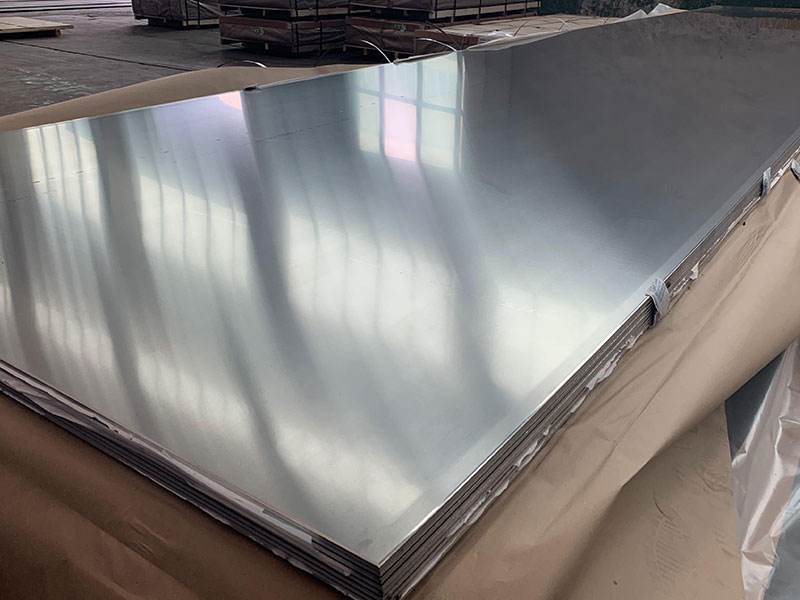
Marine 5086 aluminum sheet
This product article provides an in-depth and comprehensive understanding of Marine 5086 Aluminum Sheets, including their chemical composition, mechanical properties, corrosion resistance, fabrication capabilities, and typical marine applications.
View Details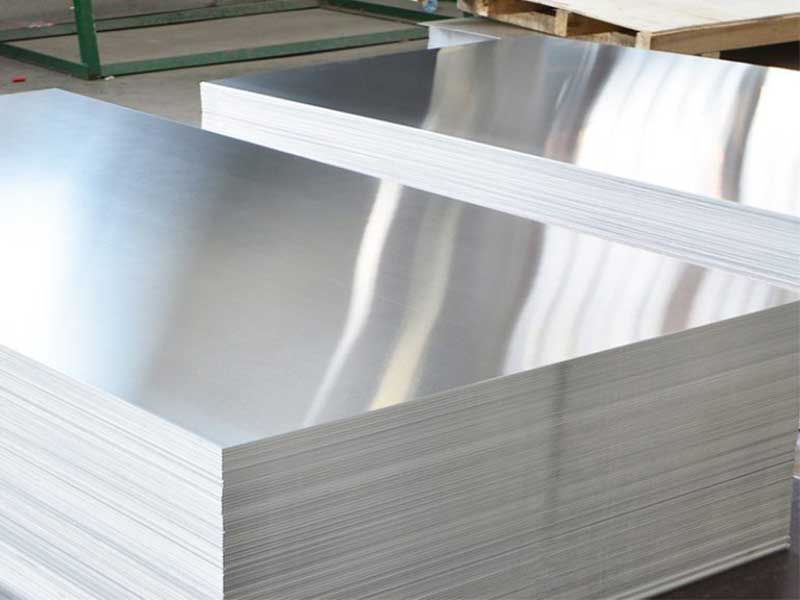
Marine anodized aluminum sheets
Marine Anodized Aluminum Sheets start with premium marine-grade aluminum alloys such as 5000 and 6000 series (typically 5083, 5052, and 6061).
View Details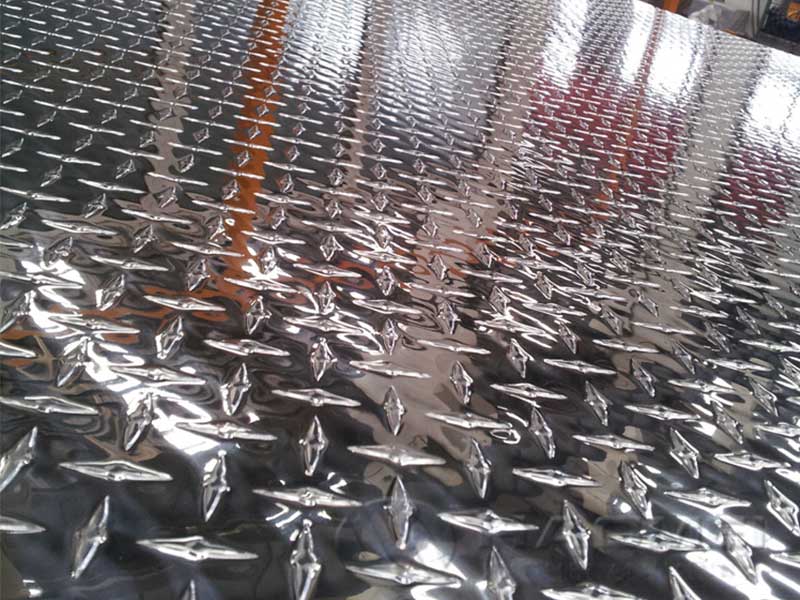
Marine Aluminum Tread Sheets
Marine Aluminum Tread Sheets are aluminum alloy plates featuring a raised surface pattern, commonly referred to as a tread design or diamond plate.
View Details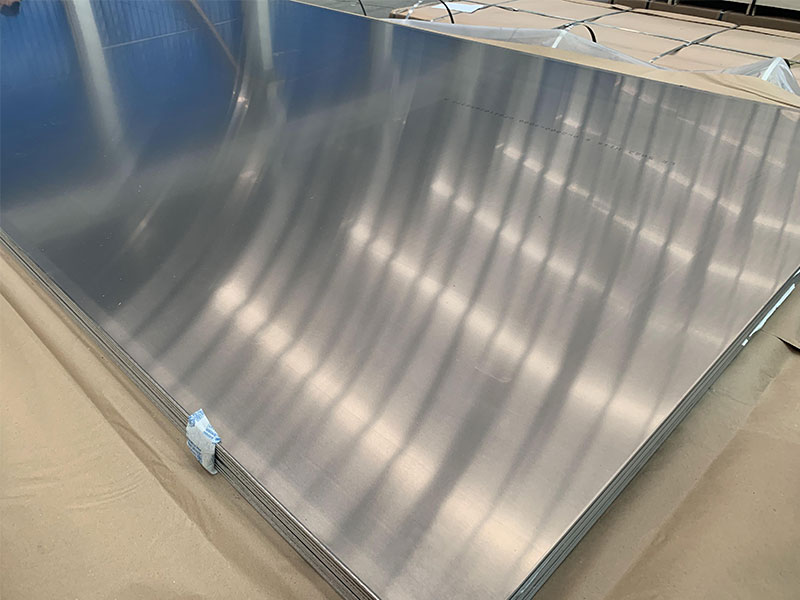
Marine 5052 aluminum sheet
Aluminum alloy 5052 is a non-heat-treatable, strain-hardened alloy with magnesium as the primary alloying element. It is designed to offer superior corrosion resistance in marine and saline environments, making it a dependable choice for components exposed directly to seawater or coastal atmospheric conditions.
View Details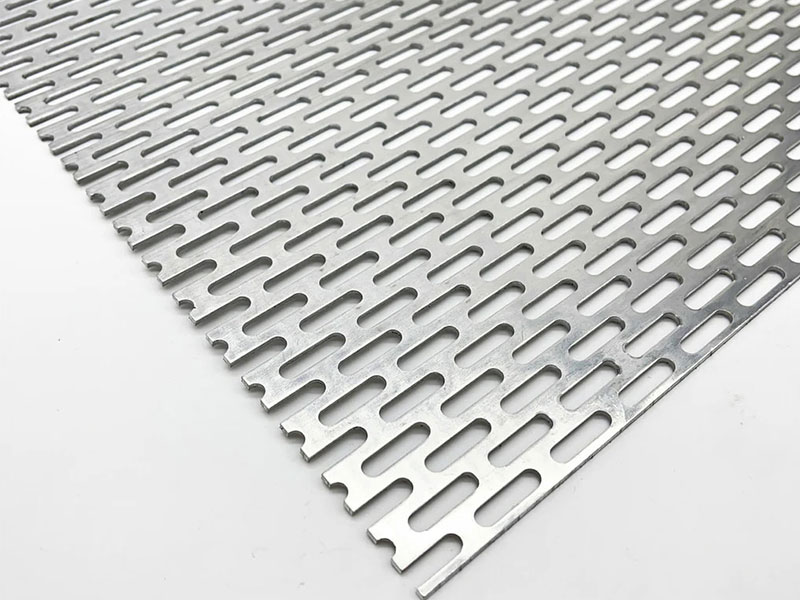
Marine perforated aluminum sheets
Marine Perforated Aluminum Sheets feature a series of uniform holes or shapes punched through the aluminum surface. These perforations can vary in size, pattern, and open area to tailor the sheets for specific applications.
View Details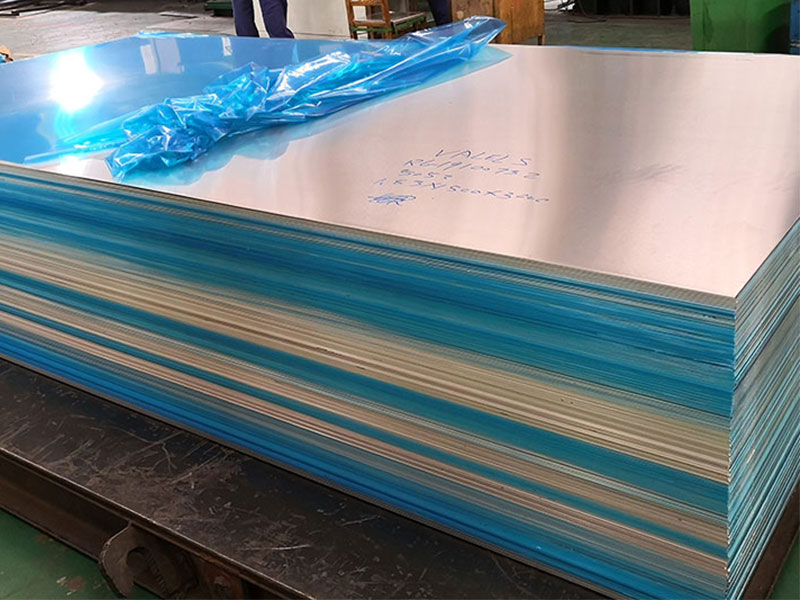
Marine 5059 aluminum sheet
5059 aluminum alloy is a strain-hardened material with a unique addition of magnesium and chromium, which provides outstanding resistance to localized corrosion like pitting and stress corrosion cracking.
View DetailsRelated Blog
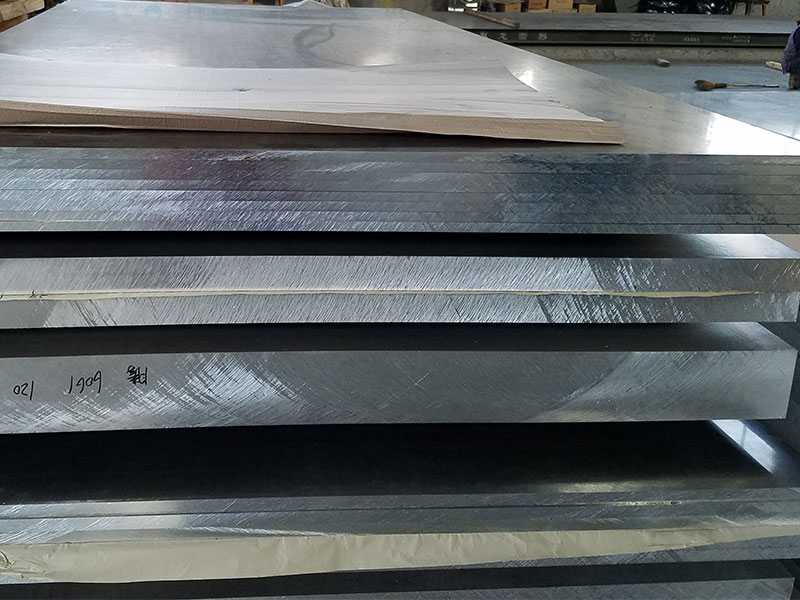
Anti-Corrosion Anodizing 5083 Alloy Aluminum Coil for Electric Boat Construction
Electric boats operate in one of the most demanding corrosion environments on earth: a wet, oxygen-rich, salt-contaminated atmosphere with constant abrasion, vibration, and stray electrical currents.
View Details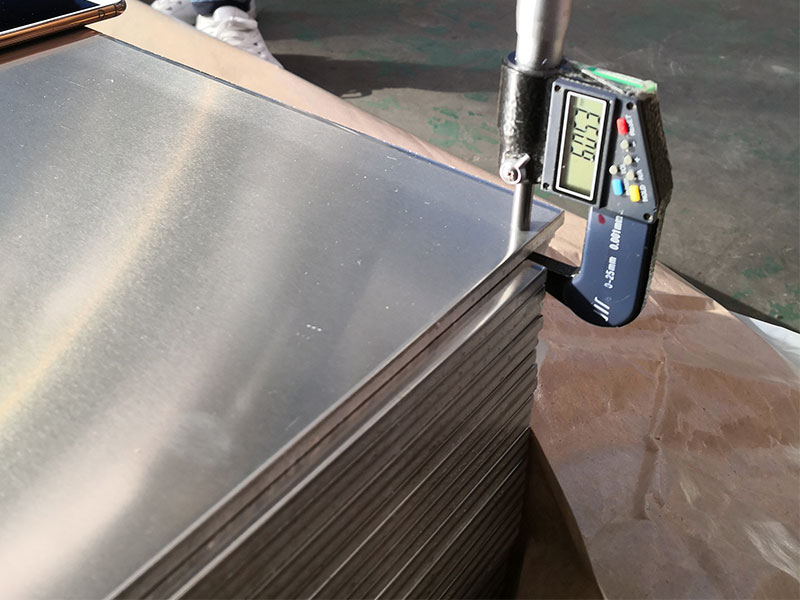
5052 5083 marine grade aluminium sheet for boat
Marine grade aluminium alloys 5052 and 5083 are among the most widely used non-heat-treatable alloys for shipbuilding, small vessels, and marine components. They combine good corrosion resistance in seawater, excellent weldability and formability.
View Details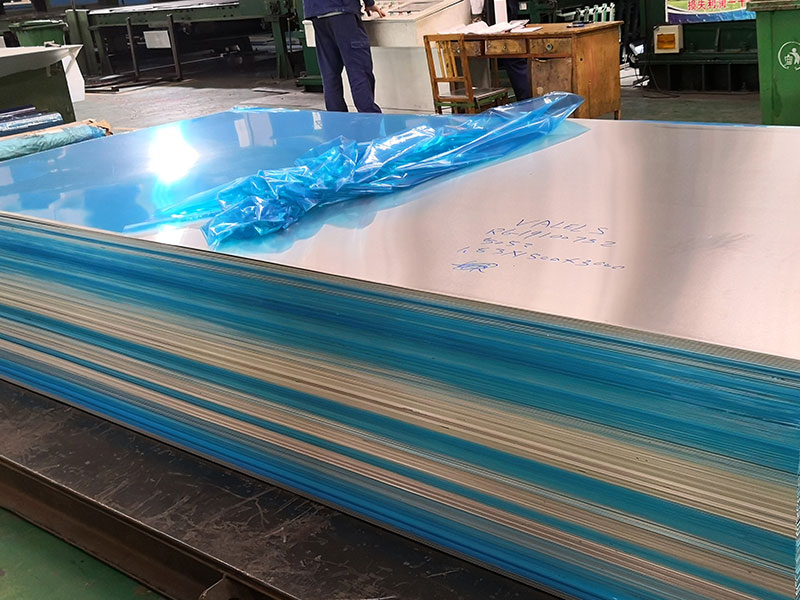
6061 6063 7071 5083 7075 alloy aluminum sheet for boat
Boat builders choose aluminum sheet when they need a hull or structure that stays light, resists corrosion, and remains workable in fabrication. This product range-6061, 6063, 7071, 5083.
View Details
5083 Marine Grade Color Coated Aluminum
When it comes to durable, reliable, and visually appealing materials for marine environments, 5083 Marine Grade Color Coated Aluminum stands out as an industry leader.
View Details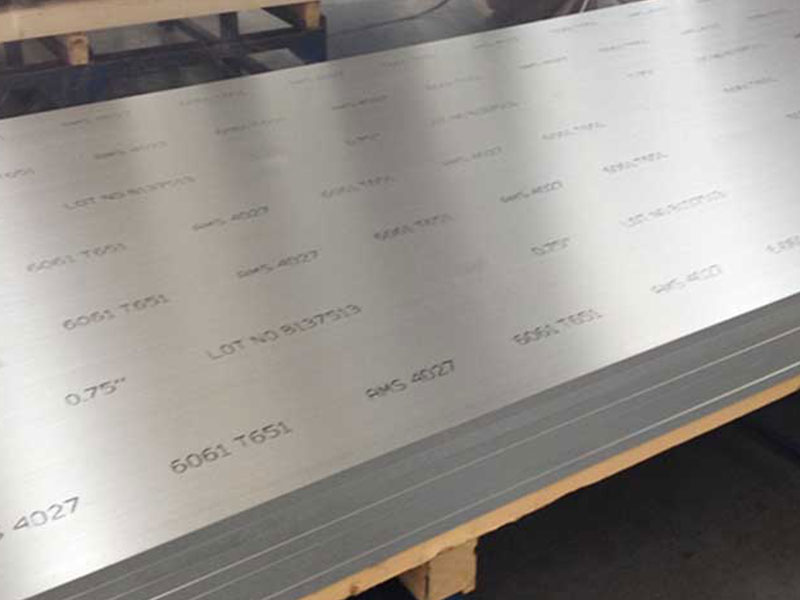
AntiCorrosion 5083 Aluminum Sheet for Marine
Superior corrosion resistance and high strength of AntiCorrosion 5083 Aluminum Sheets, specifically designed for marine applications. Learn detailed specifications, alloy tempering, mechanical properties, and implementation standards in this comprehensive
View Details
Aluminum Sheet A5083 H116 H321 for Marine Ship
Aluminum Sheet A5083 in tempers H116 and H321 is a primary material choice for manufacturing marine vessels and shipbuilding components. It combines exceptional mechanical properties with strong corrosion resistance.
View Details
Leave a Message