
Marine Aluminum Hollow Bars for Shipbuilding and Marine Applications
Marine environments punish materials relentlessly: salt spray, cyclic loading, stray currents, impacts, and long service intervals where maintenance access is limited. Marine aluminum hollow bars are engineered for this reality-delivering corrosion resistance, high strength-to-weight ratio, and fabrication efficiency in a form that's ideal for load-bearing and fluid-handling structures. Compared with solid bars, hollow sections reduce mass without sacrificing stiffness where it matters, helping shipyards and marine fabricators improve payload, fuel economy, and stability while maintaining robust structural performance.
What Are Marine aluminum hollow bars?
Marine aluminum hollow bars are extruded or drawn aluminum profiles with a continuous internal bore, supplied in round, square, or custom shapes. They are commonly produced from marine-grade alloys such as 5083, 5086, 6061, and 6082, selected for their corrosion performance and strength in seawater service. Hollow bars also enable practical design advantages: routing lines through members, integrating fasteners, or creating lighter yet stiff frameworks.
Features That Matter On the Water
| Feature | Why it matters in marine service | Customer benefit |
|---|---|---|
| Excellent seawater corrosion resistance (alloy-dependent) | Reduces pitting, exfoliation, and galvanic sensitivity | Longer service life, fewer coating repairs |
| High strength-to-weight ratio | Improves structural efficiency and reduces top weight | Better fuel economy and stability |
| Hollow geometry | Increased stiffness-to-mass, space for cables/lines | Lighter components with functional routing |
| Extrudability and machinability | Supports tight tolerances and repeatable fabrication | Faster production, predictable assemblies |
| Weldability (especially 5xxx series) | Reliable joints in hull-adjacent structures | Strong welds with less risk of hot cracking |
| Compatibility with anodizing/paint systems | Enhanced protection and appearance | Better aesthetics and reduced maintenance |
Recommended Marine Alloys for Hollow Bars
Selection depends on whether the hollow bar is structural, decorative, pressure-containing, or near hull plating. The table below summarizes common choices.
| Alloy / Temper | Typical strengths | Corrosion behavior in seawater | Typical use-case fit |
|---|---|---|---|
| 5083-H111 / H116 | Medium-to-high | Excellent | Hull-adjacent structures, highly exposed components |
| 5086-H111 | Medium | Excellent | Frames, rails, structural supports |
| 6061-T6 | High | Good (best with coating/anodize) | Machined parts, fittings, precision components |
| 6082-T6 | High | Good | European preference for structural extrusions, masts, frameworks |
Note: Final alloy choice should consider galvanic couples, coating system, weld procedure, and service temperature.
Chemical Composition (Typical, wt.%)
Below are widely referenced typical composition limits for common marine-grade aluminum alloys. Actual mill certificates govern.
| Alloy | Mg | Si | Mn | Fe | Cu | Cr | Zn | Ti | Al |
|---|---|---|---|---|---|---|---|---|---|
| 5083 | 4.0–4.9 | ≤0.40 | 0.4–1.0 | ≤0.40 | ≤0.10 | 0.05–0.25 | ≤0.25 | ≤0.15 | Balance |
| 5086 | 3.5–4.5 | ≤0.40 | 0.2–0.7 | ≤0.50 | ≤0.10 | 0.05–0.25 | ≤0.25 | ≤0.15 | Balance |
| 6061 | 0.8–1.2 | 0.4–0.8 | ≤0.15 | ≤0.70 | 0.15–0.40 | 0.04–0.35 | ≤0.25 | ≤0.15 | Balance |
| 6082 | 0.6–1.2 | 0.7–1.3 | 0.4–1.0 | ≤0.50 | ≤0.10 | ≤0.25 | ≤0.20 | ≤0.10 | Balance |
Mechanical Performance Snapshot (Typical)
Strength levels vary with temper, thickness, and production route. These values are directional guides for early-stage design.
| Alloy / Temper | Yield Strength (MPa) | Tensile Strength (MPa) | Elongation (%) | Notes |
|---|---|---|---|---|
| 5083-H111 | ~125–170 | ~275–340 | ~10–16 | Excellent corrosion; very weld-friendly |
| 5083-H116 | ~215+ | ~305–385 | ~10–16 | Optimized for marine plate/exposure conditions |
| 5086-H111 | ~110–160 | ~260–330 | ~10–16 | Strong corrosion resistance, good forming |
| 6061-T6 | ~240–275 | ~290–320 | ~8–12 | Great machinability; protect in seawater |
| 6082-T6 | ~250–300 | ~300–340 | ~8–12 | Structural extrusion favorite; coat/anodize advised |
Technical Specifications (Supply Range)
Marine hollow bars are typically provided as extruded lengths with controlled straightness and surface quality. Custom ranges depend on die capability and alloy.
| Parameter | Common offering | Typical notes |
|---|---|---|
| Outer diameter / across flats | 20–300 mm | Larger sizes available by inquiry |
| Wall thickness | 2–25 mm | Heavier walls improve thread engagement and dent resistance |
| Length | 3–12 m | Cut-to-length available |
| Shape | Round, square, rectangular, custom | Round offers best pressure/stress distribution |
| Surface | Mill finish, anodized, coated | Anodize improves durability and appearance |
| Tolerances | Extrusion standard or precision draw | Precision options for tight-fit assemblies |
| Certification | EN 10204 3.1 / mill test report | Chemistry, mechanicals, heat number traceability |
Why Hollow Bars Excel in Shipbuilding
Hollow bars offer a practical balance between structural rigidity and weight reduction. In marine designs, weight saved above the waterline directly improves roll behavior and overall stability, and weight saved anywhere improves propulsion efficiency. Hollow sections also create natural pathways for cable runs, hydraulic lines, sensor wiring, or drainage-reducing secondary brackets and penetrations that can become corrosion initiation points.
From a fabrication standpoint, marine hollow bars are friendly to modern shipyard workflows:
| Fabrication step | Hollow bar advantage | Practical outcome |
|---|---|---|
| Cutting and profiling | Lower mass, consistent section | Faster handling and positioning |
| Welding | Predictable heat flow (alloy-dependent) | Repeatable joints with qualified procedures |
| Machining | Less material removal vs solid | Reduced cycle time and tool wear |
| Assembly | Can integrate inserts/bushings | Cleaner design, fewer parts |
Common Applications in Marine Projects
Marine aluminum hollow bars are used across commercial vessels, patrol craft, yachts, offshore support systems, and port equipment.
| Application area | Typical components | Why hollow bars fit |
|---|---|---|
| Deck and superstructure | Rails, stanchions, ladders, davit frames | Lightweight, corrosion-resistant, clean aesthetics |
| Structural frameworks | Equipment skids, brackets, seat/console frames | High stiffness-to-weight, easy fabrication |
| Masts and antenna supports | Mast cores, instrument booms | Weight reduction aloft improves stability |
| Piping and routing | Protective conduits, cable carriers | Internal bore simplifies routing and protection |
| Marine hardware | Spacers, sleeves, bush housings | Good machinability (6xxx), corrosion resistance (5xxx) |
| Dockside and coastal equipment | Gangway frames, fender structures | Durable against splash zone exposure |
Corrosion & Protection Guidance (Practical Notes)
Marine aluminum performs best when the alloy selection and surface strategy match the exposure conditions.
| Risk factor | Typical environment | Recommended mitigation |
|---|---|---|
| Galvanic corrosion | Contact with stainless steel/carbon steel in wet salt | Use isolating washers, sealants, compatible fasteners; control drainage |
| Crevice corrosion | Trapped seawater under clamps or sleeves | Design for drainage, seal crevices, avoid stagnant pockets |
| Pitting and staining | Splash zone and intermittent wetting | Anodize or marine coating system; regular rinse schedule |
| Weld zone sensitivity | Heat-affected areas | Use qualified filler wire; post-weld cleaning; coat as needed |
Selecting the Right Hollow Bar Quickly
| If your priority is… | Recommended starting point |
|---|---|
| Maximum seawater corrosion resistance and weldability | 5083 or 5086 hollow bars |
| High strength with precision machining | 6061-T6 hollow bars |
| Structural extrusions with strong mechanical performance | 6082-T6 hollow bars |
| Best long-term appearance | Anodized 6xxx or coated 5xxx with marine paint system |
What to Specify on Your RFQ
| RFQ item | Why it prevents delays |
|---|---|
| Alloy and temper | Determines corrosion performance, weld response, and strength |
| OD/ID or across flats and wall thickness | Controls stiffness, mass, and machining allowance |
| Length and cut tolerances | Affects yield and assembly time |
| Surface requirement | Mill finish vs anodized vs coated changes lead time |
| Certification and inspection needs | Ensures traceability for marine class or customer QA |
| End-use description | Helps optimize alloy, temper, and straightness targets |
Marine aluminum hollow bars combine corrosion-resistant alloys with a weight-saving geometry that marine designers can exploit immediately. Whether you're building superstructures, equipment frames, routing conduits, or precision-machined marine components, hollow bars help reduce mass, simplify assemblies, and improve lifecycle performance in saltwater service. With the right alloy choice-often 5xxx for exposure and welding or 6xxx for strength and machining-these products become a reliable backbone for modern shipbuilding and coastal engineering.

Related Products
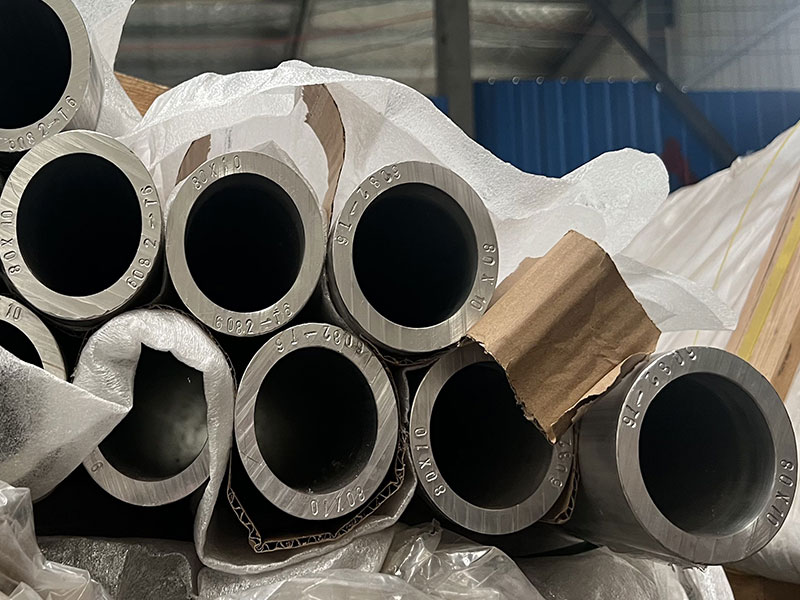
Marine aluminum hollow bars
Marine Grade Aluminum Hollow Bars are fabricated from high-quality alloys such as 5083, 5052, 6061, and 6082, all known for their exceptional resistance to seawater corrosion, salt spray, and marine atmospheres.
View Details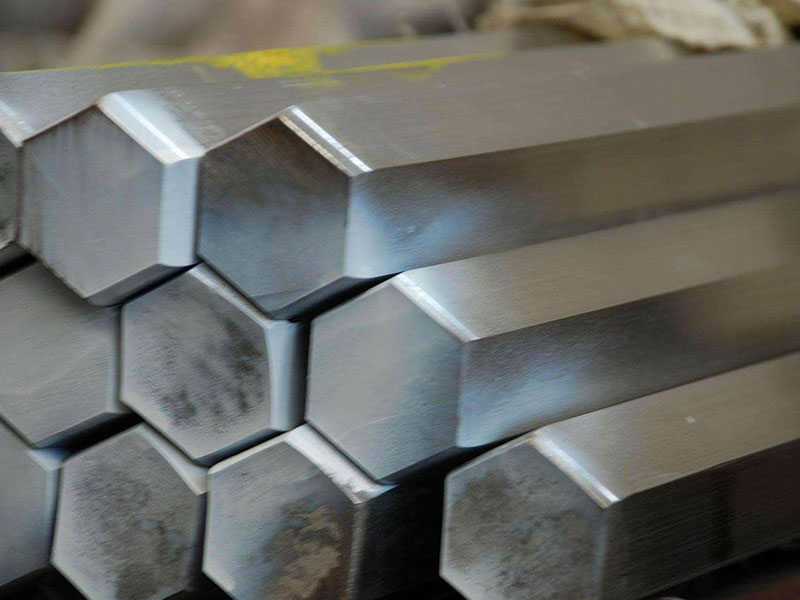
Marine aluminum hexagonal bars
Marine Grade Aluminum Hexagonal Bars are produced from premium corrosion-resistant aluminum alloys such as 5083, 5052, 6061, and 6082.
View Details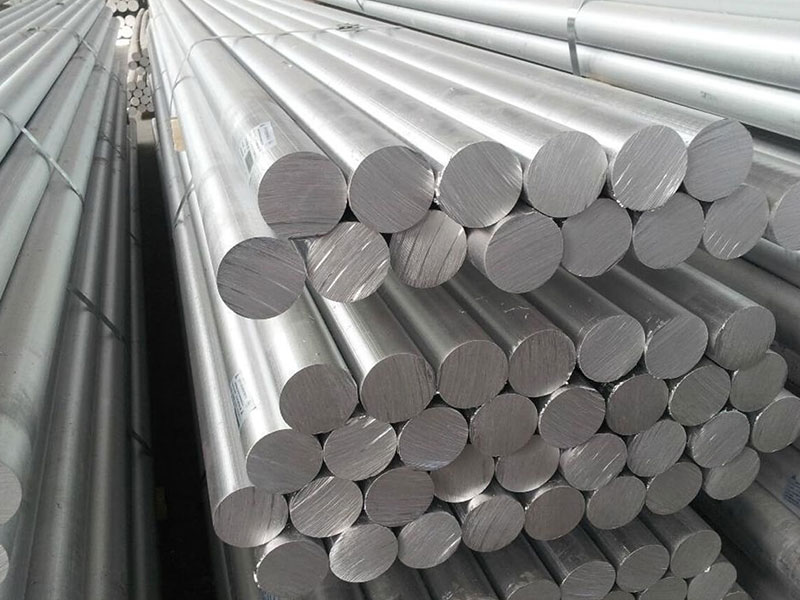
6082 marine aluminum rod & bar
6082 Aluminum Rods & Bars are extruded or rolled products manufactured from 6082 aluminum alloy — a thermally treated (typically T6 temper) aluminum-magnesium-silicon alloy that balances high tensile strength, good weldability, and excellent corrosion resistance.
View Details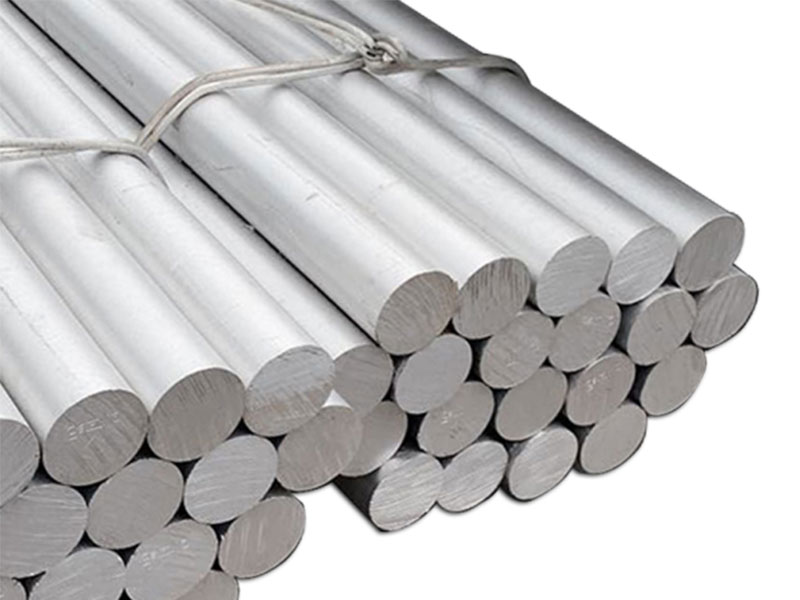
Marine grade aluminum solid bar
Marine Grade Aluminum Solid Bars are produced from premium aluminum alloys optimized for saltwater exposure, such as 5083, 5052, 6061, and 6082. These alloys offer unparalleled resistance to corrosion caused by seawater, salt spray, and marine atmospheres, while maintaining excellent mechanical strength and toughness.
View DetailsRelated Blog
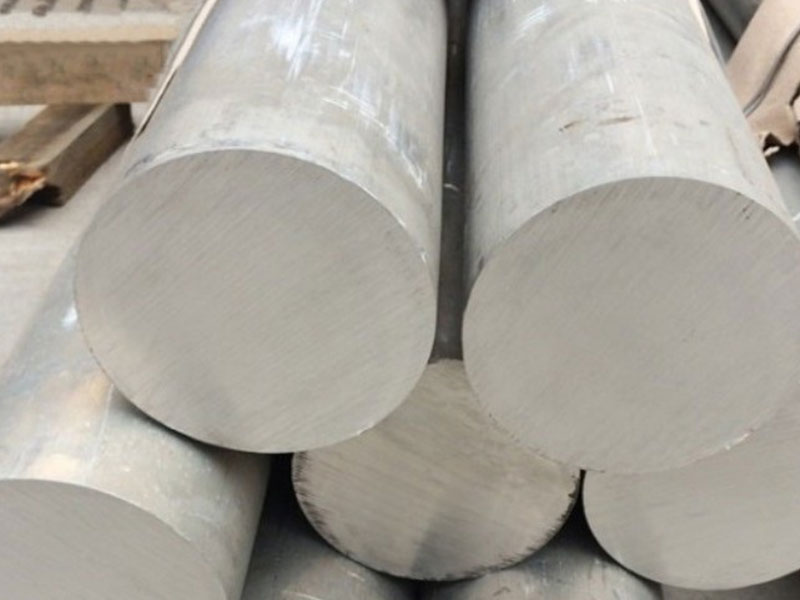
5052 Marine Aluminum Hexagonal Bars for Marine Hull Strengthening Parts
5052 marine aluminum hexagonal bars are a dedicated structural material for high‑strength, corrosion‑resistant hull reinforcement and outfitting in marine environments.
View Details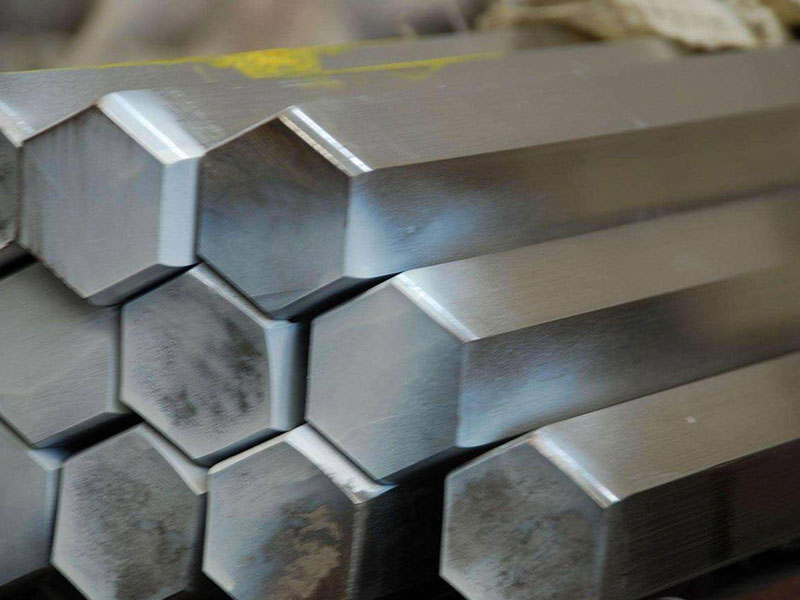
5083 Marine Aluminum Hexagonal Bars for Durable Offshore Support Parts
Explore premium 5083 marine aluminum hexagonal bars tailored for offshore support applications. their superior corrosion resistance, alloy composition, mechanical properties, and industry implementation standards.
View Details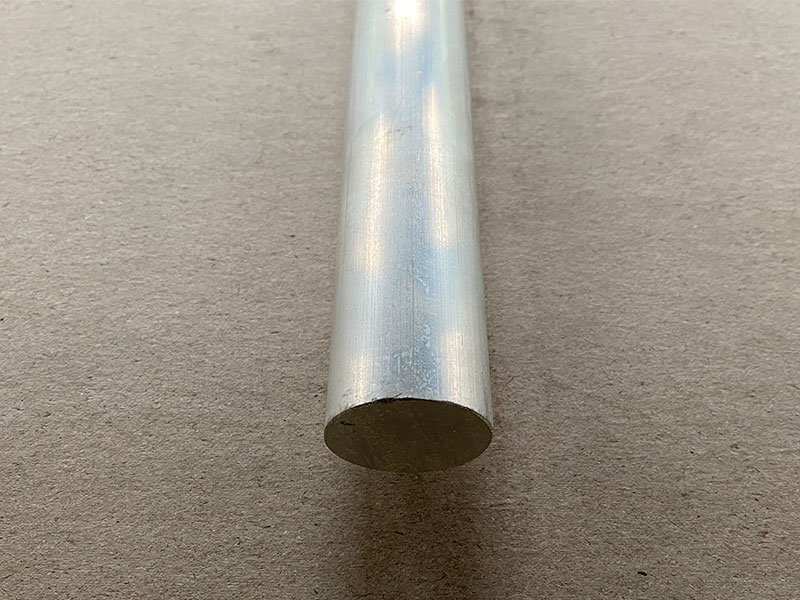
5083 Marine Aluminum Hollow Bars for Offshore Marine Engineering
Offshore structures punish materials with a combination of chloride-rich seawater, cyclic loading, impact, abrasion, and temperature swings. In this environment, 5083 marine aluminum stands out as a workhorse alloy.
View Details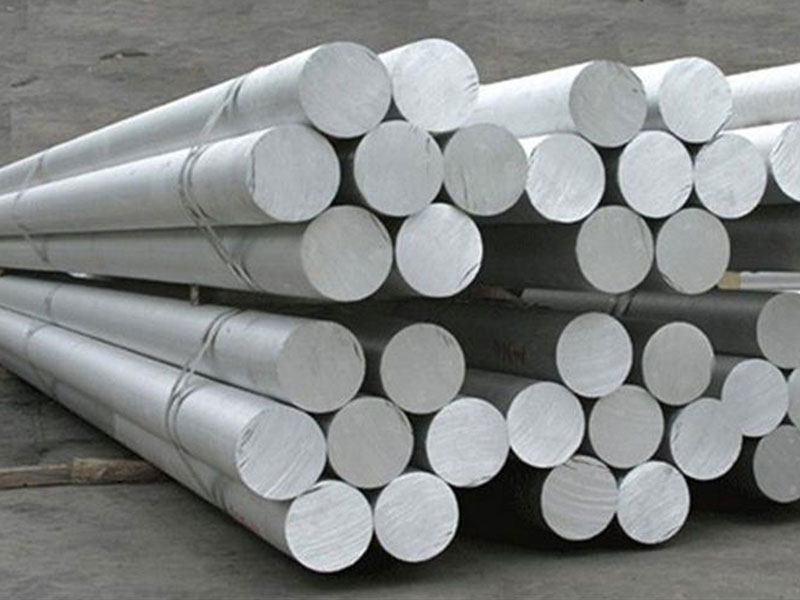
6082 Marine Grade Aluminum Solid Bar for Industrial Marine Equipment
6082 Marine Grade Aluminum Solid Bar for Industrial Marine Equipment: The "Quiet Backbone" of Reliable SystemsIndustrial marine equipment rarely fails because of one dramatic overload.
View Details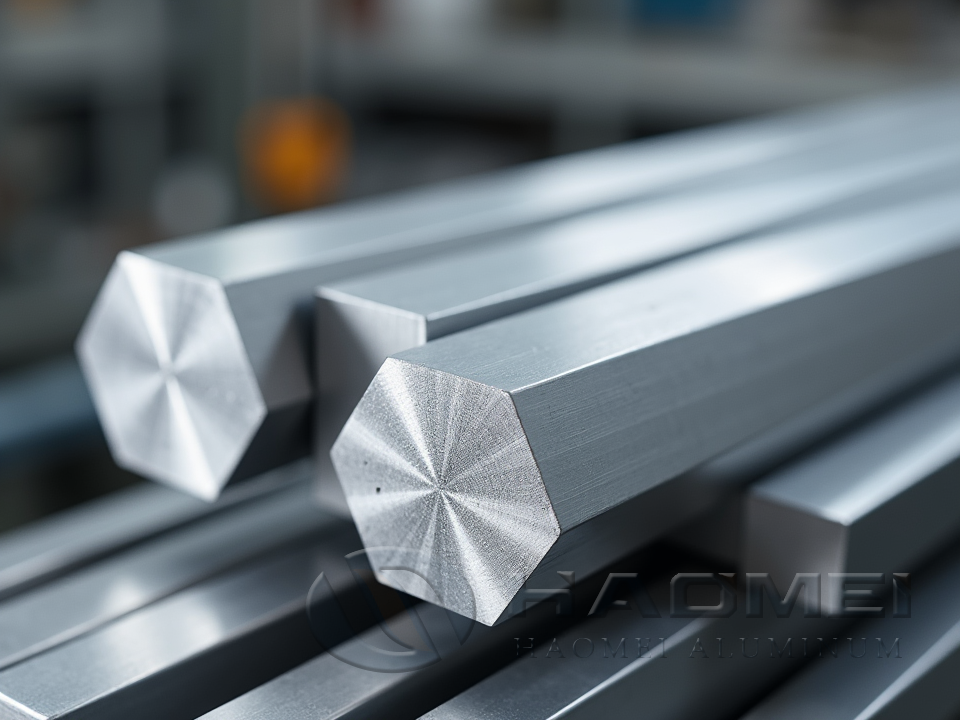
6061 Marine Aluminum Hexagonal Bars for Marine Hull and Deck Support
A practical look at 6061 marine aluminum hexagonal bars, covering strength, corrosion control, machining, and deck or hull support use for builders and buyers.
View Details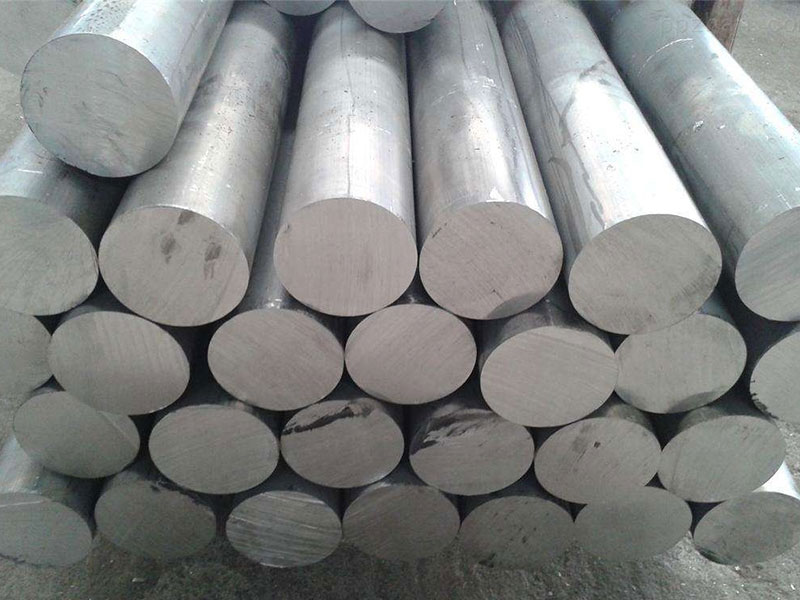
6082 Marine Grade Aluminum Solid Bar for Industrial Marine Support
6082 Marine Grade Aluminum Solid Bar for Industrial Marine Support: The "Quiet Backbone" of Working VesselsIn marine engineering, the most important parts are rarely the loudest.
View Details
Leave a Message