
5052 Marine Aluminum Hexagonal Bars for Lightweight Marine Frame Design
In a marine frame, metal is not only a load carrier. It is part of the vessel's rhythm: resisting vibration, salt spray, bracket pressure, thermal movement, and repeated maintenance. 5052 marine aluminum hexagonal bars serve this rhythm well because their six-sided geometry adds practical value beyond simple weight reduction. Each flat face gives builders a natural reference surface for clamping, drilling, indexing, and joining, which is especially useful when space inside a hull, cabin frame, rail support, or equipment bracket is limited.
5052 aluminum belongs to the aluminum-magnesium alloy family. It is not strengthened by heat treatment, but by controlled cold working and stabilization. This gives it a balanced profile: lighter than steel, easier to fabricate than many high-strength alloys, and highly resistant to seawater atmosphere. For lightweight marine frame design, that balance often matters more than chasing the highest possible tensile strength.
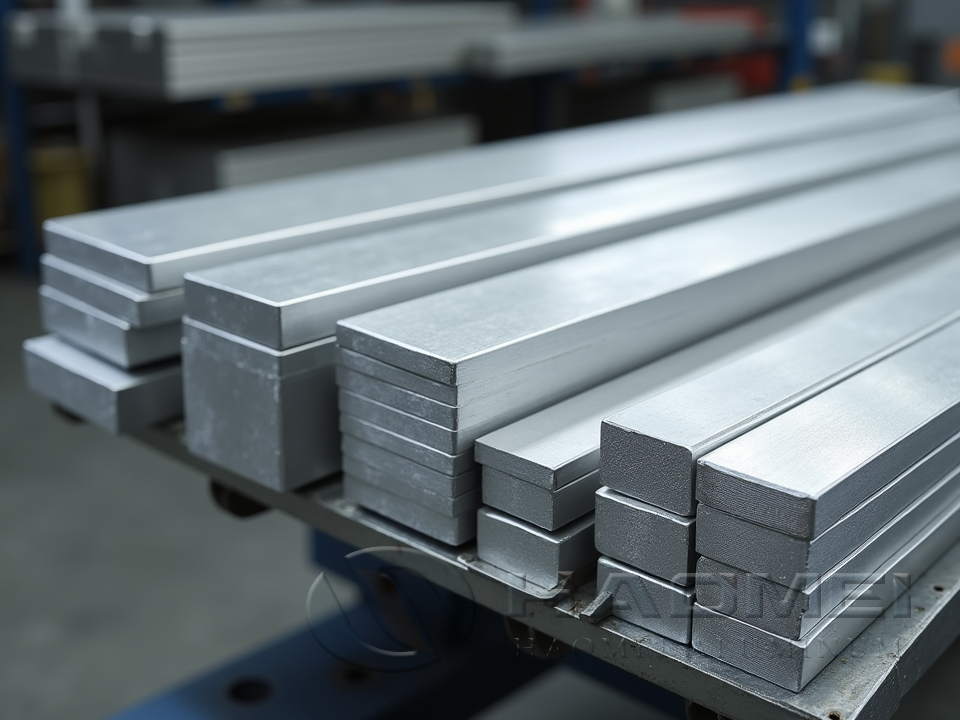
Why Hexagonal Geometry Works in Marine Frames
Round bars are smooth, square bars are easy to align, and flat bars spread load across a surface. Hexagonal bars sit between these familiar forms. Their six flats provide rotational control while keeping a compact cross-section. In small craft, patrol boats, workboats, yacht interiors, removable deck systems, and lightweight support frames, this shape can reduce the need for extra machining or welded anti-rotation tabs.
A hexagonal 5052 bar can be used as a spacer, brace, standoff, equipment support, hinge element, handrail connector, frame insert, or custom machined marine fitting. When a part must be tightened, held, or indexed during assembly, the hex profile behaves almost like a built-in tooling feature. That can save fabrication time and reduce accumulated weight from additional plates, washers, or block supports.
For buyers comparing multiple marine profiles in one purchasing plan, Marine Grade Aluminum Bars can be selected by alloy, shape, strength level, and corrosion exposure so the frame is not overbuilt in one area and underprotected in another.
5052 Alloy Behavior in Seawater Conditions
The strength of 5052 is its calm durability. Magnesium improves corrosion resistance, especially in marine atmosphere, while chromium helps control grain structure and resistance to stress corrosion. The alloy also performs well after welding compared with many heat-treatable grades, because it does not depend on artificial aging for its strength.
In saltwater service, surface design is still important. Crevices, trapped moisture, dissimilar metal contact, and poor drainage can weaken even a good marine alloy. When 5052 hexagonal bars are used with stainless fasteners, isolation washers, sealants, or suitable coatings are recommended to reduce galvanic corrosion. Drain holes, open joints, and smooth transitions often extend service life more effectively than simply increasing section size.
Typical Product Parameters
| Item | Common Supply Condition |
|---|---|
| Product form | 5052 aluminum hexagonal bar |
| Across flats | 6 mm to 80 mm, larger sizes by agreement |
| Length | 1000 mm to 6000 mm, cut-to-length available |
| Temper | O, H111, H112, H32, H34 |
| Surface | Mill finish, brushed, polished, anodizing-ready on request |
| Density | About 2.68 g/cm3 |
| Typical tensile strength | About 170 MPa to 260 MPa depending on temper and size |
| Typical yield strength | About 65 MPa to 215 MPa depending on temper and size |
| Fabrication | Good cutting, drilling, milling, bending in softer tempers, excellent weldability |
| Main marine uses | Frames, brackets, rail supports, spacers, fittings, machined connectors |
When the design needs a true six-flat section rather than a square or round substitute, Marine aluminum hexagonal bars are a practical choice for precise alignment and repeatable assembly.
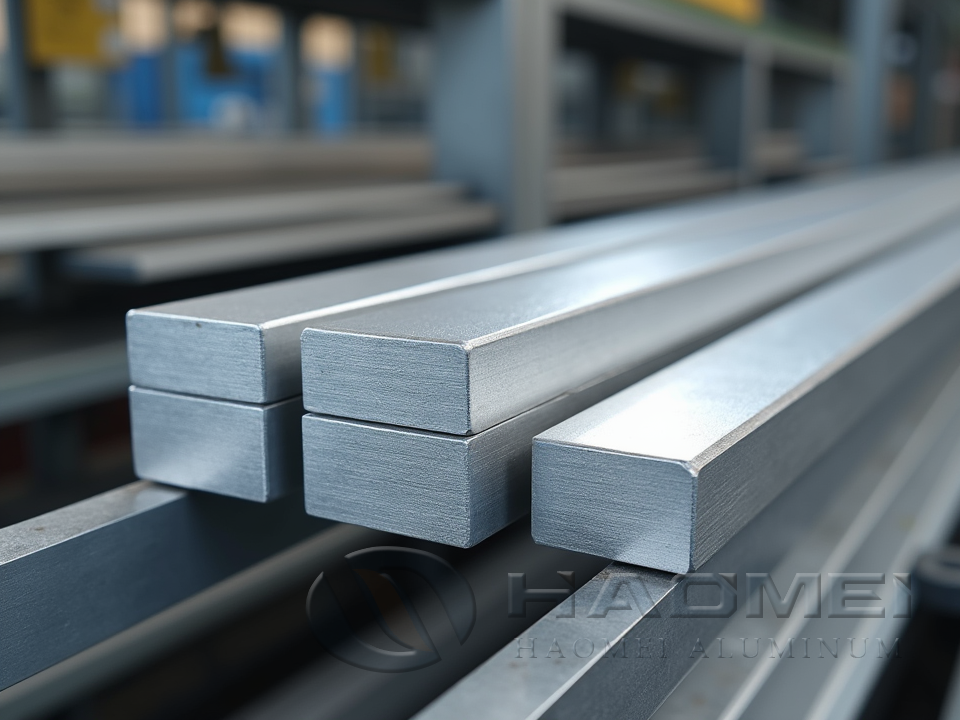
Temper Selection for Frame Design
5052-O is annealed and soft. It is preferred when forming, bending, or heavy reshaping is required before final assembly. For structural frame parts that need a stable balance of strength and workability, 5052-H32 is frequently selected. It is strain hardened and stabilized, offering good mechanical performance while maintaining corrosion resistance.
5052-H34 is harder and stronger than H32, making it suitable for machined standoffs, support bars, or parts that experience higher handling loads. H111 and H112 are often used when moderate strength, dimensional stability, and practical fabrication are more important than maximum hardness. These tempers are common in marine semi-finished products where welding and machining are both part of production.
For welded frames, designers should remember that the heat-affected zone may soften compared with the parent material. This does not mean 5052 is unsuitable for welded marine frames. It means joint layout, weld size, gusset placement, and load path should be considered early. A light frame is successful when the geometry carries the load, not when extra metal is added after problems appear.
Chemical Composition of 5052 Marine Aluminum
| Element | Content, wt.% |
|---|---|
| Aluminum, Al | Balance |
| Magnesium, Mg | 2.20 - 2.80 |
| Chromium, Cr | 0.15 - 0.35 |
| Silicon, Si | Up to 0.25 |
| Iron, Fe | Up to 0.40 |
| Copper, Cu | Up to 0.10 |
| Manganese, Mn | Up to 0.10 |
| Zinc, Zn | Up to 0.10 |
| Other each | Up to 0.05 |
| Other total | Up to 0.15 |
The magnesium range is the main reason 5052 performs so well in marine service. It gives the alloy better corrosion behavior than many general-purpose aluminum grades. The low copper limit is also important, since high copper content can reduce corrosion resistance in seawater environments.
Implementation Standards and Inspection References
| Standard | Application Scope |
|---|---|
| ASTM B211 | Aluminum and aluminum-alloy rolled or cold-finished bar, rod, and wire |
| ASTM B221 | Aluminum and aluminum-alloy extruded bars, rods, wire, profiles, and tubes |
| EN 754 | Cold drawn aluminum and aluminum alloy rod and bar |
| EN 755 | Extruded aluminum and aluminum alloy rod, bar, tube, and profiles |
| GB/T 3191 | Aluminum and aluminum alloy extruded bars for industrial use |
| GB/T 6892 | Wrought aluminum and aluminum alloy extruded profiles |
| ABS, DNV, LR, CCS | Classification requirements may apply for vessel projects |
Actual delivery standards should be confirmed according to the project drawing, vessel class, destination market, and inspection level. For marine frames used in certified vessels, material certificates, heat numbers, chemical analysis, mechanical test reports, and traceability documents may be required.
Design Notes for Lightweight Marine Frames
A lightweight frame does not come from using the thinnest part everywhere. It comes from putting stiffness where the structure asks for it. 5052 hexagonal bars can help by serving as compact load transfer members, especially where brackets rotate, panels meet at angles, or removable assemblies need repeatable positioning.
The flat faces simplify drilling patterns and reduce slipping during fixture setup. Compared with round bar, less custom clamping may be needed. Compared with square bar, the hex shape can reduce corner bulk while still giving multiple flat contact planes. For small aluminum boats, yacht fit-outs, deck equipment bases, and cabin support systems, these small design efficiencies become meaningful across the whole vessel.
Machining is straightforward with sharp tools, suitable lubrication, and correct chip evacuation. Welding is commonly performed with marine-compatible filler metals such as 5356, depending on the design and service condition. If the frame will be anodized, cleaned, or painted, surface preparation should remove oil, oxide contamination, and embedded steel particles from previous handling.
Purchasing Guidance
When ordering 5052 marine aluminum hexagonal bars, the most important details are alloy, temper, across-flats size, length, tolerance, surface requirement, straightness, certification, and packing method. For export or shipyard delivery, moisture-resistant wrapping and separation from carbon steel materials help protect the surface before fabrication.
5052 is not the strongest marine aluminum alloy, and that is exactly why many builders like it. It offers a dependable middle ground: corrosion resistance, weldability, formability, and weight savings in one practical profile. In lightweight marine frame design, the hexagonal bar turns geometry into function, giving designers a clean way to align, brace, connect, and support without adding unnecessary mass.

Related Products
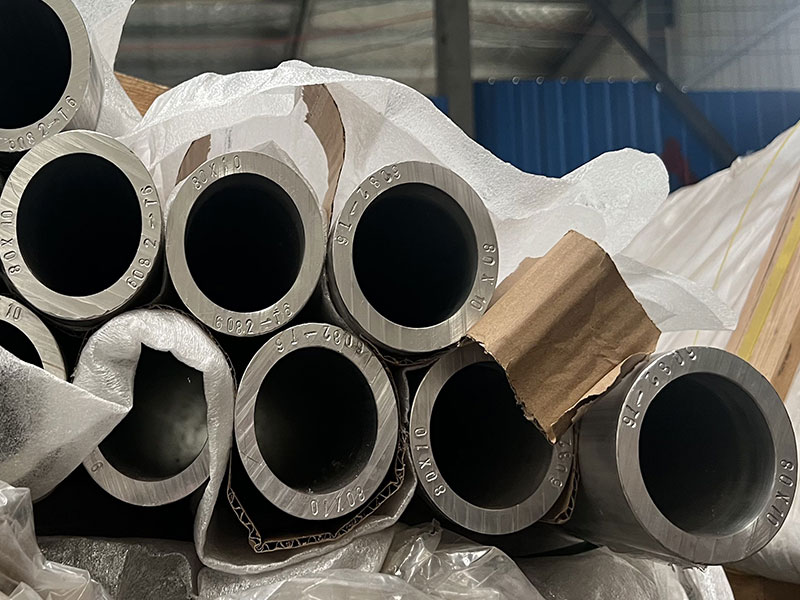
Marine aluminum hollow bars
Marine Grade Aluminum Hollow Bars are fabricated from high-quality alloys such as 5083, 5052, 6061, and 6082, all known for their exceptional resistance to seawater corrosion, salt spray, and marine atmospheres.
View Details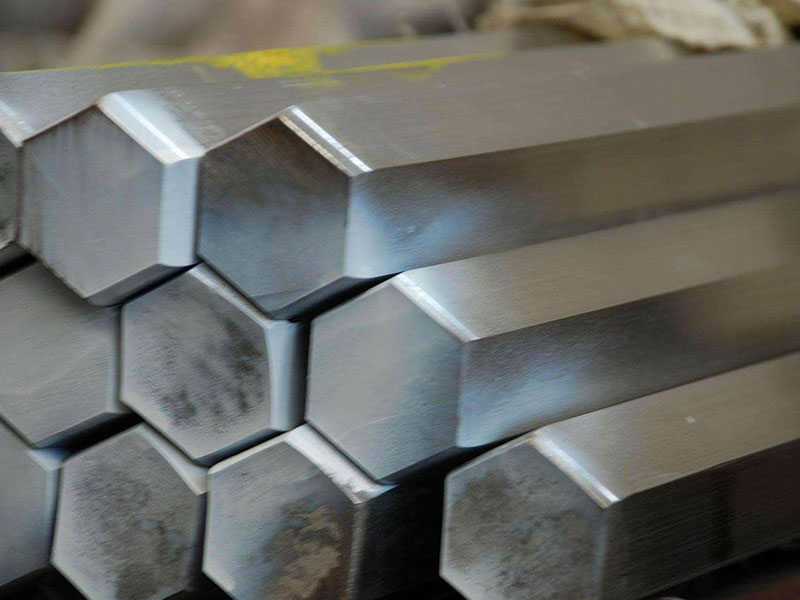
Marine aluminum hexagonal bars
Marine Grade Aluminum Hexagonal Bars are produced from premium corrosion-resistant aluminum alloys such as 5083, 5052, 6061, and 6082.
View Details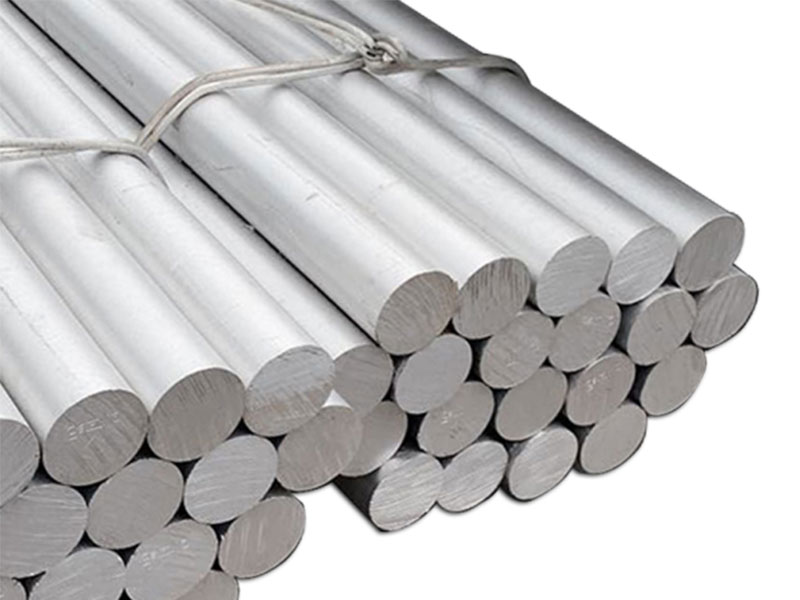
Marine grade aluminum solid bar
Marine Grade Aluminum Solid Bars are produced from premium aluminum alloys optimized for saltwater exposure, such as 5083, 5052, 6061, and 6082. These alloys offer unparalleled resistance to corrosion caused by seawater, salt spray, and marine atmospheres, while maintaining excellent mechanical strength and toughness.
View Details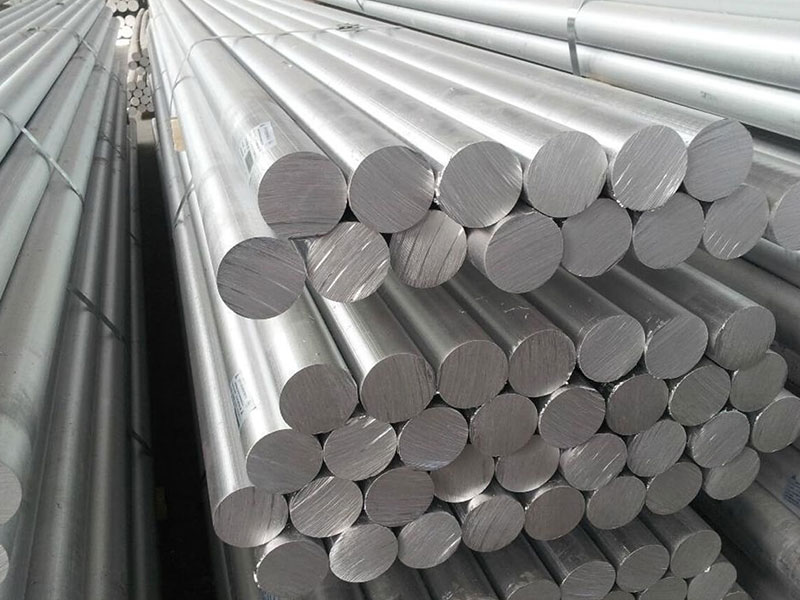
6082 marine aluminum rod & bar
6082 Aluminum Rods & Bars are extruded or rolled products manufactured from 6082 aluminum alloy — a thermally treated (typically T6 temper) aluminum-magnesium-silicon alloy that balances high tensile strength, good weldability, and excellent corrosion resistance.
View DetailsRelated Blog
6061 Marine Aluminum Hollow Bars for Custom Marine Platform Solutions
6061 Marine Aluminum Hollow Bars for Custom Marine Platform Solutions: The "Quiet Engineering" Inside Every Deck, Frame, and WalkwayWhen people picture a marine platform, they usually see the surface: the deck plates, the railings, the tidy weld beads.
View Details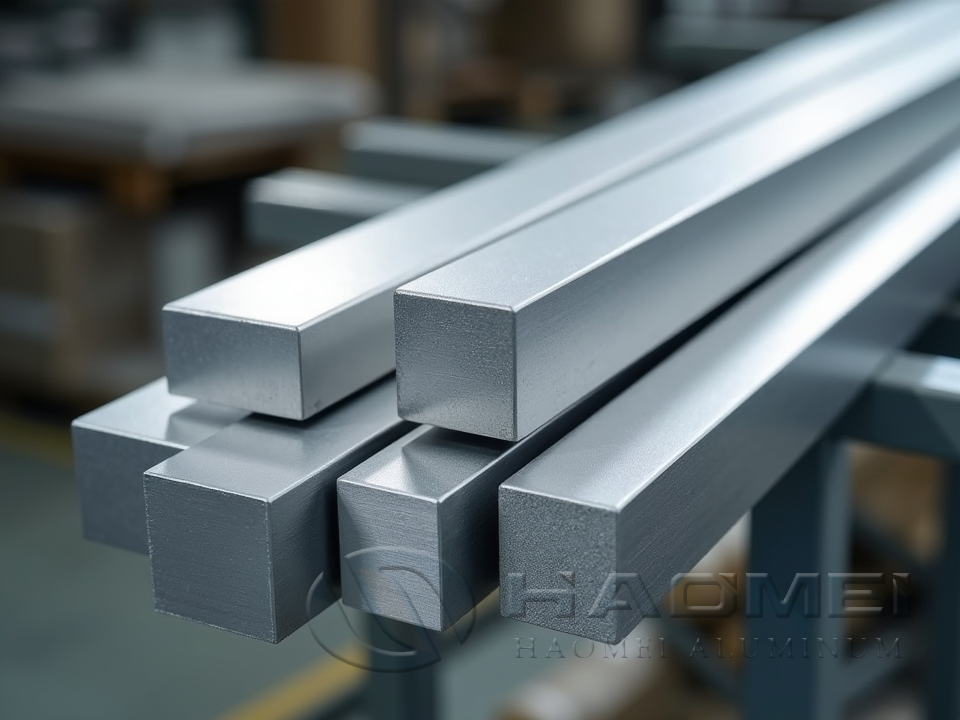
5083 Marine Aluminum Hexagonal Bars for Saltwater Resistant Boat Hull Parts
Explore 5083 marine aluminum hex bars for seawater resistant boat hull parts, with specs, chemistry, tempers, machining notes, fabrication guidance, and uses.
View Details
5052 Marine Aluminum Hollow Bars for Corrosion Resistant Offshore Solutions
5052 marine aluminum hollow bars combine low weight, weldability, and saltwater corrosion resistance for offshore piping, sleeves, rails, structural supports, and fittings.
View Details
5052 Marine Aluminum Hollow Bars for Offshore Engineering Solutions
In the domain of offshore engineering, material selection is critical to ensure the resilience, functionality, and longevity of maritime structures. Among various alloys.
View Details
Marine Aluminum Hollow Bars for Shipbuilding and Marine Applications
Marine environments punish materials relentlessly: salt spray, cyclic loading, stray currents, impacts, and long service intervals where maintenance access is limited.
View Details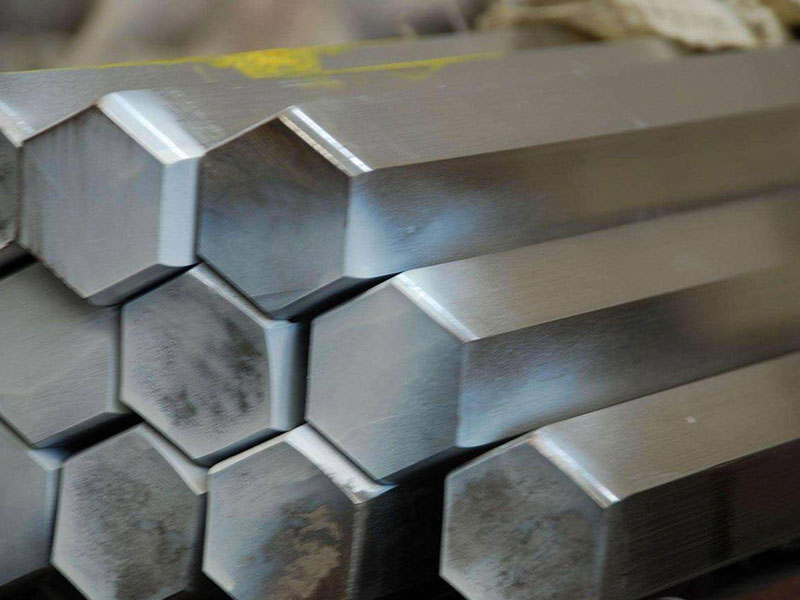
5083 Marine Aluminum Bar for Heavy Marine Equipment Reinforcement
5083 Marine Aluminum Bar for Heavy Marine Equipment Reinforcement: A Structural “Spring” in a Saltwater WorldWhen naval architects and offshore engineers talk about reinforcement materials, they rarely think in terms of “springs.
View Details
Leave a Message